News

Gallery 1
From 2029, drivers in California won’t be allowed to use the rubber of their choice on their cars after the state ruled that replacement tyres must be at least as energy-efficient as the ones originally fitted to vehicles.
The aim of the Replacement Tire Efficiency Program is to cut down on fuel usage, fuel costs and pollution. It’s the latest in a long line of green-focused initiatives that have made California one of the strictest places on the planet when it comes to vehicle emissions and other environmental standards.
2
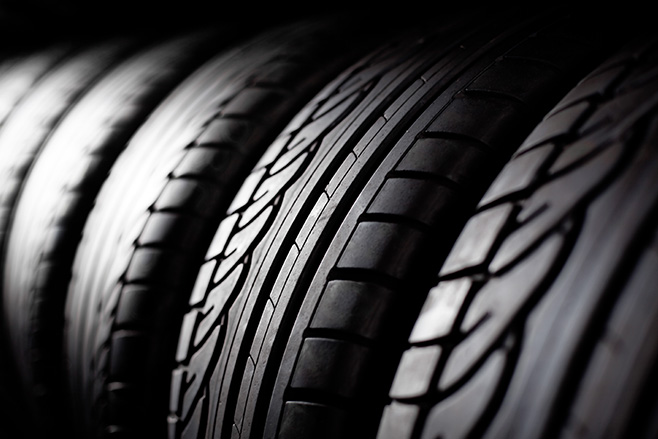
Key to the new regulation is tyres’ rolling resistance, which measures how much energy is wasted when the contact patch rolls over the road. The California Energy Commission tested 537 varieties of tyre before setting the new rules.
When it takes effect from 2029, the program will be bad news for motorists who like grippy high-performance hoops, not to mention those who want to fit cheaper options than those used by the manufacturer. That’s especially the case with new cars using low rolling resistance tyres, which are usually seen on EVs and are more expensive than their regular counterparts.
While no such tyre rules have been flagged for Australia, there is one detail that could help pave the way for a similar move to be brought in down the track: our rapidly growing rate of EV adoption.
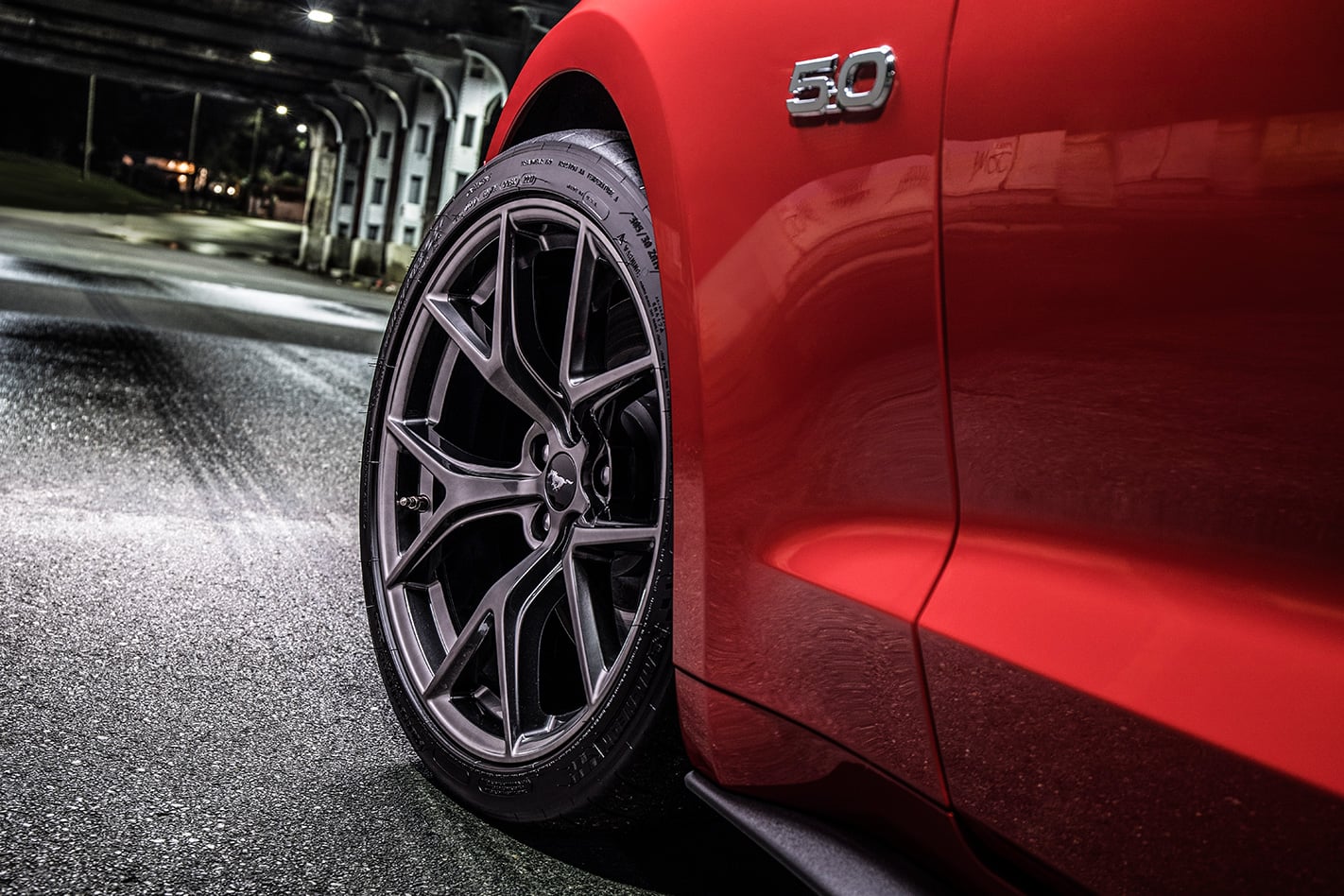
Low rolling resistance tyres are common on BEVs as part of the vehicles’ hard focus on efficiency. But EVs are often significantly heavier than their ICE-powered counterparts, which increases the load on their rubber. Combine that with electric cars’ ability to make large amounts of torque instantly and you have a recipe for accelerated tyre wear.
3
Tyres disperse harmful particulates as they grip the road, with research showing they produce an estimated 1.2 to 6.7kg of particles over their lifetime.
Last month, the University of Queensland released a study showing that potentially toxic tyre chemical additives have been found on residential balconies in Brisbane. One of those chemicals, 6PPD-quinone, was singled out by researchers. Tyre-related chemicals were found in 29 of the 30 samples taken.
While California is the only American state to bring in such a program, Europe also set tyre rolling-resistance standards in 2012. That move set maximum resistance limits for rubber but didn’t place any restrictions on what owners could fit to their vehicles.
It also showed that the issue has been on regulators’ plates for a fair while – and it’s hard to believe Australian watchdogs aren’t taking notice.
Follow WhichCar/Wheels on Google
Click the button below to make WhichCar by Wheels a preferred source for your news.

We recommend
-
 News
NewsMichelin set to make tyres out of recycled bottles
Michelin and biochemistry company Carbios have joined forces to realise tyre-giant's quest to make rubber out of PET plastic products
-
 News
NewsMichelin commits to making its tyres 100% sustainable by 2050
It's a long way off, but France's iconic tyre manufacturer is planning a green future for its black stuff