Advice

Gallery 1
Are you considering buying an electric car? There’s a lot to consider, so here’s your guide to keeping your EV charged, both at home and away
Electric vehicles (EVs) are becoming an increasingly common sight on Australian roads. Their sales hit almost 20 per cent of new vehicles in May 2026, which is a huge increase on years’ past. But for many buyers, the technology can still seem confusing. For example, what’s the difference between kW and kWh, why do some chargers take hours while others take minutes and why do manufacturers recommend charging to only 80 per cent? There are plenty of questions we’ll cover below.
A key challenge for buyers making the electric vehicle switch is breaking old habits and understanding the concept of charging. For most people, adding driving range to your vehicle has been as easy as stopping at a fuel station and getting back on the road within minutes.
However, for an electric car, it seemingly isn’t as simple on the surface. There’s terms such as kilowatts (kW) and kilowatt-hours (kWh), the difference between AC and DC, charging speeds (or levels), and various plug types.
Even though companies such as BYD are trying hard, charging an EV is not currently as quick as rapidly pumping combustible fuel, but it doesn’t have to take forever – and it can be both more convenient and desirable than stopping at a fuel station.
1
What are kW and kWh?
One of the most common points of confusion for potential EV drivers is the difference between kilowatts (kW) and kilowatt-hours (kWh). Kilowatt denotes the charging speed rate and the energy that the electric motor produces, while kilowatt-hour measures the energy capacity of the battery.
A vehicle’s motor output is measured in kilowatts. Just like a petrol car’s engine might produce 150kW, an EV motor could produce 200kW or more.
Battery capacity, meanwhile, is measured in kilowatt-hours. This tells you how much energy the battery can store, similar to the size of a fuel tank.
For example, an EV with a 75kWh battery stores more energy than one with a 50kWh battery and will typically offer greater driving range.
Understanding battery sizes
Most mainstream electric vehicles sold in Australia have battery capacities ranging from around 30kWh to more than 100kWh, which is confusing in itself for prospective EV buyers. How does one know what battery size gives what driving range?
Generally speaking:
- Under 50kWh: Generally 250-350km of range
- 60-80kWh: Generally 350-550km of range
- 80kWh+: Mostly 500km or more
However, battery size isn’t the only factor in how far an electric vehicle can travel. The vehicle’s weight, aerodynamics, wheel size, tyre choice and efficiency all play major roles in determining its real world driving range.
1
AC and DC charging levels
EVs can be charged using either alternating current (AC) or direct current (DC).
AC Charging
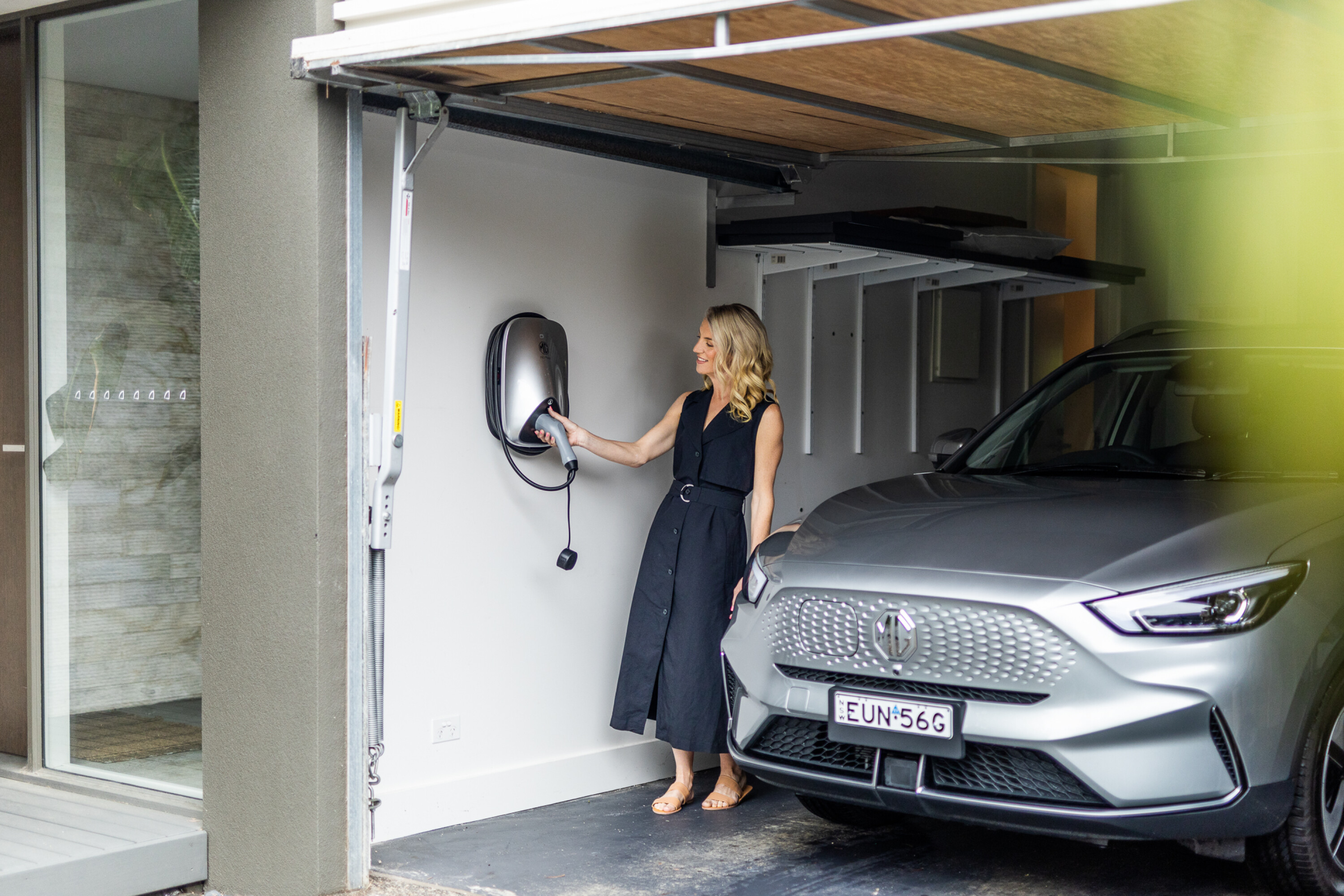
AC charging is what you’ll typically use at home.
The electricity supplied by your home or workplace must first be converted into DC power by the vehicle before it can be stored in the battery.
AC charging is generally slower, with speeds ranging from around 2kW from a standard household socket to 22kW from dedicated wall chargers. Most EVs can AC charge up to around 11kW.
1
DC Charging
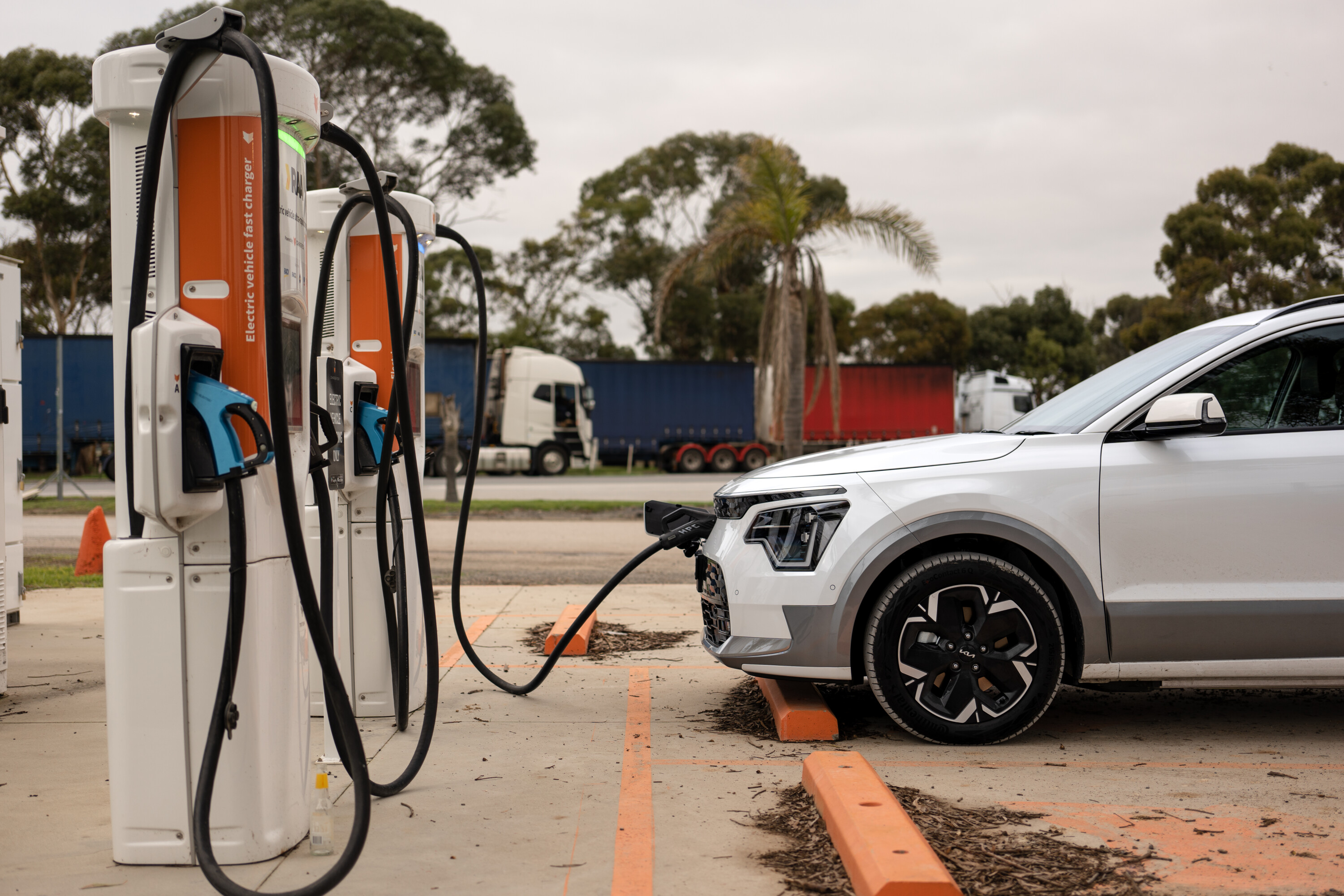
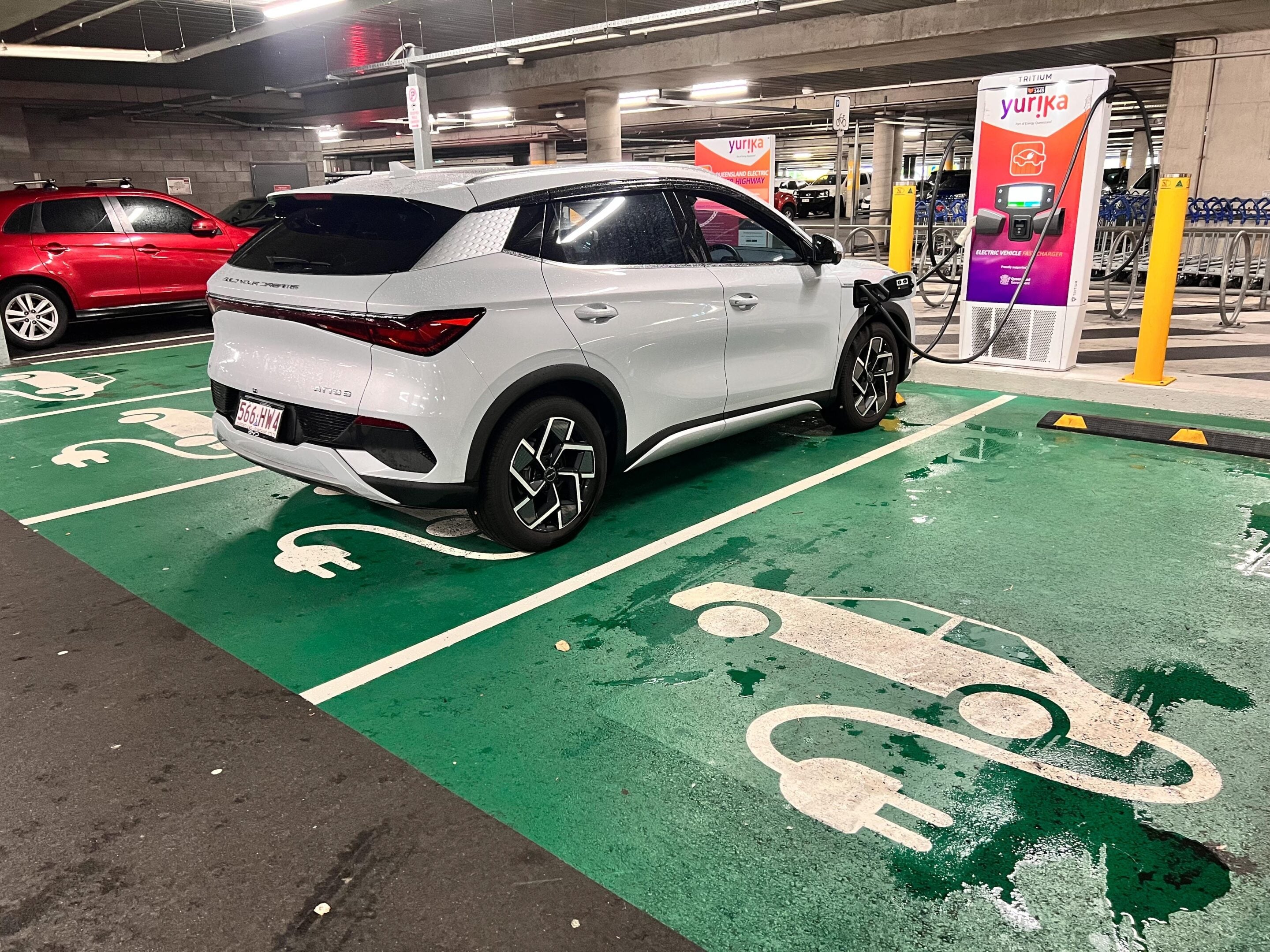
DC fast chargers perform the conversion themselves and send electricity directly to the battery.
This allows significantly faster charging speeds of often between 50kW and 350kW, depending on the charger and vehicle.
Most modern electric vehicles connected to a suitable DC charger can often gain hundreds of kilometres of range in less than 30 minutes, but some can almost top up their batteries in far less time than that.
Slow AC charging at home is cheapest and generates less heat, which is generally better for battery longevity. It is also the cheapest way to own an EV — depending on your supplier and car, a full charge could be possible for well under $10.
Installing a single-phase 7kW AC wall box can guarantee a full recharge in one night for most models – if you really need to use the full driving range capabilities every day (typically 200 to 600km, depending on the model).
1
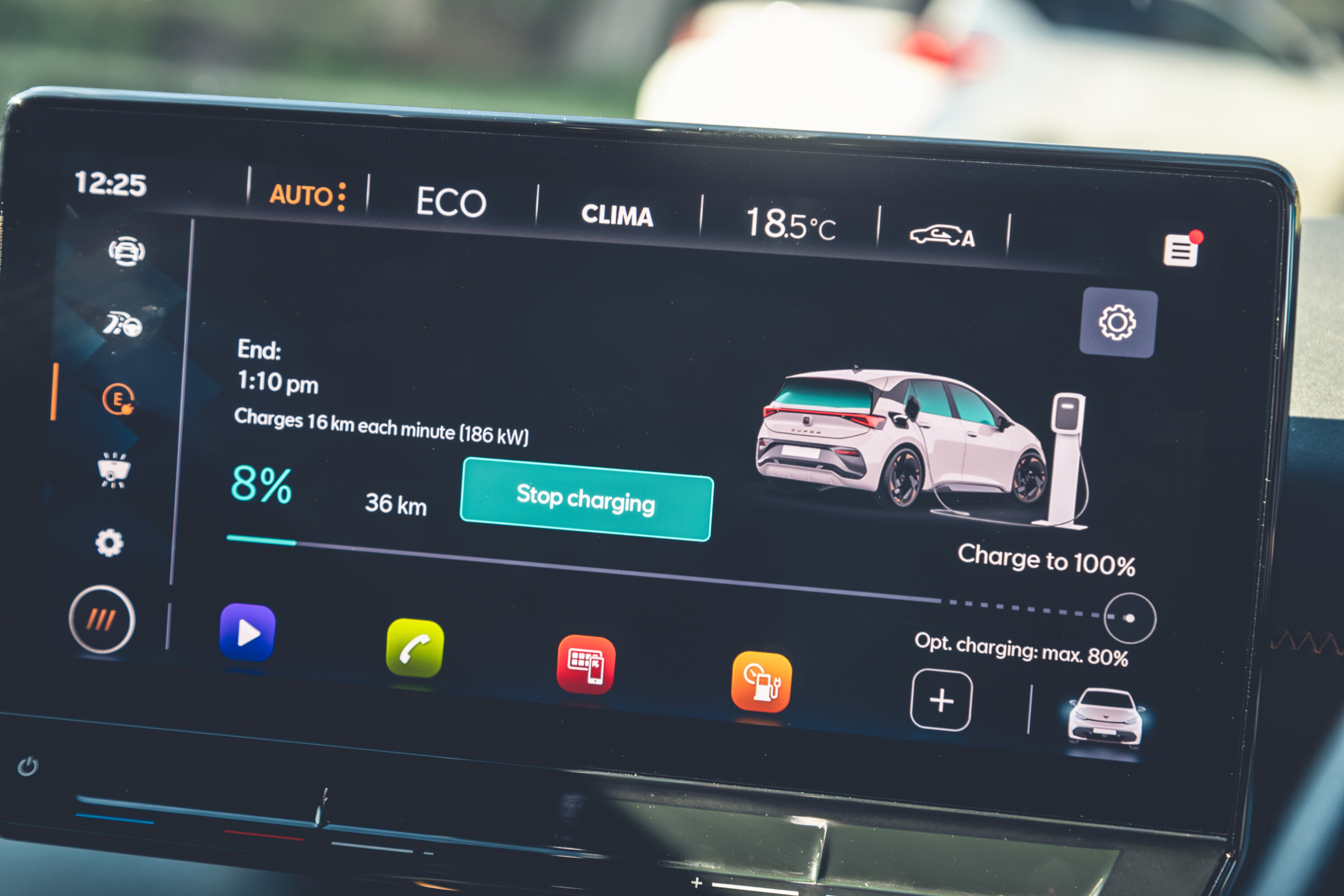
80 is the charging ‘limit’
Car brands generally recommend against owners fully charging their EVs to 100 per cent every day – but why?
Similar to pouring water into a cup, the internal resistance of a battery rises as the percentage increases. After an initial burst, the BMS gradually slows down the kilowatt rate until the battery reaches about 80 per cent full.
Therefore, automakers often quote a 10 to 80 per cent charge time, as this is most time efficient for the range added.
Charging past 80 per cent also isn’t healthy for the longevity of typical lithium-ion batteries, particularly in excessively cold or hot climates. However, the lower cost lithium-iron-phosphate (LFP) battery type can be fully charged without excessive degradation concerns.
Charging an EV from 80 to 100 per cent can effectively double your waiting time, since it slows down significantly – especially on public DC fast charging stations.
Of course, owners may need their EV’s full driving range on longer drives, so you can fully charge occasionally if you’re willing to wait.
While not all carmakers recommend an everyday charging cap, the general rule-of-thumb is 80 per cent for lithium-ion nickel-manganese-cobalt (NMC) or 100 per cent (no limit) for LFP type batteries.
Charging speeds explained
Not all EVs can accept electricity at the same rate.
For example, one vehicle might support DC charging at up to 100kW, while another can accept 250kW or more. The higher the maximum charging rate, the quicker the battery can potentially be replenished, and that’s why it’s important to consider the charging speed of EVs you’re considering.
But just because one car can theoretically charge at a higher speed doesn’t necessarily mean that it will charge faster than one that can charge at a slower speed.
It’s important to remember that charging speed isn’t constant. Most EVs slow charging significantly as the battery approaches full capacity, which is another reason why many road-trip charging stops focus on reaching 80 per cent rather than 100 per cent.
1
EV charging plug types
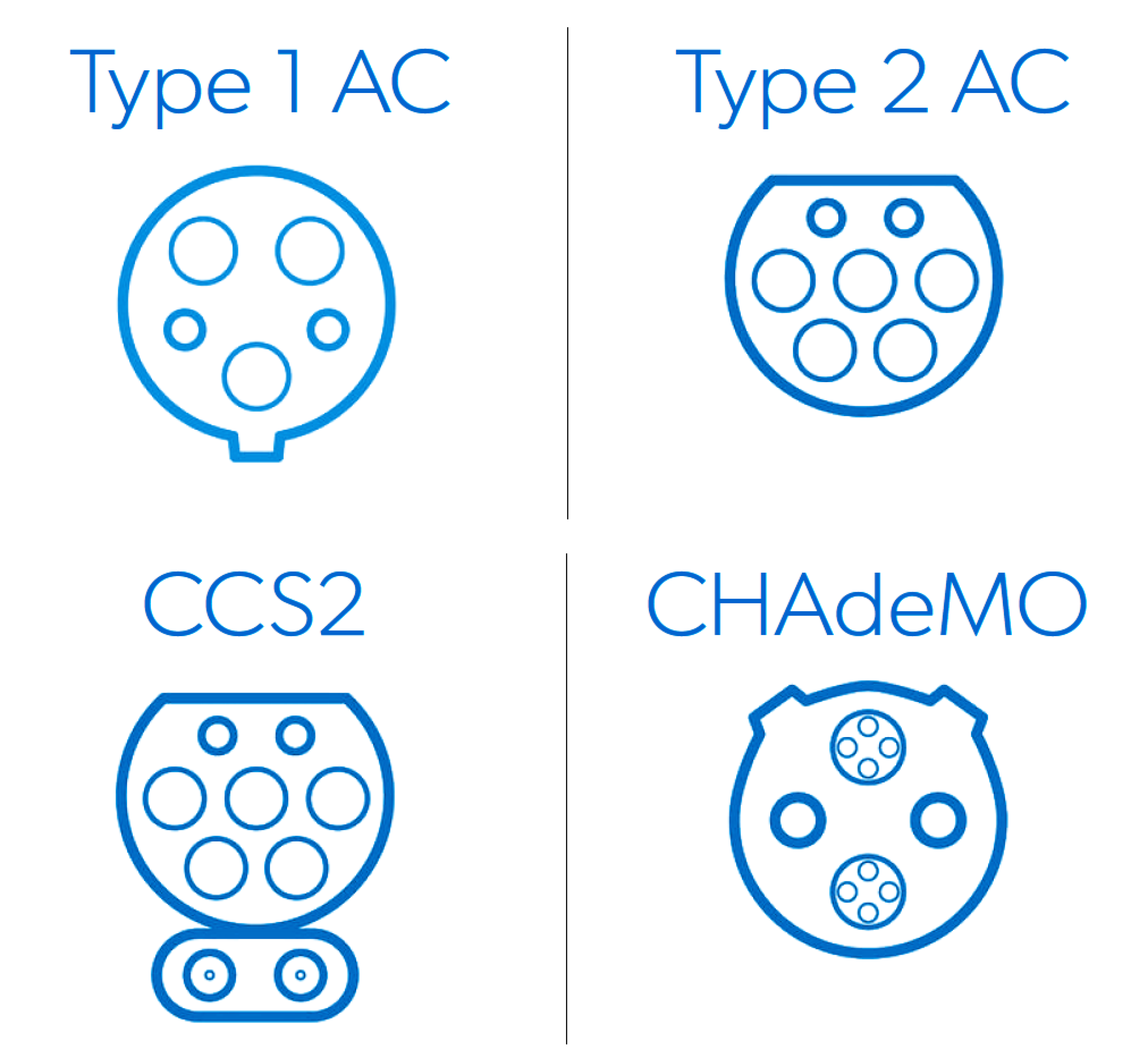
Most new electric cars use the same charging plug in Australia today, but some are outliers and can be confusing, especially if you buy used.
1
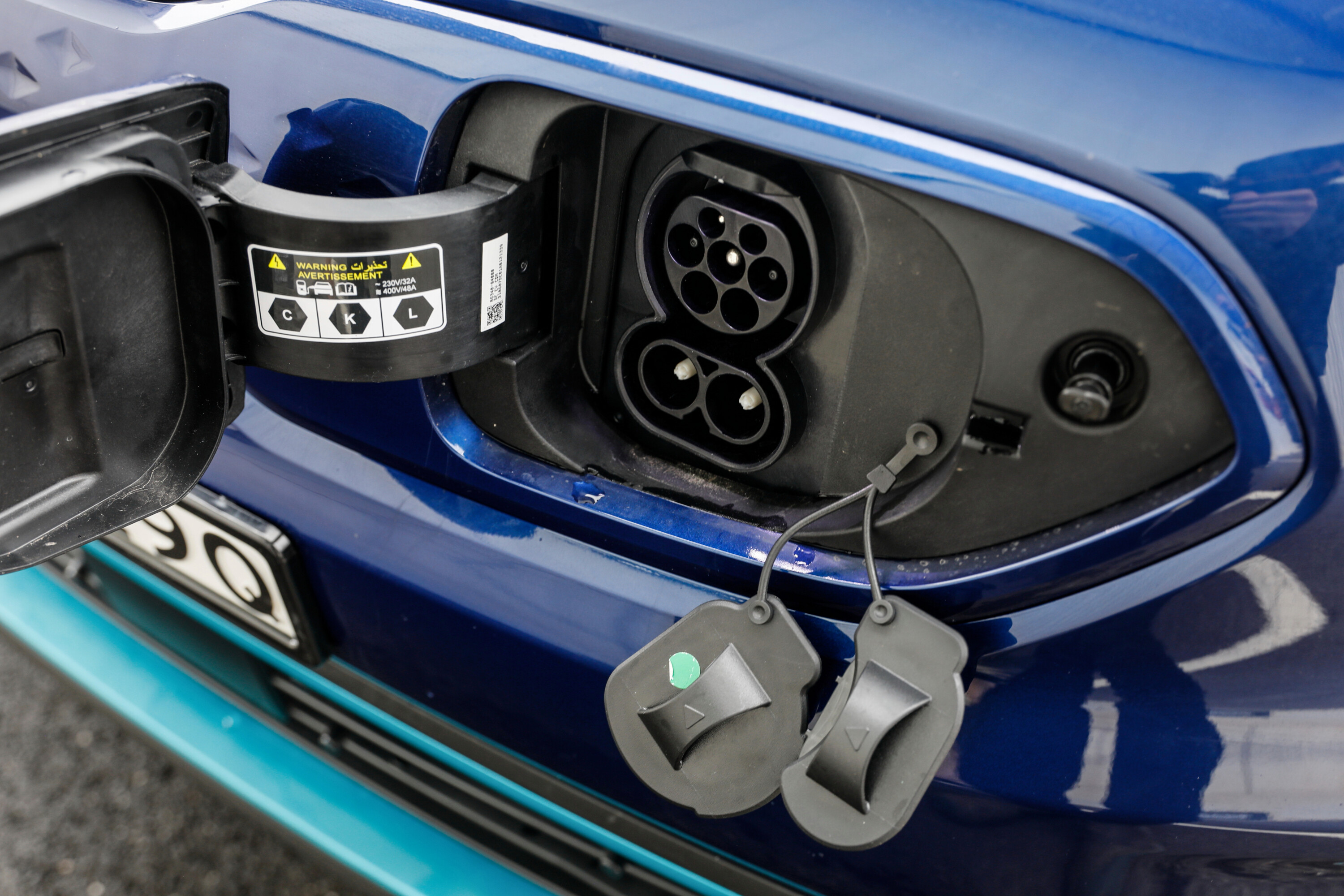
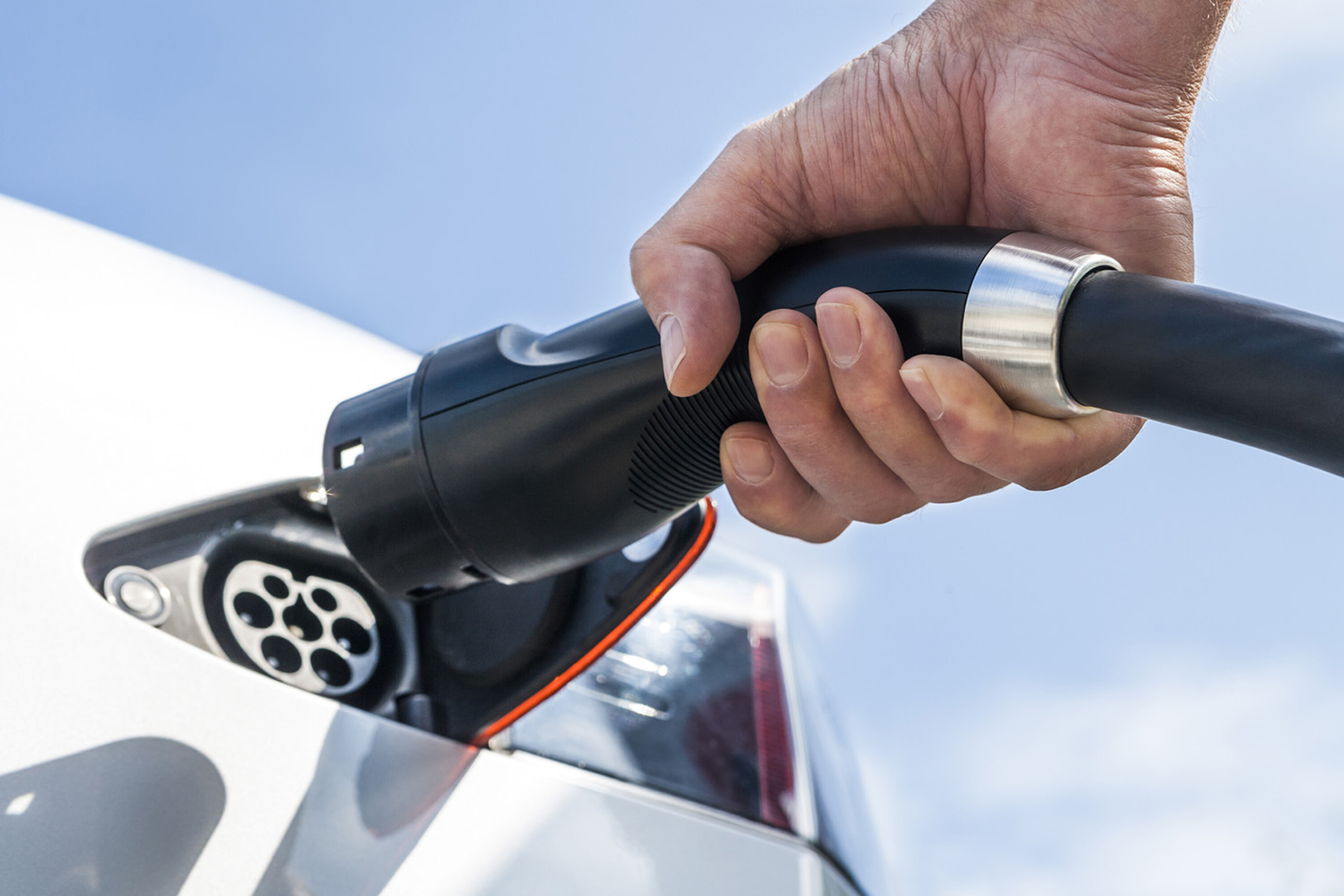
Type 2 / CCS2: The Australian standard
Type 2: This type, also known as Mennekes, is the European-standard EV plug for slow AC charging, with a seven-pin design.
DC charging: For fast charging, it’s called the CCS2 (Combined Charging System 2), by extending the bottom of Type 2 with two additional pins.
1
CHAdeMO: The Japanese standard
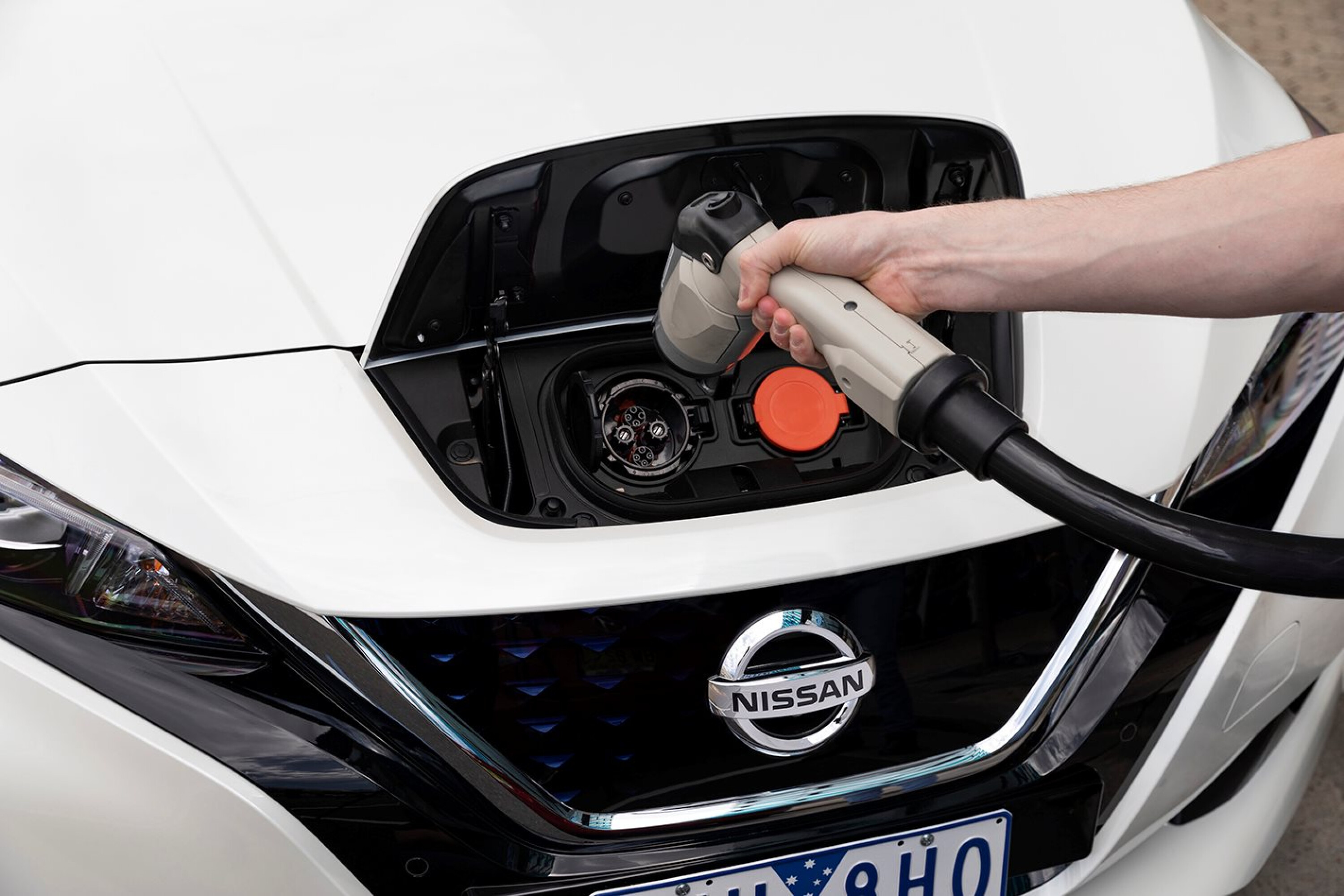
Some Japanese-made EVs and PHEVs in Australia have a CHAdeMO (CHArge de MOve) port for DC fast charging via four large pins.
However, for slower AC charging, models typically feature a separate Type 2 connector.
While the CHAdeMO connector will continue to be supported by public charging networks for the foreseeable future, some newly-installed stations have already phased it out in favour of the more common CCS2 in Australia.
1
Modified Type 2: The old Tesla standard
Some older Teslas in Australia have a Type 2 connector, but modified with a notch at the top to prevent rival EV models accessing Tesla’s V2 Supercharging network.
Unlike regular Type 2, the single seven-pin design is used for both AC and DC charging.
However, since most public DC fast charging stations only offer the CCS2 plug, an adapter is required to use them.
1
Battery size: Gross vs net
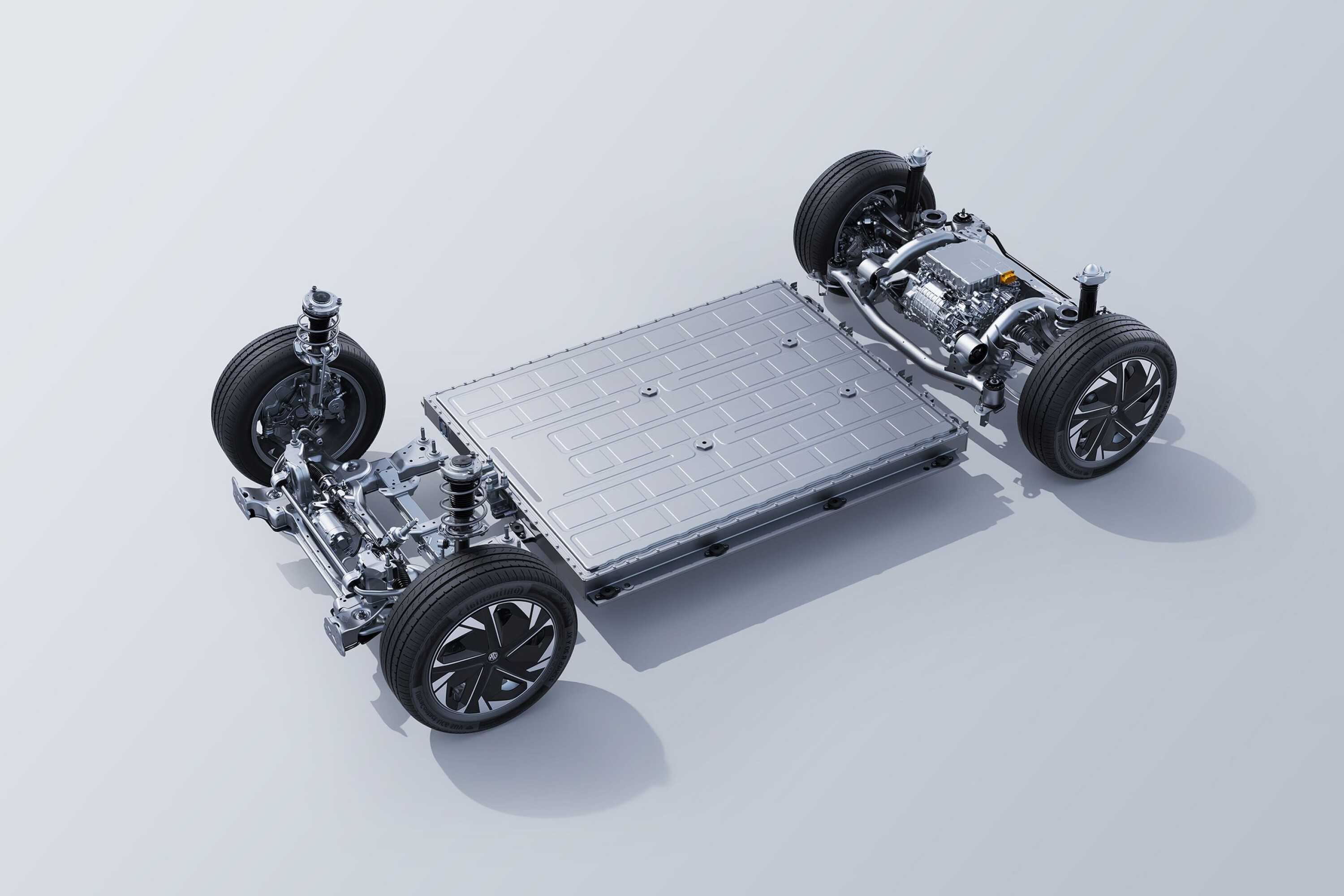
It’s important to know if a quoted electric car battery size number – measured in kWh – is ‘gross’ or ‘net’.
- Gross (nominal): The total battery size for storing energy, including buffers
- Net (useable): The actual battery size and energy that can be used by owners, excluding buffers
Therefore, only the usable number should be looked at – especially when doing any charging sums – since owners won’t be able to utilise the entire gross battery size.
That’s because there are top and bottom buffers in place to ensure safe operation – avoiding the risk of ‘overcharging’ – and to protect the battery health.
As cells degrade over time, the EV will automatically use the buffers (unused cells) to offset the impact of reduced driving range.
1
Real-World Range vs Claimed Range
Alongside battery size, driving range is one of the first specifications most EV buyers look at. However, it’s important to understand that the official range figure is really more of a comparison tool than a guarantee of what you’ll achieve every day.
Most electric vehicles sold in Australia quote a range figure based on the Worldwide Harmonised Light Vehicle Test Procedure (WLTP), which is a standardised laboratory test designed to allow buyers to compare different vehicles under the same conditions.
However, there is also the NEDC (New European Driving Cycle) that was introduced in the 1990s, which some manufacturers still quote. It’s important to note when looking at the claimed range of an EV which cycle the manufacturer is quoting because many still use the more lenient NEDC cycle, giving their models a potentially higher driving range.
In the real world, range can vary on a number of factors. Unlike petrol or diesel cars, high-speed highway driving will use more energy than urban commuting, while extreme temperatures can increase battery and climate-control demands. Carrying passengers, luggage or roof-mounted accessories can also affect efficiency, lessening driving range.
Driving style plays a role, too. Gentle acceleration and effective use of regenerative braking can help maximise range, while aggressive driving is likely to increase energy consumption.
The good news is that for many Australians, a daily commute of 30 to 50 kilometres represents only a fraction of an EV’s available range, meaning that charging is less frequent than first time buyers expect.
When comparing EVs, it’s worth looking beyond the headline range figure and considering efficiency, charging speed and how you intend to use the vehicle. A longer range is always welcome, but for many owners, the ability to conveniently recharge at home is ultimately more important than having the largest battery available.
3
Charging is simple
Maybe it doesn’t sound like it, but trust us: charging your electric car is simple.
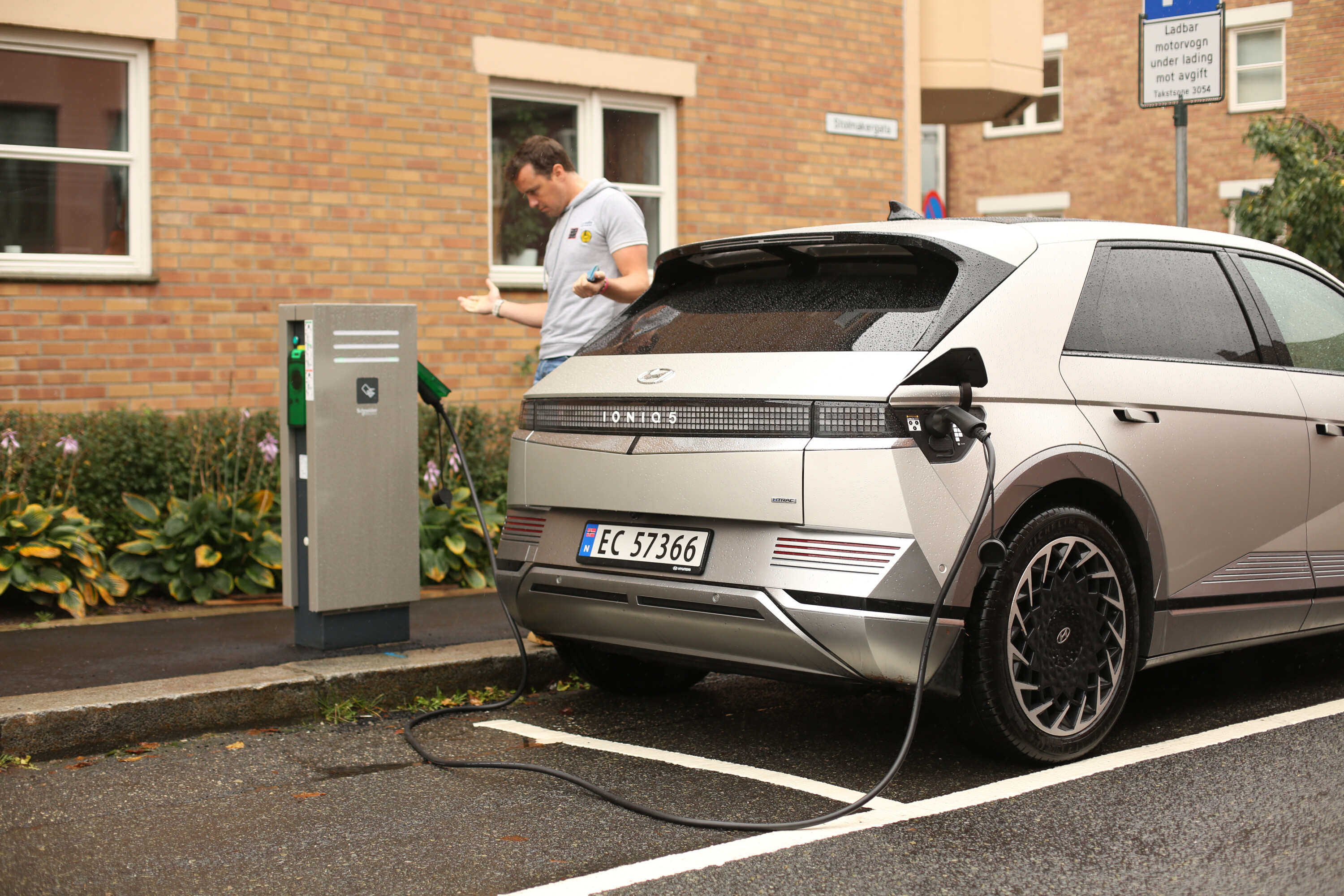
Plug in at home (if possible), set it to charge when electricity is cheapest overnight or when there’s solar energy, and you’ll replenish enough driving range for typical daily needs.
When using public charging infrastructure, know the plug types and AC/DC charging speed outputs offered by the station and, importantly, the AC/DC limits of what your EV model can input.
Remember to practice charging etiquette too — move your EV once it’s completed charging.
It may not be as easy nor as fast as stopping at a fuel station, but charging an EV can be even more convenient as it can fill up when it’s parked and not in use at home or at the shops.
Is an electric vehicle right for me?
For many Australians, the answer is increasingly yes.
If you have access to home charging, travel predictable daily distances and rarely undertake very long road trips, an EV can be remarkably convenient. Most owners simply plug in overnight and begin each day with a full battery.
However, EV ownership may be less suitable for drivers who regularly tow heavy loads, travel vast regional distances or don’t have reliable access to home or workplace charging.
The good news is that charging infrastructure continues to expand across Australia rapidly, battery technology is improving with more efficiency for longer driving ranges and vehicle choice is broader than ever as well.
We’ve found that for many buyers, the biggest surprise isn’t learning how electric vehicles work, rather, it’s discovering how little effort is required to live with one every day.
Follow WhichCar/Wheels on Google
Click the button below to make WhichCar by Wheels a preferred source for your news.

We recommend
-
 News
NewsBYD claims it will be the world’s biggest carmaker within five years
BYD’s chairman and president announced the company’s number-one goal at the carmaker's recent annual general meeting.
-
 News
NewsHonda switching from dedicated EVs to multi-energy platform under new plan
Honda’s much-publicised Zero Series EV cancellation has opened the door to an all-new platform to support EV and hybrid development.
-
 Reviews
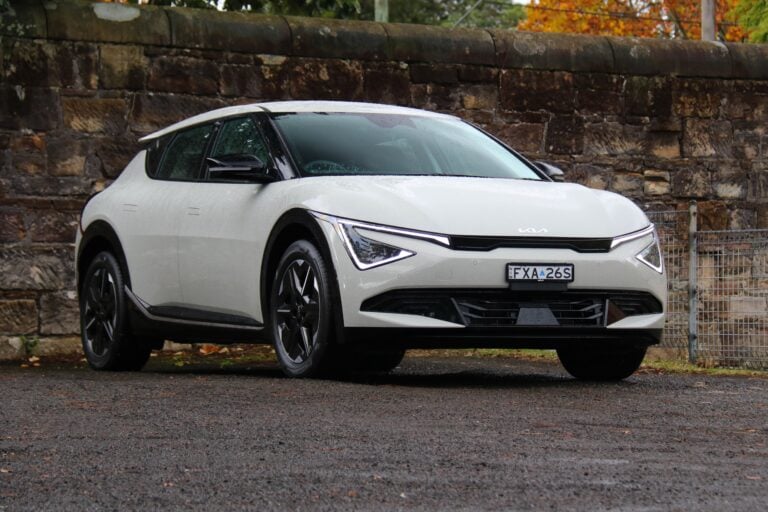
Kia EV6 Air review: Large electric SUV's makeover brings longer range and better tech
Kia’s large electric crossover, the EV6, is impressive in its most affordable guise – the Air RWD – with an appealing combination of driving range and value.