Advice


Gallery 1
Let’s deal first with the driving itself. Even before this current conflict broke out we’re regularly asked if there’s any way you can reduce fuel consumption with your driving behaviour. And, while the reduction won’t be dramatic, there’s certainly gains to be made.
Driving behaviour
The first is the way you drive, and you can easily make changes there. Don’t nail the throttle when you take off, don’t work the engine up and down the rev range unnecessarily, try to be as smooth as possible with your inputs, and don’t slam the brakes on at the last minute. If you think and act smoothly, you’ll be as efficient as you can possibly be. Accelerating up and down – as so many drivers do – is silly, too. Get to the speed limit, and stay there as smoothly as you possibly can.

1
Mechanics tell me all the time that we’ve lost the art of allowing our cars to warm up, and it’s a fair point. Start car, select Drive, and take off. It’s what nearly all of us do. But, the most efficient way for an engine to work is within its optimum parameters, and that normally occurs once it’s warmed up. Mechanics tell me you might think you’re burning fuel in the short term, but you’re potentially saving it in the long run.
Tyres
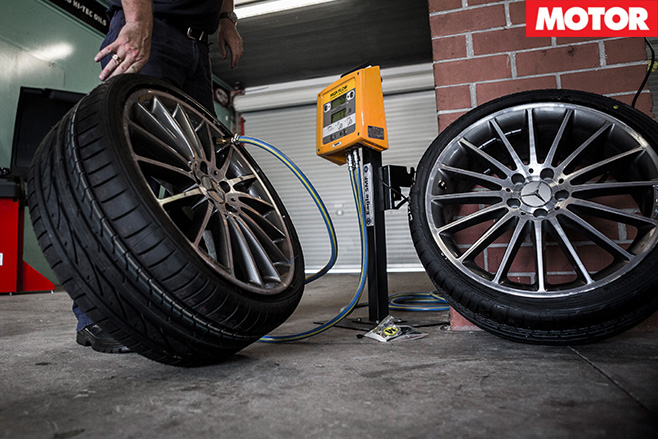
The other factor we neglect, which is as much a safety issue as it is an efficiency one, is tyres. Under inflated or worn tyres, have the potential to force your car to use more fuel than it needs to. Ensure your tyres are in good condition, not more than five years old, and inflated to the required placard recommendation. And, make sure your serving and maintenance is up to date, too.
1
Weight
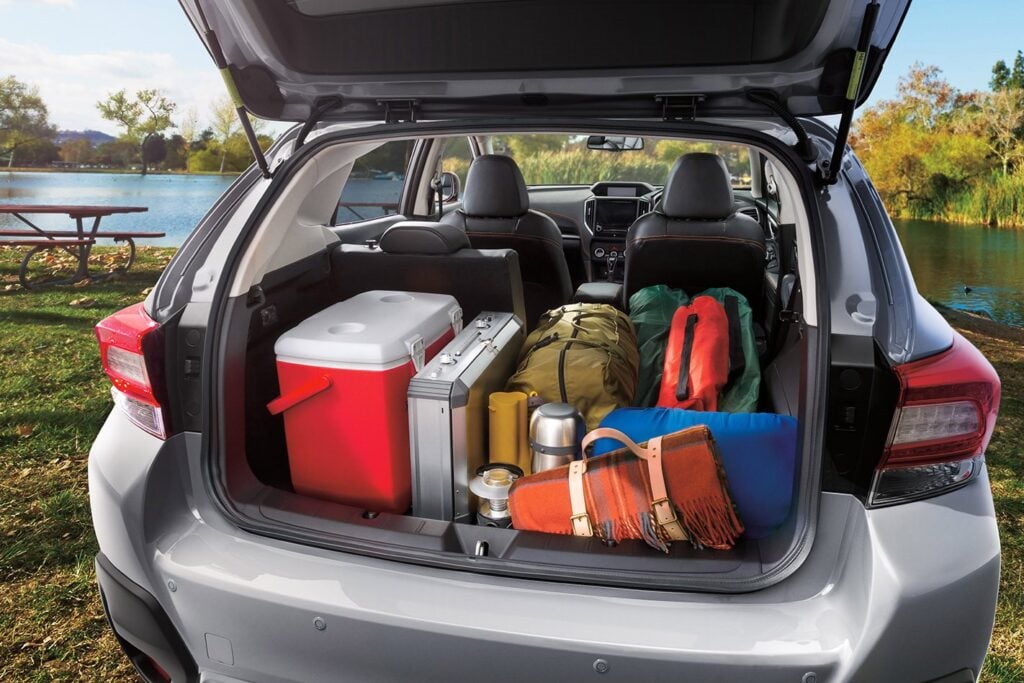
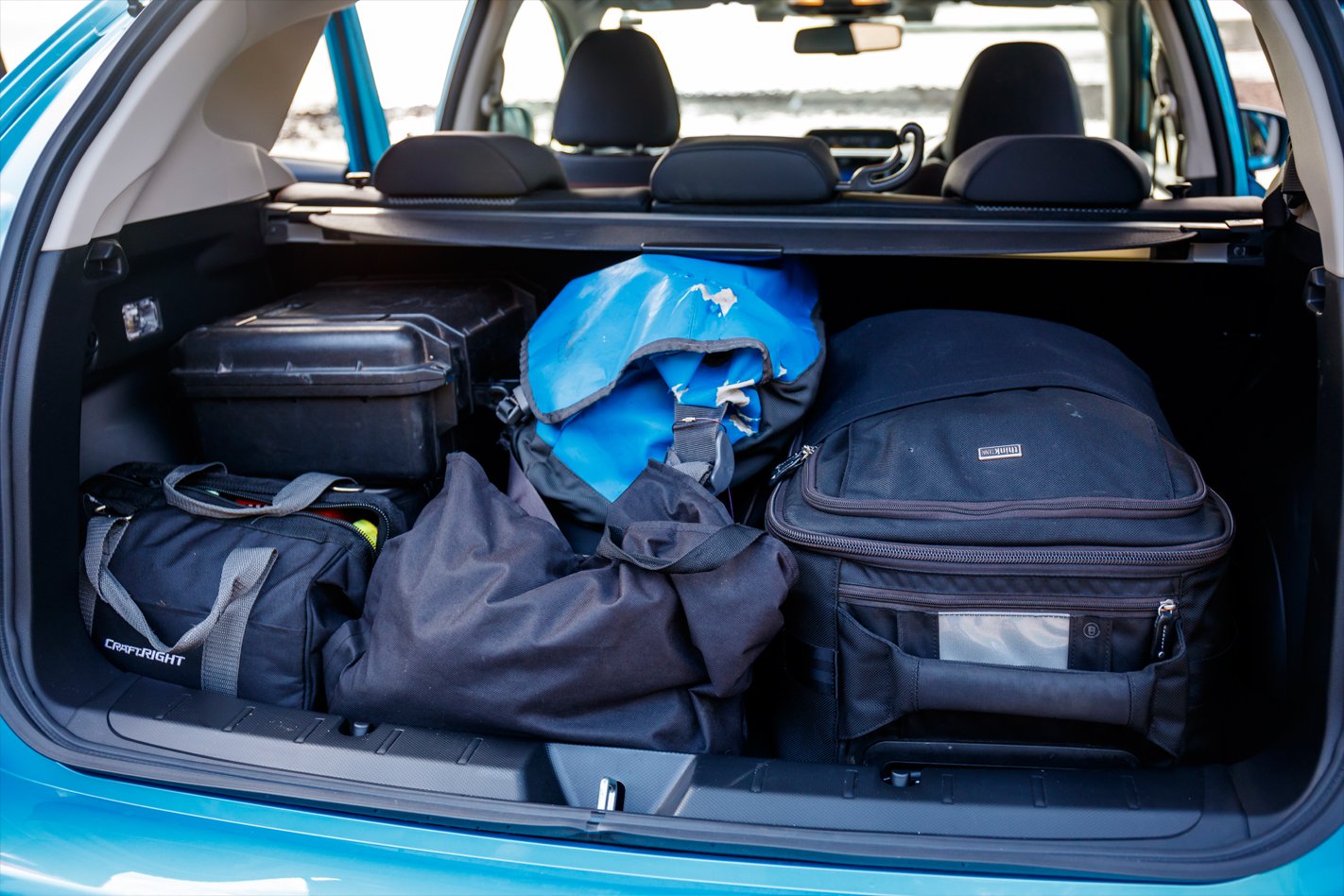
The final easy change you can make to your daily driving habit, is to rid your vehicle of anything you don’t need. Extra weight means extra fuel use. Unload the boot, don’t use your vehicle for storage, and yes 4WDers, that means the roof top tent, and all the heavy camping gear you use once a month. Take that out of your vehicle, and you’ll almost certainly use less fuel.
1
Car pooling
One of the most sensible changes that politicians have suggested, among the numerous stupid ideas, was the concept of car pooling. Look around you on the roads and you’ll see how many cars have one person in them. Often the result of necessity rather than choice, those of us who can car pool should consider it, especially if it works in with your daily routine.
Driving alternatives
The other – obvious – change you can make is don’t drive if you don’t need to. Walk if you can, catch the bus or train if you can, don’t head up the road for a drive unless you really need to. We’re all guilty of driving somewhere we could walk to, or driving when we know we could use public transport. These suggestions fall under the banner of ‘doing your bit’, but added up, they make a big difference.
Back when fuel was on overage $2.10 per litre, RACQ data showed that an average car using 11.1L/100km could consume $1200 less fuel in a year, by driving 100km less each week. With fuel costs climbing, that saving gets even more consequential.

1
A study by Youi Insurance is concerning though, with the results showing just how quickly surveyed Aussie households thought they would struggle if fuel access because constricted. Around 45 per cent of households said they could conduct their regular daily activities for a week or less, nine per cent said they could last only one to two days, while 17 per cent said they could last three to five days. What the results show, is just how heavily we rely on the ability to get around on a whim, in our cars.
While numerous scenarios have been touched on by government, the broad advice is clear. Drive as little as you’re able, and be as smooth as you can when you do it. Matthew Burke, a former transport researcher based in Brisbane told the ABC recently that Australians could make material changes.
“For most Australians, you can actually get rid of about one-fifth of your motoring pretty easily,” he said. “A lot of Australians in the cities do actually have a public transport option that can replace one or two journeys a week. It does mean sacrificing certain things or reorganising your life in little ways but none of these are dramatic, huge changes to your lifestyle.”
Follow WhichCar/Wheels on Google
Click the button below to make WhichCar by Wheels a preferred source for your news.


We recommend
-
 News
NewsFuel rationing – what are the measures Australia could take to conserve supplies?
The Australian government has rejected a $40 spending cap on fuel. But what other measures could be taken to shore up our short-term fuel supply?
-
 News
NewsOne in four Aussies admit to stockpiling fuel as fear of shortage continues
A new Money survey finds a surprising group leading those Australians stockpiling fuel as the Middle East conflict continues and fuel prices rise further.
-
 News
NewsWhere Australia sources its refined fuel from and why supply is in danger
Australia's reliance on imported fuel has been thrown into stark focus due to the ongoing Middle East conflict. But where exactly does our fuel come from?