
Advice

Gallery 1
There are many examples of complacency with vehicle ownership, but tyre wear and tyre pressure are two of the most obvious. Given the contact patch of the tyre is the only connection between your vehicle (therefore you) and the road, the number of cars on the road with heavily worn or under inflated tyres is a real concern.
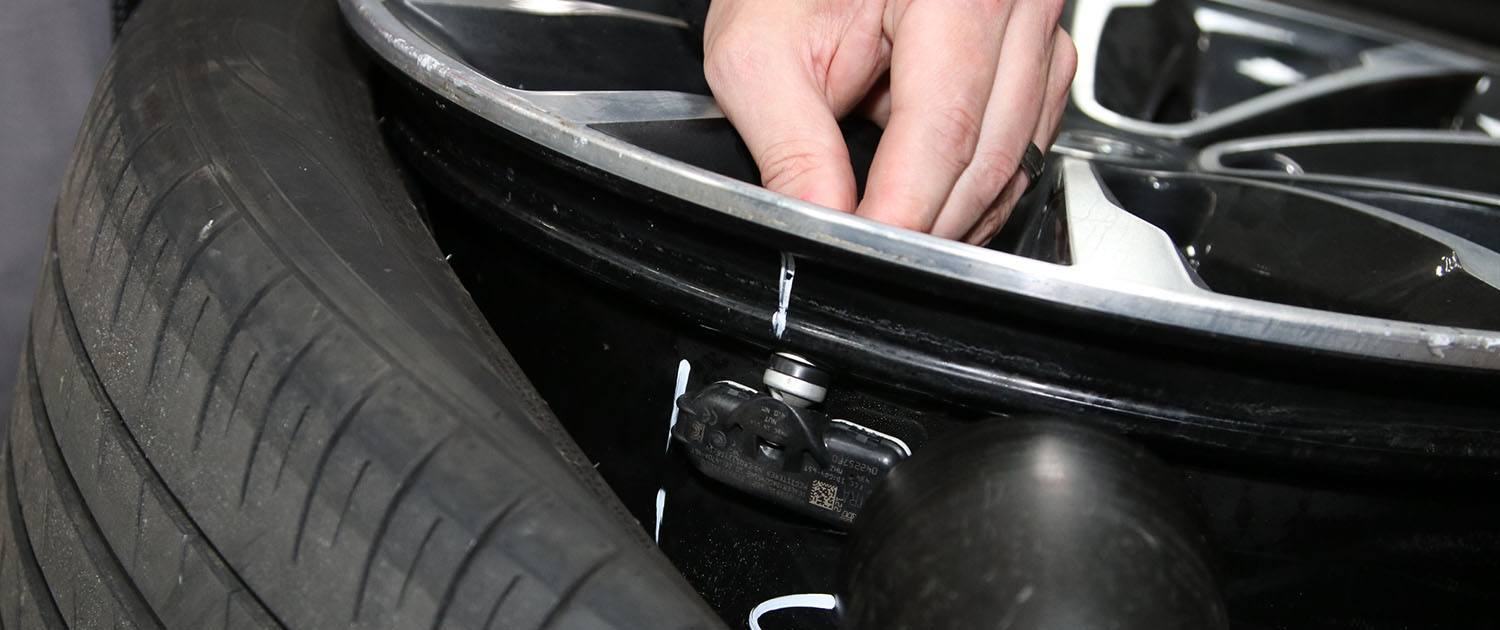
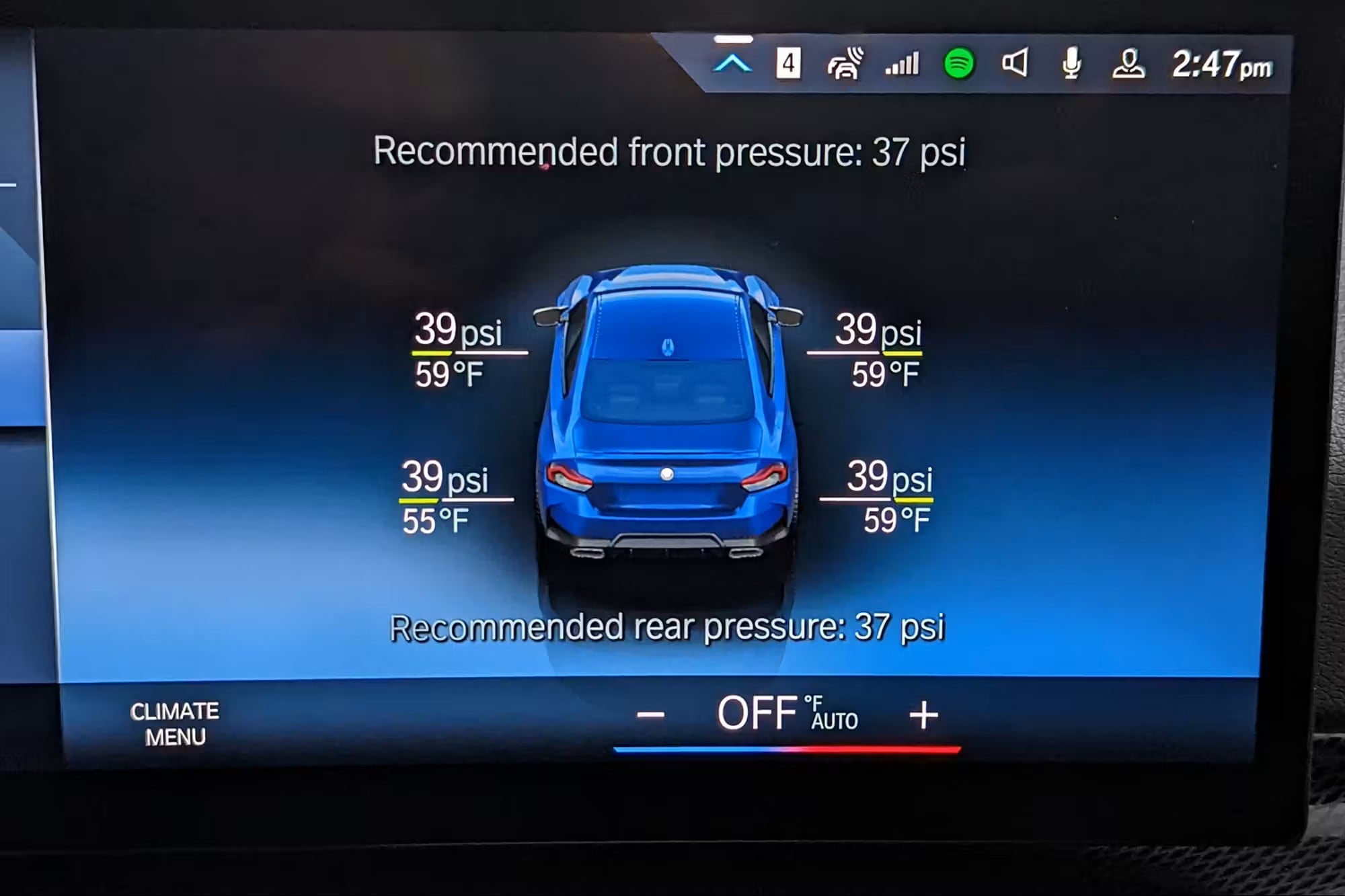
That’s why there’s a lot to like about tyre pressure monitoring devices mounted into the valve that send information back to the vehicle so the driver receives an alert when pressure drops too low. It’s a handy way of keeping an eye on whether your tyres are safely inflated.
Researchers at Madrid-based think tank IMDEA Networks Institute, however, have claimed that tyre pressure monitoring systems (TPMS) are in fact vulnerable to hacking and provide an easy way into tracking your vehicle. The technology has been made mandatory in some countries because of the safety value they provide, but researchers found that ‘tyre sensors also send a unique ID number in clear, unencrypted wireless signals, meaning that anyone nearby with a simple radio receiver can capture the signal and recognise the same car again later’.

1
The IMDEA testing was comprehensive, too, with the team building a network of low-cost receivers, located near roads and carparks. The equipment they used costs a quoted US$100 per receiver, and in total, they collected more than six million tyre sensor messages from more than 20,000 cars.
“Our results show that these tyre sensor signals can be used to follow vehicles and learn their movement patterns,” says Domenico Giustiniano, Research Professor at IMDEA Networks Institute. “This means a network of inexpensive wireless receivers could quietly monitor the patterns of cars in real-world environments. Such information could reveal daily routines, such as work arrival times of travel habits.”
The monitoring the IMDEA Networks Institute researchers were able to conduct, went deeper than simply tracking, too, which could be the indicator of why it’s a concern. They developed methods to match signals from the four tyres of one car, which allowed them to increase the accuracy of specific vehicles arriving, leaving, or following regular schedules.
1
But, and here’s the bigger concern, TPMS signals may also reveal the type of vehicle or whether the vehicle (whatever type it is), is carrying heavy loads. That could lead to more advanced forms of surveillance according to the think tank.
Importantly, despite these potential risks, the IMDEA Networks Institute report noted that ‘current vehicle cybersecurity regulations do not yet specifically address TPMS security, and that without encryption or authentication, tyre sensors remain an easy target for passive surveillance’.
“TPMS was designed for safety, not security,” Dr. Yago Lizarribar, former PhD student at IMDEA Networks during the research study, and now Researcher at Armasuisse, Switzerland added. “Our findings show the need for manufacturers and regulators to improve protection in future vehicle sensor systems.”
Follow WhichCar/Wheels on Google
Click the button below to make WhichCar by Wheels a preferred source for your news.


We recommend
-
 Advice
Tyre pressure monitoring: The important safety feature your new car might not have
There are still quite a few models in the new-car market without active tyre-pressure monitoring. Here's why you should keep on top of it.
-
 Advice
How to extend the life of your tyres
Regularly checking your tyres will keep you safer and save you money in more ways than one
-
 Reviews
KGM SsangYong Musso dual-cab ute: Style and comfort for a winning price
The KGM SsangYong Musso is one of Australia’s best value utes, with low pricing and a solid equipment list. Do you need more?
-
 Advice
What does the tyre pressure warning light actually mean?
It looks like a horseshoe with an exclamation mark in it. What does it mean and what should you do when it lights up or flashes?
