Advice


Gallery 1
The mid-size SUV is easily the most popular segment of car in Australia, and indeed globally, with almost 200,000 sold locally to the end of August. Their appeal is key: they’re very practical and can easily handle your family and their luggage, but crucially not too big as to not be difficult to drive in town.
With over 50 on offer locally with a big variance in price, buyers have plenty of choice. Plus, largely thanks to Chinese car makers, there are many hybrid options for buyers to reduce impact on the planet and their wallets too. With that in mind, which manufactures make the most fuel efficient mid-size SUV?
1
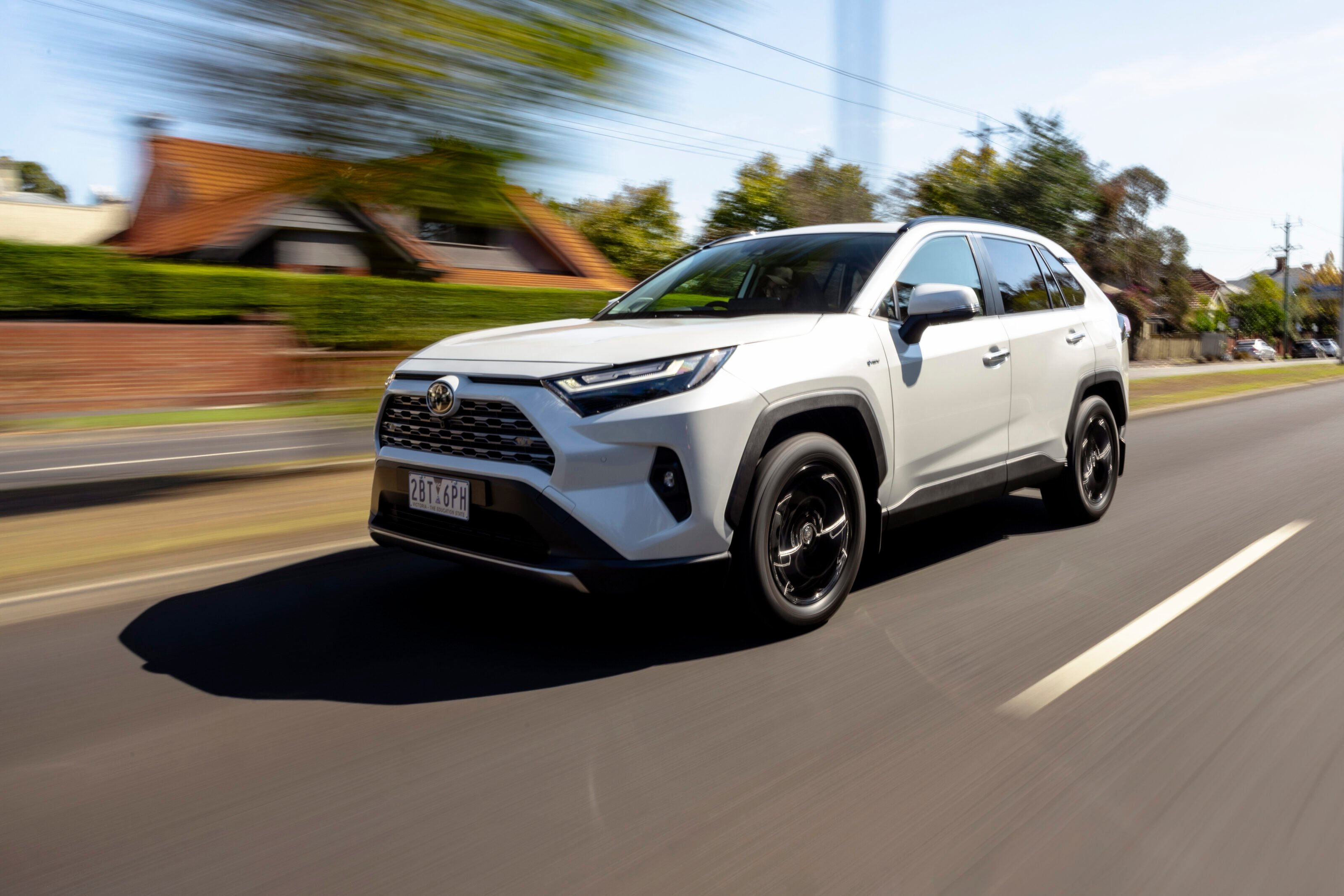
1) Toyota RAV4 2WD: 4.7L/100km
No surprise given its popularity, the hybrid-only Toyota RAV4 tops the list of the most fuel efficient mid-size SUV offerings in Australia. Rated at just 4.7L/100km on the combined fuel consumption cycle and just 107g/km for CO2 emissions, the RAV4 2WD is impressively fuel efficient. It also runs on regular unleaded fuel, helping running costs, and pricing starts at $42,260 plus on-road costs.

1
2) Toyota RAV4 AWD: 4.8L/100km
The all-wheel drive RAV4 is a touch thirstier than the front-wheel drive model at 4.8L/100km because of its extra weight, but still impressively frugal. Like other all-wheel drive hybrid Toyota models, the RAV4’s rear axle motor is electric, saving both weight and fuel compared to mechanical set ups. It’s also quicker to engage the rear axle than a mechanical set up, giving enhanced off-road ability, according to its maker.

2
3) Peugeot 3008 Hybrid and Kia Sportage Hybrid 2WD: 4.9L/100km
The Kia Sportage and Peugeot 3008 are both rated at 4.9L/100km. The Sportage Hybrid, priced from $46,450 +ORC, uses a turbocharged 1.6-litre four-cylinder hybrid drivetrain paired with a six-speed automatic transmission and just 4.9L/100km on a combined cycle.
The Peugeot 3008, on the other hand, uses a smaller turbocharged 1.2-litre three-cylinder petrol engine tied to a mild-hybrid system and six-speed dual-clutch transmission. It’s priced from $52,990 +ORC and uses the same 4.9L/100km of fuel with claimed CO2 emissions of just 113g/km – 2g/km more than the Sportage Hybrid.
1
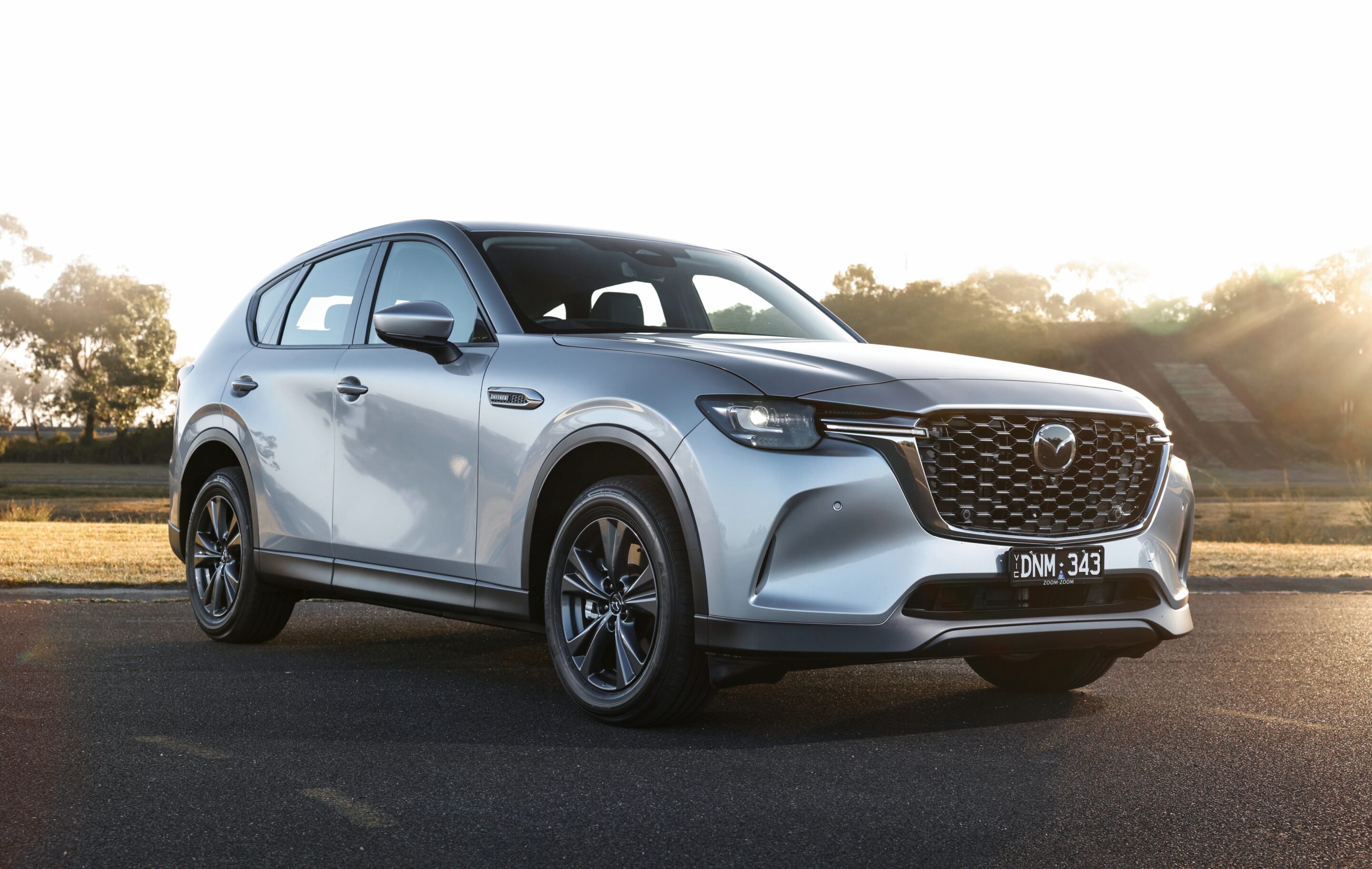
4) Mazda CX-60 Mild-Hybrid Diesel: 5.0L/100km
The Mazda CX-60 is available with no less than four drivetrains in Australia, and the most fuel efficient – aside from the plug-in hybrid – is the mild-hybrid diesel.
Impressively, however, the CX-60 diesel doesn’t use a 2.0-litre four-cylinder like rivals, but a large 3.3-litre inline six-cylinder with mild-hybridisation making big 187kW and 550Nm outputs. It’s rated at just 5.0L/100km with claimed CO2 emissions of 132g/km. The cheapest CX-60 diesel Pure starts at $52,240 plus on-road costs.
2
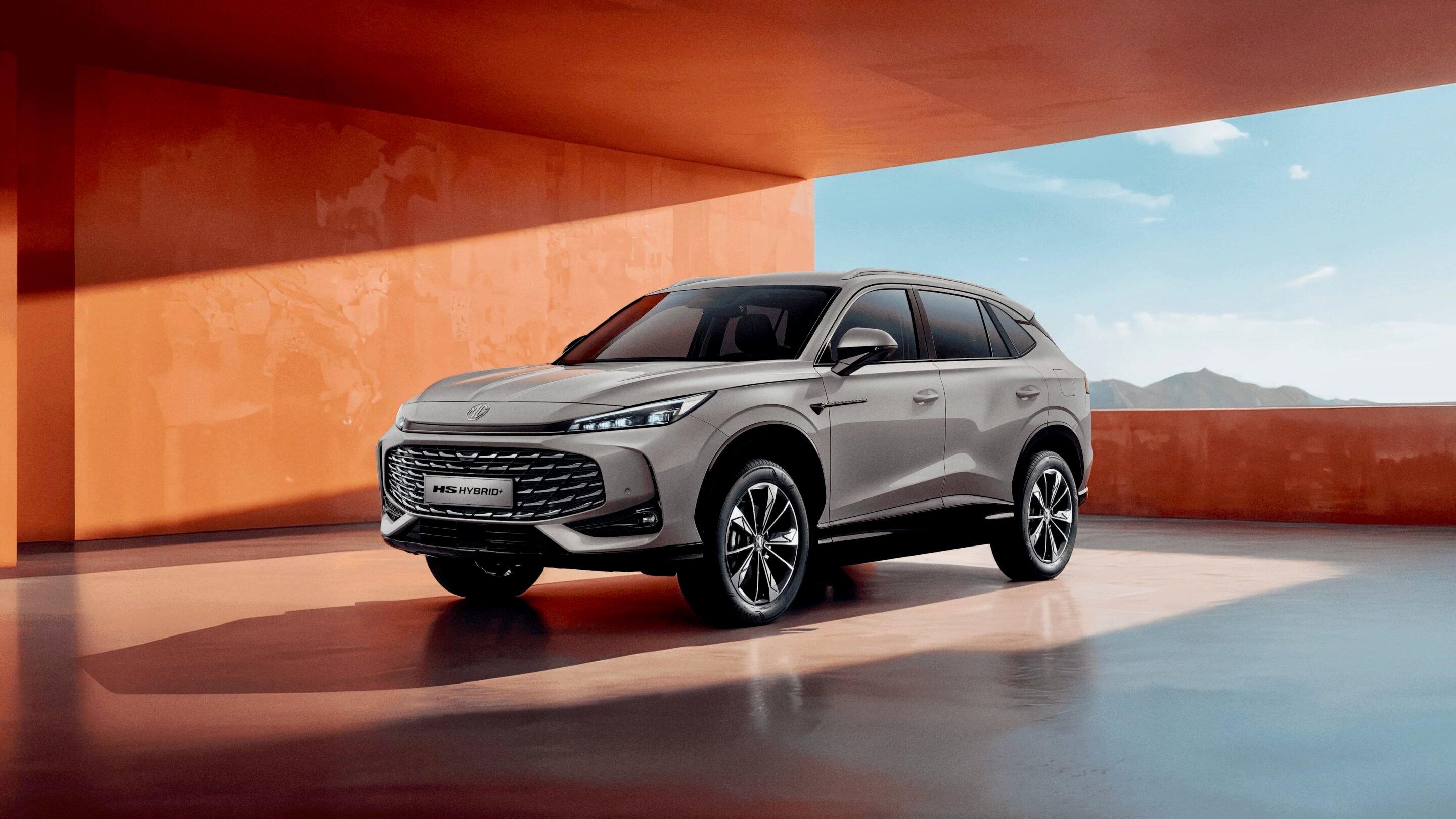
5) GWM Haval H6 Hybrid 2WD and MG HS Hybrid+: 5.2L/100km
The most fuel efficient Chinese non-plug-in hybrid mid-size SUVs are both new to Australia, having both launched in recent months. Both also use 1.5-litre four-cylinder hybrid drivetrains for an identical 5.2L/100km combined fuel consumption rating.
Officially emitting 119g/km (MG) and 120g/km (GWM) of CO2, the HS Hybrid+ and H6 Hybrid are quite efficient and good value for money as well, with both priced from $40,990 drive away.
2
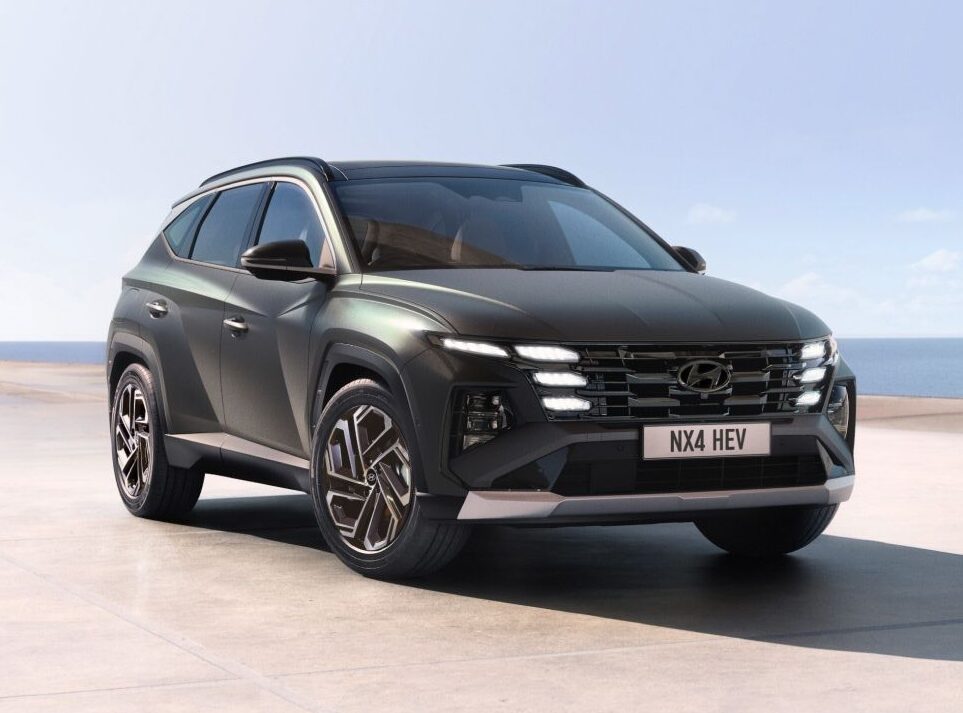
5) Hyundai Tucson Hybrid and Kia Sportage Hybrid AWD: 5.3L/100km
Sitting on the same platform and using near-identical drivetrains, the Hyundai Tucson and Kia Sportage hybrids provide efficient, punchy and refined drivetrains for their buyers, but there are differences in the detail.
While both are 1.6-litres in capacity and turbocharged, the Kia makes slightly less power at 169kW versus the Tucson’s 172kW. Yet, the Sportage is more fuel efficient than the Tucson in front-drive form: 4.9L/100km versus 5.3L/100km, while both all-wheel drive hybrids use the same amount of fuel.

1
6) Audi Q5 TDI: 5.4L/100km
Audi’s third-generation Q5 mid-size SUV has only just launched in Australia but is already offering impressive fuel economy to buyers. All variants in the new Q5 range feature mild-hybrid tech and the thriftiest is the 150kW 2.0-litre four-cylinder turbo-diesel, which is mated to a seven-speed dual-clutch transmission and all-wheel drive, at just 5.4L/100km and CO2 emissions of 141g/km. Pricing for the Q5 TDI starts at $87,600 plus on-road costs.
1
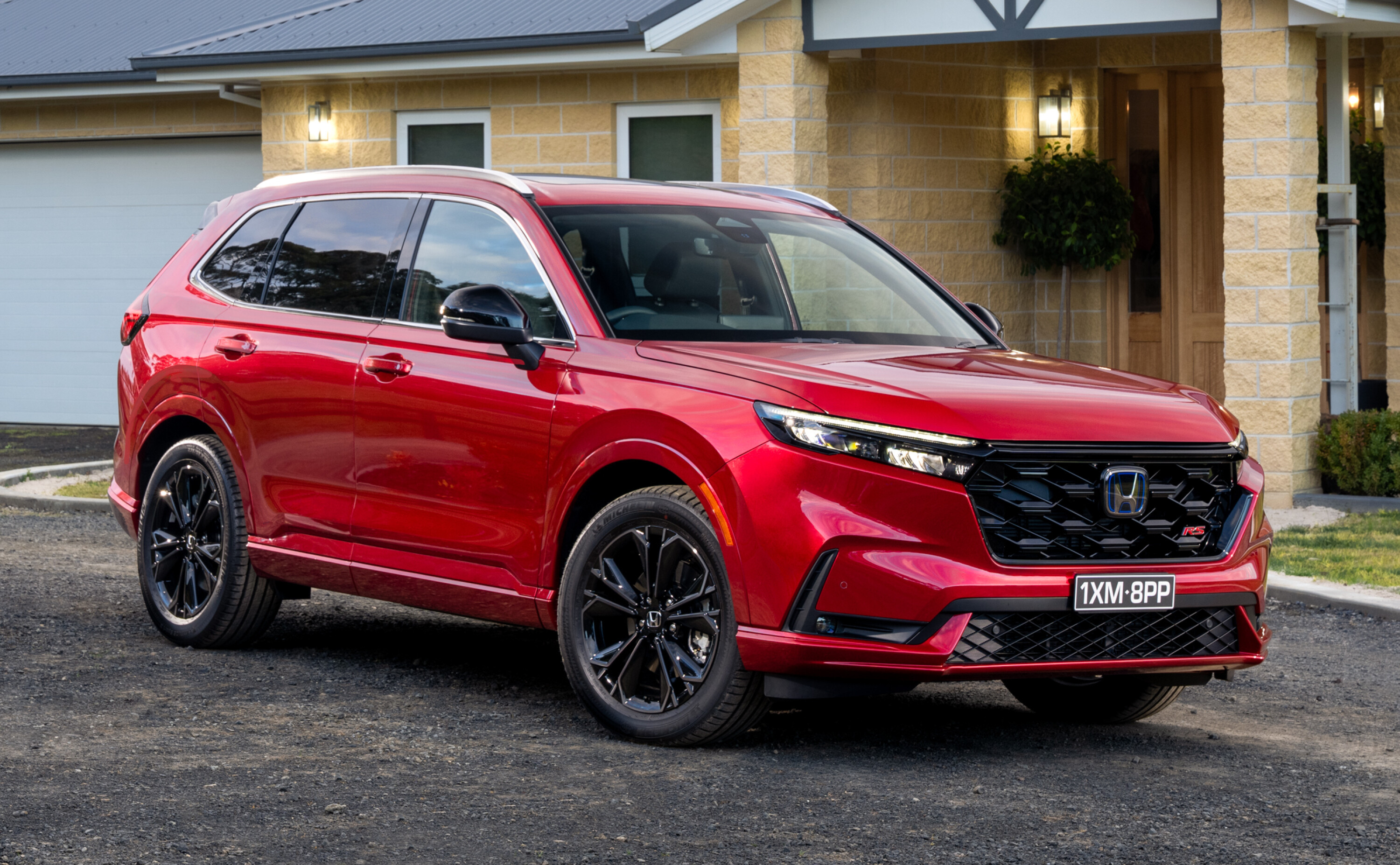
7) Honda CR-V e:HEV RS: 5.5L/100km
The Honda CR-V is offered in many different forms in Australia: two-wheel drive or all-wheel drive, five- or seven-seats and either in turbo-petrol or hybrid forms, with the latter the most fuel efficient in the range.
Priced at $60,400 drive away, the hybrid CR-V e:HEV RS uses a 2.0-litre four-cylinder hybrid drivetrain making 152kW of power, officially using 5.5L/100km and emitting 125g/km of CO2.
2
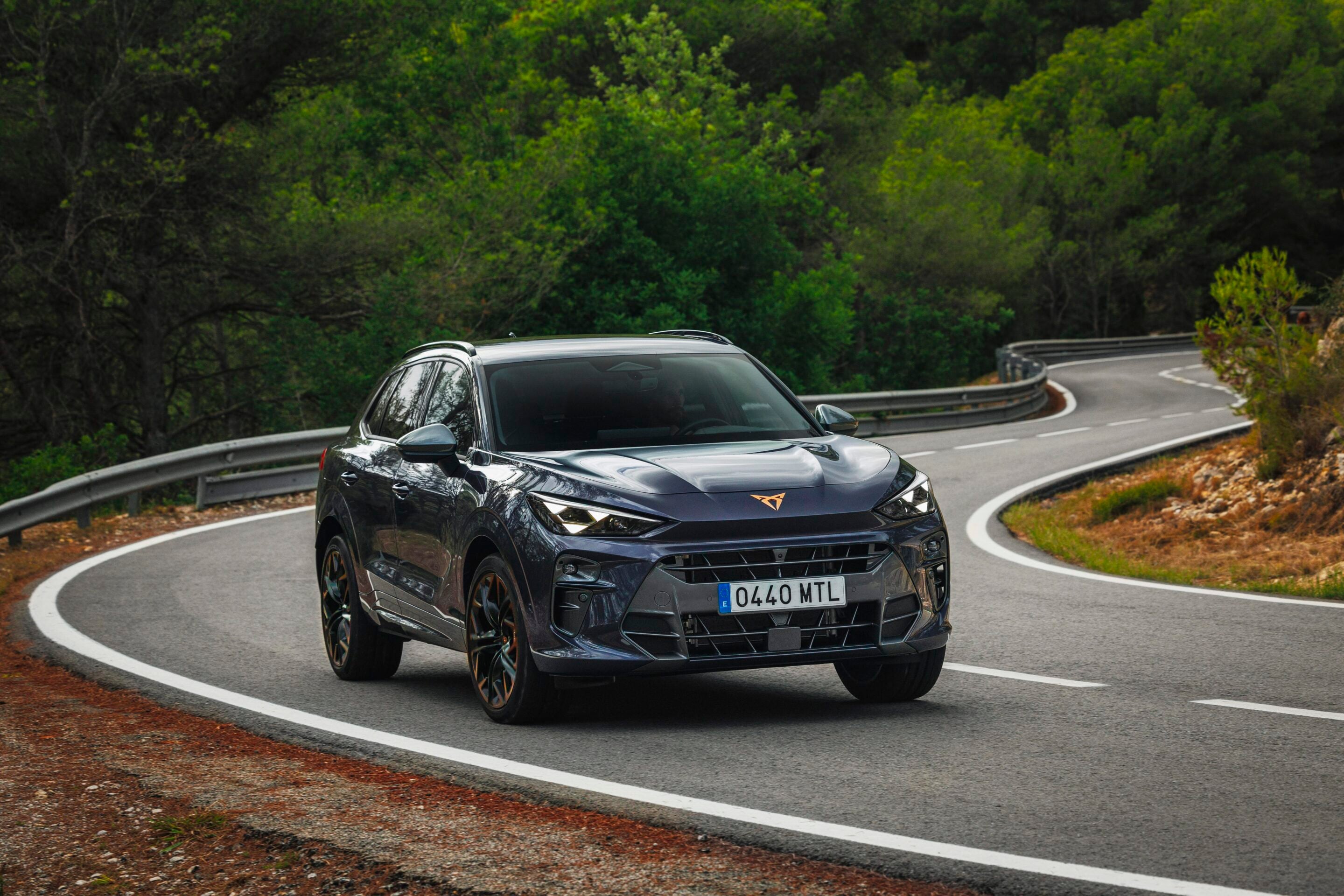
8) GWM Haval H7 Hybrid and Cupra Terramar S MHEV: 5.7L/100km
Using 5.7L/100km on the combined cycle are two new mid-size SUVs to Australia: the GWM Haval H7 and the Cupra Terramar in base S form. The H7 is based on the H6 but features unique styling and a more off-road styling attitude. It uses a 1.5-litre hybrid set up taken from the H6, and emits 131g/km of CO2. Prices start at $46,990 drive away for the single Vanta model.
The Terramar, on the other hand, takes over from the Ateca as Cupra’s mid-size SUV offering and uses a 1.5-litre turbo-petrol engine with a 48-volt mild-hybrid system. It too is rated at 5.7L/100km for combined fuel consumption and also emits 131g/km of CO2. The Terramar S is priced from $58,490 drive away.

1
7) Nissan X-Trail e-Power: 6.1L/100km
The Nissan X-Trail e-Power recently won Wheels Best Mid-Size Hybrid SUV thanks to its long list of attributes, but its interesting hybrid drivetrain is a standout feature. Unlike most other hybrid systems, the X-Trail e-Power’s 1.5-litre turbo-petrol engine’s job is purely to power the 150kW electric motor and never actually directly powers the wheels. While it’s not as efficient as a RAV4 at 6.1L/100km, it is smoother to drive and more refined.

1
8) Subaru Forester Hybrid: 6.2L/100km
While hybrid power is nothing new to the Subaru Forester range, the ‘strong hybrid’ set up in the latest Forester is. Using a 2.5-litre four-cylinder petrol engine with Subaru’s famous horizontally opposed ‘Boxer’ layout and a new hybrid system borrowed from technical partner Toyota, the Forester hybrid officially uses 6.2L/100km and emits 140g/km of CO2. Yet, it’s also the current most powerful new Forester available, making a combined 145kW or 9kW more than the non-hybrid petrol engine.

1
9) Kia Sportage Diesel: 6.3L/100km
This is the third time the Sportage has been on this list, with its diesel powertrain using 6.3L/100km of fuel and emitting 163g/km. The Sportage’s drivetrain offering spread is impressive, with hybrid, petrol, turbo-petrol and – in a rare move in 2025 – turbo-diesel power all on offer.
Pricing for the Sportage diesel starts around $43,890 plus on-road costs in entry-level S form, while all-wheel drive is standard equipment with the diesel engine.

1
10) Skoda Karoq 110TSI: 6.6L/100km
The only non-hybrid petrol offering on this list is the Skoda Karoq 110TSI, which uses a turbocharged 1.4-litre four-cylinder engine and an eight-speed automatic transmission. Its claimed combined fuel consumption is 6.6L/100km, with claimed CO2 emissions of 149g/km.
The Karoq is priced from $40,990 drive away in entry-level Select form, with the upper-spec Sportline using the same drivetrain priced at $46,990 drive away.
Follow WhichCar/Wheels on Google
Click the button below to make WhichCar by Wheels a preferred source for your news.

We recommend
-
 Best Medium SUVs
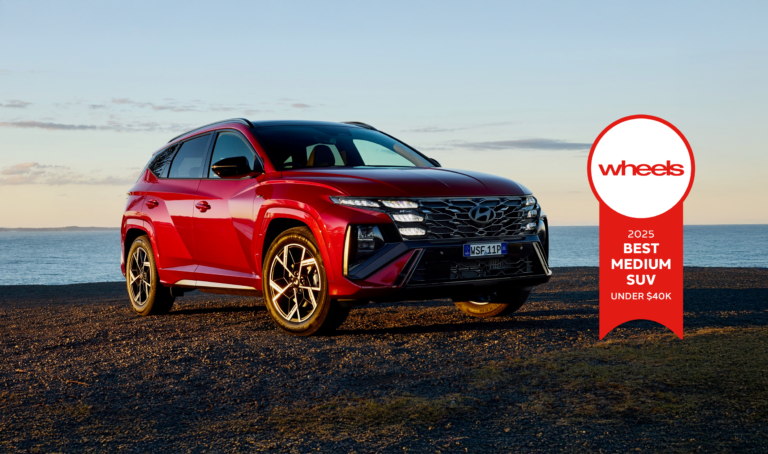
Best Medium SUVs 2025: Under $40K
Affordable yet capable, these medium SUVs priced under $40K demonstrate that Aussie families don’t need to compromise on space, efficiency, safety or comfort when car shopping in 2025.
-
 Best Medium SUVs
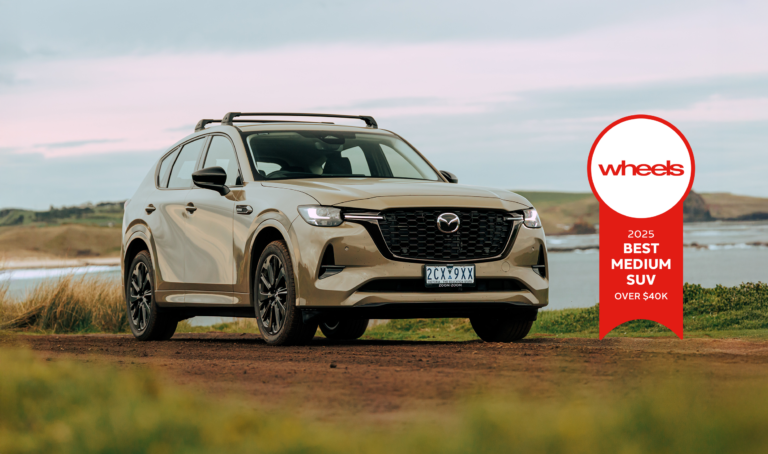
Best Medium SUVs 2025: Over $40K
From premium hybrids to tech-packed family haulers, these medium SUVs priced above $40K deliver the best balance of space, efficiency, features and driving refinement for 2025.
-
 Best Medium SUVs
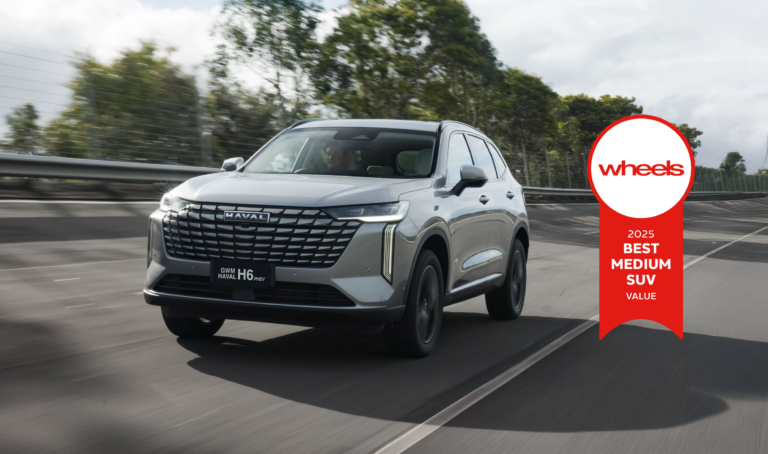
Best Medium SUVs 2025: Value
Blending affordability with substance, these SUVs are accessibly priced and deliver generous features, advanced safety and everyday practicality.