
Hyundai Kona
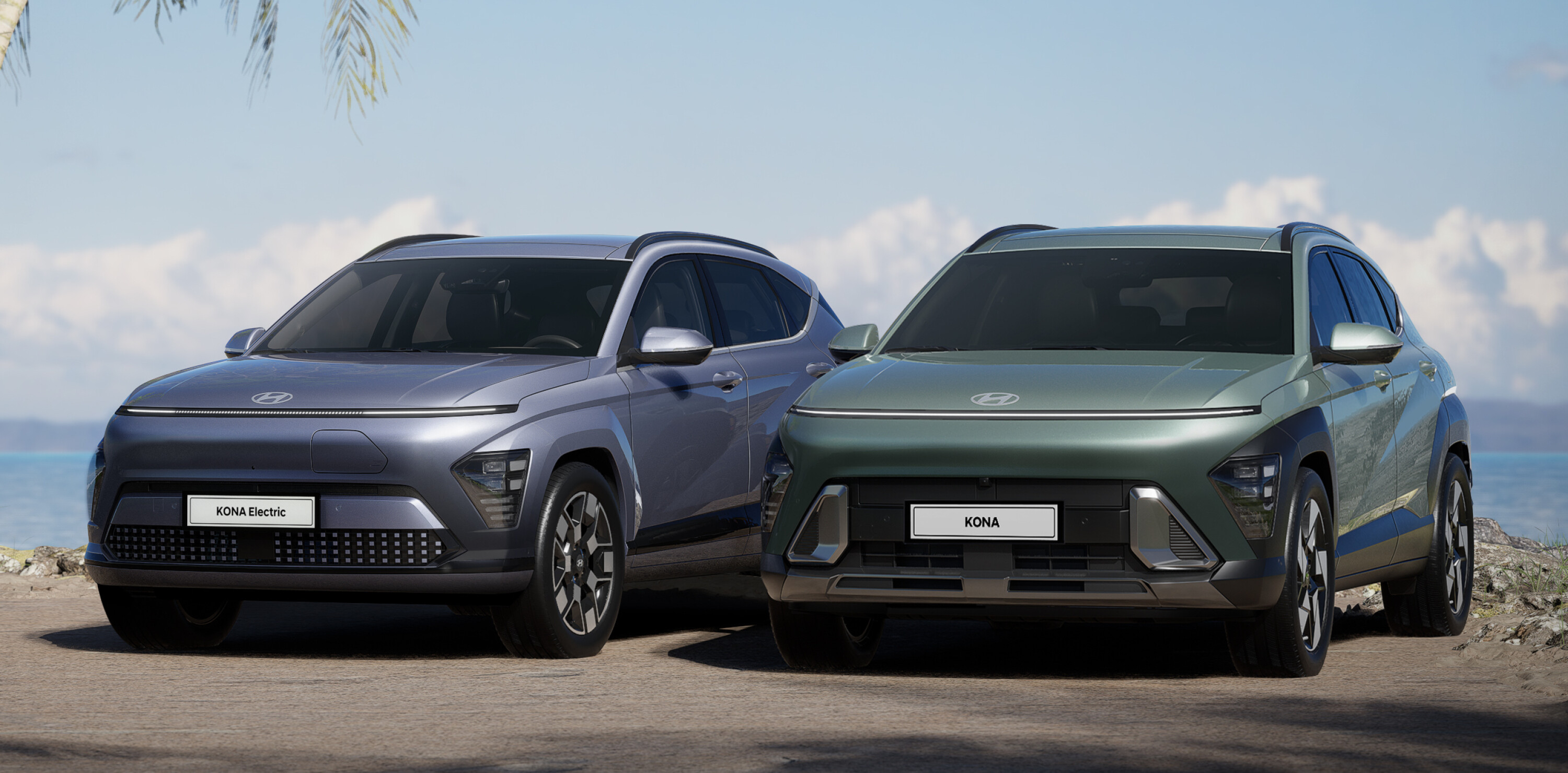
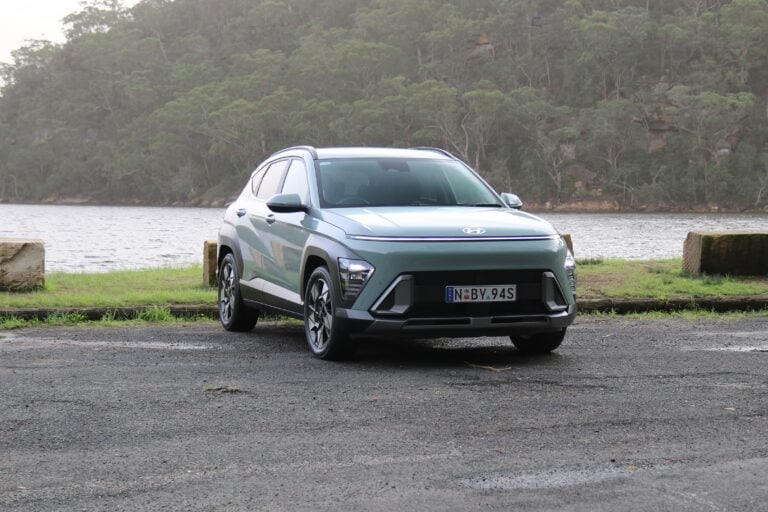
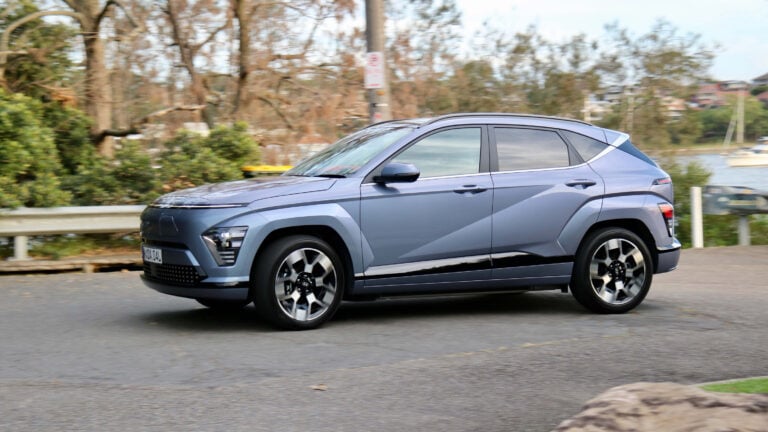
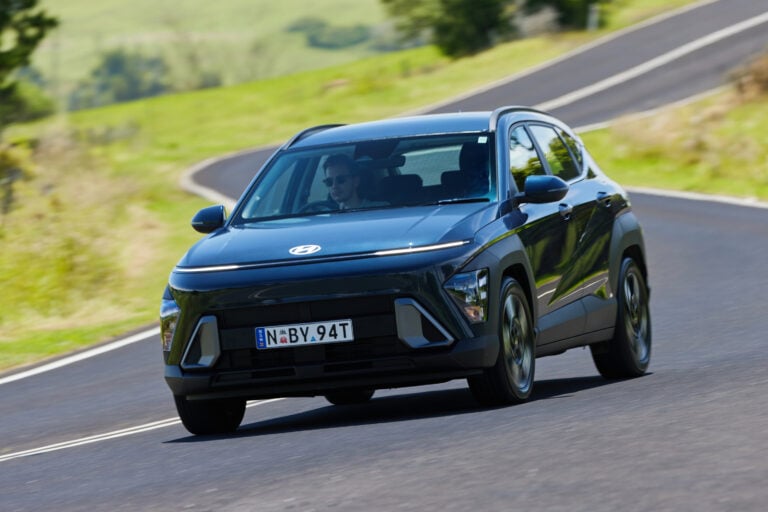
The Hyundai Kona is the second-smallest SUV offered by the Korean car maker, positioned between the compact Venue and the mid-sized Tucson.
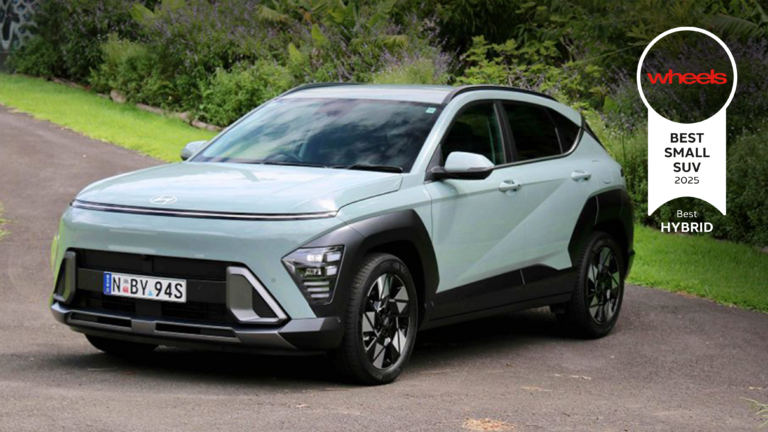
In June 2023, Hyundai launched the second-generation Kona, sadly doing away with the high-performance Kona N while introducing an important new hybrid model to the range.
News
-
 Features
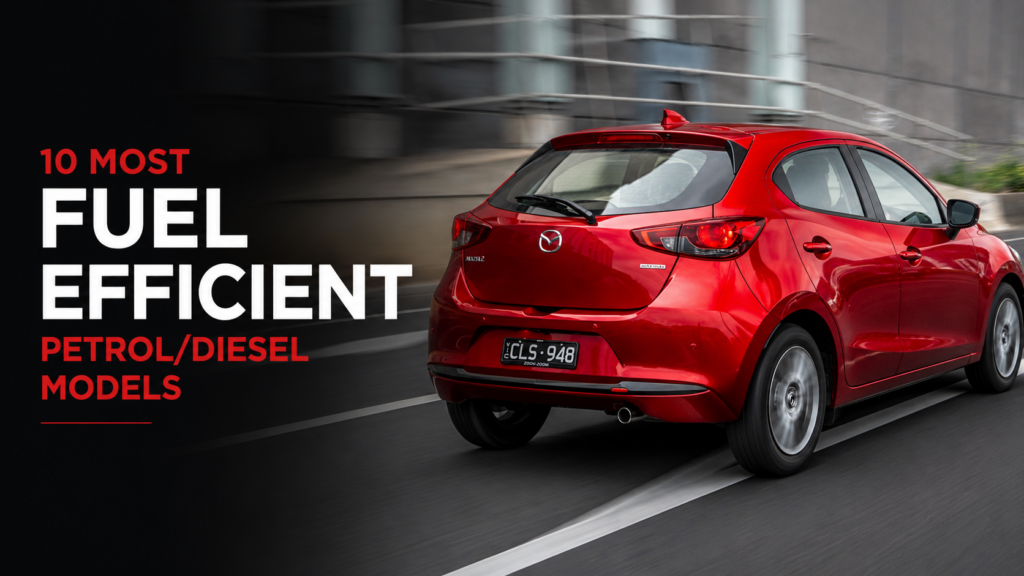
Most fuel efficient petrol/diesel powered cars on the market: top 10
Searching for a new car but don’t want a hybrid or EV? We’ve got you covered with the 10 most fuel efficient non-electrified cars available.
-
 Advice
Boot sizes of Australia’s favourite SUVs
Not all SUV models are created equal when it comes to the cargo department, so how big is the boot on each of our best-selling SUV models in each category?
-
 Features
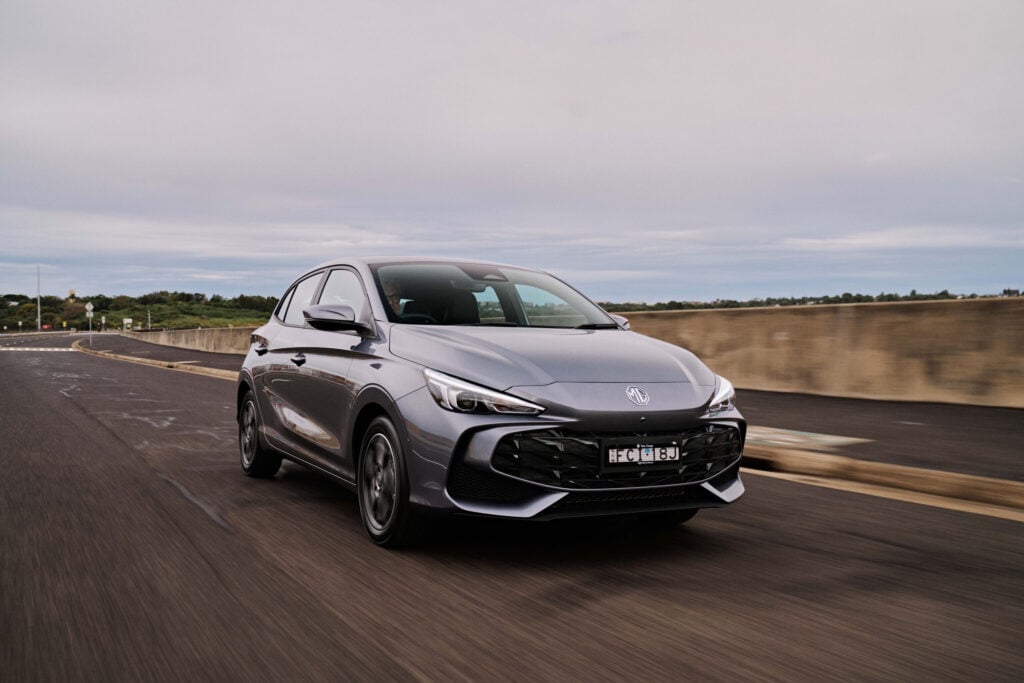
Keen to save fuel? Here are the 10 cheapest hybrid models in Australia
While they still use fuel in some capacity, hybrid cars can also drastically reduce your overall consumption in energy-challenged times. So which are the 10 cheapest hybrids in Australia?
-
 Features
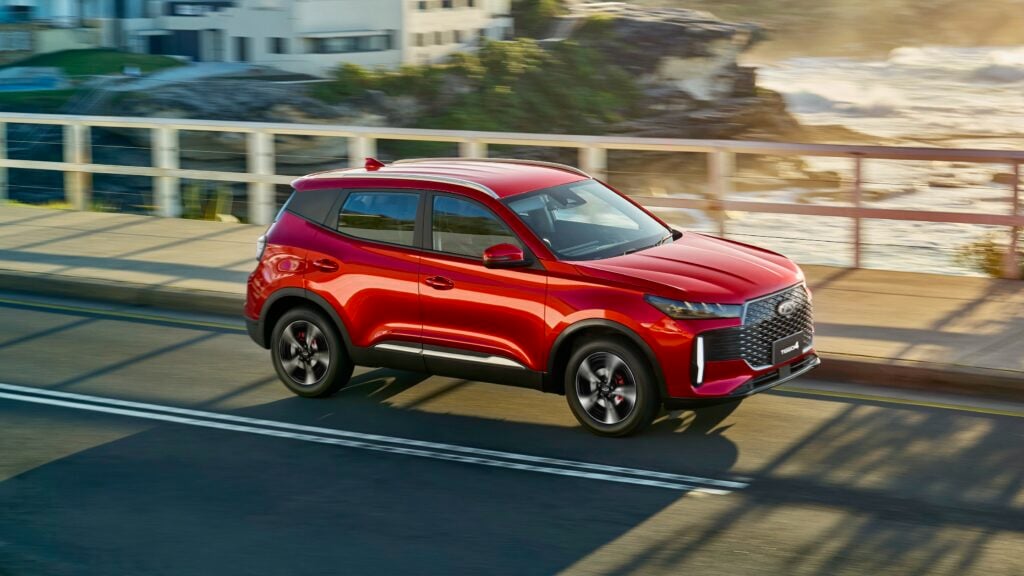
Best small SUVs for first-time buyers in 2026
Being a first-time new-car buyer can be daunting so to help you on your journey, we’ve cut through the noise with our picks of the bunch.
-
 Features
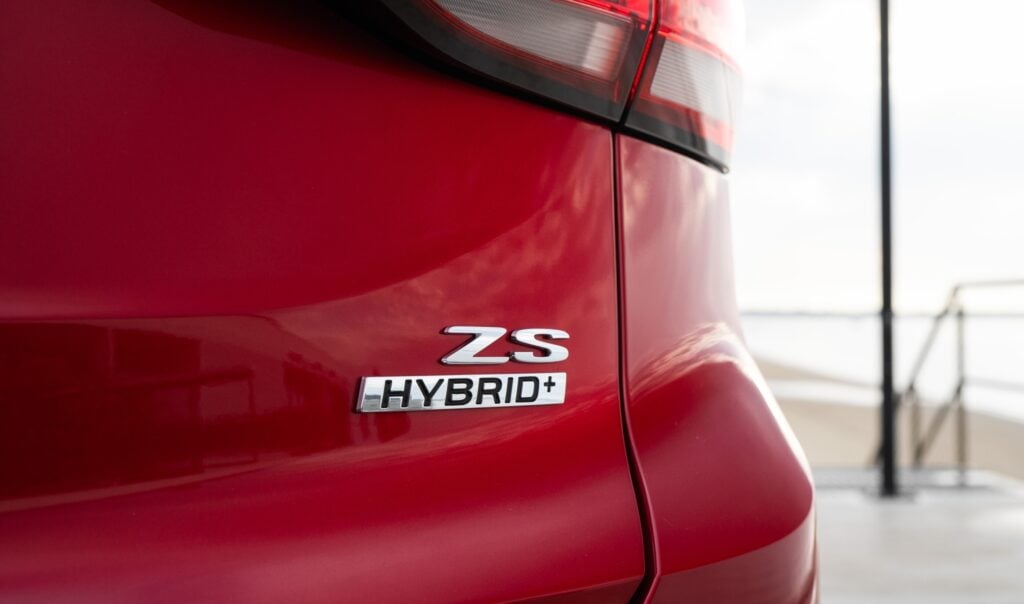
The cheapest hybrid SUVs in Australia – ranked
-
 News
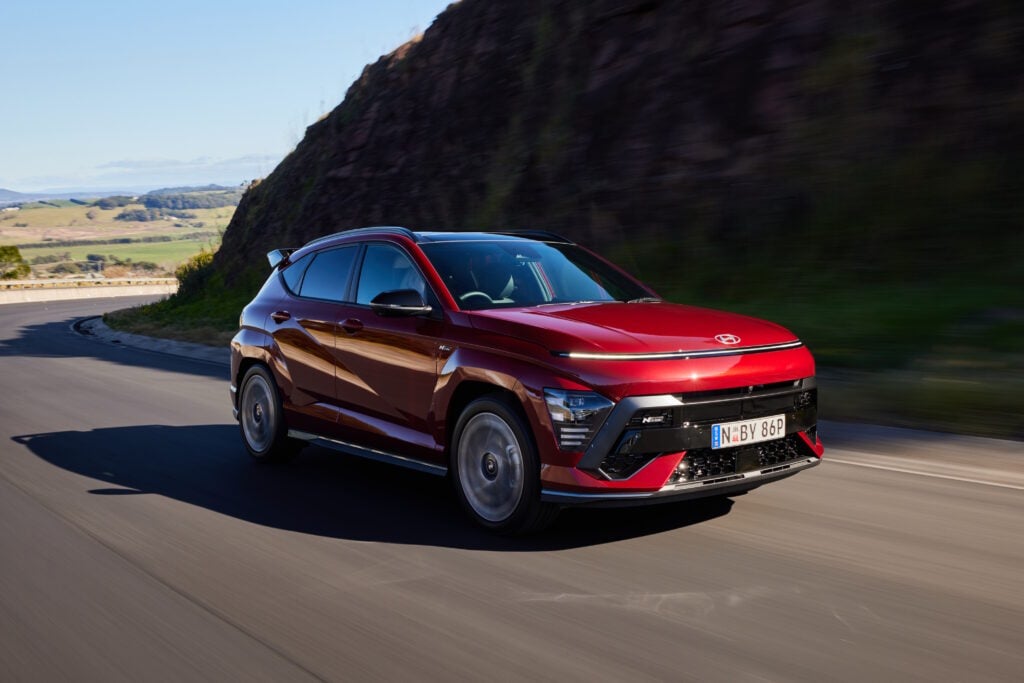
News2026 Hyundai Kona: Expanded line-up brings new Elite trim and updated features
-
 Features
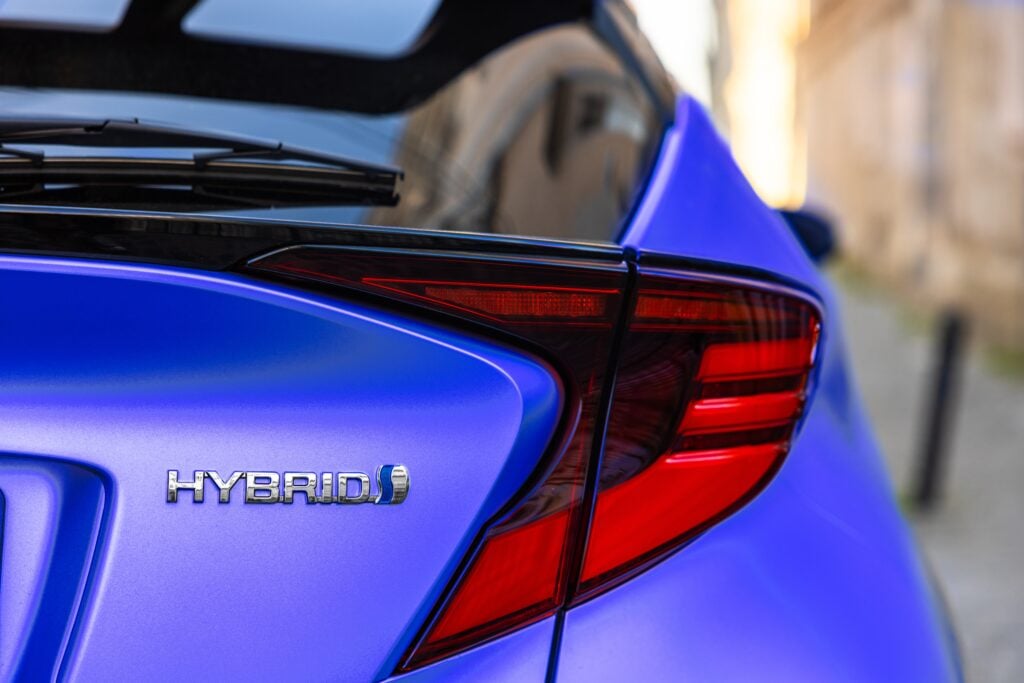
Hybrid vehicles: WhichCar’s explainer on how they work
-
 News
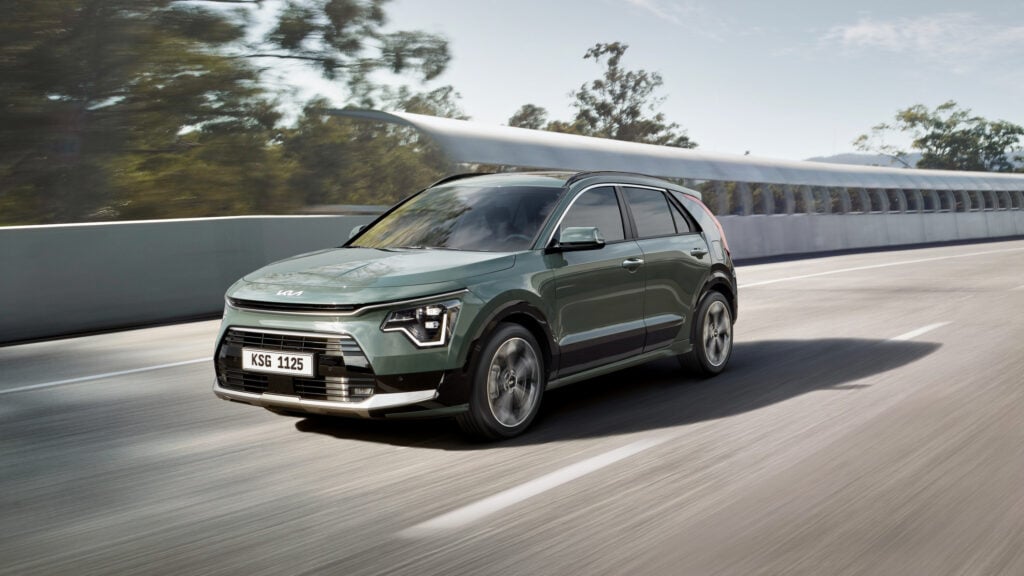
NewsAustralia’s top 10 most fuel efficient cars
Frequently Asked Questions
What warranty does Hyundai offer for the Kona?
As for all Hyundai’s sold in Australia, the Kona is covered by Hyundai’s 5 year, unlimited kilometre warranty, which covers bumper to bumper.
Service intervals are every 12 months or 15,000km – whichever occurs soonest.
What safety features does the Hyundai Kona have?
The Hyundai Kona offers a comprehensive suite of advanced safety features designed to keep occupants protected on the road. The Smart Cruise Control system allows the vehicle to maintain a safe distance from other vehicles and can even bring the vehicle to a complete stop in traffic. The Driver Attention Warning system monitors driver behavior and will provide alerts if it detects signs of inattentiveness or drowsiness. The Blind-Spot Collision Avoidance Assist and Forward Collision Avoidance Assist systems use sensors to detect potential collisions and will automatically apply the brakes if necessary. The Lane Keeping Assist system ensures the Kona stays safely within its lane, while the Rear Occupant Alert provides a warning if children or pets are left in the back seat. Finally, the Rear Cross-Traffic Collision Avoidance Assist system uses sensors to detect vehicles approaching from the sides while the Kona is in reverse, providing added peace of mind when backing out of parking spaces. Overall, the Hyundai Kona’s advanced safety features make it an excellent choice for drivers who prioritize safety on the road.
About the Hyundai Kona
The Hyundai Kona is the second-smallest SUV offered by the Korean car maker.
Choice is vast, with everything from affordable 2.0-litre petrol power to high-performance turbo models, through to fully electric variants at the top end.
The Hyundai Kona line-up is mostly front drive, with all-wheel drive reserved for the punchy N-Line variants yet not the full-fat N models with their sub-6-second 0-100km/h ability. The four electric models, while at the top of the Kona line-up, still represent the “affordable” side of the EV spectrum. Two trim levels are offered, along with two battery sizes and two outputs from the single motor.
The cheaper variant provides 100kW, a 39kWh battery, and delivers a claimed range of 305km. Step up to the Extended model and this jumps to 150kW of power, a 64kWh battery, and a healthy range of 484km (WLTP).
