
Features

Gallery 1
Buying your first new car can be daunting. With so much choice on offer in Australia today, the decision as to which car or SUV best serves your needs is a difficult one.
Almost daily, it seems, new car brands are arriving in Australia and setting up shop, their dealerships brimming with new models crammed with the types of features that seemed like the domain of the super-wealthy only a few short years ago – big infotainment screens, ‘leather’ seat trim, multi-zone air-conditioning, and a swag of advanced driver assist systems that, in theory at least, help keep you on the straight and narrow.
Disruptor brands from China are becoming increasingly popular (witness BYD’s climb up the sales charts, or Chery’s 176 per cent growth year-on-year), their value-for-money quotient off the Richter Scale. It’s hard not to be tempted by a car or SUV priced under $30k and filled with features and equipment usually only found in vehicles costing twice as much.

1
But with such a bewildering array of choice, cutting through the noise is a difficult task, especially if you’re a first-time new car buyer. That SUV loaded to the gills might look tempting, especially if you’re coming out of a succession of 10-plus-year-old second-hand cars. But does it really represent value for money? And is there substance behind the blingy features and interior?
To help you on your first new car buying journey, we’re looking at one of the most popular segments in Australia, small (or compact) SUVs which have, in effect, replaced the humble hatchback as the go-to for first-time buyers.
Here then, is our pick of a very crowded bunch.
Under $30,000
It wasn’t that long ago that anyone looking to buy a new car for the first time, needed to budget around $20,000-$25,000. But times have changed and new cars, just like everything else we buy – from groceries, to petrol, to consumer goods, housing and clothing – prices have risen to the point where $30k is the new $20k. To be fair to carmakers, the price increases over the last decade or so have come with plenty of extra goodies, some mandatory (such as safety technologies) and some to meet the increasing demands of buyers’ expectations (infotainment, smartphone connectivity, sat-nav, et al).
That’s not to say you can’t find a brand-new SUV under that psychological $30k barrier. By our count, there are currently 22 Light and Small SUVs in today’s new car market priced from under 30 grand, although some come with sharp drive-away pricing (no more to pay) while others will creep over that 30 grand ceiling once on-road costs are factored in.
To cut through the bargain hunting noise, here are three of the best.
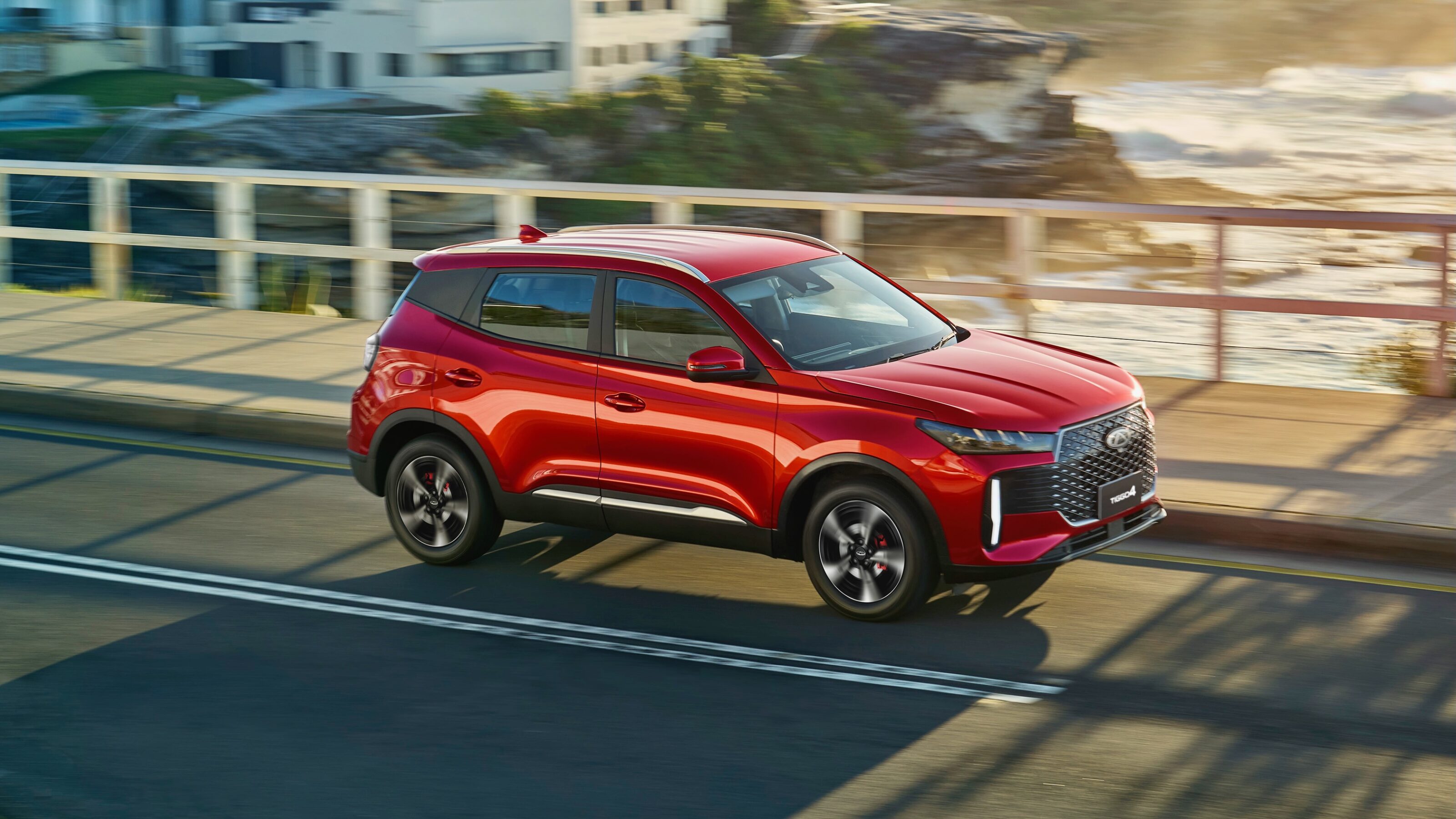
Chery Tiggo 4 Urban
Price: From $23,990 drive-away
Boot space: 380 litres (rear seats up); 1225 litres (rear seats folded)
Drivetrain: 1.5-litre turbo-petrol
Servicing costs: $1449 total for first five years or 75,000km
1
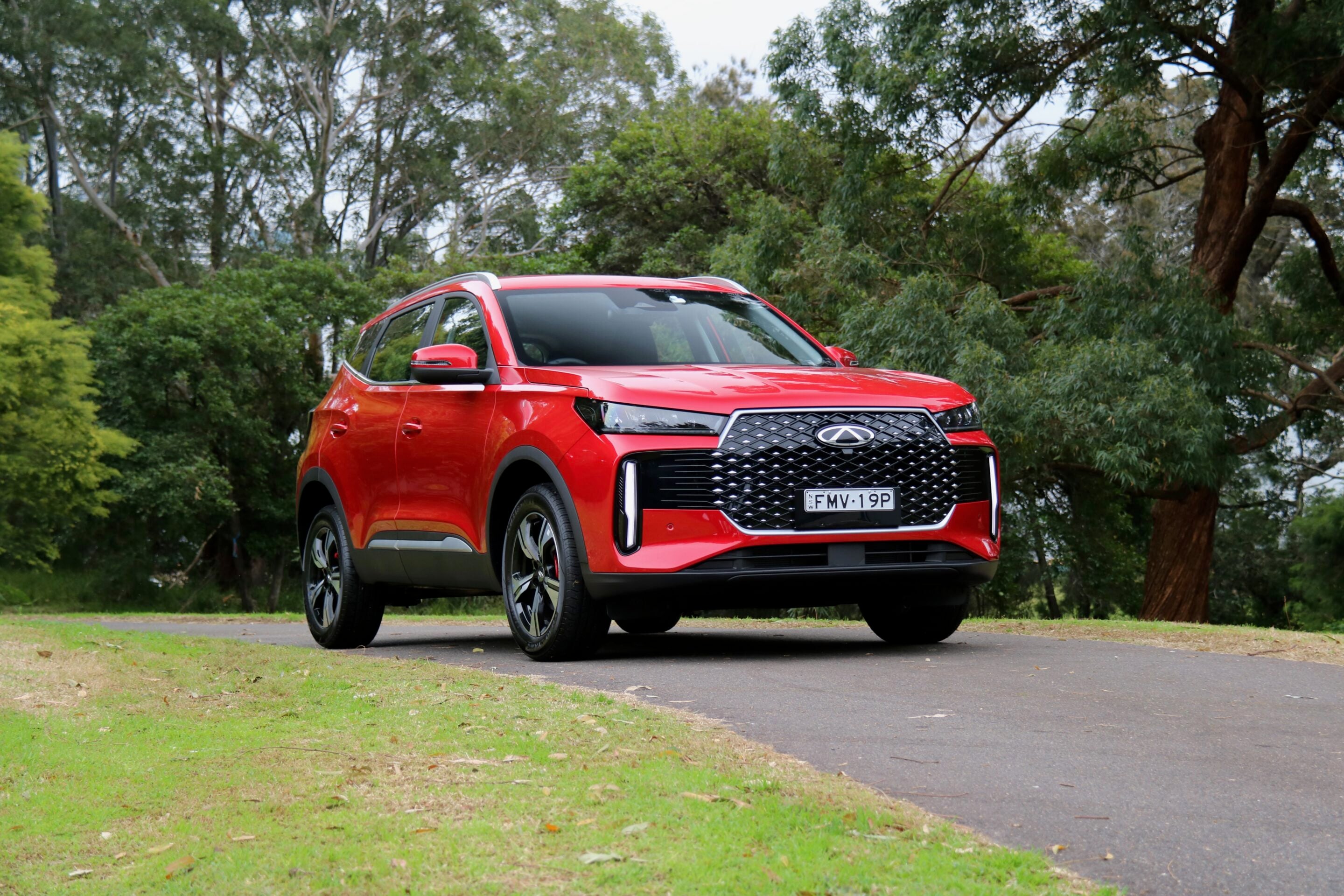
It was Australia’s second-most popular small SUV in 2025, trailing only the Hyundai Kona on the sales charts. And it’s easy to see why.
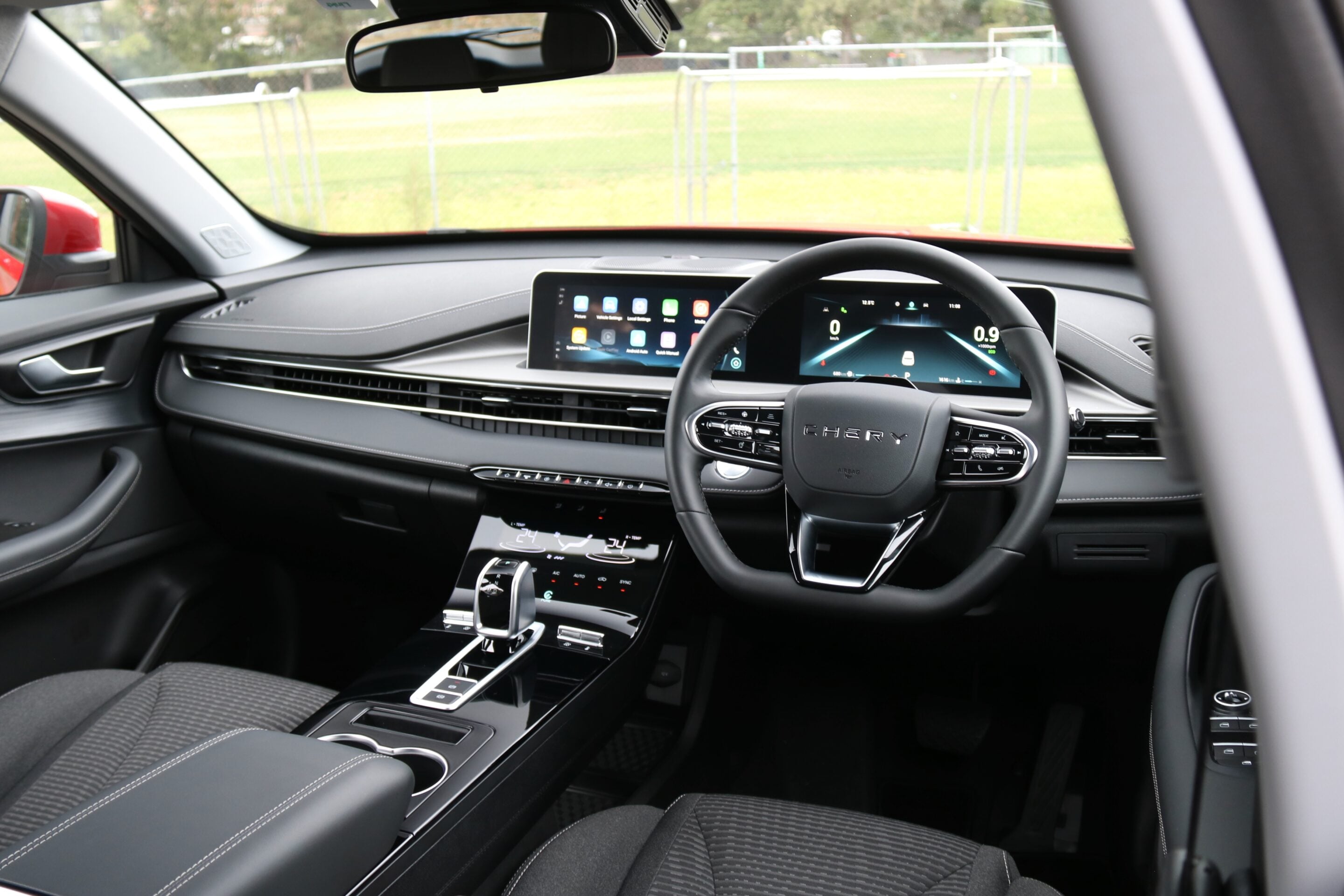
With a starting price of just $23,990 drive-away (the most affordable Kona starts from $32,950), the Tiggo 4 offers an astounding list of standard equipment, especially on the technology front where first-time buyers will go gaga over features like a 10.25-inch infotainment screen with wireless and wired smartphone mirroring capability.
Other standard features include 17-inch alloy wheels, rain-sensing windscreen wipers, keyless entry and push-button start, heated side mirrors, dual-zone climate control with, crucially, rear seat air vents, as well as digital (DAB+) radio and three USB ports.
The Tiggo four also wears a five-star ANCAP safety rating on the back of some impressive crash testing results and a long list of advanced driver assist systems.
1
The on-road experience is best described as inoffensive. Softly-sprung, the Tiggo 4 will comfortably absorb everyday road rash with ease, a perfectly amiable companion on the road from A to B. Performance is best described as merely adequate, but for a large cohort of new car buyers, that’s perfectly acceptable. Not everyone is looking to win the daily traffic light grand prix.
If you can accept that the Tiggo 4 isn’t looking to break any land speed records, and instead prefer your daily commute in comfortable surroundings with enough tech to keep you entertained during those oh-so-boring traffic snarls, then it’s hard to look past Chery’s baby SUV.
Kia Stonic S
Price: From $28,180 plus on-road costs
Boot space: 352 litres (rear seats up); 1155 litres (rear seats folded)
Drivetrain: 1.0-litre three-cylinder turbo-petrol
Servicing costs: $2464 for first five years or 50,000km
1
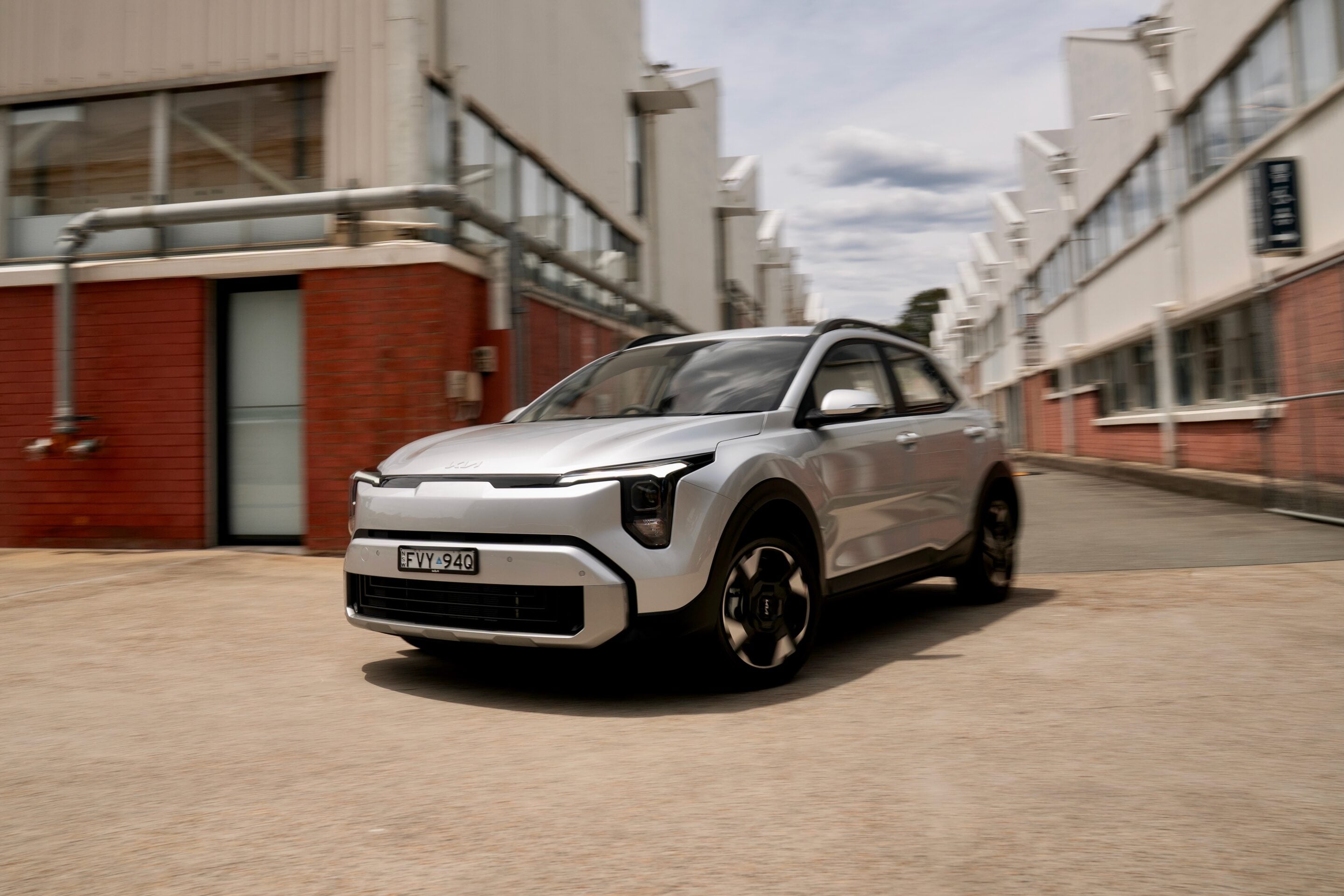
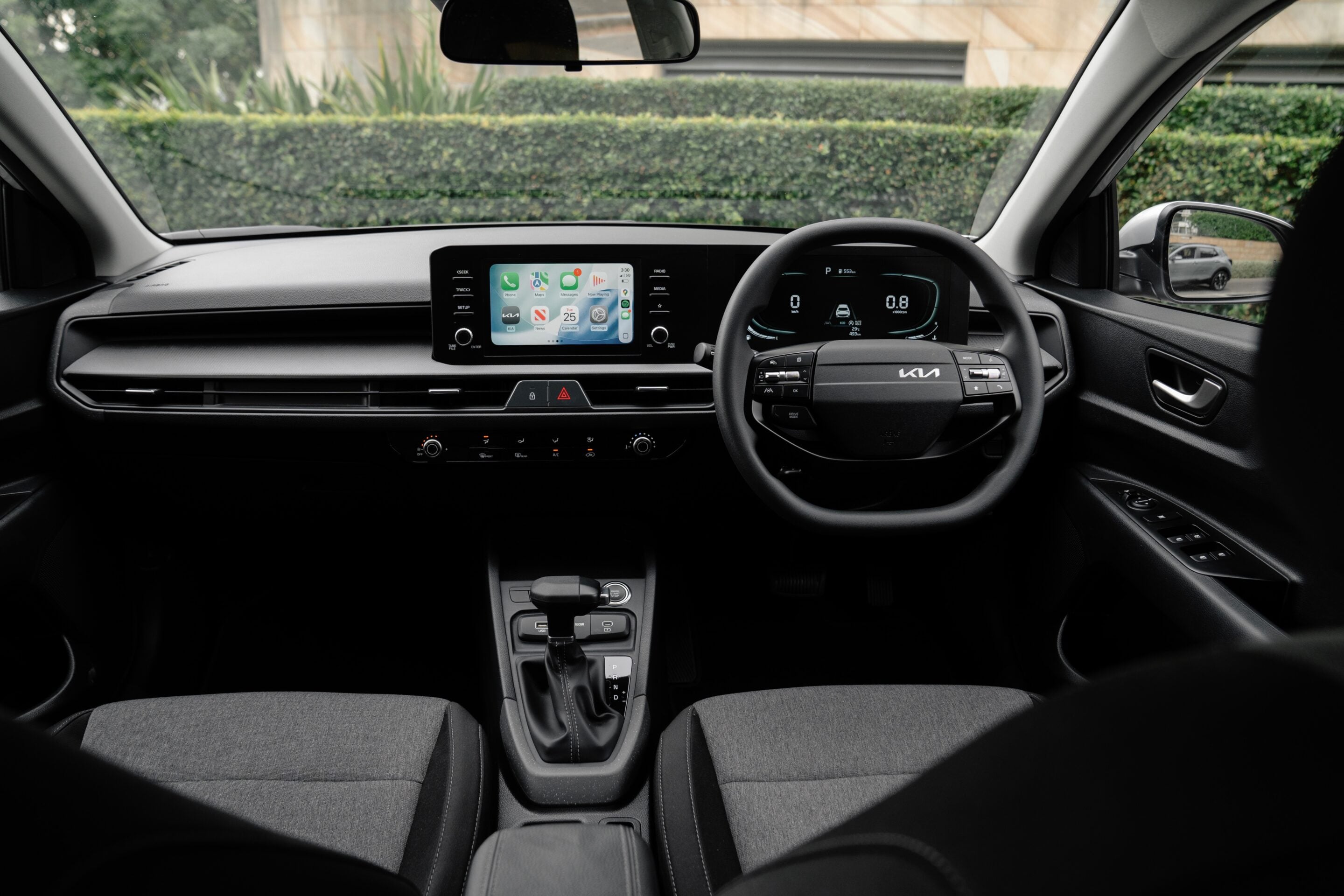
The Korean brand’s entrant in the Light SUV class has recently benefited from a major mid-life update that brings sharp new looks and a new mild-hybrid drivetrain. Priced from $28,180 before on-road costs, the entry-level Stonic S feels like an all-new car, especially inside where new design flourishes and interior styling give the impression of an SUV costing much, much more.
Kia has backed the style with some substance with a decent list of standard equipment, even if it’s not as comprehensive as the features list of some of its rivals from China.
But the Stonic claws back ground thanks to its on-road manners where the little Kia’s ride and handling balance translate to a charming drive experience. The 1.0-litre three-cylinder petrol engine remains as characterful as ever, now helped along by a 48-volt mild-hybrid system said to deliver fuel efficiency gains as well as a slight performance boost.
1
Kia doesn’t over do it on the technology front, with an 8.0-inch infotainment screen looking small compared to some of its rivals. But it’s intuitive to use, and capable of hosting your favourite brand of smartphone.
This current generation of Kia Stonic has yet to be tested by ANCAP so remains unrated by the safety authority for now. Kia’s suite of advanced driver assist and safety technologies is middling, with some key features (such as rear cross-traffic alert) only available in higher model grades.
The Stonic is also more expensive to service than some of its key rivals, the extra expense compounded by its relatively narrow 10,000km service intervals where 15,000km is par for the course in today’s new car landscape. That’s countered, however, by Kia’s seven-year, unlimited kilometre warranty bringing peace of mind to first-time new car buyers.
Mahindra XUV 3XO
Price: From $23,990 drive-away
Boot space: 364 litres (rear seats up); not quoted (rear seats folded)
Drivetrain: 1.2-litre three-cylinder turbo-petrol
Servicing costs: $1595 for first five years or 75,000km
1
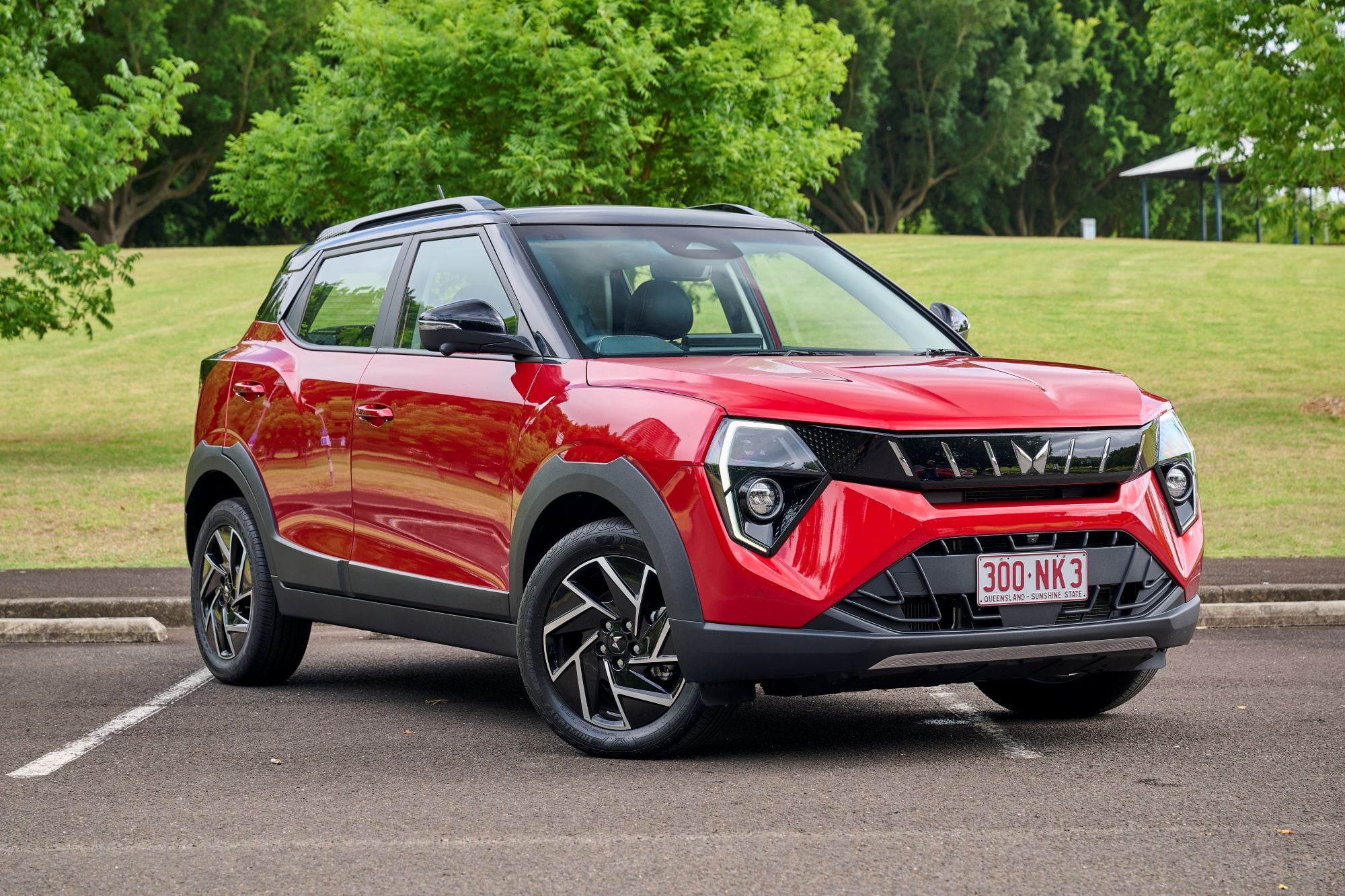
The Mahindra XUV 3XO surprised the judges at Wheels Car of the Year testing late last year, its blend of affordability, practicality and decent driving chops belying its low cost of entry.
While the entry-level model is priced from a very competitive $23,990 drive-away, making it one of the most affordable new SUVs your money can buy in Australia, our pick would be to find the extra three grand for the $26,990 drive-away AX7L range-topper.
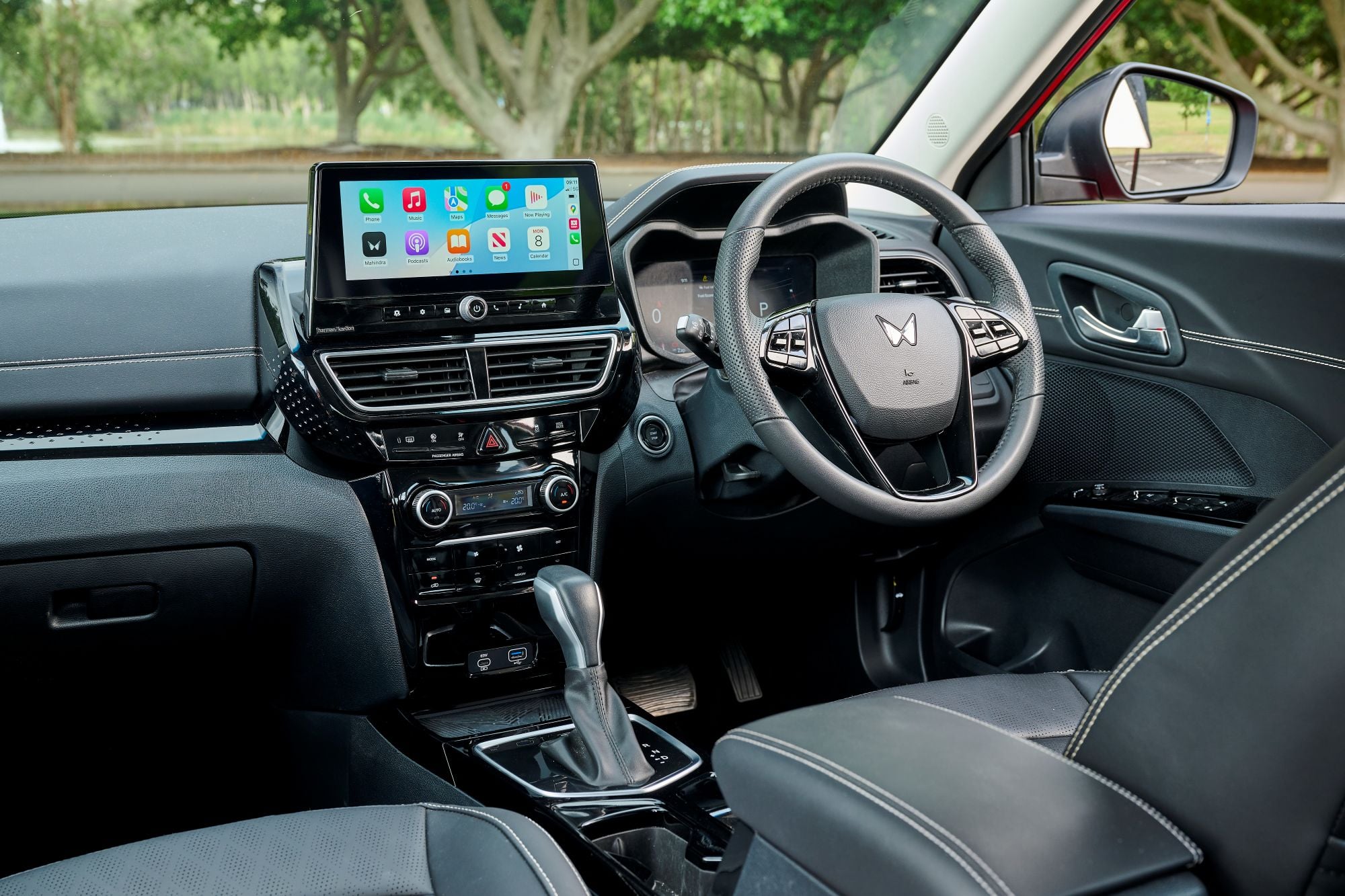
The extra spend brings a lot of goodies usually reserved for cars costing two or three times as much. Highlights include 17-inch alloy wheels, synthetic ‘leather’ seat trim, two-zone climate control, a 10.25-inch infotainment touchscreen with wireless Apple CarPlay and Android Auto, a 10.25-inch digital instrument display, sunroof, a premium Harman-Kardon audio system and even a cooled glove box.
But loading it to the gills with standard equipment is one thing. The real measure comes in how the Mahindra drives. And here the news is good.
Performance is in line with what buyers at this end of the market would expect, with brisk acceleration whether from standstill or while on the move. The ride is commendable too, compliant without being too soft, and perfectly capable of dealing with Australia’s scrappy surfaced road network.
1
The Mahindra misses out on some key safety technologies, such as blind-spot monitoring and rear cross-traffic alert, and it remains untested by ANCAP.
Mahindra warrants the XUV 3XO for seven years or 15,000km, whichever comes first while servicing remains affordable at $1595 for the first five years or 75,000km.
Certainly, the Indian brand remains largely unknown in Australia, but as we recently wrote after the XUV 3XO won our budget SUV three-way comparison, the Mahindra surprises with its well-built quality cabin – big on space despite its diminutive stature and filled with the tech and creature comfort modern buyers expect – along with a willing powertrain and a well-sorted suspension tune that brings comfort and compliance to a segment not always known for it.
Under $35,000
The field opens up if your budget can stretch to over $30,000, with options from the more established legacy brands increasingly entering the equation. By our reckoning there are currently 30 Light and Small SUVs priced between $30,000 and $35,000 available today and it’s in this bracket where we start to see some more familiar brands, such as Toyota, Volkswagen and Hyundai.
But which models stand out in what is an increasingly crowded new car segment? Let’s find out.
Hyundai Kona
Price: From $33,700 plus on-road costs
Boot space: 407 litres (rear seats up); 1241 litres (rear seats folded)
Drivetrain: 2.0-litre four-cylinder petrol
Servicing costs: $2053 for first five years or 75,000km
1
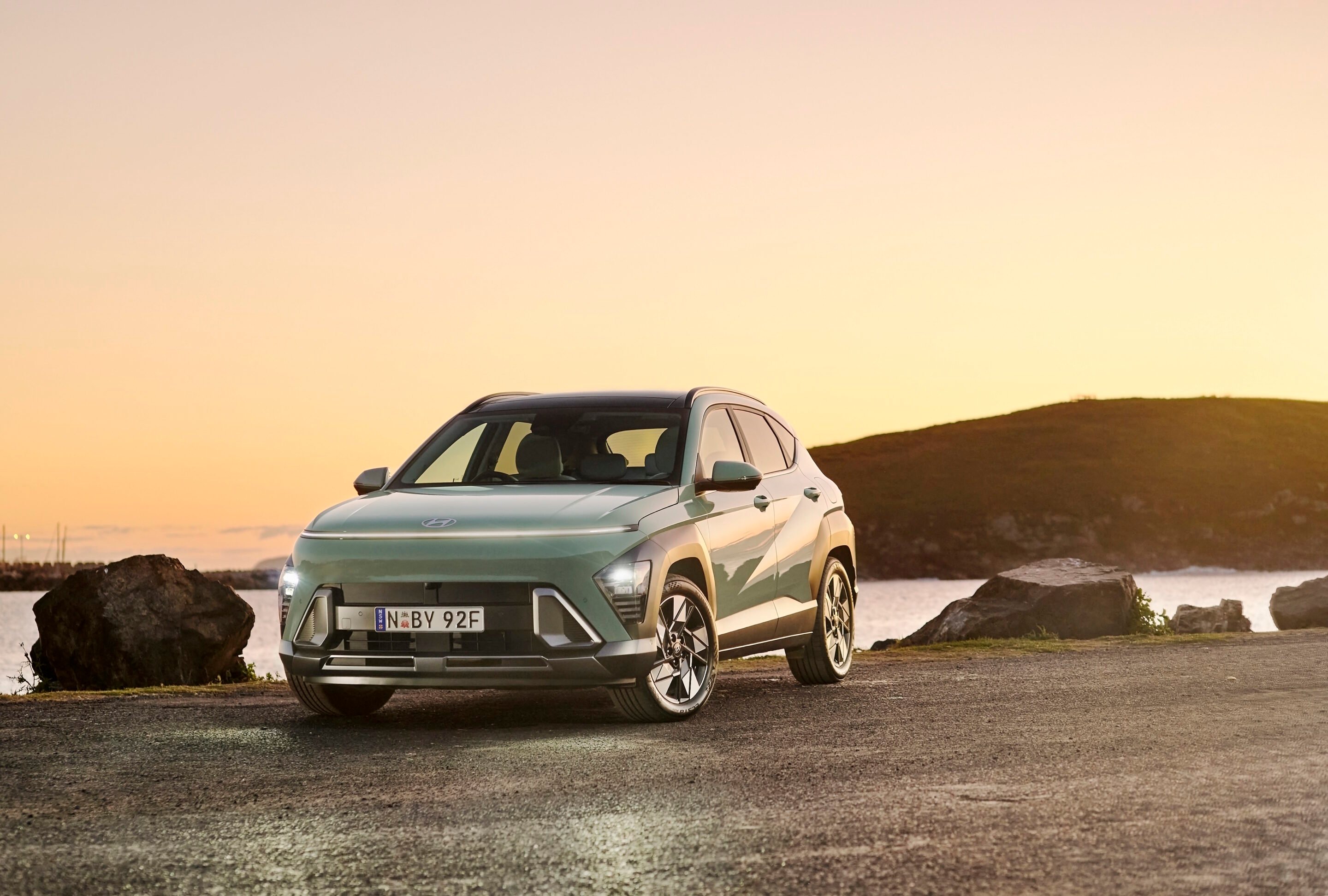
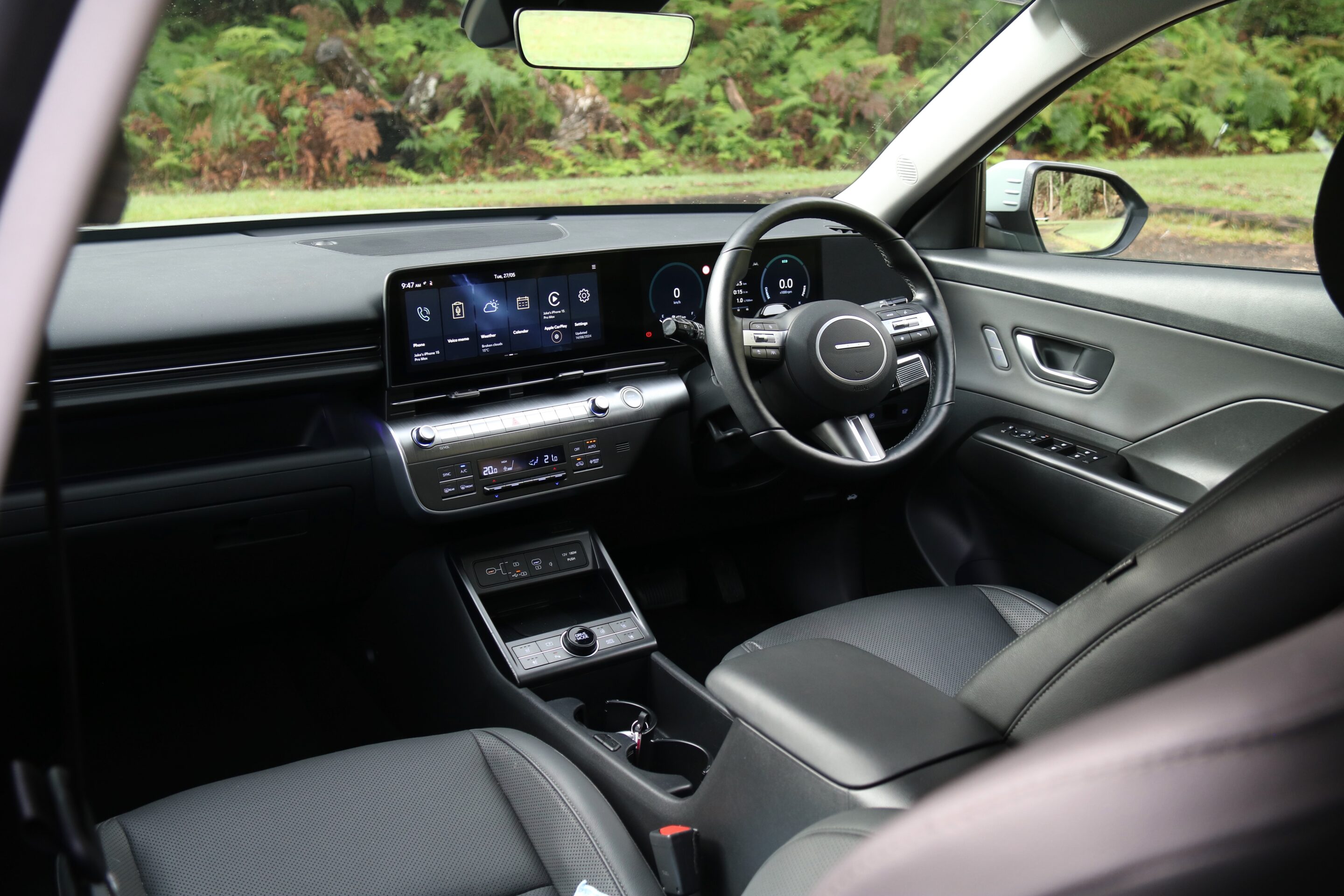
The Kona is a striking-looking small SUV from the Korean brand that blends practicality and comfort with modern design and technology.
At this entry-level grade, power comes from a two-litre naturally-spirated four-cylinder which offers enough poke for most urban driving situations while remaining perfectly acceptable at highway cruising speeds.
Its suspension package is well-sorted and suited to Australian roads, Hyundai investing heavily in ensuring locally-delivered cars are tailored for our roads.
A four-star safety rating – largely because of some missing safety tech (it scored well in crash testing) – is a minor blot on its copybook and something that clearly hasn’t hurt sales, the Kona the number one-selling small SUV in Australia.
1
Hyundai’s recently expanded seven-year warranty brings extra peace of mind while servicing costs of just over $400 a year are a little on the high side, but not unmanageable.
Certainly, buyers looking for a modern take on the small SUV formula could do well to take a closer look at the Hyundai Kona.
Toyota Yaris Cross GX
Price: From $31,790 plus on-road costs
Boot space: 390 litres (rear seats up); not quoted (rear seats folded)
Drivetrain: 1.5-litre four-cylinder petrol-hybrid
Servicing costs: $1375 for first five years or 75,000km
1
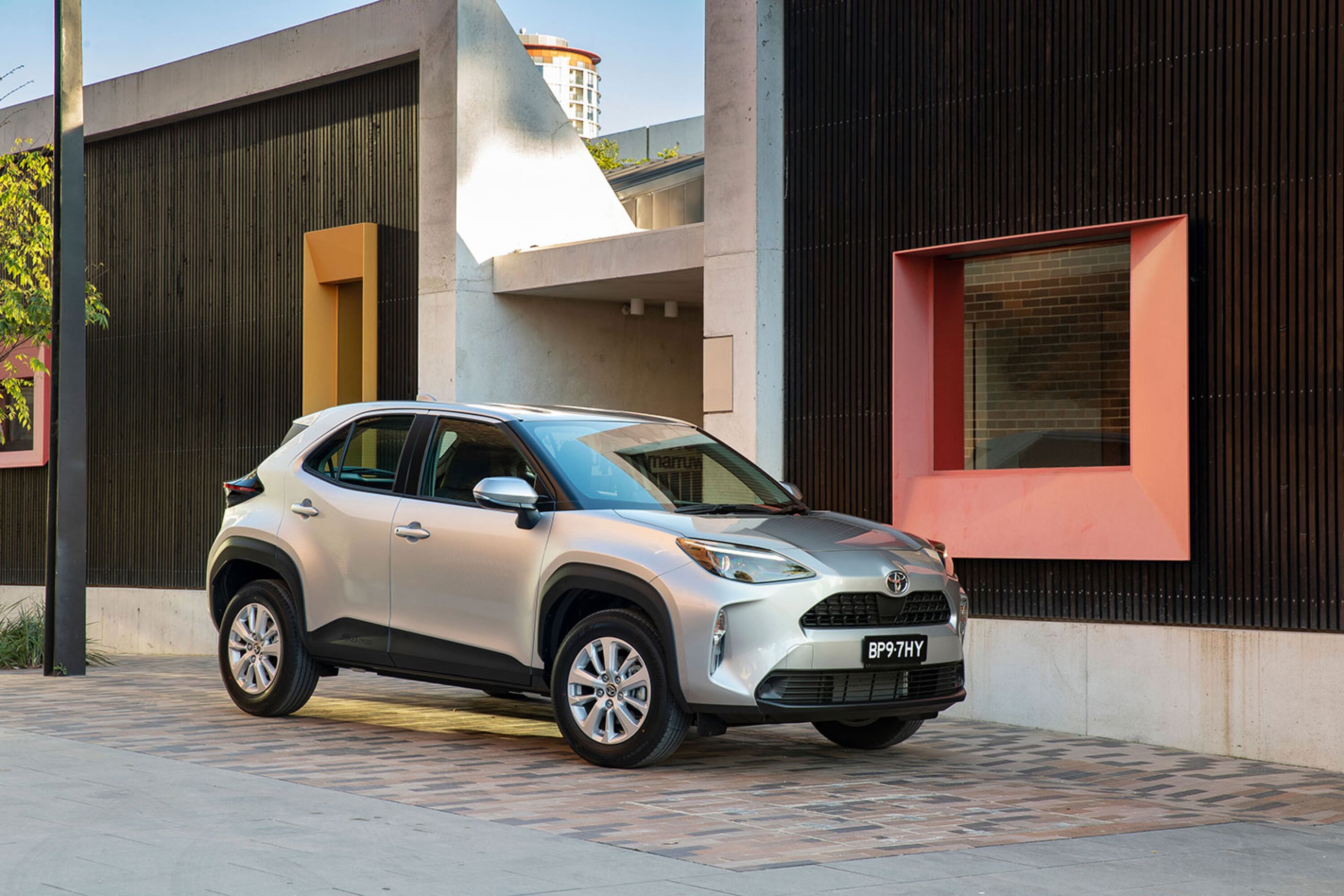
As Australia’s leading car brand for the last two decades or so, it’s little wonder that Toyota remains the go-to choice for buyers after a reliable and affordable car to own.
The Toyota Yaris Cross continues that philosophy, its tried-and-trusted hybrid powertrain providing the kind of fuel economy that keeps owners – and bank balances – happy.
Around since late 2020, the Yaris Cross is arguably in need of a refresh. But it’s hard to argue with an SUV that claims a fuel consumption figure of 3.8 litres per 100km, even if that is a smidge fanciful. You can expect to use around 4.5L/100km in the real world, if our ongoing testing is anything to go by.
1
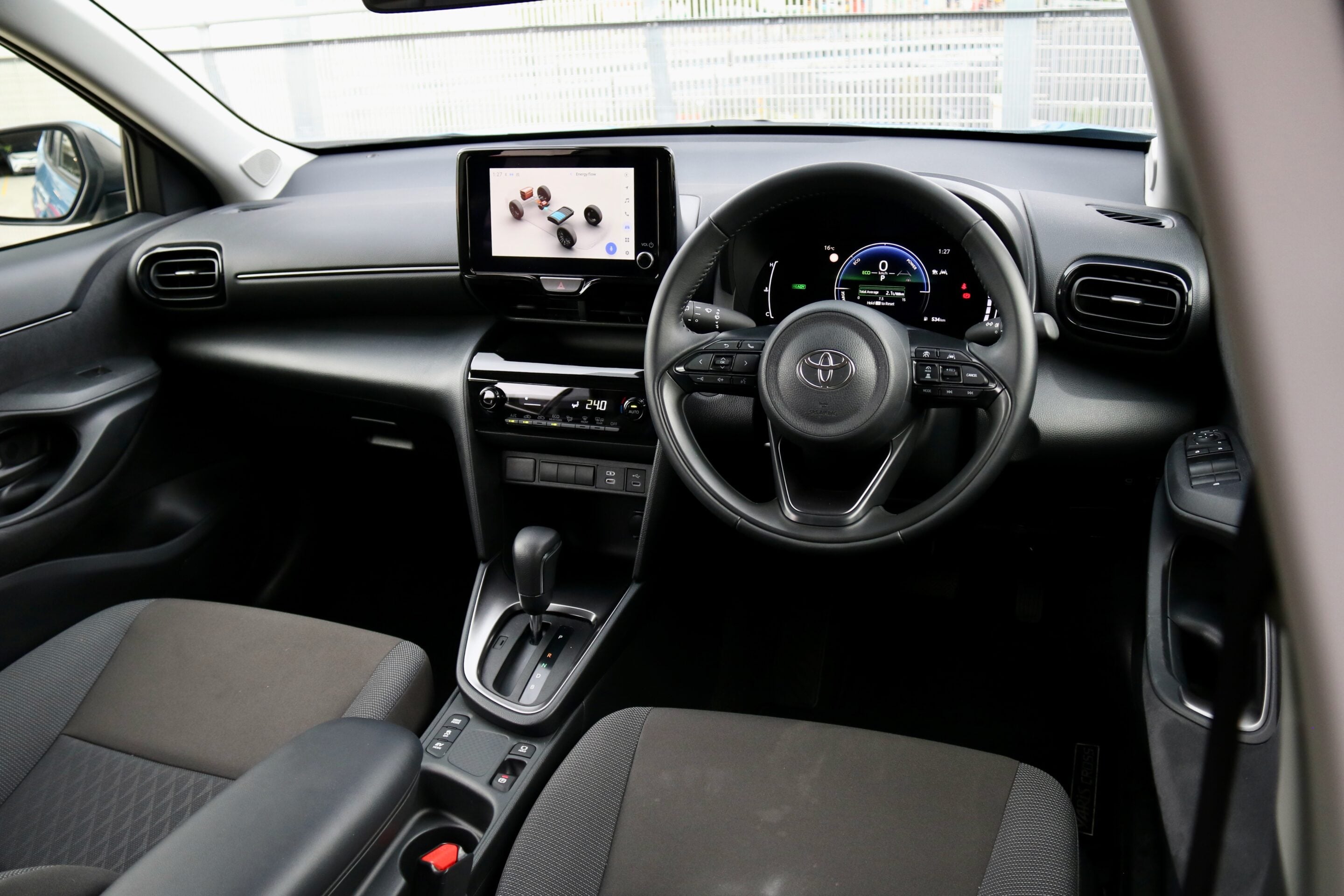
The interior blends practicality and comfort in typical Toyota fashion – not too flashy, but neither is it low-rent.
And with servicing costing just $275 a year for the first five years, it’s easy to see why the Yaris Cross remains one of the more popular options for those after a sensible, efficient and affordable compact SUV.
Volkswagen T-Cross Life
Price: From $34,990 plus on-road costs
Boot space: 385 litres (rear seats up); 1281 litres (rear seats folded)
Drivetrain: 1.0-litre three-cylinder turbo-petrol
Servicing costs: $2799 for first five years or 75,000km
1
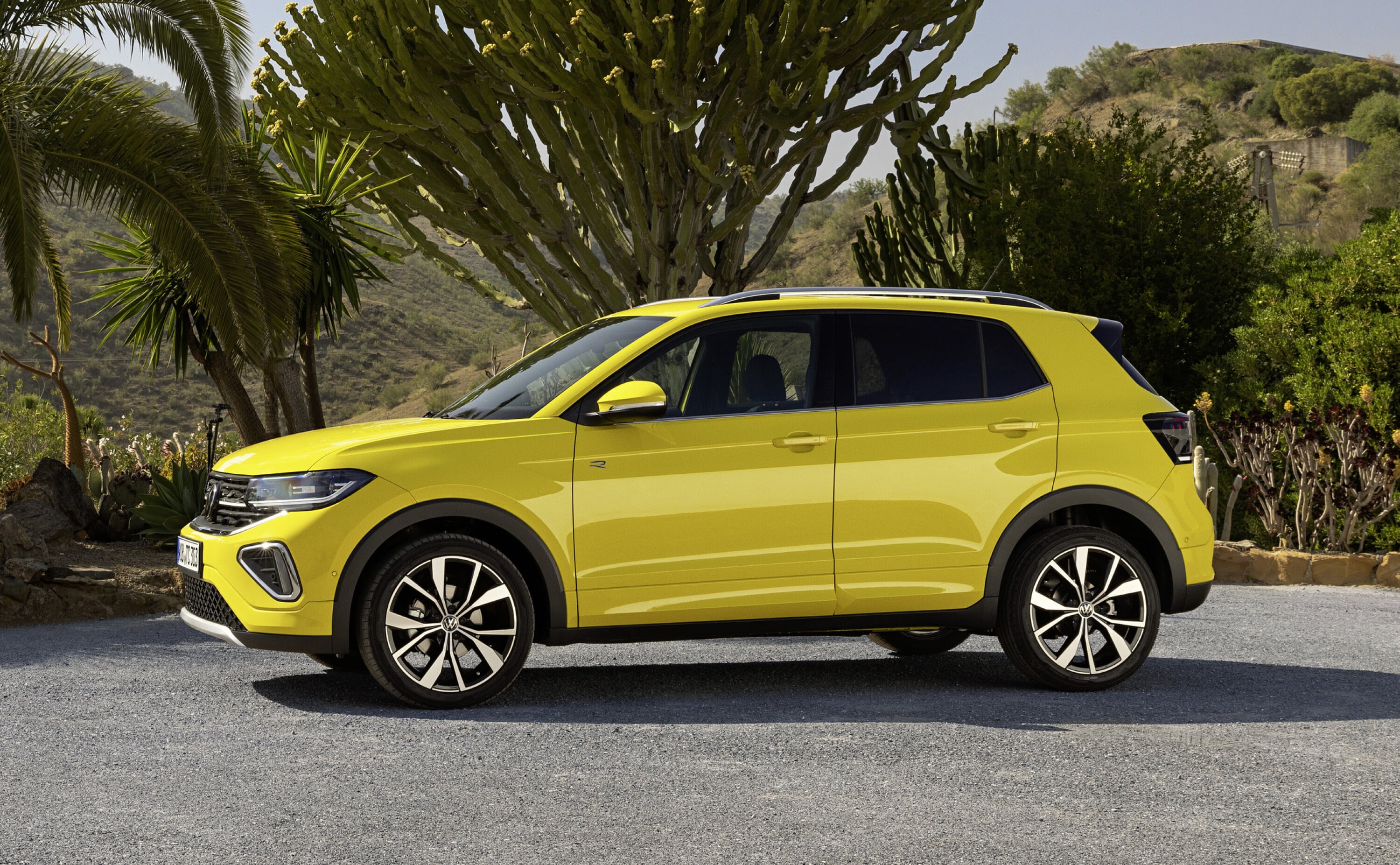
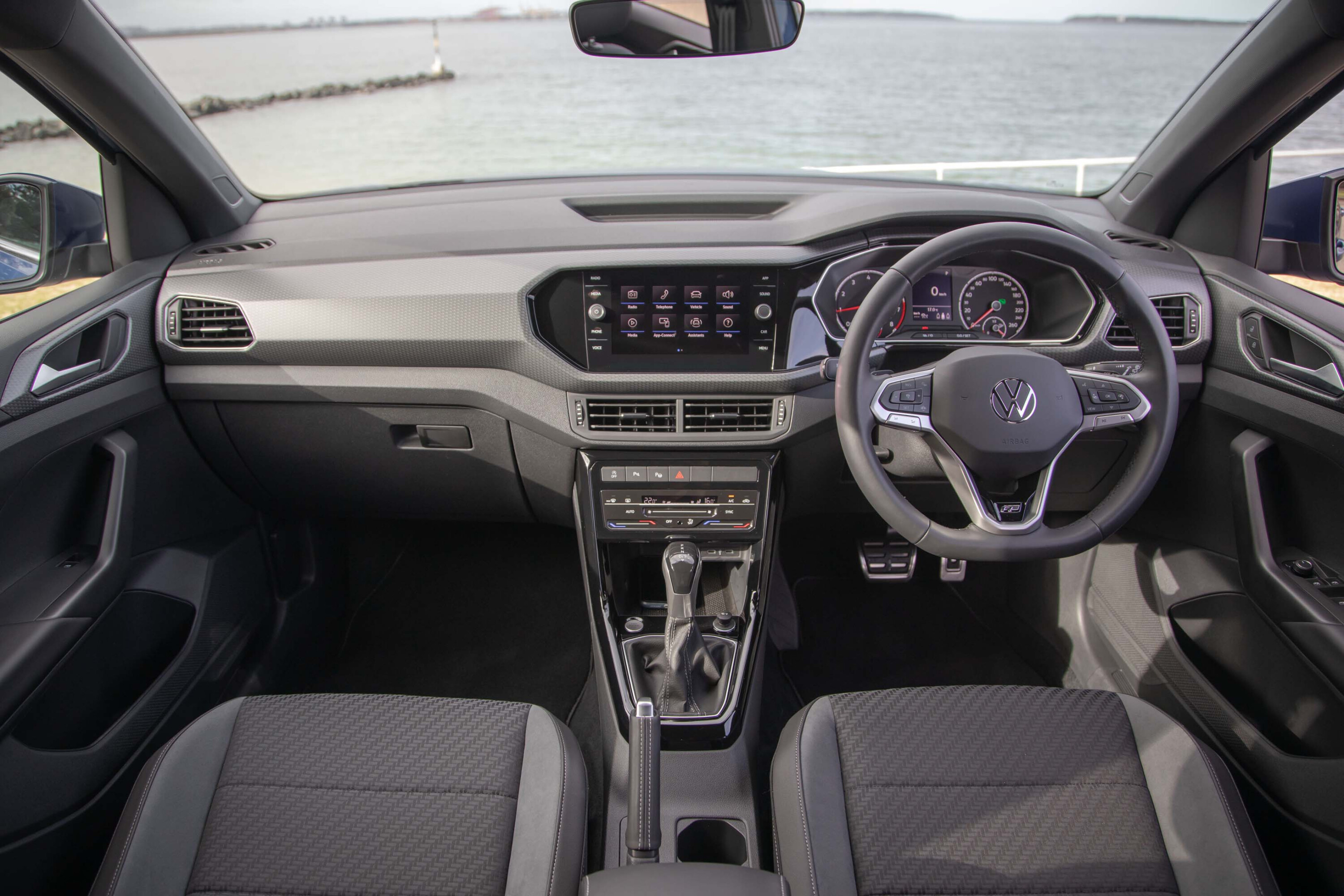
The Volkswagen T-Cross remains a popular option for buyers after a touch of European style. Basically, a VW Polo on stilts, the T-Cross brings Volkswagen’s typically understated but refined cabin quality along with generous equipment levels.
The 1.0-litre three-cylinder turbo does a good job of moving the T-Cross in a brisk fashion, never feeling under-powered for the task at hand. It’s equally as good on the highway as it is in urban enclaves. The only downside on the driving front is the seven-speed dual-clutch automatic transmission which can, at times, prove a little hesitant when taking off from standstill.
Fuel consumption is rated at 5.4L/100km, which isn’t bad for the segment although trails the hybrid Toyota Yaris Cross by some margin, something that may sway some buyers towards its Japanese competitor.
1
And the cost of maintenance could also be a deciding factor, its $2799 over five years rounding out to just under $560 annually.
But, there’s no question the T-Cross’s European design and engineering holds appeal for plenty of buyers looking for their first new car who are after something a cut above the mainstream.
Follow WhichCar/Wheels on Google
Click the button below to make WhichCar by Wheels a preferred source for your news.

We recommend
-
 Features
10 best bargain mid-size SUVs for under $40k
Chances are that if you're a new car buyer, you're searching for a mid-size SUV and value is a big consideration. Here are 10 mid-size SUVs priced under $40k.
-
 COTY
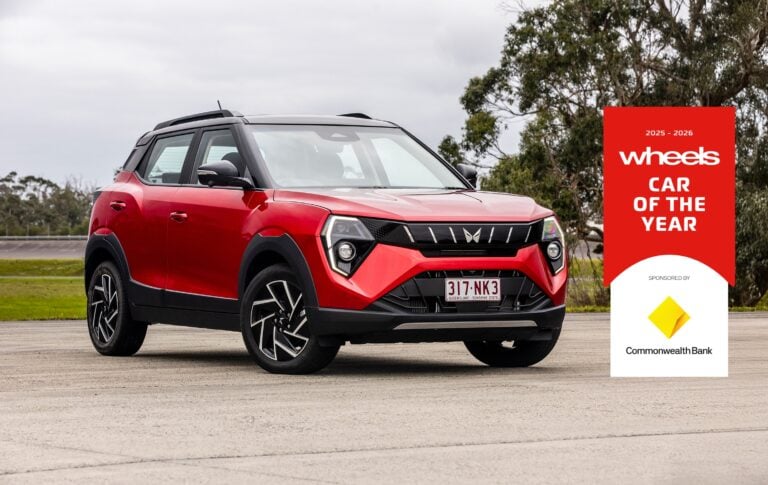
COTY2025-26 Wheels Car of the Year Top 8: Mahindra XUV3XO AX7L
Mahindra’s budget-friendly XUV3XO surprises with comfort, capability and value, earning unexpected praise from the judges – despite some obvious gaps – as the brand expands in Australia.
-
 Features
Which cars priced under $50k have the biggest boot?
Practicality is a major consideration when we buy the cars we buy, so with a budget of $50,000, which cars on the market have the the largest boots?
