
Best Large SUVs

Gallery 1
Contenders
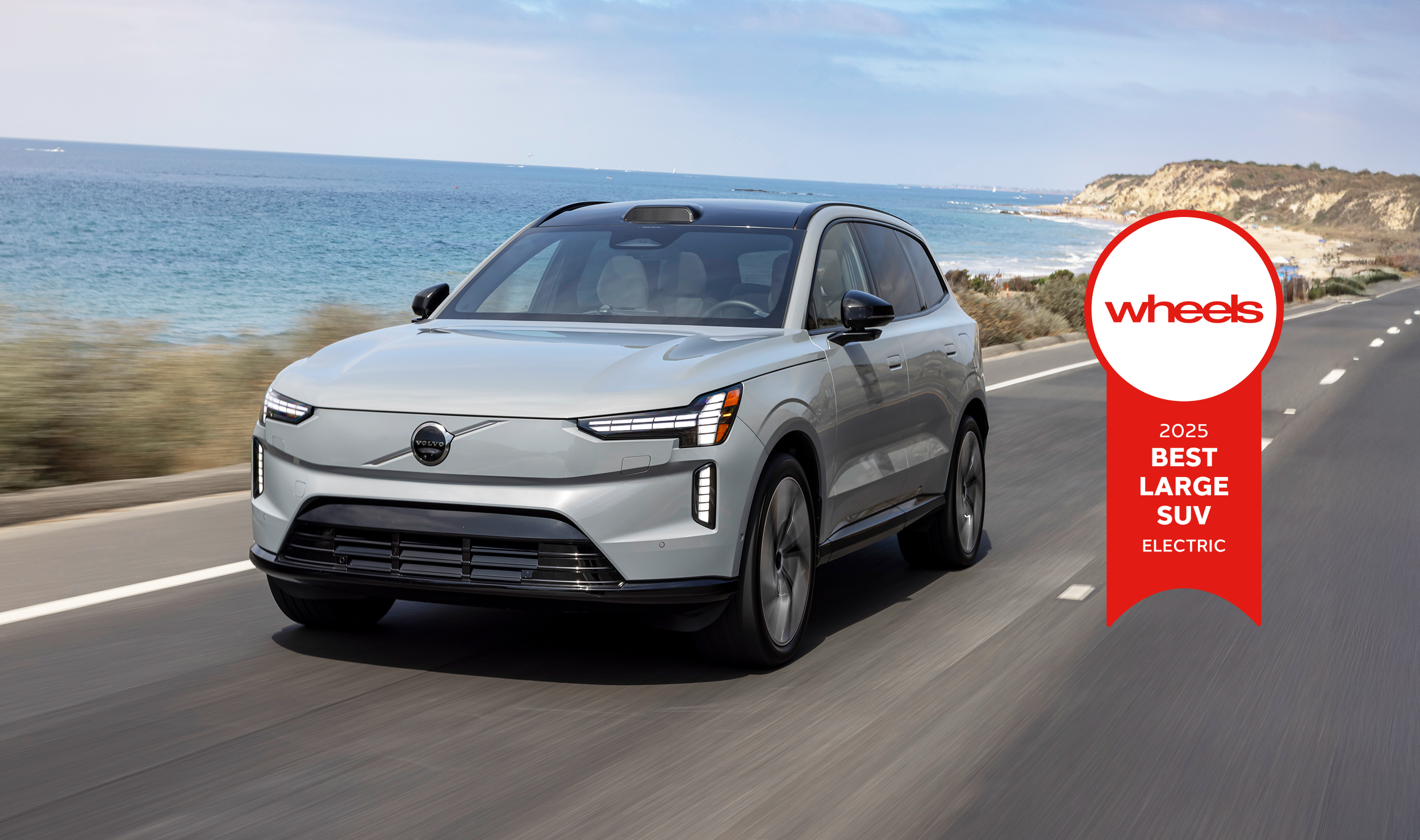
Winner – Volvo EX90
1
Price: From $124,990 plus on-road costs
Battery size/claimed range: 111kWh/570km (NEDC)
Drivetrain: Dual-motor electric, 300kW/770Nm (Twin) 380kW/910Nm (Performance)
Dimensions (length/width/height/wheelbase): 5037/1964/1747/2985mm
Bootspace: 324L (third row up), 697L (third row folded), 2135L (third + second row folded) + 46L front boot
Warranty/roadside assistance/service intervals: Five-year/unlimited km, five years (extendable up to eight years in total), annually/every 15,000km
Five-year service cost: included in the cost of the car
| Driving | |
| Interior | |
| Practicality | |
| Overall value | |
Things we like
- Interesting cabin and materials
- Very practical, as you’d expect for a Volvo
- Competitive performance and range
Not so much
- XC90 offers a cleverer interior
- Not cheap to buy
- Too much functionality controlled through the central screen
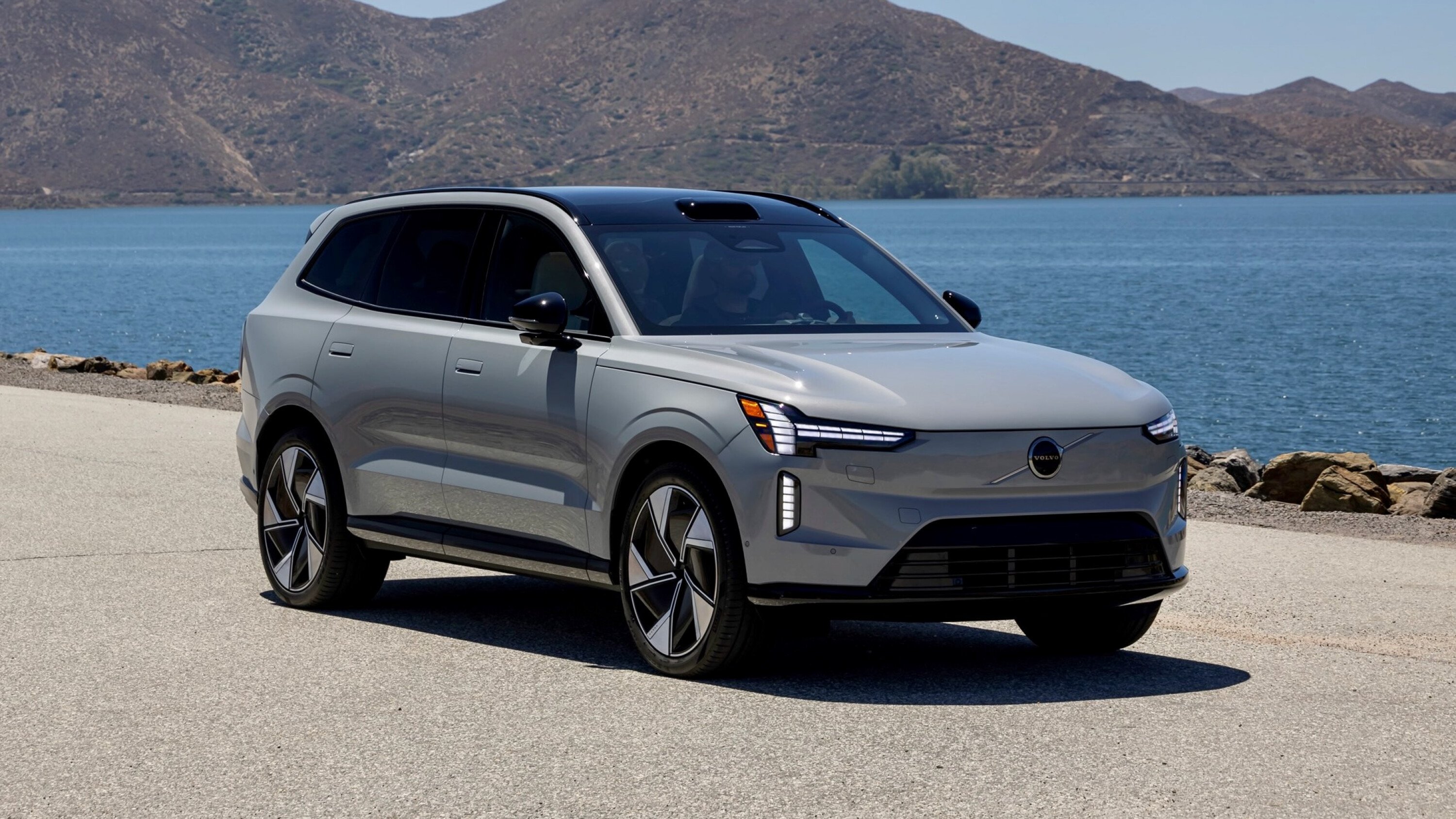
For a brand that was once only known for its boxy wagons, Volvo is doing big business from its SUV range nowadays. In fact, in Australia at least, it now only offers SUVs with its S60 and V60 Cross Country models now no longer available to order. The EX90 is the latest Volvo SUV offering in our market and it’s quite similar to the popular XC90 but for one crucial detail: it’s electric.
Available in two models with a single 111kWh battery for the moment, the EX90 provides the XC90’s excellent acceleration but with a silent drivetrain. A dual-motor set up is standard, with either 300kW/770Nm outputs in the entry-level Twin or an even stronger 380kW/910Nm in the upper-spec Performance. Range? That’s up to a claimed 570km (NEDC), or more than enough to quell any range anxiety. The EX90 is also capable of handling up to 250kW DC charging for a claimed 10-80 per cent charge time of 30 minutes.
With its standard adaptive dual-chamber air springs and adaptive damping – at least in Ultra Performance guise – the EX90 proves surprisingly adept at tackling whatever the road conditions throw at it, even when riding on 22-inch wheels. The dampers offer soft and firm settings, but even in firm mode, the EX90 is still quite comfortable. The EX90’s cabin quality is elevated, with tactile finishes, slick digital screens that control everything to do with the car, subtle light-coloured wood inlays and synthetic leather upholstery neatly combining classy tech with textural warmth.
As you’d expect for a Volvo product, the EX90 is extremely practical and capable of holding seven adults with more than enough space in each row, though not quite as much as an XC90. Behind the third row lies 342 litres of bootspace, which opens up to a massive 2135 litres with both the second and third rows folded.
Among fully electric options in this segment, we feel the Volvo EX90 is the most likeable and best realised, from its huge interior, lovely driving experience and keen performance to its above average charging capability and impressive interior finishes. There is perhaps too much functionality controlled through the touchscreen, and some of the interior finishes aren’t quite to the high standard of the XC90. But overall, Volvo’s first electric large SUV is well engineered and beautifully executed.
Kia EV9
1
Price: From $97,000 plus on-road costs
Battery size/claimed range: 76.1kWh, 443km (Air); 99.8kWh, 512km (Earth)/505km (GT-Line)
Drivetrain: Single motor (Air), 160kW/350Nm; Dual motor (Earth and GT-Line), 283kW/700Nm
Dimensions (length/width/height/wheelbase): 5010-5015/1980/1755-1780/3100mm
Bootspace: 333L (third row up)/828L (third row folded)/2318L (third + second row folded)
Warranty/roadside assistance/service intervals: Seven-year/unlimited, up to eight years, annual/every 15,000k
Five-year service cost: $1351
| Driving | |
| Interior | |
| Practicality | |
| Overall value | |
Things we like
- Huge cabin carries seven with ease
- Excellent charging speed performance
- Loaded with equipment
Not so much
- No spare wheel
- Not cheap to buy
- Some interior trims could feel more special
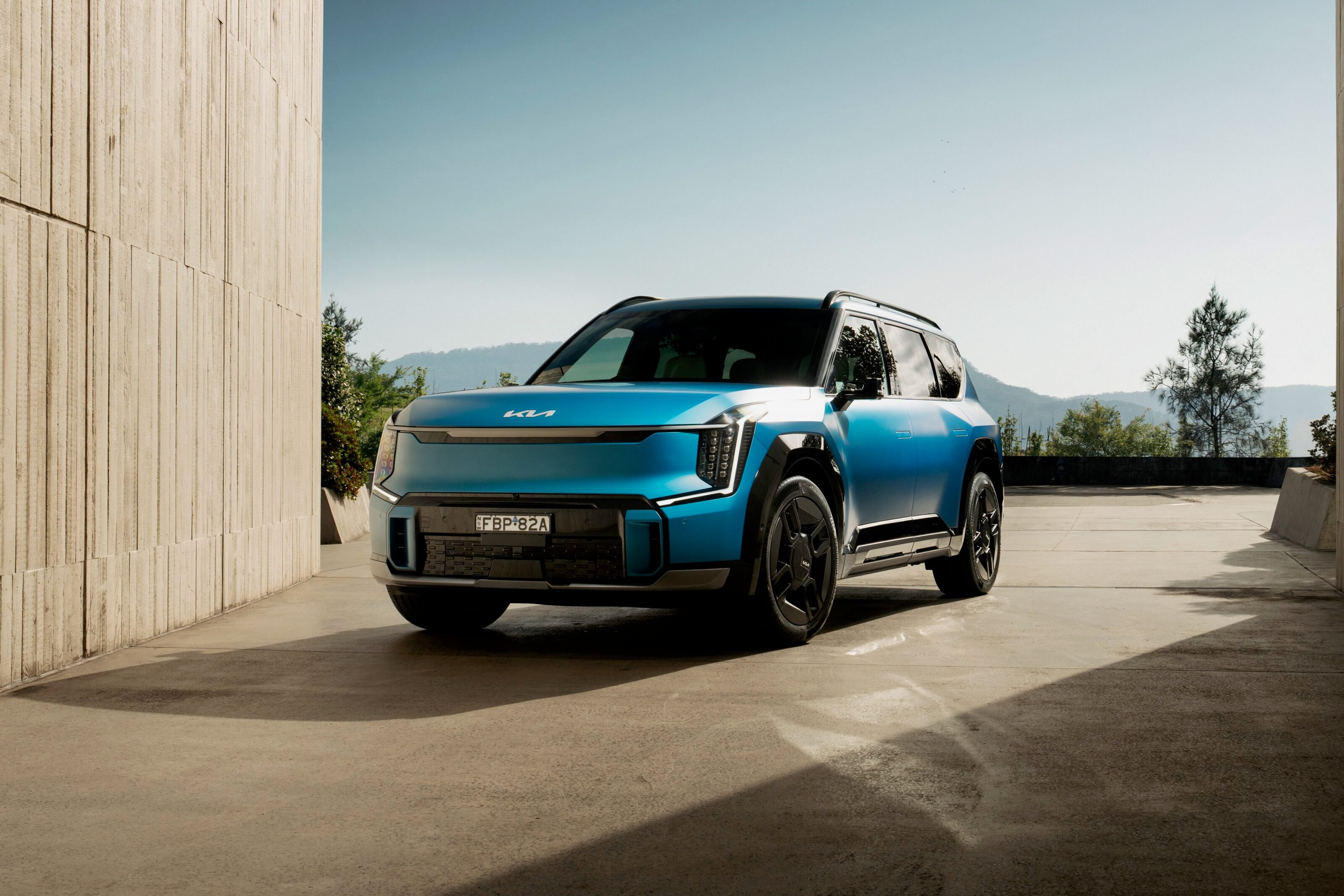
Kia shocked us when it launched the EV9 upper large electric SUV in late 2023. Its futuristic styling, comfortable driving experience and hugely practical cabin give it massive appeal among large SUVs with seven seats, which is still a rarity for electric vehicles.
Thanks to the EV9’s size and clever packaging, even the third row of seating can comfortably carry adults with plenty of room and amenities such as air vents, charging ports and cup holders. The windows are large so that it doesn’t feel claustrophobic and it features both top tether and ISOFIX points for child seats. Moving forward, the second row is even larger with palatial legroom and enough width for three adults to sit comfortably. In the front, there’s plenty of storage space, comfortable seats and great visibility.
Even in entry-level Air trim, the EV9 achieves a solid driving range, with a claimed 443km (WLTP) achievable, though that increases to over 500km in higher-spec models thanks to a larger 99.8kWh battery. The e-GMP platform the EV9 uses offers some of the highest DC fast charging speeds on the market, with a 10-80 per cent charge achievable in a maximum of 24 minutes.
Thanks to Kia’s local tuning program, the driving experience of the EV9 is very comfortable, and it tackles bad roads with ease, despite the large wheels. It’s also very quiet, thanks to ample noise insulation, and is surprisingly fun from behind the wheel – especially in GT-Line form, with the high-performance GT yet to arrive in Australia.
All things considered, the Kia EV9’s quick charging, ample range and performance stats, huge and comfortable cabin, and satisfying driving experience make it a strong contender in this category.
BMW iX
1
Price: From $142,900 plus on-road costs
Battery size/claimed range: 94.8kWh/602km (WLTP)
Drivetrain: Dual-motor AWD, 300kW/700Nm
Dimensions (length/width/height/wheelbase): 4965/1970/1695/3000mm
Bootspace: 500L (seats up), 1750L (seats folded)
Warranty/roadside assistance/service intervals: 5-year/unlimited km, three-years, annual/every 15,000km
Six-year service cost: $3475
| Driving | |
| Interior | |
| Practicality | |
| Overall value | |
Things we like
- Excellent comfort and refinement
- Loaded with tech that works well
- Stonking performance, awesome claimed range
Not so much
- Minimalist interior may look cheap to some
- Average charging speed
- Only one model available currently
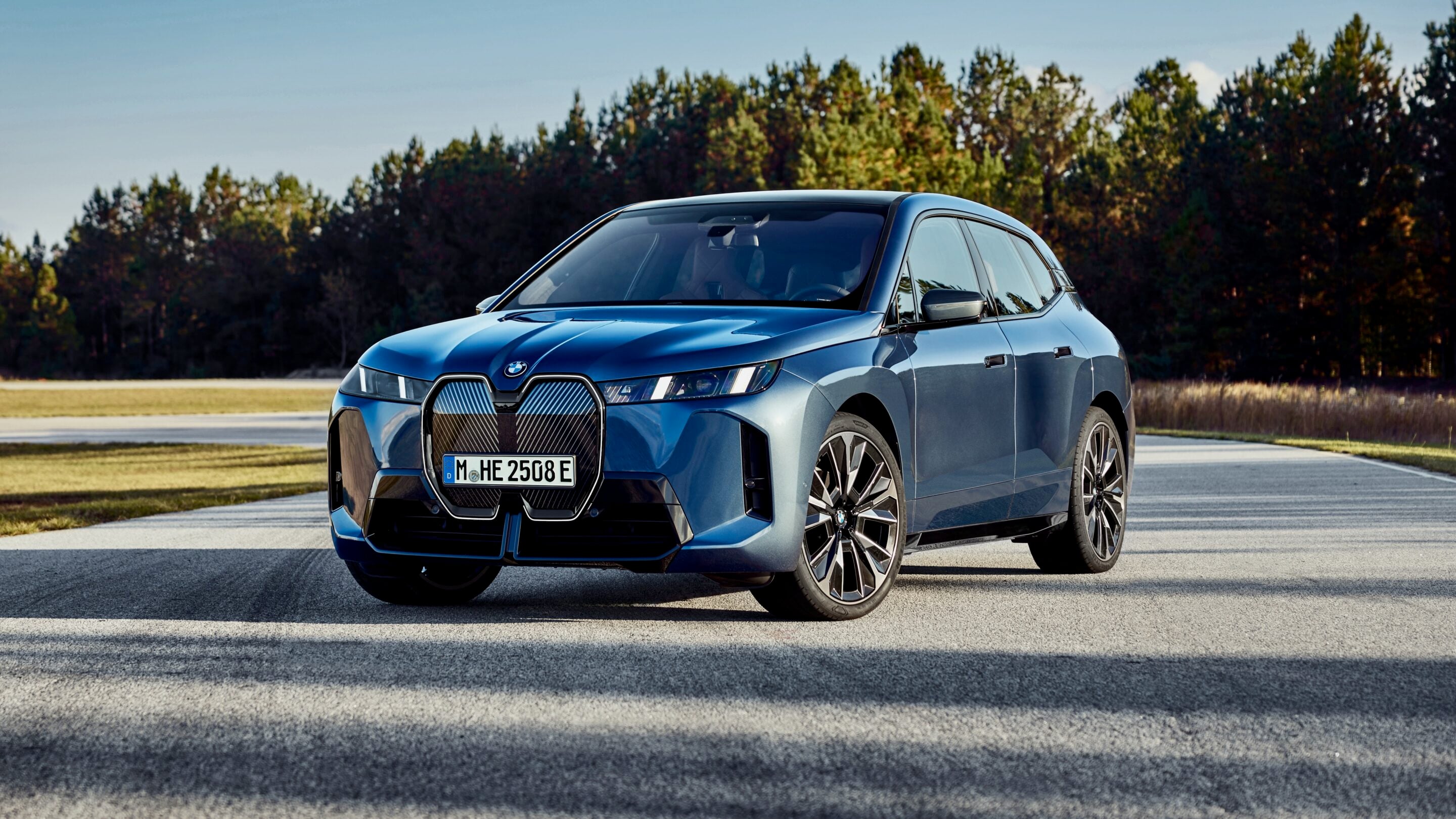
It’s been on sale in Australia for almost four years now, but we’re still not used to the BMW iX’s styling. Online comments suggest its a divisive appearance but for those of us who look beyond a car’s styling, the iX fits the bill in other areas as a large SUV.
Recently updated with more range and power, the only iX model to be offered in Australia for now is the xDrive45, which is priced from $142,900 plus on-road costs. It features a 94.8kWh battery for a claimed WLTP range of 602km, which feeds a dual-motor all-wheel drive drivetrain making 300kW of power and 700Nm of torque. Peak charging speed is an average 150kW however, and a 10 to 80 per cent charge takes as little as 34 minutes, according to BMW.
On the road, the BMW iX impresses with a soothing and relaxing driving experience, and it can also handles well for a vehicle this size. With 300kW on tap, the iX xDrive45 offers performance that’s more potent than you’d expect for its entry level status, while its claimed 600km range is healthy as well.
The cabin of the iX is minimalist, with its lack of hard buttons and big open space on the dashboard, but the quality is excellent with high quality leather trims and switchgear used throughout. BMW’s latest iDrive system is fully featured and can take a while to get used to, but easy to use once you’ve learned its quirks. Rear seat space is impressive – especially given that there’s no third row of seating – while the 500-litre boot is reasonable, but could be larger.
The BMW iX is an impressive car, especially thanks to its mid-life facelift that gave it a lot more power and more driving range. Its interior may look cheap, but its materials are high quality, and it’s both comfortable and quite practical. On the road, it impresses with an excellent ride quality and strong performance, though its charging speeds could be improved to back up that long range.
Hyundai IONIQ 9
1
Price: $119,750 plus on-road costs
Battery size/claimed range: 110.6kWh/600km
Drivetrain: Dual motor, 314kW/700Nm
Dimensions (length/width/height/wheelbase): 5060/1980/1790/3130mm
Bootspace: 338L (third row up)/908L (third row folded)/2419L (third + second row folded)
Warranty/roadside assistance/service intervals: Five-year/unlimited km, service-activated, annual/every two years/30,000km
Four-year service cost: $1345
| Driving | |
| Interior | |
| Practicality | |
| Overall value | |
Things we like
- Refinement and comfort
- Excellent charging speed performance
- Loaded with equipment
Not so much
- Low speed ride needs refinement
- Only one model in the range and it’s expensive
- Optional camera mirrors hinder visibility
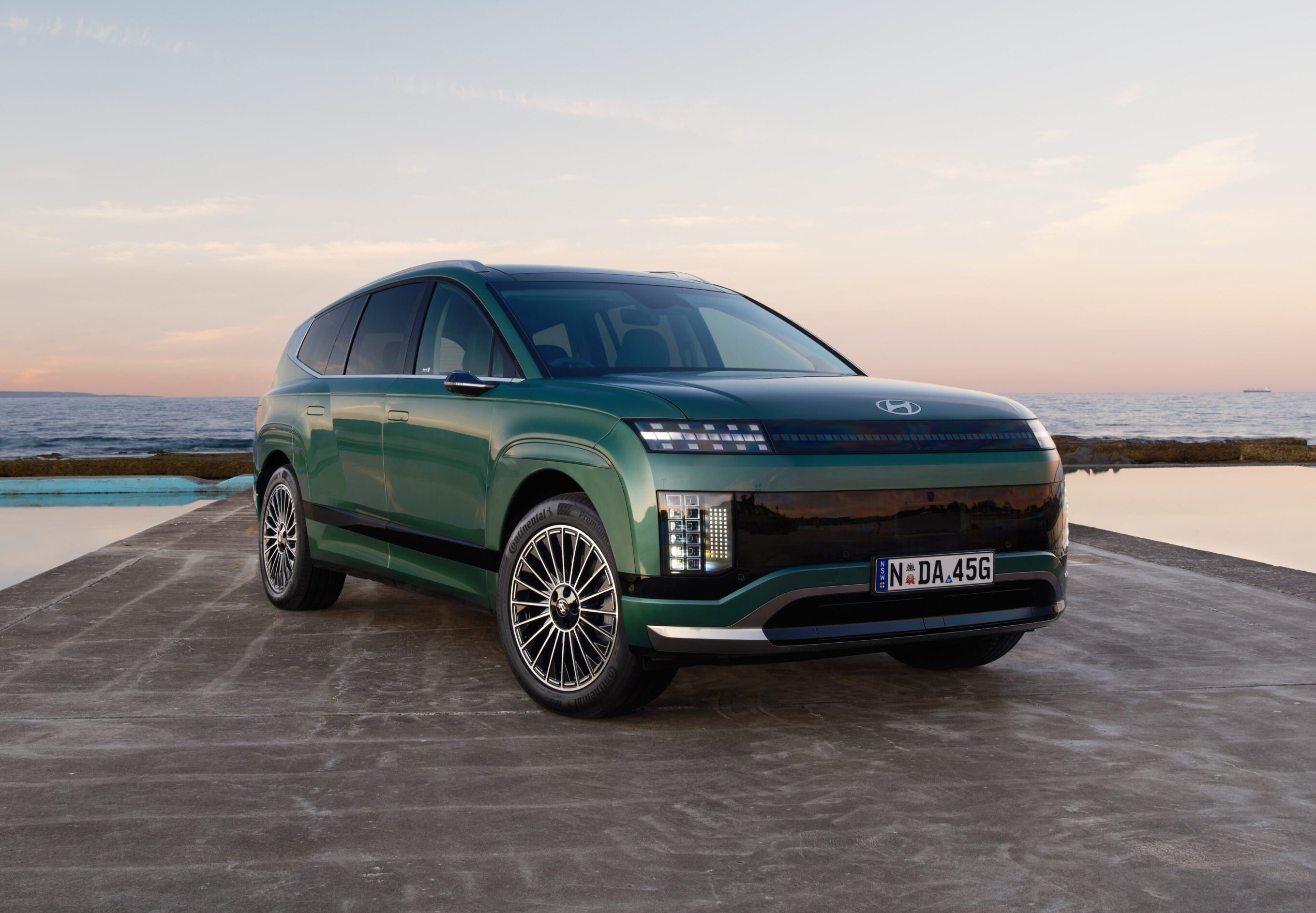
Hyundai’s efforts to become a mass producer of electric vehicles certainly hasn’t gone unnoticed in recent years, thanks to its small but talented range of IONIQ vehicles, plus the Inster light SUV. The latest in Hyundai showrooms is the IONIQ 9 large SUV, which uses the same platform as the Kia EV9 but shades it in size. Only offered in one high specification point in Australia so far, the IONIQ 9 is priced from $119,750 plus on-road costs and while that’s not cheap, it is fully loaded with standard features.
Inside the local IONIQ 9 is a huge 110.6kWh battery that gives a claimed 600km of range (WLTP). But thanks to Hyundai’s charging smarts, it’s capable of a 10 to 80 per cent charge in as little as 24 minutes using a 350kW DC fast charger, one of the quickest rates on the market. That battery powers a dual motor set-up making 314kW of power and 770Nm of torque, enabling the IONIQ 9 with strong performance. On the road, the IONIQ 9 is very quiet and comfortable, though its low speed ride quality is a bit unresolved and its EV9 cousin is more dynamic.
But a large expensive SUV is about the cabin, and on that front, the IONIQ 9 impresses with a spacious, feature-packed and a mostly-high quality interior that resembles other Hyundai models, most closely the Santa Fe. The 16-way electric front seats are extremely comfortable, and the dual 12.3-inch screens are easy to use and look suitably high-tech. The IONIQ 9 features active noise cancellation in a first for the brand, making its cabin very quiet at speed.
Where the IONIQ 9 excels most is its spaciousness, as you’d expect for such a large vehicle. Row two is airy and large, while row three is decent for adults as well. Each row features more than enough amenities such as air vents, cup holders and charging ports. Behind the third row lies a huge 338 litres of bootspace, which expands to a massive 908 litres with the third row folded.
The Hyundai IONIQ 9 succeeds as an SUV with strong performance, a big battery, very fast charging, a long range and a whisper-quiet driving experience. It’s not as luxurious inside as the Volvo EX90, but it is better equipped. Aside from the low speed ride and one-model-only range, the Hyundai IONIQ 9 is an accomplished large electric SUV.
Lotus Eletre
1
Price: From $189,990 plus on-road costs
Battery size/claimed range: 112kWh/600km (WLTP), 535km (S), 450km (R)
Drivetrain: Dual-motor electric, 450kW/710Nm (Eletre and S), 675kW/985Nm (R)
Dimensions (length/width/height/wheelbase): 5103/2019/1630/3019mm
Bootspace: 688L (seats up), 1532L (seats folded)
Warranty/roadside assistance/service intervals: Five-year/150,000km, five years, every two years/30,000km
Five-year service cost: No capped price servicing
| Driving | |
| Interior | |
| Practicality | |
| Overall value | |
Things we like
- Excellent interior quality
- Even the base model is very quick
- Intuitive and easy to use infotainment systems
Not so much
- Not a traditional Lotus product
- It’s a heavy unit and feels it
- Maybe too fast in R form?
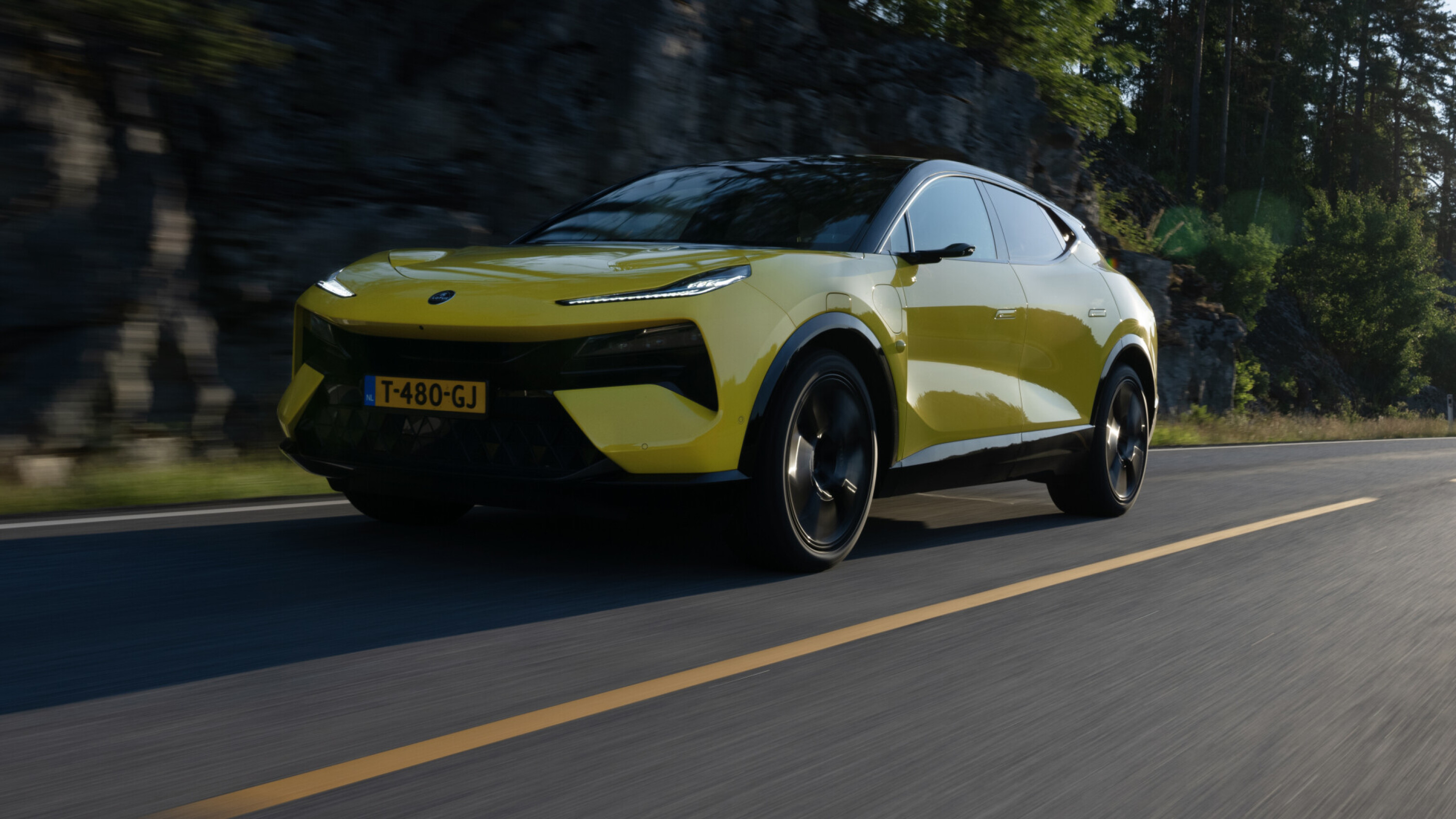
Sports car makers face ever-tightening emissions regulations and a cost-of-living crisis, causing them to expand their line-ups and offer more practical, greener options. Lotus is in that spot, responding with this vehicle: the all-electric Eletre large SUV.
The Eletre is quite the opposite to an Elise: a big SUV powered by electricity, but is still fun to drive thanks to its engaging handing and stonking performance. While all Eletre models feature a 112kWh battery for up to 600km of range in the entry level model, the performance differs from 450kW/710Nm in the base and S, and a frankly ridiculous 675kW/985Nm in the high-performance R. Even the entry level car hits 100km/h in just 4.5 seconds, with the R reducing that to a sub-three second claim.
Where the Eletre further moves away from Lotus models of the past is inside, with a properly luxurious and practical interior that is, again, the complete opposite of an Elise. Filled with lovely leathers, high quality switchgear and high-definition screens, the Eletre’s interior can comfortably compete with the best from the Germans.
The Eletre further steps away from its Lotus branding with a huge back seat and a large 688-litre boot, which is aided by a 46-litre front boot. It’s a genuinely really practical product. On that score, its 800V architecture gives it 350kW charging capability, which enables it to add 400km of range in just 20 minutes.
If you’re after an electric large SUV, the Lotus Eletre is not a conventional choice. But if you’ve got deep enough pockets, you’ll find a polished product that focuses on excellent quality and performance. Yep, it’s not a Lotus in the traditional sense, but it successfully moves the brand into a new space where luxury and performance are the most important factors.
Mercedes-Benz G580 with EQ Technology
1
Price: From $249,900 plus on-road costs
Drivetrains/fuel economy/CO2 emissions: Quad motor, 432kW/1164Nm, 116kWh battery, 473km range (WLTP)
Dimensions (length/width/height/wheelbase): 4873/1984/1979/2890mm
Bootspace: 640L (seats up), 2010L (seats folded)
Warranty/roadside assistance/service intervals: Five-year/unlimited km, five years, annual/every 20,000km
Five-year service cost: $4670
| Driving | |
| Interior | |
| Practicality | |
| Overall value | |
Things we like
- Iconic G Wagen styling but with a silent twist
- Excellent performance on and off the road
- Impressive quad motor drivetrain
Not so much
- Not cheap to buy or service
- Not terribly efficient
- Slow AC charging
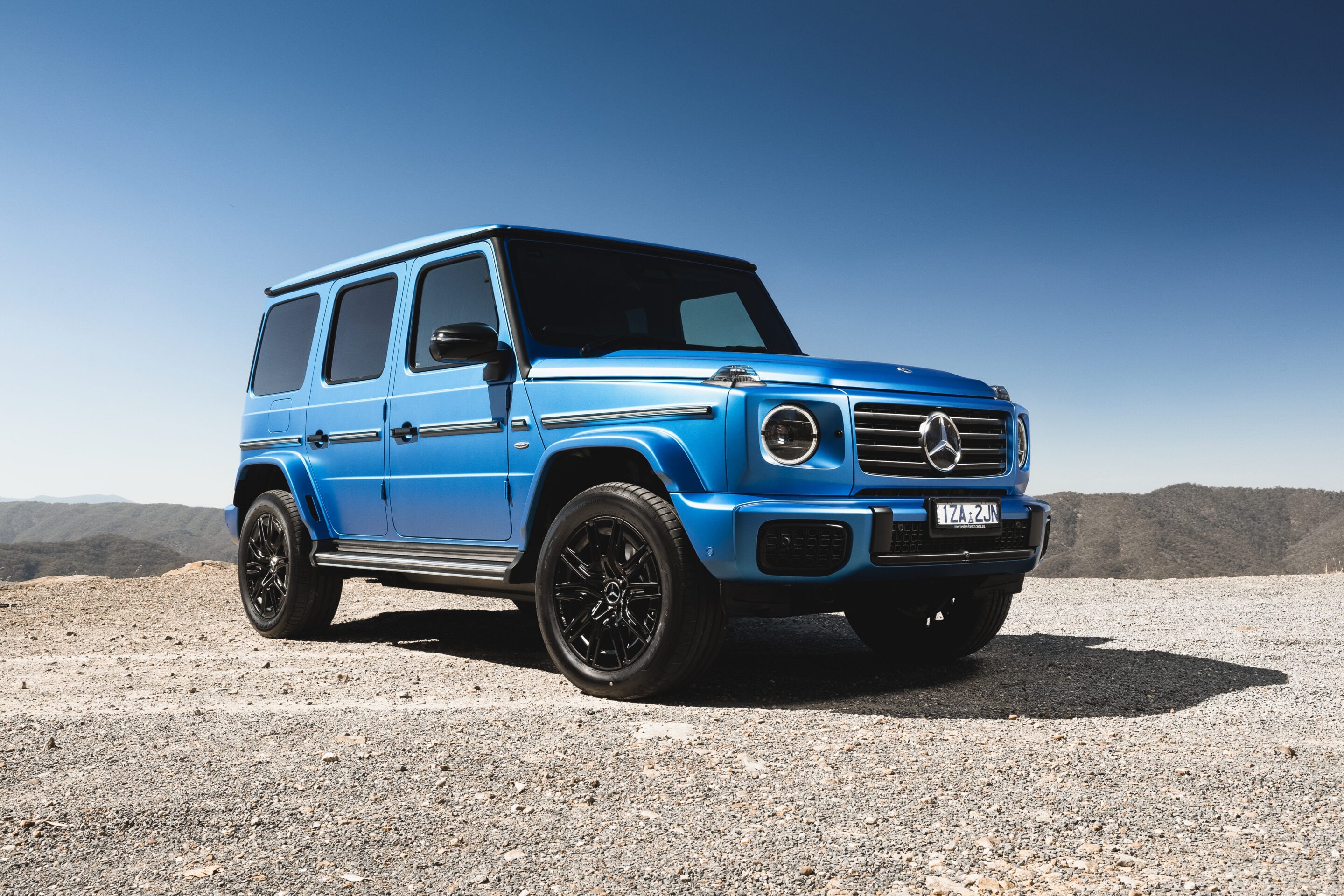
It was perhaps inevitable that the iconic Mercedes-Benz G Wagen would be electrified, and it finally arrived in Australia earlier this year. Dubbed ‘G 580 with EQ Technology’, the electric G-Wagen is currently offered with a single drivetrain: a quad-motor set-up making a huge 432kW of power and massive 1164Nm of torque. That’s enough grunt to see the G 580 hit 100km/h in just 4.7 seconds, despite its kerb weight of 3085kg, or just 0.4 seconds slower than the petrol AMG G 63.
But while the exterior appears business as usual, the G 580 is very different mechanically: there’s a massive 124kWh battery under the floor (116kWh is useable) for a claimed 473km of range (WLTP). You get independent suspension up front and a solid rear axle, plus four independently controlled electric motors and a low-range gearset for each one: yep, it really does have a 108kW/291Nm motor and gearset for each wheel.
It’s this quad-motor set up that gives the G 580 the superior off-road capability expected from the G Wagen, but new features such as the G-Turn (a showstopping trick which rotates the vehicle 720 degrees on the spot on unpaved surfaces) and G-Steer (this reduces the turning circle at up to 25km/h) add a whole new dimension and level of fun. Add in 250mm of ground clearance, an 850mm wading depth (150mm more than the AMG G 63) and the ability to handle a 45-degree angle, and the G 580 is certainly more off-road equipped than any other electric SUV.
Inside the G 580 is typical G Wagen: plenty of leather, a masculine aesthetic and a lot of tech thanks to dual 12.3-inch displays. As you’d expect for a Mercedes product, it’s very comfortable with super supportive seats and plentiful storage as well – its boot measures 640L with the seats up and a huge 2010L with them folded. The ‘G-Roar’ artificial sound gives a digital V8 burble, adding more to the G 580 experience if you want it.
The Mercedes-Benz G 580 with EQ Technology presents a bold new chapter in the history of the iconic G Wagen. Not only is it less expensive than the AMG G 63 but it’s also more powerful, far more torquey and is even more capable off-road. Add in the typical G Wagen practicality and the G 580 is an excellent large SUV… if you can afford it.
Follow WhichCar/Wheels on Google
Click the button below to make WhichCar by Wheels a preferred source for your news.

We recommend
-
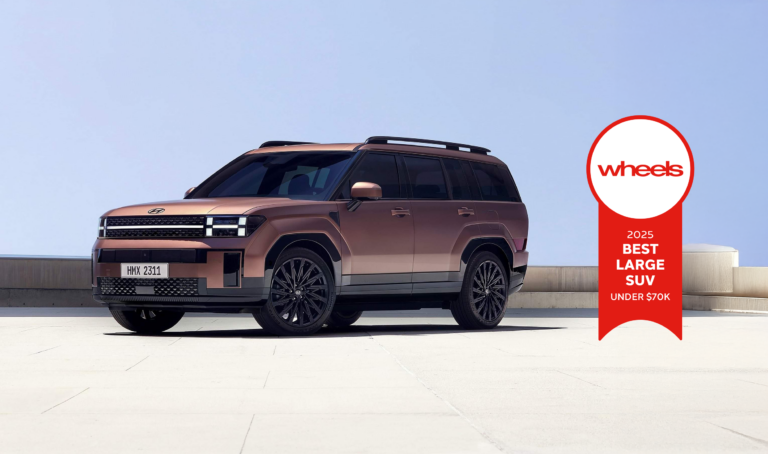 Best Large SUVs
Best Large SUVs 2025: Under $70K
Wheels Best Large SUVs 2025: Under $70K highlight affordable, spacious options for families which offer up to seven seats, versatile practicality and strong value for money.
-
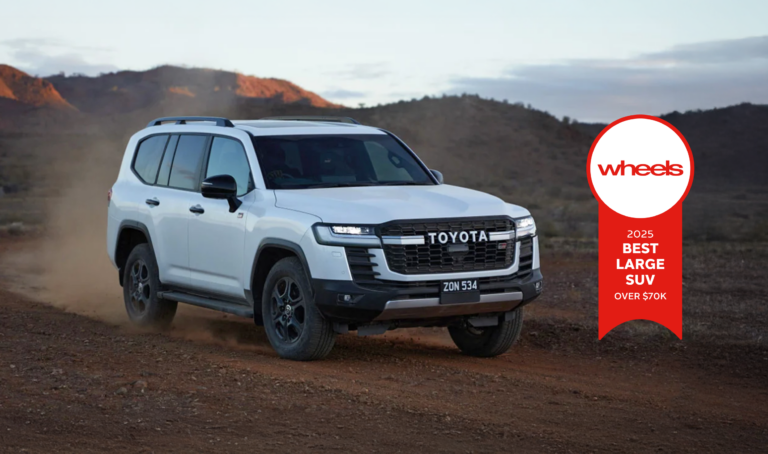 Best Large SUVs
Best Large SUVs 2025: Over $70K
Wheels' Best Large SUVs 2025: Over $70K – see our standout after assessing practical cabins, latest technology, performance and all-round capability in the higher price bracket.
-
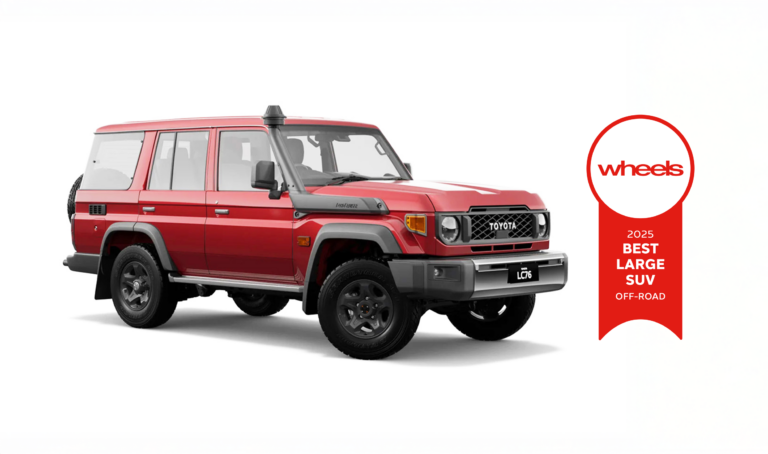 Best Large SUVs
Best Large SUVs 2025: Off-road
Our Best Large SUVs 2025: Off-road combine power, space, and rugged capability, offering families and adventurers refined comfort, advanced technology, and confidence on any off-road terrain.
-
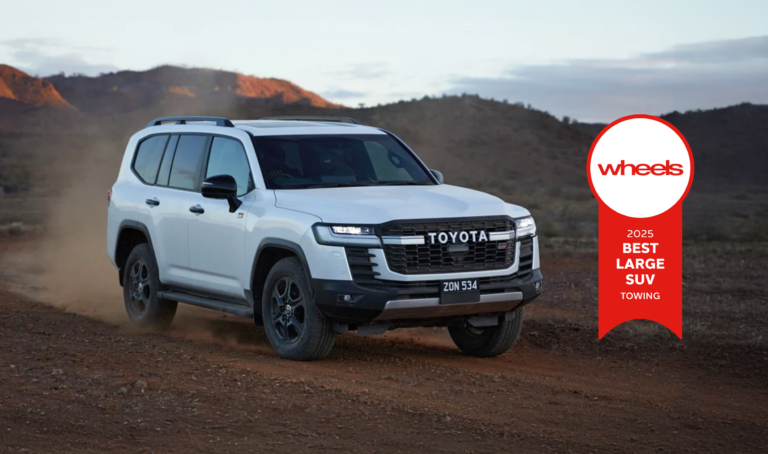 Best Large SUVs
Best Large SUVs 2025: Towing
The caravan, the fully laden trailer – for when you need to haul a load, these are the best options among the large SUVs on the market.
-
 Best Large SUVs
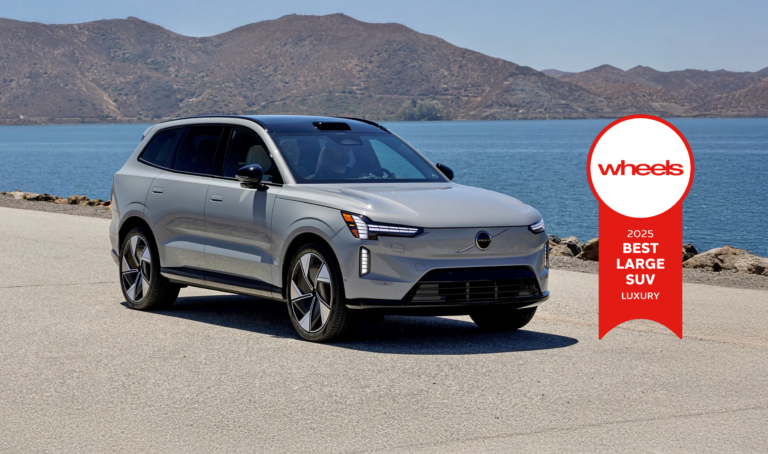
Best Large SUVs 2025: Luxury
Wheels' Best Large SUVs 2025: Luxury, where craftsmanship, technology and comfort combine to deliver premium driving experiences.
-
 Best Large SUVs
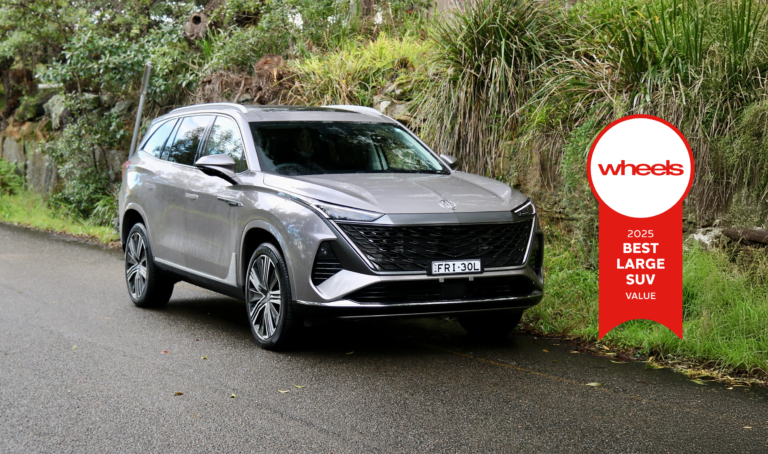
Best Large SUVs 2025: Value
The first category in our Wheels Best Large SUVs 2025 recognises those vehicles offering the right combination of standard features, tech, space, power and driveability for the price.
-
 Best Large SUVs
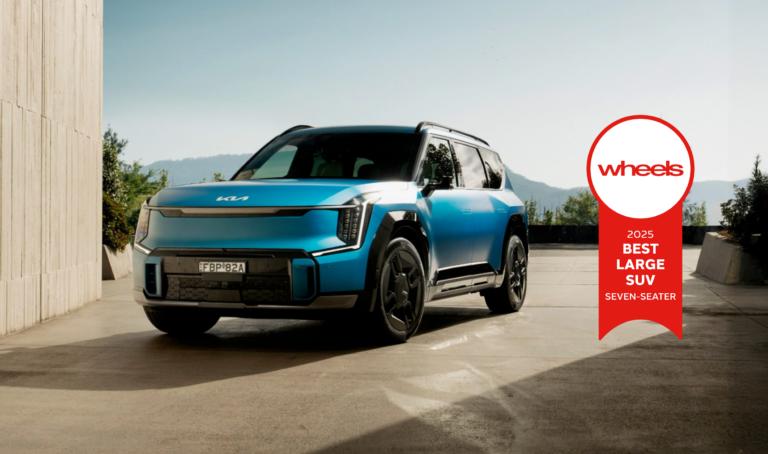
Best Large SUVs 2025: Seven-seater
Here's our pick of the Best Large SUVs 2025: Seven seater in Australia, balancing space, comfort, versatility and everyday practicality for growing families.
