Advice
Gallery 1
You can learn a lot from washing a car.
There was the time I had a shiny new Alfa Romeo GTV6 in the driveway. It looked fantastic, and I loved the growl and howl of its sweet Italian V6, but there were other things.
The gearbox, a race-style transaxle in the rear end, had a dreadful shift. It understeered far more than I expected. And the random design in the cabin – the speedometer was dead-ahead of the driver but the other instruments including the rev counter were in a separate central binnacle – was appalling. It was proof the emotional Italians at Alfa could learn a lot from the efficient Japanese at Toyota.
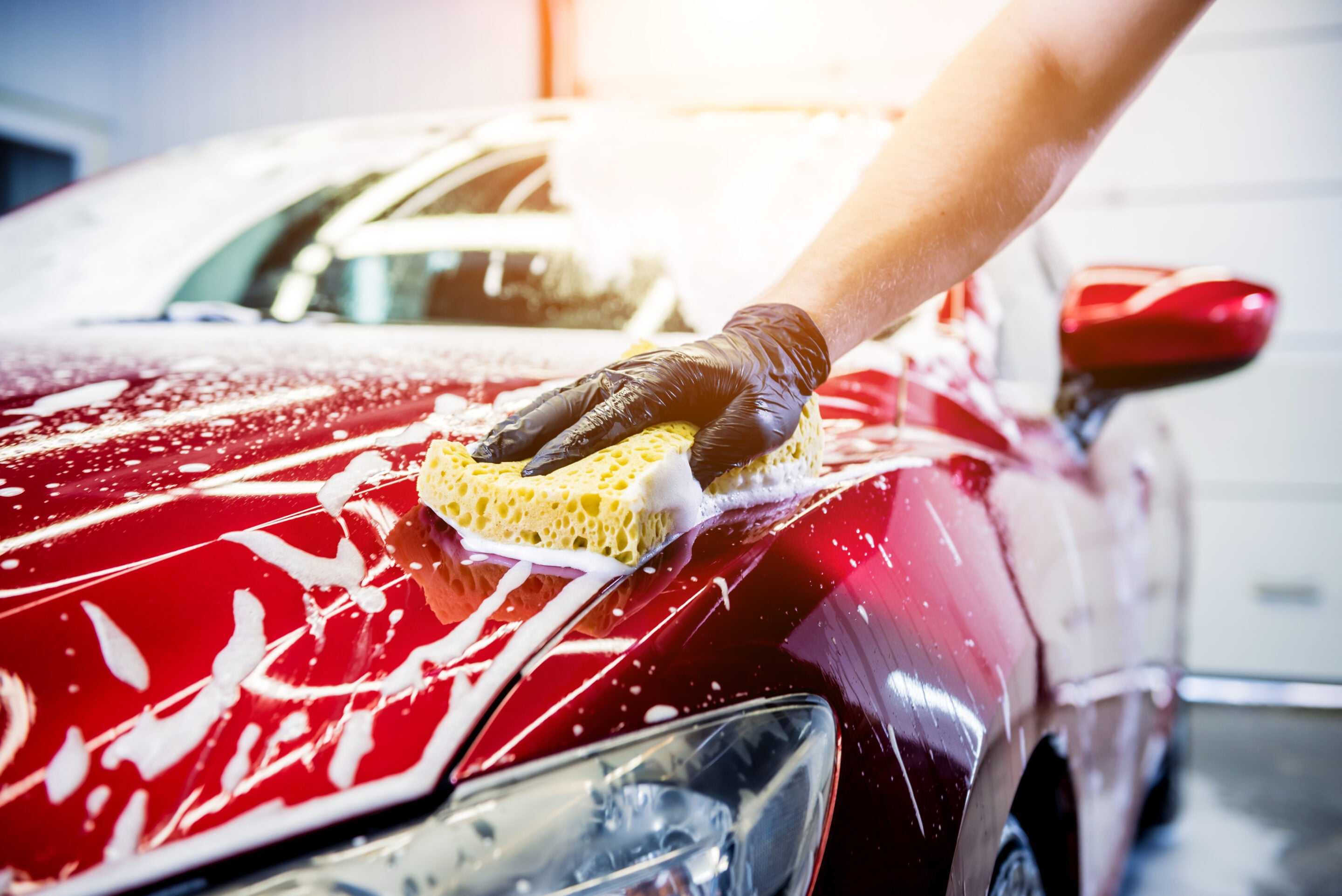
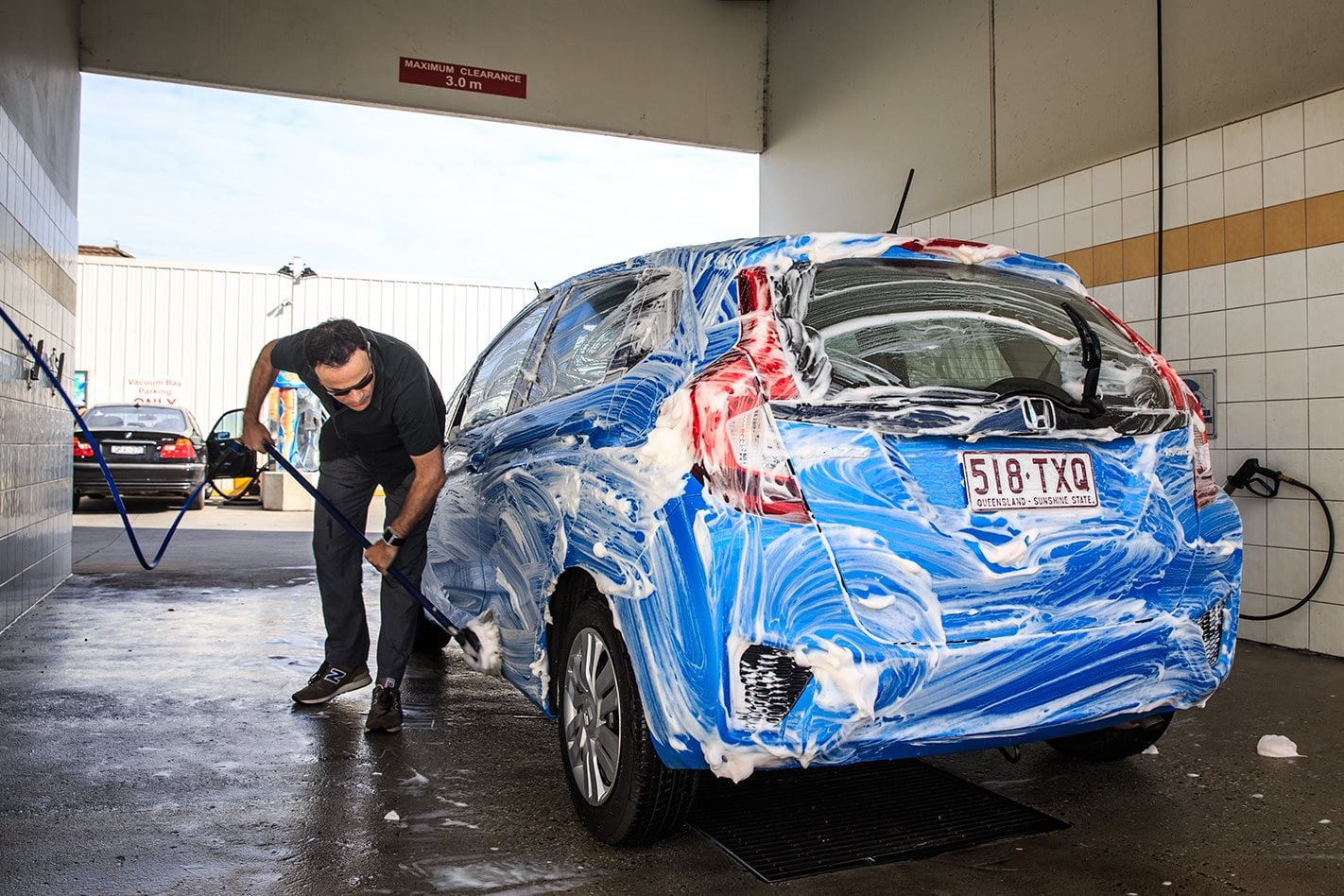
Then I decided to give the Alfa a tub. It’s always been a good way to feel the creation of a car, the way the panels sit and fit, how the glass parts work against the steel, and even the shape and size of the alloys. I do it often.
1
As I circled the suds across the tail, I felt something odd. I stopped immediately to prevent any damage. And there, cuddled in my sponge, was the big round Alfa badge from the back end.
When I returned the GTV6 and presented the badge to complain about the build quality there was no surprise on the face of Alfa’s then PR chief, Enrico Zanarini. No apology, either. “Keep it, what a great souvenir,” he laughed.
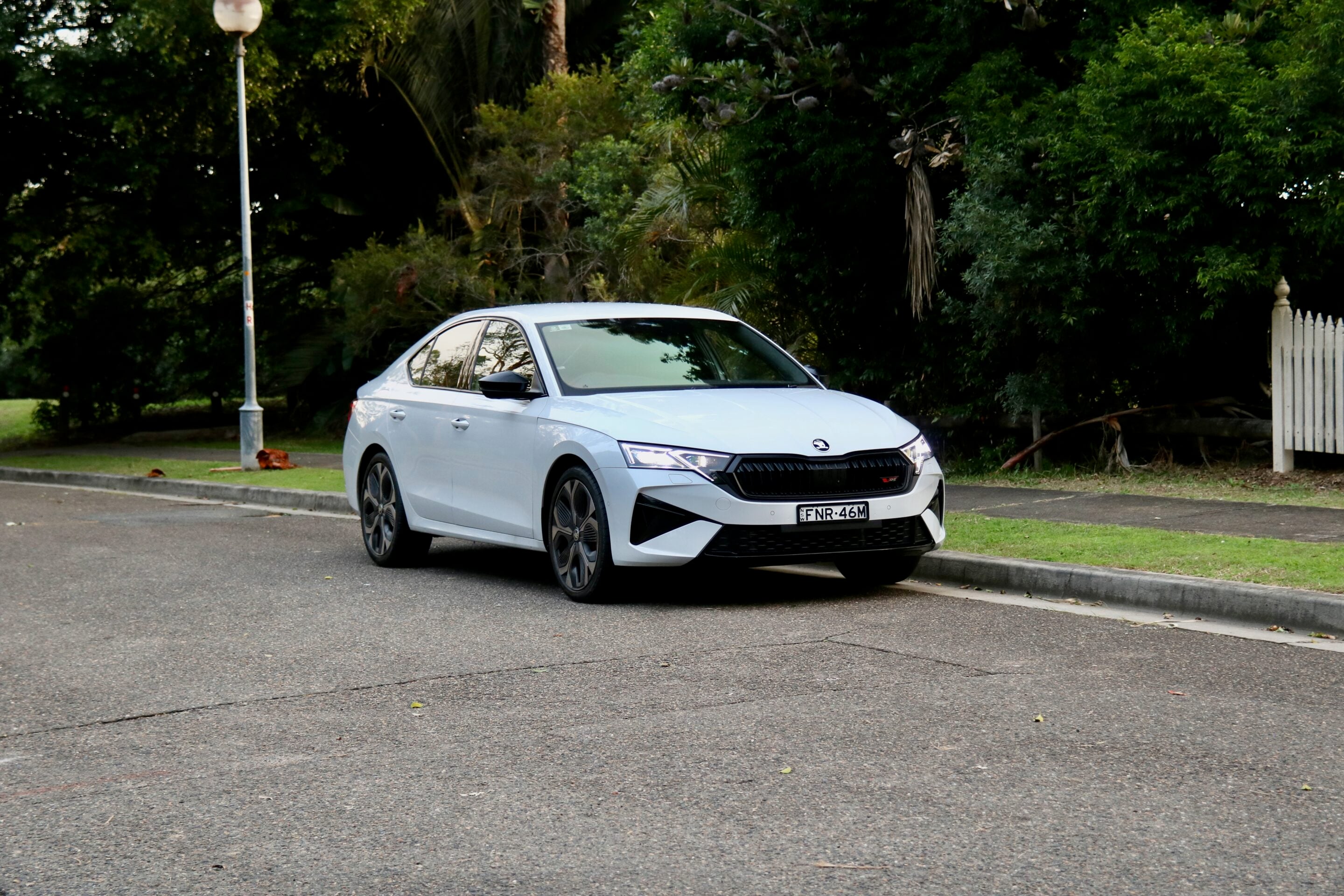
This story came to me after I had finished talking about another wash job with my nephew, Josh. He owns and loves a Skoda Octavia RS and had called to complain about the car’s Advanced Driver Assistance Systems.
“The ADAS is going off all the time. Something is wrong. What do I do? Should I take it to the dealer?” Josh asked.
I told him to go outside, unwind the hose and fluff some suds, give the car a good scrub, then call me back. He never did. A simple wash job had cleared the ADAS sensors in the front of the Skoda, returning the early-warning systems to full efficiency.
1
Josh never did explain exactly what he had found on the car, but there had been recent rain near his house with lots of grime smeared over the roads from construction work in the suburb. It’s that mud and grime, and even splattered bugs, which can really hit the efficiency of ADAS in Australia.
The systems use forward-facing cameras, forward-facing radar, LiDAR – that’s light detection and ranging – and ultrasonic sensors to do their work. Many of the sensors can be located in the grille area, or what was once the radiator opening before electric cars, and that means they are always exposed to the elements. Some are even tucked into over-sized corporate badges.
It’s those ADAS sensors which also make it so important to get a proper replacement if you damage your windscreen. The sensor package up near the rear-vision mirror at the top of the screen needs to be calibrated perfectly to ensure the ADAS package can do its job.
If the calibration is one millimetre wrong on the windscreen, imagine the error factor if a
sensor is looking more than 100 metres ahead of your car for potential threats and hazards.
“Why are they charging me so much for a new windscreen?” a mate asked me recently after a hit by a random rock. He was incensed by a bill for more than $500 and could not understand why a piece of glass, even curved multi-layer glass, could cost so much to replace.
Then I explained about ADAS and his face softened and the anger eased. “Why didn’t they tell me that?” he said.
So wash your car. Do it often. Keep the front-facing surfaces spotless at all times. Look after the windscreen. Keeping your nose clean can even prevent excessive beeping when you’re parking.
As for the other challenges to ADAS in Australia, from kangaroos to unmarked country roads and random speed signs, that’s a bigger story for another time.
This story first appeared in the March 2026 issue of Wheels magazine, now on sale. Subscribe here and gain access to 12 issues for $109 plus online access to every Wheels issue since 1953.
Follow WhichCar/Wheels on Google
Click the button below to make WhichCar by Wheels a preferred source for your news.

We recommend
-
 Advice
Study finds tyre pressure monitors vulnerable to tracking
Those handy little gadgets that let you know when you need to check your tyres could be less secure than you think.
-
 Advice
Which are the longest-range electric cars in Australia?
These are the longest driving range EVs on sale in Australia today, plus everything you need to know about range claims
-
 Features
Top 10 cheapest EVs in Australia right now
Over the uncertainty around petrol prices and supply? If you're considering making the jump to an electric vehicle, here are the 10 cheapest EV models on the market...