News

Gallery 1
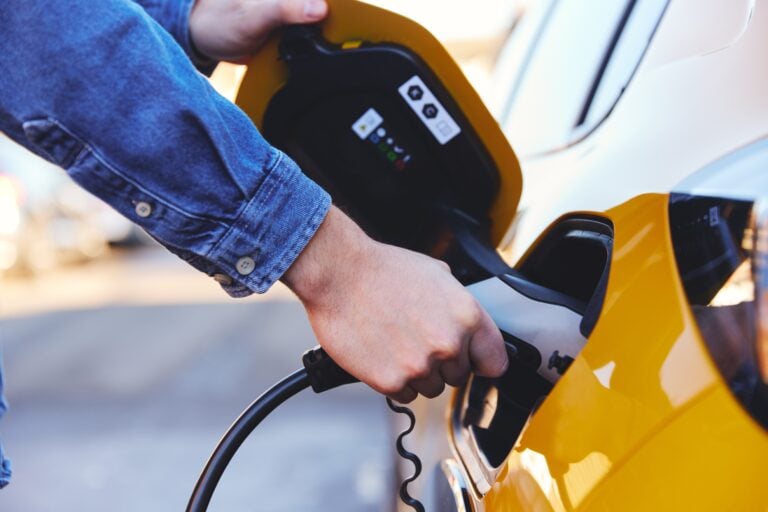
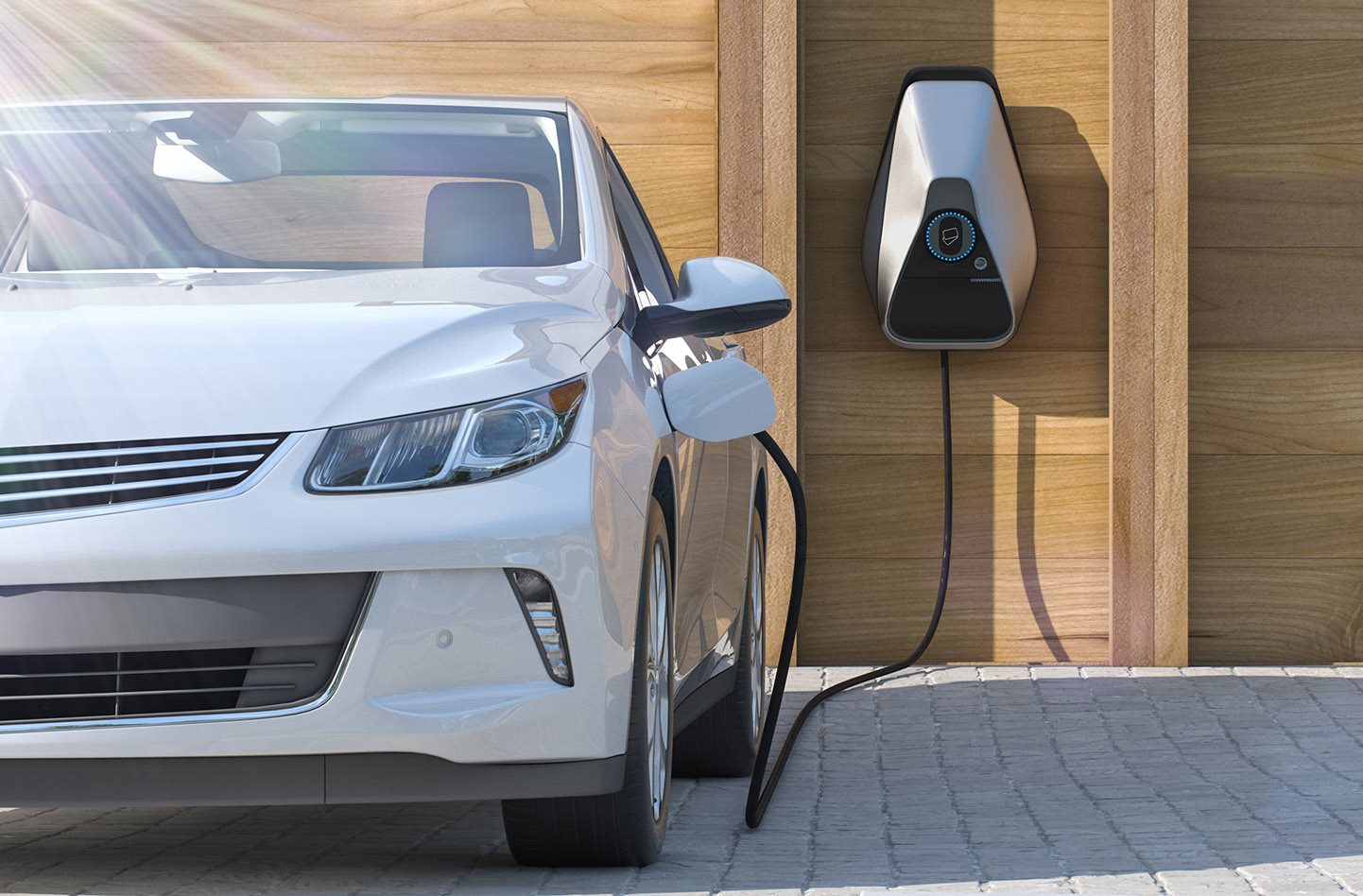
Aussie motorists have been warned that connecting their EV to the grid using V2G technology could put them at risk of voiding their vehicle’s warranty in addition to possibly harming battery health.
V2G stands for vehicle-to-grid and it uses bidirectional charging that allows EV owners to use their vehicles as mobile energy storage systems and make money by supplying power back to the electricity grid when demand and prices are high.
1
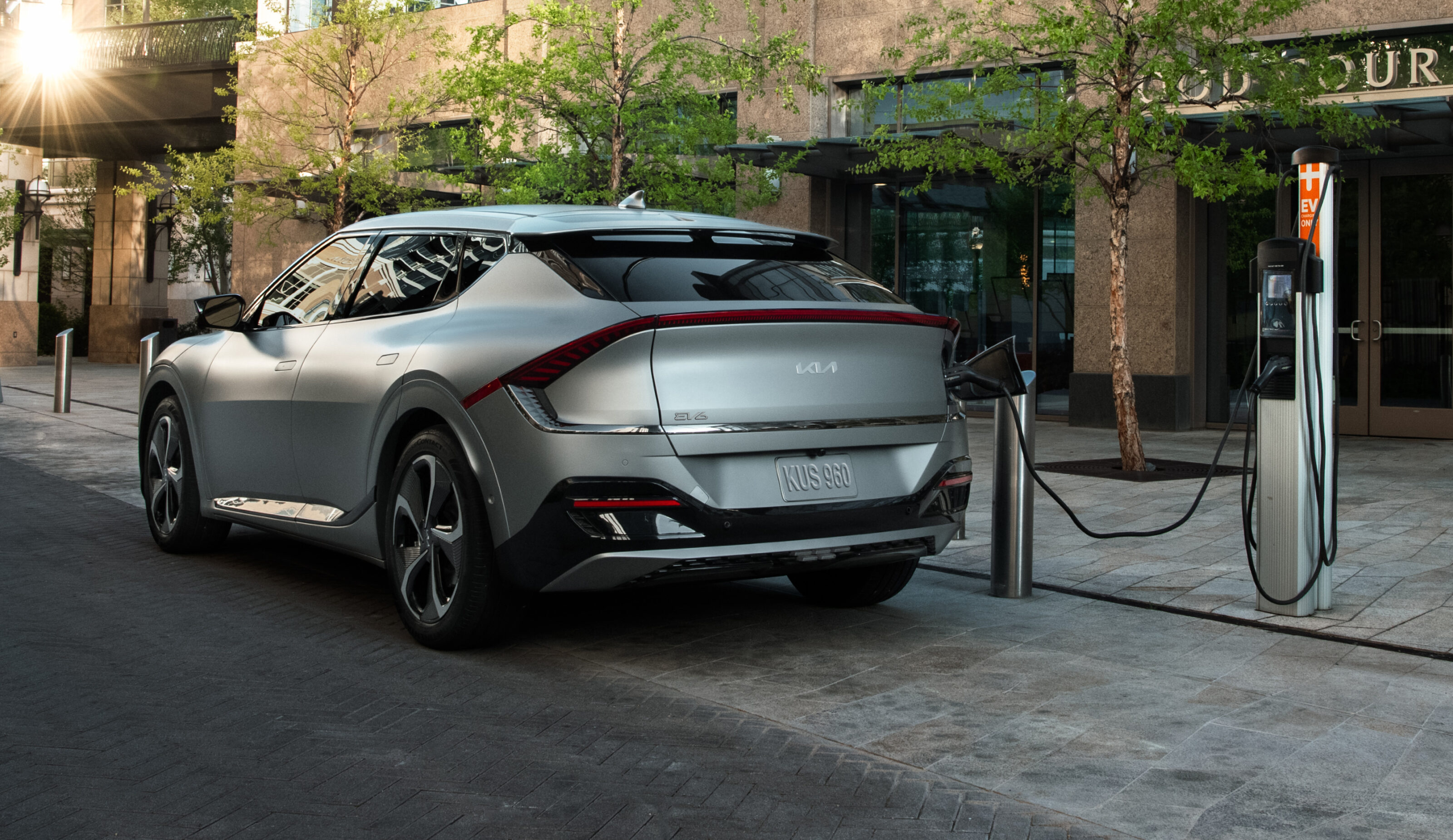
The federal government announced a huge expansion of its V2G trial back in June, taking the testing from 50 households to 1000. AGL revealed it was launching a residential trial of the technology in September 2025, and Kia and Hyundai have been testing V2G as well.
However, the Electric Vehicle Council (EVC) has alerted Aussie EV owners that their warranties most likely don’t cover them for using V2G to connect to the grid. Doing so can also harm battery health in vehicles that haven’t been designed with it in mind.
“Unless it has been stipulated in those terms and conditions [of the warranty] that vehicle to grid is allowed, it’s generally not,” EVC head of energy, infrastructure and commercial Alina Dini told CarsGuide.
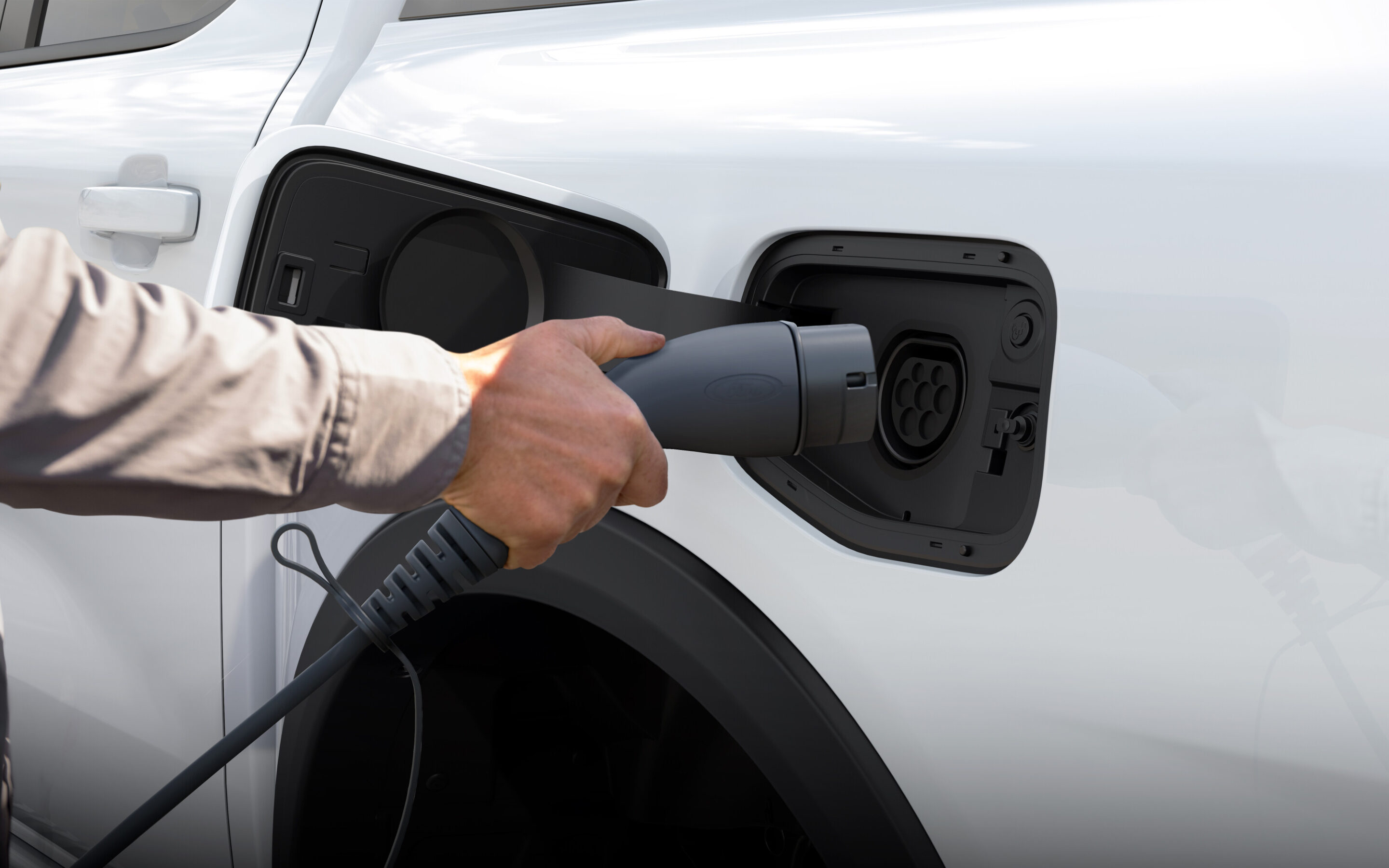
While most EVs on sale down under don’t have the capability for V2G charging, motorists can get around that by using a range of third-party devices. But manufacturers have issued blunt warnings about the products because they can take control of the energy transfer away from the car.
For example, Hyundai’s website states: “The use of unapproved bidirectional charging equipment introduces safety risks, potential vehicle damage and warranty implications for your vehicle.”
3
Hyundai’s current range doesn’t support the bidirectional tech but that should be about to change after the company used an Ioniq 9 to complete Australia’s first V2G discharge in June this year. Manufacturers weren’t happy with the first-generation V2G connection standard, but Hyundai conducted the test using the second-gen standard, which it described as providing the “secure, interoperable framework required” for the discharge, as well as vehicle-to-home applications.
“Getting this right is essential because V2G will only scale in Australia if consumers, energy providers and governments can trust the technology,” said Hyundai Australia CEO Don Romano.
According to Dini, other carmakers are also preparing for a change, with all of the OEMs the EVC works with “having a really hard look at their warranties”.
Follow WhichCar/Wheels on Google
Click the button below to make WhichCar by Wheels a preferred source for your news.