News

Gallery 1
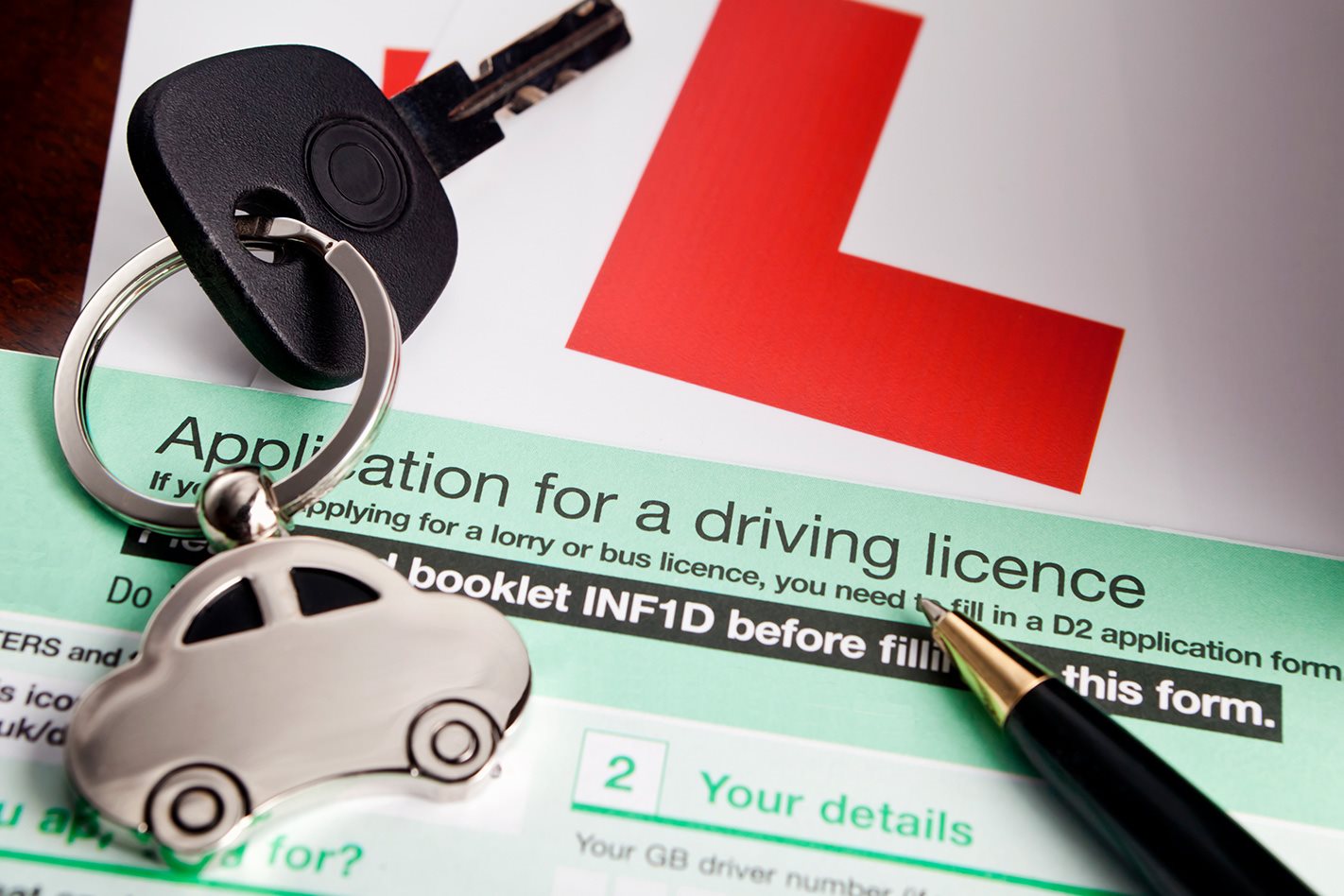
Kids as young as 14 could be driving towards their licence if one of Britain’s most experienced driver training companies is right. Young Driver has experience from more than 1.6 million driving lessons with children aged below 17, including some in the four- to eight-year-old range who drive in a special electric two-seater vehicle.
It has just completed research with 120 driving instructors, asking them what is the best age for kids to begin the road to their licence. The sweet spot was 14, the instructors said, with 25 per cent picking that age. Just seven per cent said people did best when learning when they were over the age of 18.

2
The research by Driver Trainer comes as the average age for people to pass their driving test in the UK has jumped to 25, and it’s still rising. Eighty-eight per cent said pupils learn better when they are young, with just seven per cent choosing learning over the age of 18.
“It makes complete sense that, rather than starting from scratch at age 17, children spend years gradually practising, consolidating and reinforcing the foundations of driving before they are old enough to drive independently,” said Lance Peake, the chief instructor at Young Driver.
“Seventy-one per cent of instructors said that learning under 17 helps pupils pick up practical skills more quickly. They can pick up those skills in a safe and supportive environment, away from the real roads, with no pressure to learn to a timetable.
“Seventeen-year-olds have a lot of stress in terms of exams, and jobs and university applications – adding in the pressure to learn to drive and then pass a driving test as quickly as possible probably isn’t helpful.”
Young Driver uses 70 venues across the UK where it creates special road systems with junctions, roundabouts and areas to practise manoeuvres such as steering, reversing or parking. It is not advocating for on-road training of youngsters, but rather a structured pathway beginning at a younger age.
3
“It makes sense to spend several years building neural pathways in the brain for the ‘mechanical’ elements of driving. Then at 17, on the real roads, learners can spend their time focusing on hazard perception and those other essential elements of being a good and safe driver,” said Peake.
Along with the focus on younger students, Young Driver also reported instructors’ views on older drivers. Fifty-six per cent said they felt it was more difficult for students over 25 to acquire driving skills.
“A large majority of the instructors we spoke to, who were experienced in teaching pupils of all ages, felt it got harder to learn the older you got. Two thirds said they felt learning [while] younger gave people more time to build up their confidence, and 54 per cent said younger learners had less preconceptions or bad habits,” said Peake.
Follow WhichCar/Wheels on Google
Click the button below to make WhichCar by Wheels a preferred source for your news.


We recommend
-
 Advice
8 top tips for teaching a learner driver
About to introduce someone to the world of driving? These 8 tips should help before you even get out of the driveway
-
 Features
Shock! Most driving teachers would fail learner test
This is a scary statistic – just three percent of the drivers teaching L-platers in NSW would pass a driving test, according to the NRMA.