Reviews
Gallery 1
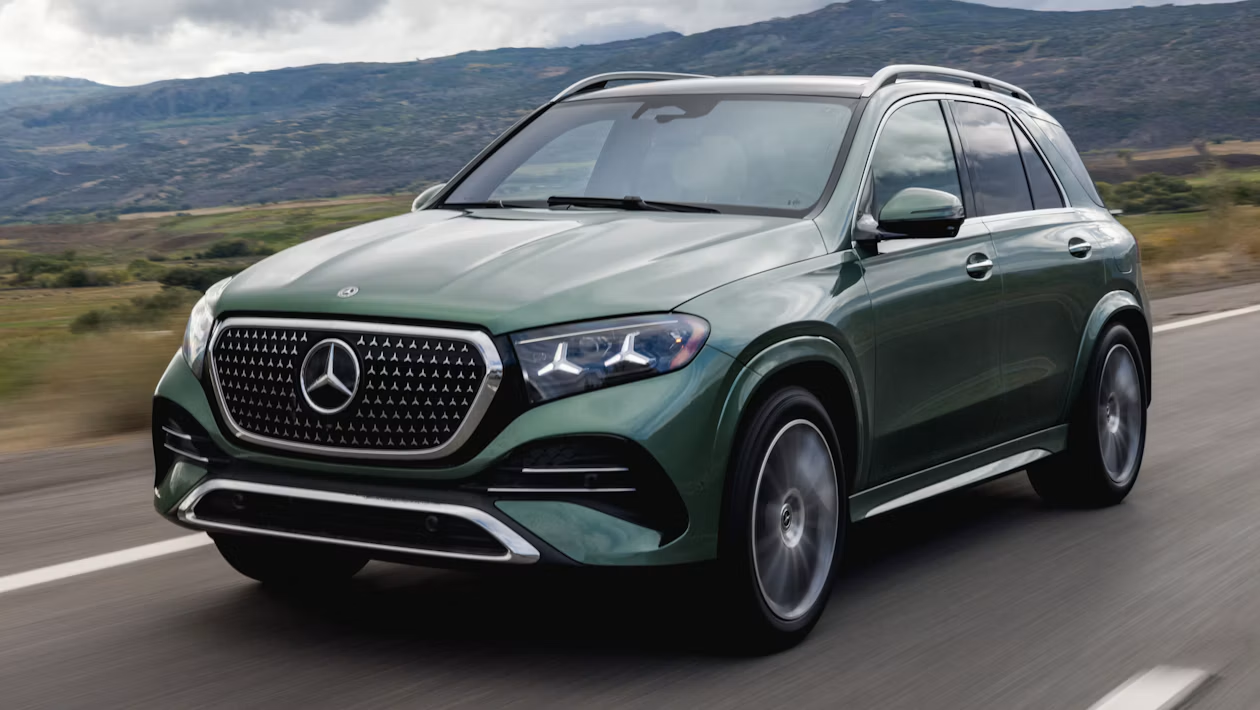
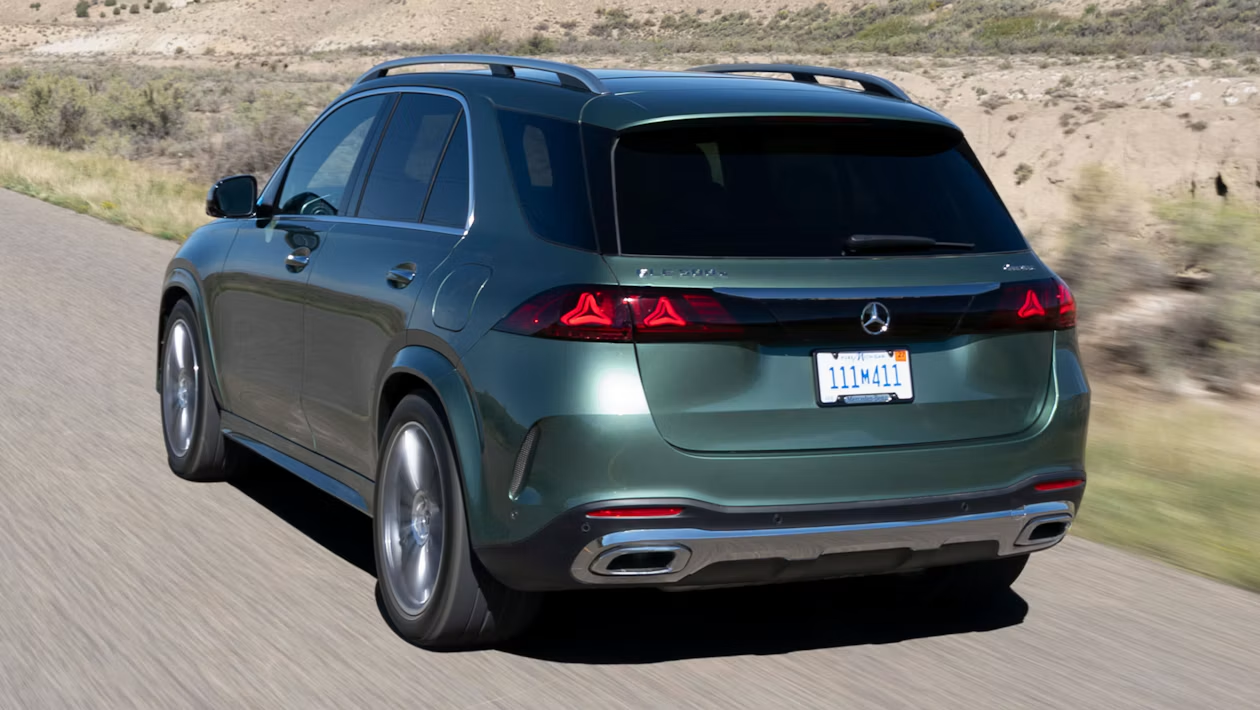
The Mercedes-Benz GLE has undergone an extensive makeover for 2027, with around 3000 new or revised components designed to keep the luxury SUV competitive against a growing field of rivals. The extensive renovation has worked.
Although this isn’t an entirely new generation, the changes are substantial, particularly beneath the bonnet and inside the cabin. For some, the exterior could be arguably the least convincing part of the update. Mercedes has applied its latest design language, including a grille incorporating dozens of three-pointed stars, but the result is fussier than before.
4
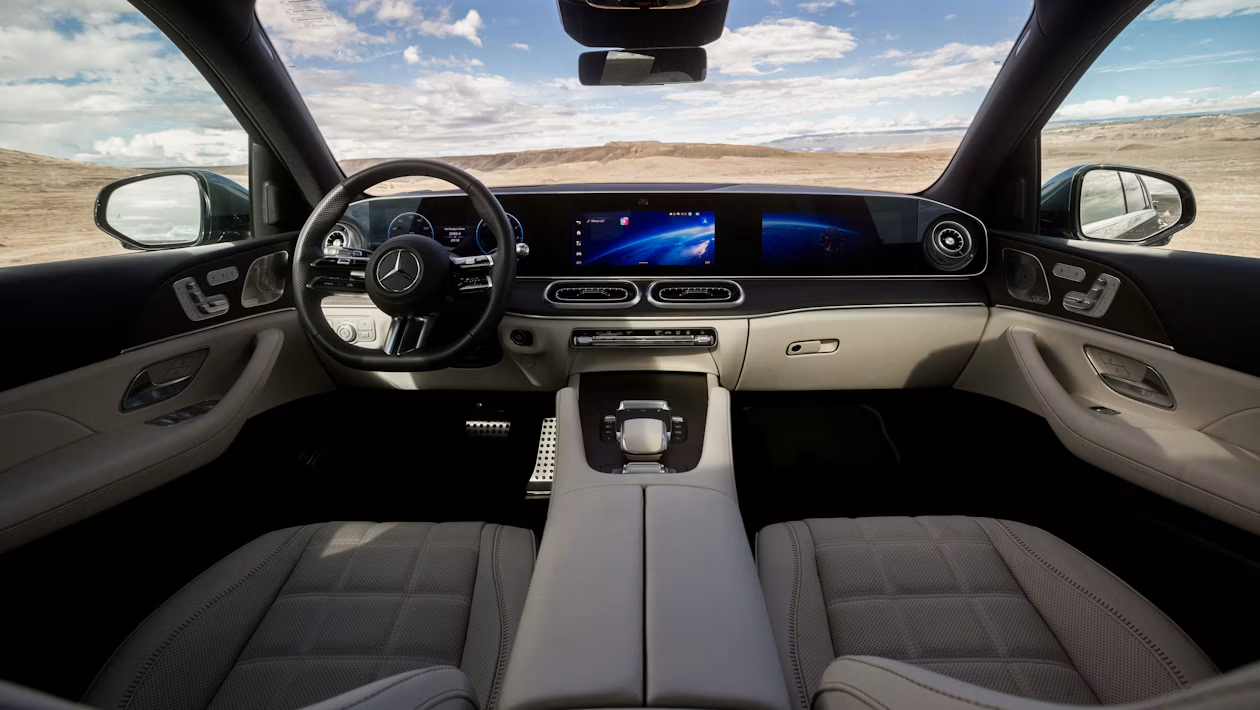
Inside, however, the improvements are easier to appreciate. The dashboard now incorporates three 12.3-inch displays, including a new passenger touchscreen. Mercedes has also introduced updated infotainment software with clearer menus and its AI-enhanced MBUX voice assistant. Thankfully, physical climate controls remain, while the frustrating touch-sensitive steering-wheel sliders have been replaced by conventional switches.
Cabin quality is excellent, with plush materials, comfortable seats and generous space for rear passengers. The standard SUV offers 630 litres of luggage capacity, while optional third-row seating makes it a seven-seater, although the rearmost seats are best suited to children. The GLE Coupé sacrifices some practicality and rear visibility for its sleeker styling.
Under the bonnet, the biggest changes concern the engines. The GLE 350 d replaces the previous four-cylinder diesel with a 3.0-litre mild-hybrid straight-six producing approximately 210kW and 650Nm. Above it sits the GLE 450 d, also powered by a 3.0-litre six-cylinder diesel, delivering around 274kW and 750Nm.
But the most interesting upgrade belongs to the GLE 450 e plug-in hybrid, which is coming to Australia with pricing yet to be announced. Its previous four-cylinder petrol engine has been replaced by a turbocharged 3.0-litre straight-six, working alongside a more powerful electric motor to produce a combined 324kW and 680Nm.
The electric motor alone now develops approximately 137kW, giving the GLE considerably stronger performance when running without its petrol engine. During testing in Colorado, the plug-in hybrid tackled steep mountain roads on electric power without struggling to keep pace with traffic.
Acceleration is equally impressive, with the GLE 450 e reaching 100km/h in approximately 5.6 seconds. Transitions between petrol and electric power are exceptionally smooth. Mercedes claims an electric driving range of around 100km under WLTP testing. Our demanding mountain drive returned approximately 66km, although the battery started at only 86 per cent charge.
8
Perhaps the biggest revelation, however, is the suspension. The optional Airmatic system now uses cloud-connected road information gathered by other Mercedes vehicles to anticipate bumps and adjust damping before reaching them.
The results are outstanding. Broken surfaces, potholes and uneven roads are absorbed with remarkable composure, while body movements remain impressively controlled. Switching into Sport mode reduces cornering roll, although the GLE 450 e’s substantial weight means it never feels particularly athletic. An even more sophisticated E-Active Body Control system is also available.
The GLE remains an expensive proposition, but its combination of improved performance, sophisticated technology, impressive refinement and exceptional ride comfort makes it a compelling luxury SUV. Its styling might divide opinion, but Mercedes has made meaningful improvements where they matter most.
Follow WhichCar/Wheels on Google
Click the button below to make WhichCar by Wheels a preferred source for your news.

We recommend
-
 News
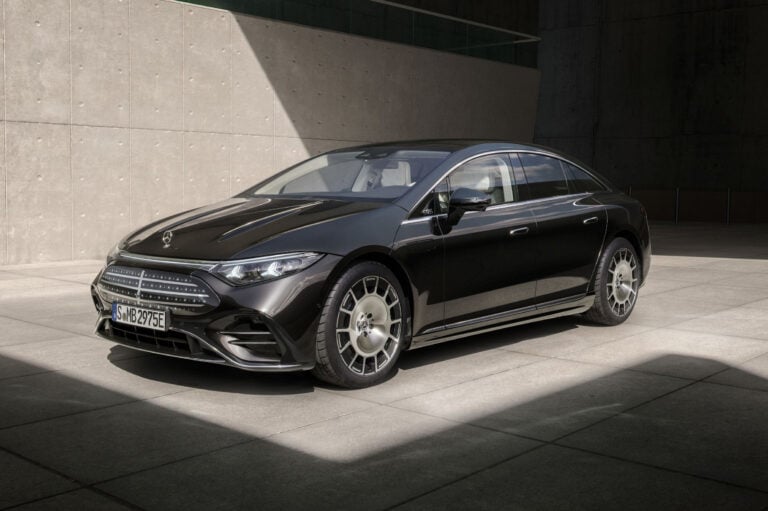
NewsMercedes-Benz EQS 400 luxury sedan gets 810km range and steer-by-wire in major overhaul
Mercedes’ electric flagship gains an 800-volt electrical system, faster charging and new drivetrain technology, while steer-by-wire tech will be offered as an option.
-
 News
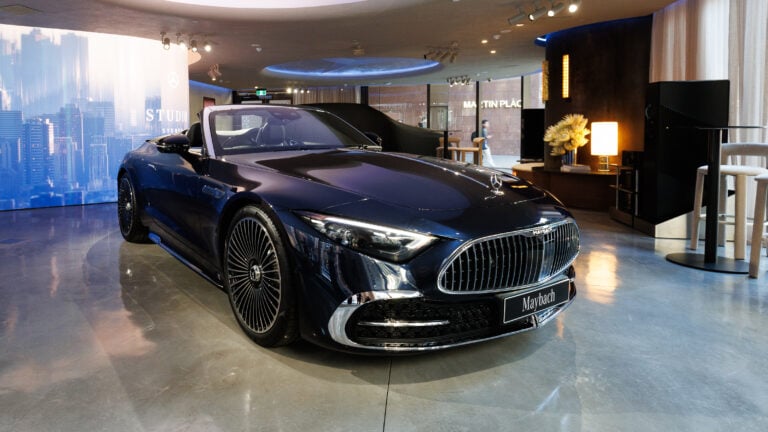
NewsMercedes-Benz opens its new brand Studio in Sydney's CBD
Mercedes-Benz brings its brand experience to the heart of the city with a studio that will host vehicle launches, special events and exhibitions