Features

Gallery 1
The recent influx of new brands into Australia has thrown a lot of new names at car nuts down under, and not all of them are said the way they’re spelled. But more established marques also get mispronounced, so WhichCar by Wheels has checked up on a range of monikers to see what the go really is. Where possible, we’ve tried to include the pronunciation used in the brands’ home country to get across the genuine answer…
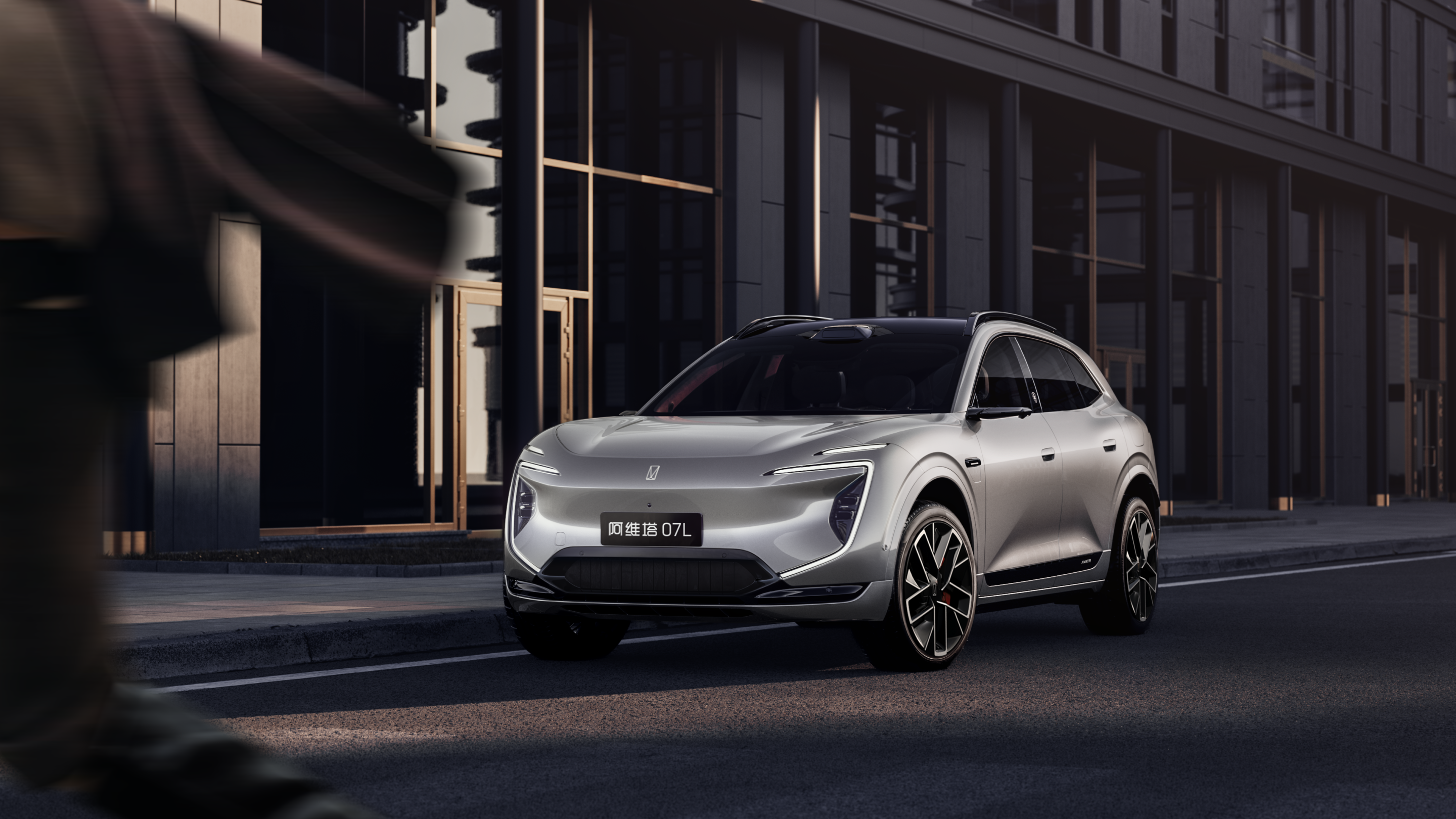
Avatr
1
A simple one to begin with: just imagine there’s another A between the T and the R. Yep, it’s said the same way as the name of the blockbuster movie franchise.
BMW
1
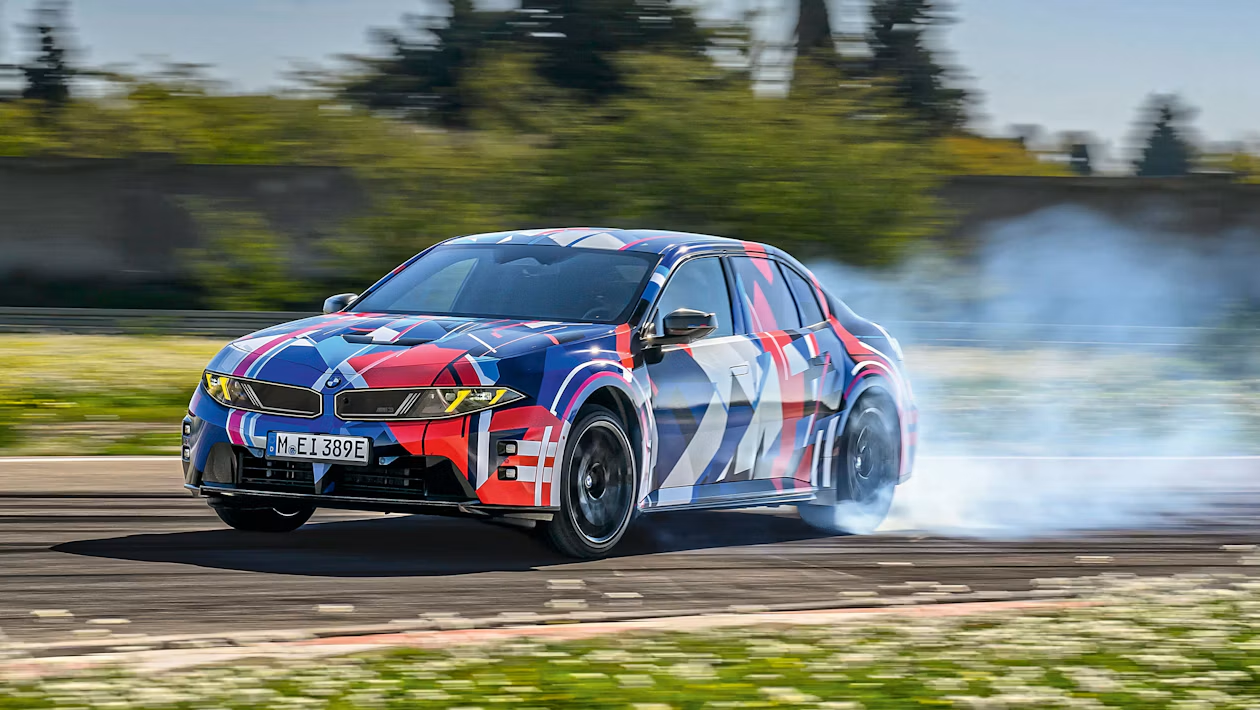
It begs the obvious question: how do you mispronounce an acronym? Well, to be specific, you do it by speaking the letters in English, rather than German. People from the homeland of Bayerische Moteren Werke say the name “bee em vee” or “bee em vay”.
Bugatti
1
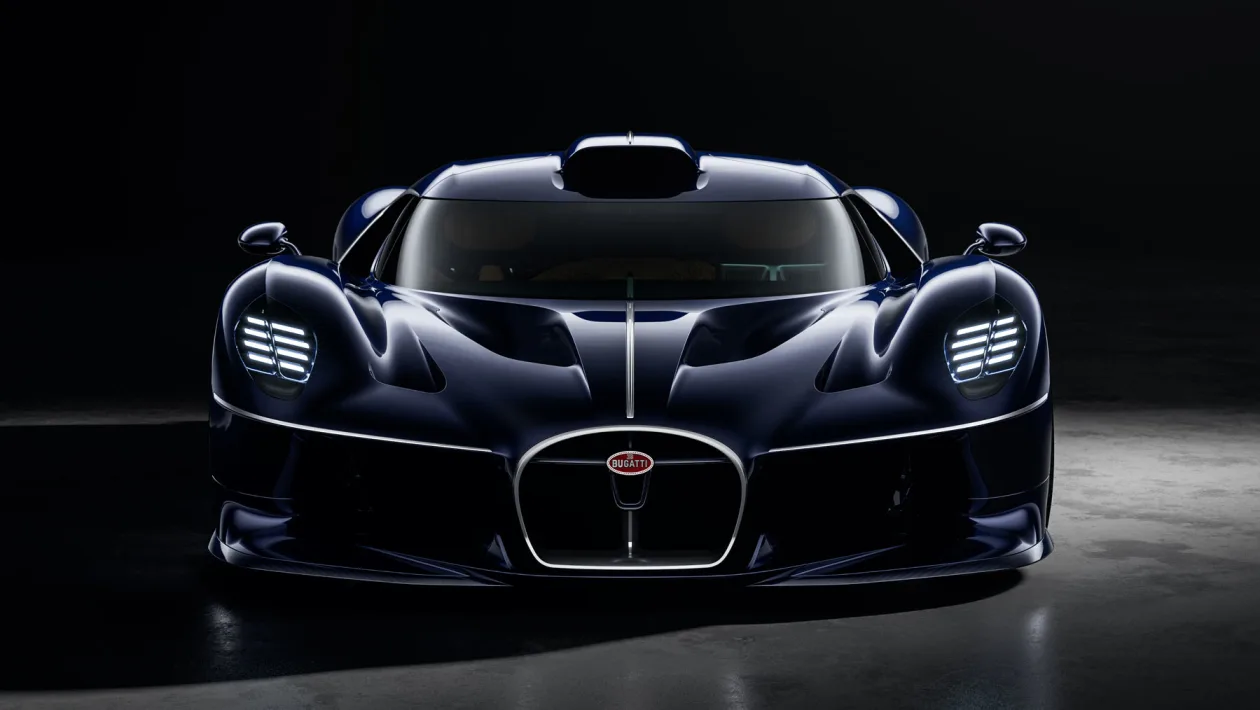
Some car nuts say it “Bew-gatti”, with the first syllable sounding the same as the first part of “beautiful”. Wrong. It’s actually “Boo-gatti”, and if you want to be deadset genuine and adopt the Italian pronunciation, given that’s where founder Ettore Bugatti was from, it’s still “Boo-gatti”, but with the stress on the “ga” part.
BYD
1
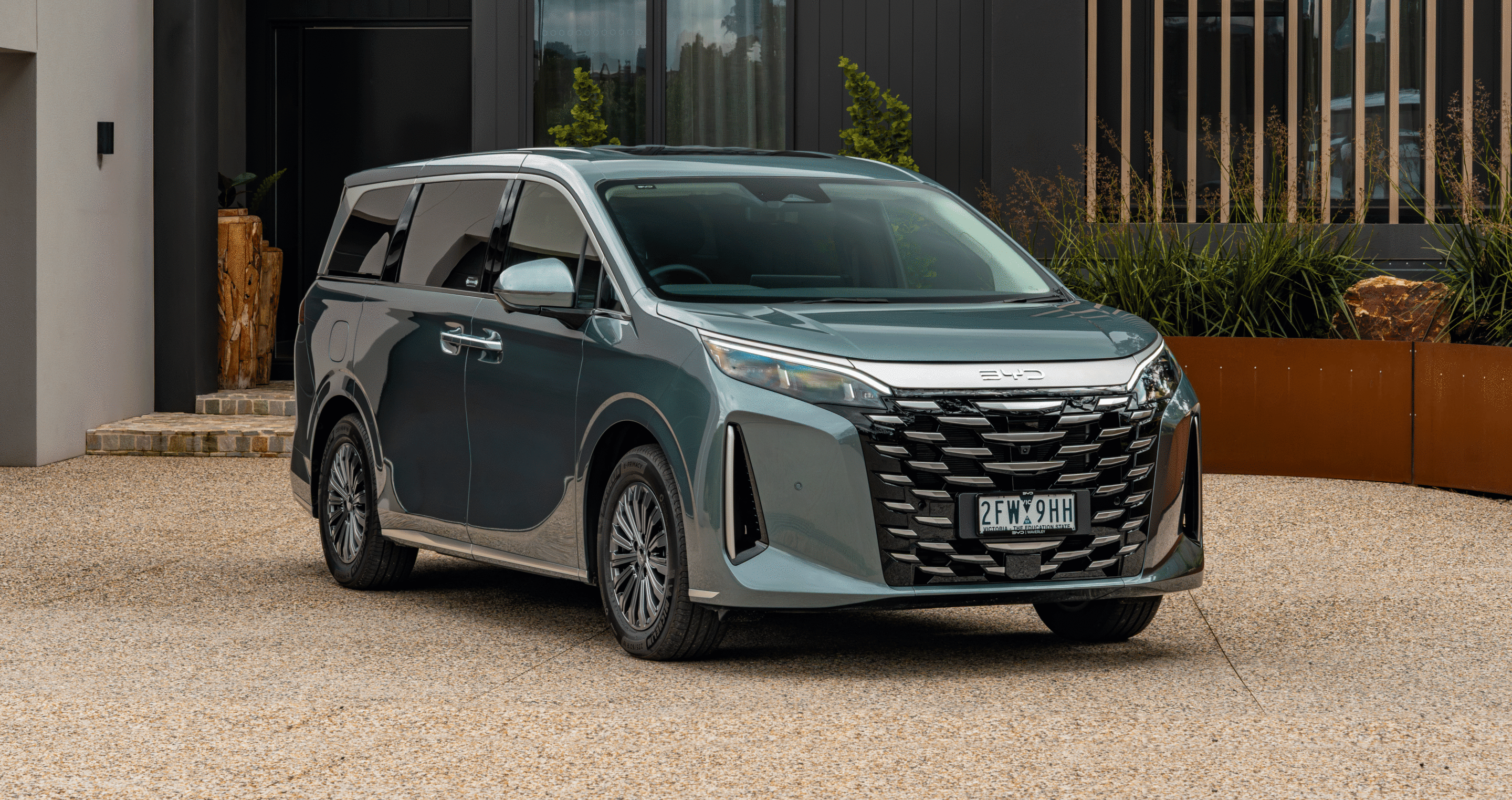
It’s “Build Your Dreams” now, but BYD is also the shortened version of Bǐyàdí, the brand’s Chinese name. To say it correctly, go with “bee-ya-dee”, with the stress on the “ya”.
Chery
1
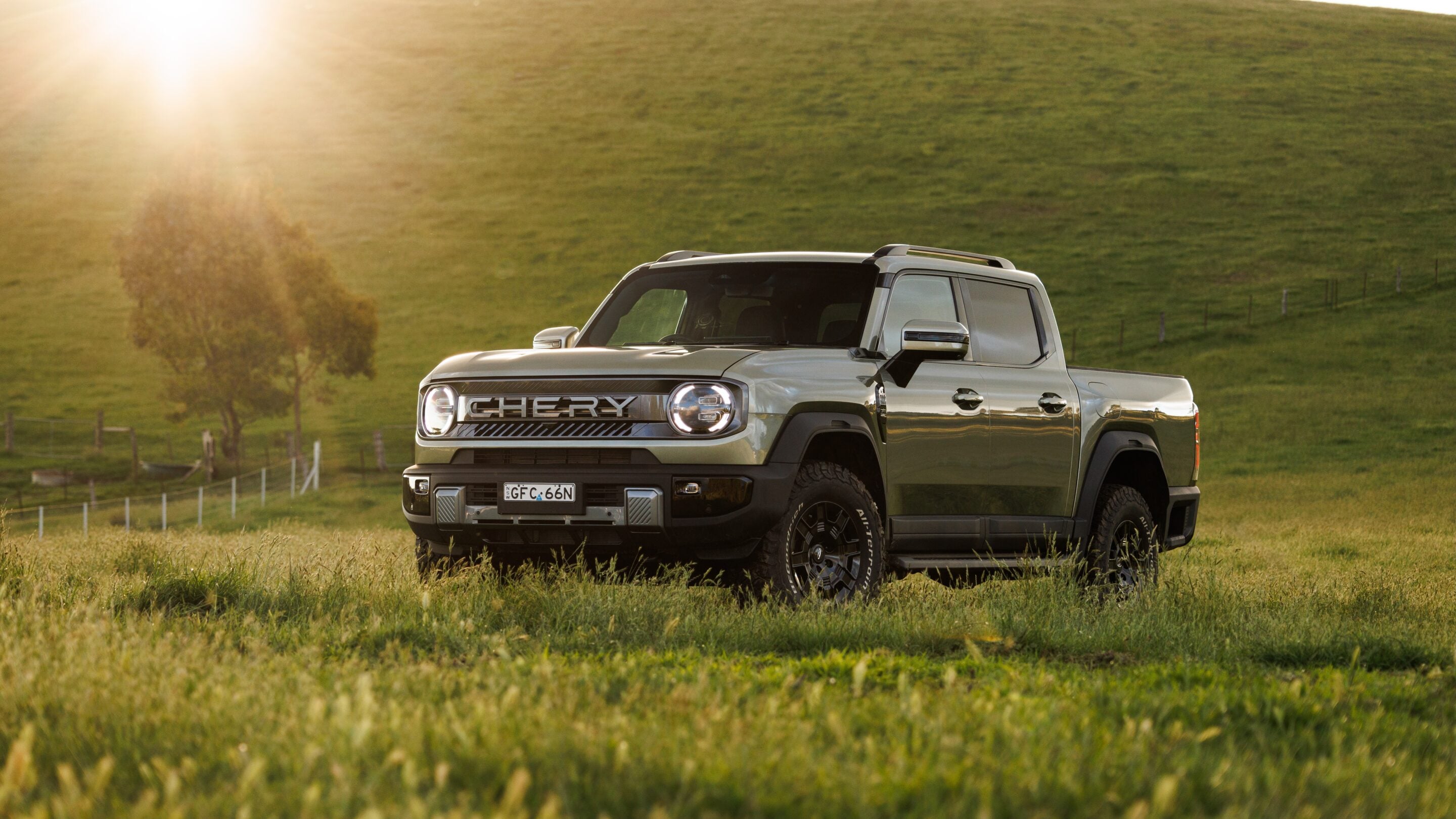
Don’t say it like it’s the red fruit. Chery is derived from the Chinese word qirui, meaning very lucky, and it’s properly pronounced as “shair-ee”, much like the alcoholic beverage sherry.
Citroën
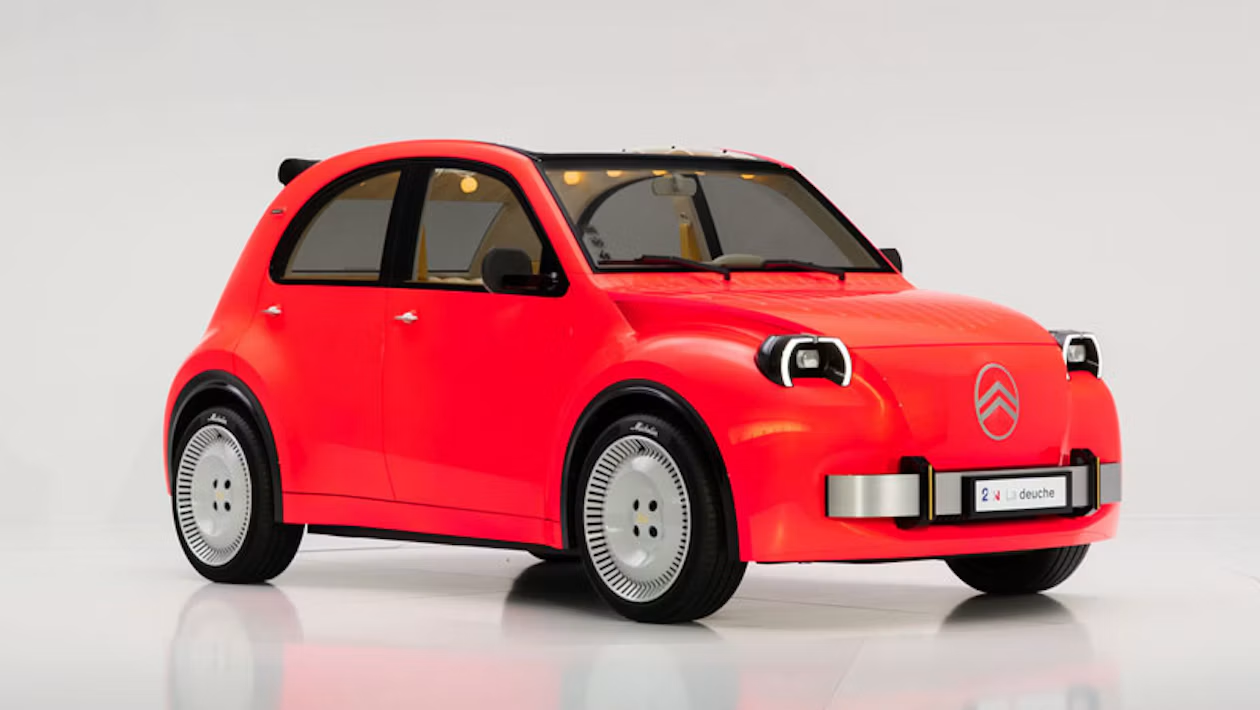
1
Unless you’re a French speaker, this is a tough one. The standard English way is “sit-roh-un”, with the accent on the first syllable, which is fine. But the French go with “see-troh-en”, which is hard for foreigners to pull off as the last two syllables are forced together until they pretty much sound like one. The two dots above the e are supposed to indicate that the o and e sounds are said separately, but the French combine them using what’s known as a nasal vowel, which isn’t a feature of English.
Deepal
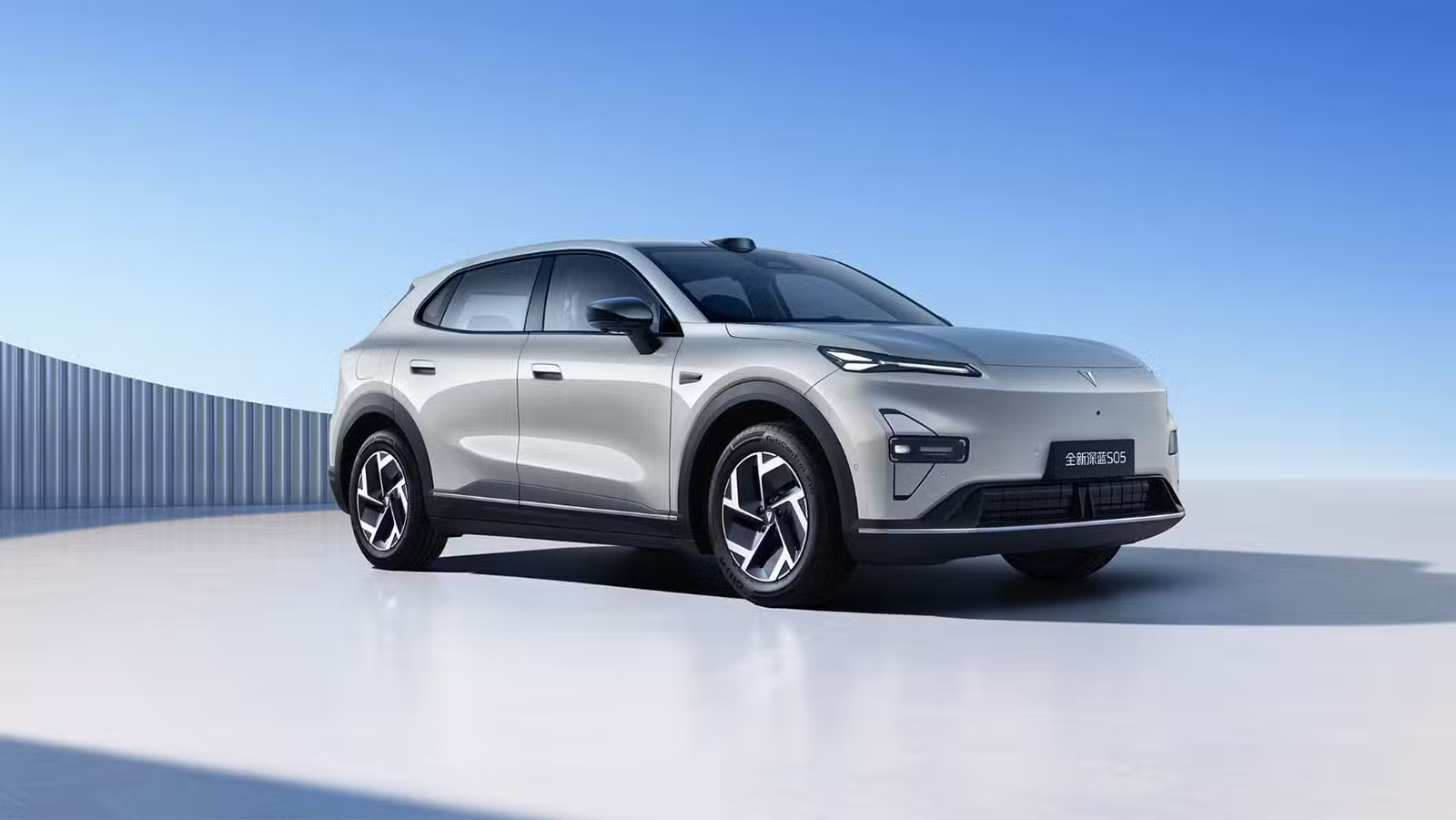
1
“Dee-pal” is out. The offshoot of the huge Changan conglomerate is correctly said as “deeple”, rhyming with “steeple” and “people”.
Fiat
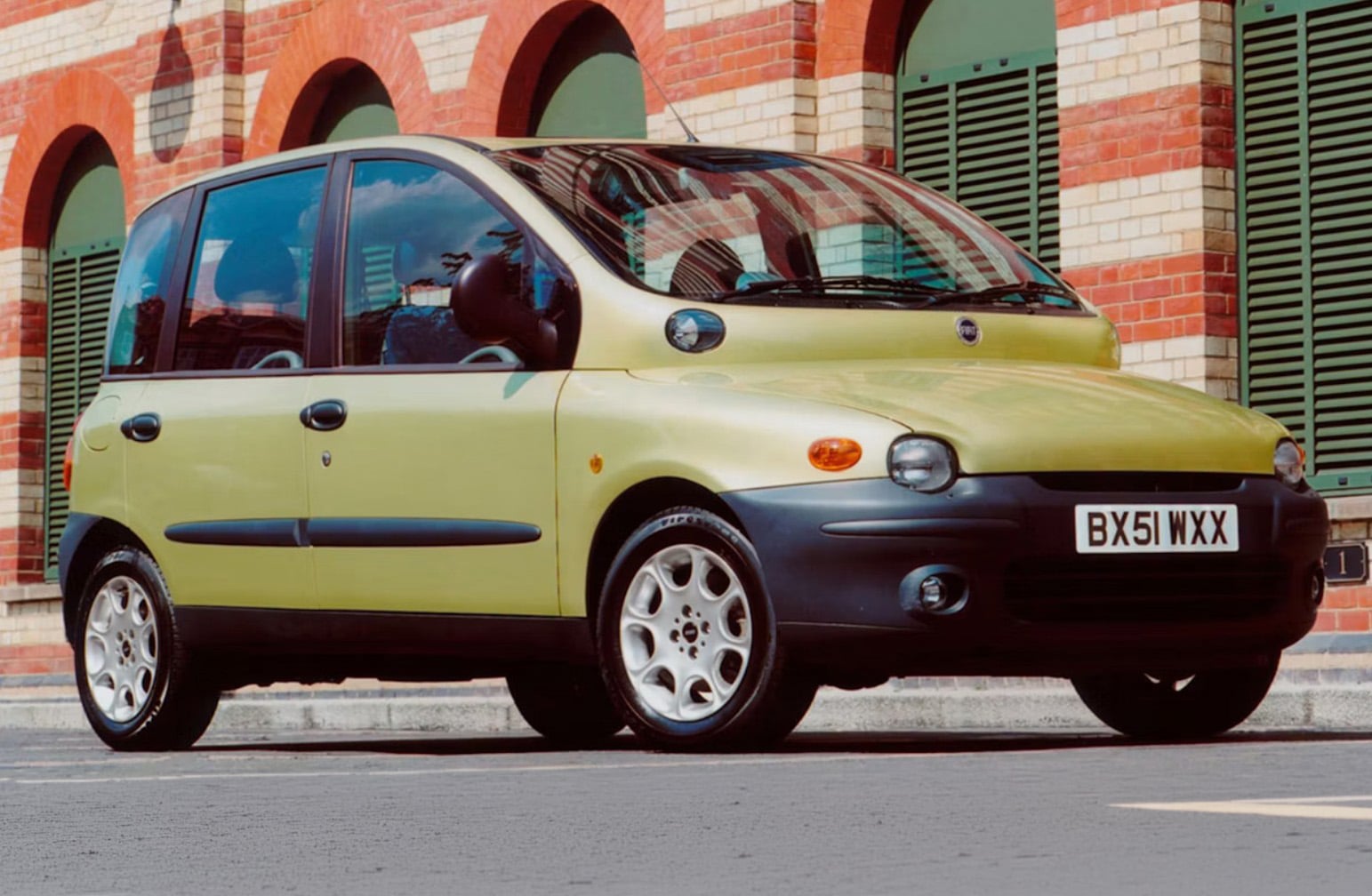
1
Another acronym – it stands for Fabbrica Italiana Automobili Torino, as in Italian Automobile Factory of Turin or, if you’re being unkind, Fix It Again Tony – but it’s obviously said as a word rather than a collection of individual letters. Not “fee-at”, with the last syllable rhyming with “cat”, but “fee-aht”, and you need to clearly say the T at the end.
Geely
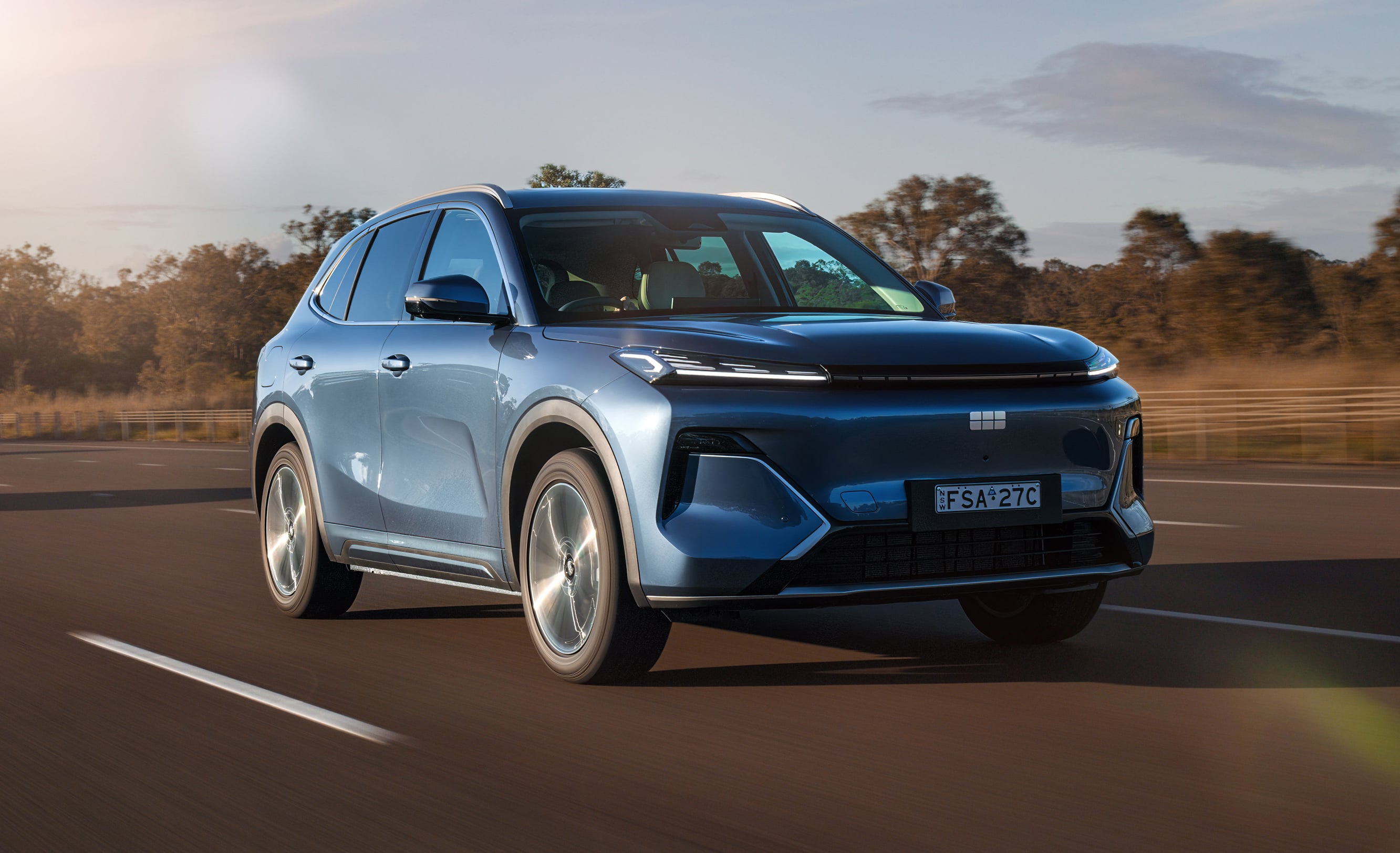
1
There’s no hard G here, like the one used in guard, get and go. Instead, it’s the G used in “George”, “giraffe” and “gentle”. So, to recap, it’s “jee-lee”.
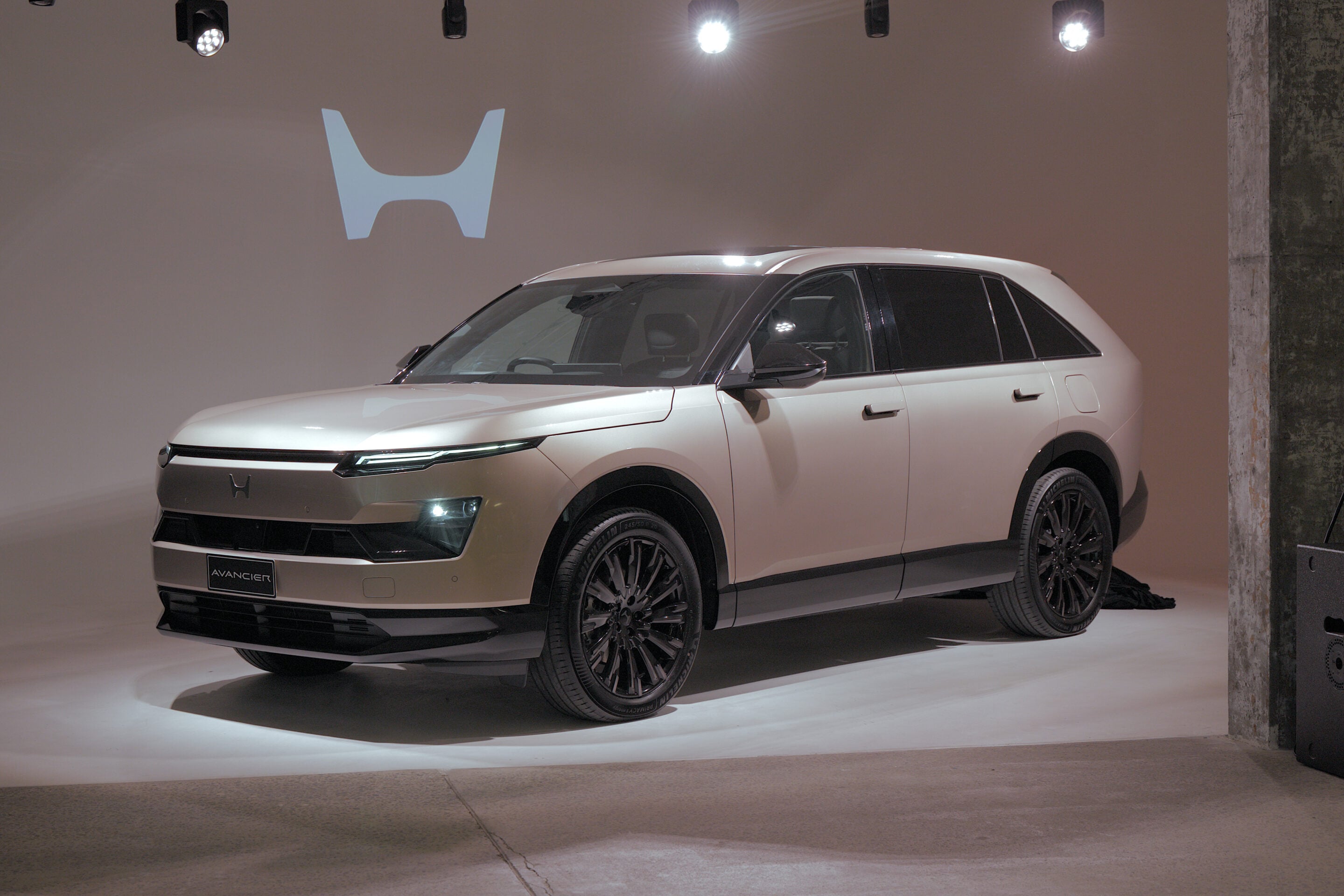
Honda
1
It’s not about the sounds you make, but which syllable you put the emphasis on. Most non-Japanese stress the first, but it’s actually the second. So, not “HON-da”, but “Hon-DA”.
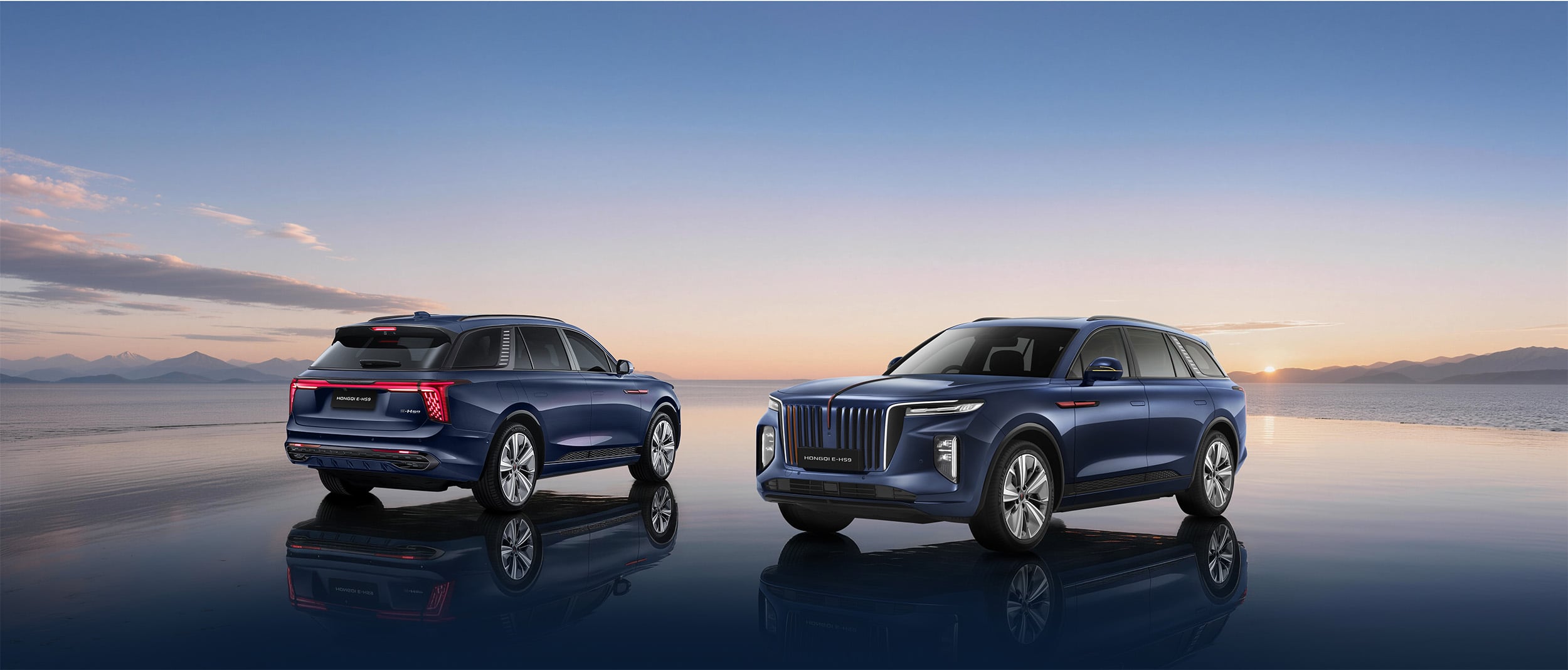
Hongqi
1
WhichCar by Wheels assumed it was said “hong-kee” until we attended the launch of the brand’s E-HS9 luxury SUV recently. Actually, the name of the maker of limousines for Chinese leaders since the 1950s is pronounced “hong-chee”.
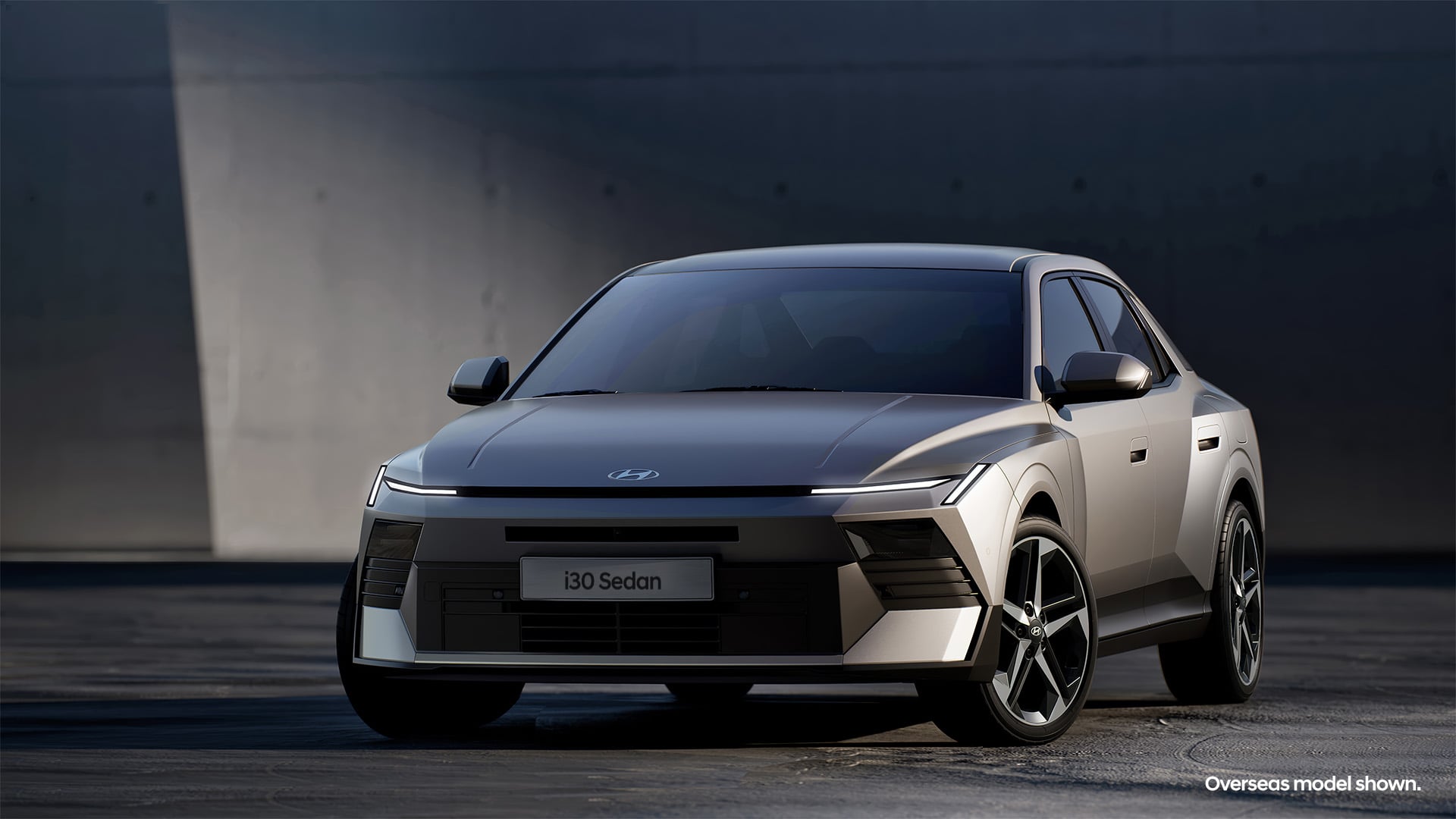
Hyundai
1
Most Aussies go with “high-un-die” or “high-un-day”, whereas Americans prefer “hun-day”. The Korean way is kind of a mix of the two. It’s two syllables, with the “Hyun” part of the name said as one syllable, and the second pronounced “day”, not “die”.
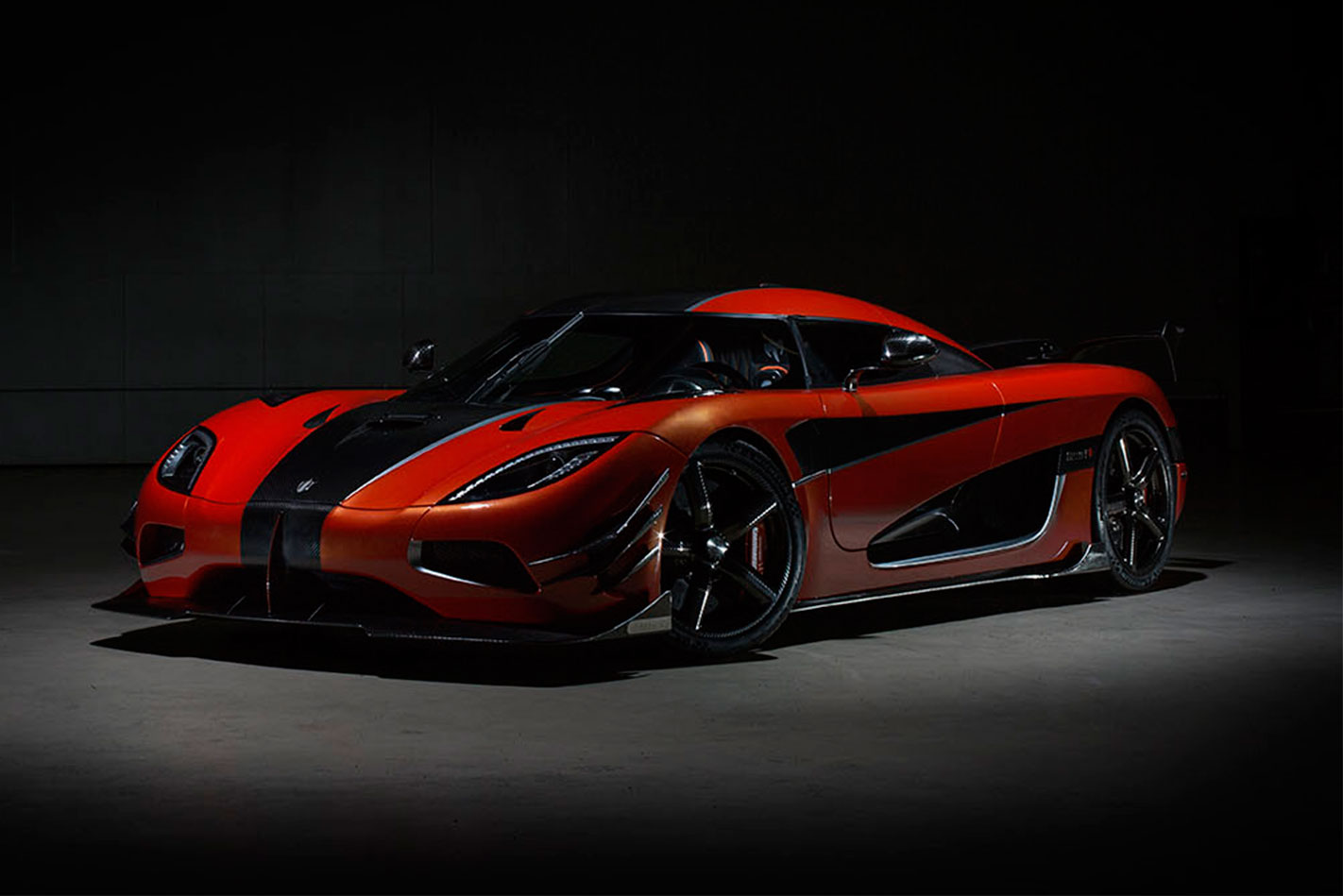
Koenigsegg
1
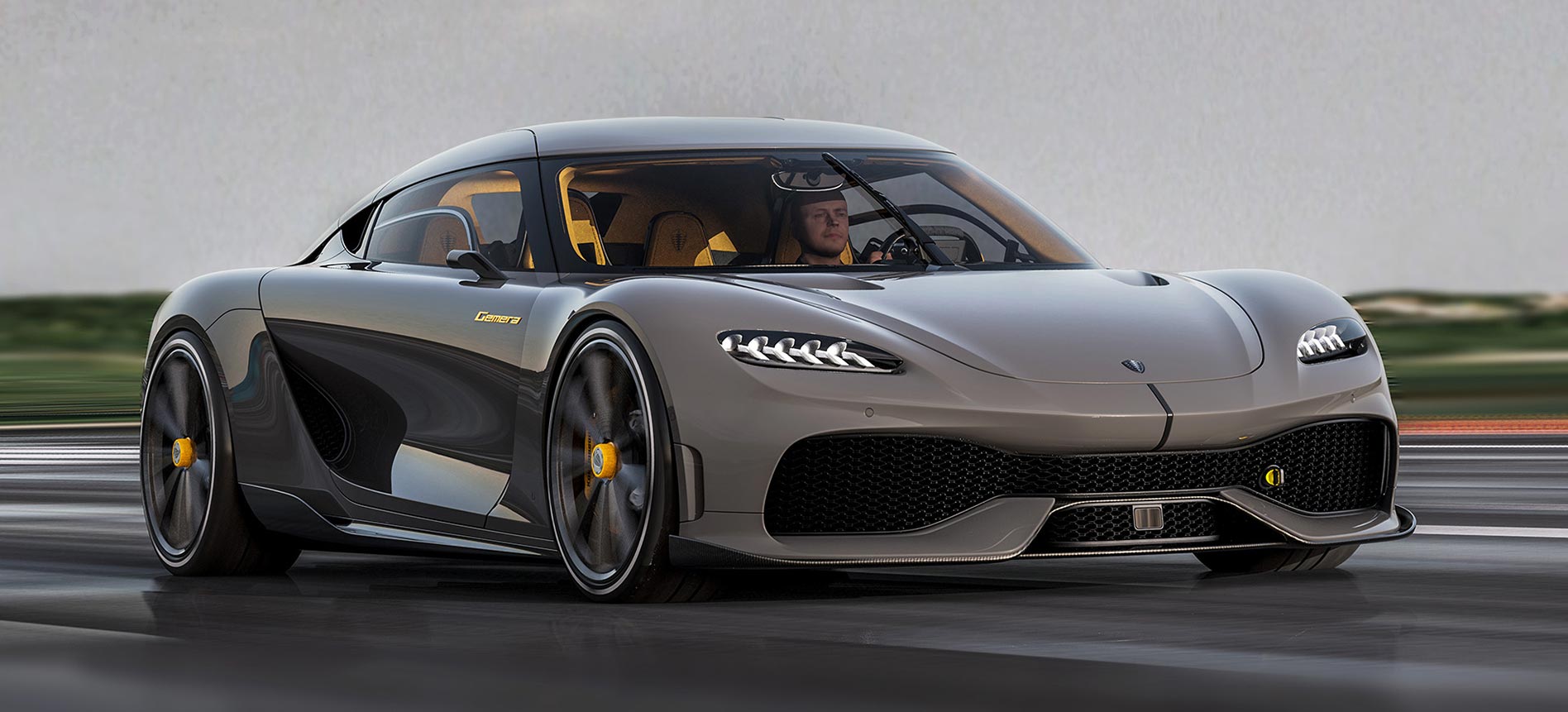
It’s a Swedish family name, with Koenig meaning “king”. A common mistake is pronouncing it “kone-ig-segg”, but there’s a video of company owner Christian von Koenigsegg giving the definitive answer: “kern-ig-segg”.
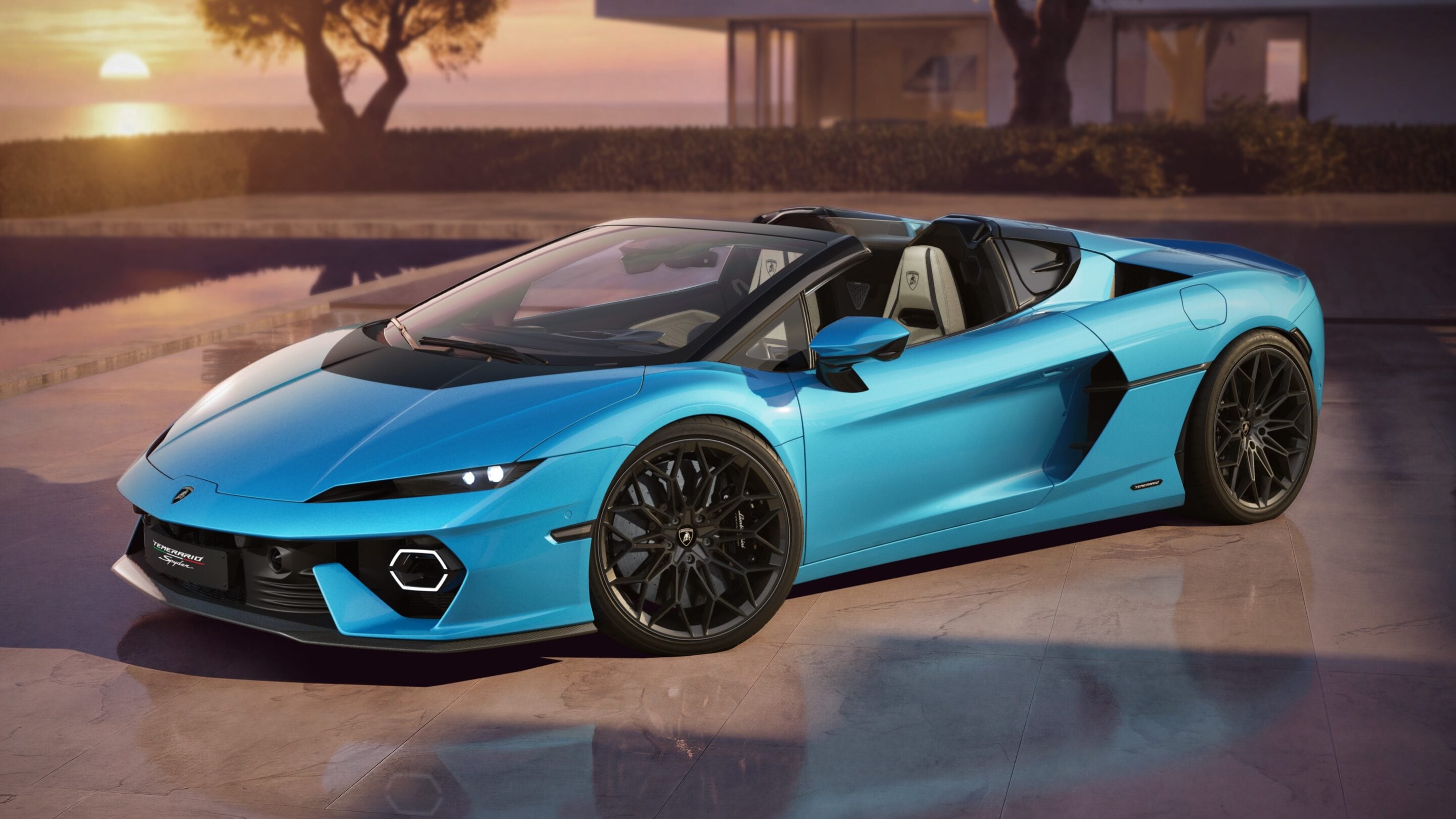
Lamborghini
1
This actually goes for “Ferrari” too. It’s highly unlikely an Italian will take offence at the way English speakers say the names, but if you want to be 100 per cent authentic, you need to roll your Rs for each.
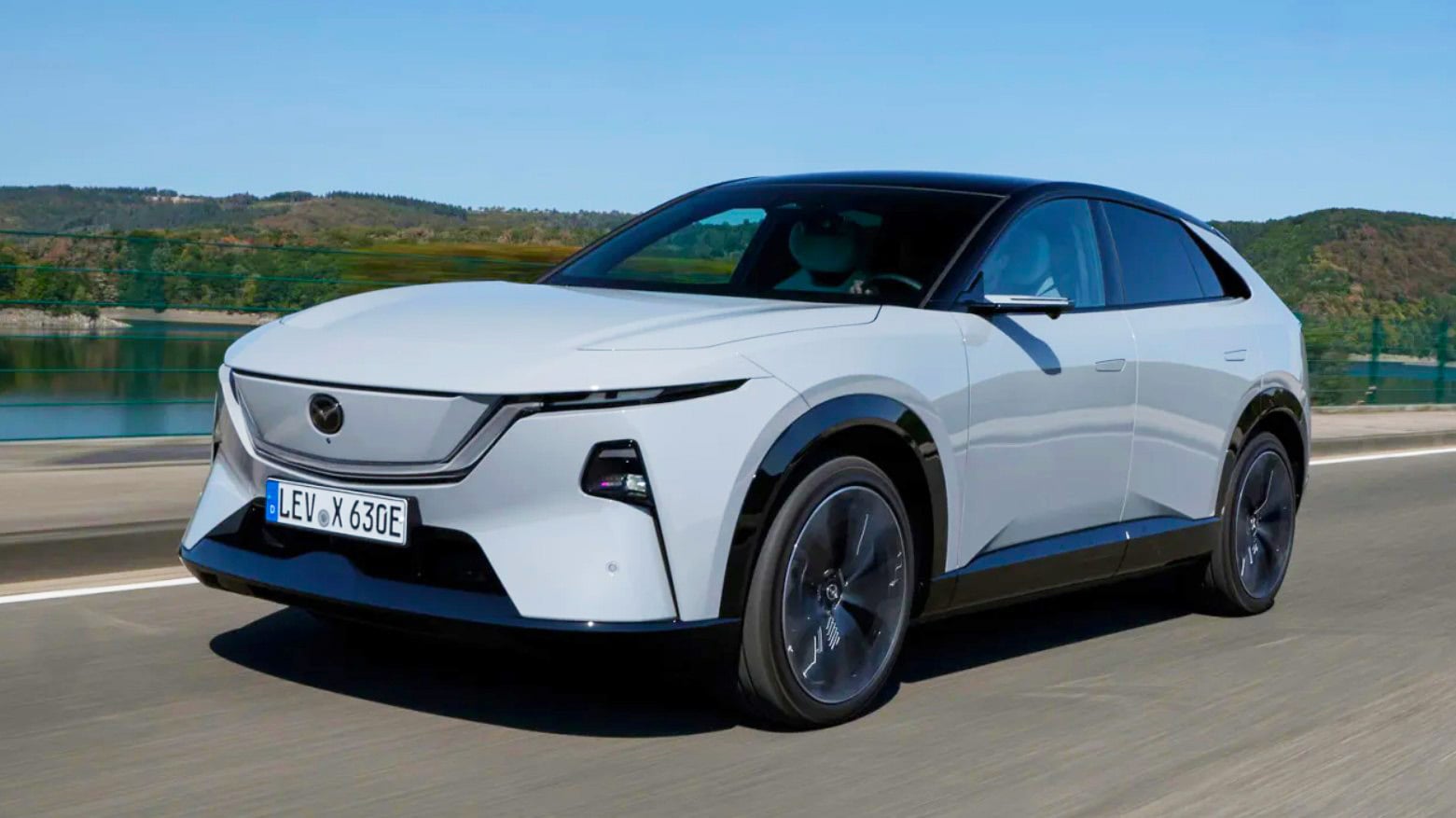
Mazda
1
You’re saying it just fine… if you’re not from Japan. In the marque’s homeland, it’s “ma-su-da”, which is very close to the family name of its founder, Jujro Matsuda.
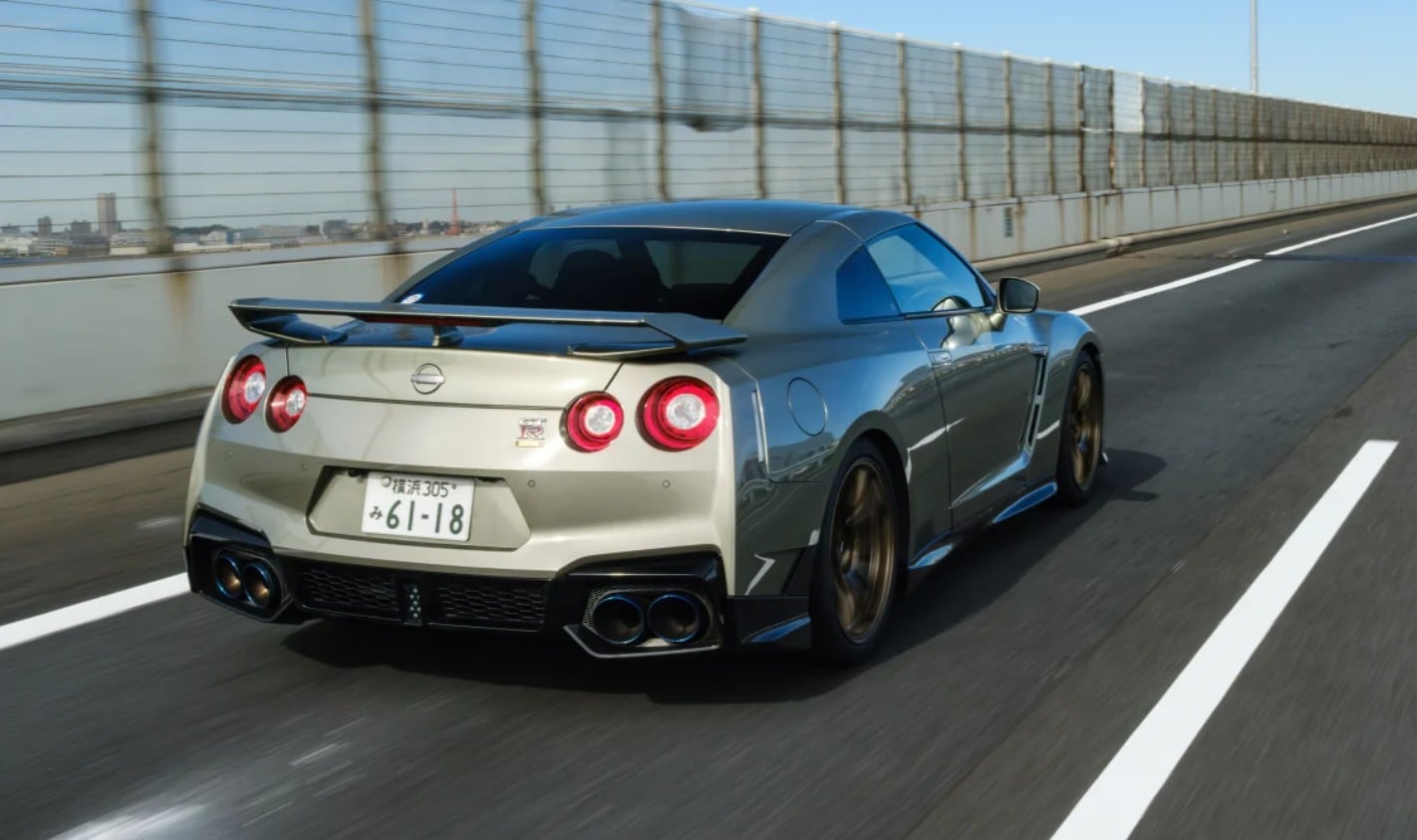
Nissan
1
Forget “niss-an” or “niss-ahn”. The correct Japanese way is “nee-sahn”. Or more accurately, “nee-SAHN”, with the stress on the last syllable.
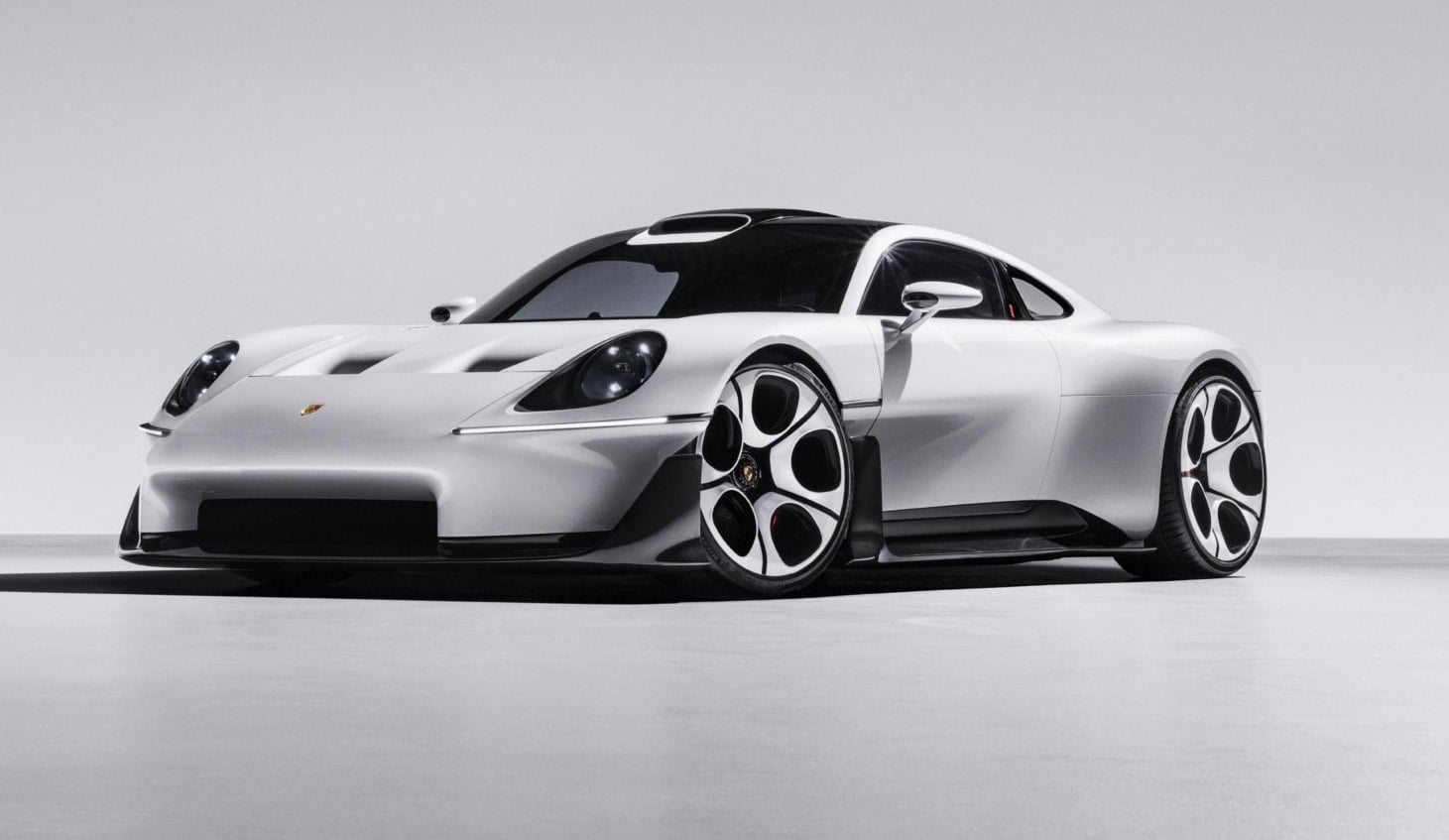
Porsche
1
This one has probably been cleared up over the years, given the fame of the brand, but just in case: not “porsh”, but “porsh-ah”. Don’t ask us how to say 911, though. Absolutely no idea there.
Škoda
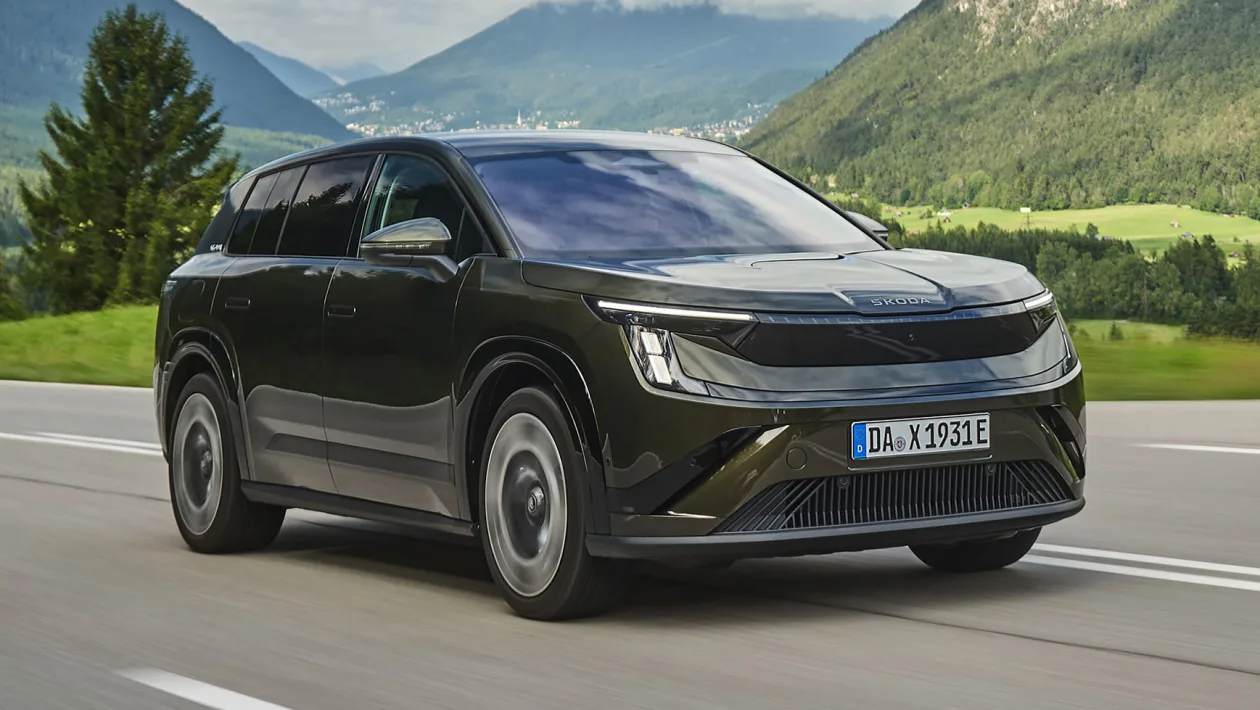
1
That accent above the S in the Czech carmaker’s name is a háček, or “little hook”, and its presence above a letter means it’s pronounced softly. So in this case it’s not “sko-da” with the “sko” rhyming with “yo”, but “shko-da”.
Subaru
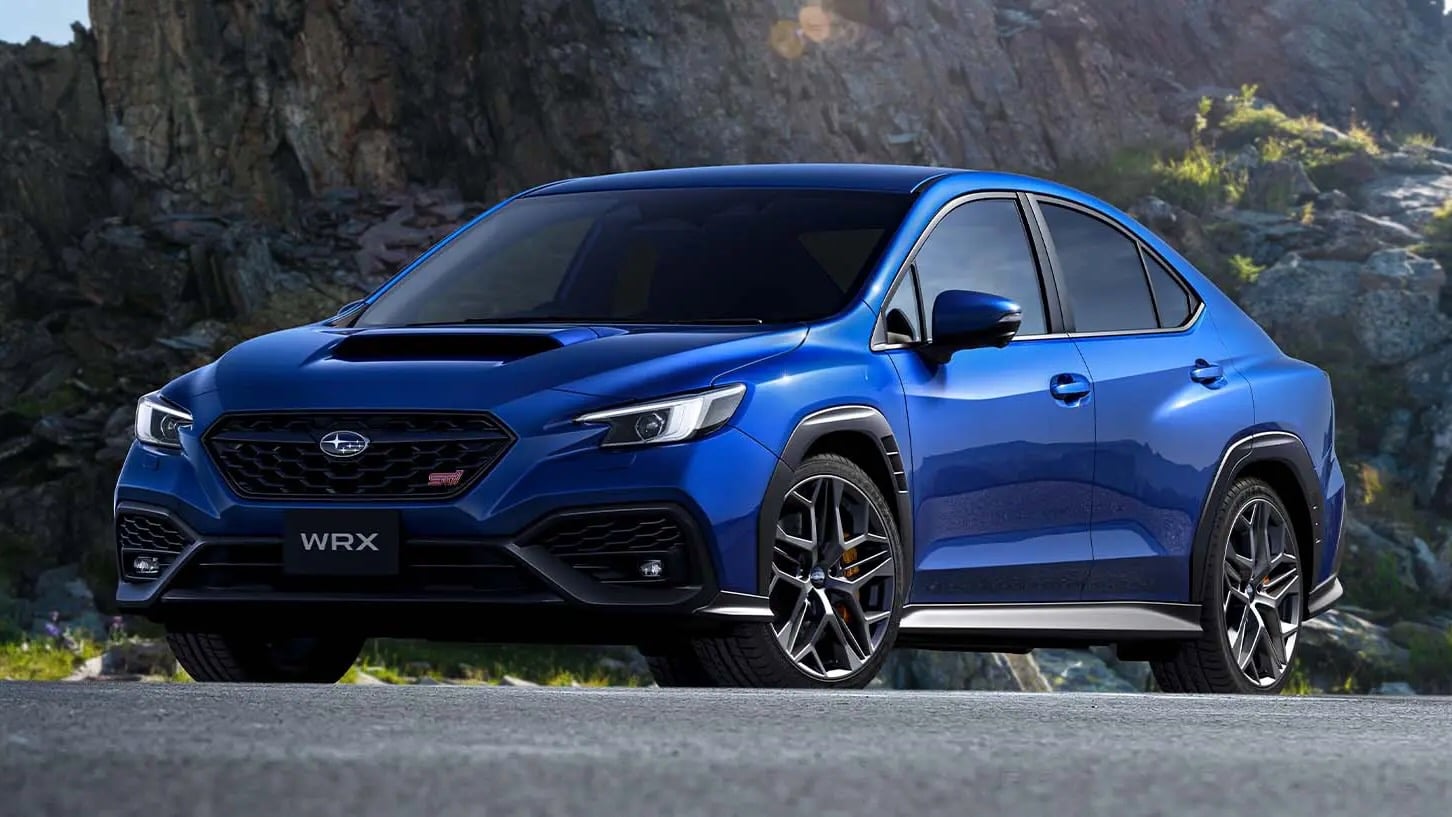
1
A lot of people think it’s a choice between “SOO-ba-ru” or “soo-BA-roo”, but in Japanese, the stress is applied evenly to the syllables, and you roll the R.
Xpeng
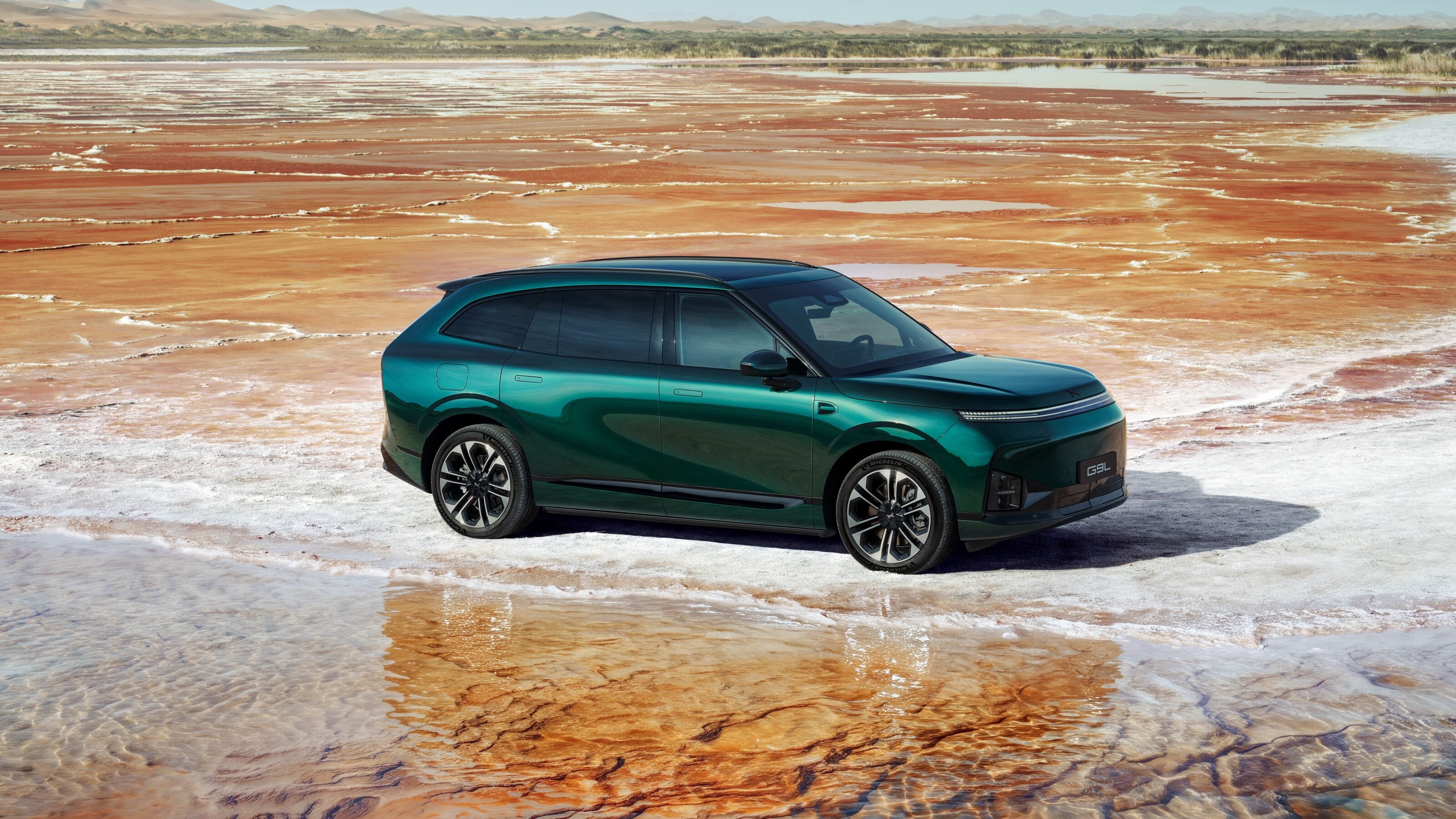
1
This one is not at all how it looks on paper if you want the original Chinese version. The X stands for Xiǎo in Mandarin, and “peng” is pronounced “pung”, so it’s very close to “shao-pung”. We say close because the “sh” sound at the start has a bit of a Z to it, which is foreign to English speakers.
Follow WhichCar/Wheels on Google
Click the button below to make WhichCar by Wheels a preferred source for your news.