News
Gallery 1
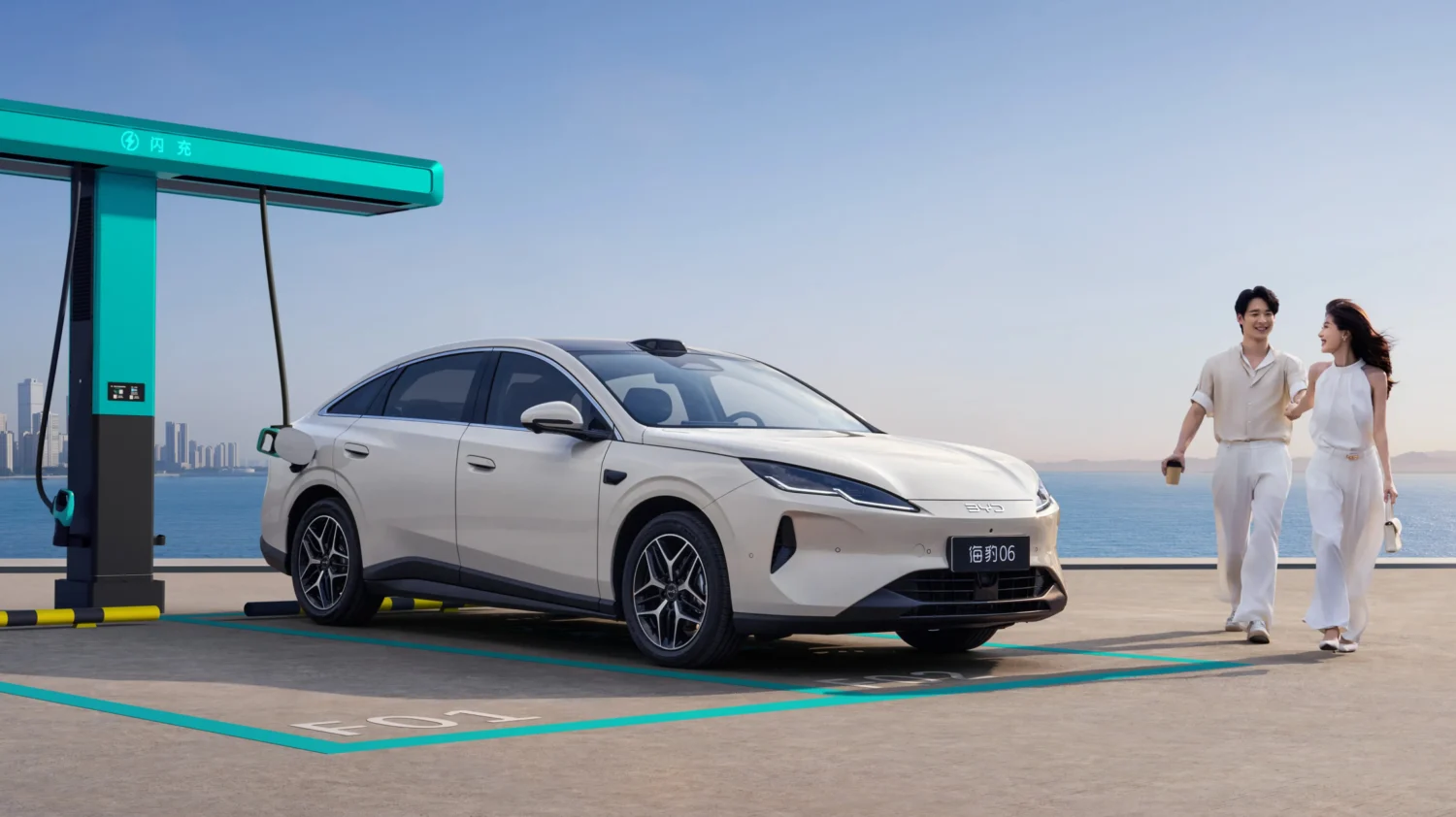
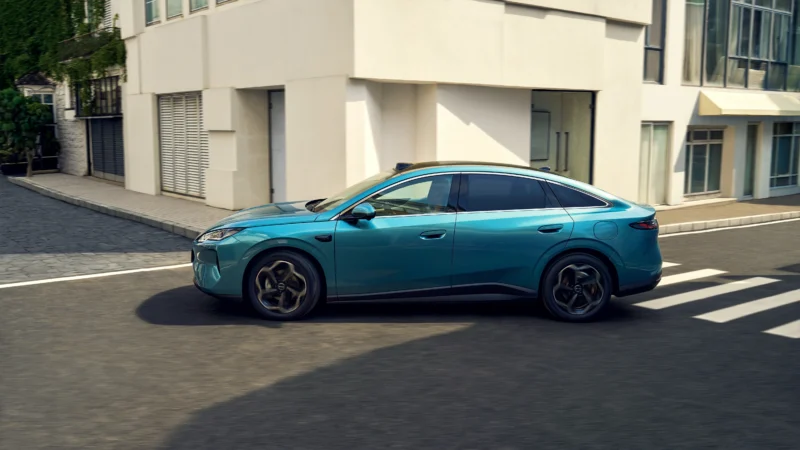
The 2027 BYD Seal 06 has been revealed for China, offering both electric (EV) and plug-in hybrid (PHEV) versions. Here’s where things get interesting, though: unlike the Seal 6 PHEV BYD has been selling in Australia since its launch in 2026, the Chinese Seal 06 is essentially an unrelated model.
The newest version of the Seal 06 launched in 2025 as an EV only, and the latest round of updates sees the range expanded with the addition of PHEV powertrains. Australia, meanwhile, has the eponymous Seal as its EV offering and the older Seal 6 – first launched in China in 2024 – as its PHEV option in the medium sedan market.
3
Car News China reports the new Seal 06 has had its wheelbase extended by 30mm to 2820mm, which is also 30mm up on the Aussie-market Seal 6, while overall length at 4870mm is 30mm more than the Seal 6 sold down under.
PHEV versions of the Seal 06 pair a 1.5-litre naturally aspirated four-cylinder engine with a single electric motor driving the front wheels, with either 120kW and 230km of CLTC EV-only range from a 25.3kWh battery, or 175kW and 320km of CLTC EV-only range from a 34.3kWh battery.
The ‘new’ Seal 06 is a sedan only, unlike the Aussie Seal 6, which offers a choice of a sedan with 130kW combined and a 55km WLTP range from a 10.1kWh battery, or a 163kW wagon with a bigger 19kWh battery and 100km of claimed range under WLTP conditions.
3
The Seal 06 EV switches to rear-wheel drive, with a 240kW motor and either a 52.9kWh or 64.3kWh battery. Range estimates are 530km and 630km CLTC respectively, or closer to 435km and 520km (estimated) under WLTP conditions. The Seal 06 EV’s 800-volt architecture means it will be compatible with BYD’s 1500kW Flash Charging network, allowing a 10 to 70 per cent recharge in as little as five minutes.
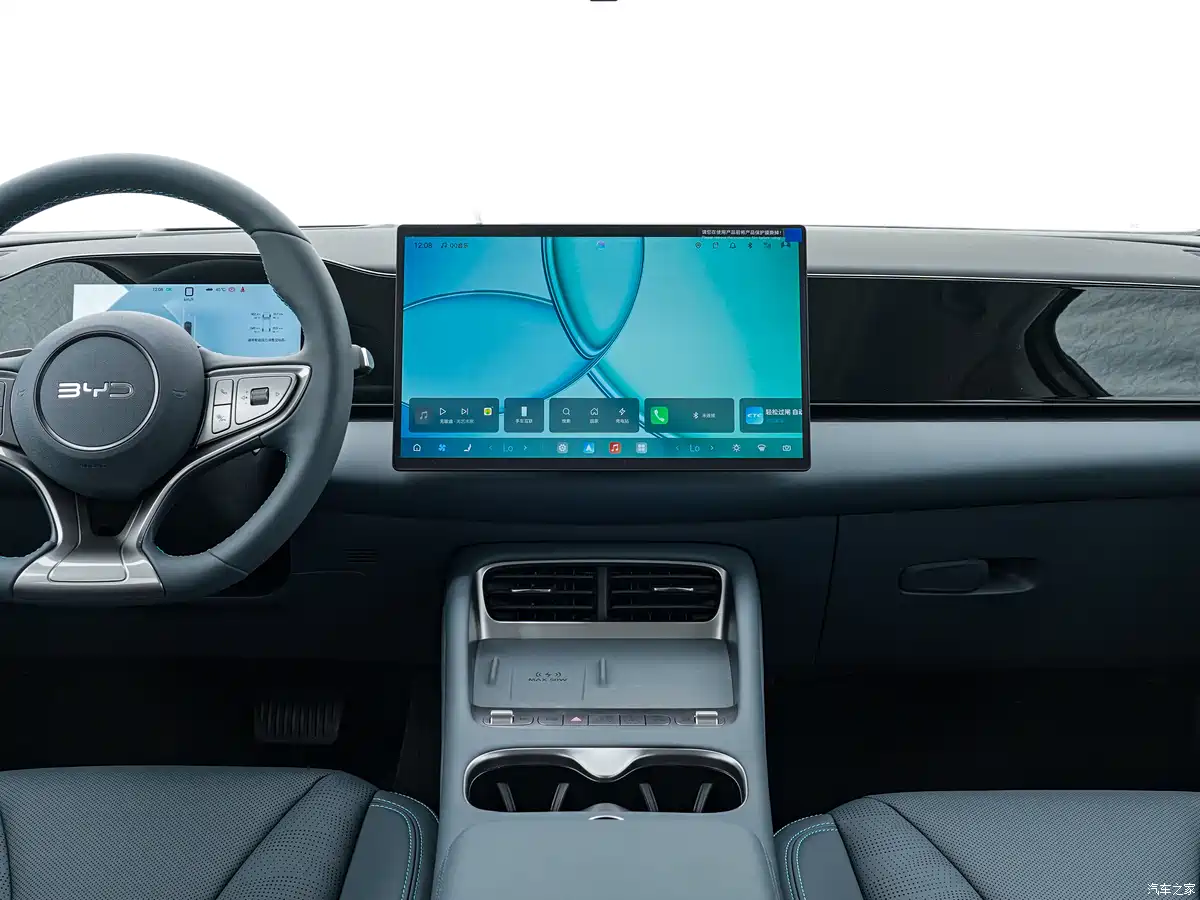
Top-spec versions in China include features like an in-car refrigerator, massaging front seats with heating and cooling, dual 50W wireless phone chargers, a 15.6-inch infotainment display, adaptive suspension and ‘God’s Eye’ self-driving tech with city and highway navigate-on-autopilot functionality.
Despite the changes overseas, BYD Australia is likely to continue with the existing Seal 6 PHEV lineup as its plug-in offering, and the Seal EV as its Tesla Model 3 rival for the time being.
Follow WhichCar/Wheels on Google
Click the button below to make WhichCar by Wheels a preferred source for your news.

We recommend
-
 News
NewsBYD drops prices on popular models by up to $4600 – but you'll need to be quick
The BYD Shark 6 and Atto 2 are among the vehicles customers can save thousands on, with cashback offers also enticing buyers.
-
 News
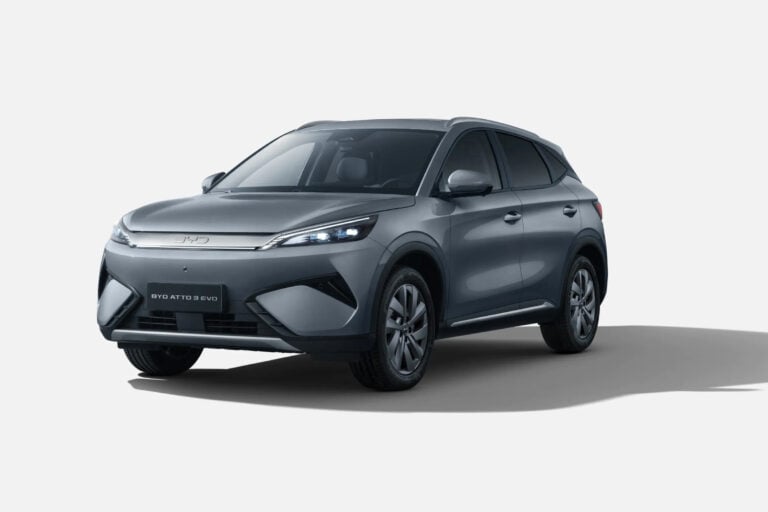
NewsBYD Atto 3 Evo arrives: Pricing revealed for compact SUV as order book opens
The updated electric SUV retains two variants but brings substantial changes, including rear-wheel drive and a 510km range for the flagship Premium.