Reviews
Gallery 1
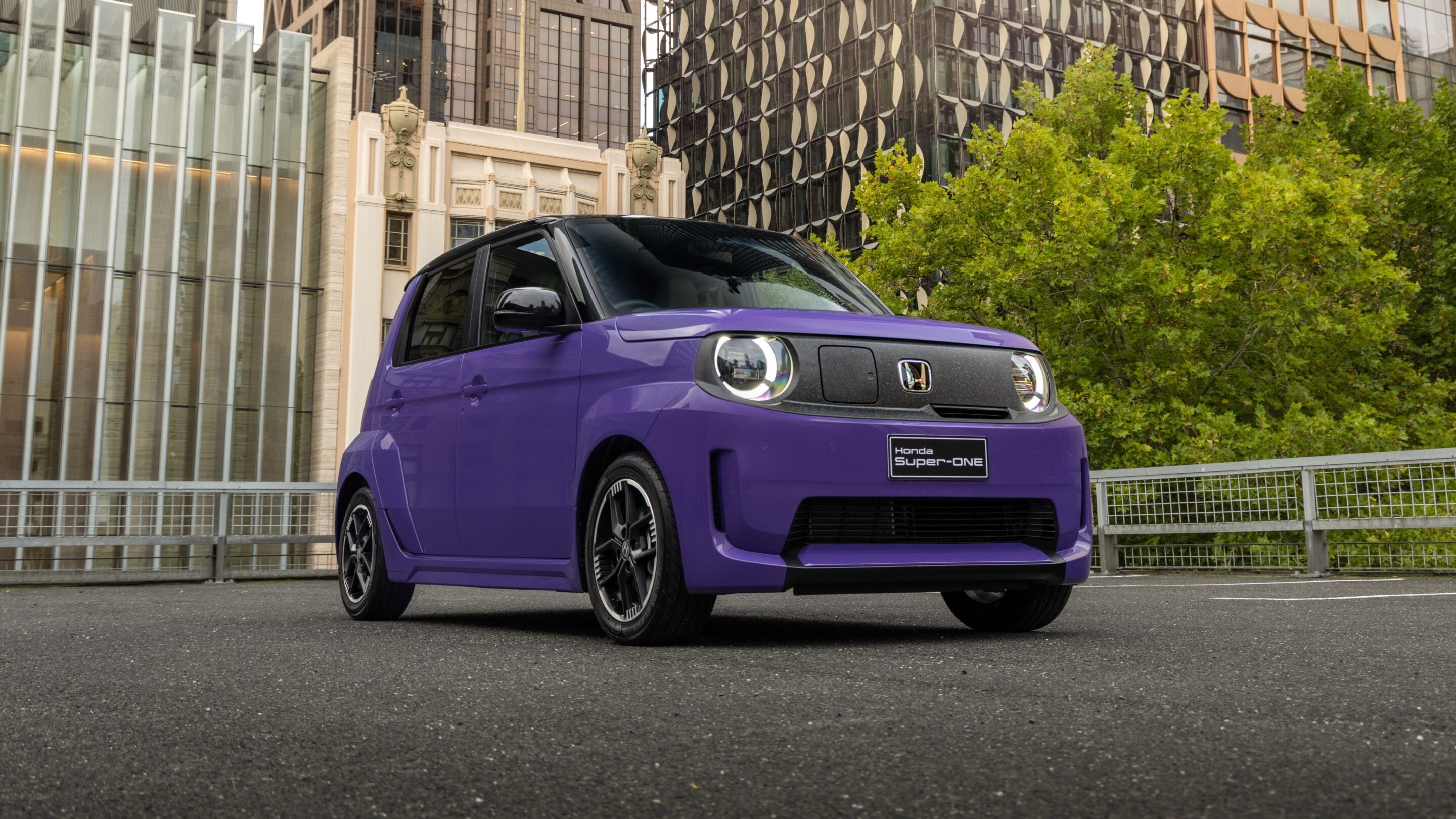
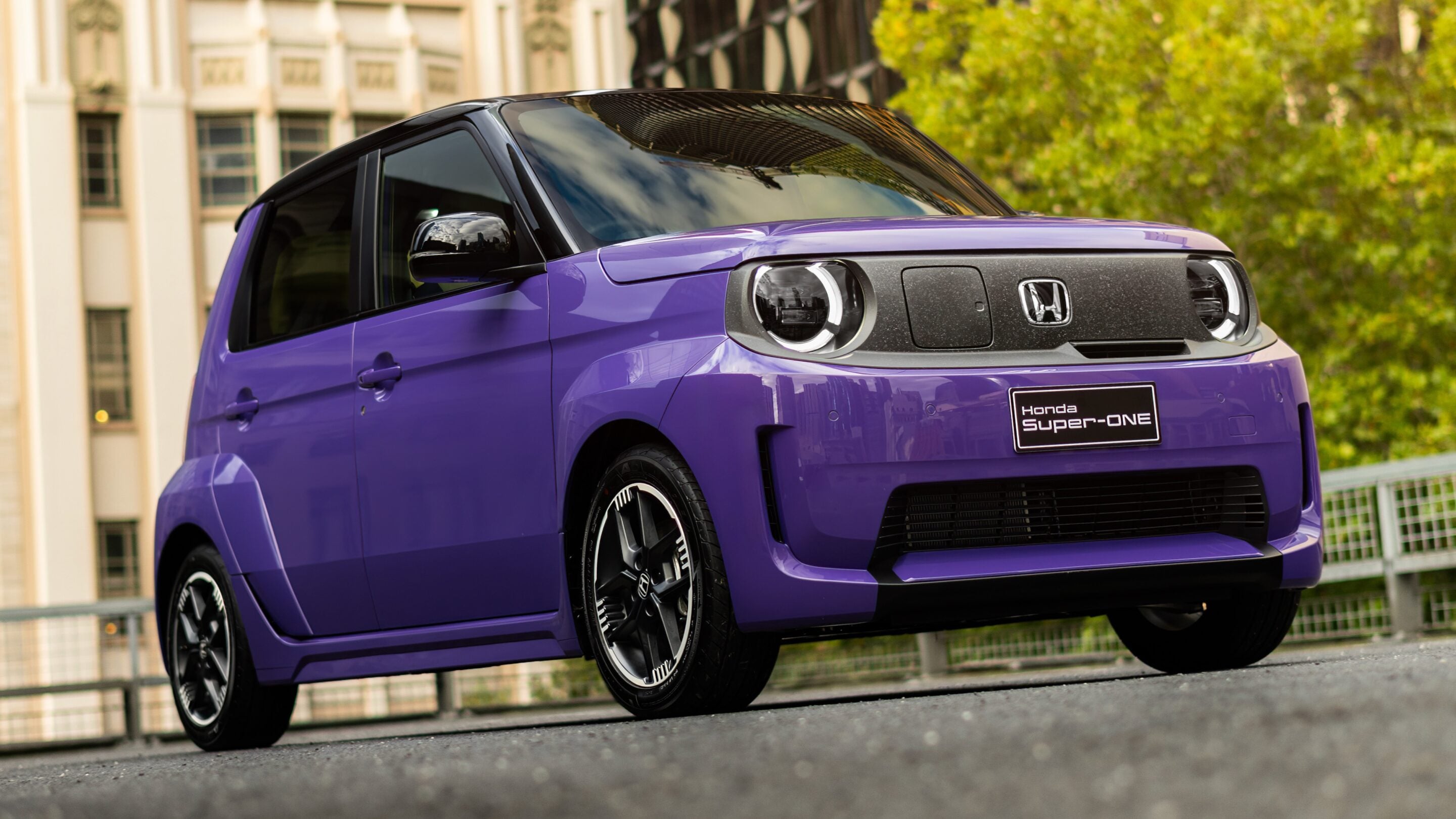
Honda’s new Super-One makes an unlikely case for the return of the genuinely small car. Derived from Japan’s N-One kei car, the electric hatch is tiny by modern standards, yet manages to combine useful interior space with a surprisingly mature driving experience.
The Super-One has been stretched and widened beyond Japanese kei-car regulations, while its petrol engine has been replaced by an electric drivetrain. In its most powerful Boost setting, the motor produces 70kW and takes the 1097kg hatch from 0-100km/h in around 10 seconds.
Despite its dimensions, it’s no two-seat runabout. Two adults can squeeze into the rear for shorter journeys, while Honda’s familiar ‘Magic Seats’ provide additional flexibility for carrying tall items. With the rear seats folded, luggage capacity approaches 1000 litres when loaded to the roof.
1
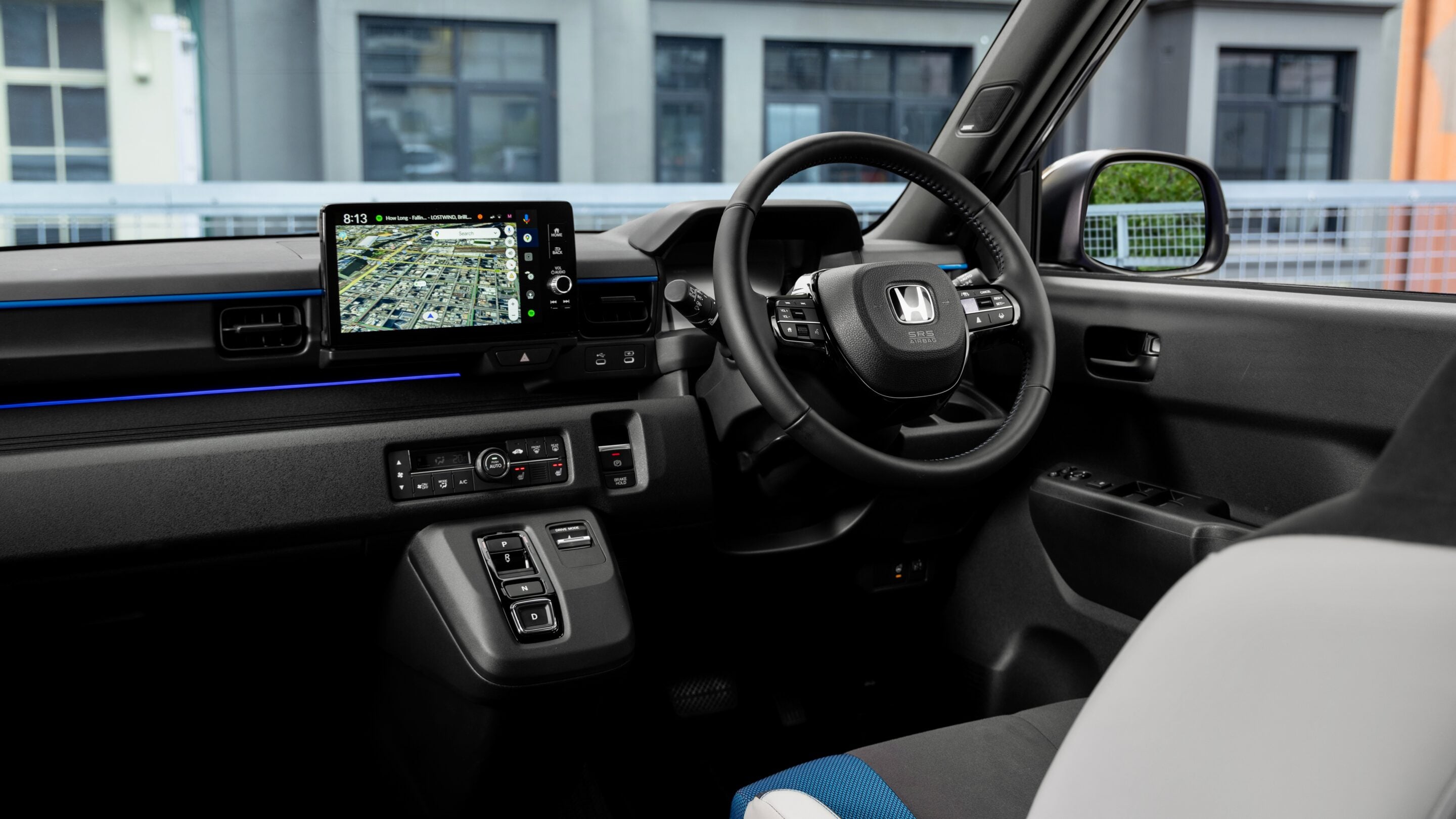
The cabin follows Honda’s contemporary layout, with a compact digital instrument display and central touchscreen incorporating wireless Apple CarPlay and Android Auto. Some plastics reveal the Super-One’s budget positioning, although major touchpoints feel more substantial.
Standard equipment includes 15-inch wheels, LED lighting, climate control, reversing camera and an eight-speaker Bose audio system. There’s also a suite of driver-assistance technology including forward-collision warning and traffic-sign recognition.
It’s on the road where the Super-One reveals more personality. Ride quality is impressively composed for such a short-wheelbase car, while well-weighted steering, limited body roll and strong grip make it entertaining around town.
1
Boost mode adds another layer. Activated via a purple steering-wheel button, it unlocks the full 70kW and introduces a simulated seven-speed transmission controlled through steering-wheel paddles. Hold a virtual gear too long and the electronics even mimic hitting a rev limiter.
A synthesised soundtrack, inspired by Honda’s City Turbo II and DC2 Integra Type R, accompanies the experience through the Bose speakers.
The Super-One is less convincing at sustained higher speeds, where tyre noise becomes noticeable, but efficiency appears to be a strength.
Honda quotes a WLTP range of approximately 206km, although careful urban driving could potentially stretch that considerably further. DC charging peaks at 50kW, allowing a 10-80 per cent recharge in around 30 minutes, while a 7kW home charger can replenish the small battery in under five hours.
The numbers may look modest, but the Super-One’s appeal lies elsewhere: it’s compact, practical and unusually playful for an affordable electric city car.
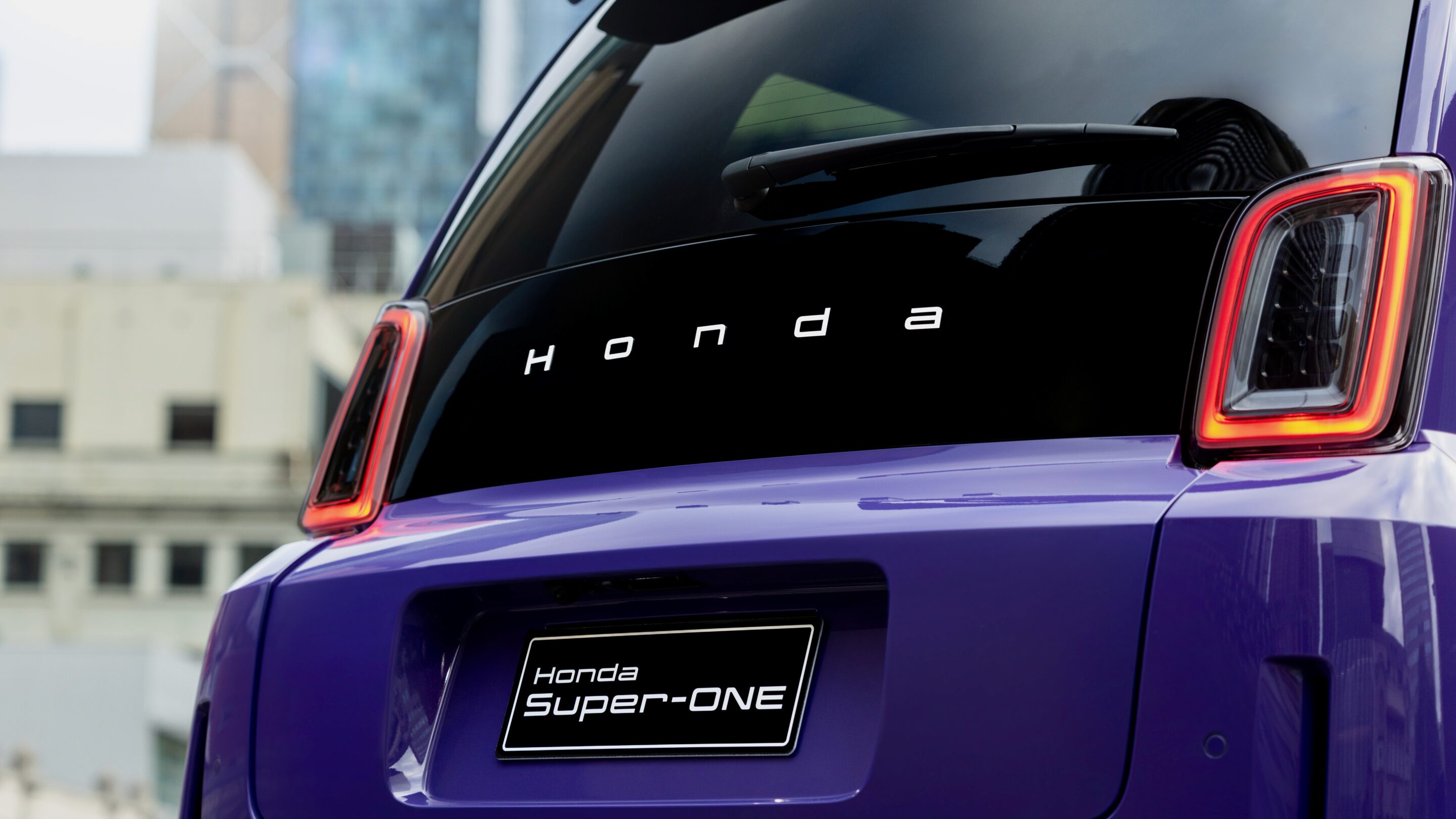
Honda Australia’s Corporate Communications Manager, Mark Flintoft, tells WhichCar by Wheels: “During our Expressions of Interest phase, Honda Super-ONE attached almost 7,000 sign-ups – more than both Civic Type R and Prelude.”
3
Specs
| Price | $36,900 driveaway |
|---|---|
| Powertrain | 29.6kWh battery, single electric motor |
| Power/torque | 70kW / 162Nm |
| Transmission | Single-speed automatic, front-wheel drive |
| 0–100km/h | 10.0 seconds |
| Top speed | 134km/h |
| Range | 253km |
| Max charging | 50kW DC (10 – 80% in 30 mins) |
| Size (l/w/h) | 3599 / 1626 / 1608mm |
Follow WhichCar/Wheels on Google
Click the button below to make WhichCar by Wheels a preferred source for your news.

We recommend
-
 Comparisons
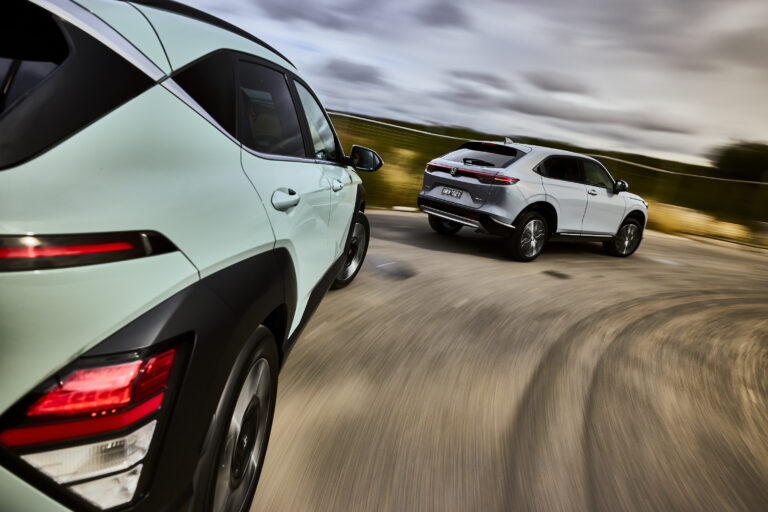
Hybrid Heroes: Honda HR-V v Hyundai Kona comparison
As hybrid technology reshapes Australia’s favourite vehicle segment, we compare two fuel-sipping small SUVs battling for value, efficiency, practicality and everyday driving appeal
-
 Best Small Cars
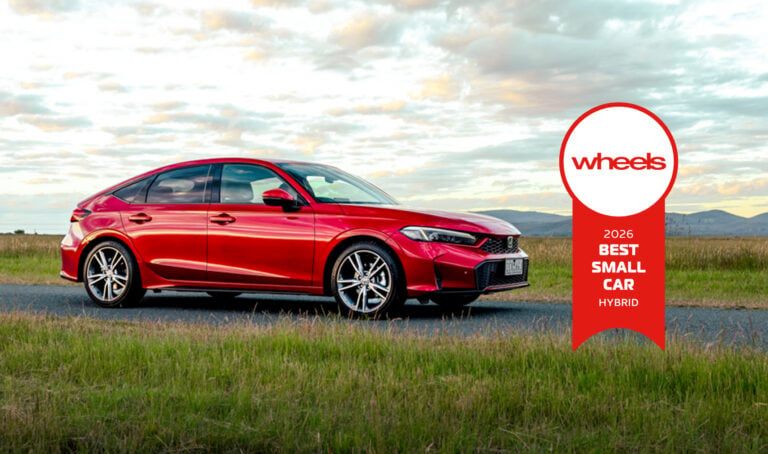
Best Small Cars 2026: Hybrid
At its best, hybrid technology delivers lower fuel bills and easy urban driving, making these electrified contenders smarter choices for fuel-conscious Australian buyers.
-
 Features
All the new cars coming to Australia for the rest of 2026
Revealed: The best new models due to appear in Aussie showrooms and on our roads before 2027.