News

Gallery 1
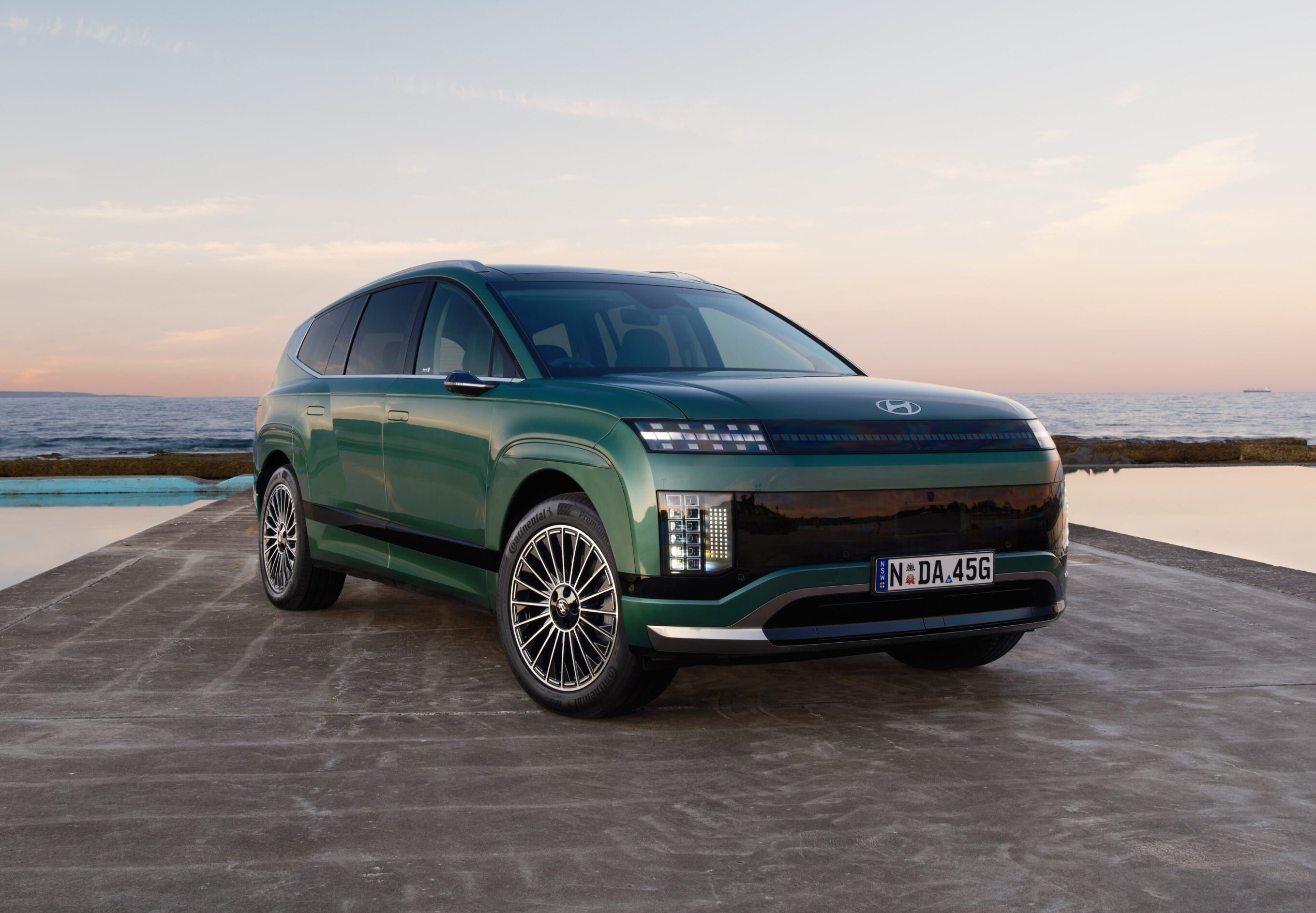
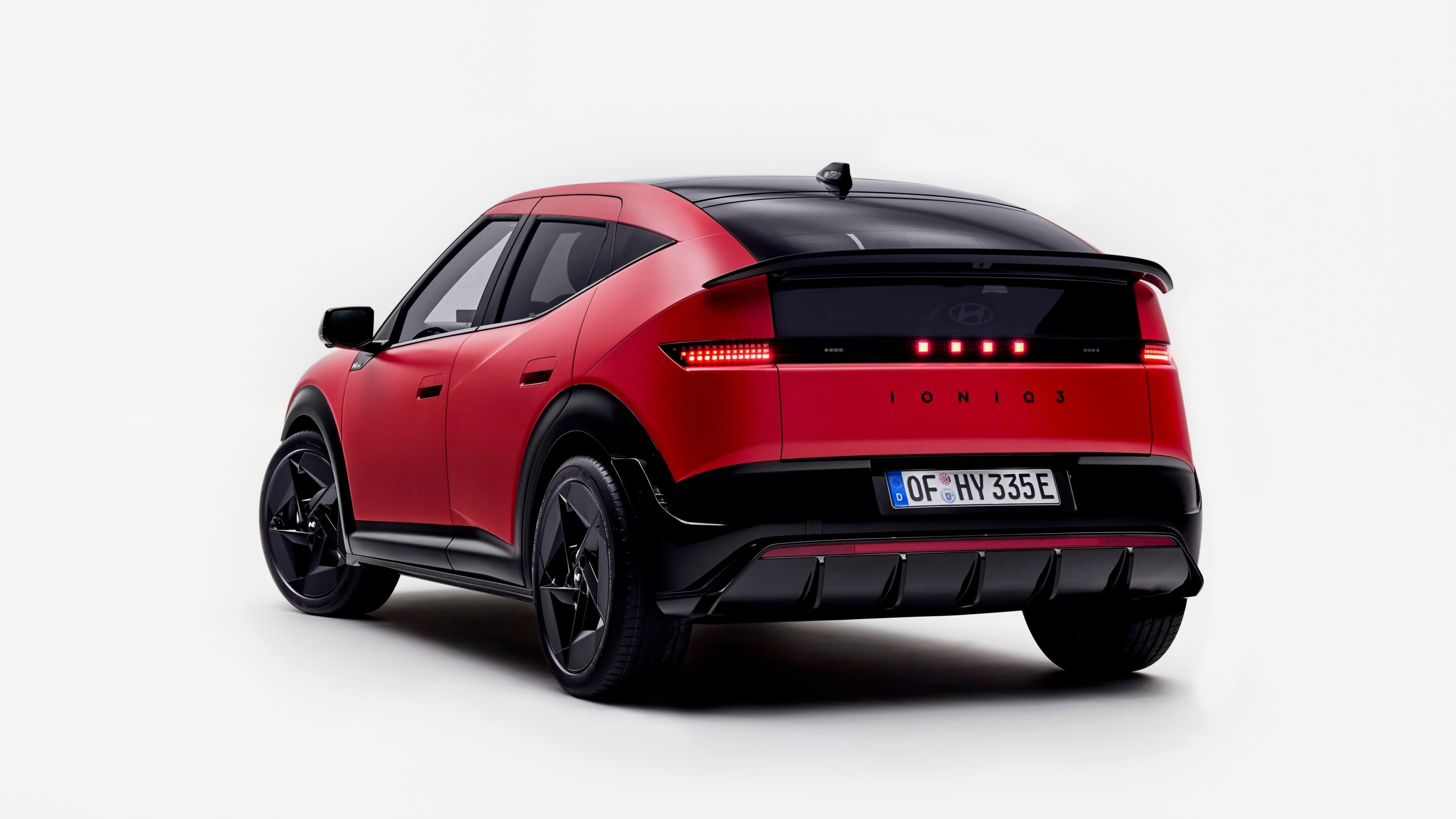
Two new electric SUVs are expected to broaden Hyundai’s Ioniq family, including a compact model likely to wear the Ioniq 4 badge and a larger family hauler that could revive the Ioniq 7 name. The pair of new Ioniq models are expected to arrive over the next 12 to 18 months.
The Korean manufacturer is targeting the fiercely contested small and medium electric SUV segments, where its current line-up leaves significant room between existing models. At the smaller end, Hyundai is developing an SUV expected to sit between the Kona Electric and recently revealed Ioniq 3 hatch. While its name has yet to be confirmed, the newcomer is tipped to wear the Ioniq 4 badge when it reaches production, potentially in 2027.
4
Hyundai vice president of product for Europe Chris McKinnon stopped short of confirming the vehicle when asked about the prospect of a small SUV related to sister brand Kia’s EV3, but acknowledged the importance of the segment. “I really can’t answer that question, to be honest. Watch this space,” McKinnon told Auto Express.
The Ioniq 4 is expected to take a more lifestyle-focused approach than the Ioniq 3, adopting a boxier and more traditional SUV shape while prioritising comfort and practicality over outright sporting ability.
Its cabin could borrow heavily from the Ioniq 3, including Hyundai’s Pleos infotainment system and a relaxed, lounge-inspired design. The SUV body should deliver extra rear headroom and legroom, along with a larger and more versatile boot.
Powertrain hardware is also likely to be shared between the two models. That could mean 42kWh and 61kWh battery options paired with a single front-mounted electric motor, although a dual-motor version could eventually join the range – potentially opening the door for a high-performance Ioniq 4 N.
6
Pricing will be crucial. European estimates point to an entry point of about £25,000, equivalent to roughly $A50,000 before taxes and other local costs, although Australian pricing would depend heavily on whether Hyundai decides to bring the model here.
A second and significantly larger SUV is also coming, positioned between the Ioniq 5 and flagship Ioniq 9. Expected to sit closer to the Ioniq 5 in both size and price, it is tipped to use a boxier body to maximise cabin space and could offer two rows of seats or an occasional third row. No name has been announced, but Ioniq 7 would be an obvious fit within Hyundai’s existing naming structure.
The larger model is expected to adopt an 800V electrical architecture, allowing it to compete with the rapid charging capabilities of Hyundai’s other E-GMP-based EVs.
Both single- and dual-motor configurations are anticipated, although battery capacities and outputs remain unknown. Hyundai will also need to deliver serious touring ability, with expectations that the SUV could target at least 640km of driving range.
The newcomer is also expected to showcase Hyundai’s latest digital technology, including the Pleos infotainment system, while further developing the design direction introduced by the Ioniq 3.
Together, the two SUVs would give Hyundai much broader coverage of the expanding electric-car market and fill the sizeable gaps currently separating its smallest and largest Ioniq models.
Follow WhichCar/Wheels on Google
Click the button below to make WhichCar by Wheels a preferred source for your news.

We recommend
-
 News
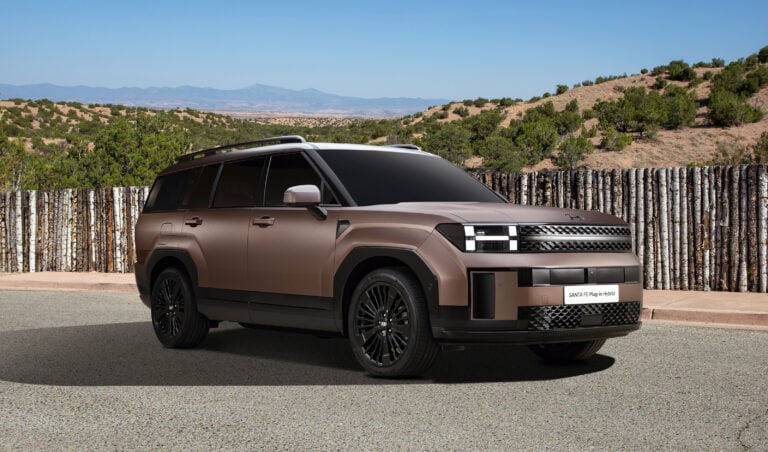
NewsHyundai Australia denies 'missing the PHEV boat' despite having no plug-ins for sale down under
Hyundai Australia remains noncommittal on PHEVs despite not having a single plug-in hybrid in its Australian line-up
-
 News
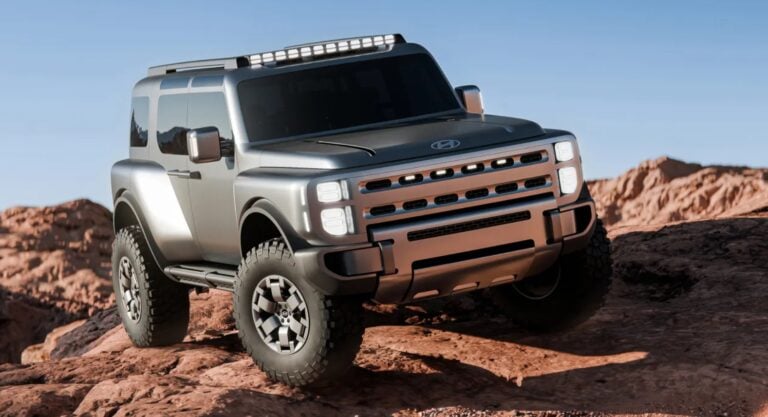
NewsThe rugged Hyundai Boulder SUV breaks cover in patent filing that shows it's a no-nonsense off-roader
The Hyundai Boulder was revealed as a concept in April. Now a new image provides a look at how it could look in production form.