
News
Gallery 1
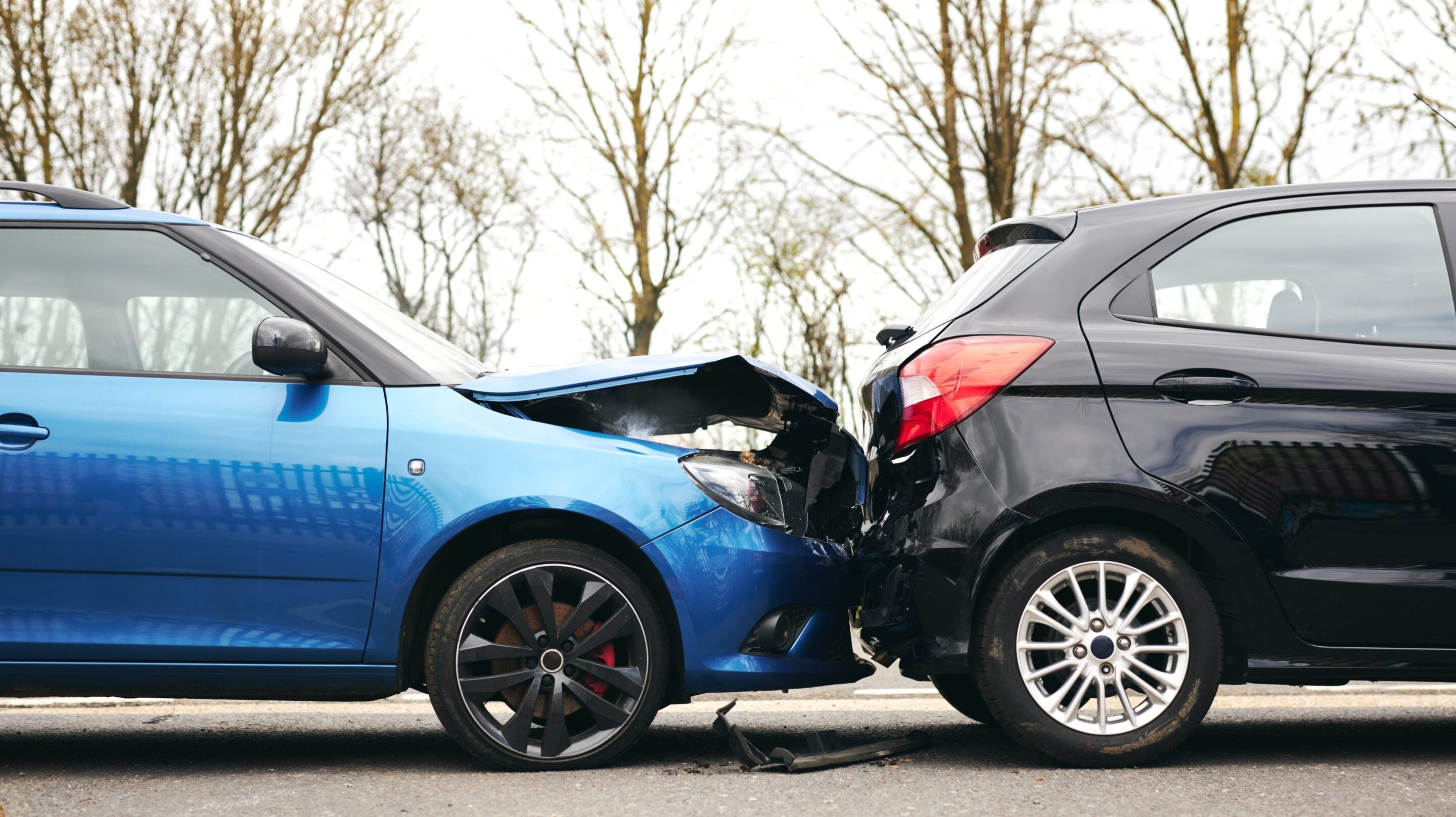
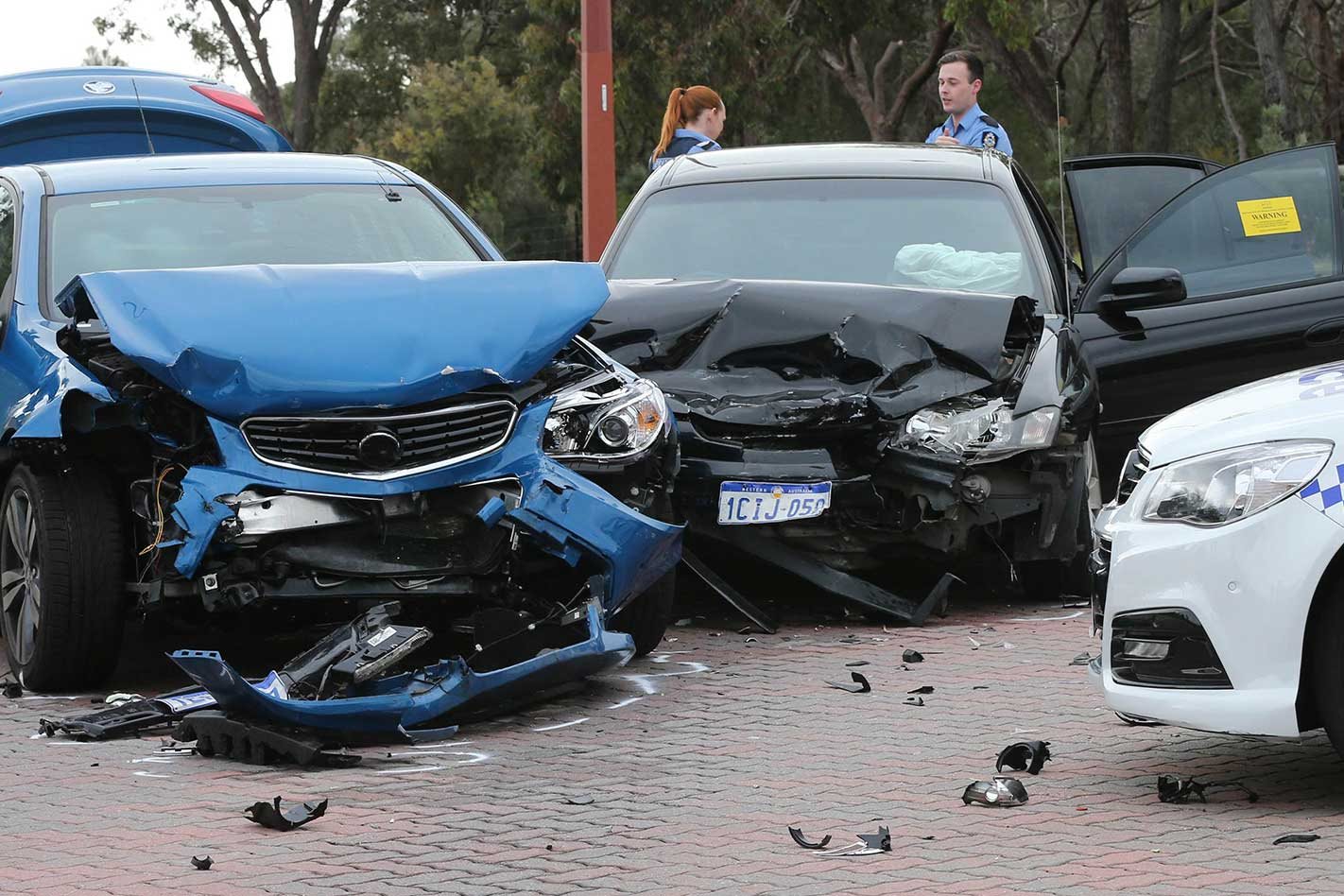
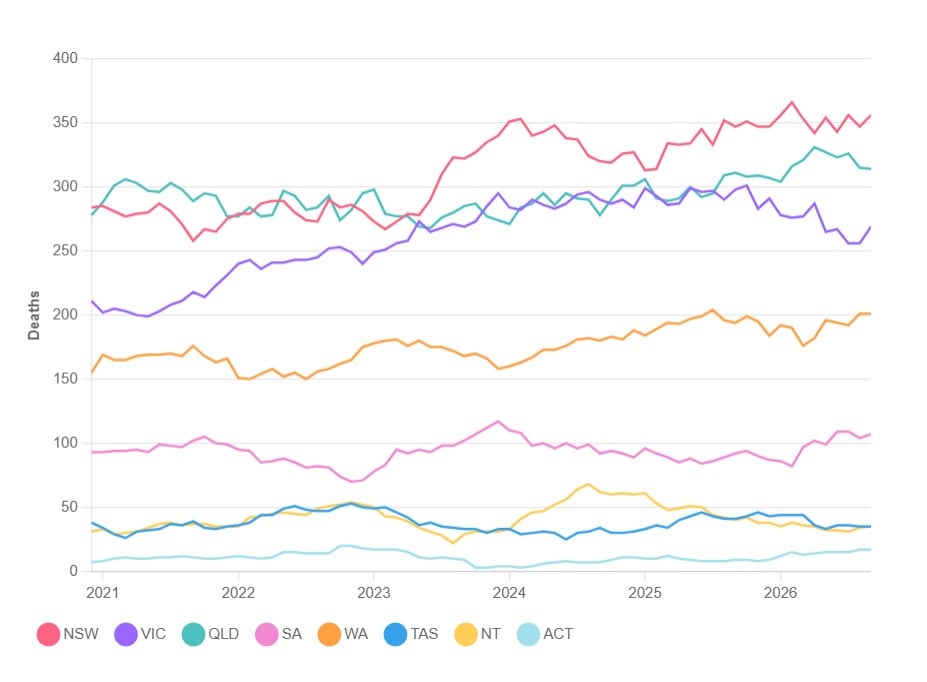
Australia is heading towards its highest annual road toll in 15 years, reversing decades of progress and placing national road safety targets increasingly out of reach.
The latest Australian Automobile Association (AAA) road safety benchmarking report highlights the continuing deterioration, with fatalities rising despite improvements in vehicle safety technology and substantial government spending on roads.
Australia’s National Road Safety Strategy aims to halve road deaths by 2030, compared with 2018–2020 levels, before eliminating fatalities entirely by 2050.
However, the country is now on course for a sixth consecutive annual increase in deaths, with the toll to September already reaching its highest level for that period in 15 years.
1
“Something is changing, and not for the better,” AAA managing director Michael Bradley told the ABC.
“Cars have never been safer, we’re spending a huge amount of money on roads, yet more people are dying.”
Australia’s international road safety standing has also deteriorated. Once ranked among the 10 safest OECD countries, it has slipped to around 20th position.
Population growth partly explains the rising number of deaths, with fatalities per 100,000 residents remaining comparatively stable in recent years.
However, researchers have identified several potential contributing factors, including drug-impaired driving, increasing vehicle size and risks faced by pedestrians, cyclists and motorcyclists.
Research suggests drug use is now a significant factor in fatal crashes, while larger, heavier vehicles can increase the severity of injuries suffered by vulnerable road users.
A recent study found that every additional 10cm of vehicle height increased the likelihood of a pedestrian fatality by 11 per cent.
1
Road safety advocates are also questioning whether government policies are keeping pace with changing traffic conditions.
Bradley criticised delays in collecting crucial crash information, including serious injury statistics, which can take three years to become available.
“We’ve got a national target to reduce serious injuries by 2030, but there’s a three-year lag in the data available,” he told the ABC.
The AAA argues that better evidence is essential to determining which road safety measures deliver meaningful improvements.
“Canberra is distributing billions of dollars, and we need to make sure money is being directed to what is actually working,” Bradley said.
The worsening figures suggest Australia faces an increasingly difficult task meeting its 2030 commitments without more effective intervention.
The Association’s most recent report can be read here.
Follow WhichCar/Wheels on Google
Click the button below to make WhichCar by Wheels a preferred source for your news.


We recommend
-
 News
Revealed: The shocking number of Aussies who have been put in danger by car touchscreens – as survey uncovers huge opposition to the tech
Touchscreens have become a giant bugbear for Aussie motorists, with a big percentage of drivers confirming the technology has resulted in a critical incident on the road.
-
 News
National Road Safety Strategy delivers worst road deaths run since 1950s, claims AAA
With fatalities rising for five straight years, the AAA says Australia’s road safety strategy is failing and wants the federal government to lead urgent reform nationally.
-
 News
Aviation-style crash investigations called for as Australia’s road toll climbs
Motoring body urges federal funding for no-blame investigations, with fatalities rising 20.9 per cent since 2021 and vulnerable road users increasingly at risk.
