News
Gallery 1
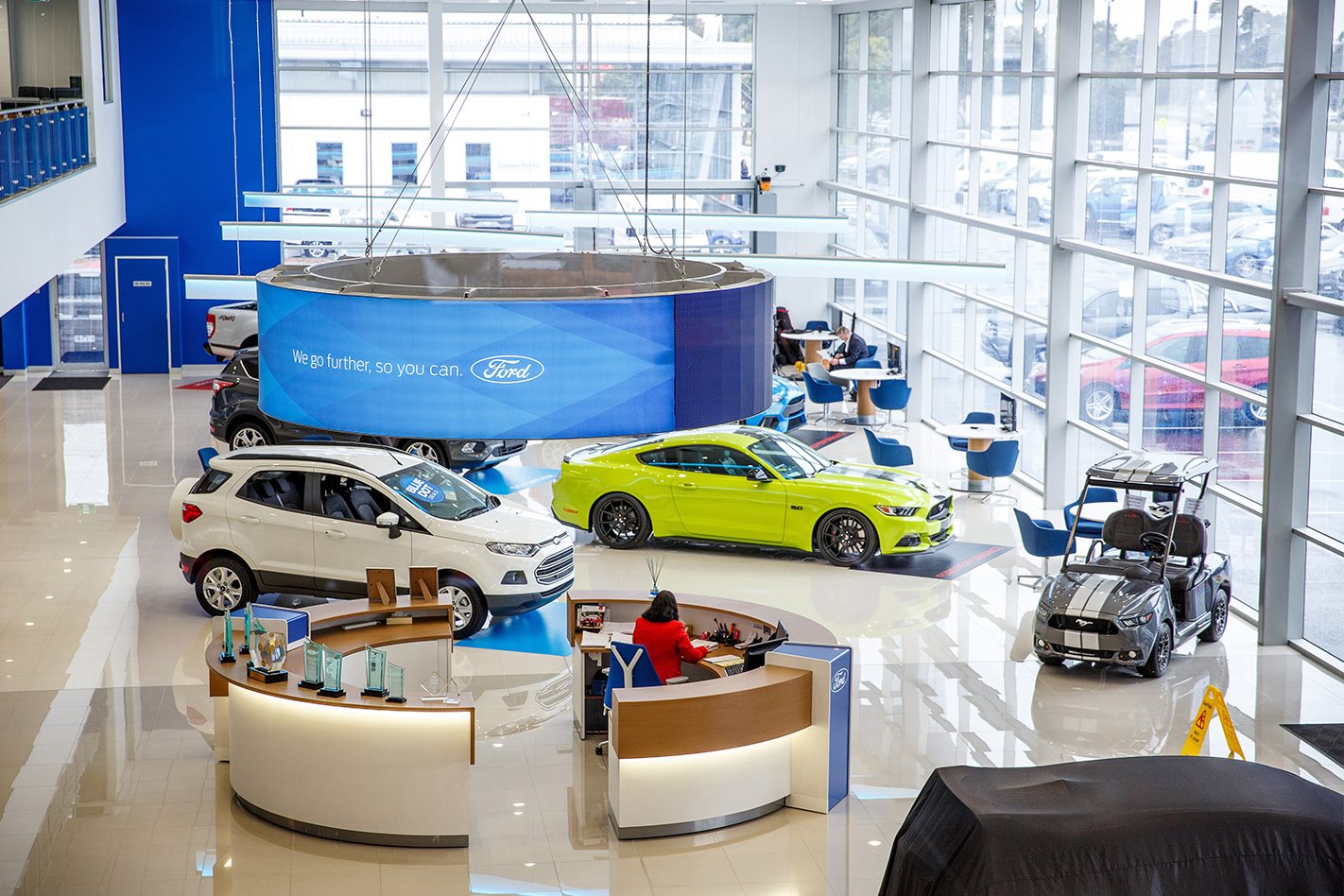
Australia needs to throw a protective barrier around new-car showrooms to prevent a looming economic disaster, according to the country’s biggest dealer organisation.
Despite the benefits to new-car buyers from lower prices and increased competition, the Australian Automotive Dealer Association believes a marketplace with 67 brands – and more on the way – is a ticking time bomb with just over 1.2 million annual sales.

3
It contrasts the numbers in Australia with other major western countries, where there are fewer brands and much bigger sales. In the USA there are just 30 brands competing for 16.3 million sales, with 47 brands and 2.86 million sales in Germany and 40 brands for 2.02 million sales in the UK.
“The commercial settings underpinning our industry are becoming unsustainable,” said AADA CEO James Voortman. “There are simply too many manufacturers operating in this market and we need a pause on further car brands entering this market. At a time when other countries are trying to slow the rate of change and number of brands, Australia is allowing unfettered access to this market.”
The AADA also pointed out that the “unrestricted growth” in car brands down under is “leading to a rapid depreciation of vehicles, a lag in parts supply with longer repair times and orphaned vehicles as brands disappear”.
Voortman said the September quarter saw the industry record its first negative quarterly profitability result since the global financial crisis of 2008, and there is no relief on the horizon.

3
“Dealers are facing intense competition, relentless pressure to take more stock and rising business costs. Too often, they are left to absorb the financial consequences of decisions made elsewhere in the supply chain,” he added.
The AADA believes the retail car business has now reached a “crisis point” and is asking for urgent assistance to protect the long-term viability of the automotive sector. It wants help from governments, carmakers and industry suppliers to combat what it calls “deteriorating trading conditions”.
History is against the AADA, as Australia has a long-term history of reducing protection – from the days of a 57 per cent tariff and a system with import quotas – and failed to protect local carmakers in a decision that ended Australian production by Ford, Holden and Toyota.
Follow WhichCar/Wheels on Google
Click the button below to make WhichCar by Wheels a preferred source for your news.