
News

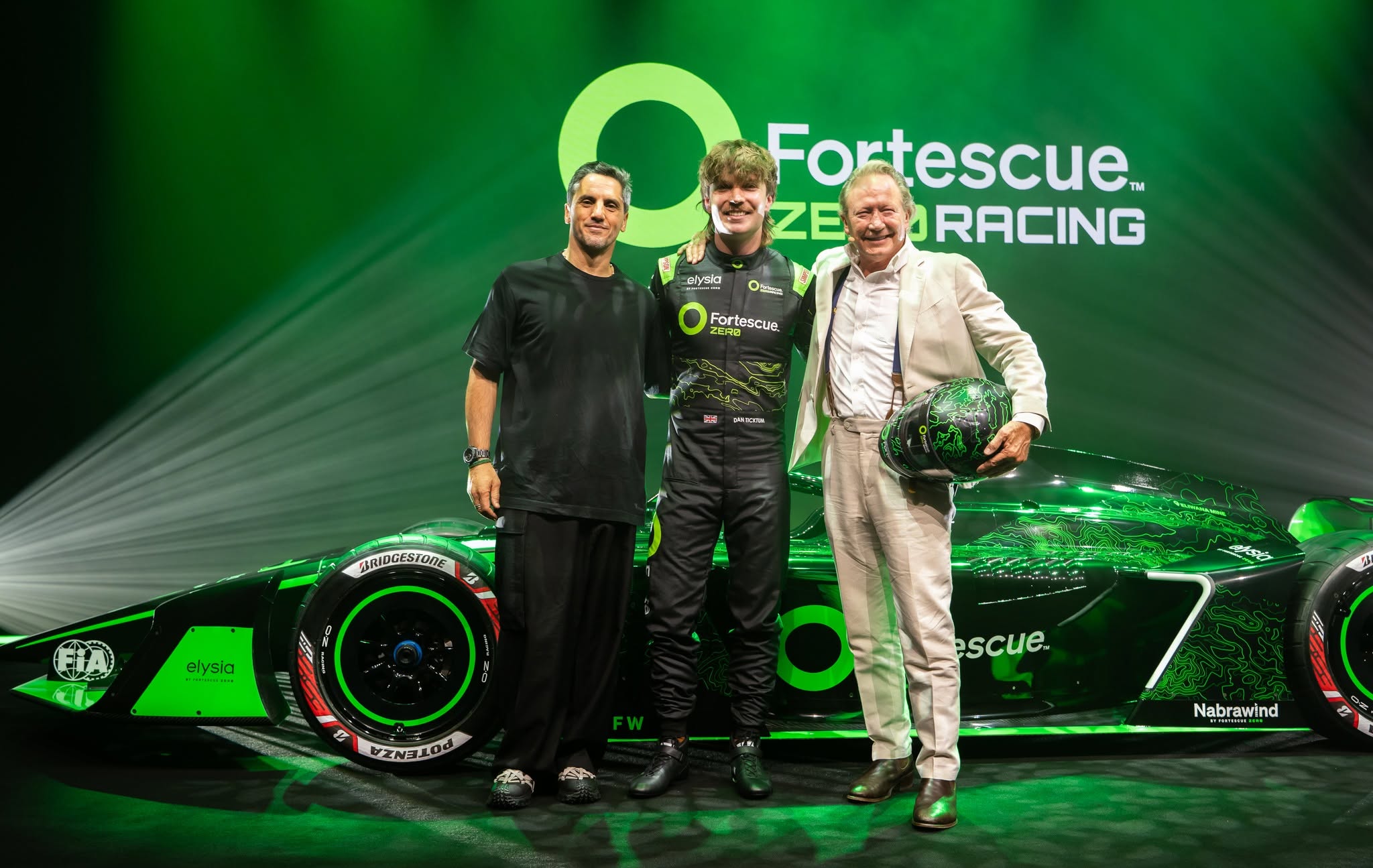
Gallery 1
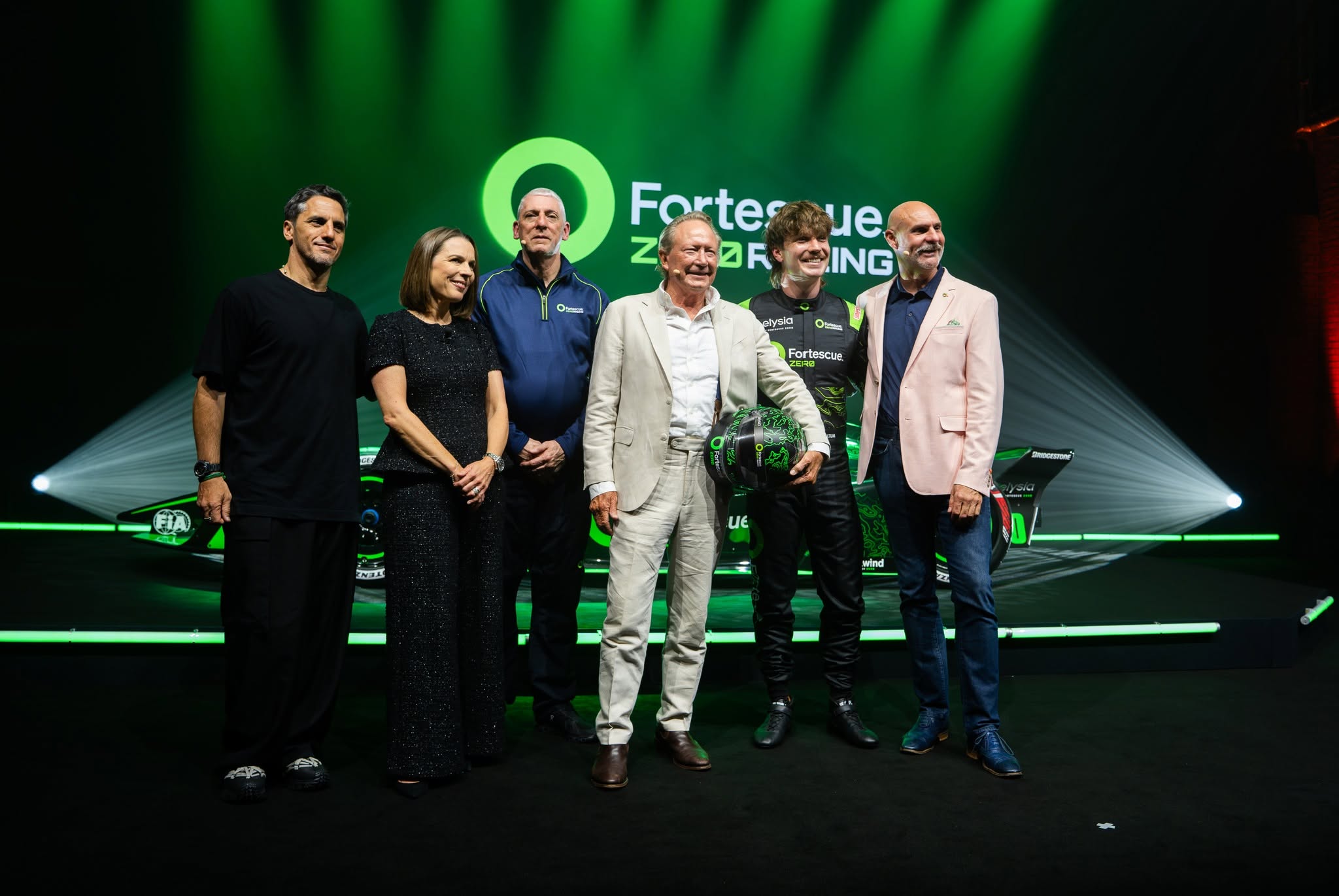
Billionaire mining magnate Andrew Forrest has blasted F1 as a relic that’s had its day and belongs in a museum at the launch of his all-electric Fortescue Zero Racing Formula E team – and he even challenged the world’s premiere motorsport competition to an on-track duel.
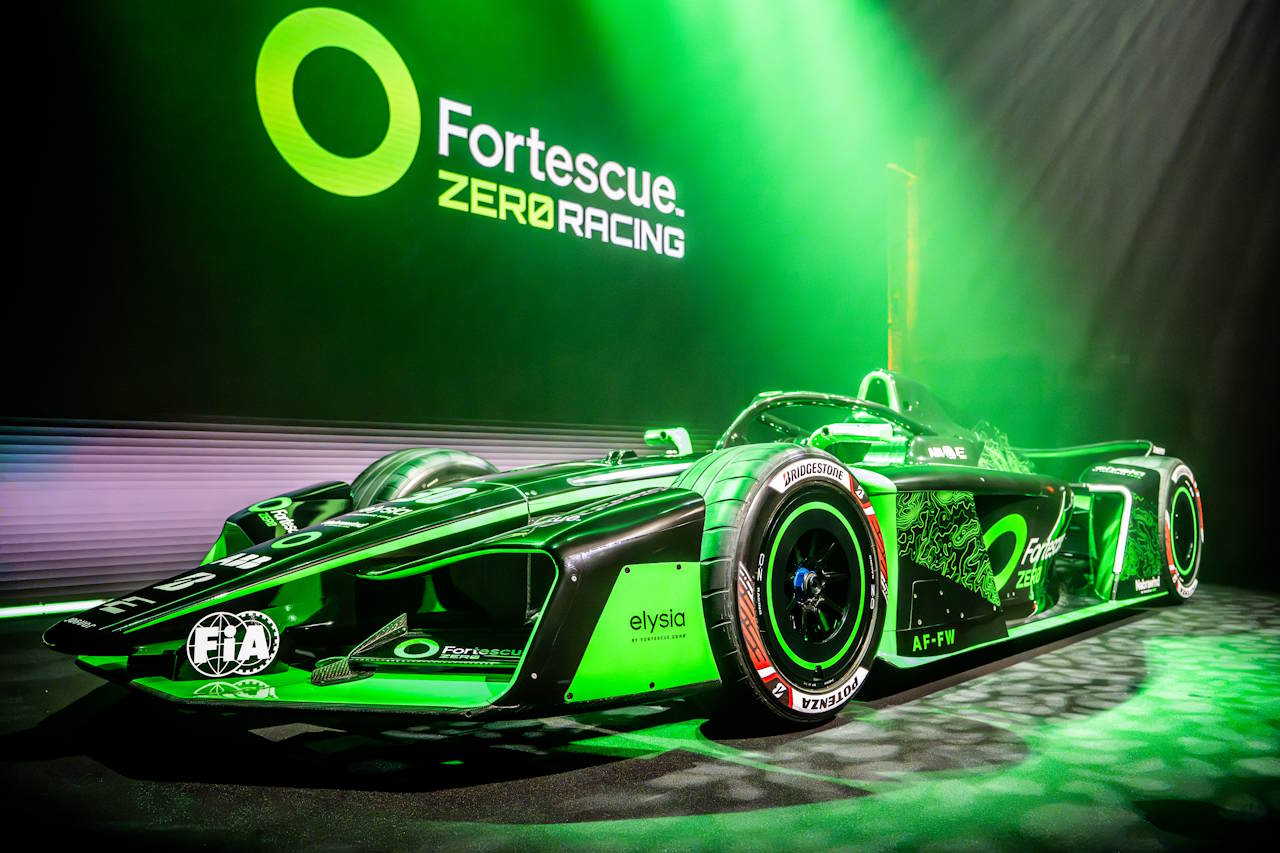
The founder and executive chairman of Fortescue mining didn’t hold back at the unveiling of the Zero Gen4 car, which will compete in the 100 per cent electrified racing championship from next month.
2
“I think Formula 1 has a place,” Forrest said. “It should have a very large building with Formula One at the front of it, made out of limestone, with lights on it, and it should be a museum because the younger generation are going to go to the highest-performance, greatest technically advanced and kindest to the environment racing there is, and that’s going to be Formula E.”
Forrest described F1 as “noisy, smoky and smelly” before laying down his challenge to the sport that counts Fangio, Senna, Schumacher and Hamilton among its legends.
“I want to see Formula 1 go head to head with Formula E. And then I want to say ‘how many decades did they have to get this right, and how many months did we have to get it right”. And let’s see how we go,” Forrest said.
“Let’s just put it to the test. I don’t care if we come first or second. What I know is that we’re doing in months and years what they have taken decades and if we come anywhere near, it’s over. Rise to the challenge, meet the dream. Formula 1 head-to-head with Formula E. Let’s try it on, baby.”
2
As things stand, F1 cars are significantly quicker than the Formula E cars that ran in the battle for the 2025-26 title, but the electric series is catching up. The upcoming championship sees the introduction of the new Gen4 cars, which make about 600kW and weigh 1016kg. Today’s Formula 1 cars make approximately 750kW and weigh less than 800kg.
The Fortescue team will use Jaguar’s Gen4 car which, like the rest of the field, features permanent active all-wheel drive and the ability to provide up to 40 per cent of the energy used during a race through regenerative braking.
All cars must feature the use of at least 20 per cent recycled materials, the entirety of the cars are designed to be recycled after use, and the power lift – together with improvements to grip and handling – will reportedly make them quicker than the current Formula 2 racers.
Follow WhichCar/Wheels on Google
Click the button below to make WhichCar by Wheels a preferred source for your news.

We recommend
-
 Opinion
Are synthetic e-fuels the key to V10 engines returning to Formula One?
To keep interest high in Formula One and enhance the roar of high-powered engines, e-fuels may be the way forward...
-
 News
Jaguar tests Type 01 prototype on Monaco Formula E circuit
Electric four-door GT draws on Formula E technology as Jaguar prepares to unveil its first model in a new era later this year.
