
News

Gallery 1
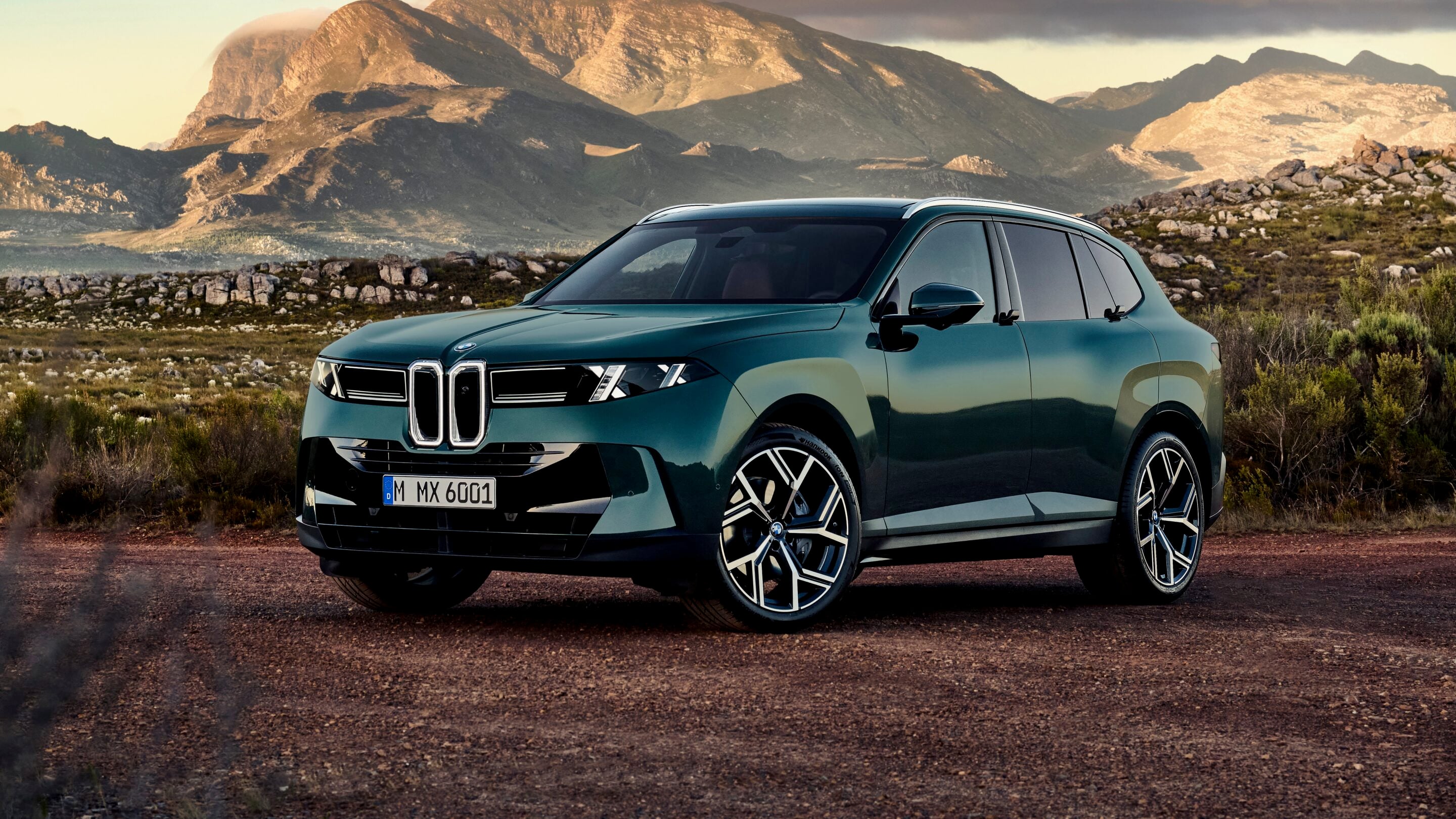
BMW has doubled down on diesel powertrains for its popular X5 SUV, despite record high prices at the bowser, fueled by the ongoing conflict in Iran.
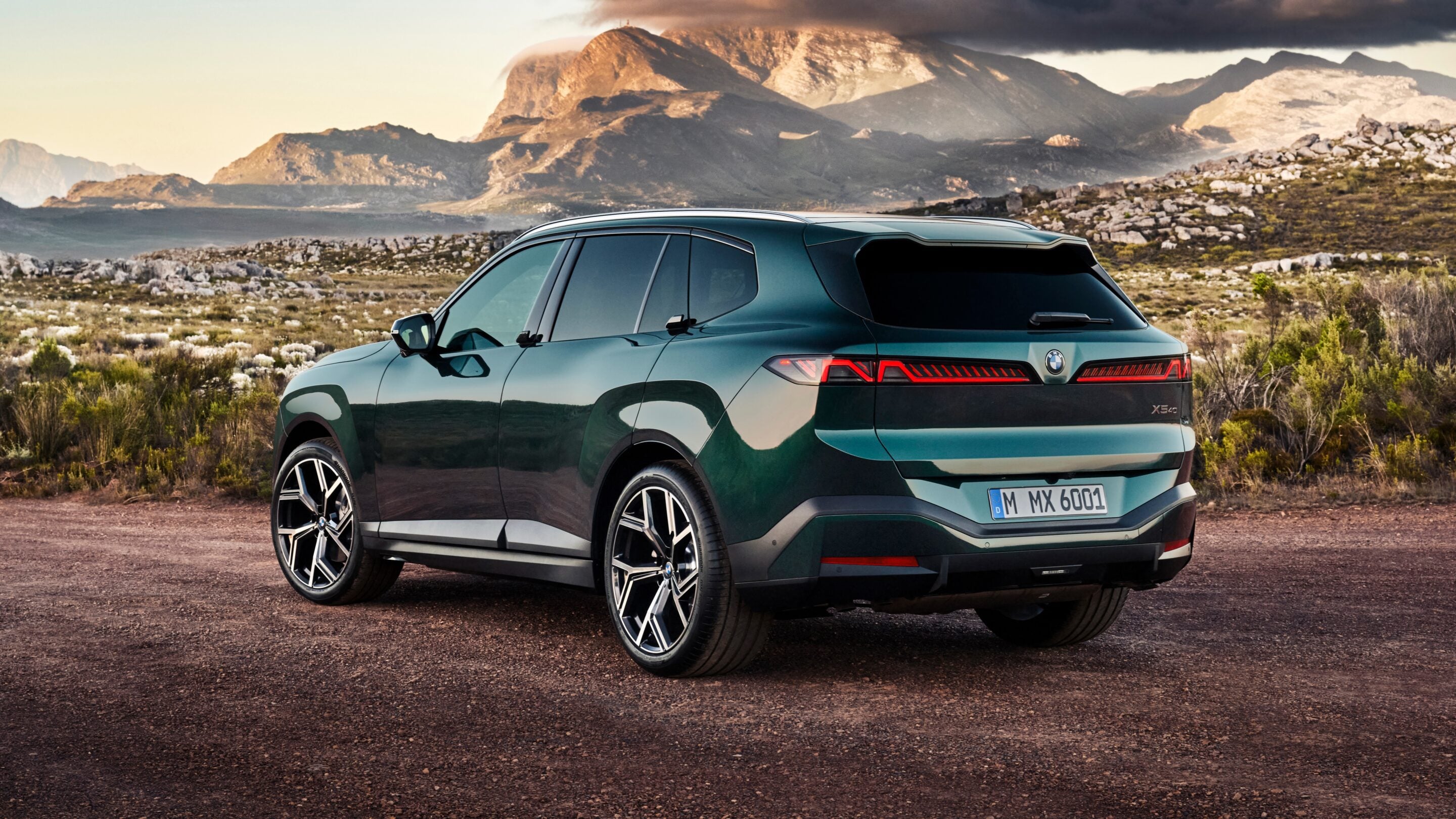
The new fifth-generation BMW X5, launched in Australia this week, will initially be available with either a six-cylinder petrol or diesel engine, before expanding next year with the addition of plug-in hybrid and full battery-electric variants.
1
The move to continue offering six-cylinder diesel options for what is one the German brand’s most popular models comes off the back of continuing demand for the slow-burning fuel. Diesel variants have traditionally been far and away the most popular engine option among X5 buyers, with two out of every three of the large SUV sold in Australia powered by a diesel-six.
“Diesel makes up 60 to 70 per cent of what we sell here in Australia with the X5,” said BMW Australia’s Head of Product, Brendan Michel at this week’s launch of the new generation model.
The most recent full-year sales data, shown to WhichCar by Wheels by BMW Australia, reveals that Aussies bought 2395 diesel-powered X5s, around 66 per cent of the model’s total volume for 2025. Petrol-powered X5 models accounted for 26.5 per cent of total sales while the lone plug-in hybrid in the previous generation’s line up added a further 7.5 per cent.
1
Whether this year’s surge in the cost of diesel will affect the X5 sales split is something BMW Australia is careful to sidestep, telling WhichCar by Wheels only that “our model strategy reflects the diverse needs of Australian customers. We’re launching with highly capable six-cylinder petrol and diesel models, before expanding the range with plug-in hybrid and fully electric options in 2027.”
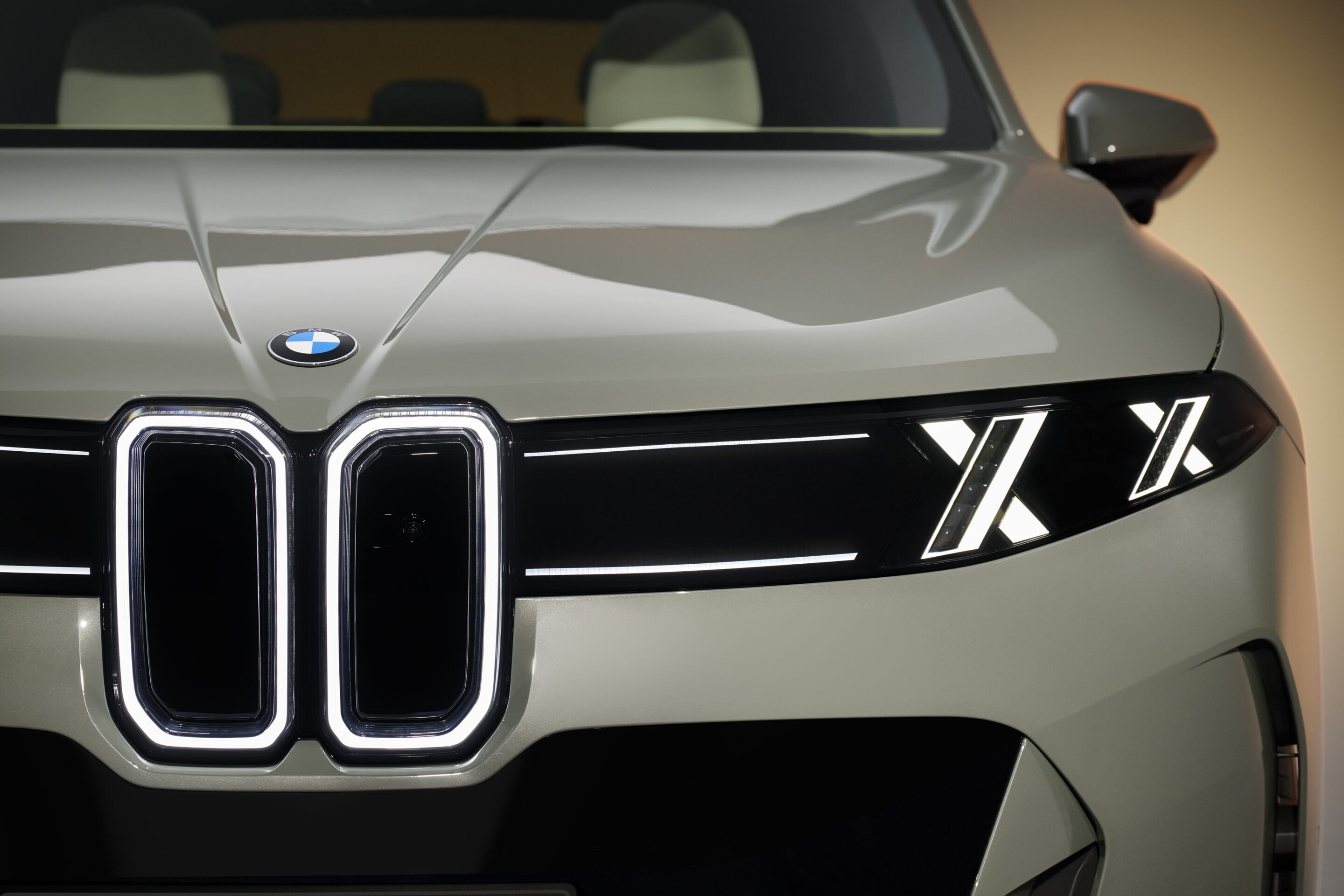
The new fifth-gen X5 has launched in Australia with just two variants – the $145,900 X5 40 xDrive, powered by a 294kW/540Nm turbocharged 3.0-litre inline-six, and the $143,900 X5 40d xDrive with a 3.0-litre turbo-diesel inline six making 230kW and 670Nm.
Two more variants will join the line-up in 2027, starting in the second quarter (April-June) with the arrival of the X5 50e plug-in hybrid. Powered by 3.0-litre inline six and assisted by an integrated electric motor combining for 360kW and 700Nm, the 50e can run the dash from 0-100kmh in 5.0 seconds. EV-only range is a claimed 102km, based on WLTP testing protocols.
1
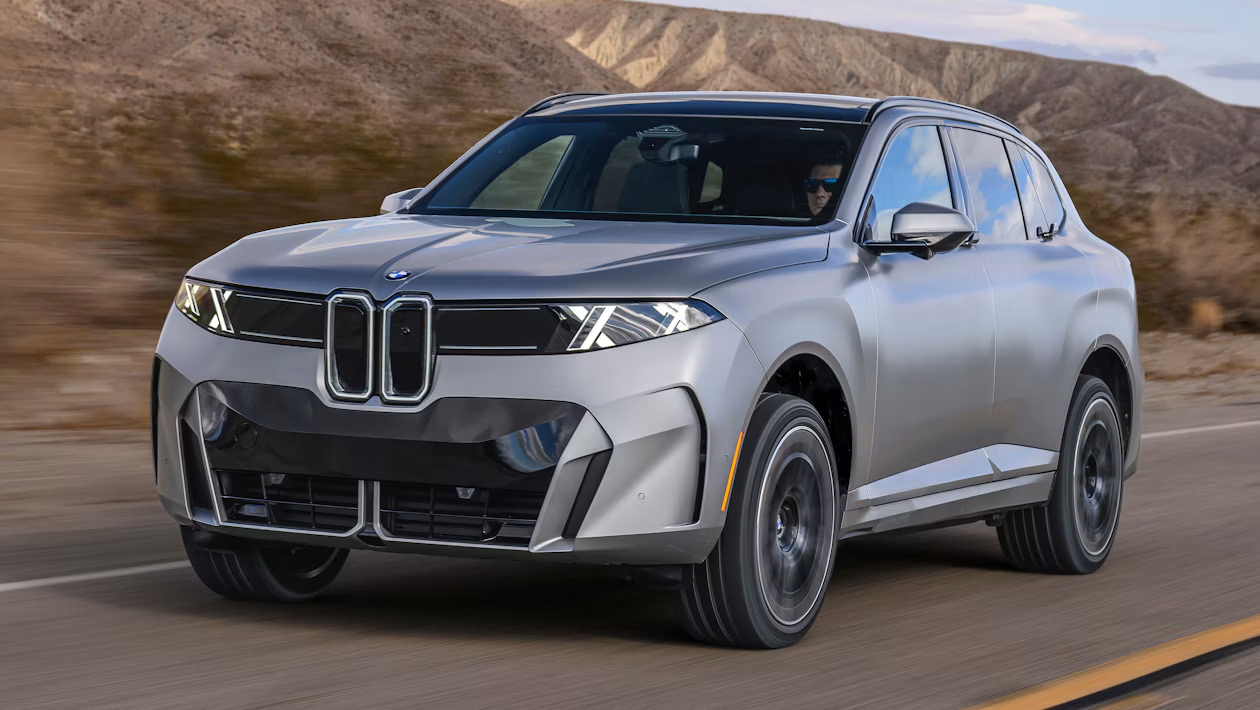
The iX5 battery electric (above) will land in the middle of 2027 and uses two electric motors for combined outputs of 425kW and 805Nm, a 141kWh battery delivering up to 845km of driving range, and promises a 0-100km/h time of 4.6 seconds.
BMW Australia wouldn’t be drawn on expected sales splits across the range, or if the impact of higher diesel prices could see sales of the X5’s most popular variant take a hit, stating only that “we want customers to be able to choose the powertrain that best suits how they use their X5 without compromising on the performance, luxury or versatility that defines the model”.
Follow WhichCar/Wheels on Google
Click the button below to make WhichCar by Wheels a preferred source for your news.

We recommend
-
 Reviews
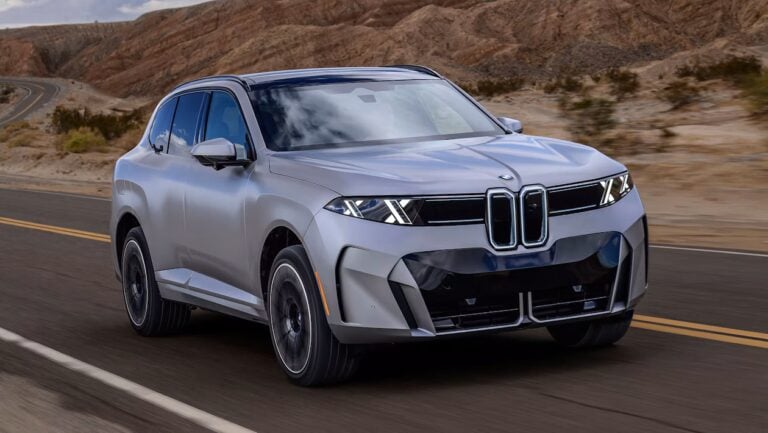
BMW iX5 review: Huge battery, huge on-road ability and great driver tech elevate all-electric SUV
Our mates at AutoExpress were mightily impressed with the BMW iX5, which packs all the space of a big SUV with the road manners of a car far smaller.
-
 News
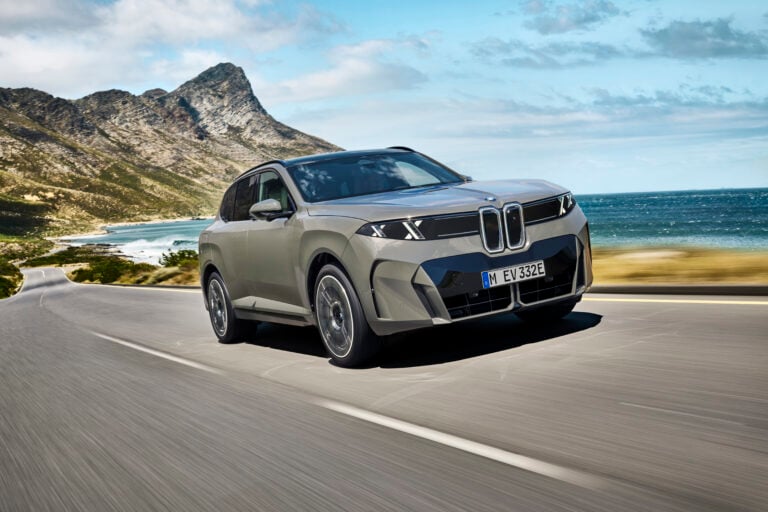
BMW unveils Aussie specs and pricing for the X5 SUV as the fifth generation gets a radical new look and mild-hybrid tech
The fifth generation of the BMW X5 has been given an extensive facelift that applies to far more than just the exterior.
-
 Reviews
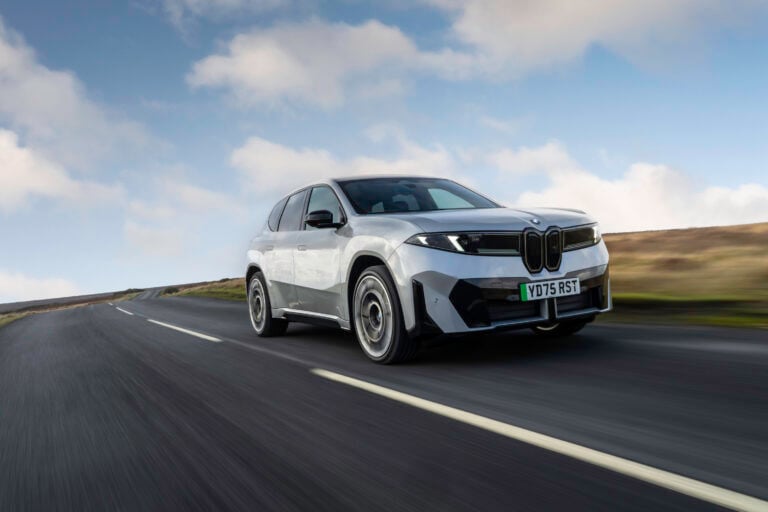
BMW iX3 review: The new benchmark
The first of BMW’s much-hyped Neue Klasse vehicles has arrived in Australia, instantly reshaping the conversation around what an electric vehicle can be.
