Reviews

Gallery 1
8.5
/10
Score
Score breakdown
8.3
Safety, value and features
8.5
Comfort and space
8.8
Engine and gearbox
8.1
Ride and handling
8.7
Technology
Things we like
- Decent performance and dynamics
- Next-level EV technology
- Handsome design
Not so much
- Ride comfort can be a little brittle
- A lot to master in terms of in-car tech
- No spare wheel
It’s arguably BMW’s most important car in decades, a bold reimagining not just of electric vehicles, but the brand itself.
The iX3 medium SUV is the first BMW under its reborn Neue Klasse (New Class) philosophy, previously seen in the early 1960s and considered the financial saviour of the then-struggling German brand.
3
BMW doesn’t need saving today. Instead, the 21st century Neue Klasse signifies a ground-up rethink of the brand’s electric future. It’s the first step in an onslaught that will see BMW release 40 all-new or updated models over the next two years.
How much is the BMW iX3?
Getting the ball rolling, BMW’s newest electric SUV arrives in Australia with two highly-specified variants – the entry-level iX3 40 ($89,900) and the $109,900 iX3 50 xDrive, which serves as flagship of the range for the time being with a sportier M-badged version likely to follow.
The differences between the two available models come down to powertrain, with both generously equipped with features and creature comforts befitting the BMW badge.
4
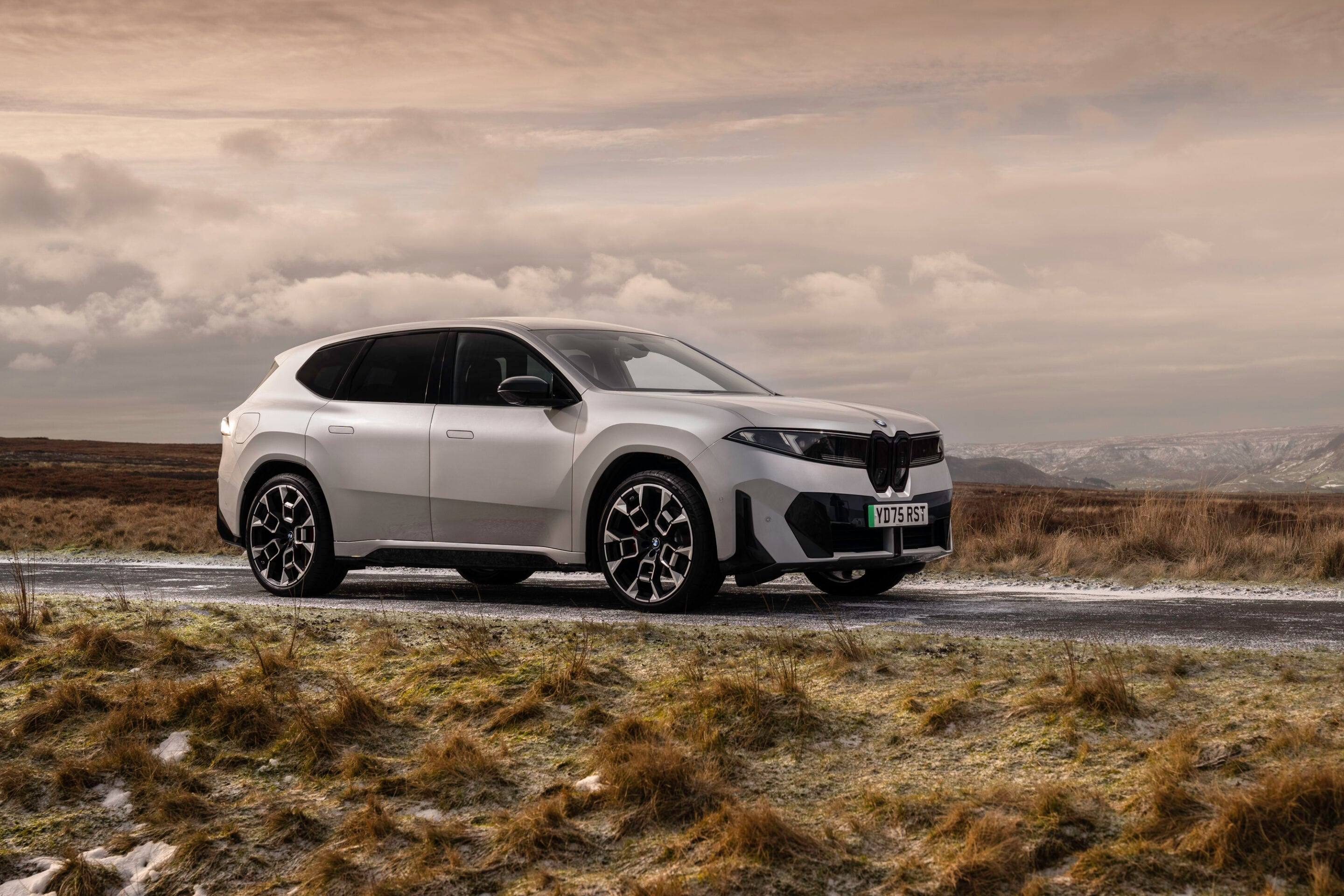
Headline acts include artificial leather seat upholstery, heated front seats and steering wheel, 20-inch alloys, panoramic sunroof, Harman Kardon sound system, powered tailgate and the stunning and new Panoramic Vision driver display that projects a wealth of driving and other data across the width of the iX3 windscreen.
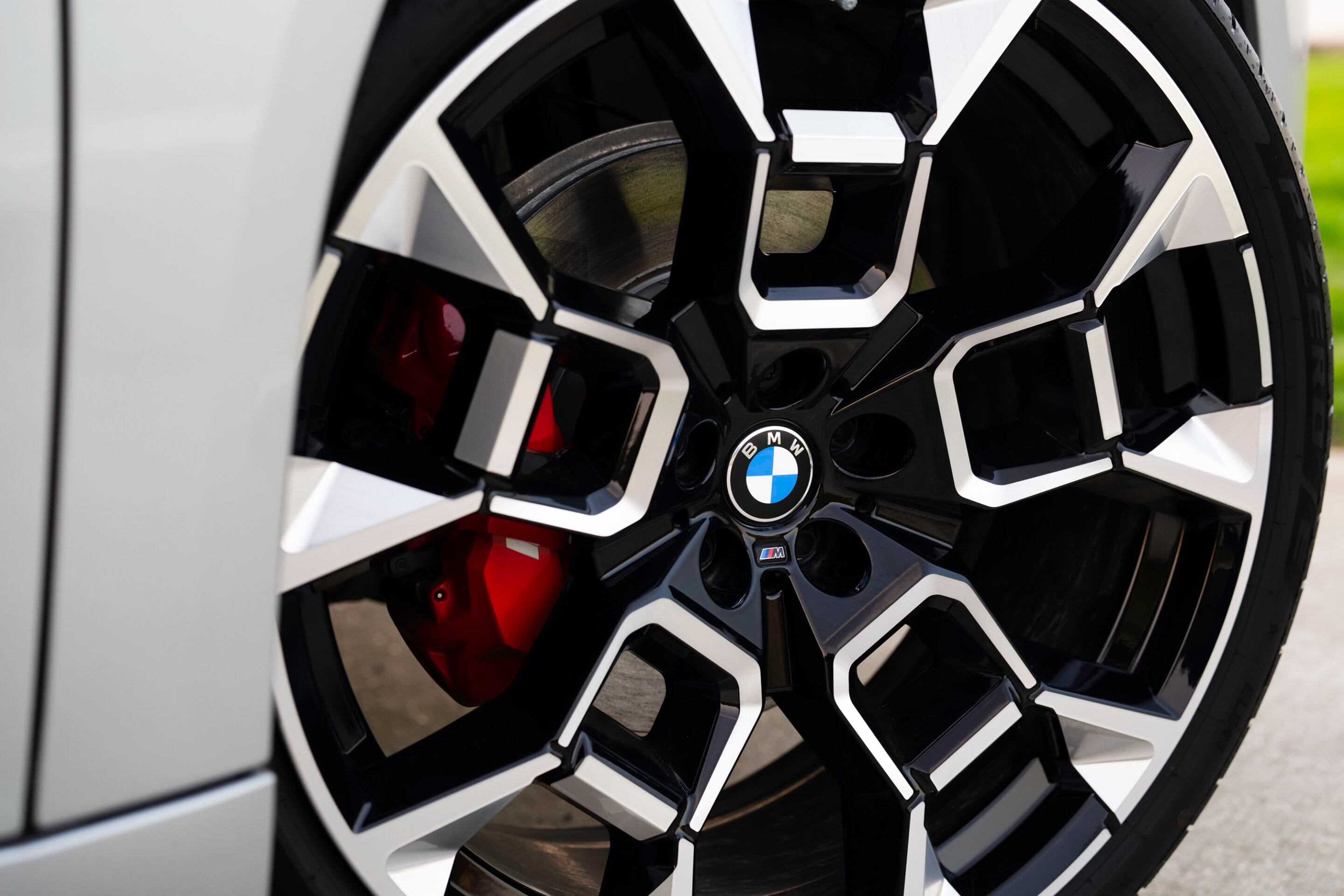
Underscoring how comprehensively the iX3 is equipped, there are precious few options to be had, the choices largely down to wheel size (21s and 22s are available), paint colour, genuine leather seat upholstery and the M Sport Pro pack that adds a smattering of M-inspired and branded design elements.
What is the driving range of the BMW iX3?
It’s the iX3’s hardware that is the real star of the show. BMW didn’t have the entry-level iX3 40 on hand at launch but its headline numbers make for good reading. An 82.6kWh battery powers a single 235kW/500Nm electric motor at the rear wheels for a spirited 0-100km/h claim of 5.9 seconds. Driving range is rated at 635km based on WLTP testing protocols.
3
But it’s the erstwhile flagship iX3 50 xDrive that really showcases BMW’s new electric direction. A bigger 108.7kWh battery offers a claimed 805km of range, a stunning number considering just a few years ago 450-500km was considered pretty good, and anything over 500km exceptional.
Motivation comes from two electric motors, one at each axle, for combined system outputs of 345kW and 645Nm. Zero to 100km/h? A very brisk 4.9 seconds.
The iX3’s 800-volt electric architecture ensures the mid-sizer is capable of superfast DC charging at 400kW, even if their availability in Australia is non-existent, for now. So expect charge times slower than the 21 minutes quoted for 10-80 per cent at 400kW. AC charging maxes out at a decent 22kW and will take just under six hours to replenish the battery from 0-100 per cent.
Is there anything interesting about the BMW iX3’s design?
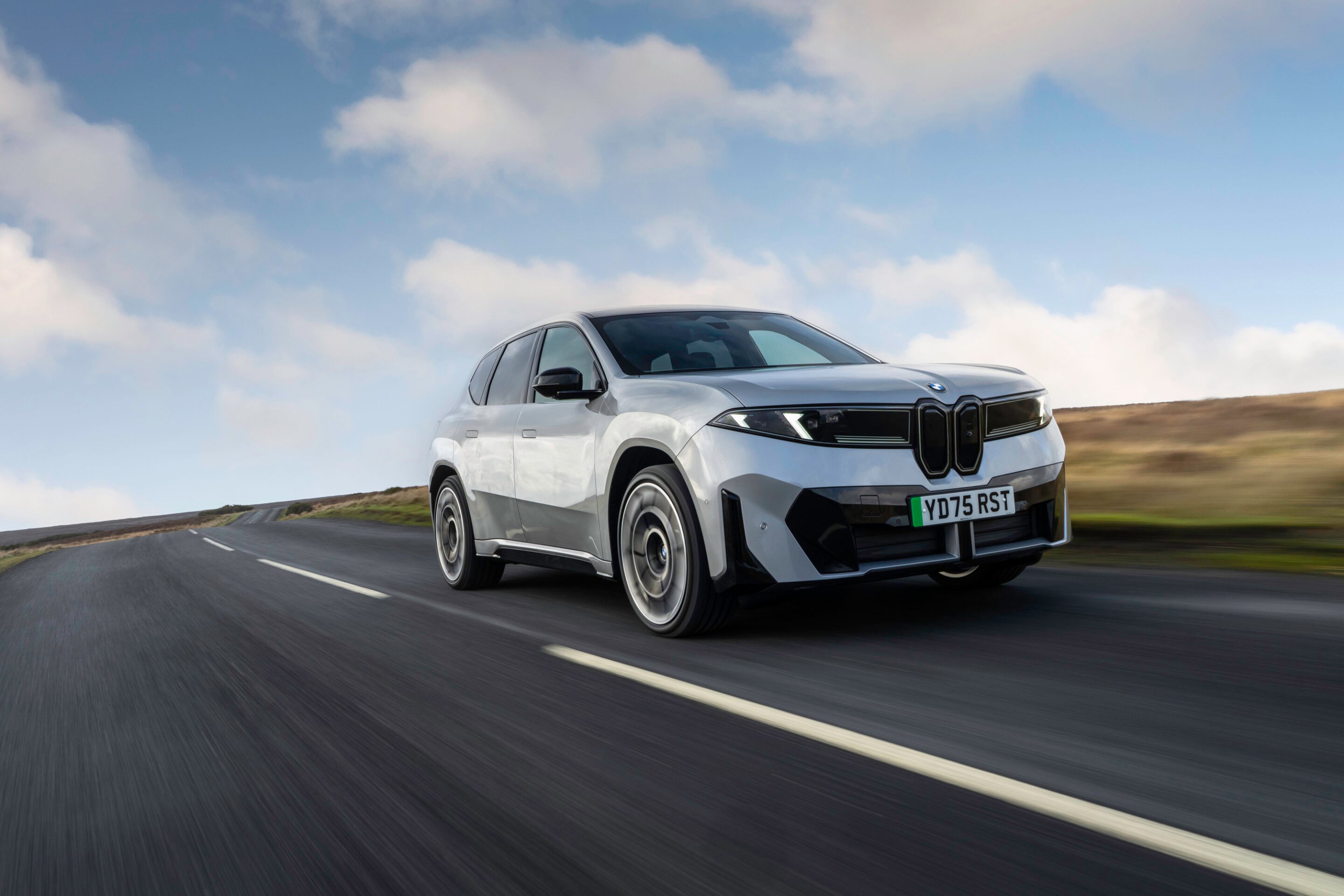
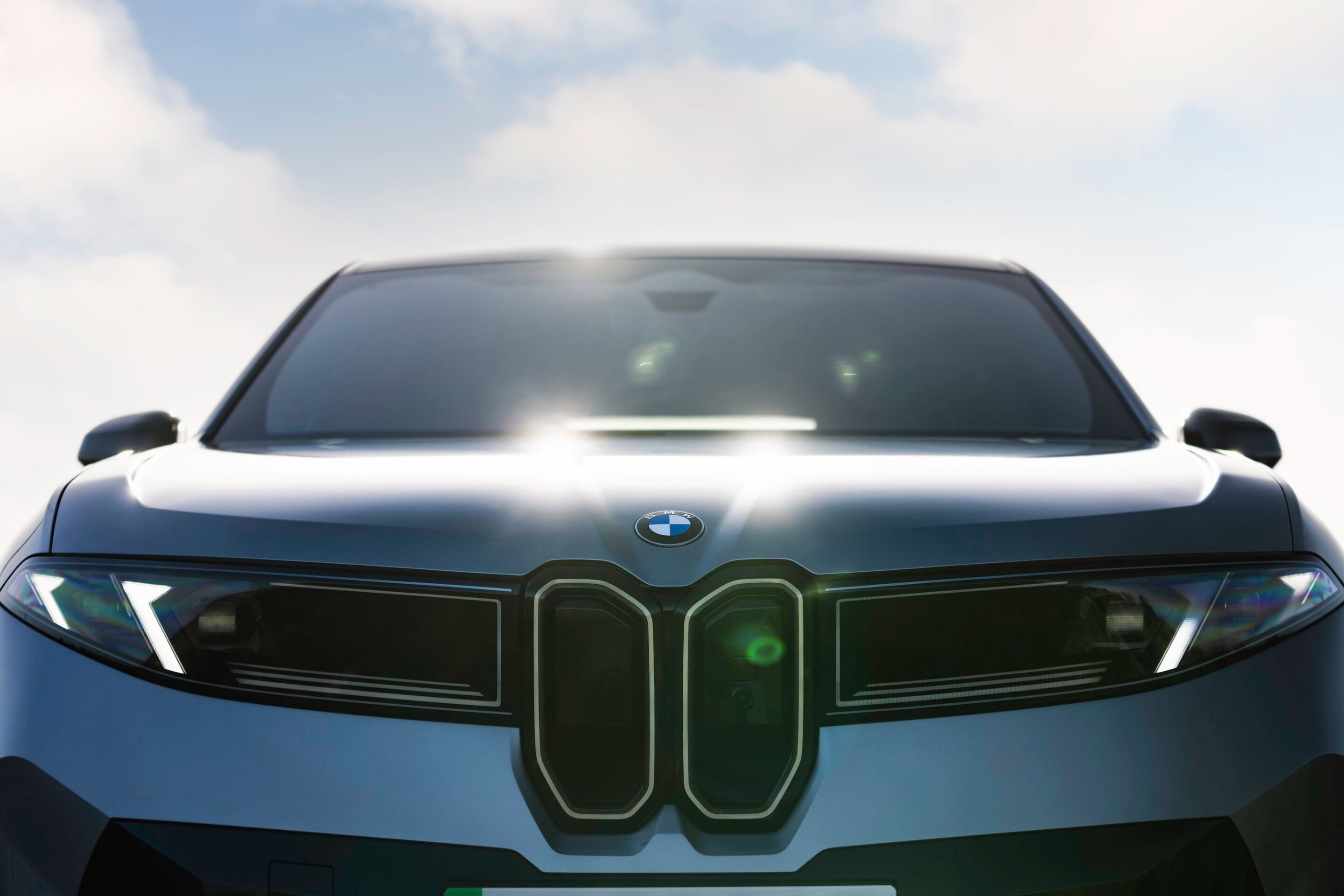
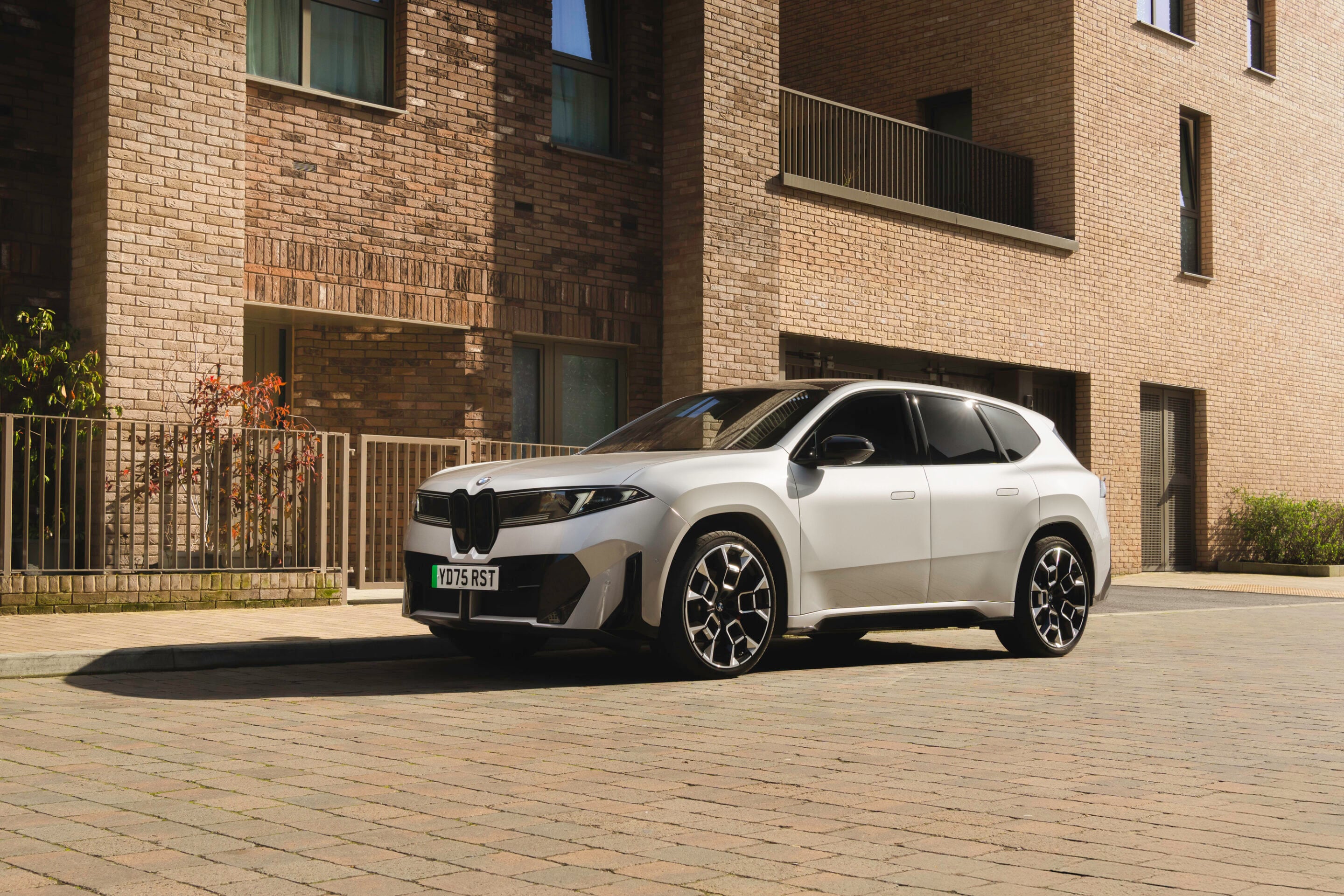
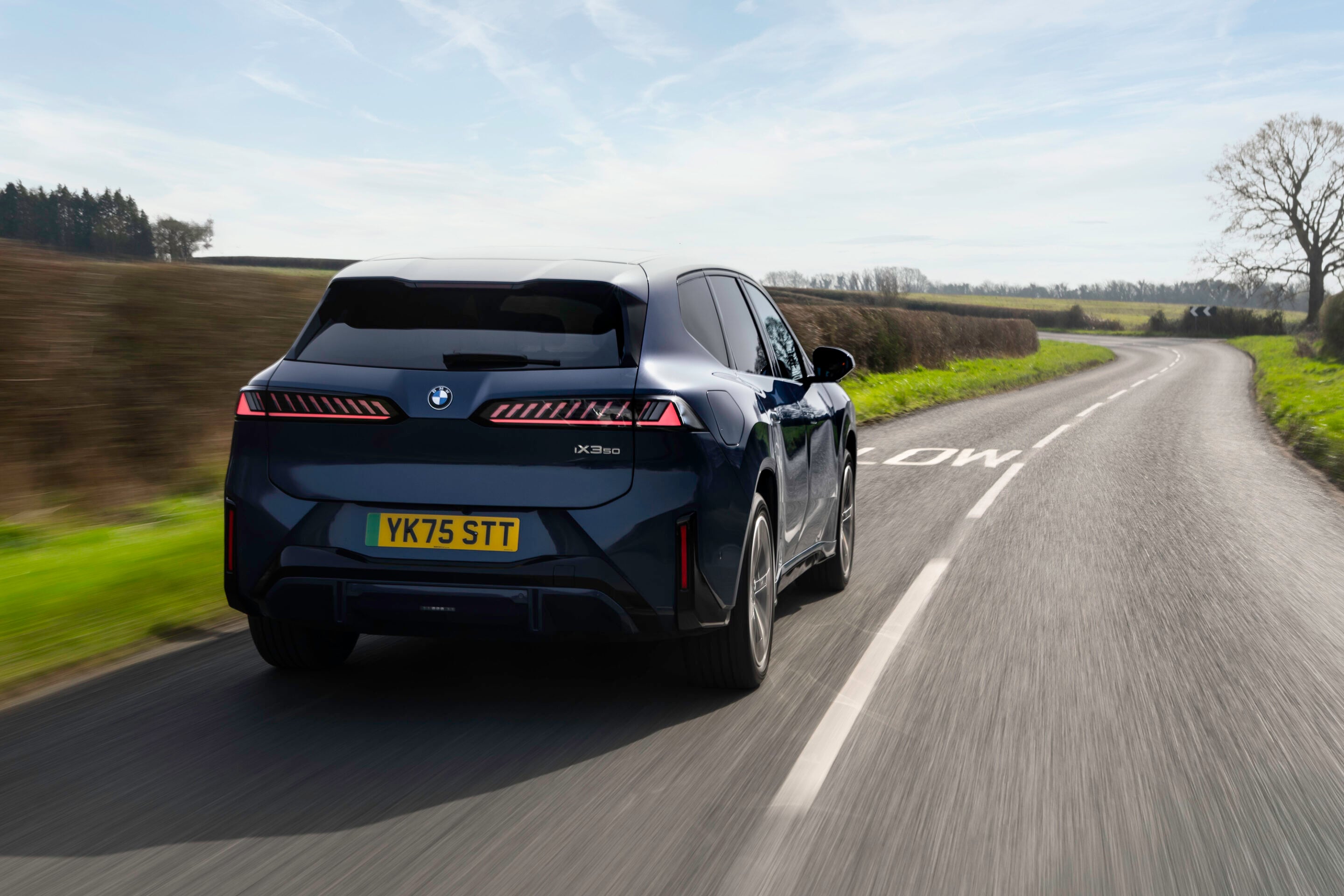
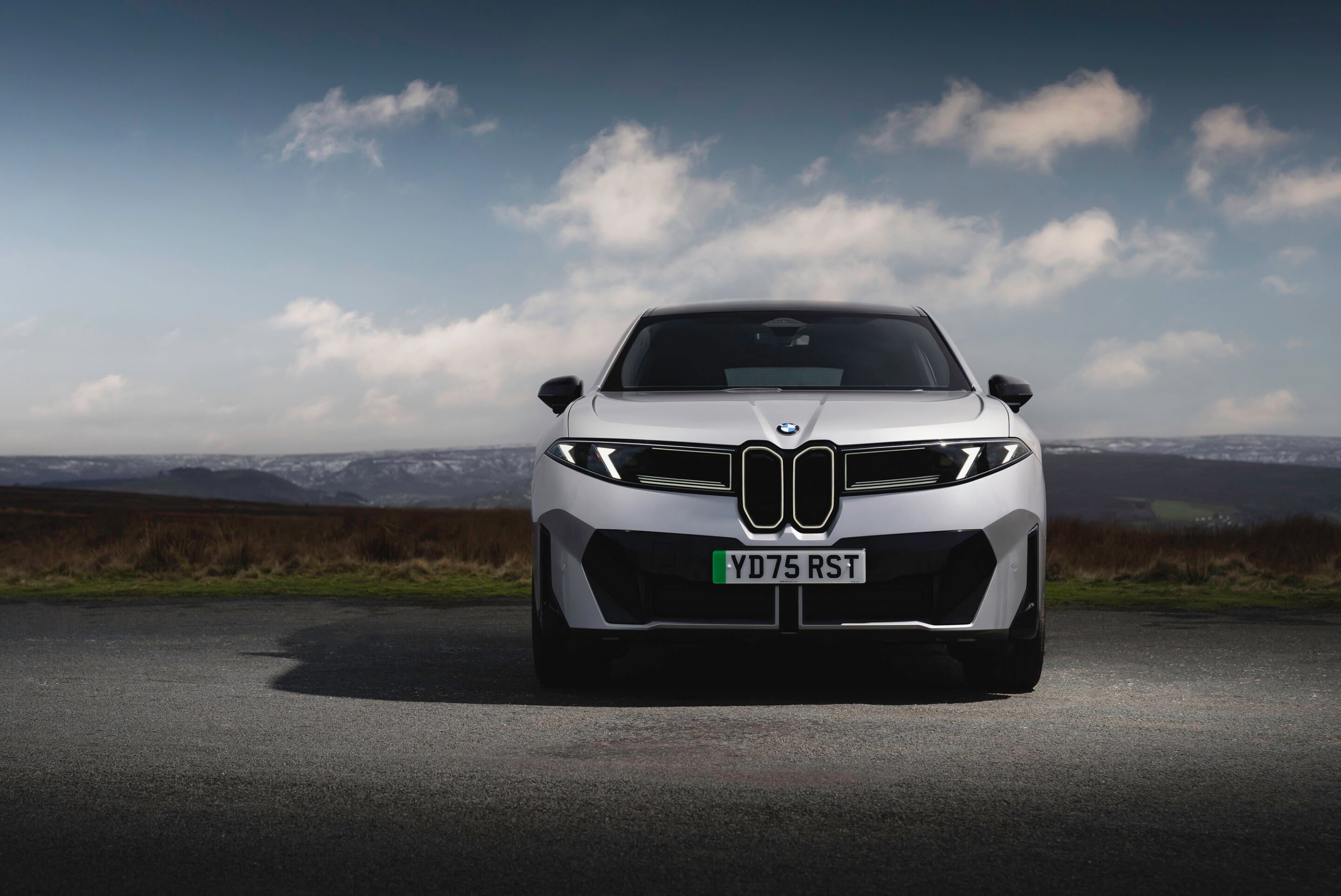
BMW’s bold new design language is on full display in the iX3, and to good effect. It’s distinctive and modern but with more than a passing nod to the original Neue Klasse courtesy of the slim ‘kidney grilles’ on the nose. After years of ‘beaver’ grilles, the iX3’s front marks a return to form for BMW’s design department.
3
Elsewhere, sharp lines and clean surfaces along with flush door handles contribute to a sleek drag coefficient of just 0.24Cd, a remarkable number for a high-riding SUV.
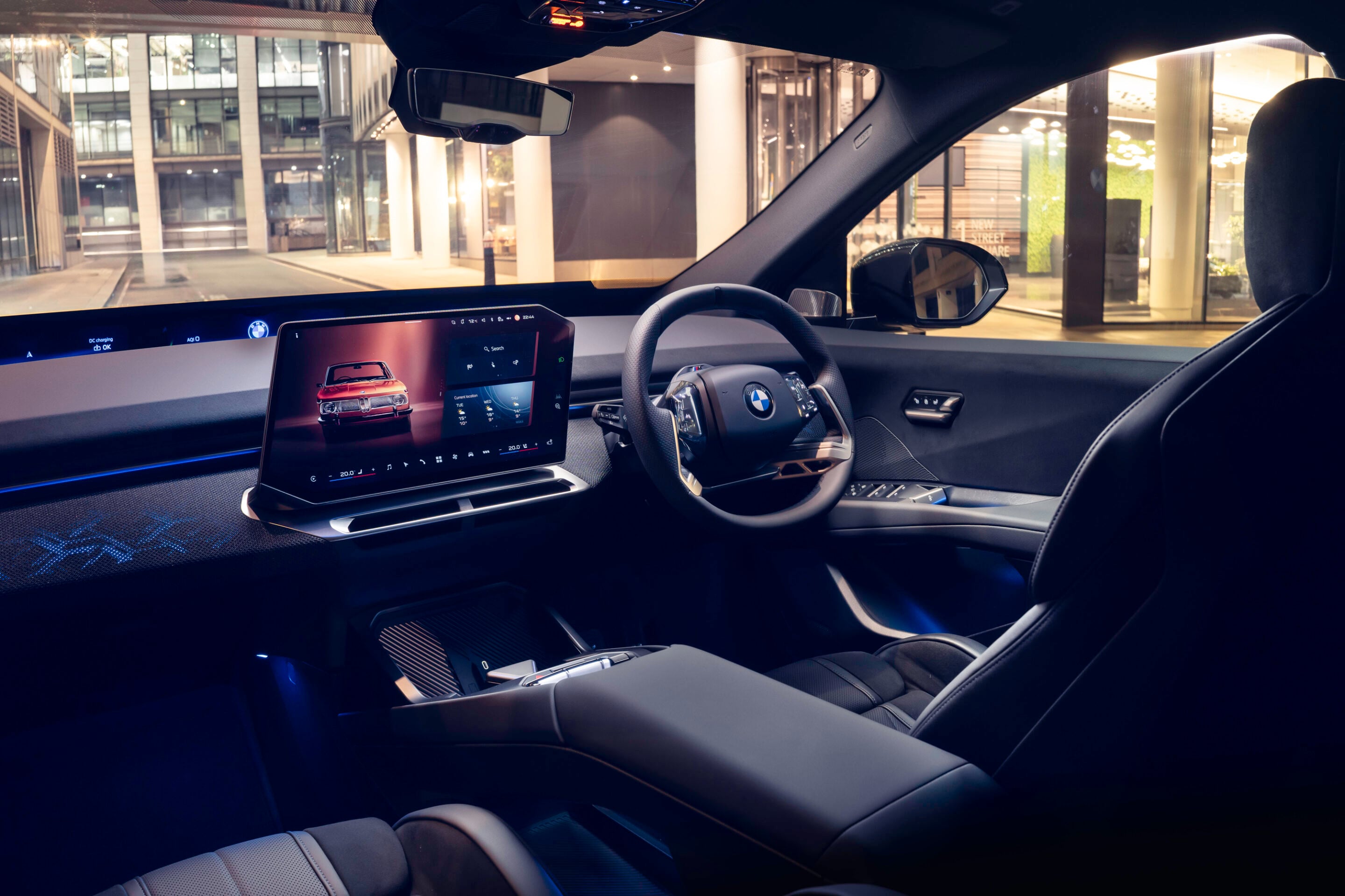
BMW’s reinvention continues inside with new steering wheel designs and a brand new dash incorporating the brand’s new Panoramic Vision driver display. Replacing traditional dials and gauges, the customisable display runs along the width of the windscreens’ base, projecting vital driving data on the driver’s side like speed, range, and the battery’s state of charge. The central and passenger sections can then be customised to offer a smorgasbord of other data including navigation and trip information. It looks a million bucks, but better still is easy to customise while its vital information remains easily within the line of sight.
A crisp 17.8-inch touchscreen hosts the iX3’s vital functions and the usual array of smartphone integration. The complexity of the setup is a little bewildering at first but gets easier with familiarity.
4
Second-row comfort is generous with a flat floor and a seat height that promotes good vision to the outside world and a comfortable seating position. A generous 520-litre cargo area expands to 1750 litres with the second row stowed away.
What’s the BMW iX3 like to drive?
BMW’s engineers have ensured the iX3 feels like a BMW to drive. Central to the driving experience is what BMW calls its ‘Heart of Joy’, a centralised super-processor that manages and optimises every element of the iX3’s hardware. Steering, braking, power delivery, vehicle dynamics; all of it sings through the ‘Heart of Joy’ to deliver a connected feeling behind the wheel.
Sure, the iX3’s electric powertrain might not hold the same visceral appeal as a barking inline-six, but neither does it feel like a run-of-the-mill EV to drive.
3
There’s engagement to be found in the iX3 – quiet and serene yes, but engagement nevertheless. Acceleration feels plentiful, and the rear-bias of the xDrive all-wheel drive system imbues the mid-sizer with character. Punching out of corners will induce some manageable tail-wagging, all of it well-controlled by the BMW’s many super-processors.
For all of its computing power, the iX3 still feels properly engaging to drive. There’s no disconnect from what’s happening at the wheels. Instead, a measure of tactility remains pleasingly front-and-centre.
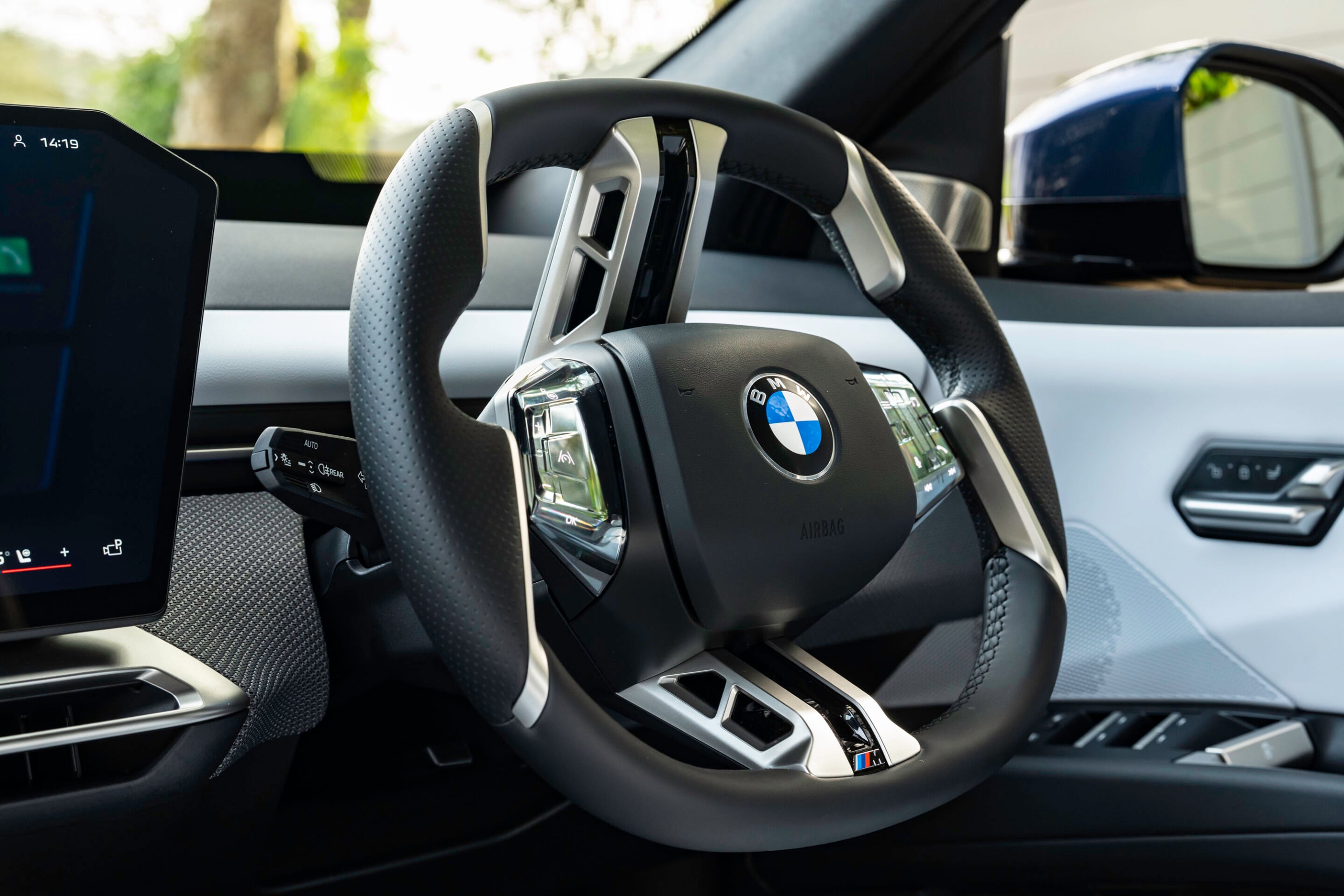
The steering stands out, and not just for BMW’s new steering wheel design, which is a work of art in itself. An electrically-assisted variable-speed rack brings pinpoint accuracy and directness, keenly felt when linking some corners together.
The brakes deserve special mention too. BMW claims that around 98 per cent of braking is taken care of via the iX3’s regenerative system. Yet despite this electric wizardry, brake pedal feel is reassuring, the retardation of speed entirely predictable, which is most noticeable through a series of winding roads and corners.
3
And it’s here where the iX3’s dynamic abilities are put to the test, an examination passed with flying colours. Make no mistake, at 2285kg kerb weight, BMW’s mid-size SUV is no lightweight. But that heft is soon forgotten, countered by a nicely-balanced chassis that remains flat and composed. BMW has opted for a traditional steel coil suspension setup, with fixed dampers that eschew the fancier applications – like air suspension – found in some luxury SUVs. That works to the iX3’s benefit, with a feeling of solidity and reassurance from behind the wheel that’s hard not to like.
If there’s one complaint, it’s minor. And that’s the naturally firm set of the suspension tune which results in a fussy ride over imperfections and minor road abrasions. It’s not uncomfortable, just noticeable, and at odds with the rest of the iX3’s excellent ride and handling package. The caveat here is that this was most keenly felt on the optional 22-inch rims of our test car. Swapping out to an iX3 with the standard 20-inch wheels and their bigger rubber improved road comfort no end. The bonus here is that smaller wheels equals better economy, BMW estimating by their back-of-the-napkin maths that every inch increase in wheel size equates to five per cent loss in driving range.
6
So how did the iX3 fare on economy? BMW claims between 18.8-15.1kWh/100km on the combined cycle. Our first stint on 22-inch wheels returned an indicated 19kWh/100km while session two on the smaller 20-inch wheels saw 17kWh/100km.
What’s the verdict on the BMW iX3?
BMW has gone all-in with its neue Neue Klasse and first impressions indicate it’s a gamble that has paid off. The iX3 has laid the foundations of the future of the brand and done so in a handsome, engaging and technologically mature manner.
Not only has BMW redefined its own strategy around EVs, it’s laid down new markers for those to follow.
BMW iX3 50 xDrive Specs
| Price | $109,900 plus on-road costs |
|---|---|
| Drivetrain | Two electric motors |
| Battery | 108.7kWh |
| Range | 805km (WLTP, claimed) |
| Peak power | 345kW |
| Peak torque | 645Nm |
| Transmission | Automatic, AWD |
| 0-100km/h | 4.9 seconds |
| Top speed | 210km/h |
| Energy consumption | 18.8-15.1kWh/100km (claimed) |
| Weight | 2285kg (kerb) |
| Dimensions (l/w/h/w-b) | 4782/1895/1635/2897mm |
| Warranty | 5yr/unlimited km (vehicle) |
| Servicing | $1614 (4 years) / $2420 (6 years) |
| On Sale | Now |
8.5
/10
Score
Score breakdown
8.3
Safety, value and features
8.5
Comfort and space
8.8
Engine and gearbox
8.1
Ride and handling
8.7
Technology
Things we like
- Decent performance and dynamics
- Next-level EV technology
- Handsome design
Not so much
- Ride comfort can be a little brittle
- A lot to master in terms of in-car tech
- No spare wheel
Follow WhichCar/Wheels on Google
Click the button below to make WhichCar by Wheels a preferred source for your news.

We recommend
-
 News
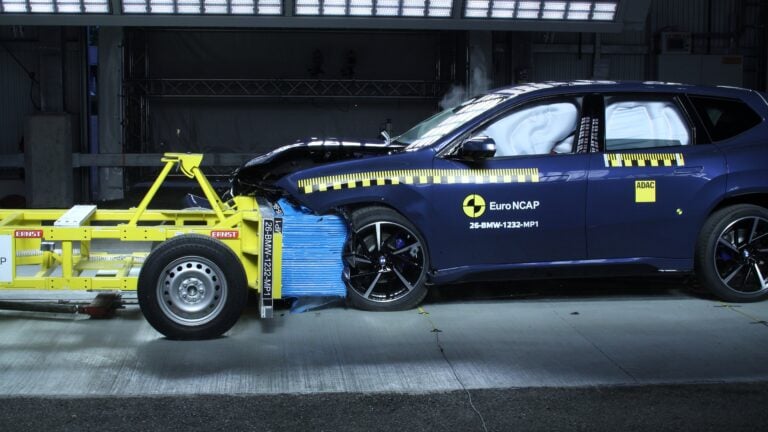
NewsBMW iX3 becomes the first five-star car in tougher ANCAP test
The 2026 BMW iX3 EV has posted a five-star safety rating under the latest version of the ANCAP four-pillar safety assessment program.
-
 News
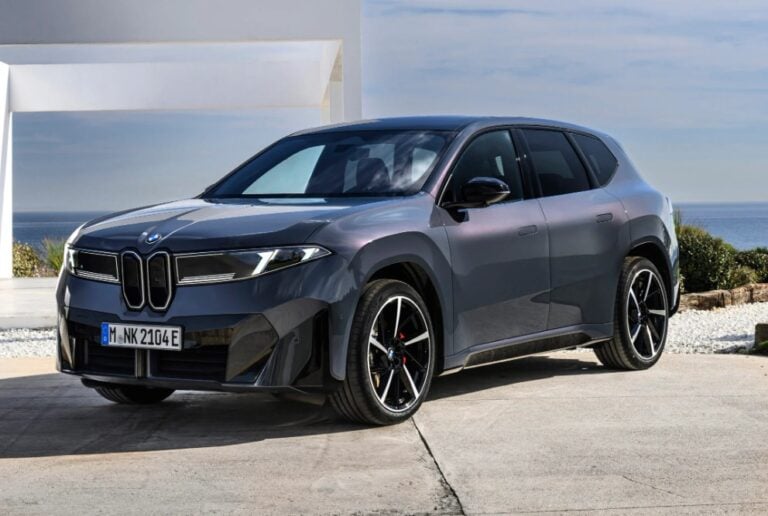
NewsBMW iX3: New entry 40 model added to range
A new entry-level 40 variant completes the BMW iX3 range for now with a $89,900 +ORC price and claimed 635km of range.
-
 News
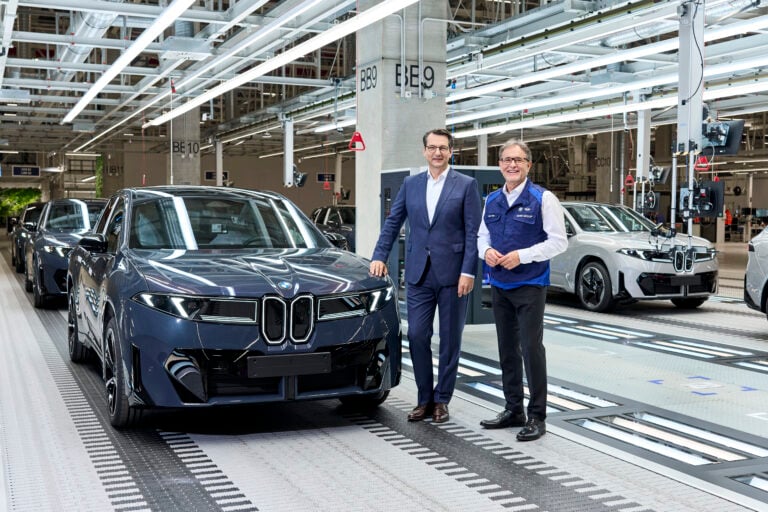
NewsBMW enters final countdown for Neue Klasse production with iX3 lead model
Debrecen plant in Hungary prepares for first all-electric SUV, showcasing BMW’s new iFACTORY concept with fossil-free operations, AI-driven production, and Gen6 battery technology.