News
Gallery 1
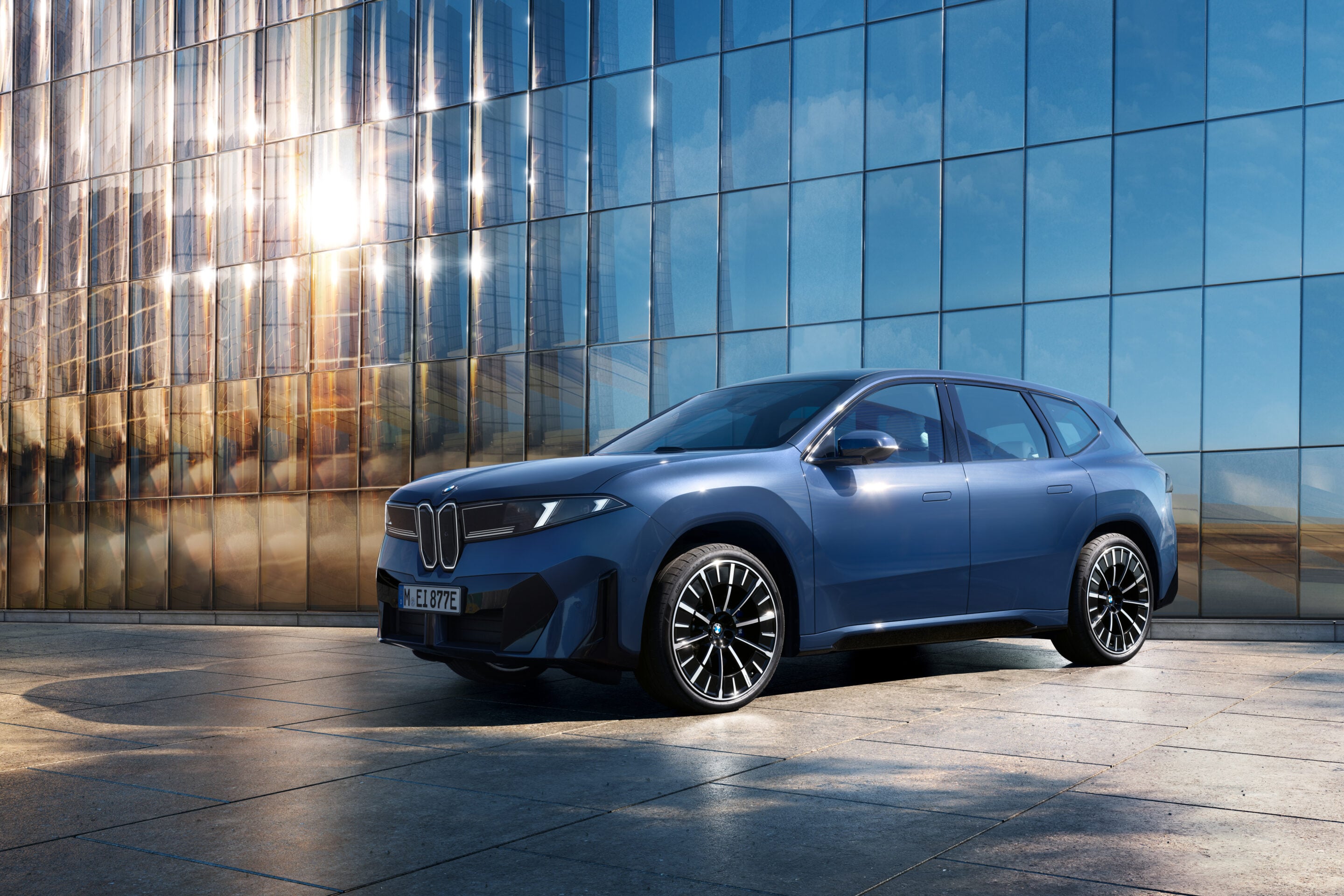
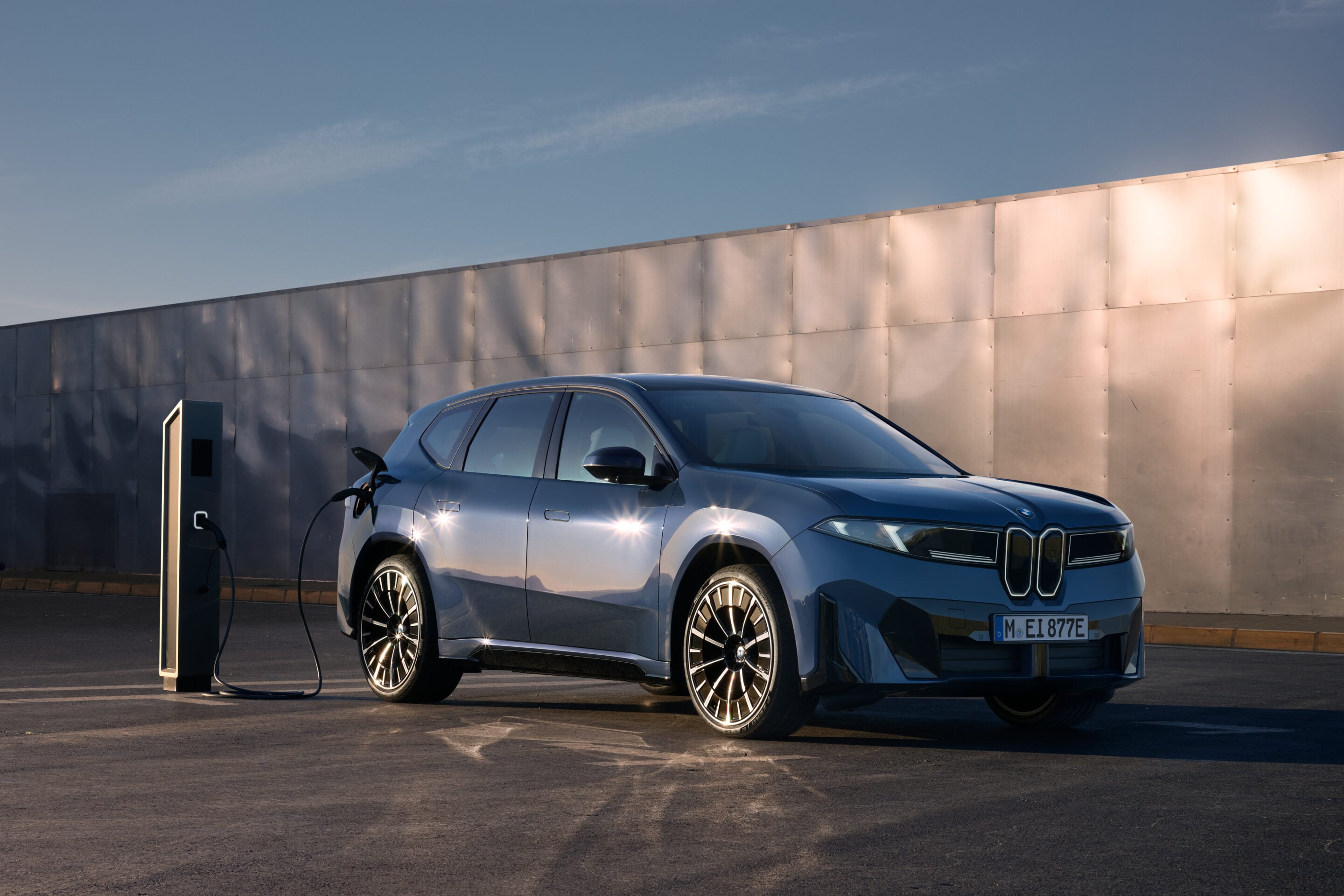
BMW has unveiled the next-generation iX3 at the IAA Mobility show in Munich, the first production model to emerge under its Neue Klasse architecture. The new SUV is designed from the ground up for electric mobility and marks the start of a major technological shift for the brand.
A new chapter for BMW
The “Neue Klasse” name – literally “New Class” – recalls the 1960s BMW sedans that reinvented the brand. This time, the transformation centres on electrification, digitalisation and sustainability. BMW Chairman Oliver Zipse described it as the company’s “biggest future-focused project” and “the launch of a new era.”
Production will begin in Hungary later this year, with Australian-bound vehicles scheduled to roll off the line in early 2026. Local deliveries are expected by mid-year, starting with the iX3 50 xDrive variant.
1
Performance and efficiency
The iX3 50 xDrive employs dual electric motors for all-wheel drive, producing 345kW and 645Nm. It accelerates from 0–100km/h in 4.9 seconds and reaches a top speed of 210km/h. Its new 108kWh cylindrical-cell battery, integrated into an 800V electrical system, provides up to 805km of range (WLTP).
Charging capacity doubles to 400kW, allowing more than 350km of range to be added in just 10 minutes. A 10–80 per cent recharge takes 21 minutes at ultra-rapid stations. Vehicle-to-Load capability is planned for Australia, turning the iX3 into a mobile power source.
BMW claims efficiency improvements of 20 per cent compared to the previous generation, achieved through lighter materials, reduced energy losses and an all-new battery design.
1
1
Digital “superbrains”
The iX3 debuts BMW’s new electronics and software architecture, powered by four high-performance computers dubbed “superbrains.” These units manage driving dynamics, automated driving, infotainment and comfort systems with 20 times the processing power of previous models.
Central to this is the “Heart of Joy” drivetrain controller, which integrates powertrain, braking and energy recuperation. BMW says 98 per cent of braking events can be handled by regeneration alone, minimising wear on physical brakes.
Automated driving functions also advance, with upgraded sensors, AI-based driver interaction and collaborative steering and braking systems.
3
New design language
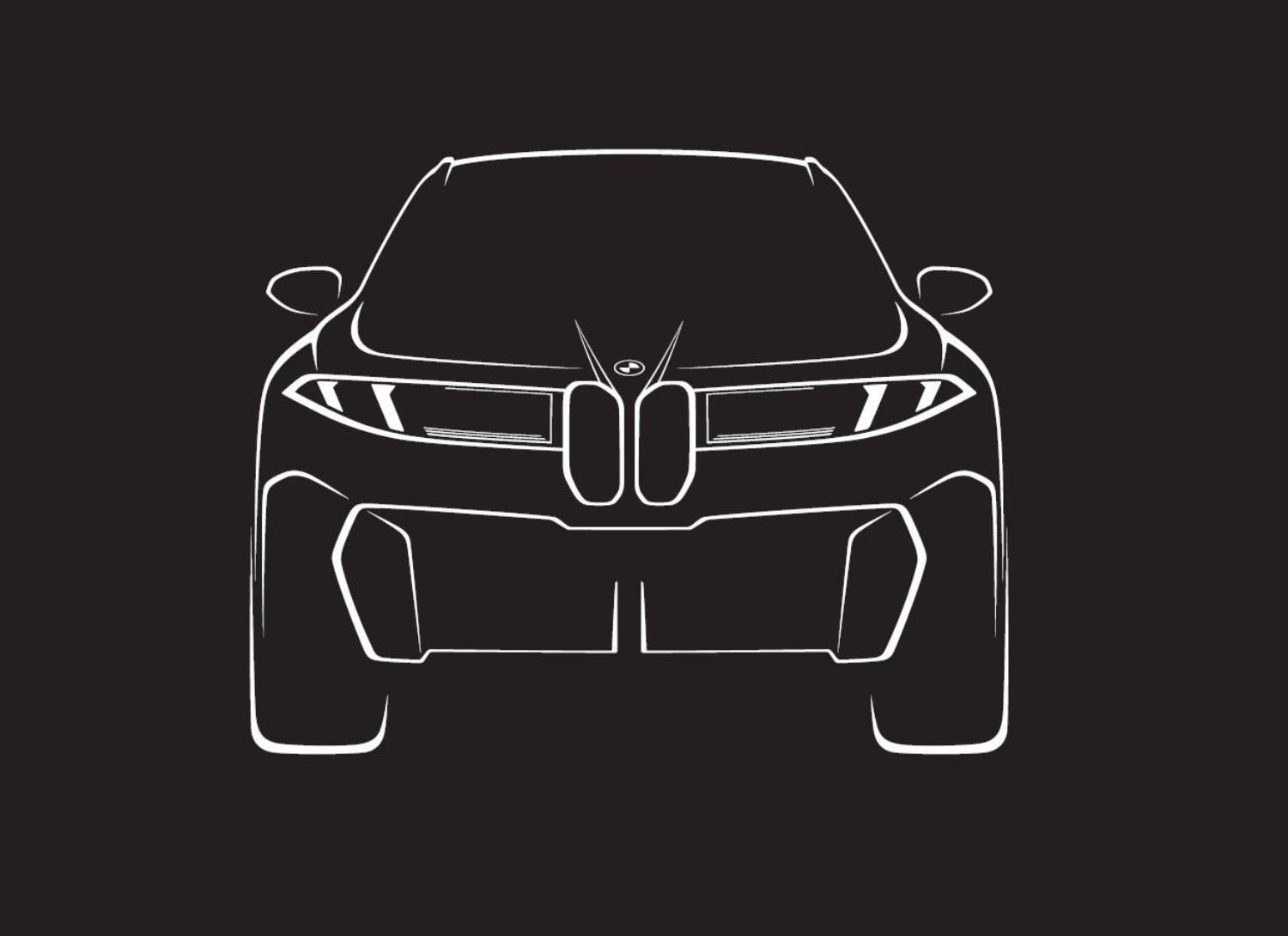
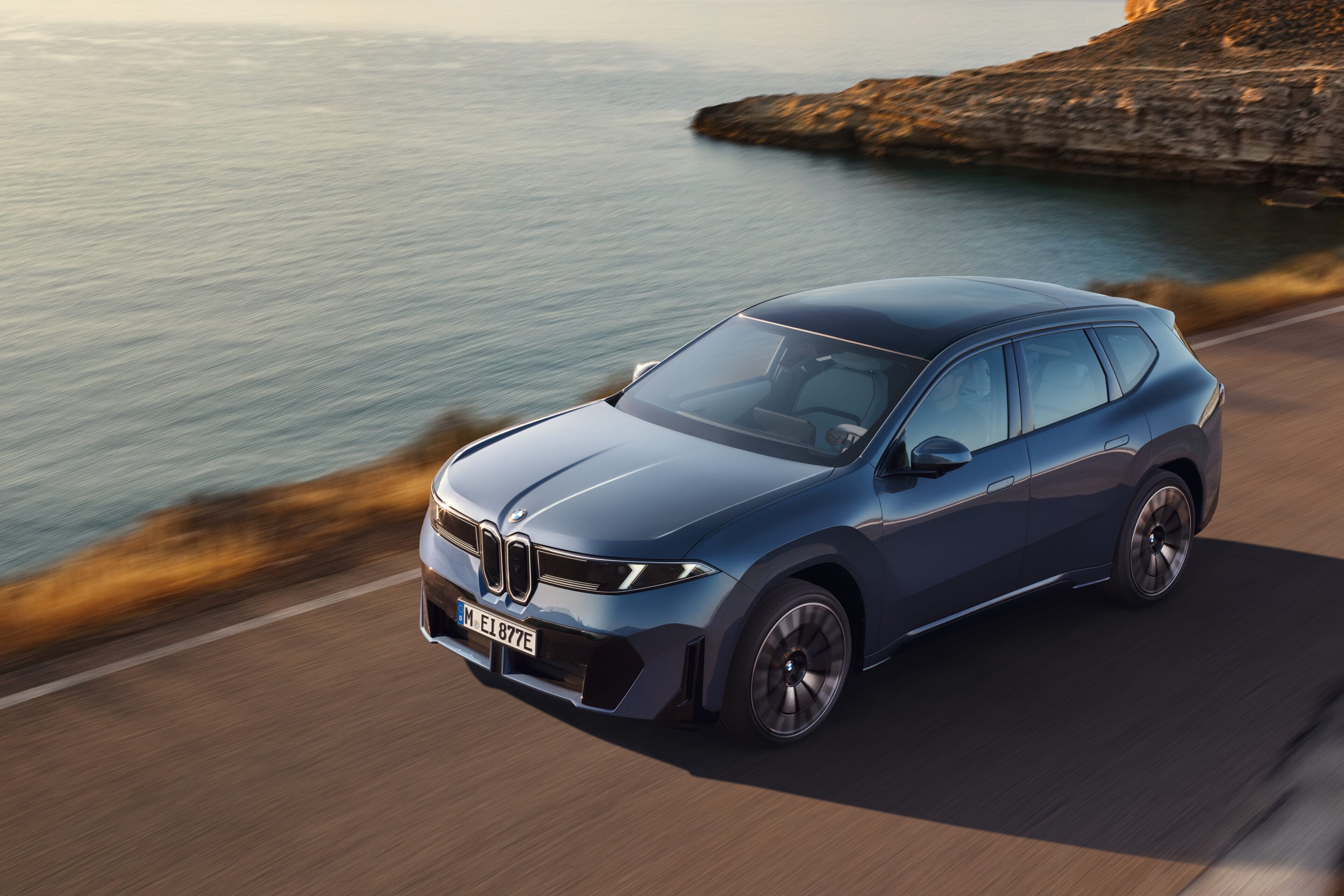
The iX3 launches BMW’s latest design direction, with simplified lines, monolithic surfaces and a strong SUV stance. Highlights include vertically stacked LED headlights, illuminated kidney grilles and a low drag coefficient of 0.24.
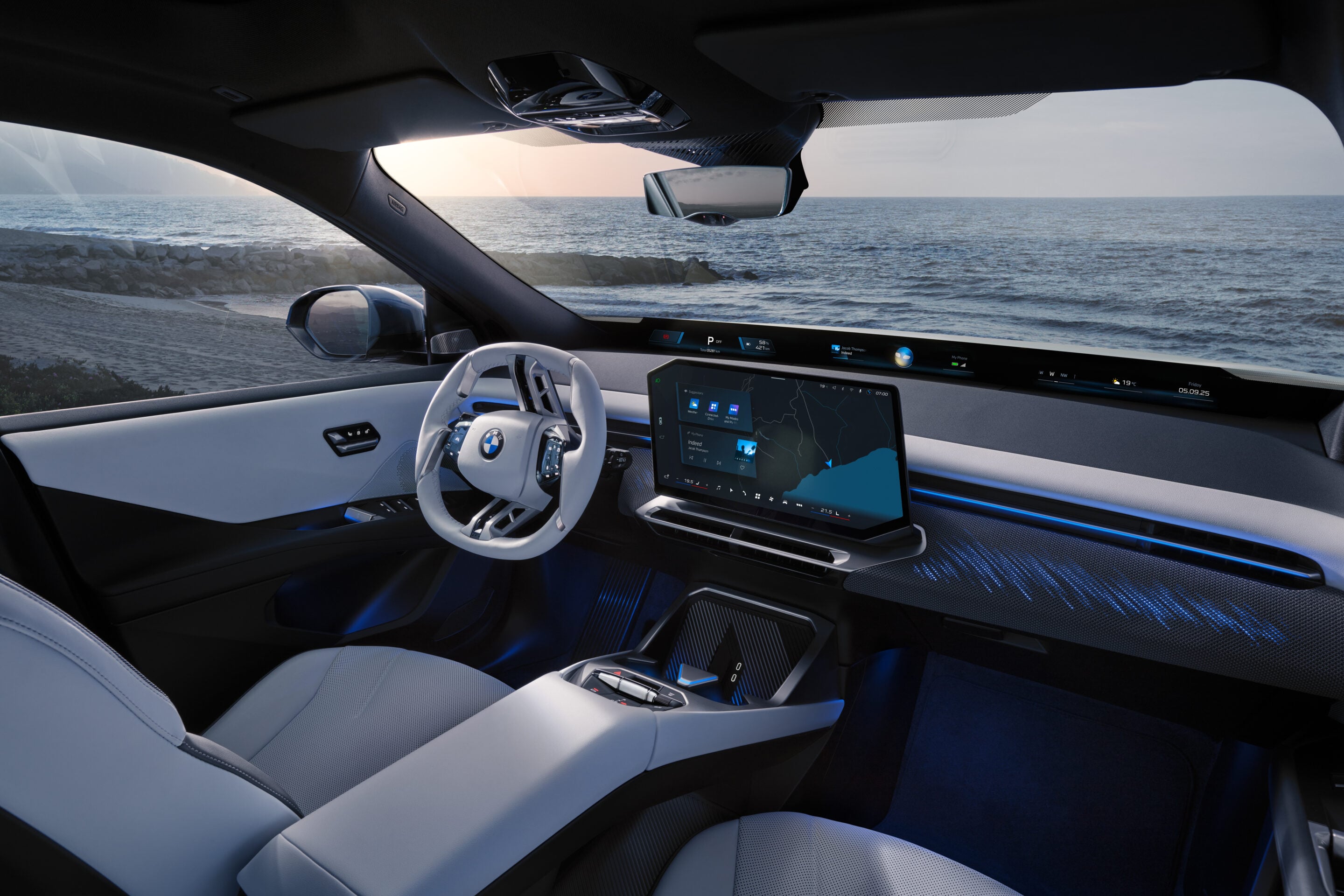
Inside, the cabin adopts a wraparound cockpit and the new BMW Panoramic iDrive operating system. Information is projected across the windscreen via Panoramic Vision, paired with a 3D head-up display and a 17.9-inch central screen. Physical controls return for core functions such as volume, climate and indicators, addressing criticism of earlier ID models.
Sustainability focus
BMW says circularity was a priority, with one-third of materials sourced from recycled content. The new battery cells cut lifecycle carbon emissions by 42 per cent, while production at the Debrecen plant uses only renewable energy. Overall, the iX3’s lifetime carbon footprint is 34 per cent lower than its predecessor’s.
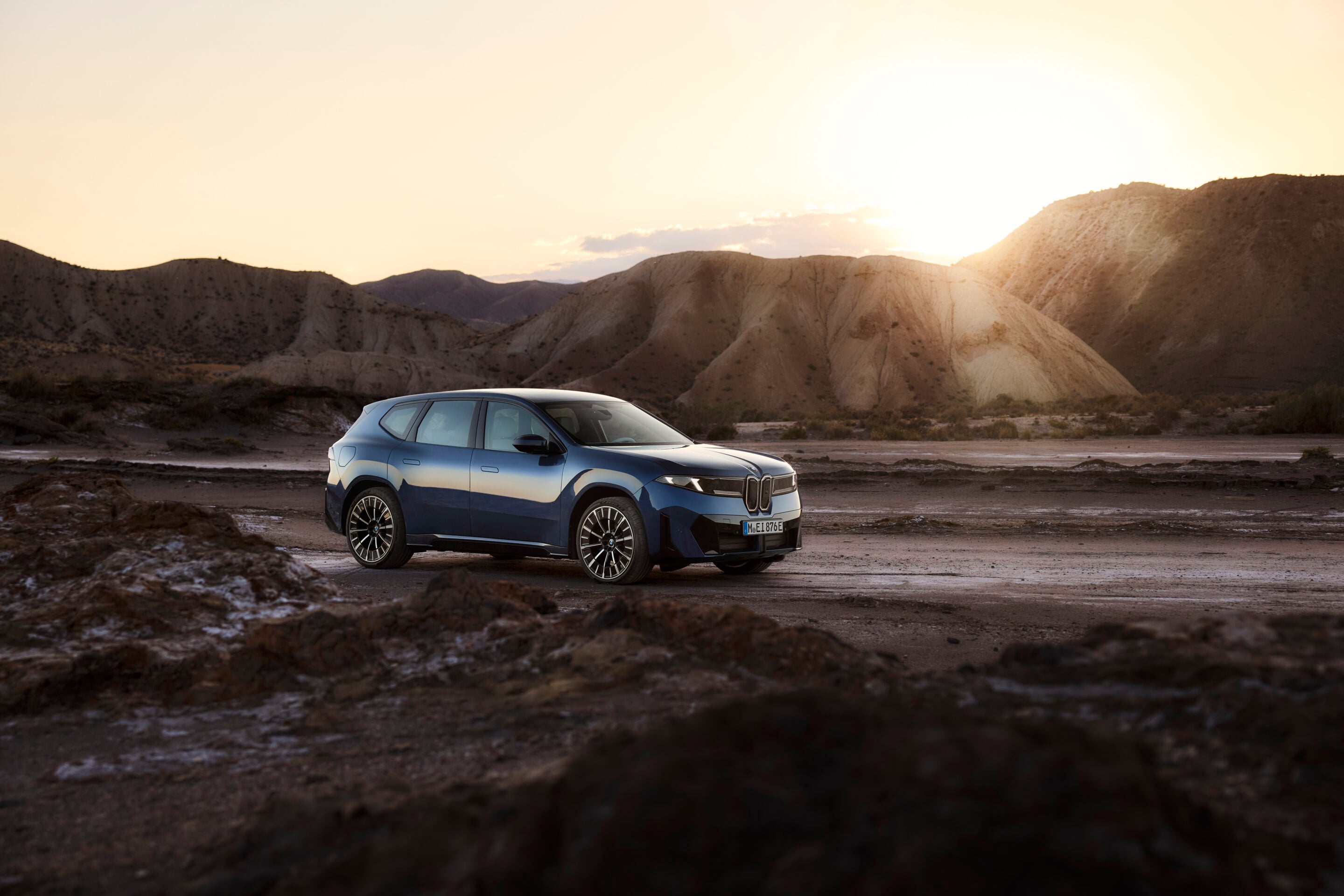
2
Australian outlook
The iX3 50 xDrive will spearhead the line-up locally, with further variants to follow. Pricing and full specifications for Australia will be confirmed closer to its 2026 launch, but BMW positions the model as more than a successor to today’s iX3 – it is, the company says, the foundation for its future.
Follow WhichCar/Wheels on Google
Click the button below to make WhichCar by Wheels a preferred source for your news.

We recommend
-
 Reviews
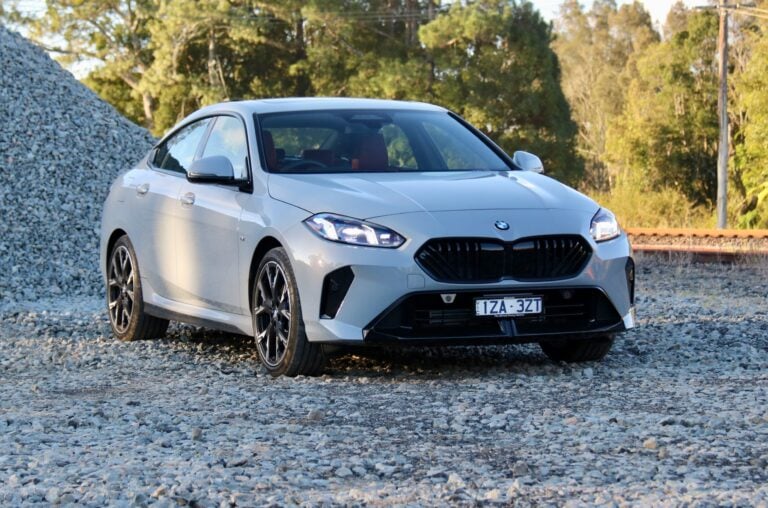
2025 BMW 218 Gran Coupe review: Entry-level sedan in a premium package
With M Sport styling as standard and a sub-$65K price, the well finished BMW 218 Gran Coupe is an attractive option for those still interested in a sporty sedan.
-
 Reviews
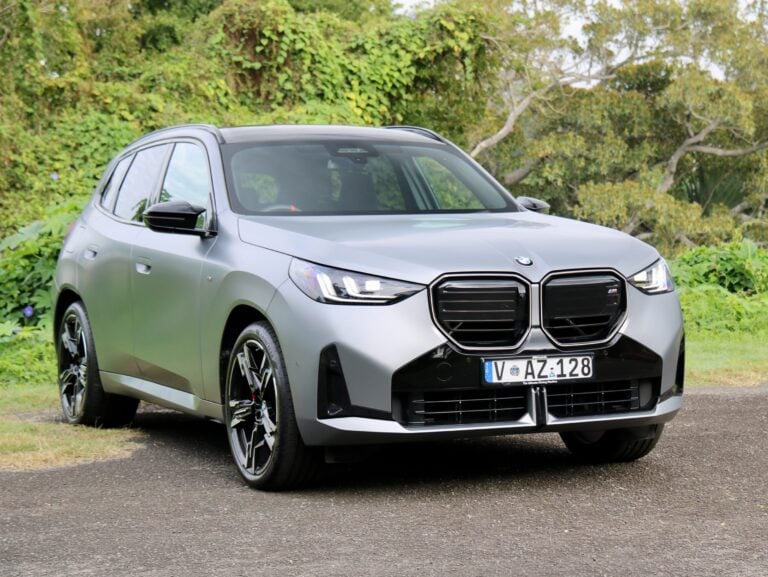
BMW X3 M50: Wheels verdict on the high performance mid-size SUV
The BMW X3 M50 drives with a balance and tautness that recalls the brand’s best products.