News
Gallery 1
Australians are just days away from entering 2026, and drivers across the country are being warned to brace for another wave of significant road rule changes. After a year that saw lower speed limits, sharper penalties and the rollout of AI-powered enforcement, more reforms are locked in for the year ahead as governments respond to stubbornly high road tolls.
In a report by Yahoo News Australia on the changes, it’s clear most are aimed squarely at improving safety, but motorists who fail to keep up could be hit with hefty fines. Sydney-based lawyer Avinash Singh told the publication that many drivers are unaware of how extensive the reforms already are – and how much more is coming.
Victoria is preparing for a major overhaul of how fine defaulters are penalised. From July 1, 2026, new Fines Reform and Infringements Regulations will change how quickly penalties escalate and how payments are enforced. The state has also expanded its 40km/h passing rule, which now applies not only to emergency vehicles but also to roadside assistance workers, a change that took effect in 2025.
1
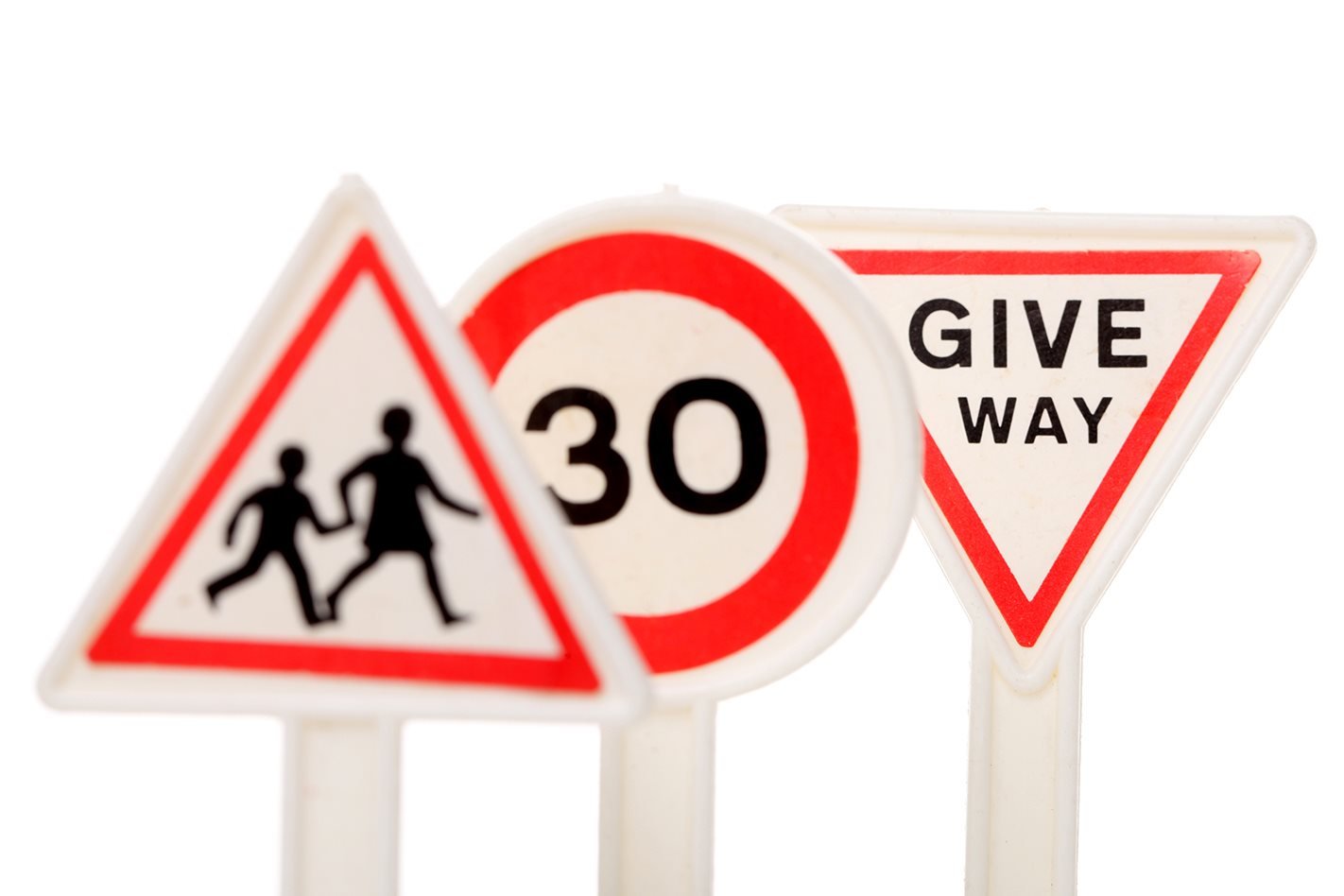
In New South Wales, novice motorbike riders are set to face tougher requirements under changes to the Motorcycle Graduated Licensing Scheme. Expected to take effect mid-2026, the reforms would mandate protective gloves and high-visibility vests in addition to helmets. NSW is also reviewing school zone and high pedestrian area speed limits, with a proposal before Parliament to allow 30km/h limits in more locations.
Queensland is among the states continuing to lower speed limits in busy urban areas. Several locations have already seen limits drop from 50km/h to 40km/h under existing regulations, with authorities pointing to reduced crash rates. Areas such as the Hervey Bay Esplanade and parts of the Cairns CBD are already affected, and further reductions are expected across the state in 2026, particularly in high-traffic and pedestrian-heavy zones.
Tasmania is entering the final year of its Towards Zero Road Safety Strategy (2017–2026), with the state currently off track to meet its target of fewer than 200 serious injuries and deaths annually. In response, enforcement campaigns are being ramped up and a new Speed Management Strategy is set to be introduced. This could see lower posted speed limits rolled out in high-risk areas from early 2026, including potential moves to reduce school zones from 40km/h to 30km/h.
1
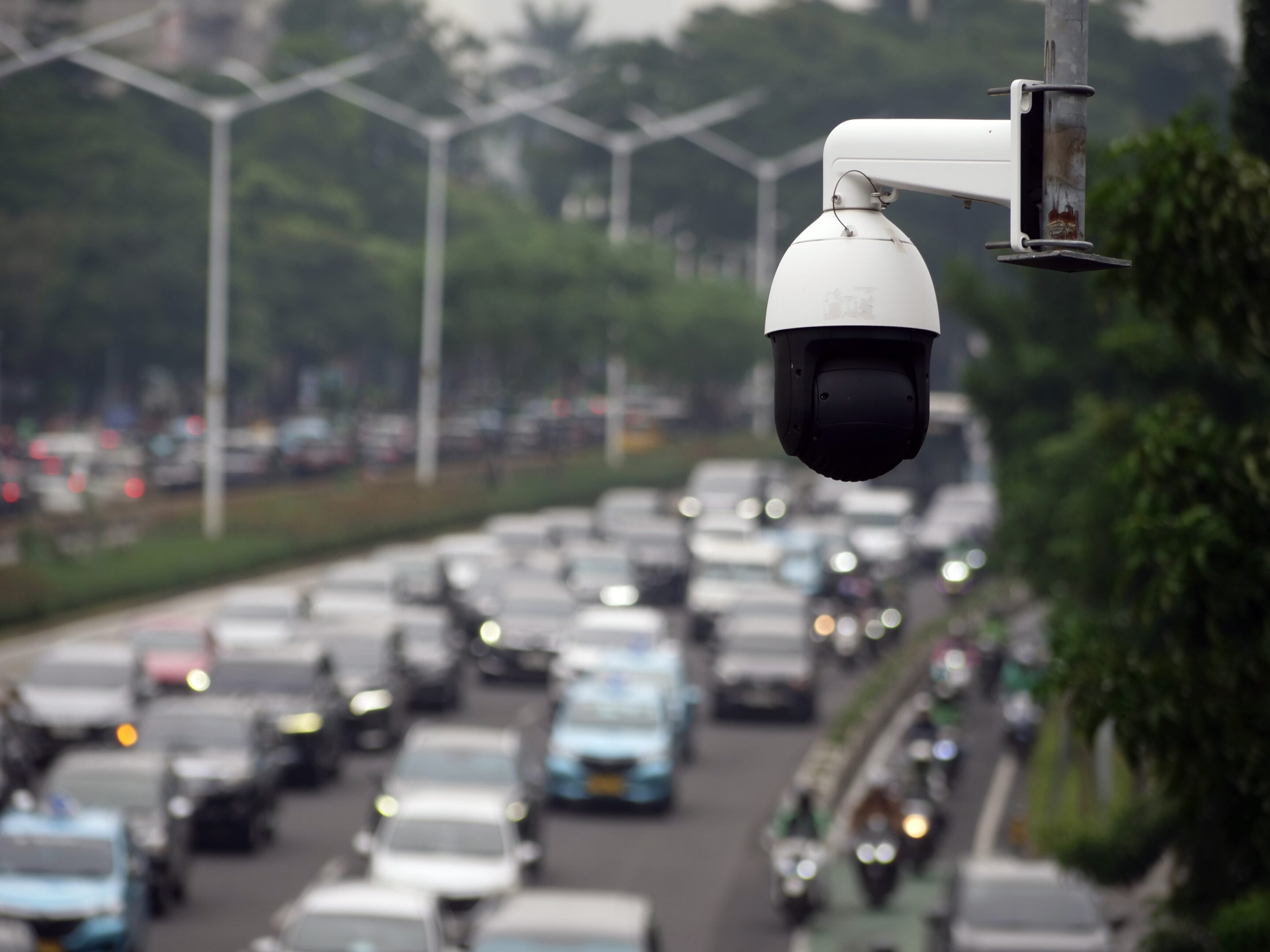
The ACT has already moved ahead with AI-powered traffic cameras, which began enforcing seatbelt compliance in late 2025. The technology automatically detects drivers and passengers not wearing seatbelts correctly and is now fully operational across the territory.
South Australia is expanding 40km/h time-based school zones on major arterial roads, with all identified school-adjacent routes expected to be covered by the end of 2026.
Meanwhile, a national framework introducing stricter medical checks for older drivers is nearing full rollout. Most eastern states began implementing the system in late 2025, with Western Australia and the Northern Territory set to complete adoption by early 2026. Drivers aged 75 and over now face mandatory health assessments, with annual checks required from age 80.
The message for motorists is clear: 2026 will bring tougher rules, closer scrutiny and less tolerance for non-compliance on Australian roads.
Follow WhichCar/Wheels on Google
Click the button below to make WhichCar by Wheels a preferred source for your news.


We recommend
-
 News
NewsMajor road rule changes affecting drivers across Australia from July 1
Across Australia from July 1, motorists need to be aware of a range of new rules and penalties coming into effect in different states.
-
 News
NewsIncredible $13million in fines issued after first month of AI road-safety cameras
More than 31,000 motorists penalised as technology exposes dangerous driving previously going unnoticed.