News
Gallery 1
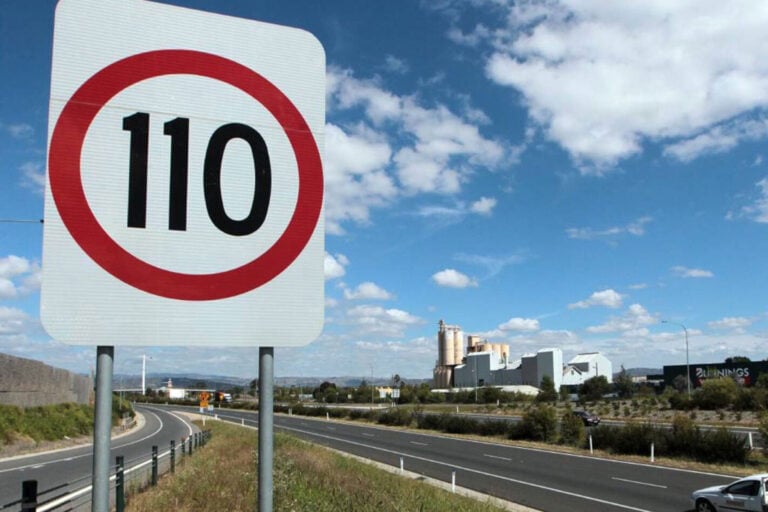
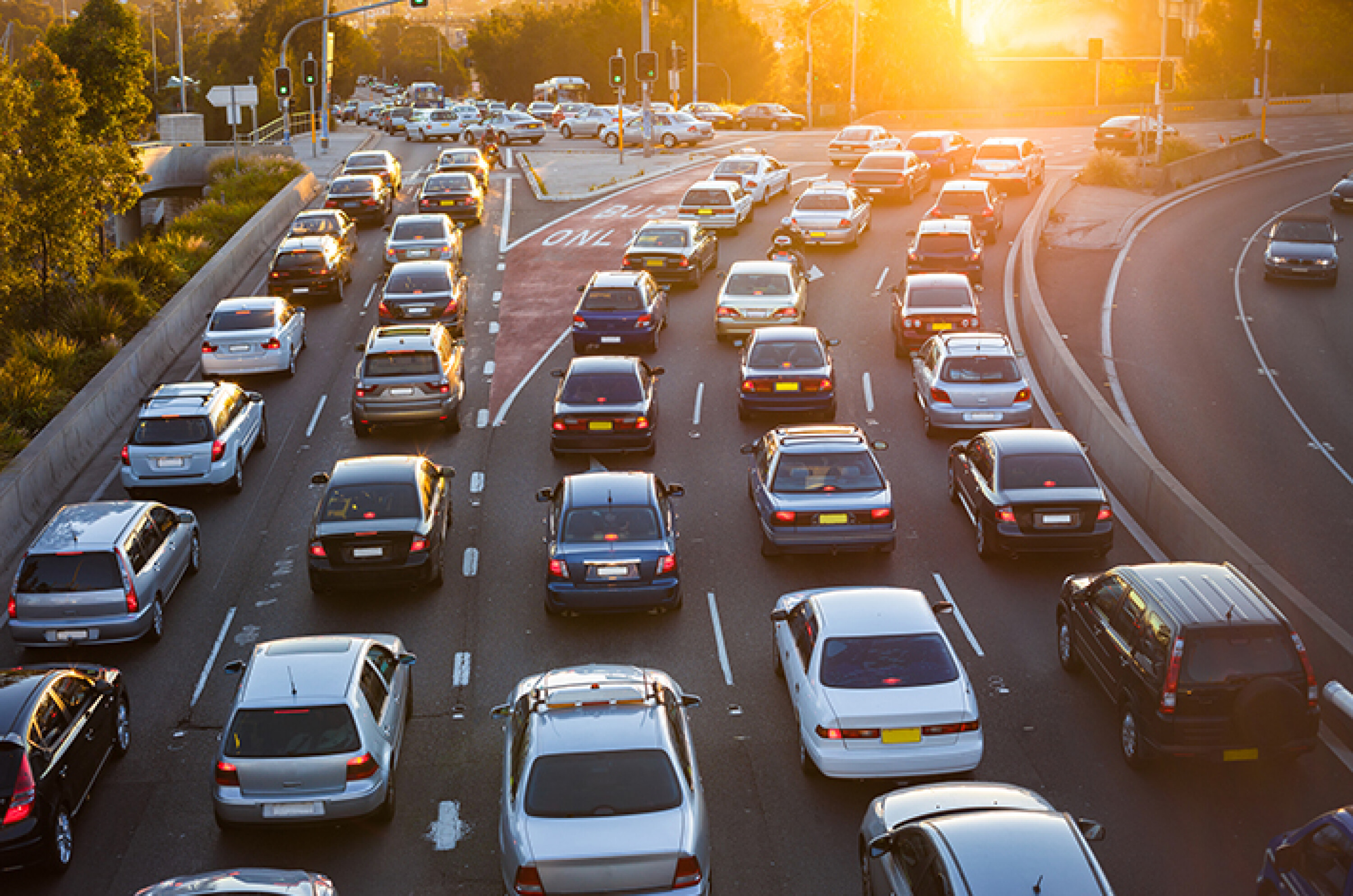
From July 1, drivers across Australia will face sweeping changes to road rules, with a strong emphasis on enhanced enforcement, stricter penalties, and uniform speed reductions in high-risk areas. The nationwide overhaul is part of a broader campaign to reduce road trauma and crack down on dangerous driving behaviour.
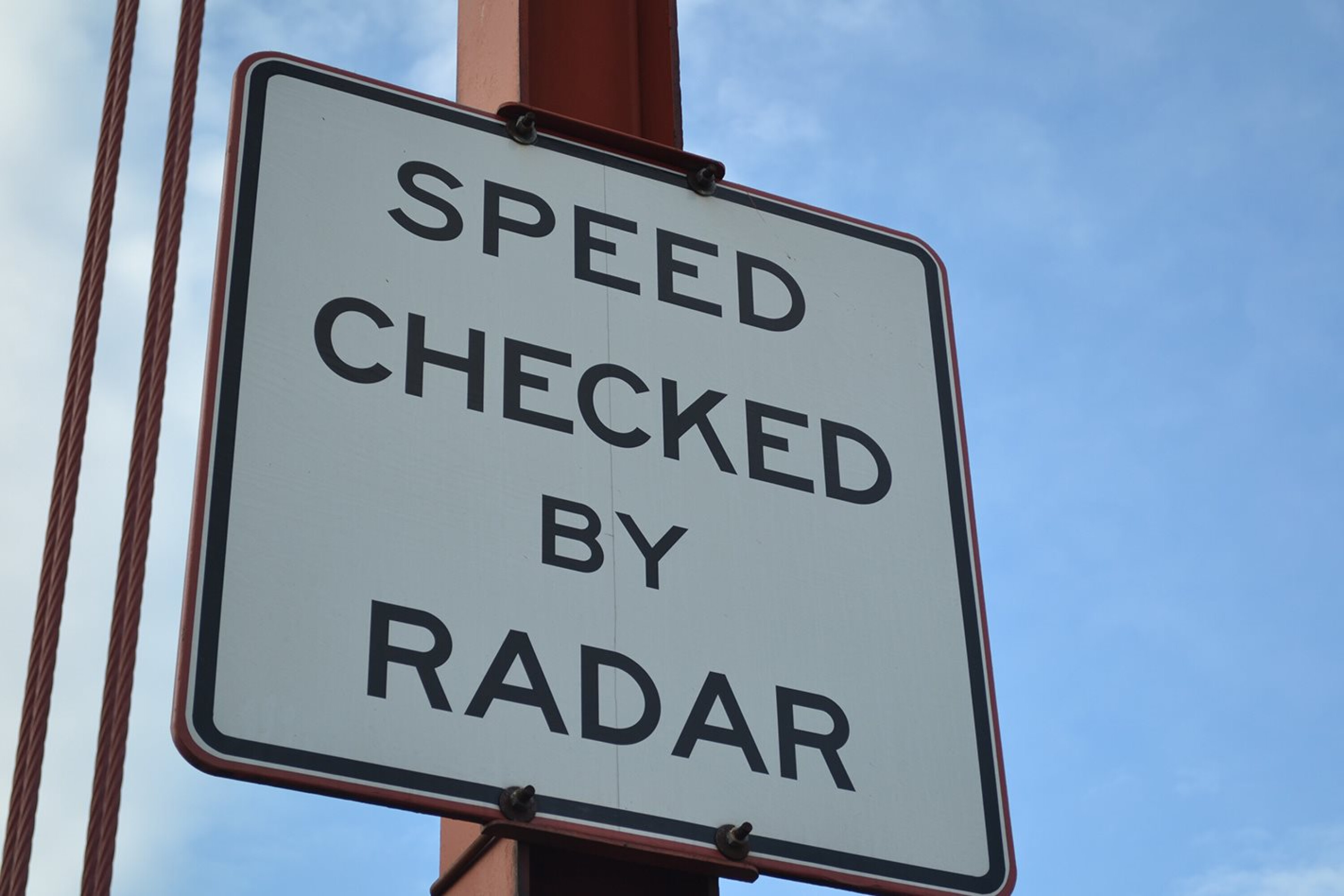
High-tech AI surveillance cameras will be active or expanded across multiple states, targeting illegal mobile phone use. These systems can detect drivers holding or touching phones, even while stationary at red lights. Penalties vary by state but can reach over $1,000 and five demerit points. Authorities warn that non-compliance could also result in licence suspension for repeat offenders.
Victoria
Victoria will expand its Road Rule 79A, requiring drivers to slow to 40 km/h when passing roadside assistance vehicles (tow trucks, breakdown units) where flashing lights and visible workers are present. The fine is up to $961, with no associated demerit points. There’s also growing momentum to reduce speed limits to 30 km/h in high-pedestrian and school zones.
New South Wales
NSW will become the first state to apply average speed cameras to light vehicles, including cars and motorbikes, from July 1. These will initially operate on the Hume and Pacific Highways, following a trial and grace period. Fines will now apply. NSW is also phasing out ticketless parking fines, ensuring drivers receive immediate notice of infringements.
Queensland
A 3.5 per cent increase in traffic fines will apply across common offences like speeding, seatbelt misuse, and mobile phone use. Enhanced tech will back enforcement, especially for distracted driving. The state will also lower speed limits from 50 to 40 km/h in popular tourist and residential areas such as Hervey Bay Esplanade.
South Australia
SA extended its emergency vehicle rule to include roadside assistance. Drivers must slow to 25km/h when passing breakdown services displaying amber flashing lights. The state is also introducing 40km/h limits in inner-city Adelaide and 10km/h shared pedestrian zones.
Western Australia
WA will roll out major changes, including fines of up to $700 for mobile phone use and over $1600 for excessive speeding. New AI cameras will enforce speeding, seatbelt, and phone violations. A three-year trial will lower speed limits on over 1,800 regional roads, and off-road vehicle registration will move online.
Motorists are urged to familiarise themselves with these updates to avoid costly penalties.
Follow WhichCar/Wheels on Google
Click the button below to make WhichCar by Wheels a preferred source for your news.