News
Gallery 1
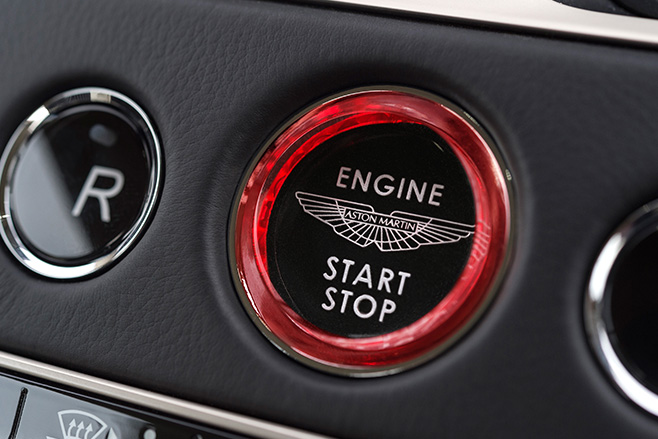
Automatic engine stop/start systems – long criticised by some drivers as one of the most irritating modern car features – have effectively been sidelined in the United States, after the Environmental Protection Agency (EPA) confirmed it will no longer incentivise the technology under federal emissions rules.
The move forms part of what the EPA has described as the “single largest deregulatory action in US history”, with the Trump Administration winding back a suite of vehicle emissions standards introduced under previous governments.
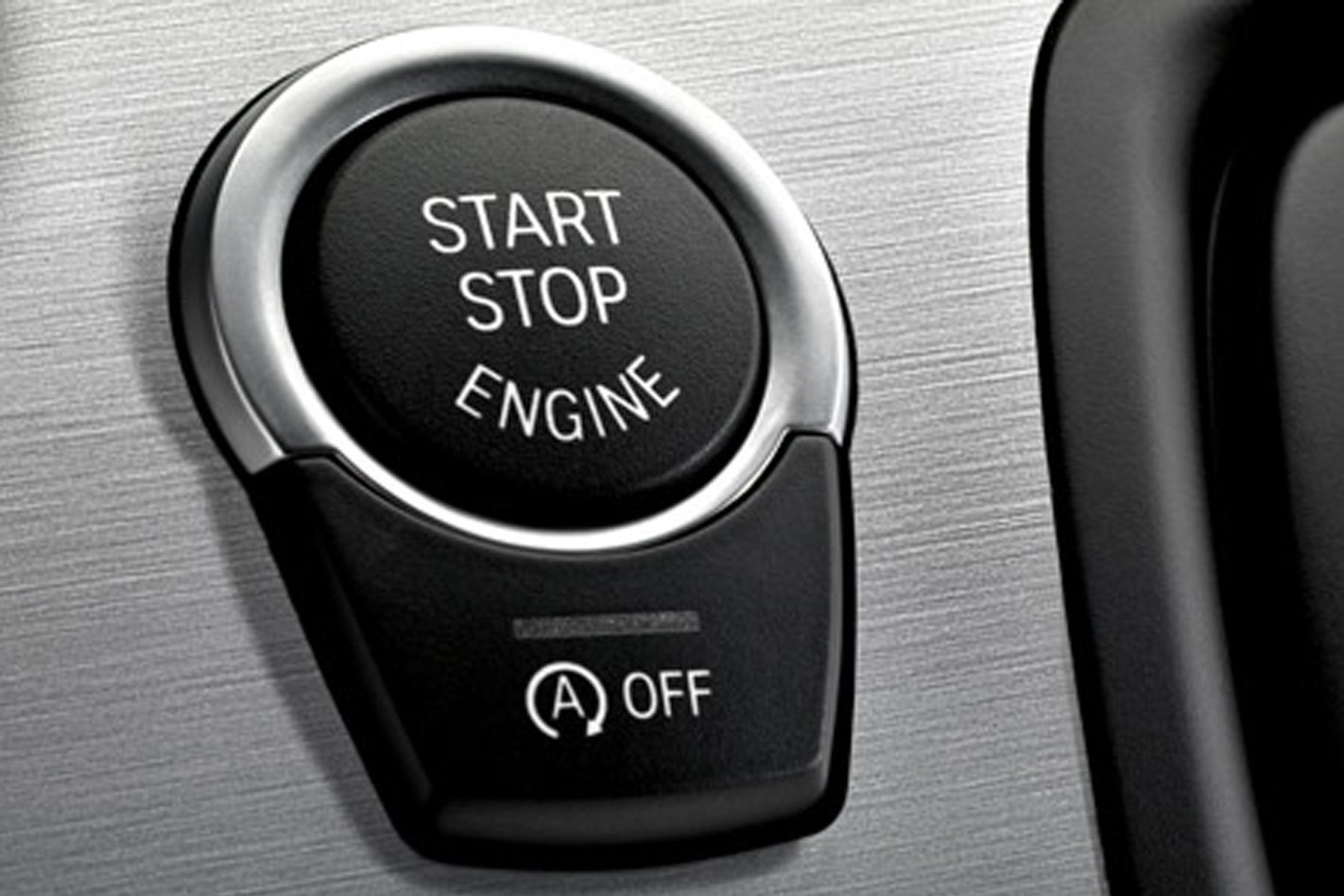
Under a final rule signed off in February 2026, the EPA has eliminated so-called “off-cycle credits”, which previously allowed carmakers to earn compliance points for fitting fuel-saving technologies such as automatic stop/start. These systems shut down a vehicle’s engine when it comes to a complete stop – such as at traffic lights – and restart it when the driver lifts off the brake or engages the clutch, reducing fuel consumption and tailpipe emissions in urban traffic.
Manufacturers widely adopted the technology over the past decade as a relatively low-cost way to help meet increasingly stringent fuel economy and greenhouse gas targets in the US.
1
EPA Administrator Lee Zeldin said the agency’s broader rollback also removes the long-standing “Endangerment Finding”, which had underpinned federal greenhouse gas regulations since 2009.
“The Endangerment Finding has been the source of 16 years of consumer choice restrictions and trillions of dollars in hidden costs for Americans,” Zeldin said in a statement announcing the changes.
While stop/start systems are not banned outright, the removal of regulatory incentives means carmakers are no longer effectively rewarded for fitting them across entire model ranges. As a result, the feature may increasingly become optional in the US market – or disappear from some vehicles altogether.
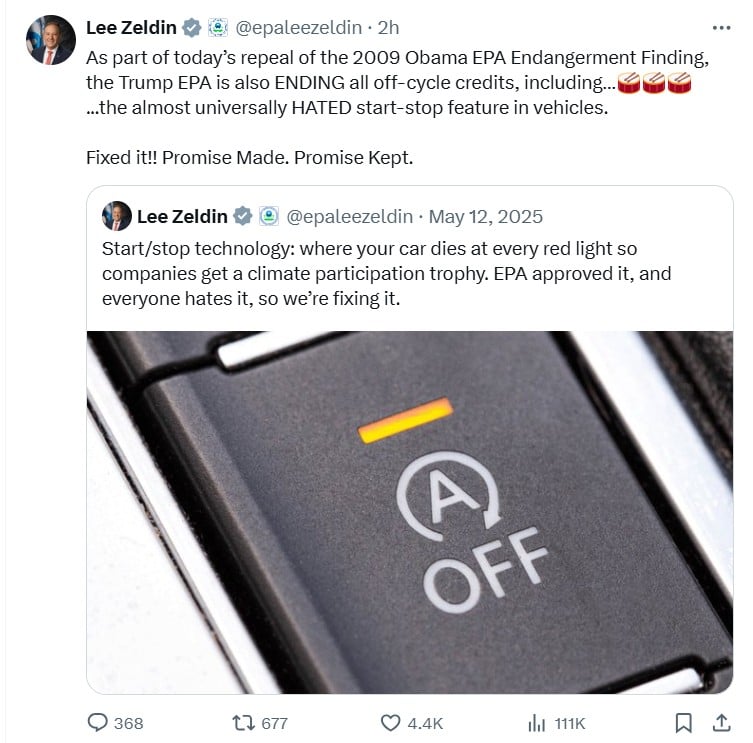
1
For Australian buyers, however, the immediate impact is less clear. Local new-car emissions standards are tightening under the New Vehicle Efficiency Standard (NVES), which is designed to curb fleet-wide CO2 output. As a result, technologies that reduce fuel consumption – including stop/start – are likely to remain part of manufacturers’ toolkits here.
In short, while American drivers may soon see fewer cars cutting their engines at the lights, Australian motorists shouldn’t expect the same reprieve just yet.
Follow WhichCar/Wheels on Google
Click the button below to make WhichCar by Wheels a preferred source for your news.


We recommend
-
 News
NewsFederal Government to name and shame car makers failing to meet CO2 targets
The federal government is set to reveal 'interim emissions' results under the new stringent NVES targets.
-
 News
NewsAustralia's NVES begins, imposing strict new emissions standards on car-makers
Australia's New Vehicle Efficiency Standard (NVES) scheme comes into effect on July 1, imposing stricter emissions standards on vehicles sold in Australia.