News

Gallery 1
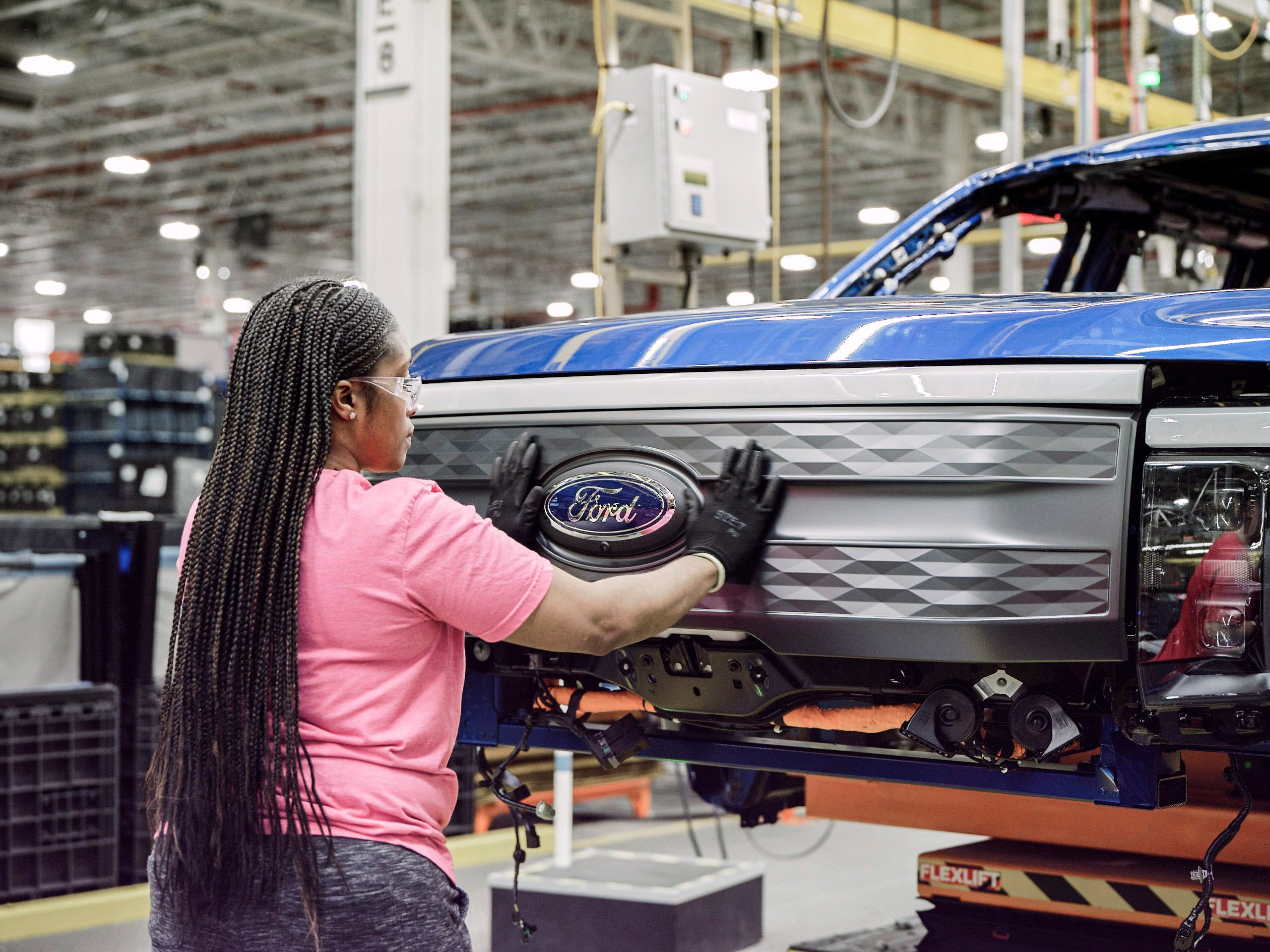
Ford has suffered its biggest losses since the Global Financial Crisis, reporting overnight that it posted a US$8.2 billion (A$11.51 billion) loss in 2025. That’s despite the Blue Oval reporting revenue of US$187.3 billion (A$262.9 billion) over the calendar year.
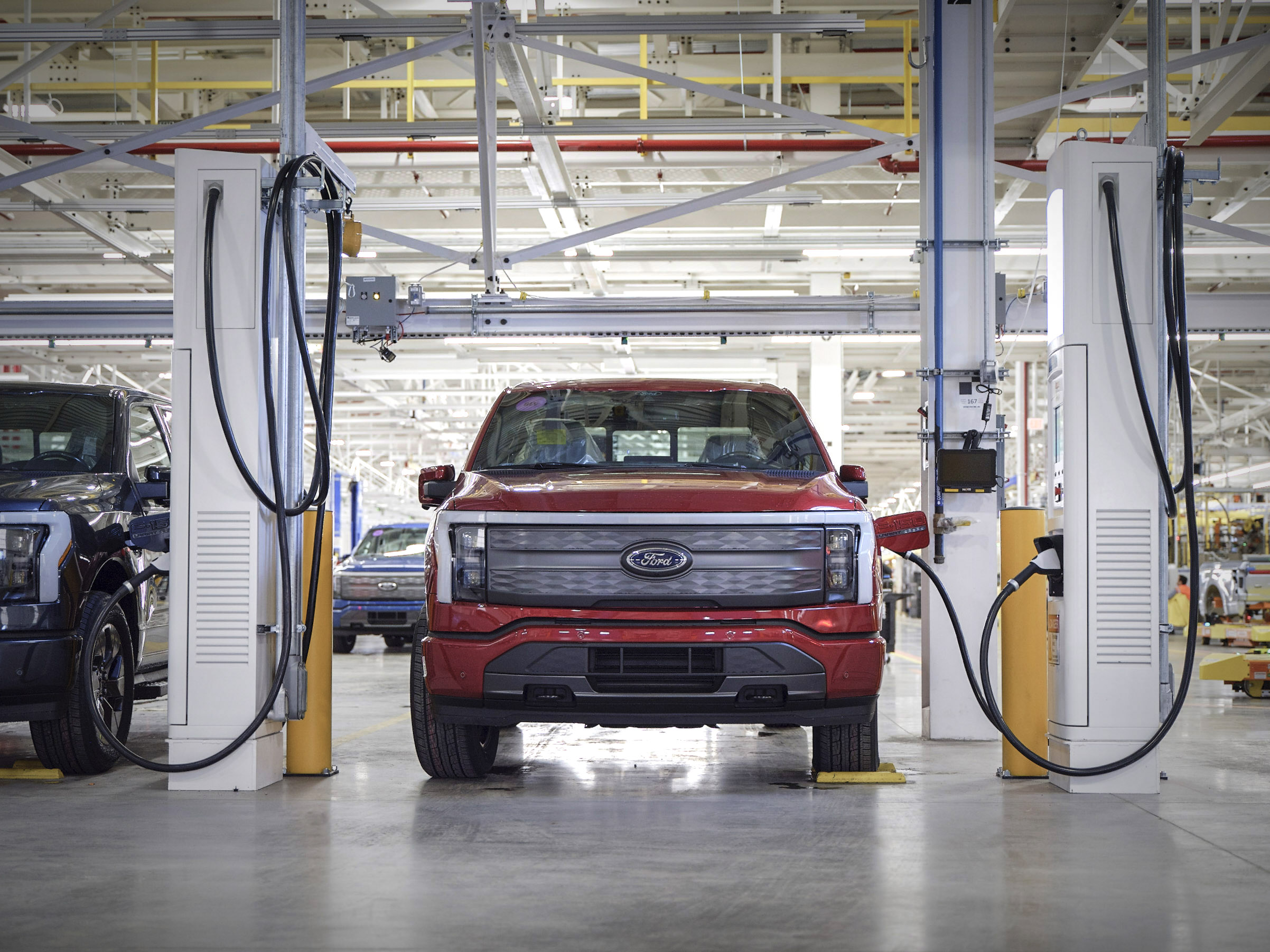
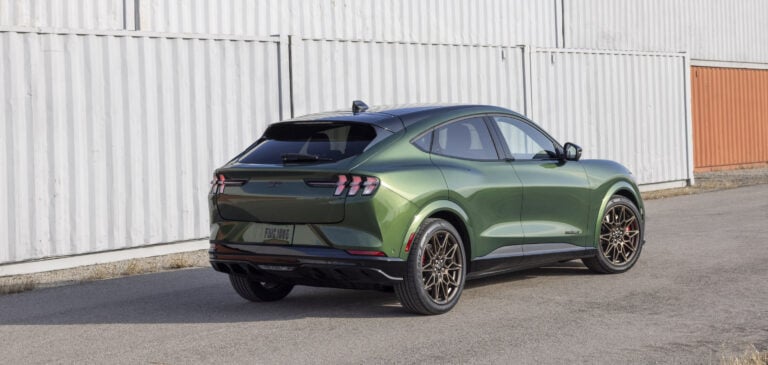
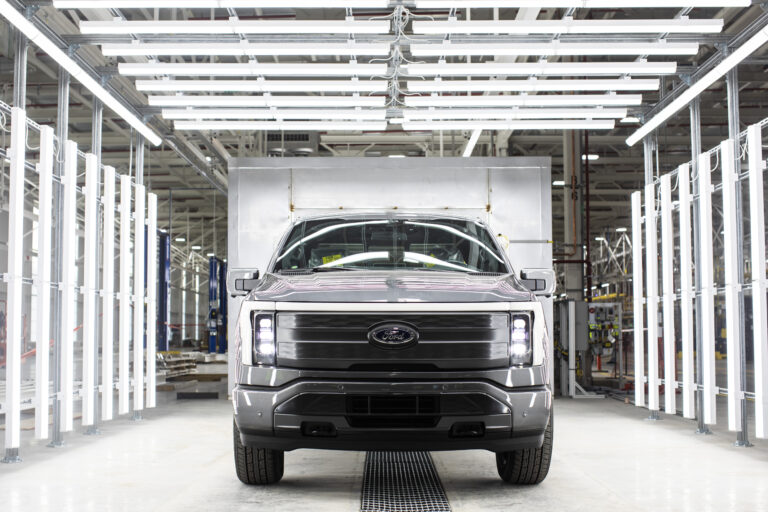
The losses were attributed to several factors. Firstly, Ford’s push into electric vehicles stalled, the company reporting it accounted for a loss of US$4.8 billion (A$6.74 billion) over the calendar year. Further losses are expected in 2026 and 2027 as the carmaker looks to rationalise its EV strategy (it’s already cancelled the electric F-150 Lightning pick-up truck) while ramping up its bet on plug-in hybrid vehicles.
1
Additionally, President Trump’s tariffs – introduced in April, 2025 – on material imports cost the company a further US$2 billion (A$2.81 billion).
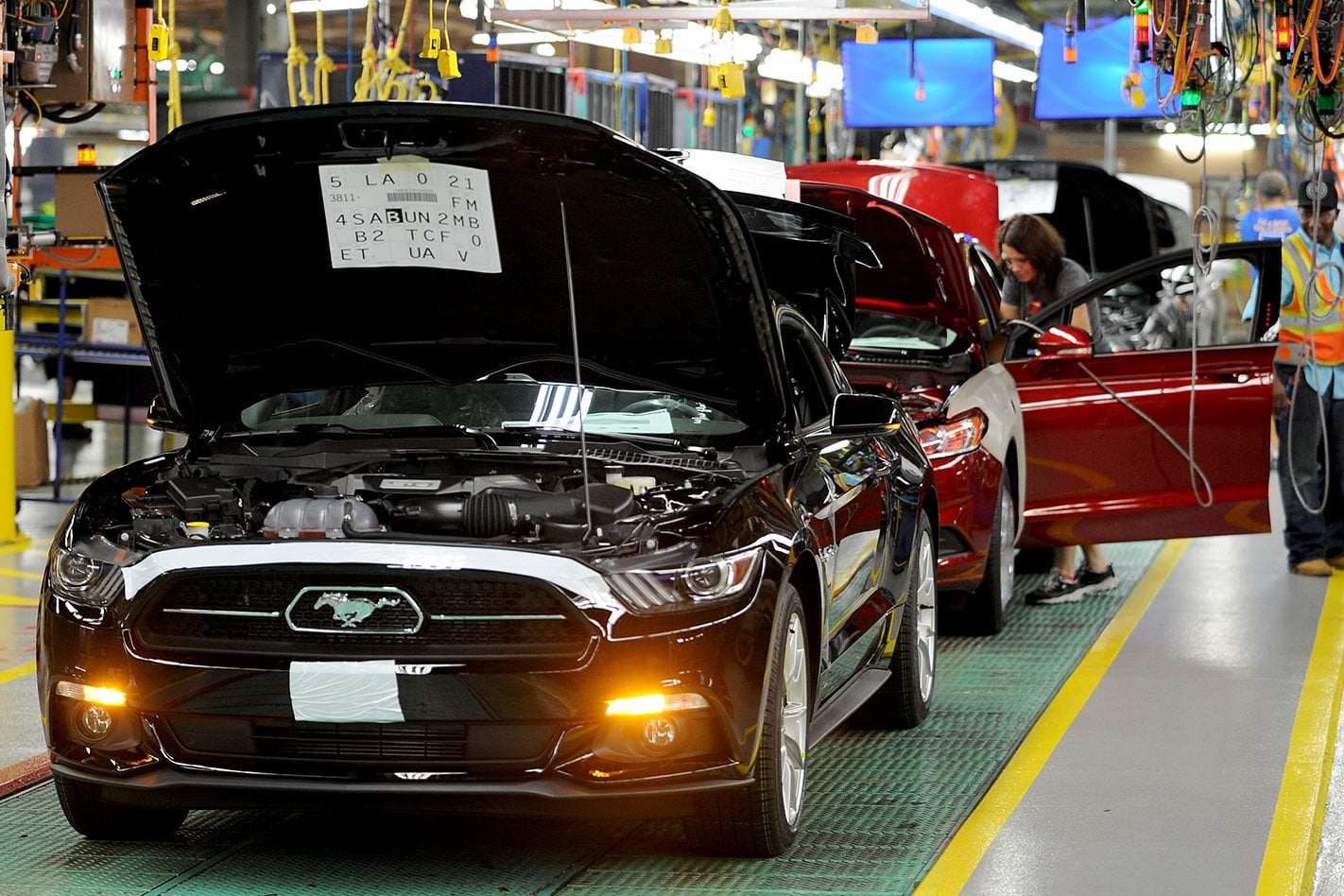
Further losses were attributed to a fire at a New York aluminium supplier in October, constricting supply and impacting on the carmaker’s F-Series pick-up truck production, accounting for around US$2 billion (A$2.681 billion) in lost revenue. Ford is ramping up production in 2026 to make up for the shortfall.
Ford’s full-year loss is the third-worst in the company’s history and the third net loss the Blue Oval has posted over the last six years.
1
The losses came despite Ford reducing overall costs by US$1.5 billion (A$2.11 billion) in 2025, with further cost-cutting measures expected to deliver savings of US$1 billion (A$1.4 billion) in 2026.
Ford CEO Jim Farley remained buoyant, despite the company’s third-worst financial result ever.
“Ford delivered a strong 2025 in a dynamic and often volatile environment,” CEO Jim Farley said in a statement. “We improved our core business and execution, made significant progress in the areas of the business we control – lowering material and warranty costs and making real progress on quality – and made difficult but critical strategic decisions that set us up for a stronger future.
“Moving forward, we’ll continue building on our strong foundation to achieve our target of 8 percent adjusted EBIT margin by 2029.
“Overall, we enter the year with the right portfolio, the right strategy and the discipline to execute.”
Follow WhichCar/Wheels on Google
Click the button below to make WhichCar by Wheels a preferred source for your news.

We recommend
-
 News
NewsFord reveals bold strategy to take on Chinese EV makers
Ford unveils a $30,000 midsize electric pickup and revolutionary EV platform, aiming to slash costs, speed production, and challenge Chinese rivals with a 2027 launch.
-
 News
NewsFord pinning hopes on EV breakthroughs and smaller cars to fend off financial trouble
With nearly $2 billion lost across the sales of 10,000 EVs, Ford is looking for a new plan.
-
 News
NewsFord announces dedicated EV and ICE divisions
A week after denying it, Ford has announced it’s carving up its development business – with a subtle taunt to Tesla