News
Gallery 1
President Donald Trump’s 25 per cent tariffs on imported vehicles and auto parts, implemented in April 2025, are significantly impacting non-U.S. carmakers, leading to production cuts, price increases, and strategic shifts in manufacturing locations.
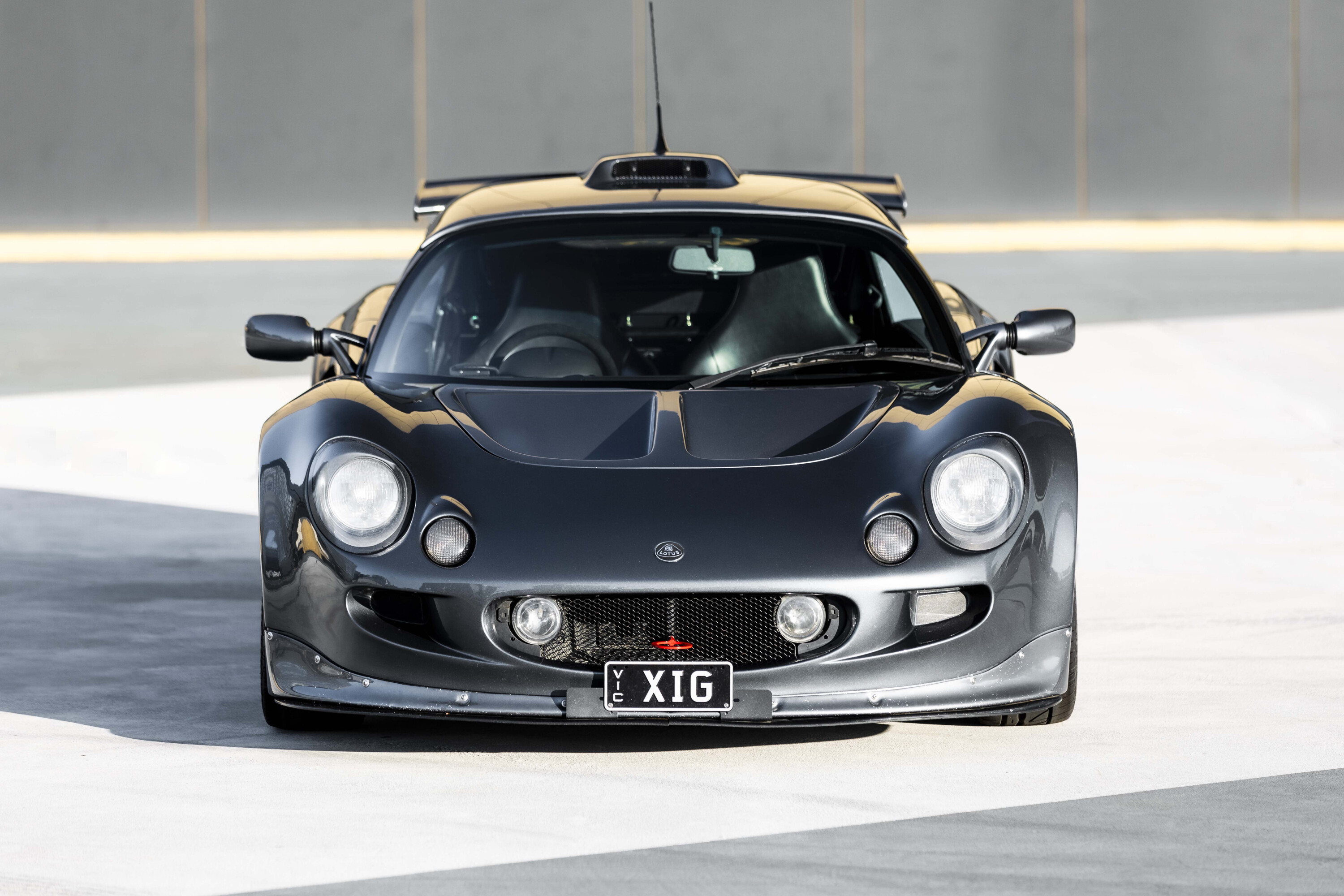
In the United Kingdom, Lotus (main image, above), the iconic sports car manufacturer owned by China’s Geely, announced plans to cease production at its Hethel plant after more than 70 years. The decision, influenced by a 55% drop in U.S. exports due to the tariffs, puts 1,300 jobs at risk. Lotus is considering relocating operations to the United States to mitigate the impact of the tariffs.
The broader UK automotive industry is also feeling the strain. Vehicle production in May 2025 fell to its lowest level since 1949, with a 33 per cent year-on-year decline. Exports to the U.S. plummeted by 55 per cent, prompting manufacturers like Jaguar Land Rover and Aston Martin to suspend shipments to the American market.

Japanese automakers are not immune. Toyota reported a 24.7 per cent drop in vehicle exports to the U.S. in May, despite a global sales increase. The company is seeking exemptions from the tariffs, which are set to increase further unless a resolution is reached.
In response to the tariffs, some automakers are adjusting their operations. Volkswagen has introduced an “import fee” for affected vehicles, while Nissan has halted U.S. orders for certain models built in Mexico. Stellantis has paused operations in North American plants and furloughed workers.
Analysts warn that the tariffs could lead to a 15-20 per cent decrease in new auto demand in the U.S. this year, as higher prices deter consumers. The tariffs are also expected to raise car prices by $5000 to $10,000, further impacting sales.
While the Trump administration argues that the tariffs will boost domestic manufacturing, the immediate effects suggest significant challenges for non-U.S. carmakers, potentially leading to long-term shifts in global automotive production and trade dynamics.
Follow WhichCar/Wheels on Google
Click the button below to make WhichCar by Wheels a preferred source for your news.