News
Gallery 1
Ford Vice Chair John Lawler has offered a frank assessment of the internal combustion engine’s (ICE) future within the company’s long-term strategy at the recent 2025 Bernstein Strategic Decisions Conference.
His remarks, first reported by Automotive News, suggest Ford may be rethinking its traditional approach to in-house powertrain development, hinting at greater reliance on external partners for engines and transmissions in the years ahead.
Lawler emphasized a fundamental shift in consumer attitudes: “I don’t think people view powertrains like they did 30 years ago, when horsepower, displacement, and torque defined a car’s identity. That perception has largely faded.”
He argued that as ICE development becomes increasingly cost-intensive and less of a market differentiator, consolidation is inevitable.
While Ford remains committed to producing its EcoBoost engines and 8- and 10-speed automatic transmissions for at least the next three years, Lawler’s comments imply that beyond that timeline, the company may expand its use of outsourced components. Any such transition would likely not take effect before 2028, given current labour agreements.
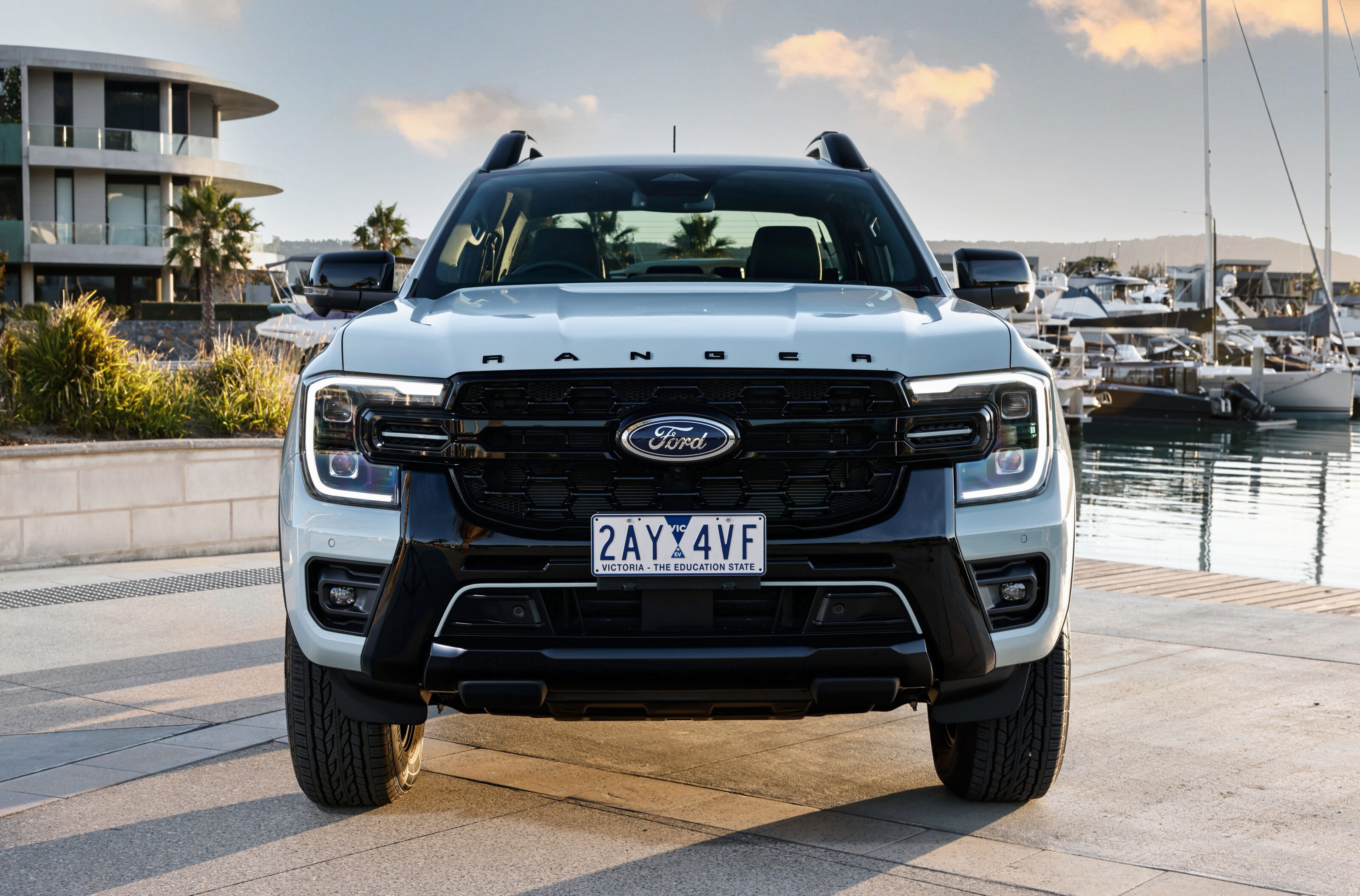
The company already has a precedent for this model in Europe. Ford’s Transit Connect, though branded with EcoBoost and EcoBlue labels, uses Volkswagen-developed powertrains. Similarly, Ford’s Explorer and Capri EVs ride on VW’s MEB platform. These partnerships demonstrate that branding and engineering can diverge without diluting consumer trust – an approach Ford may replicate across more segments.
Industry-wide trends further support this pivot. Stringent emissions regulations are making ICE development less attractive, particularly as consumers increasingly prioritise tech features, safety, and design over engine specs.
Lawler noted that the enthusiast market, once captivated by engine innovation, is shrinking amid the rise of SUVs and electrification.
While Lawler affirmed that combustion engines “aren’t going away anytime soon,” Ford’s evolving strategy may eventually phase out proprietary ICE development in favour of more flexible, collaborative models – a sign of both economic pragmatism and the changing automotive landscape.
Follow WhichCar/Wheels on Google
Click the button below to make WhichCar by Wheels a preferred source for your news.