News

Gallery 1
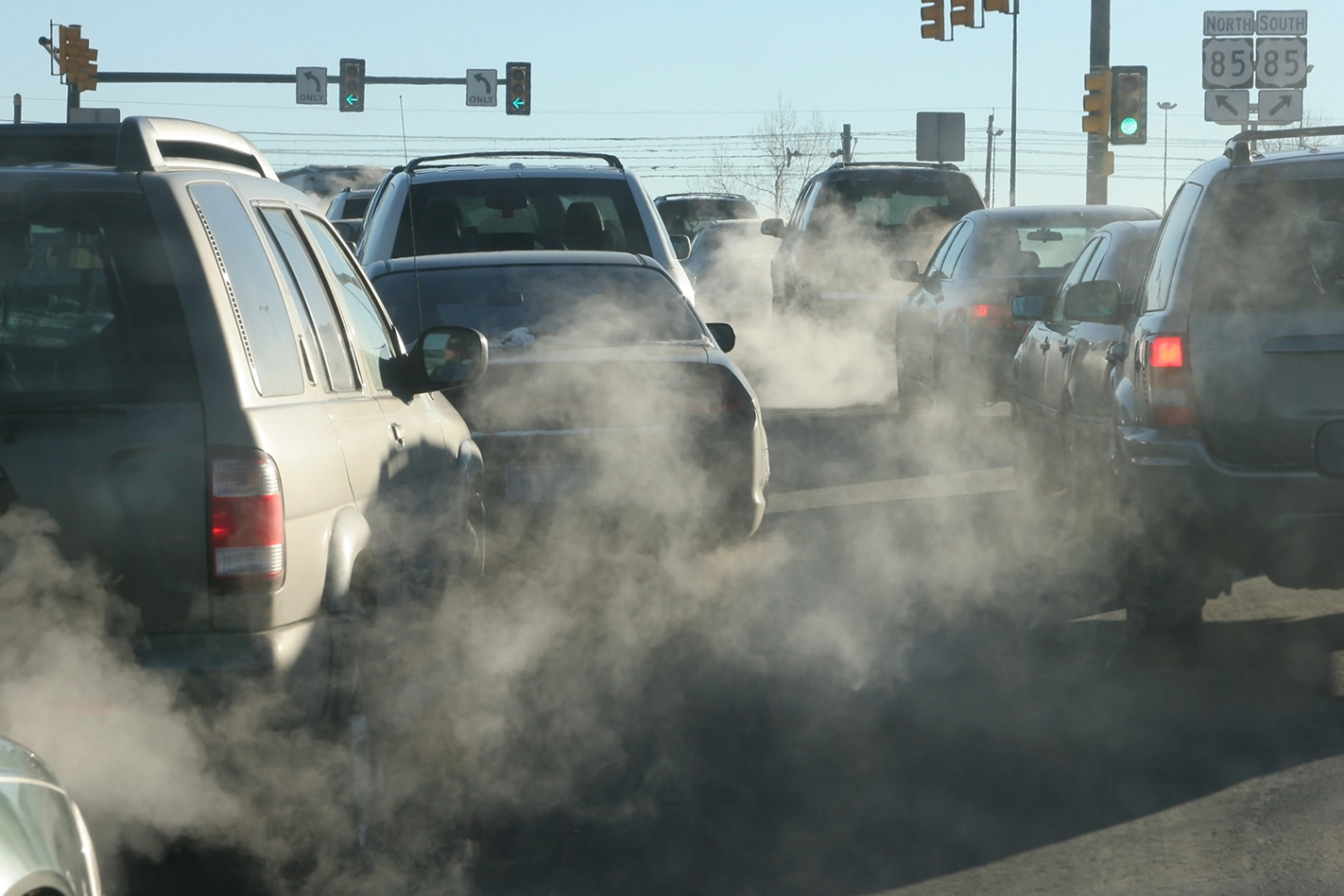
The Australian federal government is set to release its list of car makers that have, and have not, met CO2 emissions targets mandated by the New Vehicle Efficiency Standard (NVES).
Implemented on January 1, 2025 but with the reporting period not coming into effect until July 1, 2025, manufacturers face hefty fines and penalties for failing to meet the newly-mandated NVES targets.
The first reporting period, called the ‘interim emissions value’ (IEV) ran from July 1 to December 31, 2025. The results will be made public in February, 2026.
1
However, while those car makers that have failed to meet their target during the IEV will be named and shamed by the government, they will have until December 31, 2027 to offset those higher emissions before facing penalties.
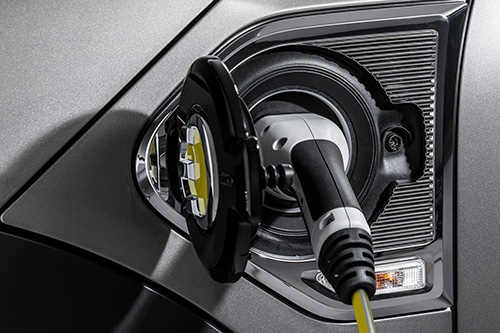
Car makers can offset emissions by either selling more fuel-efficient vehicles, such as electric (EV) and plug-in hybrid (PHEV) that come in under the NVES targets or by purchasing credits from other manufacturers that have posted results below the government’s mandated target. The first fines will be issued in 2028.
1
Several manufacturers have already indicated they already have – or will – pass on the NVES costs of any penalties to the consumer. Ford Australia recently cited its $5000 price rise on Ford Mustang was at least partly due to NVES.
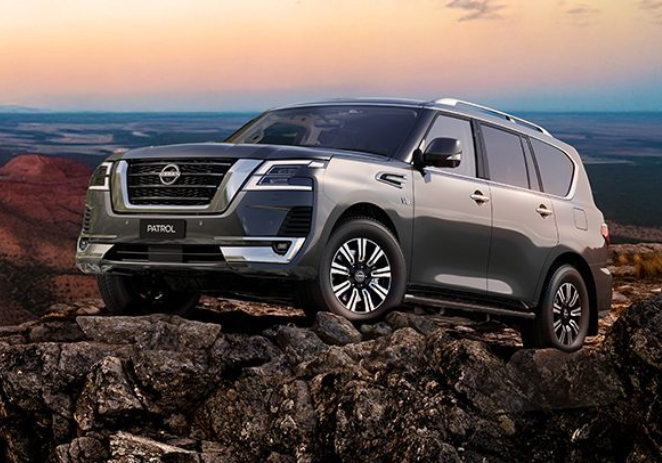
Hyundai also confirmed that increases across i30 N and i20 N models were partially as a result of NVES. Similarly, Nissan Australia’s decision to hike the price of its V8-powered Patrol by $5000 was also down, in part, to more stringent CO2 standards.
Follow WhichCar/Wheels on Google
Click the button below to make WhichCar by Wheels a preferred source for your news.

We recommend
-
 Features
Driven to extinction: Rear-drivers become first victim of the NVES
The New Vehicle Efficiency Standard (NVES) introduced this year is causing some car-makers to discontinue certain models for Australia.
-
 News
NewsStricter emissions laws now in effect for Aussie drivers
All new cars sold in Australia now have to adhere to strict new emissions regulations as of December 1, 2025.