
News

Gallery 1
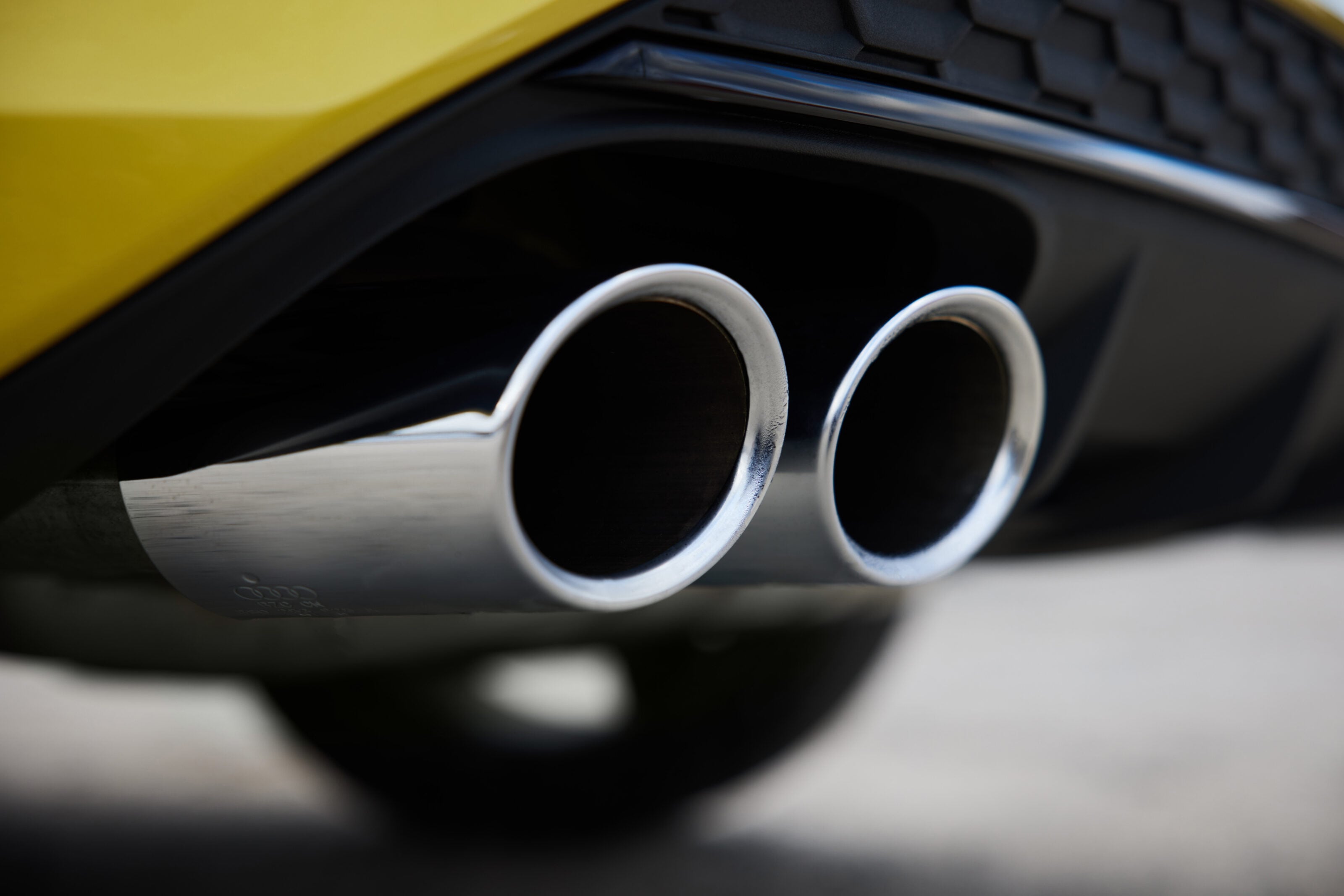
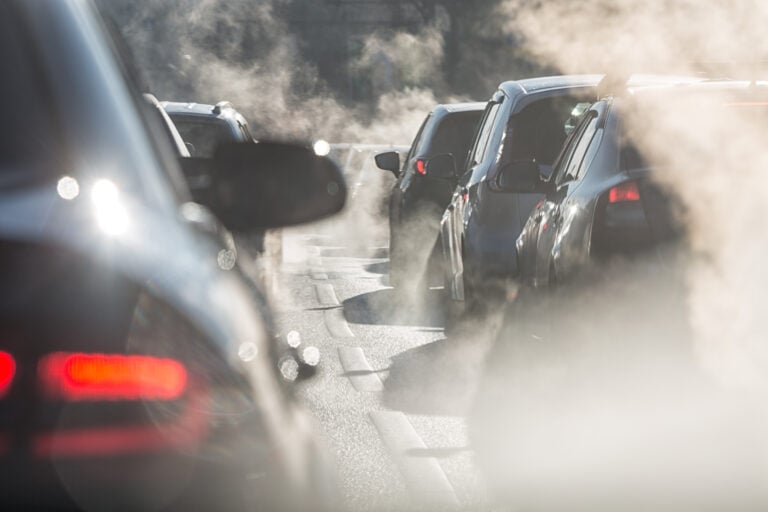
New cars, utes and SUVs sold in Australia will have to adhere to strict new tailpipe emissions laws, catching up to markets like Europe.
As of December 1, 2025, all new vehicles complied must be engineered to comply with the new Euro 6d standard, while new vehicles already sold locally have until July 2028. Euro 6s different to the NVES scheme, which targets carbon dioxide instead.
The new standards dictate significantly lower noxious oxides such as carbon monoxide, hydrocarbons, oxides of nitrogen and particulate matter from both petrol and diesel vehicles, while all diesel vehicles will be required to fit a diesel particulate filter (DPF) as standard – and some may need AdBlue as well.
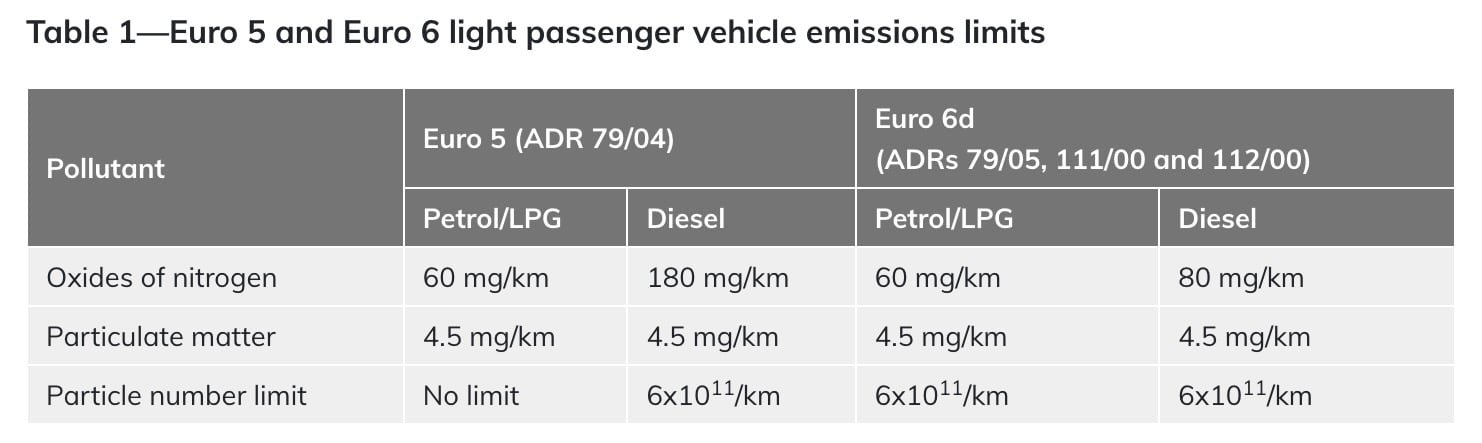
According to the government, Euro 6d will deliver the following benefits relative to current (Euro 5 equivalent) ADR for light vehicle emissions:
- a 55 per cent reduction in the emissions limits for oxides of nitrogen (NOx) for diesel vehicles
- the introduction of a limit on the number of particles to control fine particle emissions from petrol vehicles with direct injection fuelling systems
- more stringent requirements for on-board diagnostic systems that monitor the emissions control systems
- improved emissions tests (laboratory and on-road) to ensure reductions in emissions are also realised during normal operation on the road.
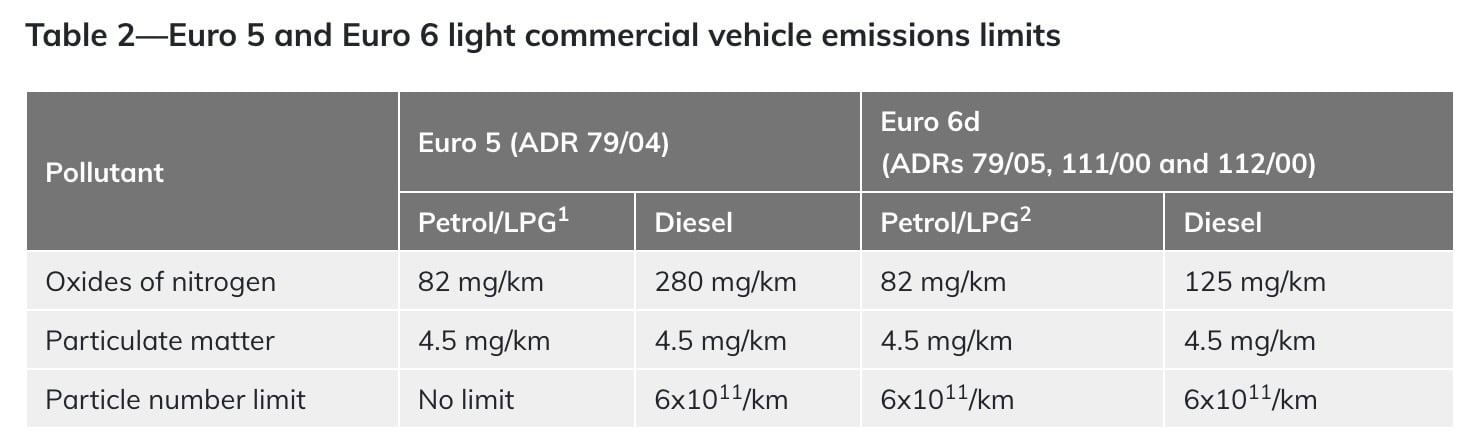
Euro 6d will hit diesel vehicles hardest as their nitrogen oxide levels will be required to be slashed from 180 milligrams per kilometre (mg/km) to 80mg/km in passenger vehicles and from 280mg/km to 125mg/km in light commercial vehicles.
1
But while Euro 6d will ensure cleaner vehicles are sold in Australia, it also targets the fuels sold here. As of December 15, 2025, all fuel will need to adhere to a standard of 10ppm (parts per million) of sulphur content. That’s five times less than current 95 and 98RON premium unleadeds on sale, and 15 times less than current 91RON regular unleaded. The 150ppm sulphur limit makes Australia’s current 91RON fuel the dirtiest in the developed world.
Already, 10ppm diesel has been sold in Australia since 2009 as part of the Fuel Quality Standards Act 2000, while 10ppm petrol is already sold in markets such as Europe, China and even our closest neighbour: New Zealand.
In addition, 95 RON premium unleaded petrol specifically will need to have reduced levels of aromatic hydrocarbons, and a small price rise of 0.9c per litre is expected – but vehicles using the fuel will be more efficient as a result.
1
Aside from the environmental benefits, the government is touting increased health benefits for the population, stating on its website: “The new laws for light vehicle noxious emissions are expected to reduce the burden of disease attributable to noxious emissions from cars, sport utility vehicles and light commercial vehicles (vans and utes) by $4.6 billion over the period to 2040. These benefits will increase over time as older vehicles are replaced with newer, cleaner vehicles.”
You can read more about the Euro 6d emissions laws at the government’s website here.
Follow WhichCar/Wheels on Google
Click the button below to make WhichCar by Wheels a preferred source for your news.


We recommend
-
 News
NewsAustralia's NVES begins, imposing strict new emissions standards on car-makers
Australia's New Vehicle Efficiency Standard (NVES) scheme comes into effect on July 1, imposing stricter emissions standards on vehicles sold in Australia.
-
 Features
Driven to extinction: Rear-drivers become first victim of the NVES
The New Vehicle Efficiency Standard (NVES) introduced this year is causing some car-makers to discontinue certain models for Australia.
-
 News
NewsHow will Australia's New Vehicle Efficiency Standard affect the new car market?
Set to begin in 2025, the NVES promises to cause massive upheaval to the local market.
