News
Gallery 1
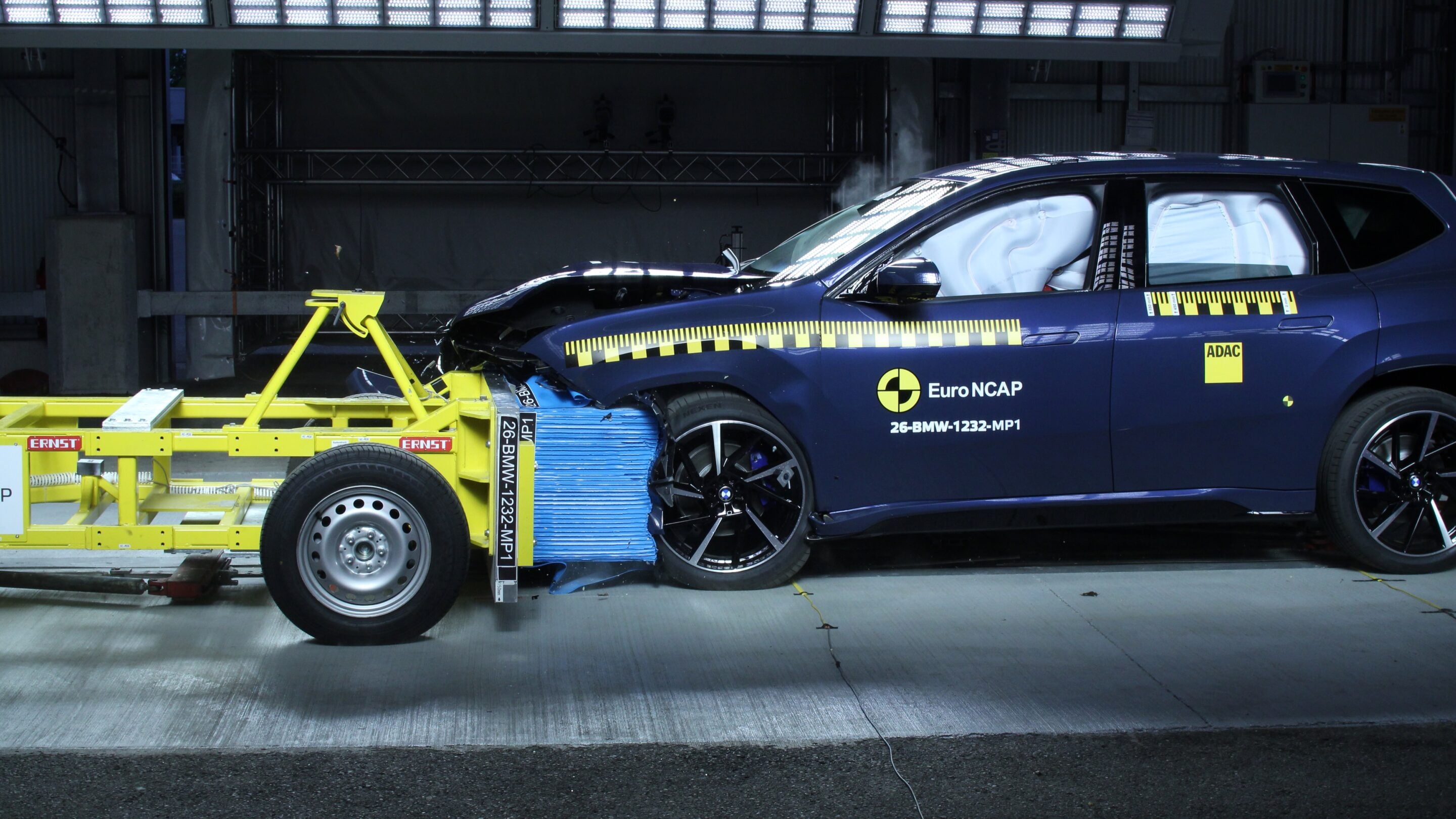
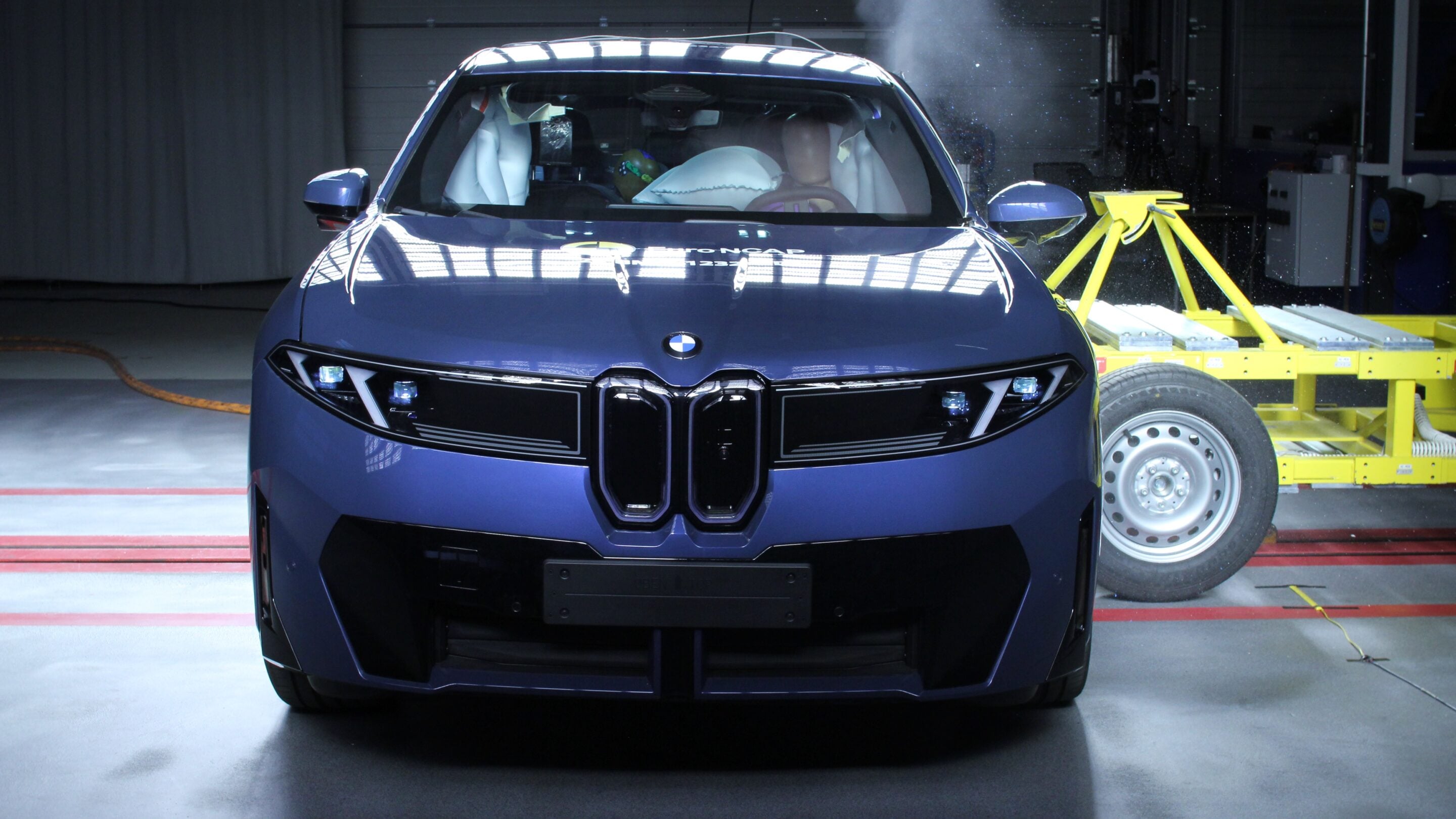
The 2026 BMW iX3 has become the first car with a published five-star ANCAP result after the safety organisation updated its testing and assessment criteria.
Under the 2026 to 2028 test protocols, the Australasian New Car Assessment Program (ANCAP) assesses vehicles through what it calls four strategies of safety: Safe Driving, Crash Avoidance, Crash Protection, and Post-Crash assistance.
The new scoring layout replaces the previous adult occupant and child occupant protection, vulnerable road user protection, and safety assist system rankings.
Under the new system, ANCAP assesses the on-road performance of driver assistance systems such as speed sign recognition, the presence of key physical controls to operate the vehicle, and after-accident systems, including emergency call and location services.
4
The iX3 received a 71 per cent score in the Safe Driving assessment, 83 per cent for Crash Avoidance, 86 per cent for Crash Protection, and 95 per cent for Post Crash systems.
Data for the iX3 comes from a combination of physical crash tests conducted in Europe and Safe Driving tests in Australia under local conditions.
Among the revisions for the latest assessments, a new crash barrier that better reflects real-world crashes, a motorcycle T-bone test has been added, a broader range of lighting and weather scenarios is assessed for crash avoidance ratings, and other changes have been made compared to earlier assessments.
ANCAP highlighted that the iX3 performed well avoiding impacts with other cars, cyclists and pedestrians, but was less advanced when it came to motorcycle detection. Its autonomous braking was also called out for being unable to override misacceleration towards pedestrians.
6
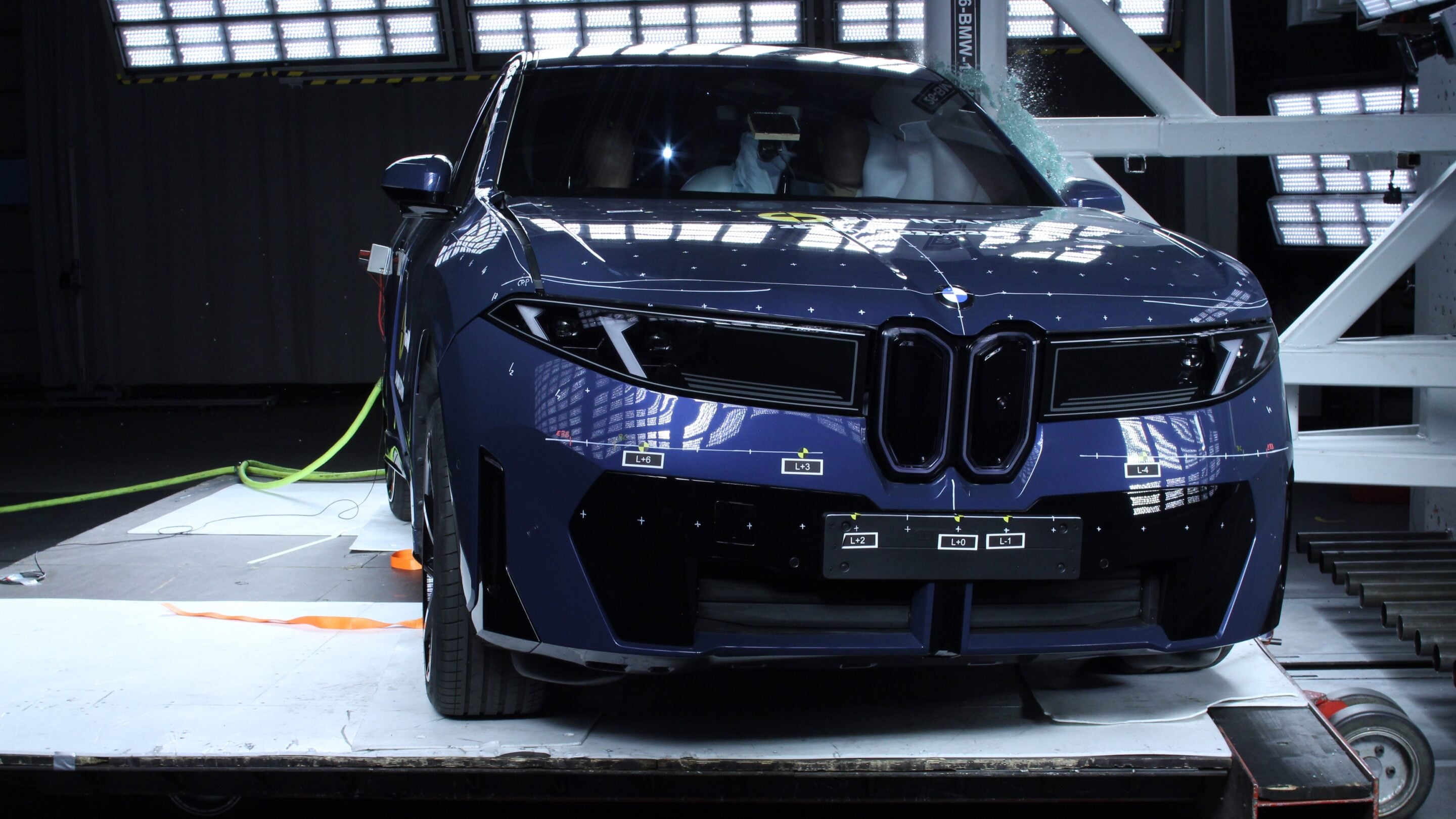
Maximum scores were awarded for adult and child occupant protection in side impact tests. The iX3 was also praised for electronically deployed door handles that deployed post-crash, manual door operation, and battery isolation to reduce the risk of fire.
As with other revisions to ACNAP assessments, previous scores are not automatically updated to reflect the testing changes, meaning earlier five-star results may not be the equivalent of a five-star result achieved under the latest testing protocols.
Follow WhichCar/Wheels on Google
Click the button below to make WhichCar by Wheels a preferred source for your news.

We recommend
-
 Reviews
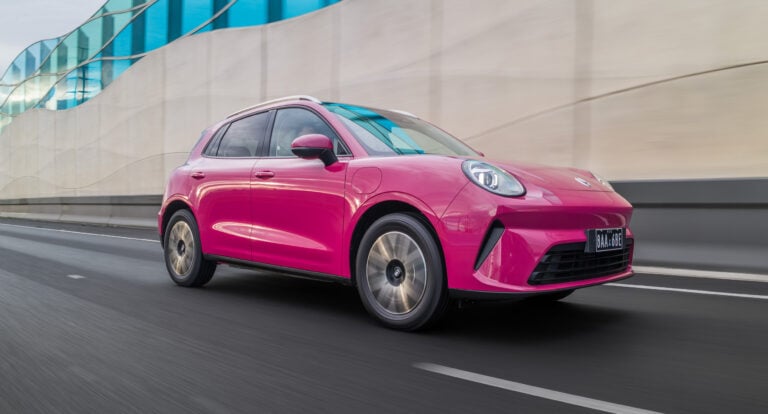
GWM Ora 5 electric SUV review: Fun and funky styling taps into rising EV popularity
As Australians are buying EVs in greater numbers than ever before, the GWM Ora 5 SUV’s arrival couldn’t have come at a better time
-
 News
NewsMercedes-Maybach S-Class revealed with updated styling, even more luxury
Following on from the update to the S-Class earlier this year, the new Mercedes-Maybach S-Class has been revealed with refreshed styling, more tech and other luxury appointments.
-
 News
NewsCalls to extend EU local-content borders beyond Europe to tackle Chinese cars
European automakers are lobbying for an extension to ‘made in Europe’ territories to level the playing field against cheap Chinese vehicles.