
News

Gallery 1
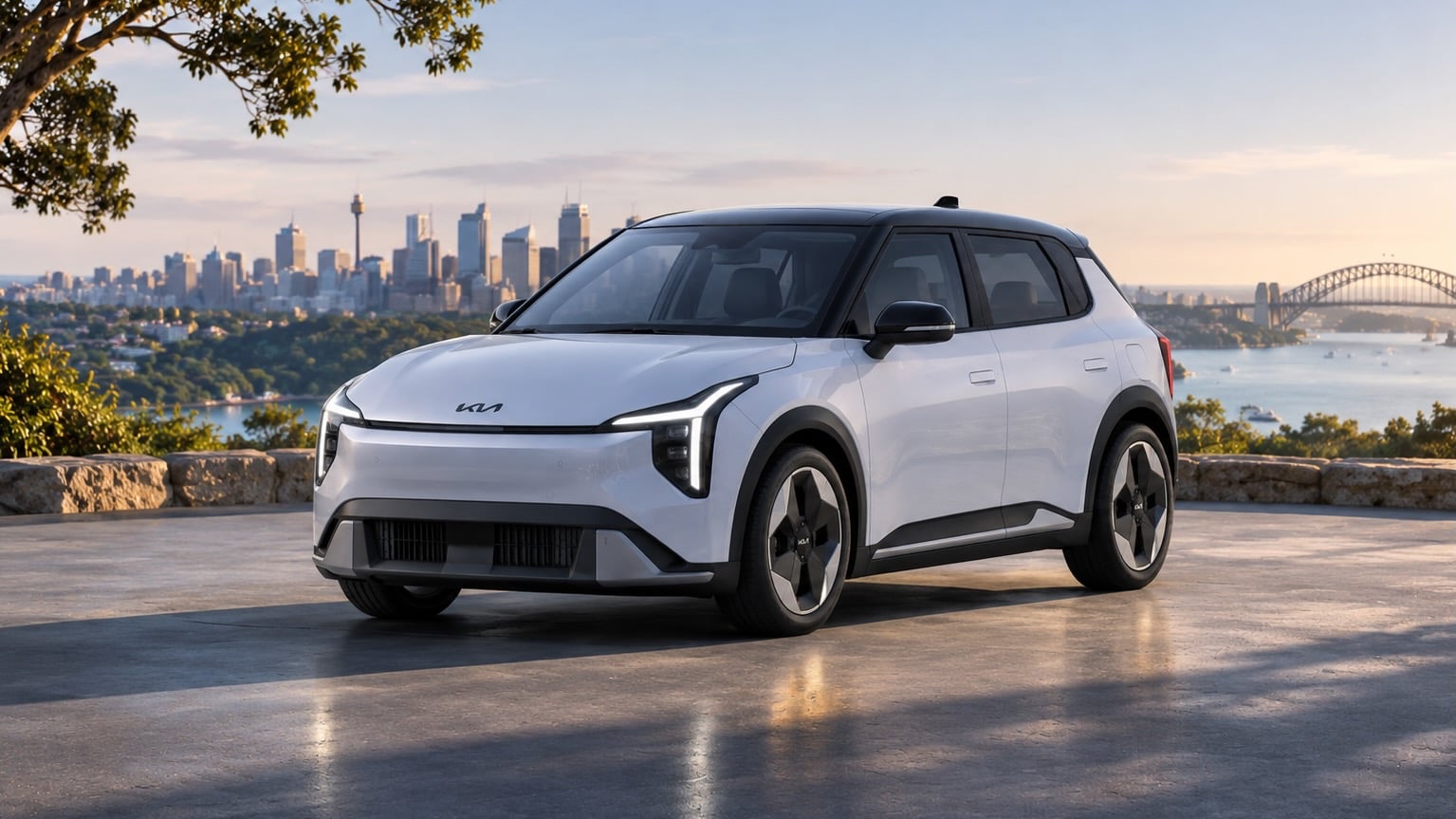
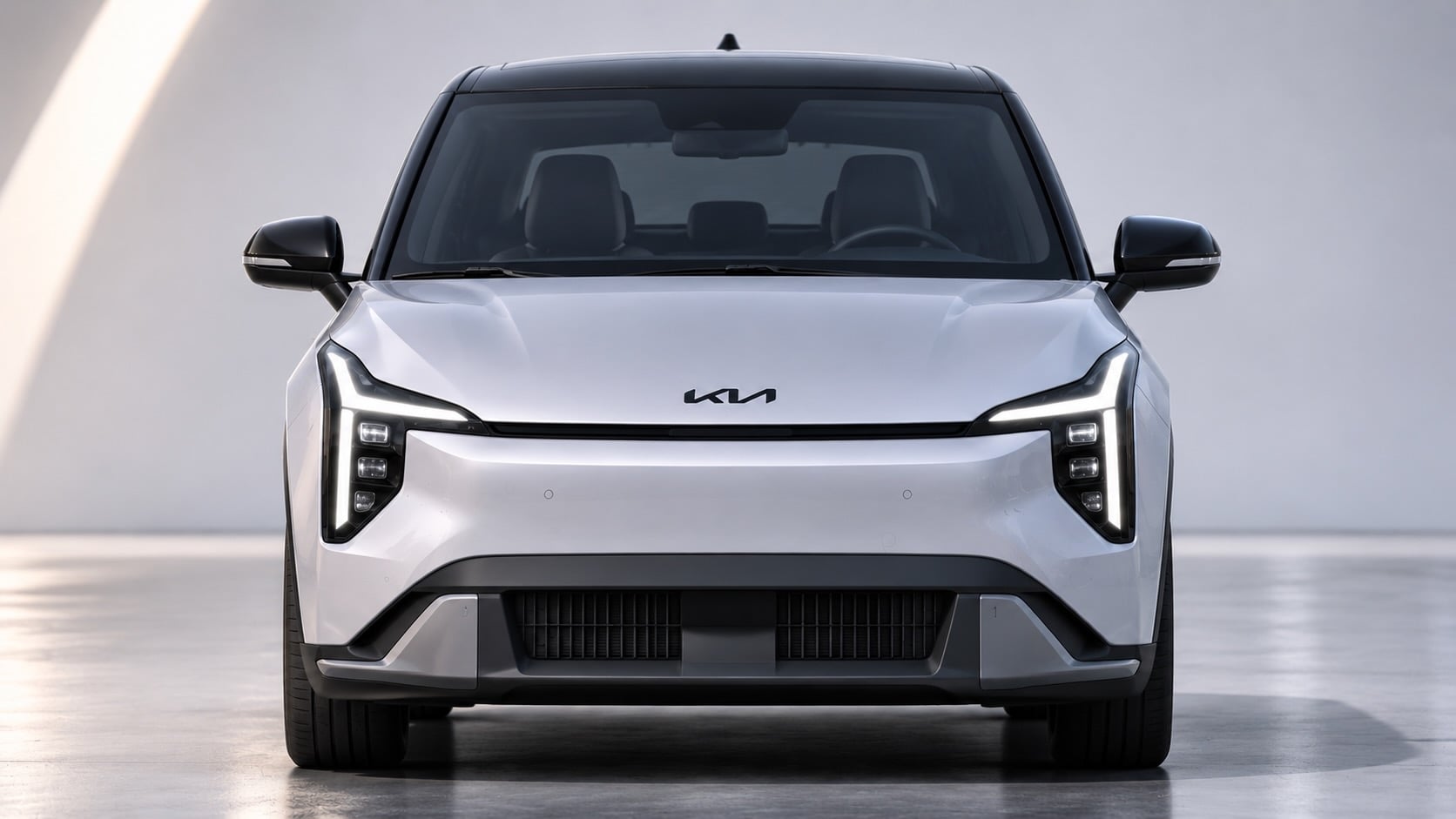
Kia has revealed fresh details about its upcoming affordable electric hatchback, confirming development of its first software-defined vehicle will be completed by the end of 2027 ahead of an expected market launch in 2028.
Expected to be called the EV1, the new model will sit below the recently introduced EV2 and EV3 small SUVs as Kia’s cheapest electric vehicle, with the Korean carmaker targeting a starting price of between €20,000 and €22,000 ($33,000 to $36,000) in the European market, which would make it one of the cheapest new cars available there.
5
However, the new hatchback won’t simply be another budget-friendly electric car. According to The Korean Car Blog, Kia has confirmed the model will become its first software-defined vehicle (SDV), introducing a new generation of tech designed to eventually spread across its wider lineup.
Unlike conventional vehicles in which many electronic functions are tied to individual hardware components, software-defined vehicles use a more centralised computing architecture, which allows features and systems to be updated and improved over time.
The new Kia will use Hyundai Motor Group’s ‘CODA’ architecture, alongside its next-generation Pleos Connect infotainment system and AI digital assistant. The technology will also support Level 2+ driver assistance on highways, with Kia planning to introduce more advanced Level 2++ capabilities for urban driving from 2029.
But despite the technological advancements, Kia says affordability remains a major priority. Speaking previously to Auto Express, Kia executive vice president Ted Lee confirmed the company is working alongside Hyundai on a dedicated electric vehicle platform for its next generation of entry-level models.
The shared architecture is expected to underpin both the Kia EV1 and a related Hyundai model, which will help reduce development and manufacturing costs. Production could take place at Kia’s factory in Slovakia, which also manufactures the EV2.
For now, Kia is targeting completion of development by the end of 2027, with the production model expected to reach overseas showrooms in 2028.
Follow WhichCar/Wheels on Google
Click the button below to make WhichCar by Wheels a preferred source for your news.


We recommend
-
 News
Document leak reveals Kia will tweak the Tasman after its difficult Aussie launch
A leaked Kia document has revealed plans to improve the slow-selling Tasman ute, potentially introducing new variants alongside a fresh electric SUV.
-
 News
Massive $5000 price cut for Kia’s Tasman ute, Sportage and Sorrento
Kia has slashed prices across its diesel-powered range, with $5000 cashback offers on the Tasman, Sportage and Sorento throughout November.
-
 News
Significantly updated Kia EV5 is revealed with a power boost and facelift
Kia's updated EV5 electric SUV will bring more power, revised styling and improved driving dynamics when it arrives in Australia in 2027.
