Classic Wheels
Gallery 1
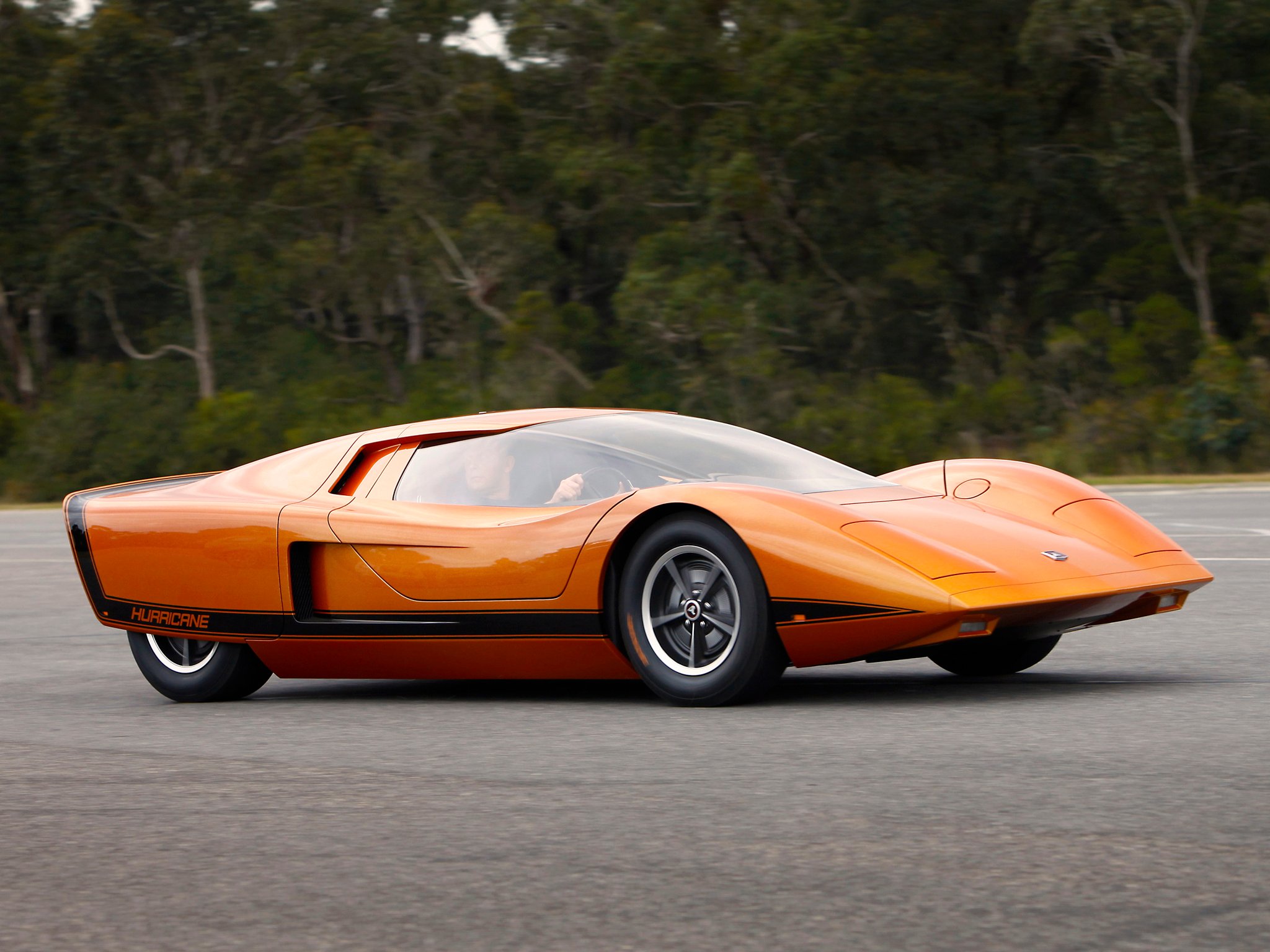
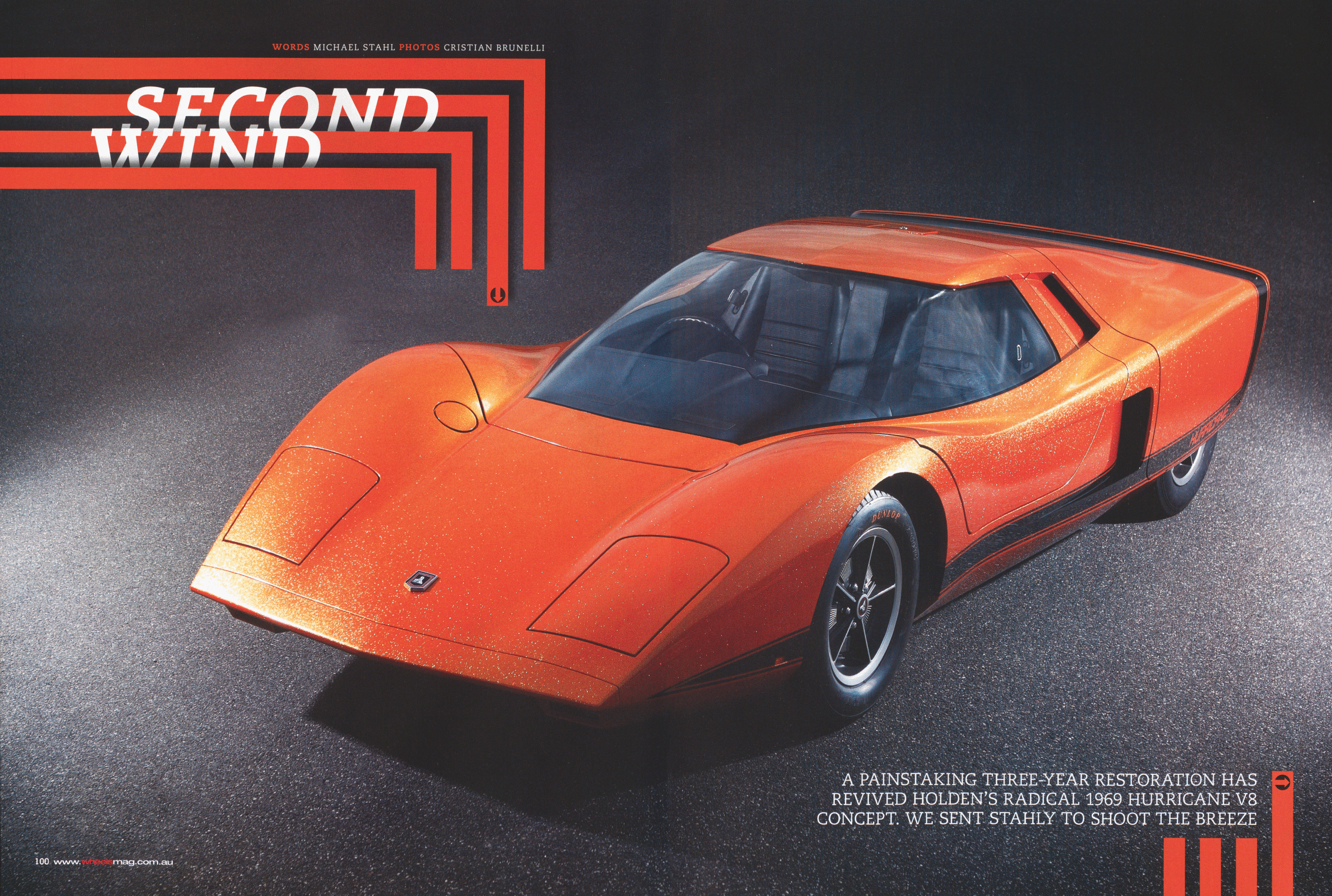
It took a painstaking three years to bring the radical 1969 Holden Hurricane V8 concept back to life. Often branded Australia’s first supercar, it seemed like something from outer space when it debuted at the Melbourne motor show, and it would still turn heads on any street in the world today.
First published in the November 2001 issue of Wheels magazine, Australia’s best car mag since 1953. Subscribe here and gain access to 12 issues for $109 plus online access to every Wheels issue since 1953.
It was the first ‘concept car’ from a company hidden at the bottom of a distant and different world. But its dart-like lines are right in tune with ‘dream machines’ like the Lancia Zero Stratos, Mercedes-Benz C111, Lamborghini Urraco. All of which actually came later.
3
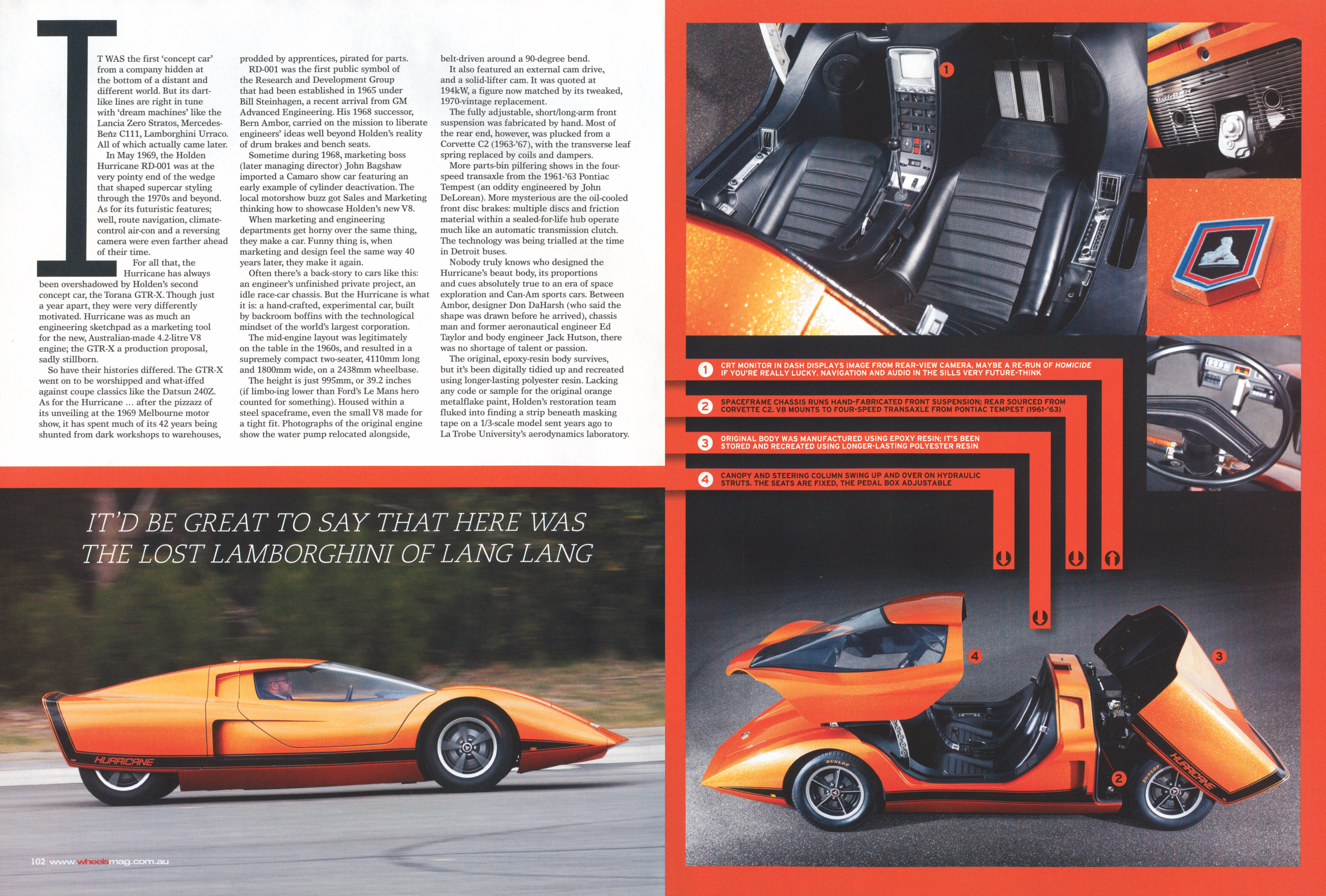
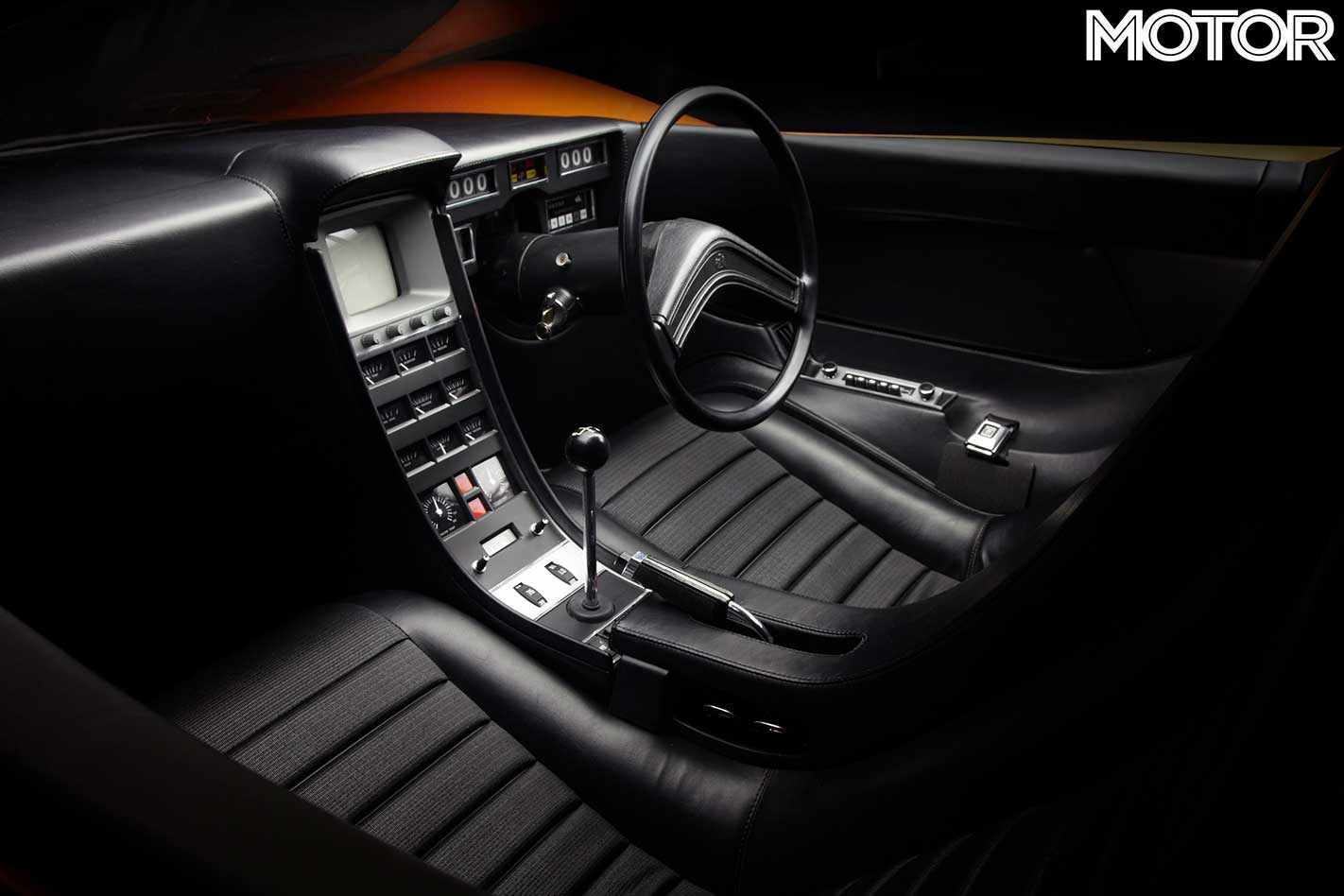
In May 1969, the Holden Hurricane RD-001 was at the very pointy end of the wedge that shaped supercar styling through the 1970s and beyond. As for its futuristic features; well, route navigation, climate-control air-con and a reversing camera were even farther ahead of their time.
For all that, the Hurricane has always been overshadowed by Holden’s second concept car, the Torana GTR-X. Though just a year apart, they were very differently motivated. Hurricane was as much an engineering sketchpad as a marketing tool for the new, Australian-made 4.2-litre V8 engine; the GTR-X a production proposal, sadly stillborn.
So have their histories differed. The GTR-X went on to be worshipped and what-iffed against coupe classics like the Datsun 240Z. As for the Hurricane … after the pizzazz of its unveiling at the 1969 Melbourne motor show, it has spent much of its 42 years being shunted from dark workshops to warehouses, prodded by apprentices, pirated for parts.
RD-001 was the first public symbol of the Research and Development Group that had been established in 1965 under Bill Steinhagen, a recent arrival from GM Advanced Engineering. His 1968 successor, Bern Ambor, carried on the mission to liberate engineers’ ideas well beyond Holden’s reality of drum brakes and bench seats.
5
Sometime during 1968, marketing boss (later managing director) John Bagshaw imported a Camaro show car featuring an early example of cylinder deactivation. The local motorshow buzz got Sales and Marketing thinking how to showcase Holden’s new V8.
When marketing and engineering departments get horny over the same thing, they make a car. Funny thing is, when marketing and design feel the same way 40 years later, they make it again.
Often there’s a back-story to cars like this: an engineer’s unfinished private project, an idle race-car chassis. But the Hurricane is what it is: a hand-crafted, experimental car, built by backroom boffins with the technological mindset of the world’s largest corporation.
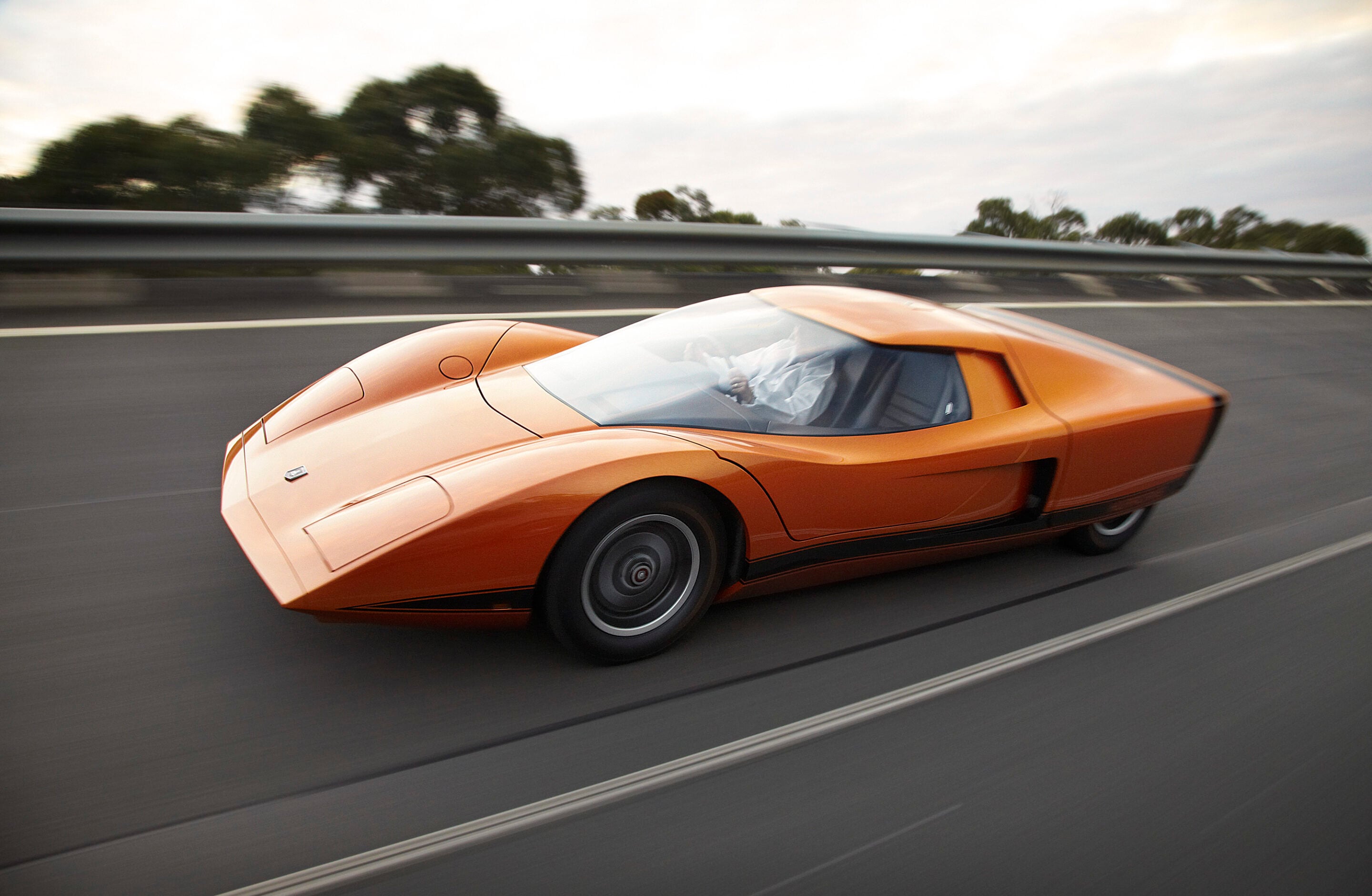
The mid-engine layout was legitimately on the table in the 1960s, and resulted in a supremely compact two-seater, 4110mm long and 1800mm wide, on a 2438mm wheelbase.
The height is just 995mm, or 39.2 inches (if limbo-ing lower than Ford’s Le Mans hero counted for something). Housed within a steel spaceframe, even the small V8 made for a tight fit. Photographs of the original engine show the water pump relocated alongside, belt-driven around a 90-degree bend.
It also featured an external cam drive, and a solid-lifter cam. It was quoted at 194kW, a figure now matched by its tweaked, 1970-vintage replacement.
7
The fully adjustable, short/long-arm front suspension was fabricated by hand. Most of the rear end, however, was plucked from a Corvette C2 (1963-’67), with the transverse leaf spring replaced by coils and dampers.
More parts-bin pilfering shows in the four-speed transaxle from the 1961-’63 Pontiac Tempest (an oddity engineered by John DeLorean). More mysterious are the oil-cooled front disc brakes: multiple discs and friction material within a sealed-for-life hub operate much like an automatic transmission clutch. The technology was being trialled at the time in Detroit buses.
Nobody truly knows who designed the Hurricane’s beaut body, its proportions and cues absolutely true to an era of space exploration and Can-Am sports cars. Between Ambor, designer Don DaHarsh (who said the shape was drawn before he arrived), chassis man and former aeronautical engineer Ed Taylor and body engineer Jack Hutson, there was no shortage of talent or passion.
The original, epoxy-resin body survives, but it’s been digitally tidied up and recreated using longer-lasting polyester resin. Lacking any code or sample for the original orange metalflake paint, Holden’s restoration team fluked into finding a strip beneath masking tape on a 1/3-scale model sent years ago to La Trobe University’s aerodynamics laboratory.
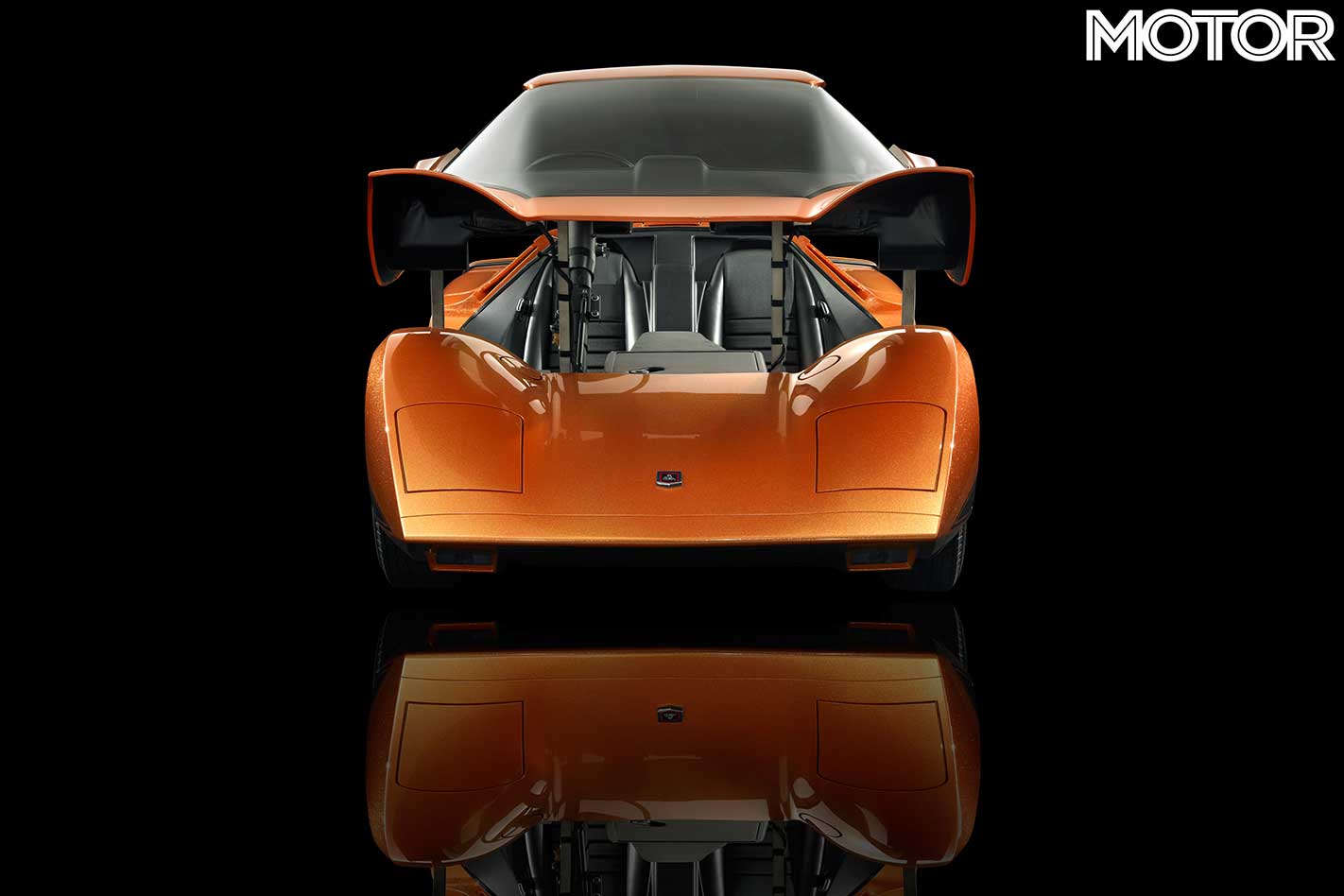
Hurricane’s extremely low stance prompted new solutions for ingress and egress. One was Taylor’s one-piece, hydraulic roof canopy. Its windscreen was a panoramic plexiglass affair without pillars (or, for that matter, wipers). The cockpit’s seats are fixed (the pedal box is adjustable), the pair rising electrically as the canopy opens.

5
The difficulty of providing a rear window begat the idea of a monochrome CRT monitor, linked to a cumbersome camera hidden in the rear bodywork. More forward-thinking was the Pathfinder route guidance system. It’s earth-nav: clusters of magnets buried in the ground are interpreted by a one-inch, punched paper tape in the car.
Folklore has it that the magnets are still buried around the Lang Lang ride-handling circuit.
If the cars we love are imprinted on us early, then at least two long-term Holden design team staff owe their careers to the Hurricane and GTR-X.
Rick Martin spent 34 years at Holden, retiring earlier this year at 54 to dabble with his hot-rodding hobby. Martin formerly led Holden’s technical design team, but unofficially has been the self-appointed Hurricane historian. The car had burned itself into the brain of a 12-year-old Martin at the 1969 Melbourne show, and the passion has never subsided.
He explained that the car was sent out for dealer displays from around 1972, until it sustained a cracked windscreen and was stuffed away in a wooden crate at Holden’s Dandenong garage, awaiting repairs. In the mid-1980s it was fixed and repainted in Asteroid Silver. From 1992, the Hurricane spent most of its time at the Holden National Museum in Echuca, Victoria.
4
It was retrieved with a view to doing something for Holden’s 50th anniversary in 1998, but there was another project to dominate play. Mike Simcoe’s Coupe Concept, known to all at Holden as the ‘blue Monaro’, was Holden’s first full concept car since the GTR-X.
It wasn’t only Bob Lutz who noticed that one. Ed Welburn, then at Oldsmobile, is a self-confessed GM concept car nerd. In 2003, Welburn would become head of GM design, and would appoint Holden one of only three General Motors divisions that build functioning concept cars for the car maker worldwide. He took a personal interest in Hurricane’s revival.
Hurricane missed Holden’s 60th celebrations; thank VE, GFC, etc. And restoring it wasn’t much easier than building it in the first place.
Unlike almost all its sister concept cars, Hurricane owes little to any Holden production model. Much of it had gone missing, not least the original engine, the cast magnesium wheel trims, most of the interior. The cast magnesium arms for the roof canopy, it’s said, were sold to buy beer for engineering department all-nighters.
“R&D was a separate entity, so all their records, drawings were kept out of the mainstream engineering world,” Martin sighed. None of it could be located, from which to replicate the missing parts. The restoration team, enthusiastically led by Martin and with research and recollection from 1968 Holden inductee and engineer Ian McCleave, worked from the body and parts they had, and little else beyond a handful of photographs.
Richard Ferlazzo is another Holden identity who was seriously inspired by the Hurricane in his childhood. He still is. “If you ever needed an explanation why concept cars are valuable, that’s the car,” he grinned.
“These guys explored the technologies that we now take for granted.
“We often get asked the question, why do you do concept cars? Well, I’d have to wait another 40 years to determine the value of the concept cars we’ve just done. But here’s one we prepared earlier!”
7
Heat seeker – driving the ‘Jaffle-iron’
Lang Lang was where I became the second person, after Holden’s concept vehicle minder Dean Ristow, to drive the Hurricane, following its three-year restoration.
Low and laid-back in the broad cockpit, I was soon marvelling at its apparent spaciousness. It felt very Logan’s Run. But even that came seven years after the Hurricane.
Then Marco, a member of the fabricating team, called across to Ristow: “Shall we jaffle-iron him?”
That was exactly the sensation as the clamshell canopy and gangly steering column descended. I slid farther down the seat, squishing my feet harder against the tall, close-set alloy pedals. Eventually the canopy pressed down hard on my head, the steering wheel dented my thighs, my left ankle contorted to find the hugely offset clutch. And we were good to go.
It’d be great to say that here was an overlooked supercar treasure, the lost Lamborghini of Lang Lang. And perhaps there are elements of the Hurricane that could have, or did, help change the mainstream. But my drive of the Hurricane – with no driving-position adjustments working, electrical bugs randomly killing the engine, a 40km/h limit and a sticking throttle – was really more exciting in the manner of driving, say, the film-prop Batmobile.
Follow WhichCar/Wheels on Google
Click the button below to make WhichCar by Wheels a preferred source for your news.