
Reviews

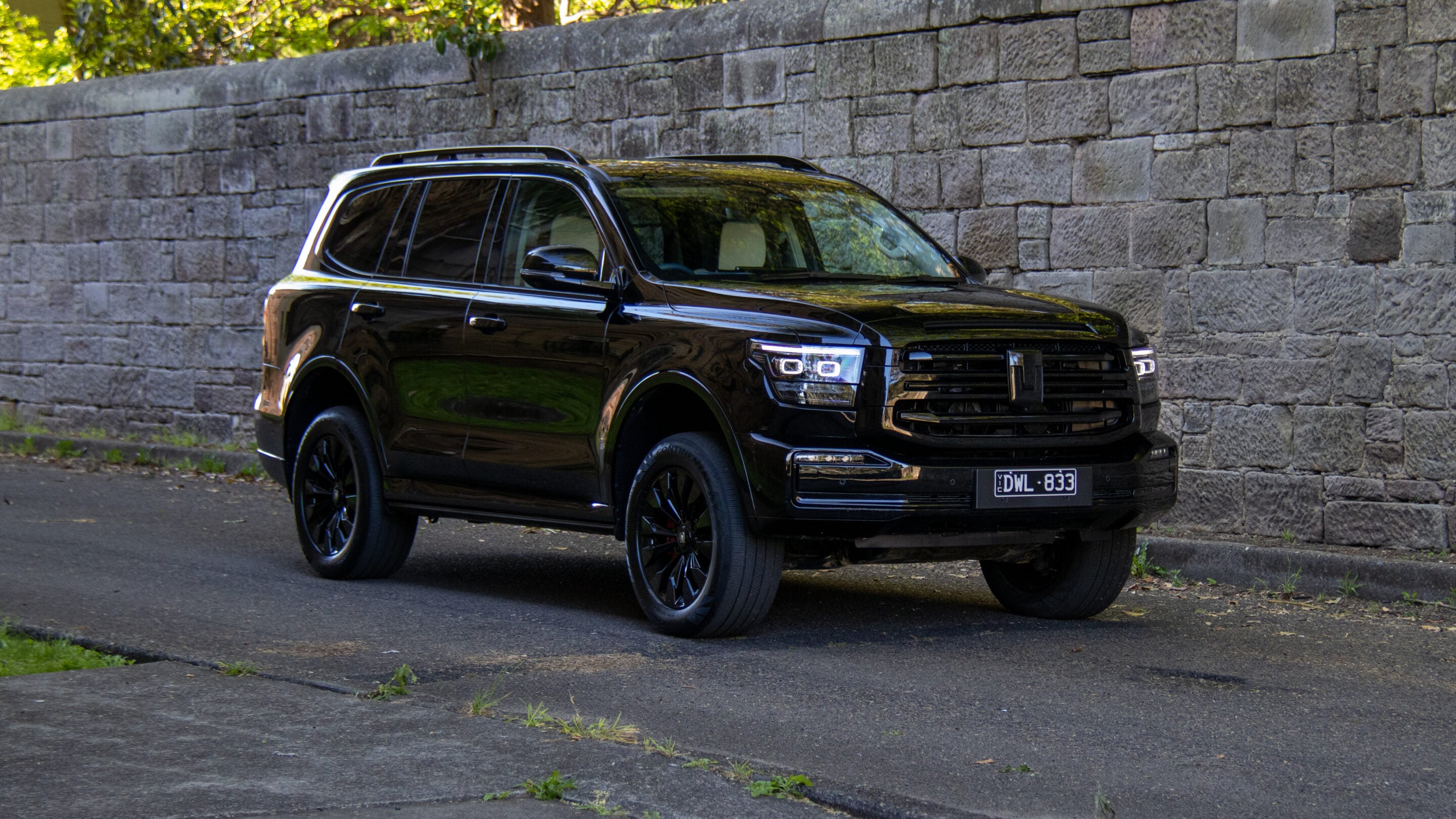
Gallery 1
7.8
/10
Score
Score breakdown
8.0
Safety, value and features
8.0
Comfort and space
8.0
Engine and gearbox
8.0
Ride and handling
7.0
Technology
Things we like
- Impressive new 3.0-litre turbo-diesel engine
- Australian-developed ride and handling improvements
- Pleasingly high-quality and well-equipped interior
Not so much
- Too many functions controlled through the touchscreen
- Doughy transmission response at low speeds
- New engine could be a bit punchier
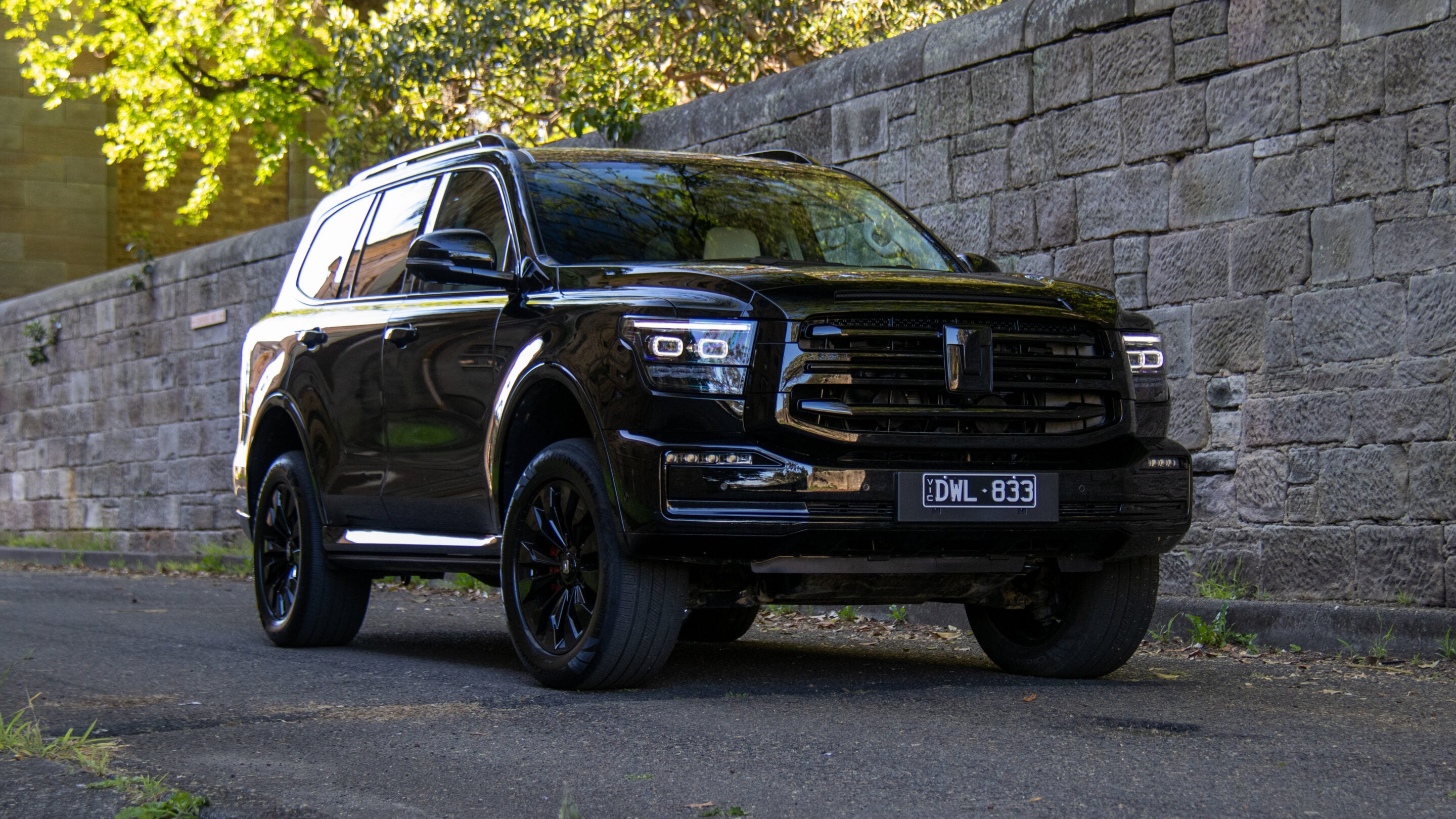
While the Australian new car market is increasingly shifting towards electrification, there’s still a significant appetite for traditional diesel-powered four-wheel drives, which is something GWM is now looking to capitalise on with its updated Tank 500 large SUV.
It was previously offered exclusively with electrified petrol powertrains – which will continue in the line-up – but the Tank 500 has been given arguably the most important addition to its range yet: an all-new 3.0-litre four-cylinder turbo-diesel engine.
4
But the new engine is far from the only important addition: extensive Australian engineering work has resulted in improvements to the Tank 500’s ride and handling, while towing capacity has increased and its infotainment has been overhauled.
Considering how competitive the large four-wheel-drive segment is in Australia, these are all welcome developments. But has GWM done enough to tempt buyers away from the likes of the Toyota LandCruiser Prado, Ford Everest and Isuzu MU-X?
How much does the GWM Tank 500 cost to buy?
The diesel-powered Tank 500 range currently features two variants, starting with the $65,990 driveaway Lux and extending to the $71,990 driveaway Vanta tested here. Both feature the same 3.0-litre turbo-diesel engine, nine-speed automatic transmission, four-wheel drive system and seven-seat layout.
Importantly, the petrol hybrid versions of the Tank 500 are still available, with the hybrid Vanta priced from $75,990 driveaway and the top-spec Ultra PHEV $79,990 driveaway.
As we’ve come to expect from GWM, standard equipment across the Tank 500 range is generous, with even the entry-level Lux featuring a 14.6-inch touchscreen, wireless Apple CarPlay and Android Auto, heated and electrically adjustable front seats, dual-zone climate control and a comprehensive suite of active safety equipment.
7
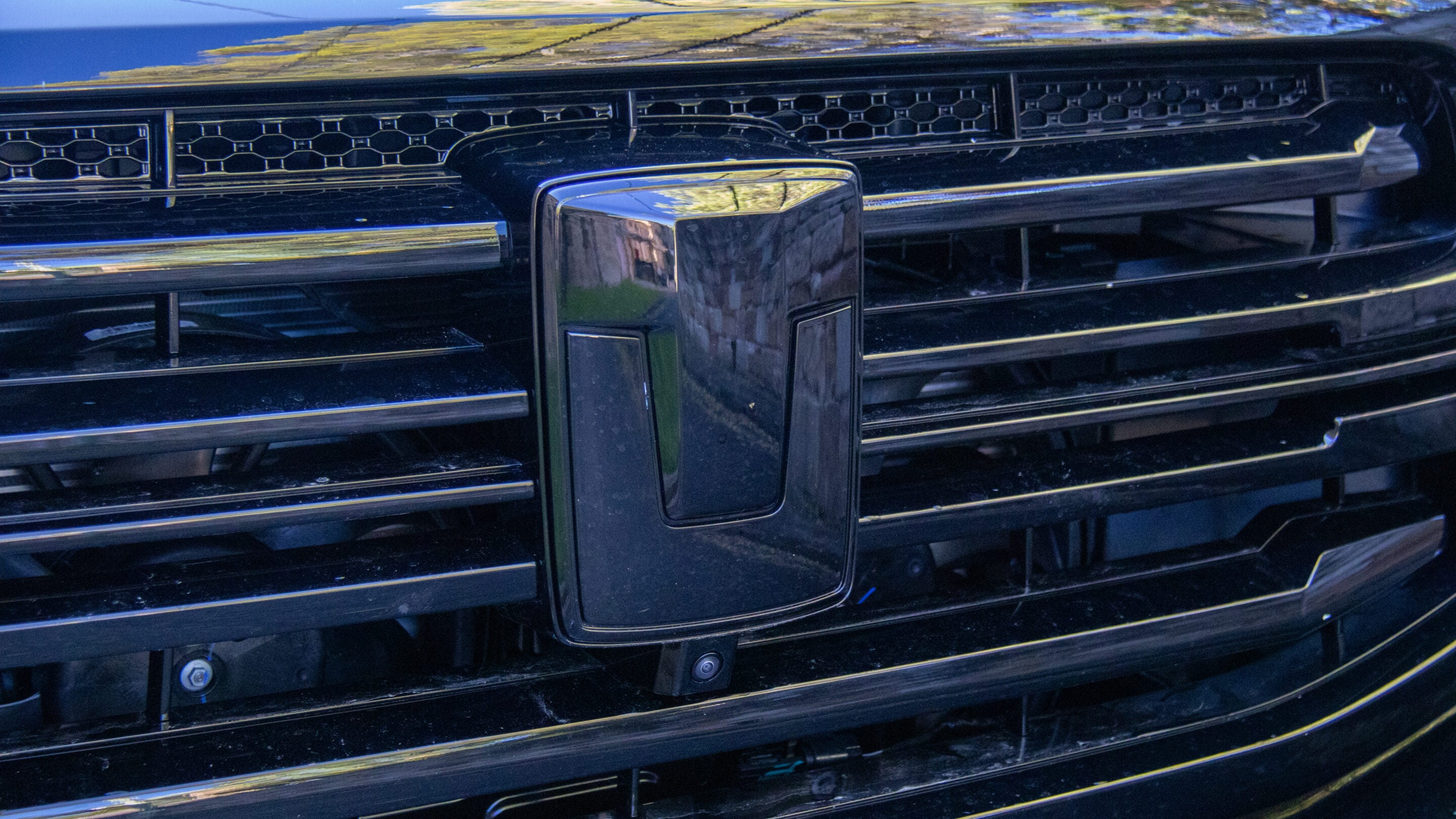
Spending the additional $6000 on the Vanta adds Nappa leather upholstery, ventilated, heated and massaging front seats, ventilated second-row seating, a heated steering wheel, a panoramic sunroof, a 12-speaker sound system, electrically retractable side steps and power-folding third-row seats.
The Vanta also introduces black exterior styling features and, most importantly for touring enthusiasts, a supplementary 53-litre fuel tank that takes the capacity to a large 131 litres.
Obviously, it’s not exactly what you’d call dirt cheap, but it’s quite good value in its segment. Take, for example, the big-selling Toyota Prado: its pricing starts at $73,200 plus on-road costs in entry-level GX form and it’s nowhere near as well equipped as the Tank 500, including the GWM’s seven seat-layout. Even the $100,620 +ORC top-spec Prado Kakadu isn’t as well equipped, making the Tank 500 quite appealing for off-roaders and outback tourers alike.
How fuel efficient is the GWM Tank 500?
Despite its increased engine capacity and considerable outputs, GWM’s new 3.0-litre diesel engine is impressively frugal. The company claims combined fuel consumption of just 7.1L/100km, which is an excellent figure for a traditional ladder-frame four-wheel drive weighing just above 2.7 tonnes, and I achieved 7.5L/100km in a mix of driving (though not towing).
While the Lux features a 78-litre fuel tank, the Vanta’s additional 53-litre auxiliary tank offers a potential range of more than 1800km based on the claimed combined fuel consumption. Obviously, towing, off-roading and carrying heavy loads will naturally reduce that figure considerably, but in good news for owners, there’s also no requirement for AdBlue.
How good is the GWM Tank 500 to drive?
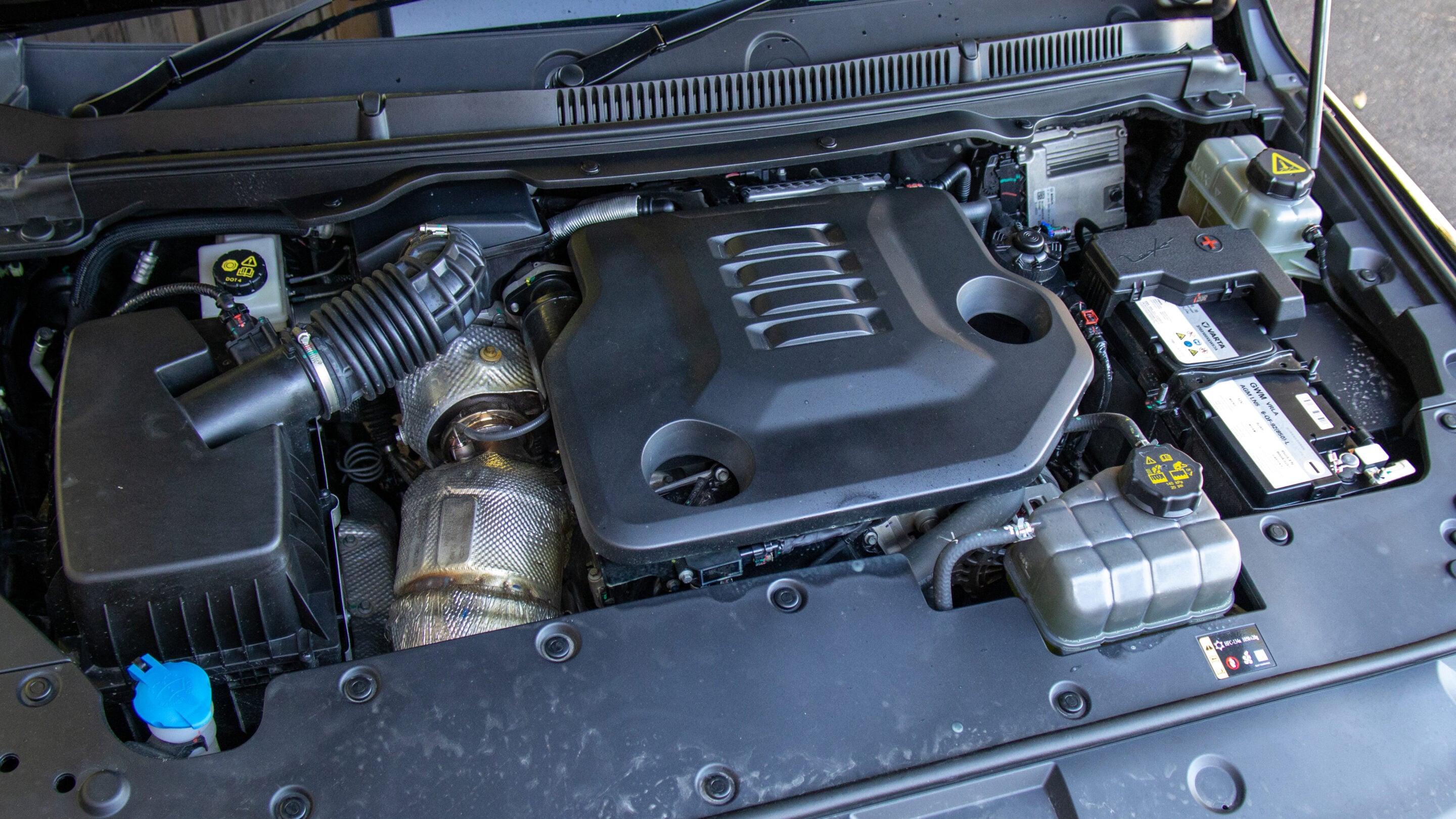
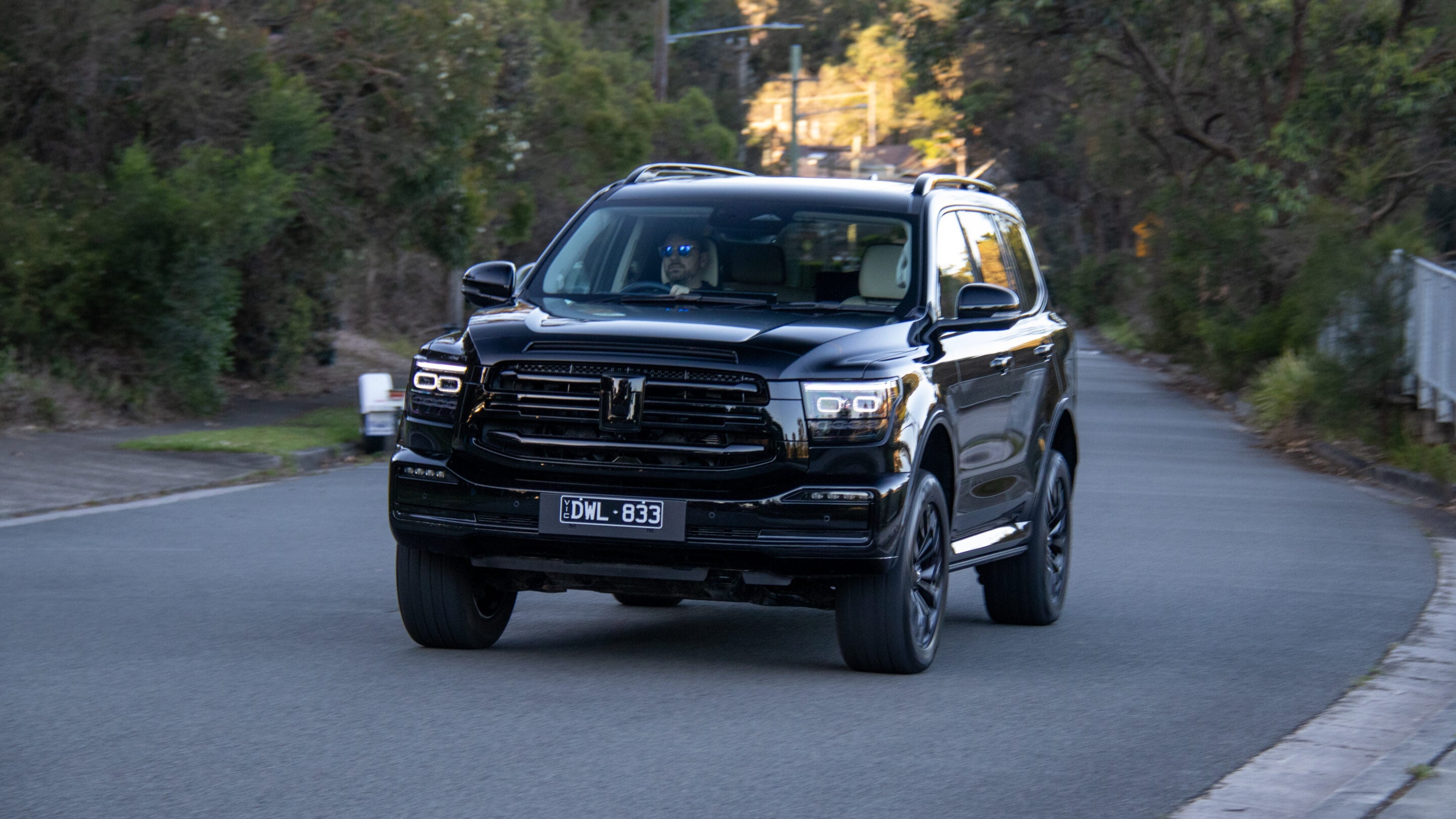
GWM’s new ‘GW4F30’ 3.0-litre four-cylinder turbo-diesel engine produces 170kW and 620Nm, with peak torque available between 1400 and 2400rpm. Those are impressive figures on paper, particularly considering the engine produces more torque than the 3.0-litre V6 turbo-diesel Ford Everest, though I don’t think it feels quite as punchy as its rival. It’s more than adequate for everyday driving and really suits a highway cruise, but I think that a little more power would be welcome, particularly given its considerable weight.
4
Its nine-speed automatic transmission could also benefit from a bit more calibration work. While it’s reasonably unobtrusive at higher speeds, it can feel doughy around town. But the refinement is excellent, with little in the way of engine or road noise. Even more impressive is the work undertaken by GWM’s Australian engineering team, led by former Holden engineer Rob Trubiani.
The improvements to the Tank 500’s ride and handling are noticeable, with better body control, more composure on uneven road surfaces and more cohesion to the overall driving experience. Don’t get me wrong, it still feels heavy, but it’s more settled and confidence-inspiring than before. In that regard, the local suspension development is arguably more important than the new diesel as it has really improved the way the Tank 500 drives.
4
Braked towing capacity has also increased from 3000kg to 3500kg (its gross combined mass is 6545kg), bringing the diesel Tank 500 into line with its key competitors, while a standard integrated trailer brake controller adds further appeal for prospective tow vehicle buyers. While I didn’t test it off-road, its credentials remain impressive, with low-range gearing, locking front and rear differentials, 220mm of ground clearance and an 800mm wading depth.
How luxurious and practical is the GWM Tank 500?
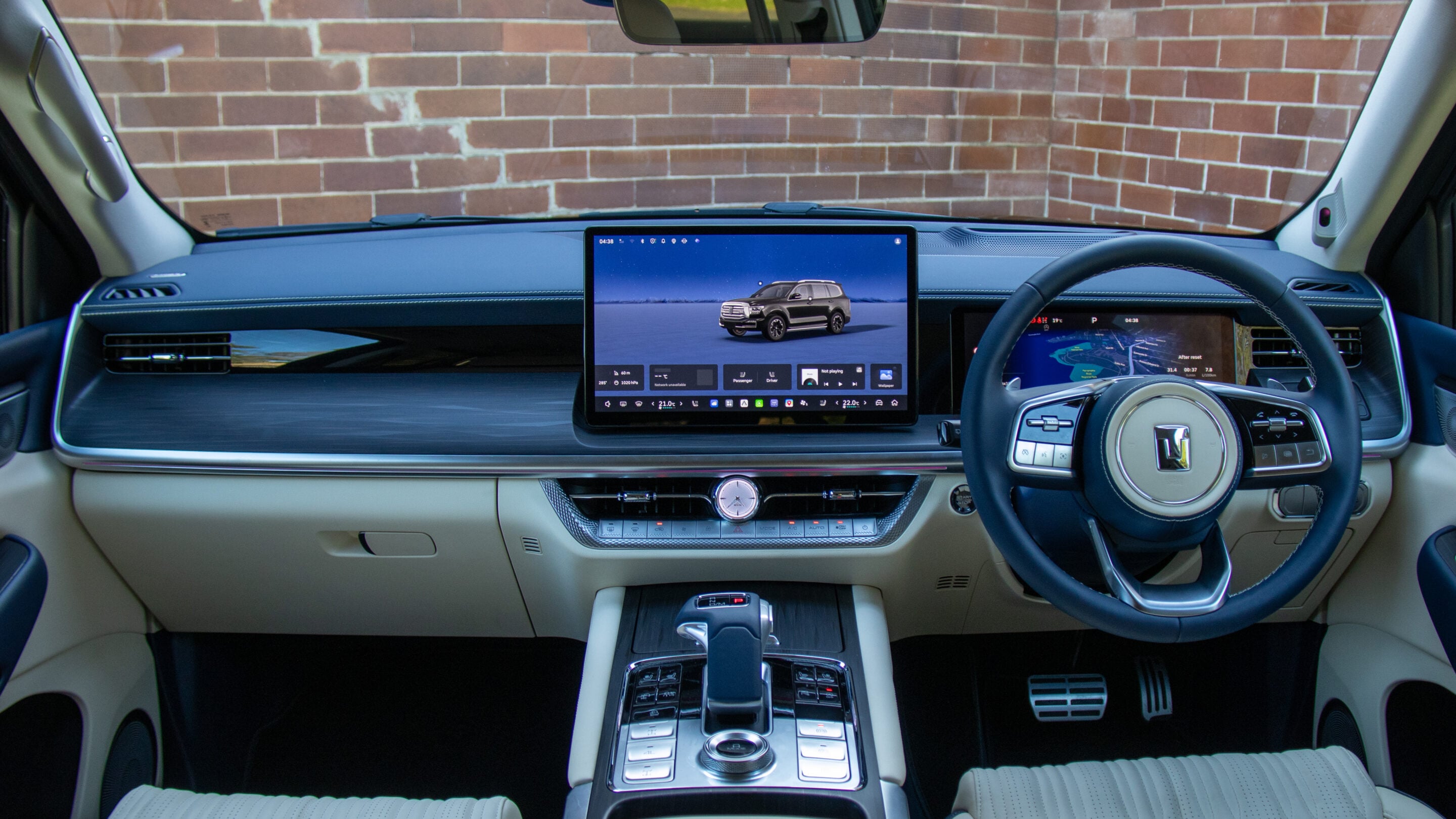
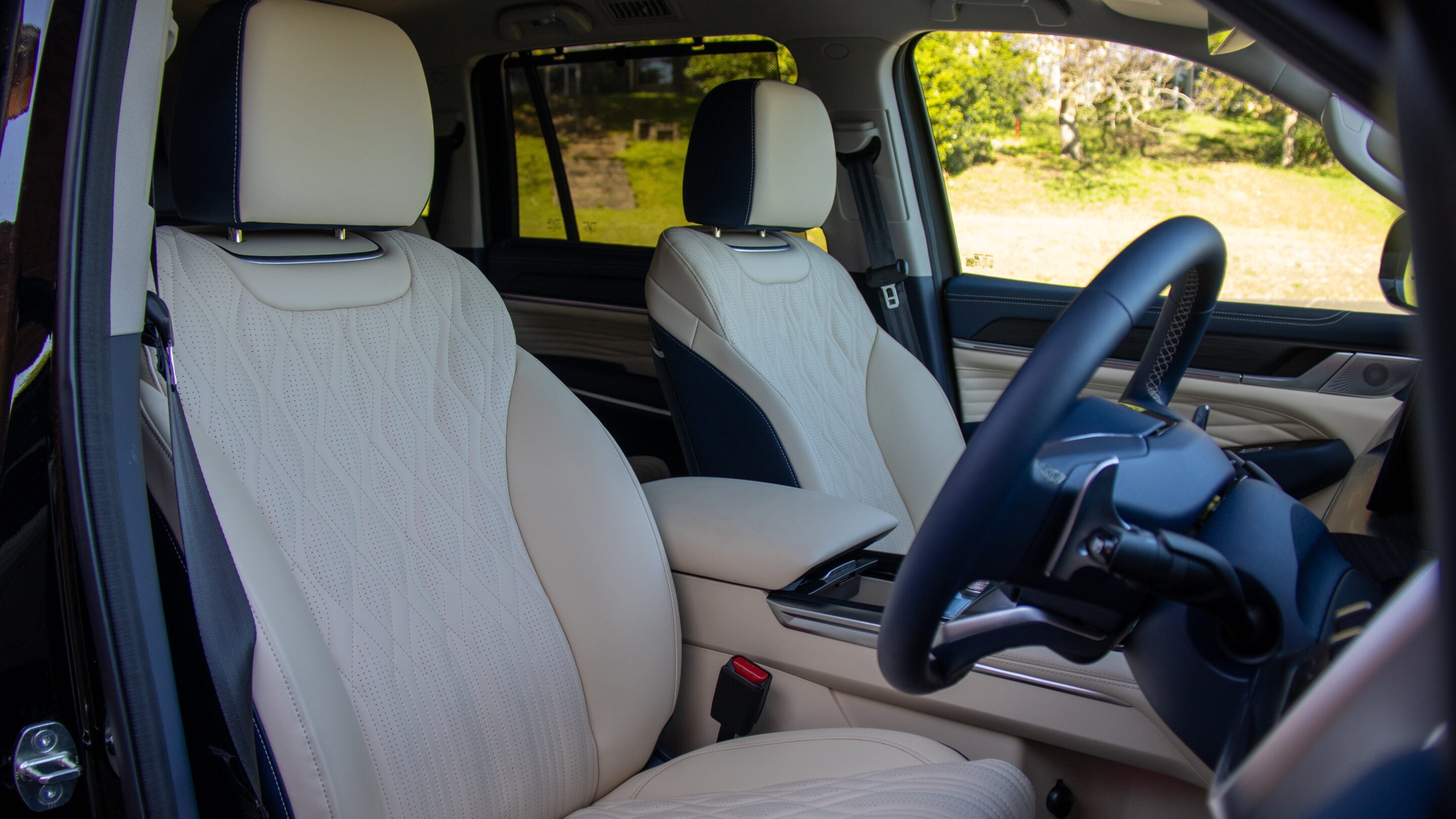
One of the most pleasing aspects of the Tank 500 remains the quality of its interior. There’s an upmarket feel to the cabin with attractive materials, comfortable and quality Nappa leather seats, and detailing that wouldn’t look out of place in a considerably more expensive SUV. It must be said that the two-tone blue and cream colour of our tester was a bit chintzy, though.
6
The 14.6-inch touchscreen running GWM’s new ‘Coffee OS’ software is a big improvement on the previous system. The screen is sharp and bright, it’s relatively easy to use and well featured too, with remote services like weather and music streaming services, wireless smartphone mirroring and inbuilt sat-nav.
Having said that, we’d still like to see more physical buttons for the Tank 500’s plethora of standard features because, despite the shortcuts, there are still some functions that take too many screen presses to deactivate. Thankfully, unlike some modern cars, the shortcut buttons for climate and so on don’t disappear with Apple CarPlay activated, making it easy to change settings on the move.
The Vanta features quite comfortable front seats with a huge range of features like heating, ventilation and massaging, while second-row passengers also enjoy comfortable seating, a third climate zone, USB chargers, window shades, a centre armrest and even ventilated seats.
6
Access to the third row is a bit awkward for bigger folk, but the room on offer there is more plentiful than you’d first think thanks to fine headroom and legroom (sliding the second row forward a bit helps), but air vents are a welcome feature. With all seven seats in place, boot capacity is limited to just 98 litres, though folding the third row increases that to a far more useful 795 litres, rising to1498L with the second row folded as well.
What warranty covers the GWM Tank 500?
Like the wider GWM passenger vehicle range, the Tank 500 is covered by a seven-year/unlimited km warranty for private buyers.
Five years/70,000km of servicing costs $2700 or $540 per year, and its annual service intervals are once every 15,000km, except the first year, when it’s 10,000km.
Should I buy a GWM Tank 500?
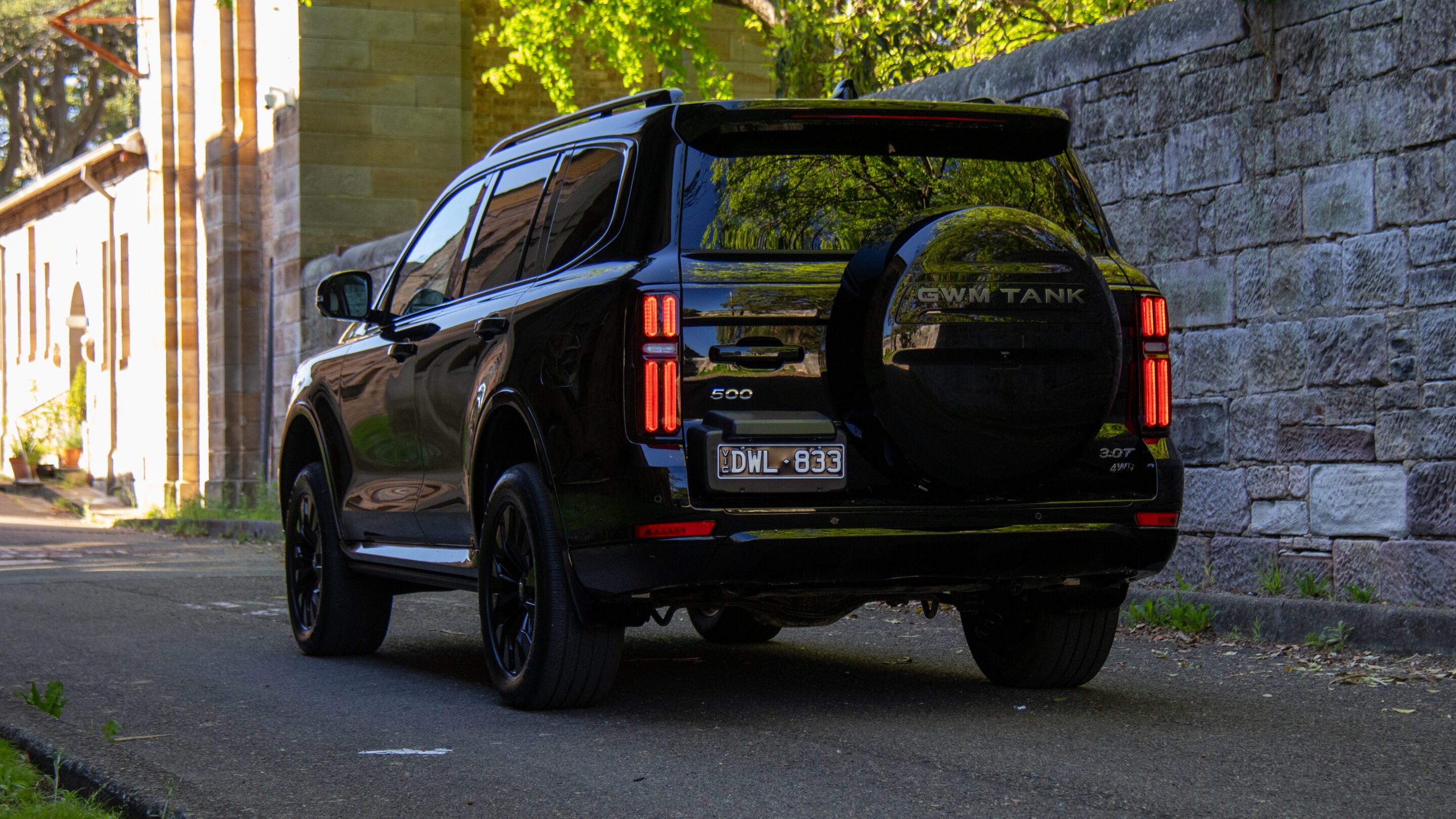
The addition of diesel power and Australian-developed suspension tuning makes the GWM Tank 500 a very convincing proposition in the large SUV segment. Its new engine is impressively efficient but also quite refined, its touring credentials are excellent and its interior impresses with both its quality and generous equipment levels. The improvements to the ride and handling also demonstrate the value of engineering cars specifically for Aussie conditions.
1
There remains room for improvement, particularly in the low-speed responsiveness of its powertrain and some cabin ergonomics, but neither detracts significantly from the overall package. Overall, the Tank 500 3.0-litre diesel is a serious attempt by GWM to take buyers away from the established large SUV boyband. If I were in the market for one, it would certainly be a strong contender.
Tank 500 Vanta 3.0L standard features:
- Black 19-inch alloy wheels with a full-size spare wheel
- Dusk-sensing automatic LED lighting with auto high beam
- Rain-sensing automatic wipers
- Power-retractable side steps
- Panoramic sunroof
- Roof rails
- Heated and auto-folding mirrors with puddle lamps that auto-drop in reverse
- Rear privacy glass
- Keyless entry with push button start and remote start
- 12-way driver/6-way front passenger electric front seat adjustment with heating, ventilation, massaging and driver’s memory functionality
- Ventilated second-row seating
- Electric third row seat adjustment
- Nappa leather upholstery
- Heated synthetic leather-wrapped steering wheel
- 12.3-inch digital driver’s display
- 14.6-inch touchscreen with live services and over-the-air updates
- Wireless Apple CarPlay and Android Auto
- Satellite navigation with live traffic
- AM/FM/DAB+ digital radio
- 12-speaker audio system with active noise cancellation
- 64-colour LED ambient lighting
- 7x airbags
- Autonomous emergency braking
- Adaptive cruise control with traffic jam assist
- Lane keeping assistance with adaptive lane guidance
- Blind-spot monitoring
- Front and rear cross-traffic alert (with braking)
- Rear occupant alert with safe exit alert
- Driver attention monitoring
- Traffic sign recognition
- Front and rear parking sensors
- Semi-autonomous parking
- 360-degree camera
- Tyre pressure monitoring
Tank 500 Vanta 3.0L specifications:
| Price | $71,990 driveaway |
|---|---|
| Engine | 2994cc four-cylinder turbo-diesel |
| Peak power | 170kW @ 3200rpm |
| Peak torque | 620Nm @ 1400-2400rpm |
| Transmission | 9-speed automatic, four-wheel drive, dual-range |
| Claimed fuel consumption | 7.1L/100km |
| Claimed CO2 emissions | 187g/km |
| Fuel type/tank size | Diesel, 131 litres |
| Wheel size | 19-inch |
| Spare wheel type | Full-size |
| Dimensions (l/w/h/wb) | 5078/1934/1905/2850mm |
| Kerb weight | 2706kg |
| Braked towing capacity | 3500kg |
| Warranty | 7-year/unlimited km |
| Five-year service cost | $2700 |
| On sale | Now |
7.8
/10
Score
Score breakdown
8.0
Safety, value and features
8.0
Comfort and space
8.0
Engine and gearbox
8.0
Ride and handling
7.0
Technology
Things we like
- Impressive new 3.0-litre turbo-diesel engine
- Australian-developed ride and handling improvements
- Pleasingly high-quality and well-equipped interior
Not so much
- Too many functions controlled through the touchscreen
- Doughy transmission response at low speeds
- New engine could be a bit punchier
Follow WhichCar/Wheels on Google
Click the button below to make WhichCar by Wheels a preferred source for your news.

We recommend
-
 News
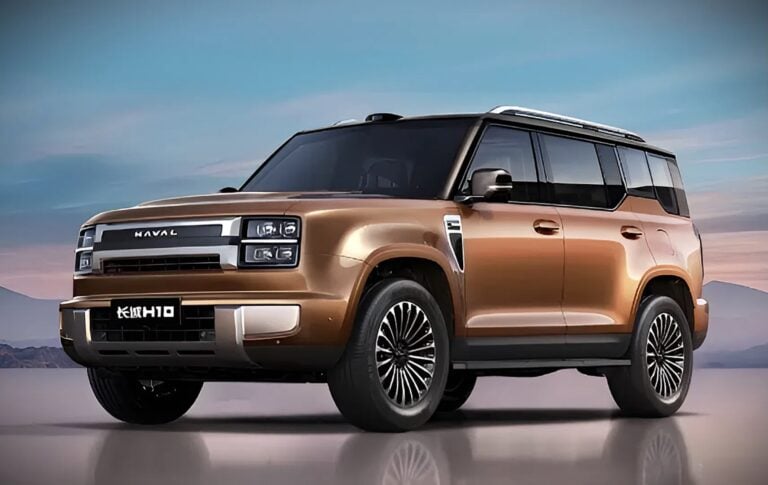
GWM confirms it’s bringing the plug-in hybrid Haval H10 large SUV to Australia
The Haval H10 features seven seats, tough styling and plug-in hybrid power to the tune of 440kW.
-
 News
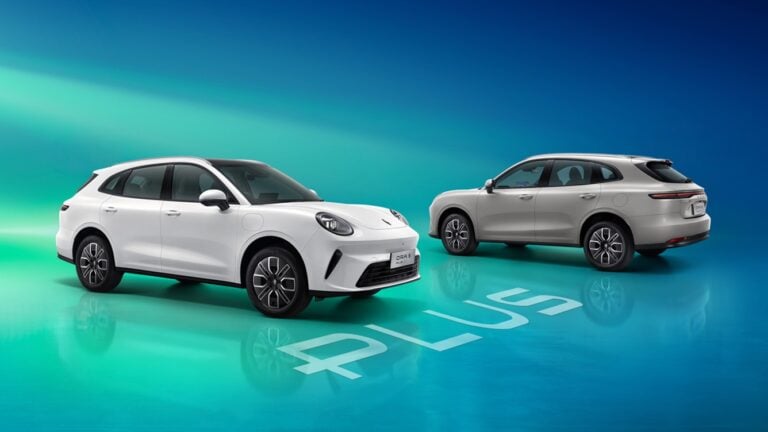
2027 GWM Ora 5 Plus confirmed for Australia as an affordable Tesla Model Y rival
GWM is preparing to expand its Australian electric lineup with a Ora 5 Plus medium SUV, potentially offering family-friendly practicality for a cheap price.
-
 News
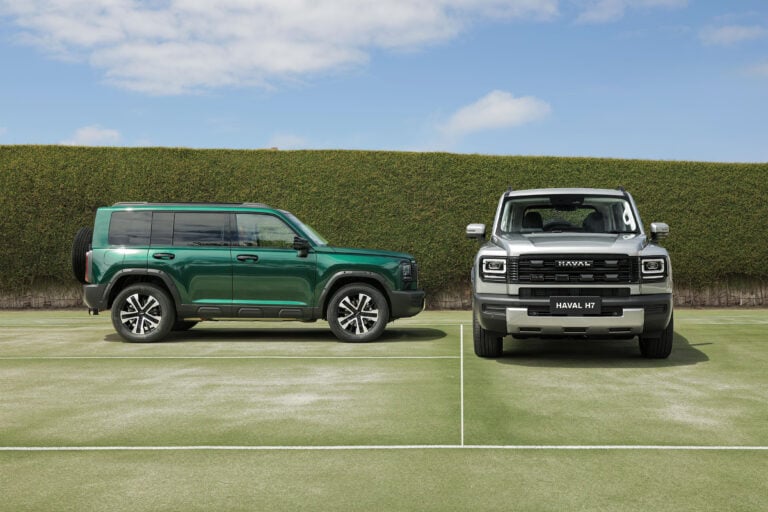
GWM reveals pricing and specs for the all-new Haval H7 mid-size SUV in hybrid and PHEV form
The Haval H7 will sell in four versions, with the choice of two powertrains.
