
News

Gallery 1
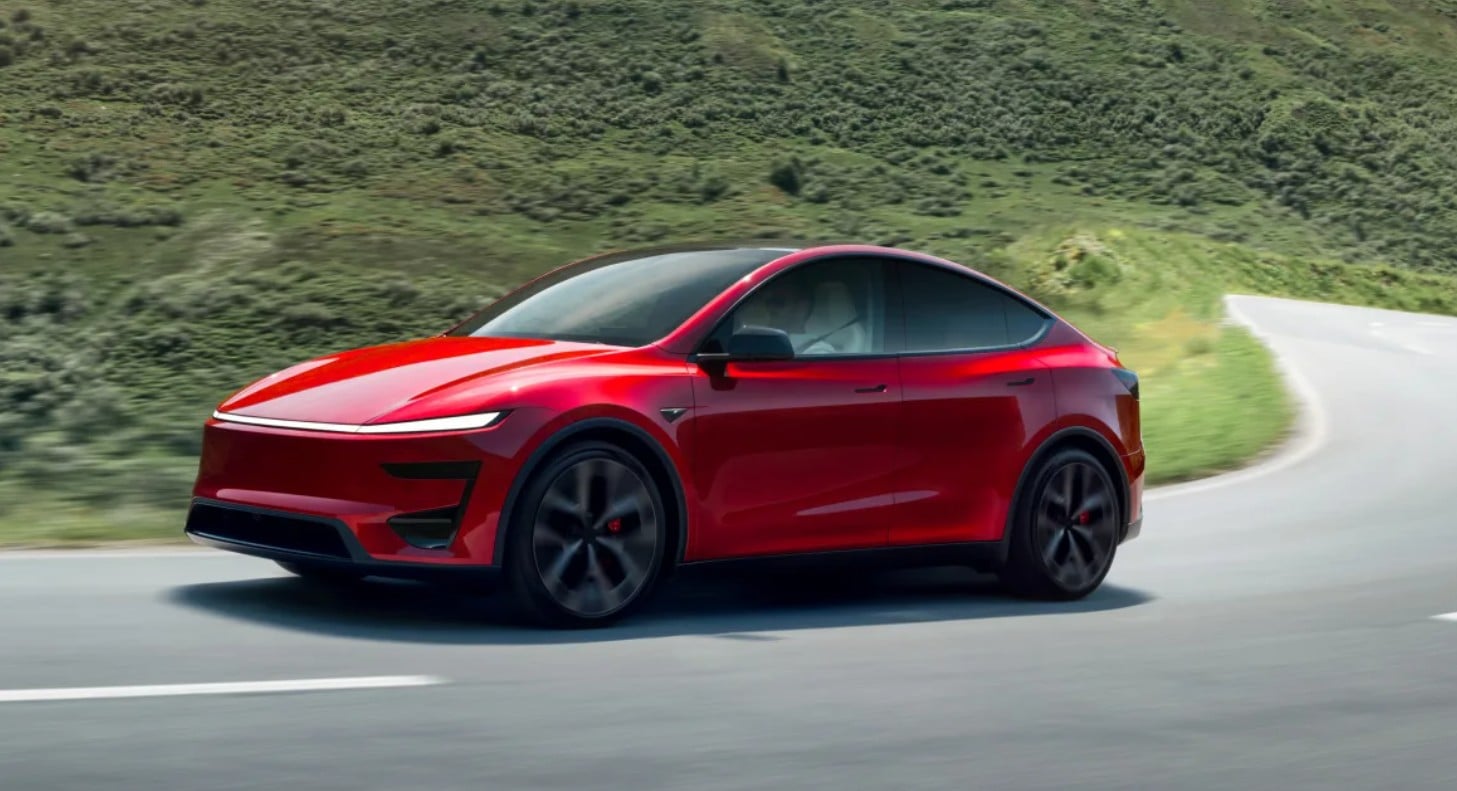
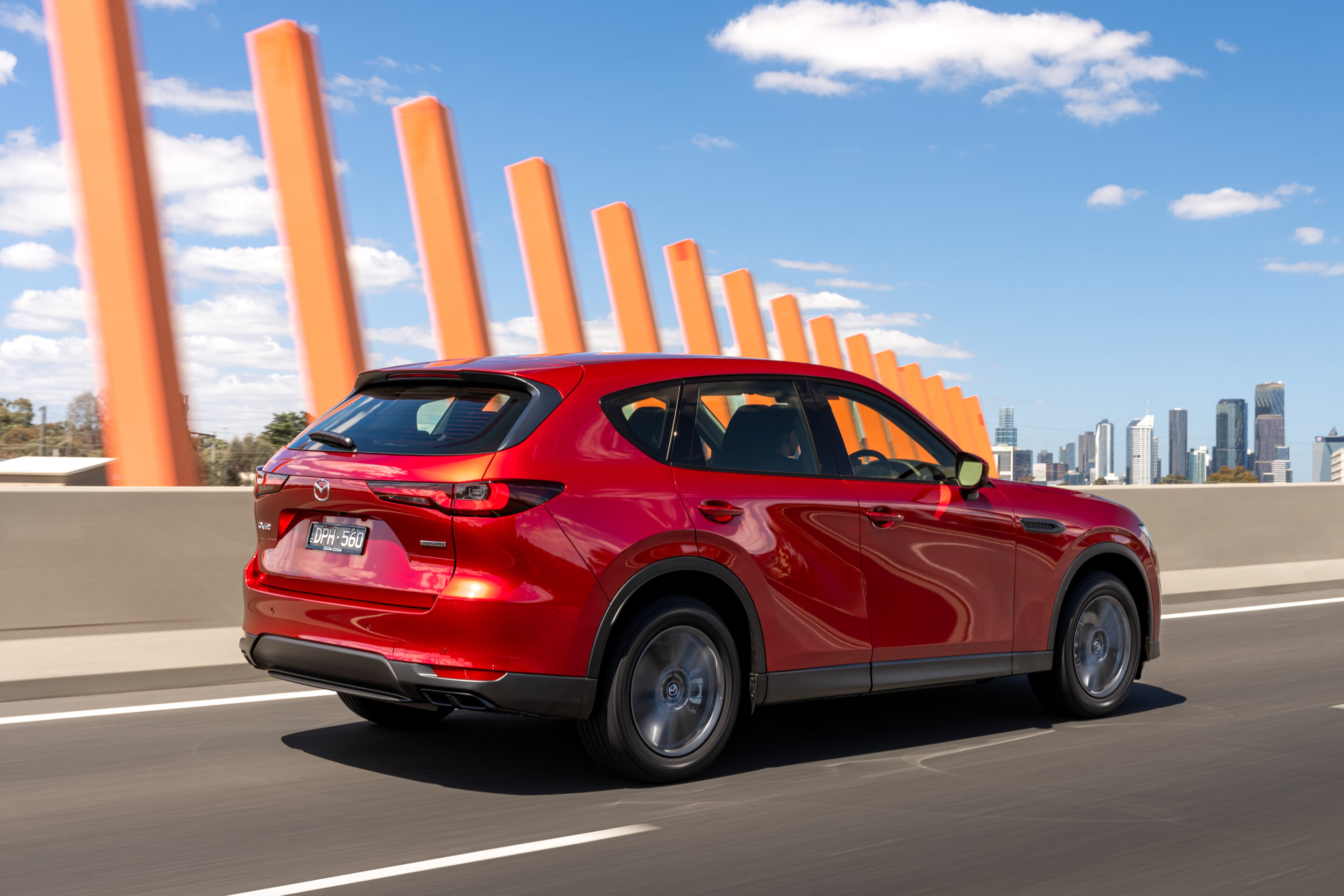
A mammoth new study that examined the results of 9.7 million vehicle inspections over the course of a year has revealed that Mazda’s CX-60 had the fewest defects of the 109 models included – but Tesla’s Model Y finished dead last.
The TÜV Report 2027 looked at inspections carried out in Germany from July 2025 to the end of June this year and found that 20.9 per cent of vehicles across all age groups had major or dangerous defects, which was actually a slight improvement over the results of the 2026 study.
5
Mazda’s CX-60, however, suffered major defects on just 2.3 per cent of models when they underwent their first inspection. It was followed by the Mercedes-Benz GLA on 2.9 per cent and the Mazda MX-30 SUV just behind on 3.0 per cent.
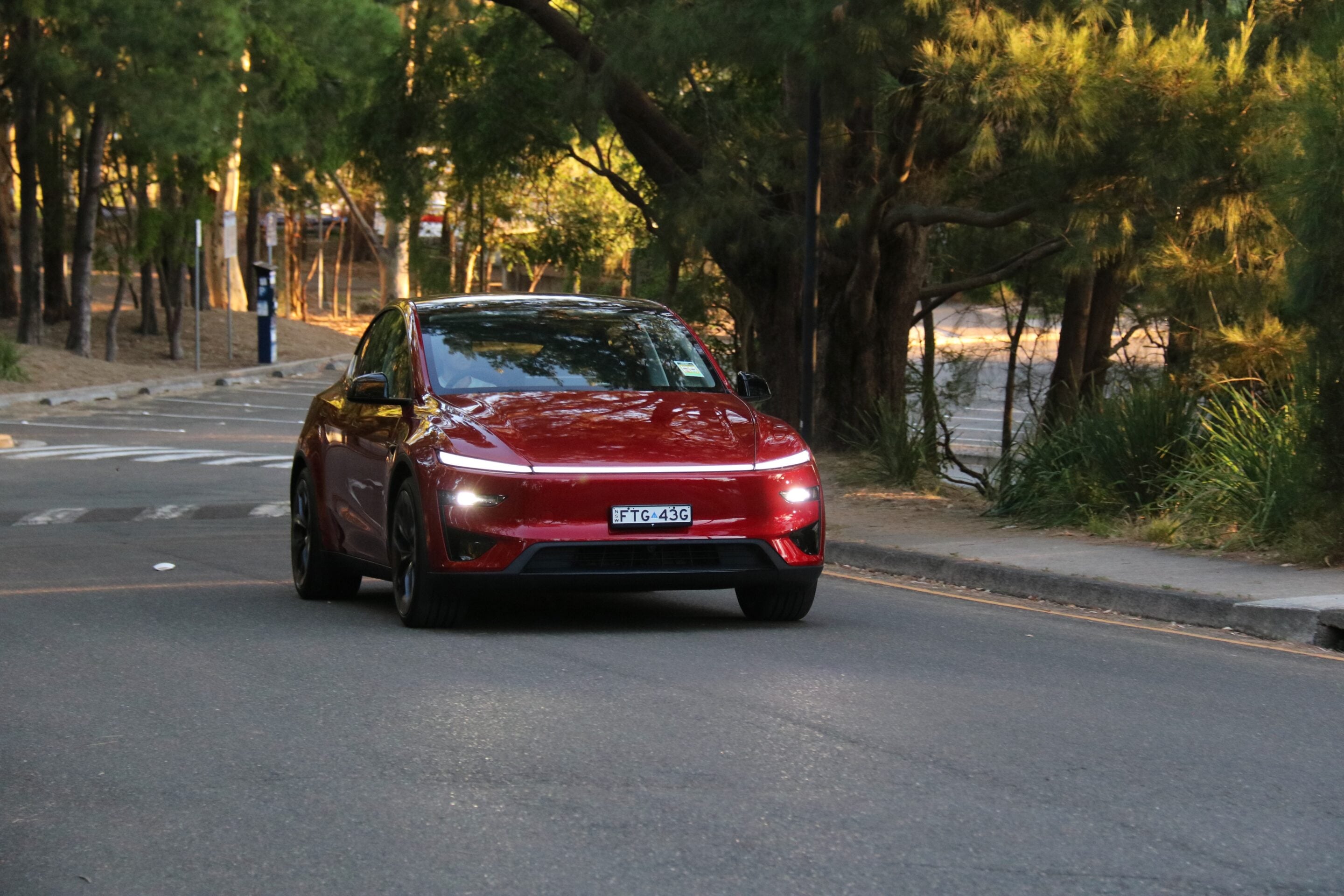
At the other end of the scale, inspectors found major or dangerous defects on 18.5 per cent of Model Ys at their first inspection, leaving the vehicle in last place for the second year in a row. The average across the study for the inspections, which took place when the cars were two to three years old, was 6.4 per cent.
8
The most eye-catching facet of that result was worn suspension joints on Model Ys being flagged by inspectors at 24 times the rate of other cars of the same age. That contributed to making the Y’s score 1.2 percentage points worse than it was in the 2027 report. So did the defect rates for the model’s brake discs and headlights, and the Tesla’s 18.5 per cent mark is the worst since the TÜV Report began in 2015.
Tesla’s Model 3 fared better, but only just, finished in 107th out of the 109 models tested with 12.7 per cent suffering major or dangerous defects. It also finished last among six- to seven-year-old models with a defect rate of 27.9 per cent.
Follow WhichCar/Wheels on Google
Click the button below to make WhichCar by Wheels a preferred source for your news.

We recommend
-
 News
Has the electric vs petrol reliability debate been settled? Study of almost 50 million vehicles is huge news for EV fans
The reliability report looked at 47.4 million vehicles that had travelled from 145,000km to 193,000km, with eye-opening results.
-
 News
New study debunks myths about electric vehicle fires
New safety research has revealed how firefighters should tackle burning electric vehicles.
