Reviews
Gallery 1
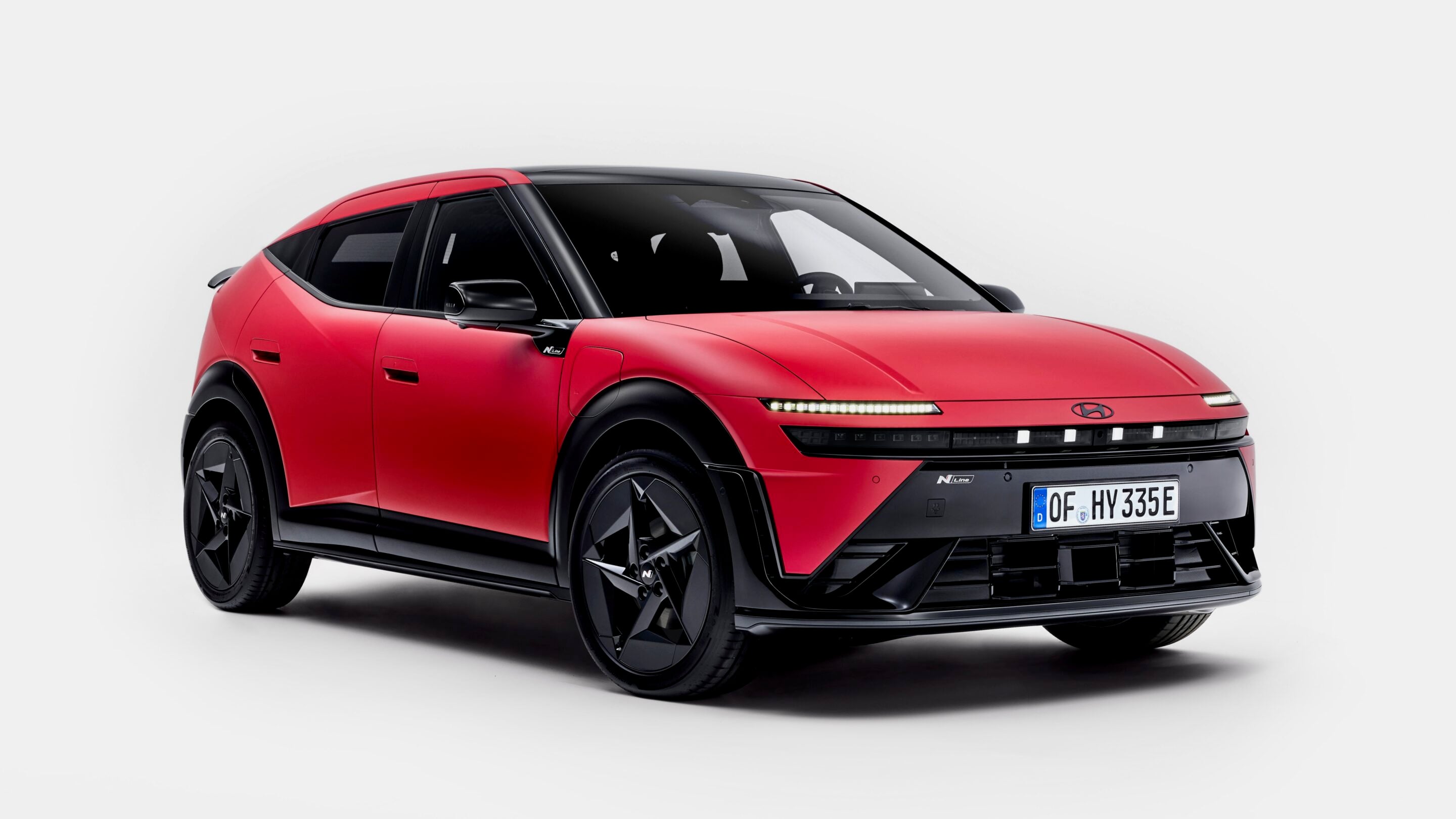
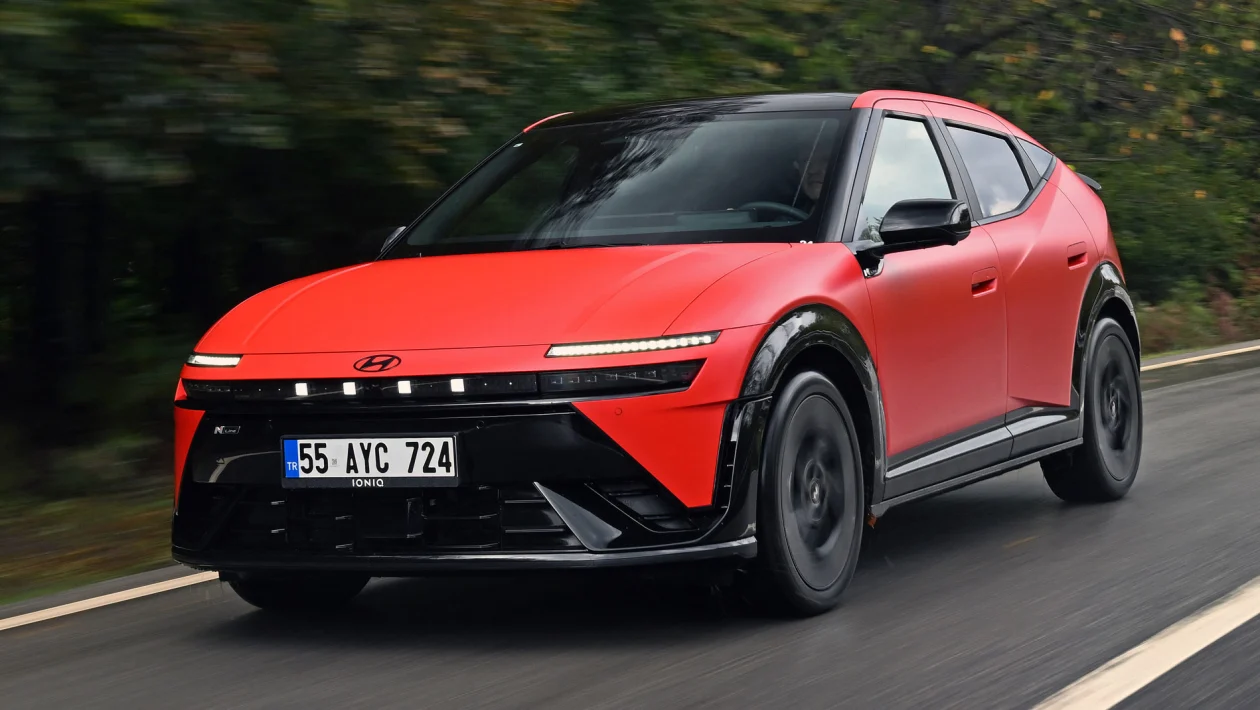
Hyundai has done more than fill a conspicuous hole in its electric vehicle line-up with the Ioniq 3. It has hit a home run with the compact EV, which makes a compelling case against increasingly talented rivals including the Kia EV2 – not that Aussie drivers will get to find out for themselves.
After originally being slated for sale down under early next year, Hyundai has pulled the pin due to the price of importing the model which, unlike the brand’s other cars, is built in Turkey instead of South Korea.
5
It’s a crying shame. While sister brand Kia has rapidly expanded its electric range, Hyundai’s more affordable EV choices have largely been limited to the Kona Electric and the Inster baby SUV. The Ioniq 3 changes that in style with a combination of useful range, impressive practicality and surprisingly enjoyable dynamics.
Its design stands out from the crowd. Rather than following the Renault 5 down the retro route, the Hyundai adopts a futuristic look with pixel-inspired lighting and a slippery ‘aero hatch’ profile. That contributes to a drag coefficient of just 0.26.
Two battery configurations are available. The Long Range version of the Ioniq 3 uses a 61kWh battery and offers a claimed range of up to 496km, while the cheaper Standard Range is rated for approximately 343km. During testing in wet conditions across a mixture of urban roads and motorways, the Long Range returned consumption equivalent to approximately 14.8kWh/100km, suggesting a real-world range of around 418km.
Curiously, the smaller-battery model can accept up to 119kW DC compared with 110kW for the Long Range, although Hyundai says both can recharge from 10 to 80 per cent in around 30 minutes.
Sharing its underpinnings with the Kia EV2, the Ioniq 3 isn’t particularly powerful. The Long Range tested produces about 99kW and 250Nm and takes 9.6 seconds to reach 100km/h. It won’t deliver the neck-snapping acceleration associated with some EVs, but there’s enough response for everyday driving and highway work.
More impressive is the chassis. Body roll is well controlled and the steering is accurate, if light on feedback. Sport mode adds weight to the steering and sharpens throttle response, somewhat making up for the fact the Hyundai isn’t especially quick off the mark.
7
Ride quality is also impressive, with the suspension coping well with broken surfaces. Some wind and tyre noise intrudes at higher speeds, while the brakes could offer better progression, however.
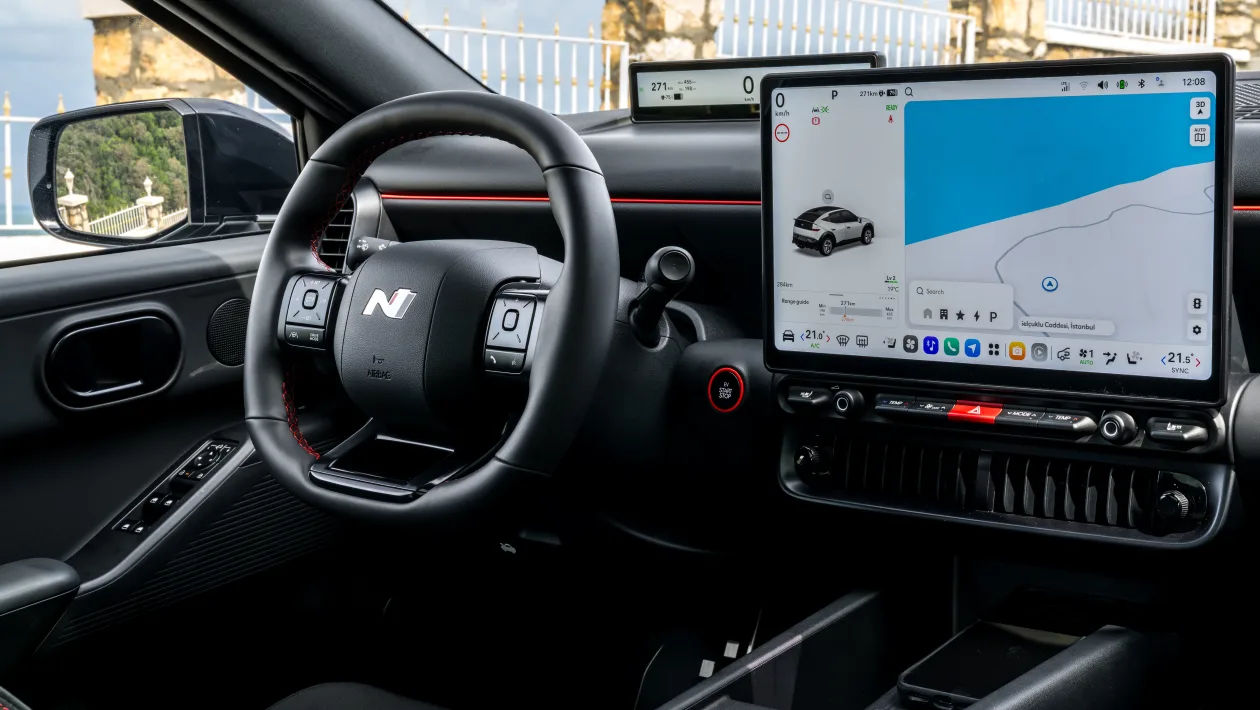
Inside, the Ioniq 3 introduces a new-generation Hyundai cabin design featuring a 9.9-inch driver’s display and either a 12.9- or 14.6-inch central touchscreen. Pleos Connect infotainment is responsive and incorporates Google Maps, wireless Apple CarPlay and Android Auto.
Crucially, Hyundai hasn’t abandoned physical controls. Proper buttons and switches remain on the dashboard and steering wheel, making frequently used functions easier to access than in some touchscreen-heavy rivals. Material quality impresses, too, with soft-touch surfaces helping the Ioniq 3 feel more expensive than its positioning suggests.
Passenger space is liberal, particularly in the rear, although taller occupants may find headroom tight. Hyundai quotes 441 litres of luggage capacity, but around a third of that figure comes from a large storage area beneath the adjustable boot floor. Rear visibility is also compromised by the prominent spoiler.
Those shortcomings aside, the Ioniq 3 gets the fundamentals right. It’s efficient, practical, well equipped and enjoyable to drive, giving Hyundai a convincing small EV – and the highly regarded Renault 5 a serious new challenger.
Follow WhichCar/Wheels on Google
Click the button below to make WhichCar by Wheels a preferred source for your news.

We recommend
-
 News
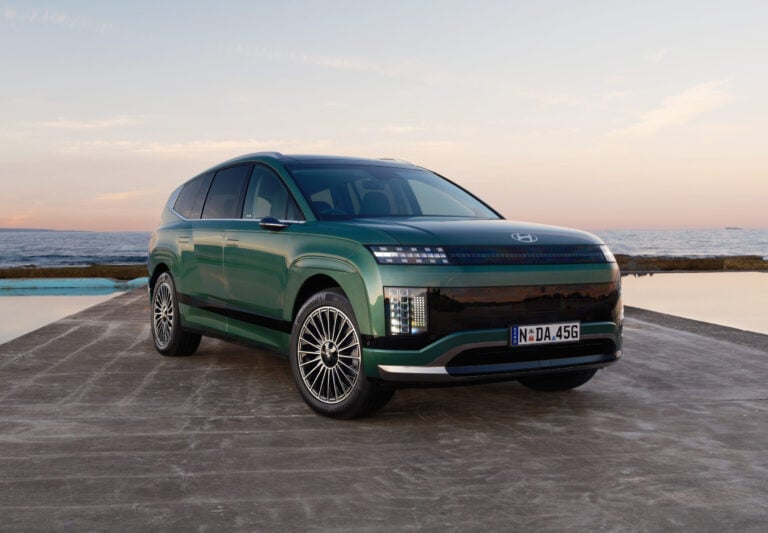
NewsHyundai to plug big gaps in its EV line-up with new Ioniq SUV models
Hyundai is targeting the small and medium SUV market with the upcoming models, which should wear Ioniq 4 and Ioniq 7 badges.
-
 News
NewsHyundai confirms arrival of new i30 Sedan in 2027
The next-generation Hyundai i30 sedan has been locked in for Australia, with sales due to commence in the first half of 2027.