Best Small Cars

Gallery 1
Contenders
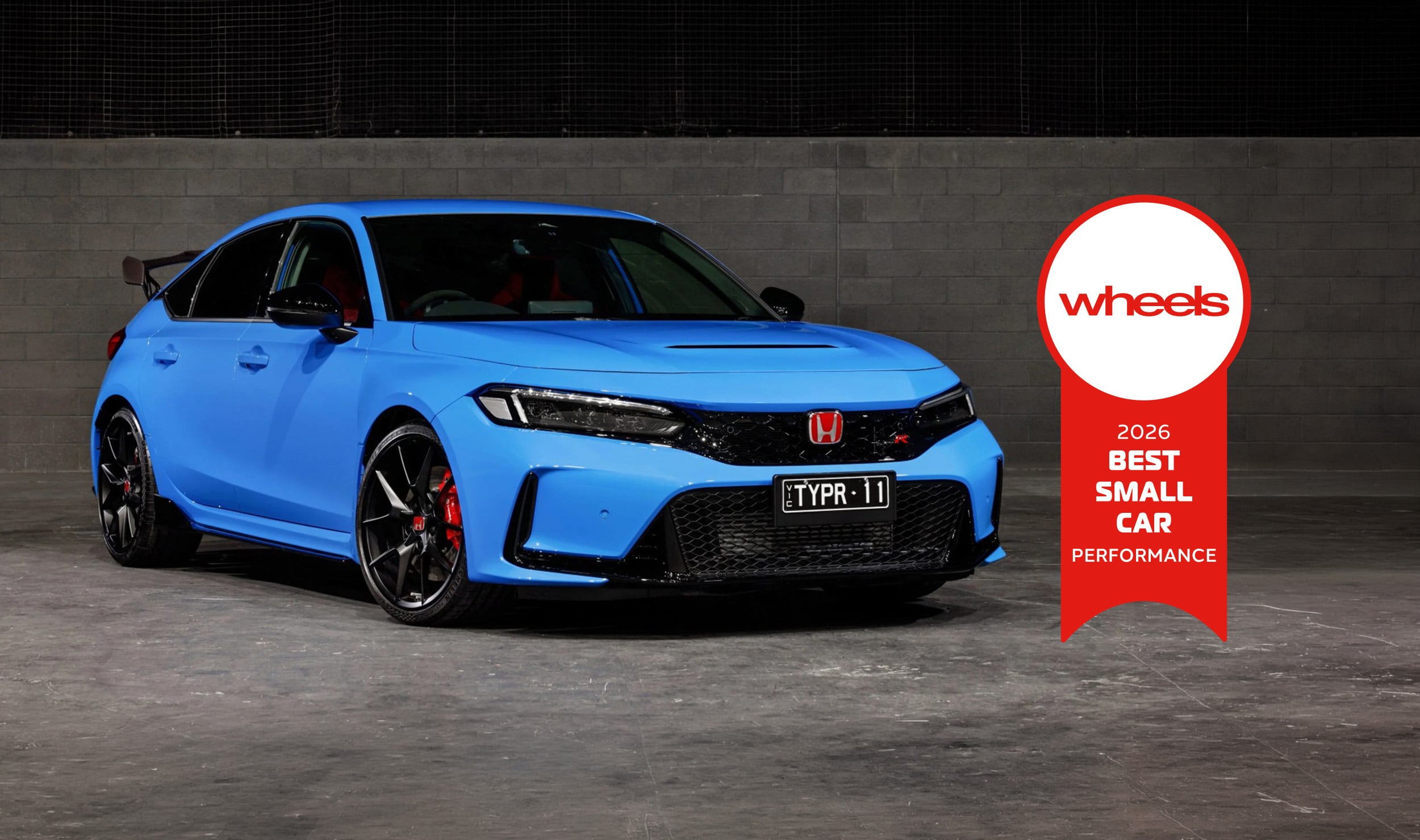
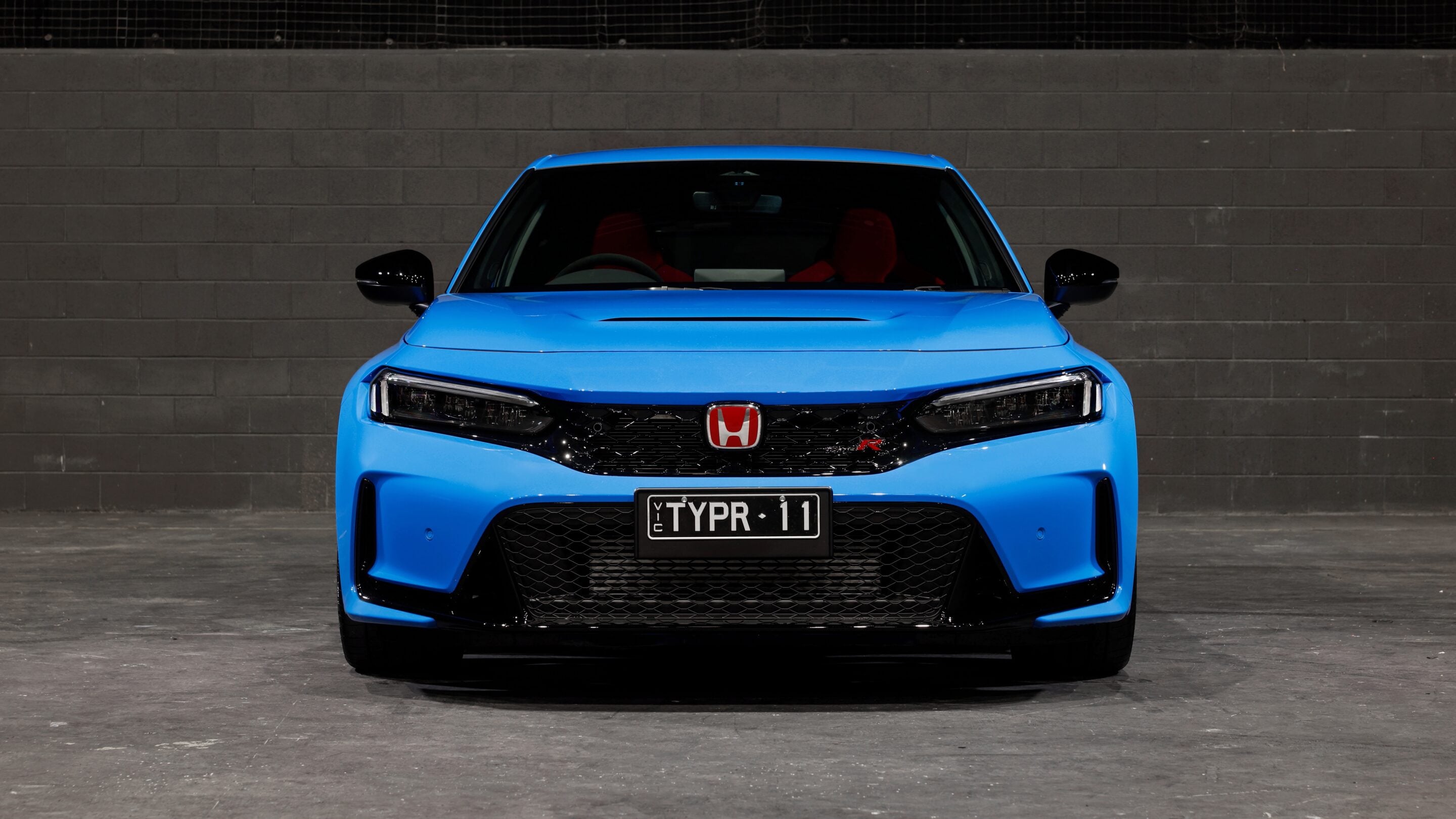
Winner: Honda Civic Type R
6
Price: From $85,000 driveaway
Drivetrain: 2.0L 4-cylinder turbo-petrol, 235kW/420Nm, 6-speed manual FWD
Combined fuel economy, CO2 emissions, fuel type: 8.7L/100km, 199g/km, 95RON
Warranty: Five-year/unlimited km, 5 years’ roadside assistance
Service cost: $995 (5 years/50,000km)
| Driving | |
| Interior | |
| Practicality | |
| Overall value | |
Strengths
- Aggressive yet manageable performance
- Chassis is beautifully balanced
- Six-speed manual a joy to use
Weaknesses
- Excessive road noise
- More engine and exhaust note wouldn’t go astray
- It’s a four-seater
When the current generation Civic Type R landed on our shores in 2023, the glowing reviews came thick and fast. Here was a hot hatch that was undeniably quick (0-100km/h in 5.4 seconds), and, thanks to its six-speed manual gearbox, a refreshingly tactile car to drive with menace.
Simply, this was the best hot hatch your money could buy in Australia in 2023, even if its price placed well above its front-wheel drive rivals. Little wonder they sold out almost immediately.
But Honda Australia has now secured another batch from Japan – 98 cars to be exact – arriving in local dealerships later this year. And nothing its rivals have done in the interim has diminished the Type R’s standing as the top dog in the segment.
It’s not just about being quick in a straight line. And it’s not just about a snarling presence on the road. Where the hot Civic excels is when the right stretch of road – or race track – meanders teasingly in front of you, a Siren’s call of tarmac that lures those among us who like nothing better than going for a spirited drive.
Here the Type R comes alive, with its angry turbo-four married to a deliciously tactile gearbox that signals every movement, every shift through its mechanical linkages right into the palm of your hand. In an age where electronics dictate almost every aspect of driving, the unapologetically analogue Civic Type R gives a middle finger salute to prevailing conventions.
The Civic’s chassis plays its part too, with a breadth of ability that brings balance, grip, accuracy and agility that plays out beautifully on the road or, for those keen enough, on the track.
It’s not without its minor flaws, however. The engine note errs on the side of being socially acceptable, that is, a touch too quiet for the segment. And the Type R remains a four-seater only. That might matter to some, even if the Civic Type R is best enjoyed alone. And road noise can be intrusive, especially on coarser chip surfaces such as those that cover our major motorway networks.
But these are minor, and pale into near nothingness when weighed up against the Type R’s list of accomplishments. Simply, it’s the best performance hatchback on the market today. Get one while you can.
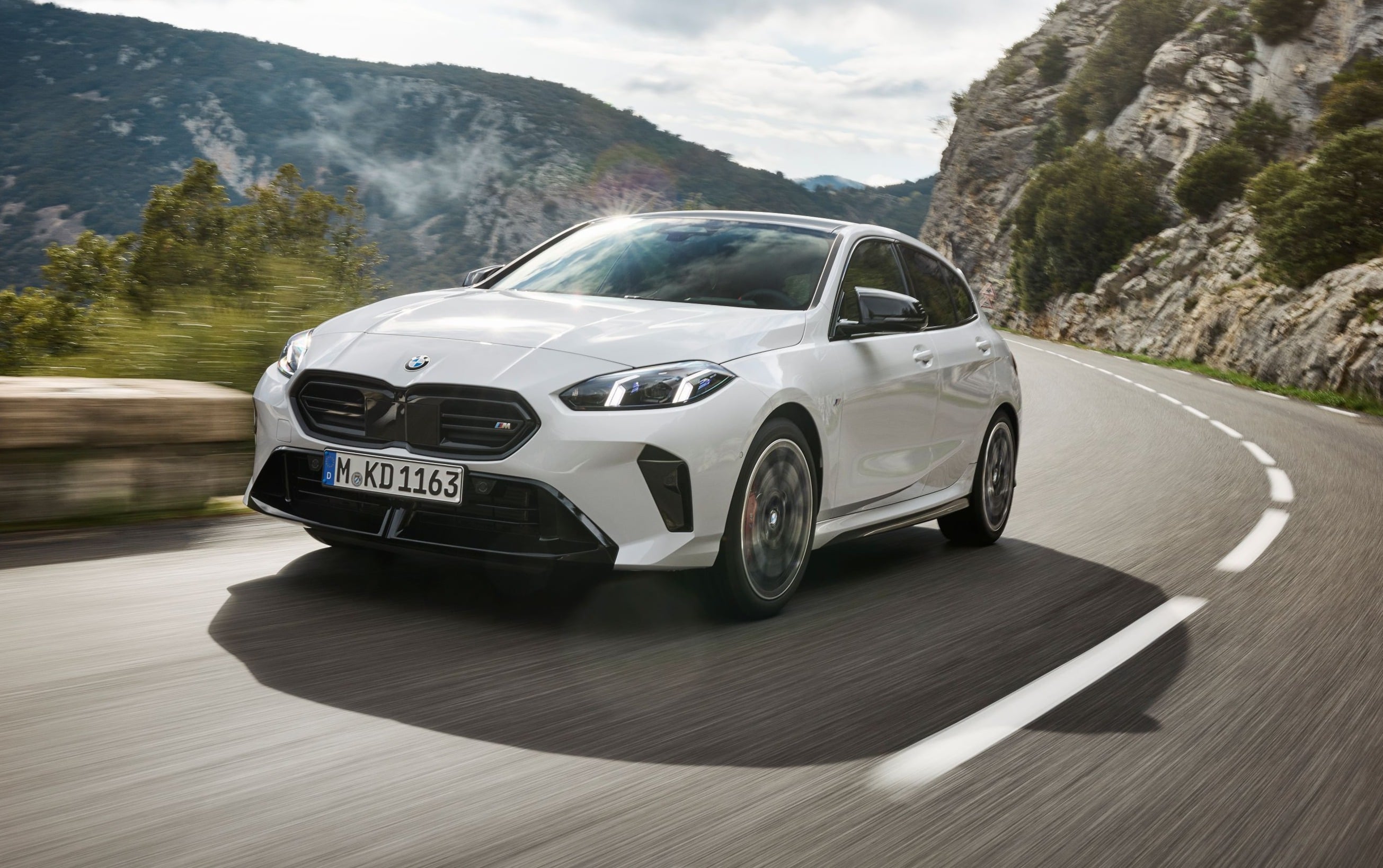
BMW M135
3
Price: From $85,500 on-road costs
Drivetrain: 2.0L 4-cylinder turbo-petrol, 233kW/400Nm, 7-speed dual-clutch automatic, AWD
Combined fuel economy, CO2 emissions, fuel type: 7.8L/100km, 177g/km, 98RON
Warranty: Five-year/unlimited km, 3 years’ roadside assistance
Service cost: $2470 (5 years/80,000km)
| Driving | |
| Interior | |
| Practicality | |
| Overall value | |
Strengths
- Affordable M badge
- Aggressive performance
- Agile handling and AWD grip
Weaknesses
- Doesn’t look – or sound – mean enough
- Dual-clutch auto can be jerky at low speeds
- Needs optional M Sport Pro Package to feel truly special
The BMW M135 gets a bit overlooked in all the hoopla surrounding its brawnier and more heroic M2 stablemate. That’s not to diminish the M135 which remains a remarkably approachable performance hatchback from the Bavarian Motor Works.
Straightline performance is above reproach, BMW claiming 4.9 seconds for the benchmark sprint from standstill to 100km/h. But the M135 is equally as adept at harnessing that speed, with a chassis that has been tweaked and massaged in this updated model, with increased rigidity bringing some balance and compliance to its dynamic package. That’s only enhanced by BMW’s excellent xDrive all-wheel drive system which keeps the baby Bimmer brawler on the straight and narrow.
If there are complaints, they are minor. The seven-speed dual-clutch auto, which replaced the previous generation’s eight-speed torque converter, can be a touch jerky at slow speeds, before coming into its own once the speeds – and engine revs – begin to climb.
And as is the BMW way, a slightly bewildering array of configurable drive and M-specific modes can take a little getting used to. Find your favourite, set and forget.
Adding the $2700 M Sport Pro Package lifts the cabin from the ordinary (think BMW 118) to what it should be all along. It adds a swag of M Sport goodies including sports seats, red brake calipers, seat belts, and a smattering of shadowline or gloss black exterior design elements. It should be standard fit.
That doesn’t detract from what the M135 is, and that’s a capable not-quite-full-cream M car, capable of hustling with dynamic intent and serving comfortably as a daily driver.
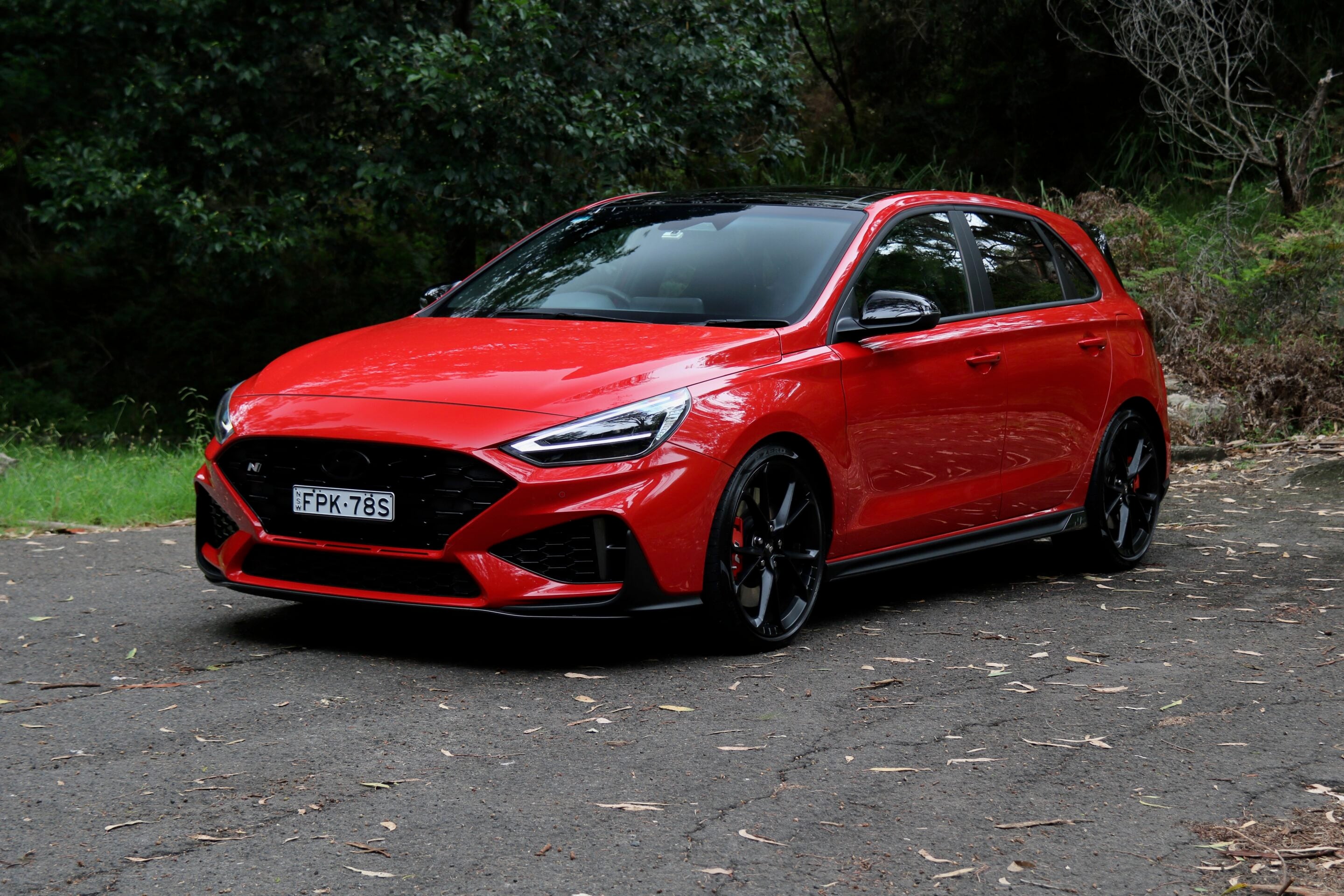
Hyundai i30 N
8
Price: From $55,500 plus on-road costs
Drivetrain: 2.0L 4-cylinder turbo-petrol, 206kW/392Nm, 6-speed manual or 7-speed dual-clutch automatic, FWD
Combined fuel economy, CO2 emissions, fuel type: 8.5L/100km, 199g/km, 95RON
Warranty: Five-year/unlimited km, 1 year roadside assistance
Service cost: $2158 (5 years/50,000km)
| Driving | |
| Interior | |
| Practicality | |
| Overall value | |
Strengths
- Fast, aggressive and fun
- Raucous exhaust note
- Liveable daily driver
Weaknesses
- Starting to feel its age
- Cabin design is a generation behind
- Likely last of its kind
The Hyundai i30 N set the hot hatch world alight when it first launched in 2018, a snarling and bristling hatchback that made the Volkswagen Golf GTI look and feel tame in comparison.
Eight years have elapsed and while Hyundai’s first ever N car has been coddled and massaged to keep it fresh, its days are numbered. Hyundai has already killed off the regular i30 hatchback in Australia, the hot N making an admirable last stand for the popular nameplate, at least in its current form.
And what a last stand it is, the i30 N still a ferociously fun beast that blends the kind of sharp performance buyers in the segment expect with a characterful soundtrack backed by an agile chassis that doesn’t lack for grip.
Buyers can opt for either a six-speed manual or eight-speed dual-clutch automatic (DCT), both for the same $55,500 before on-road costs. Opt for the manual is our tip. It might be a smidge slower to 100km/h but more than makes up for it with tactility and driving engagement.
Inside, the i30 N is showing its age, not surprising considering it’s now over eight years old. Subtle facelifts have kept apace with technology, but there’s only so much nipping and tucking Hyundai can do before the march of time catches up.
That’s countered, though, by its affordability, Hyundai’s original hot hatch a bit of a performance bargain compared to its competitive set here.
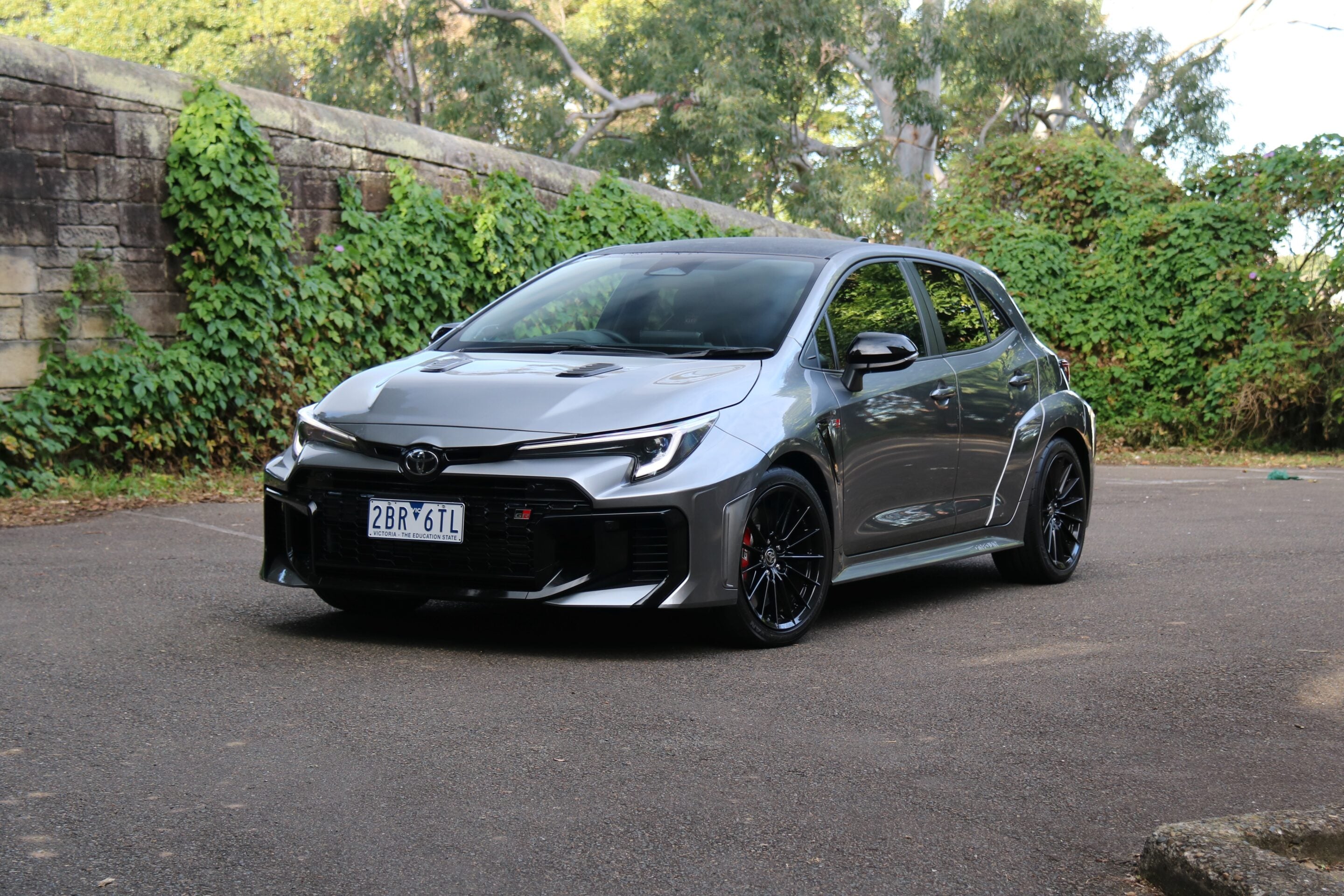
Toyota GR Corolla
10
Price: From $67,990 plus on-road costs
Drivetrain: 1.6L 3-cylinder turbo-petrol, 221kW/400Nm, 6-speed manual or 8-speed automatic, AWD
Combined fuel economy, CO2 emissions, fuel type: 8.4L/100km, 191g/km, 98RON
Warranty: Five-year/unlimited km, 1 year roadside assistance
Service cost: $2010 (3 years/60,000km)
| Driving | |
| Interior | |
| Practicality | |
| Overall value | |
Strengths
- Wickedly fast performance from fizzy three-pot
- Menacing profile gives of rally car vibes
- Suspension a nice blend of performance and comfort
Weaknesses
- Feels a bit like, well, a Corolla inside
- Expensive service cost at short 6-month intervals
- Overshadowed by its GR Yaris little brother
Toyota probably didn’t need to create the GR Corolla. After all, the Japanese giant had three years earlier given Australia the GR Yaris, a feisty little city car with World Rally Championship heritage and boosted hot hatch performance.
But as part of its promise to make Toyota fun again, the GR (for Gazoo Racing) Corolla made its way here in 2023 and brought an ever so slightly more mature vibe to the GR oeuvre.
Hiding under that deliciously aggressive body is a car born of motorsport. That grumbly turbocharged three-pot under the bonnet shares top billing with the GR Corolla’s well-sorted chassis, the headliners combining for a hot hatch that is pleasant enough on road in everyday driving but without compromising on its performance.
It’s the six-speed manual that ups the fun quotient (the GR Corolla is also available with an eight-speed auto, for an extra $3000), Toyota’s rev-matching tech ensuring shifts are rapid and smooth. Zero to 100km/h? Try 5.3 seconds. The automatic is a whisper faster at 5.2 seconds. Opt for the manual, is our tip. It’s simply more fun, more tactile, dare we say it, more authentic and true to the idea of a proper driver’s car.
On the downside, servicing intervals of six months or 10,000km add up pretty quickly at $335 a pop. And while the interior is practical in a way the Yaris isn’t, it doesn’t feel quite special enough. It is, at the end of the day, still a Toyota Corolla.
Still, as a performance hatchback with more than a passing nod to Toyota’s exploits on the world rally stage, the GR Corolla is proof that fun and practicality are not mutually exclusive.
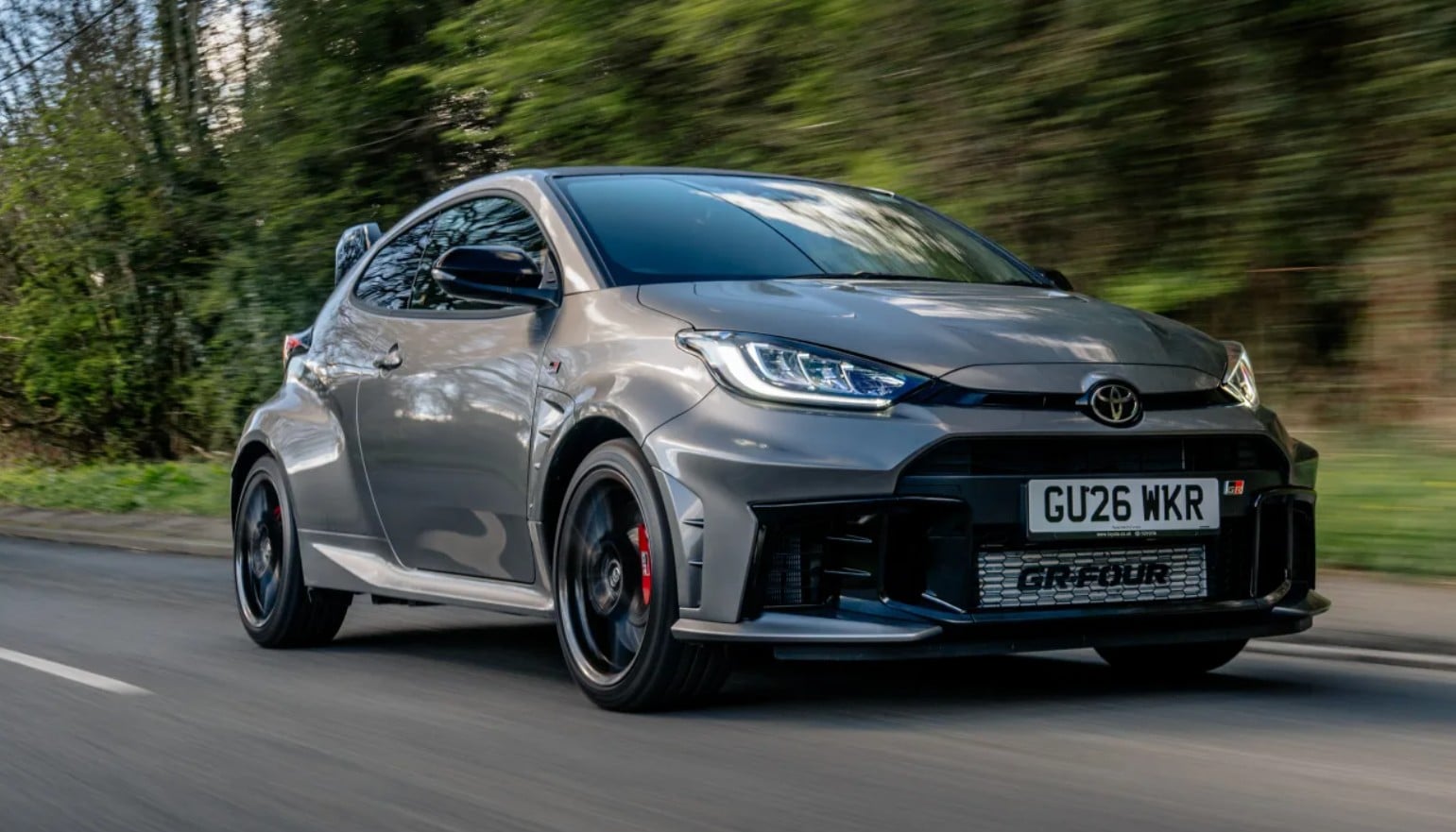
Toyota GR Yaris
5
Price: From $55,490 plus on-road costs
Drivetrain: 1.6L 3-cylinder turbo-petrol, 221kW/400Nm, 6-speed manual or 8-speed automatic, AWD
Combined fuel economy, CO2 emissions, fuel type: 8.2L/100km, 186g/km, 98RON
Warranty: Five-year/unlimited km, 1 year roadside assistance
Service cost: $2010 (3 years/60,000km)
| Driving | |
| Interior | |
| Practicality | |
| Overall value | |
Strengths
- Angry, snarling three-cylinder turbo
- Unapologetic rally-car-for-the-road styling
- Feels special inside and out
Weaknesses
- Short 6-month/10,000km servicing intervals
- Tiny boot and tight second row
- Constant tyre roar is the price for rally-honed performance
If the GR Corolla is the rebellious teenager of the Gazoo Racing family tree, then the GR Yaris is the wild child. Born from the Japanese giant’s World Rally Championship feats, the city-sized hatchback is unlike anything else on the market.
Aggressively styled and with an angry soundtrack to match, the GR Yaris is engineered for driver engagement and enjoyment.
Acceleration is explosive, and while Toyota doesn’t officially quote 0-100km/h times for its pint-sized rocket, independent Australian testing comes in at 5.1 seconds. And that’s whether you go for the six-speed manual or eight-speed automatic versions.
It’s more than just straight line speed however that elevates the GR Yaris into the upper reaches of this category. Thanks to Toyota’s GR-Four all-wheel drive system and a healthy dose of aerodynamic enhancements, the city-sized powerhouse offers remarkable levels of grip and agility, exactly what buyers expect of a compact hatchback engineered to be driven with more than a touch of enthusiasm.
Its compact dimensions, despite impacting on practicality, are an asset when faced with a winding and twisting country road, the GR Yaris inspiring confidence behind the wheel.
Its edges are hard, and certainly harder than the more mature GR Corolla, but it’s those same qualities that imbue the GR Yaris with its undeniable character and identity.
Volkswagen Golf GTI

10
Price: From $59,890 plus on-road costs
Drivetrain: 2.0L 4-cylinder turbo-petrol, 195kW/370Nm, 7-speed dual-clutch automatic, FWD
Combined fuel economy, CO2 emissions, fuel type: 7.2L/100km, 163g/km, 95RON
Warranty: Five-year/unlimited km, 1 year roadside assistance
Service cost: $3785 (5 years/75,000km)
| Driving | |
| Interior | |
| Practicality | |
| Overall value | |
Strengths
- Spirited performance
- Adjustable dampers take the edge off
- Solid and refined build quality
Weaknesses
- Servicing costs blow out over five years
- A little too refined
- No longer available with a manual gearbox
It’s an icon, and while not the original hot hatch (the A112 Abarth, Simca 1100Ti and Renault 5 Alpine all predate the Golf), it’s Volkswagen’s take on the formula that has set the blueprint for all that followed.
The GTI turned fifty this year and while the formula remains largely unchanged, engineering advances over the last five decades have kept it fresh in the face of increased competition.
The same principles that applied in 1976 are still on show today – a fizzy four-cylinder, chassis enhancements for improved handling, and an interior loaded with character to make you feel like the GTI is a little bit special.
The GTI makes good use of its 2.0-litre turbo-four under the bonnet, its 195kW and 370Nm the most powerful ever for Golf GTI. Mated to a seven-speed dual-clutch sending drive to the front wheels, the GTI can cover the sprint from 0-100km/h in 5.9 seconds. That sees it fall behind much of its competitive set, where low-to-mid 5s are the new hot hatch world order. It also trails its rival for theatrics, the GTI less raucous and softer-edged.
But what it lacks in dramatic exhaust tones and straightline performance, it makes up for with a resolved chassis. Thanks to the German brand’s 15-step adjustable dampers, the GTI transforms from a comfortable and refined city daily into a capable corner carver when out in the hills. A hot hatch for all reasons.
Best Small Cars in Australia
Looking to get into a brand-new small car? Our stories below will guide you to the model that best suits your needs:
Follow WhichCar/Wheels on Google
Click the button below to make WhichCar by Wheels a preferred source for your news.

We recommend
-
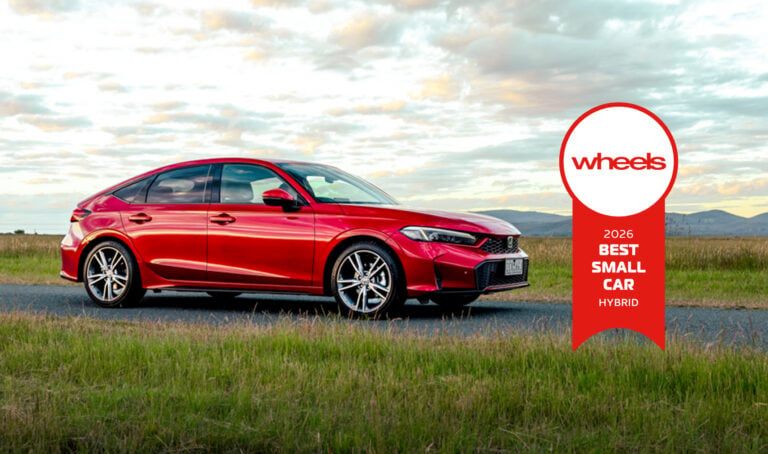 Best Small Cars
Best Small Cars 2026: Hybrid
At its best, hybrid technology delivers lower fuel bills and easy urban driving, making these electrified contenders smarter choices for fuel-conscious Australian buyers.
-
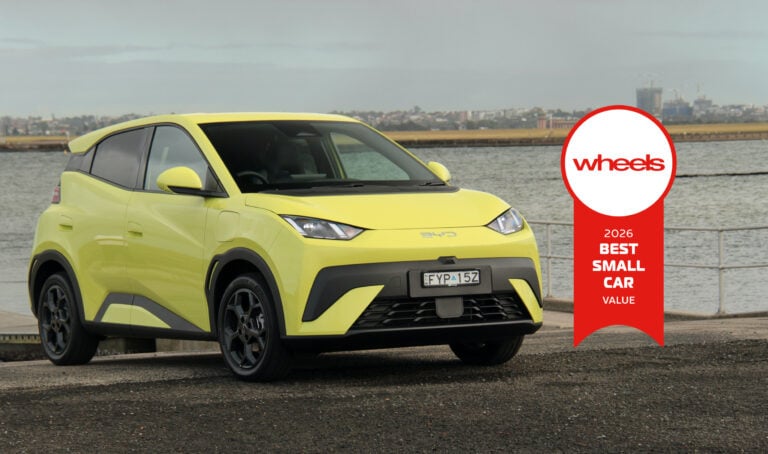 Best Small Cars
Best Small Cars 2026: Value
Affordable doesn't have to mean stripped-out motoring; these contenders combine keen pricing, generous equipment, strong safety, low running costs and genuine everyday appeal.