Best Small Cars

Gallery 1
Contenders
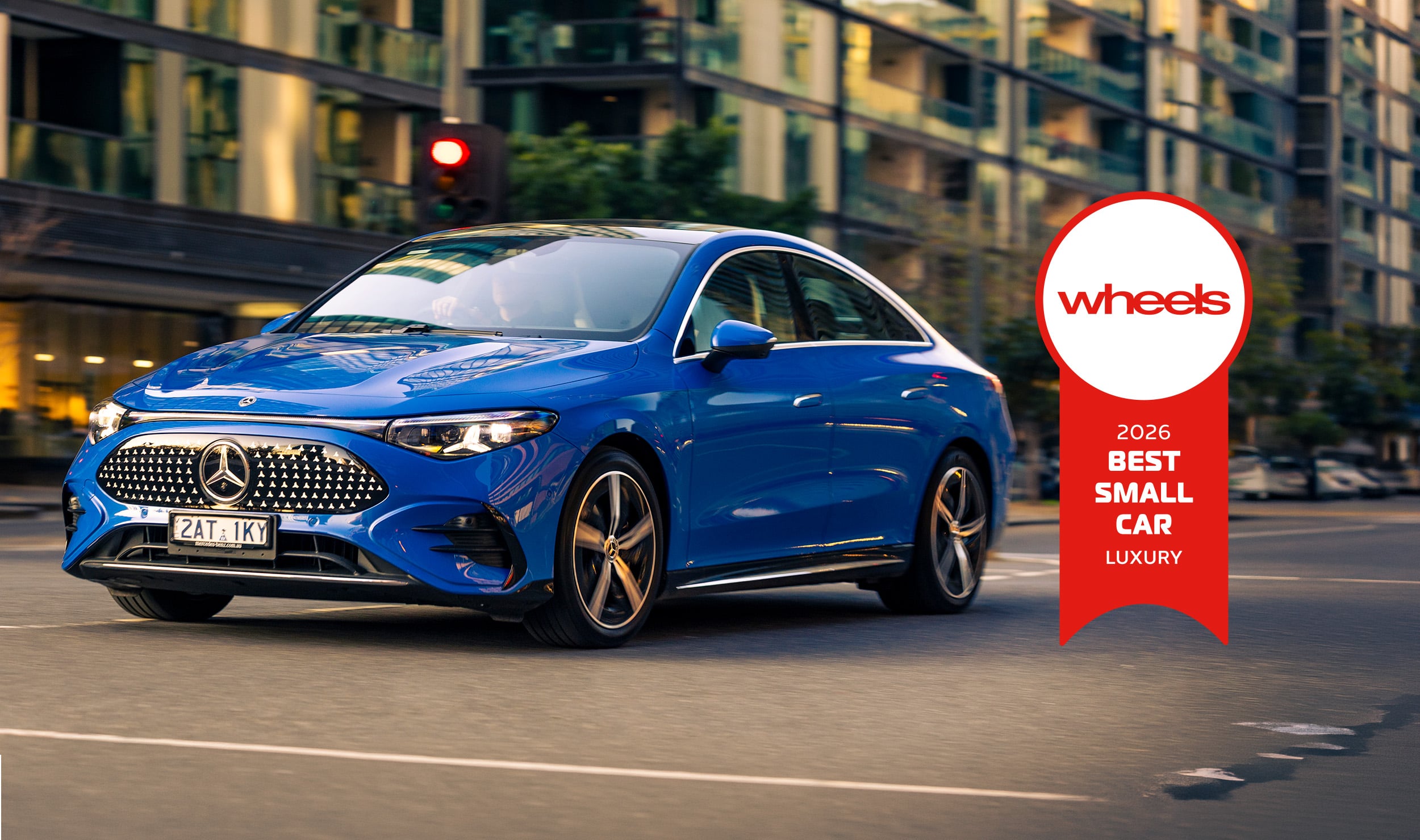
Winner: Mercedes-Benz CLA
7
Price: From $66,500 plus on-road costs (CLA 180)
Drivetrain: 1.5-litre turbocharged four-cylinder 48-volt mild-hybrid, eight-speed dual-clutch, front- or
all-wheel drive
Outputs: 100kW/200Nm (CLA 180), 120kW/250Nm (CLA 200), 140kW/300Nm (CLA 220 4Matic)
Claimed combined fuel consumption: 5.4L/100km (CLA 180 and CLA 200), 5.8L/100km (CLA 220
4Matic)
Warranty: Five-year/unlimited km
Five-year service cost: $6710
| Driving | |
| Interior | |
| Practicality | |
| Overall value | |
Strengths
- Versatile and effective mild-hybrid powertrain
- Excellent fuel economy
- Commendable ride and handling
Weaknesses
- Dual-clutch transmission a touch hesitant under heavy load
- Headroom in second row tight for taller folk
- Expensive service pricing
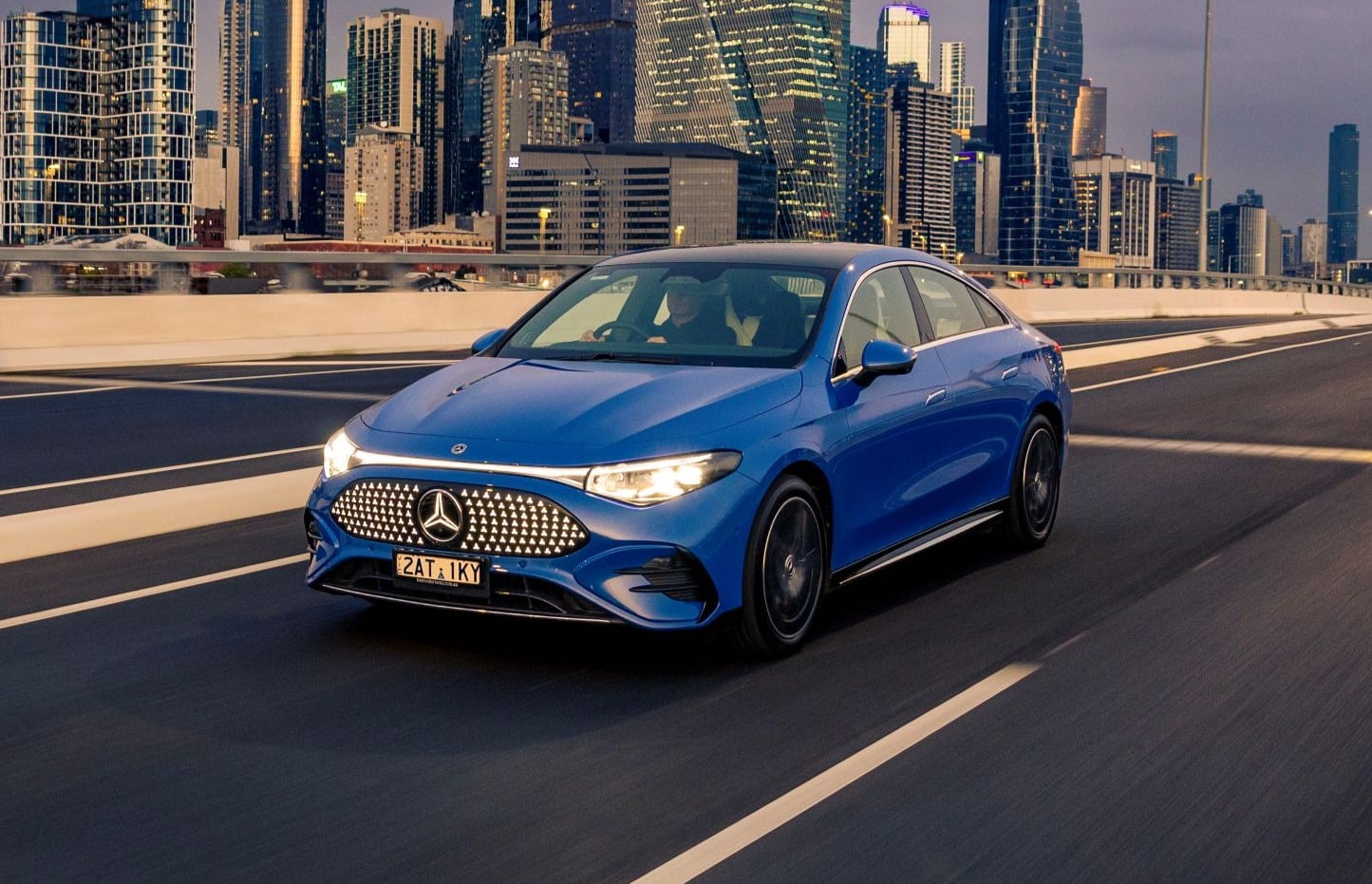
Now in its third generation, the Mercedes-Benz CLA has entered a new era, offering both electric and hybrid powertrains to appeal to a broader range of buyers. To achieve this, Mercedes-Benz developed an all-new platform designed to maximise efficiency, enable ultra-fast charging in EV form and accommodate a new hybrid drivetrain. The result is one of the most technologically advanced small cars on sale – but is it the best?
In Australia, the all-electric range starts from $72,200 plus on-road costs, while the more affordable hybrid line-up opens at $66,500 plus on-road costs for the CLA 180, rising to $68,100 for the CLA 200 and $84,300 plus on-road costs for the flagship CLA 220 4Matic. That places it almost $5000 above the entry-level BMW 2 Series Gran Coupe and nearly $9000 dearer than the base Audi A3 sedan, but the CLA is an all-new model that feels significantly more modern.
Mercedes-Benz has also ensured the CLA is generously equipped. Even the entry-level CLA 180 comes standard with automatic LED lighting, Artico synthetic leather upholstery, wireless smartphone charging, a panoramic glass roof and the brand’s new MB.OS operating system, which integrates Google and Microsoft AI technologies. Interior quality is impressive, while the sleek dashboard and ambient lighting create a futuristic atmosphere. Rear-seat space is only average, although the 405-litre boot is competitive. Buyers needing more practicality will also be able to choose the CLA Shooting Brake, due to arrive in Australia later this year.
The mild-hybrid range is powered by a single 1.5-litre turbocharged four-cylinder engine offered in three outputs: 100kW/200Nm in the CLA 180, 120kW/250Nm in the CLA 200 and 140kW/300Nm in the all-wheel-drive CLA 220 4Matic. Performance is strong throughout the range, with even the CLA 180 reaching 100km/h in less than nine seconds (8.0 seconds for the CLA 200 and 7.1 seconds for the CLA 220 4Matic). The hybrid system also allows the car to operate on electric power alone more often than expected for a mild hybrid.
Fuel efficiency is another highlight. The CLA 180 and CLA 200 are both rated at 5.4L/100km combined, while the more powerful all-wheel-drive CLA 220 4Matic consumes a claimed 5.8L/100km.
Mercedes-Benz Australia backs the CLA with a five-year/unlimited-kilometre warranty, which is competitive for a premium brand, although shorter than many mainstream rivals. Servicing is expensive, however, with a prepaid five-year plan for the mild-hybrid range costing $6710, or $1342 per year. The upside is long 25,000km service intervals.
Regardless of the drivetrain, the new Mercedes-Benz CLA is an impressive effort. Efficient yet punchy powertrains, generous standard equipment, cutting-edge in-car technology and relatively competitive pricing make it a compelling premium small car. Buyers can also choose an all-electric version, while the only real drawbacks are the modest rear-seat space and high servicing costs. Overall, the new CLA sets a high benchmark for premium hybrid small cars.
Audi A3
4
Price: $54,800 plus ORC (35 TFSI Sportback S line), $57,800 plus ORC (35 TFSI Sedan S line)
Drivetrain: 110kW/250Nm 1.5-litre turbocharged four-cylinder petrol MHEV, FWD
Fuel consumption: 5.3L/100km
Warranty: Five-year/unlimited kilometre
Five-year service cost: $2520
| Driving | |
| Interior | |
| Practicality | |
| Overall value | |
Strengths
- Refined and engaging driving dynamics
- Premium cabin quality and technology
- Efficient turbocharged drivetrain
Weaknesses
- Price has climbed significantly
- Rear seat and boot aren’t class-leading
- Entry engine lacks the punch its sporty looks suggest
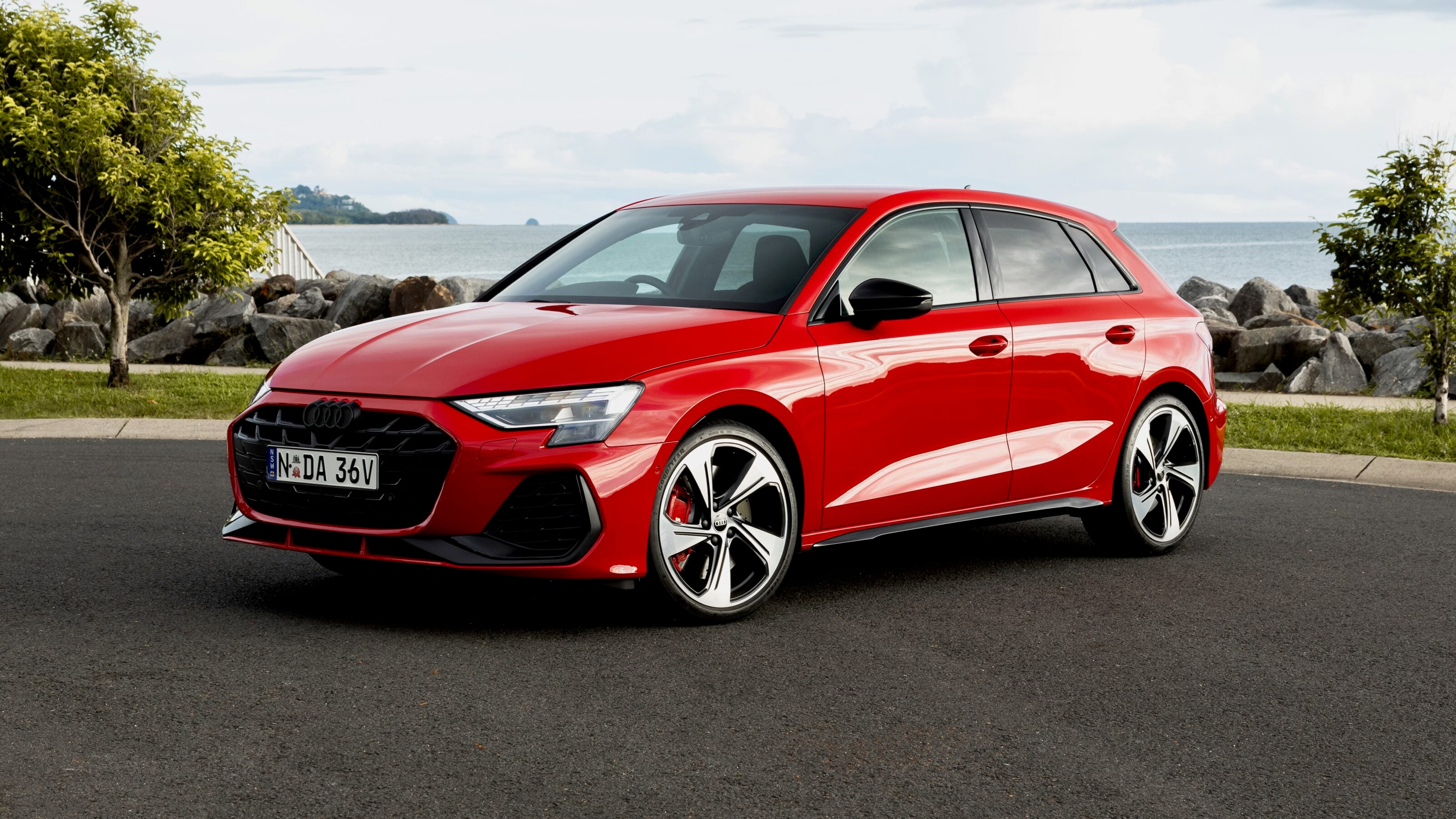
Audi’s facelifted A3 continues to set the benchmark for cabin quality in the premium small-car segment, combining understated styling with impressive refinement and an engaging drive. Available as either a Sportback hatch or Sedan, the Australian line-up has been simplified to a single 35 TFSI S line variant, with the hotter S3 sitting above it.
While prices have increased, Audi has added considerably more standard equipment. Every A3 now comes with S line exterior and interior styling, 18-inch alloy wheels, heated sports front seats, a 12.3-inch Virtual Cockpit digital instrument display, a 10.1-inch infotainment touchscreen, tri-zone climate control and wireless smartphone connectivity. Material quality remains among the best in the class, with solid switchgear and a polished, premium feel throughout.
Power comes from a 1.5-litre turbocharged four-cylinder petrol engine producing 110kW and 250Nm, paired with a seven-speed dual-clutch automatic transmission and front-wheel drive. Mild-hybrid assistance helps improve efficiency rather than outright performance, with a claimed fuel consumption of just 5.3L/100km. The drivetrain delivers smooth, effortless progress around town and is refined on the highway, although enthusiastic drivers may find it lacks the punch suggested by the A3’s aggressive S line styling.
Where the Audi shines is on the road. Built on Volkswagen Group’s proven MQB Evo platform, the A3 feels composed, quiet and confidence-inspiring, with well-weighted steering, excellent body control and a supple ride that makes it equally comfortable commuting or covering long distances. It strikes an impressive balance between comfort and driver engagement.
Rear-seat accommodation is adequate rather than generous, and while the boot is practical enough for everyday duties, rivals offer more outright space. Still, for buyers seeking a premium hatch or sedan that delivers exceptional build quality, modern technology and mature driving manners, the Audi A3 remains one of the strongest all-rounders in its class – even if its asking price now places it firmly into premium territory.
BMW 1 Series
1
Price: From $58,700 plus on-road costs (118); $84,700 (M135 xDrive) plus ORC
Drivetrain: 1.5-litre turbocharged three-cylinder 48-volt mild-hybrid or 2.0-litre turbocharged four-cylinder petrol, seven-speed dual-clutch automatic, front-wheel drive (118) or all-wheel drive (M135 xDrive)
Outputs: 115kW/230Nm (118), 233kW/400Nm (M135 xDrive)
Claimed combined fuel consumption: 6.4L/100km (118), 7.8L/100km (M135 xDrive)
Warranty: Five-year/unlimited km
Five-year service cost: $2470
| Driving | |
| Interior | |
| Practicality | |
| Overall value | |
Strengths
- Sporty character endures
- Well appointed inside
- Mild hybrid system improves efficiency
Weaknesses
- Tightish inside, space-wise
- Top spec price a long way from the entry-level 118
- Service costs pricey but competitive for the segment
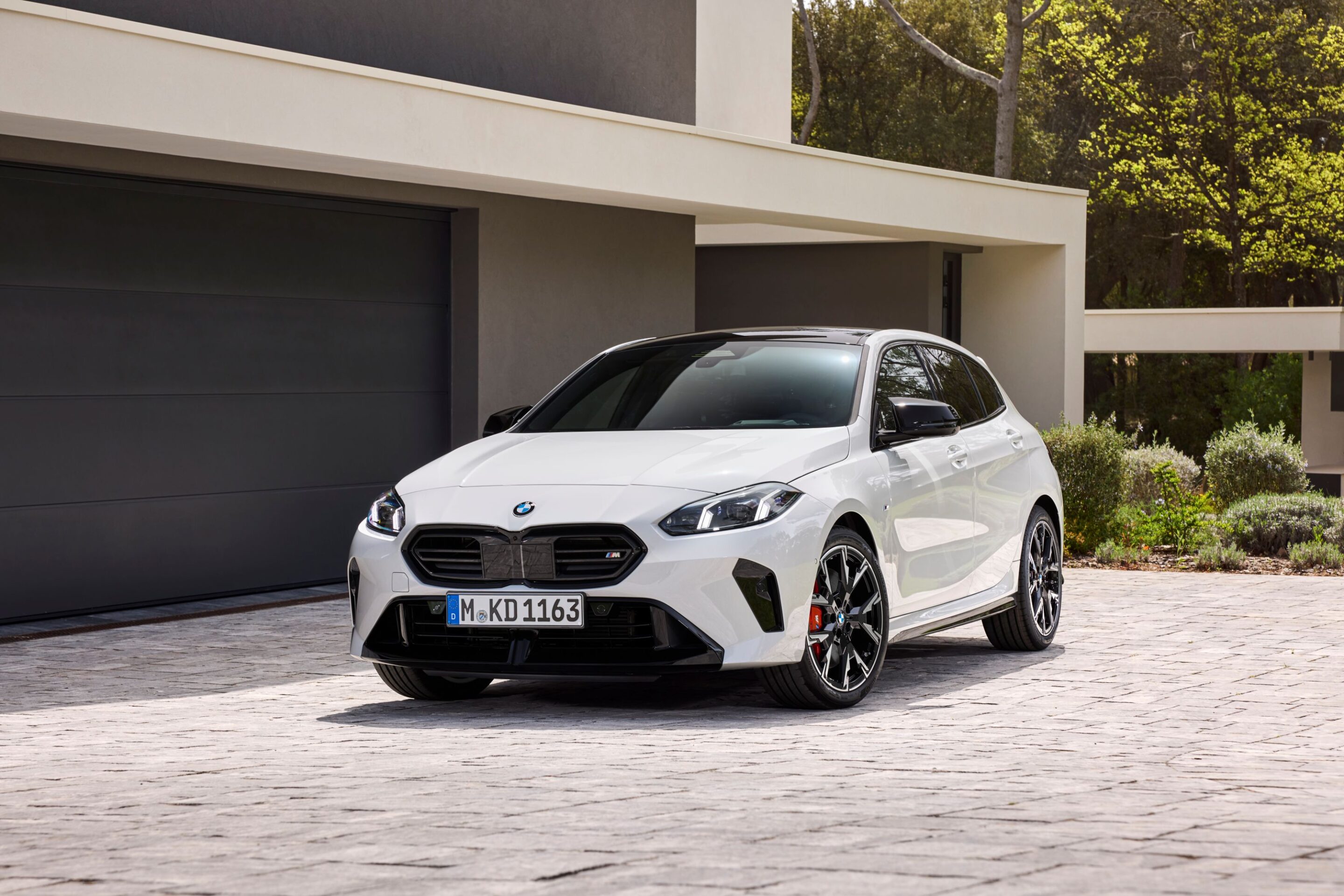
The BMW 1 Series has evolved considerably since the original rear-wheel-drive hatch debuted two decades ago. The latest fourth-generation model continues with a front-wheel-drive platform shared with the X1, but BMW has sharpened its styling, introduced a more sophisticated mild-hybrid drivetrain and significantly upgraded the technology inside. The result is a premium hatch that feels more modern and refined than before, while still retaining enough of BMW’s traditional sporty character to justify the famous badge.
The Australian range consists of the entry-level 118 M Sport and the flagship M135 xDrive. Standard equipment is generous, with the 118 featuring 18-inch alloy wheels, adaptive LED headlights, keyless entry and start, a curved dual-screen display running BMW Operating System 9, wireless Apple CarPlay and Android Auto, wireless phone charging, satellite navigation and an extensive suite of active safety equipment. The M135 xDrive builds on that with adaptive suspension, larger brakes, sports seats, M-specific styling, additional performance hardware and optional features such as BMW’s illuminated kidney grille and panoramic glass roof.
Inside, the 1 Series feels every bit a modern BMW. Material quality is excellent, the curved display is crisp and responsive, and the cabin design strikes a pleasing balance between minimalist styling and premium ambience. Front-seat accommodation is excellent, though rear-seat space remains merely adequate compared with some mainstream rivals. The 380-litre boot is competitive for the premium small hatch segment.
The new 118 replaces the previous 118i with a 48-volt mild-hybrid system that provides noticeably smoother performance, better low-speed responsiveness and improved refinement. While outright performance is brisk rather than rapid, the drivetrain is well matched to the seven-speed dual-clutch transmission and delivers strong fuel efficiency. Buyers seeking genuine hot hatch performance can step up to the M135 xDrive, whose 233kW turbocharged four-cylinder and all-wheel-drive system provide genuinely rapid acceleration and impressive grip.
BMW backs the 1 Series with a five-year/unlimited kilometre warranty, while a five-year/80,000km Service Inclusive package costs $2470. Servicing isn’t inexpensive compared with mainstream rivals, though it remains competitive within the premium segment.
Overall, the latest BMW 1 Series is one of the strongest premium hatchbacks on sale. It combines high-quality cabin execution, impressive in-car technology, refined drivetrains and rewarding driving dynamics into a polished package. It’s more expensive than mainstream alternatives and rear-seat space could be better, but for buyers wanting a genuinely premium small hatch, the 1 Series remains one of the segment benchmarks.
Mazda3
8
Price: From $32,990 driveaway (G20 Pure), up to $46,604 driveaway (Astina)
Drivetrain: 2.0-litre naturally aspirated four-cylinder petrol or 2.5-litre naturally aspirated four-cylinder petrol, six-speed manual or six-speed automatic, front-wheel drive
Outputs: 114kW/200Nm (G20), 139kW/252Nm (G25)
Claimed combined fuel consumption: 5.8-5.9L/100km (G20), 6.5-6.6L/100km (G25)
Warranty: Five-year/unlimited km
Five-year service cost: $2311 (G20), $2345 (G25)
| Driving | |
| Interior | |
| Practicality | |
| Overall value | |
Strengths
- Solid list of standard equipment
- Premium cabin feel
- Polished driving experience in higher-spec
Weaknesses
- Space compromised in hatch
- Lacking hybrid option
- Newer rivals may offer more appeal
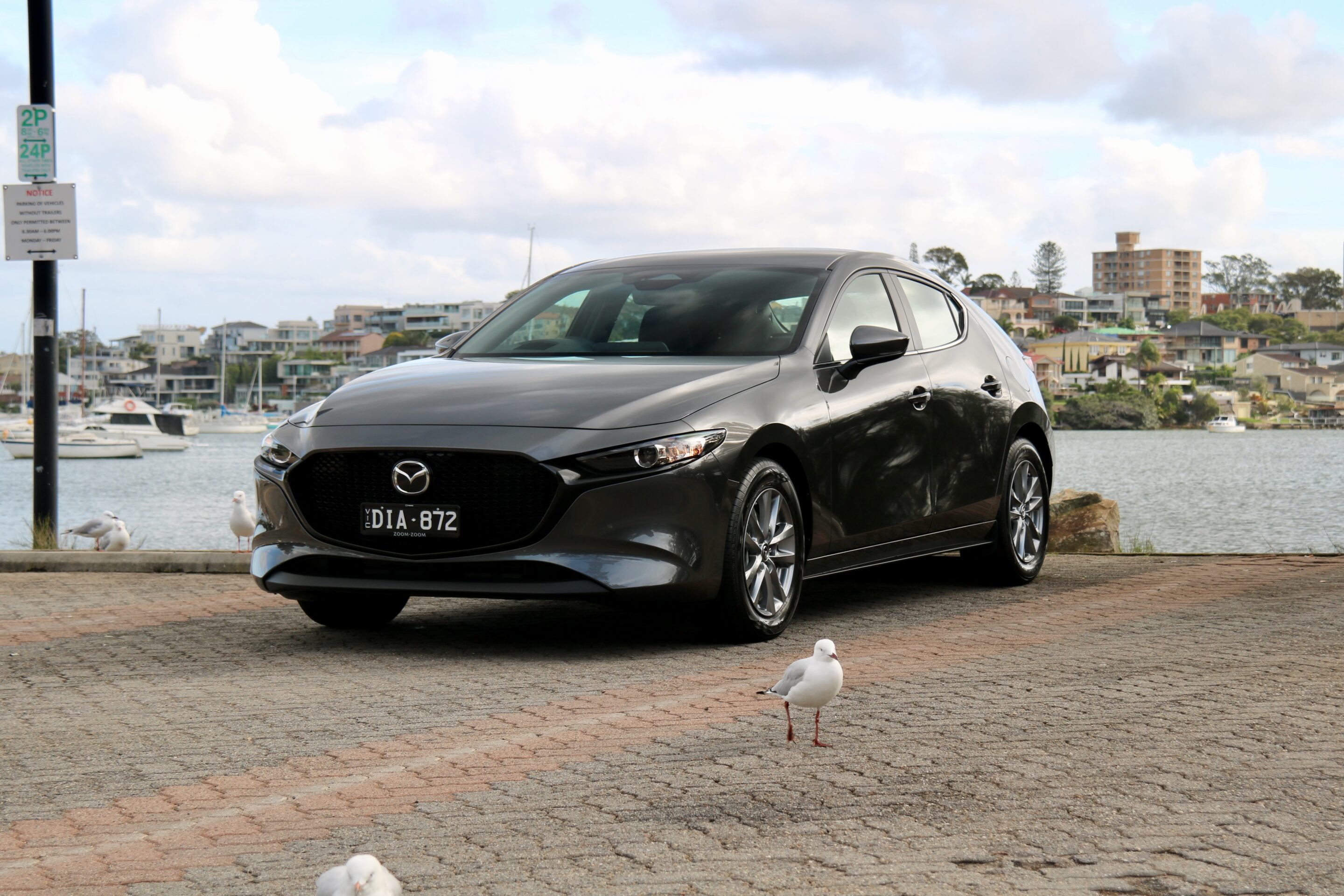
The current Mazda3 may have been on sale since 2019, but it remains one of the most accomplished and desirable small cars in Australia. Rather than chasing outright value or the latest hybrid technology, Mazda has focused on delivering premium design, exceptional build quality and an engaging driving experience. As a result, the Mazda3 continues to compete strongly against newer rivals such as the Toyota Corolla, Kia K4 and Honda Civic despite its age.
Available in both hatchback and sedan body styles, the Mazda3 range spans six grades from the entry-level G20 Pure through to the flagship G25 Astina. Even the Pure is well equipped with LED headlights, 16-inch alloy wheels, satellite navigation, wireless Apple CarPlay and Android Auto, Mazda Connected Services, adaptive cruise control, rear parking sensors and a comprehensive suite of active safety equipment. Higher grades add larger alloy wheels, leather upholstery, heated front seats, a head-up display, Bose audio, a 360-degree camera and adaptive LED headlights, giving the Astina a genuinely premium feel.
The Mazda3’s cabin remains one of the benchmarks in the class. Material quality rivals many entry-level luxury cars, while the restrained dashboard design and excellent driving position give it a sophisticated feel. It’s also exceptionally quiet on the move thanks to impressive noise suppression. Rear-seat accommodation and boot space are less impressive, however, particularly in the hatch, which offers just 295 litres of cargo capacity. Buyers needing maximum practicality may find competitors such as the Kia K4 or Skoda Octavia better suited to family duties.
On the road, the Mazda3 delivers a polished and confidence-inspiring driving experience. Both naturally aspirated petrol engines are smooth and responsive, with the 2.5-litre G25 offering noticeably stronger performance than the 2.0-litre G20. The steering is precise, ride quality is composed and the chassis strikes an excellent balance between comfort and driver involvement. While rivals increasingly offer hybrid drivetrains, the Mazda3’s efficient petrol engines still return respectable fuel economy of as little as 5.8L/100km.
Mazda backs the range with a five-year/unlimited kilometre warranty and five years of roadside assistance, while servicing is required every 12 months or 15,000km. Five years of scheduled servicing costs a reasonable $2311 for the G20 and $2345 for G25 variants, making ownership costs competitive within the segment.
Despite its advancing years, the Mazda3 remains one of Australia’s best all-round small cars. Its premium interior, refined driving manners, handsome styling and strong ownership credentials ensure it continues to punch above its price point. It could benefit from more rear-seat space and a hybrid option, but for buyers who value quality and driving enjoyment, the Mazda3 remains one of the class leaders.
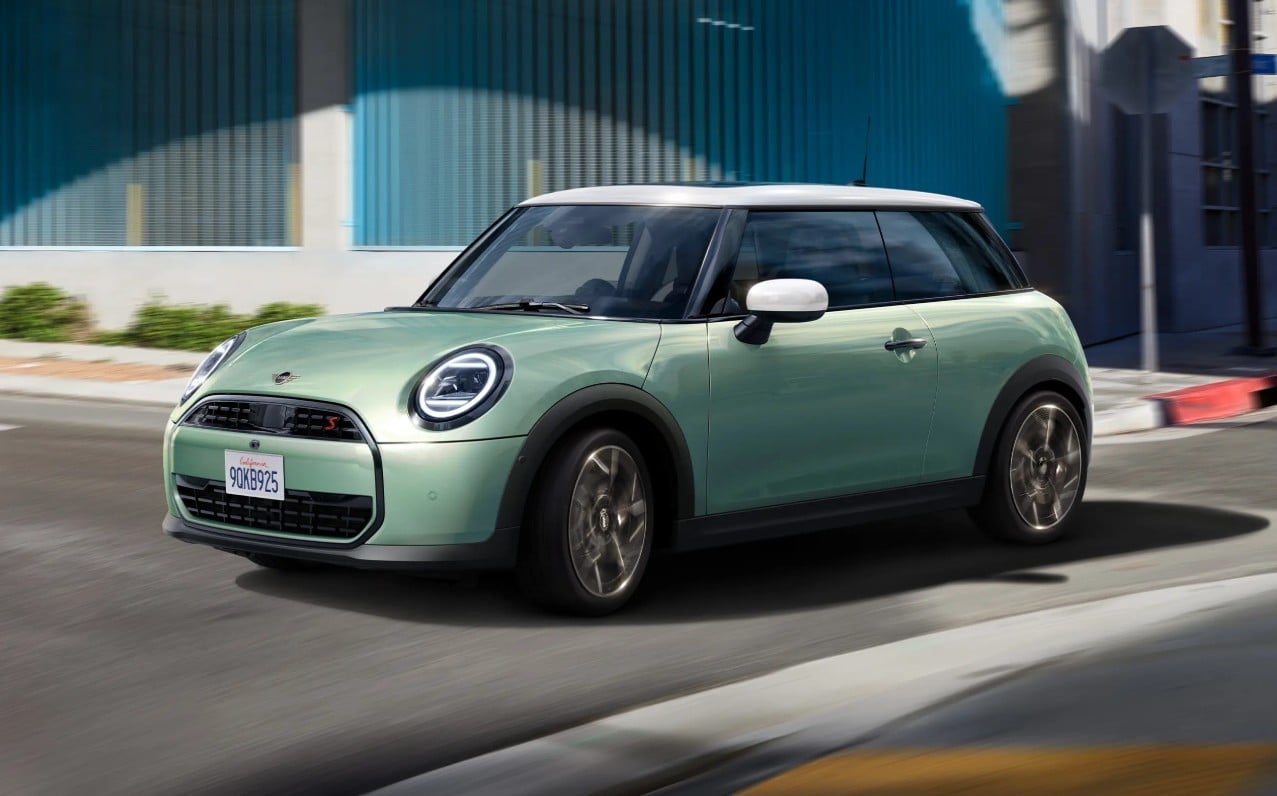
MINI Cooper
4
Price: From $41,990 plus on-road costs (Cooper C Core 3 Door)
Drivetrain: 1.5-litre turbocharged three-cylinder or 2.0-litre turbocharged four-cylinder petrol, seven-speed dual-clutch automatic, front-wheel drive
Outputs: 115kW/230Nm (Cooper C), 150kW/300Nm (Cooper S), 170kW/380Nm (John Cooper Works)
Claimed combined fuel consumption: 6.0-6.3L/100km (Cooper C), 6.3-6.5L/100km (Cooper S), 6.8L/100km (John Cooper Works)
Warranty: Five-year/unlimited km
Five-year service cost: $2425
| Driving | |
| Interior | |
| Practicality | |
| Overall value | |
Strengths
- Hot hatch manoeuvrability
- Premium interior
- Classic retro styling
Weaknesses
- Space, space, space
- Servicing costs
- Firm ride
Few cars have managed to remain as instantly recognisable as the MINI Cooper. More than two decades after BMW reinvented the British icon, the latest-generation Cooper continues to blend retro-inspired styling with modern technology, improved refinement and engaging driving dynamics. While the new model looks familiar from the outside, almost everything underneath has been updated, making it the most sophisticated petrol-powered MINI yet.
The Australian range is extensive, spanning three-door and five-door hatchbacks plus a convertible, with Cooper C, Cooper S and John Cooper Works petrol variants joined by fully electric alternatives. The entry-level Cooper C Core offers strong value with LED headlights, 17-inch alloy wheels, keyless entry, wireless Apple CarPlay and Android Auto, wireless phone charging, satellite navigation and MINI’s distinctive circular OLED infotainment display running Operating System 9. Higher-spec Classic, Favoured and JCW variants add features such as premium upholstery, a head-up display, Harman Kardon audio, panoramic glass roof and adaptive suspension depending on the model.
Inside, the latest MINI feels more premium than ever. The dashboard is beautifully finished, with high-quality materials and a distinctive minimalist design centred around the large circular OLED touchscreen. It retains plenty of MINI character while feeling more upmarket than before. Front-seat comfort is excellent, though rear-seat space remains tight, particularly in the three-door hatch. Boot space is also modest at 210 litres, though the five-door version improves practicality for buyers who regularly carry passengers or luggage.
Regardless of engine choice, the MINI remains one of the most enjoyable small cars to drive. The Cooper C’s turbocharged three-cylinder delivers lively performance and impressive refinement, while the Cooper S adds considerably more punch without sacrificing everyday usability. Enthusiasts will naturally gravitate towards the John Cooper Works, whose 170kW turbocharged engine, sharp steering and agile chassis deliver genuine hot hatch performance. Ride quality is firmer than many rivals, but the MINI rewards keen drivers with excellent body control and plenty of character.
MINI backs the Cooper with a five-year/unlimited kilometre warranty and condition-based servicing, with a five-year/80,000km prepaid Service Inclusive package costing $2425. While ownership costs are higher than some mainstream competitors, they’re competitive within the premium small car segment.
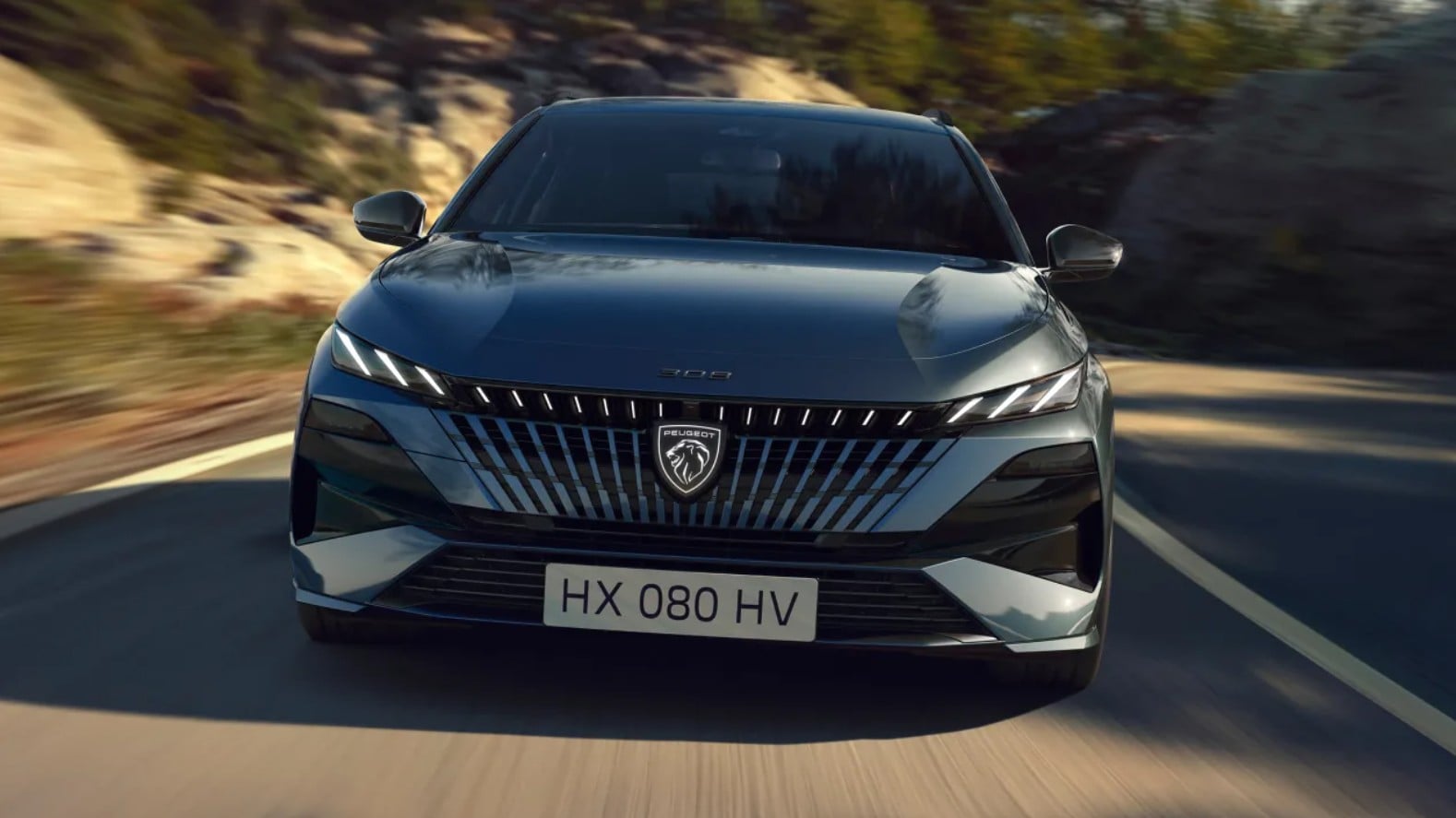
Peugeot 308
4
Price: From $42,490 driveaway (GT Hybrid)
Drivetrain: 1.2-litre turbocharged three-cylinder 48-volt mild-hybrid, six-speed electrified dual-clutch automatic, front-wheel drive
Outputs: 107kW/230Nm (GT Hybrid)
Claimed combined fuel consumption: (GT Hybrid)
Warranty: Five-year/unlimited km
Five-year service cost: $1950
| Driving | |
| Interior | |
| Practicality | |
| Overall value | |
Strengths
- Stylish Euro aesthetic
- Mild hybrid powertrain
- Nicely executed interior
Weaknesses
- Not the most practical in this segment
- Driving position may not suit all
- Will Peugeot remain in Australia?
French cars have long marched to the beat of their own drum and the Peugeot 308 is one of the best examples. Rather than chasing outright value or performance, the 308 focuses on distinctive styling, a premium-feeling cabin and impressive efficiency. Updated with a new 48-volt mild-hybrid powertrain, the current 308 is a far more convincing package than its predecessor and remains one of the more interesting alternatives to mainstream rivals such as the Toyota Corolla, Mazda 3 and Volkswagen Golf.
Standard equipment is generous, with even the entry-level model featuring 18-inch alloy wheels, LED lighting, keyless entry and start, dual-zone climate control, a 10-inch digital instrument display, a 10-inch touchscreen with wireless Apple CarPlay and Android Auto, wireless phone charging and a comprehensive suite of active safety technology.
Inside, the 308 feels more expensive than many rivals thanks to high-quality materials and Peugeot‘s distinctive i-Cockpit layout with its compact steering wheel and high-mounted digital instruments. The cabin design is refreshingly different, although the driving position won’t suit everyone. Rear-seat accommodation is adequate rather than class-leading, while the 412-litre boot is competitive for the segment.
Performance isn’t especially rapid, but the new hybrid drivetrain is smooth, refined and noticeably more responsive than the old petrol engine thanks to the electric motor’s assistance at low speeds. The chassis is another highlight, delivering sharp steering, excellent body control and a ride that strikes a pleasing balance between comfort and agility. Official fuel consumption of just 4.2L/100km also makes it one of the most efficient non-plug-in small cars available.
Ownership costs are reasonable as well. Peugeot backs the 308 with a five-year/unlimited kilometre warranty and five years of scheduled servicing costs $1950, making it relatively affordable to maintain for a European hatchback.
The Peugeot 308 won’t suit buyers who simply want the cheapest or roomiest small car, but it offers genuine character, standout styling, an upmarket interior and impressive efficiency. For drivers looking for something different without sacrificing refinement or technology, it’s a compelling European alternative to the segment’s established favourites.
Best Small Cars in Australia
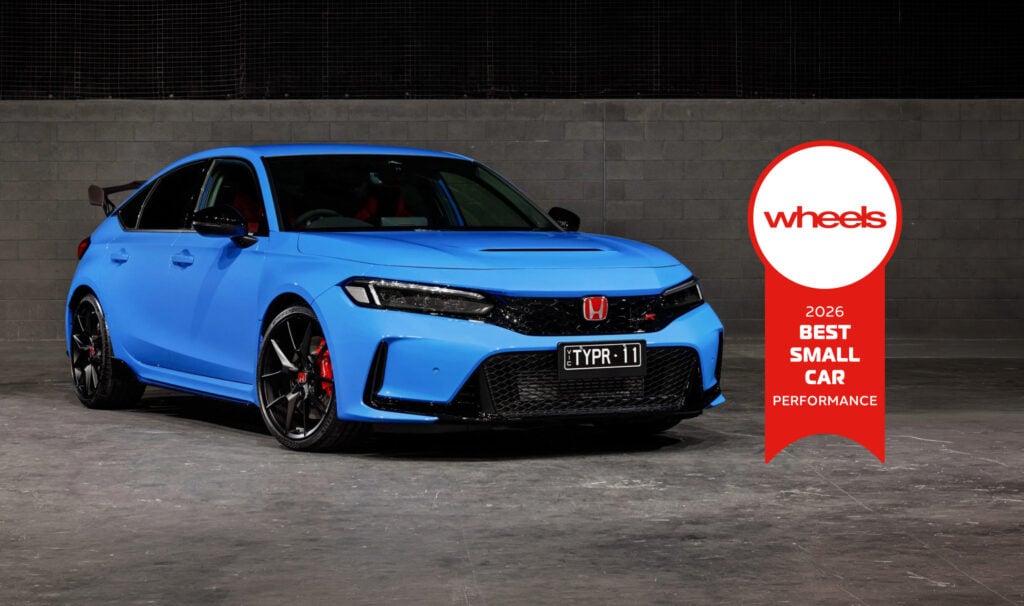
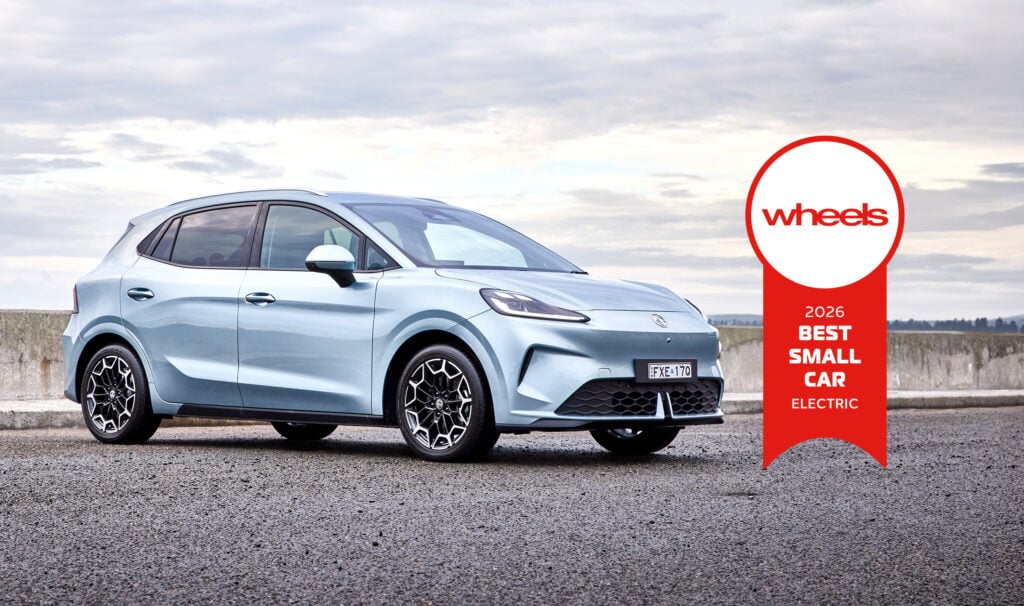
Looking to get into a brand-new small car? Our stories below will guide you to the model that best suits your needs:
Follow WhichCar/Wheels on Google
Click the button below to make WhichCar by Wheels a preferred source for your news.

We recommend
-
 Best Small Cars
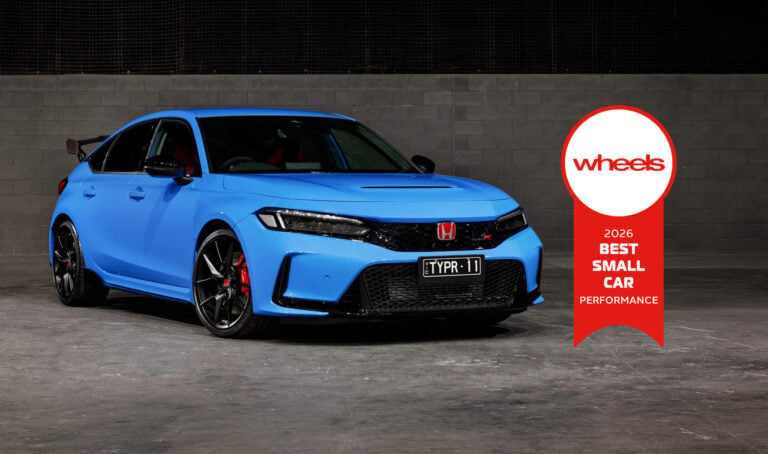
Best Small Cars 2026: Performance
From turbocharged hot hatches to all-wheel-drive rally heroes, these performance-focused small cars prove practicality and pulse-raising driving thrills can happily coexist.
-
 Best Small Cars
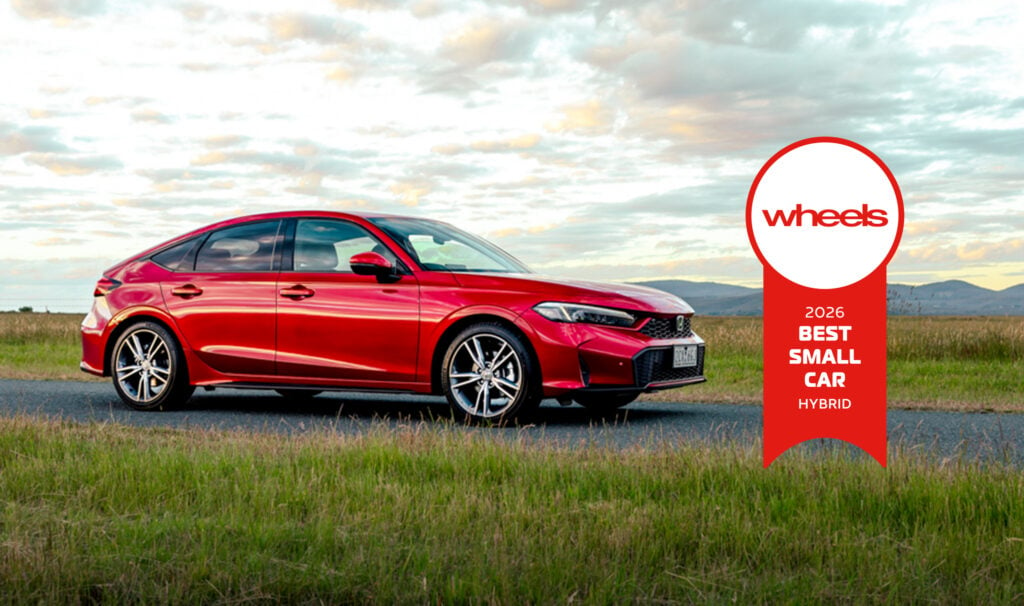
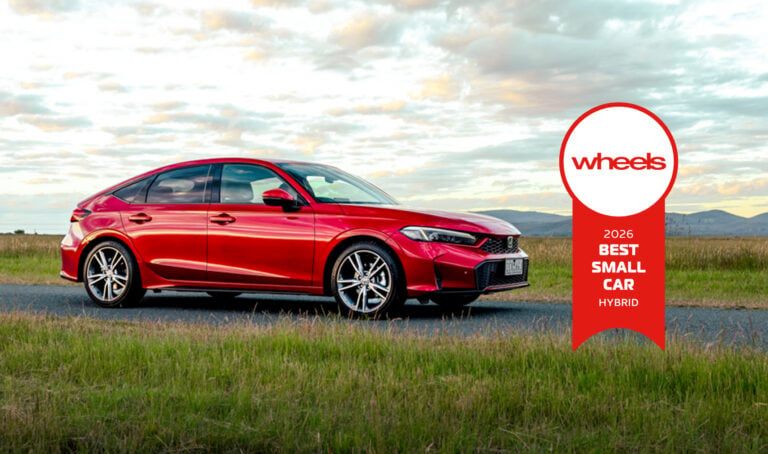
Best Small Cars 2026: Hybrid
At its best, hybrid technology delivers lower fuel bills and easy urban driving, making these electrified contenders smarter choices for fuel-conscious Australian buyers.
-
 Best Small Cars
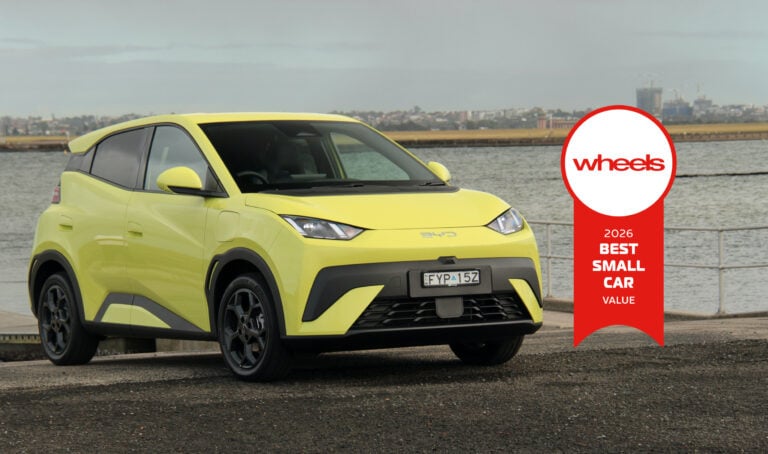
Best Small Cars 2026: Value
Affordable doesn't have to mean stripped-out motoring; these contenders combine keen pricing, generous equipment, strong safety, low running costs and genuine everyday appeal.