News

Gallery 1
The legendary Jensen Interceptor is being brought back from the dead as a 716kW track-only monster – but the company behind its resurrection has confirmed more civilised roadgoing versions are already on the way.
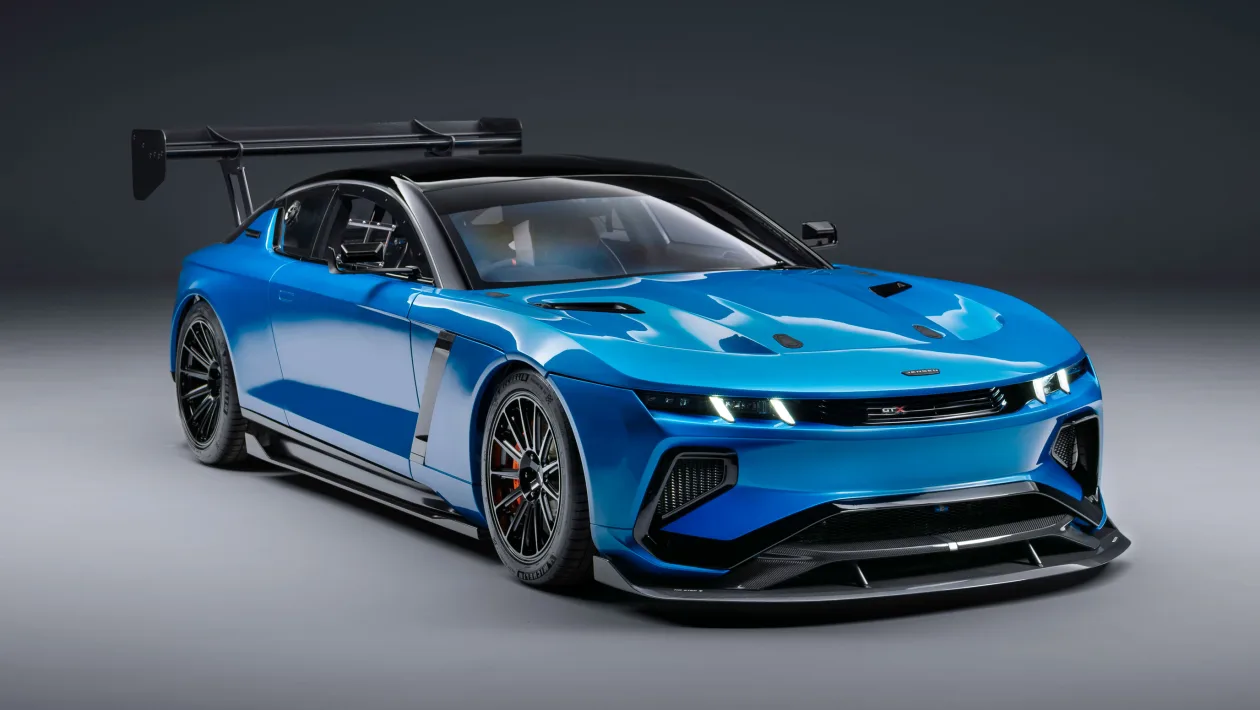
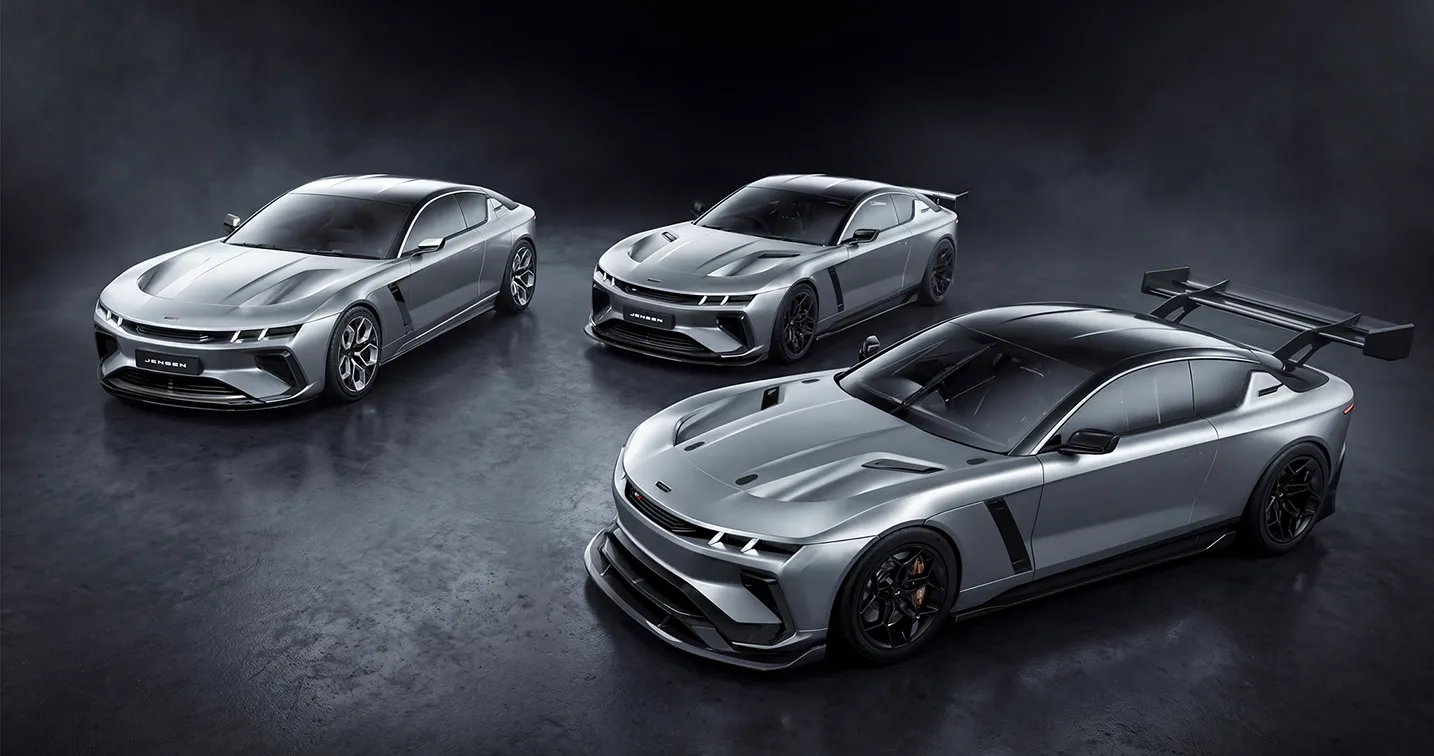
British specialist Jensen International Automotive (JIA) has unveiled the Interceptor GTX as the first member of a new family inspired by the famous grand tourer, which was built between 1966 and 1976. While the rear-wheel-drive GTX is an uncompromising circuit machine, JIA is also developing a street-legal GTR that will deliver similarly serious performance. A more luxurious GT aimed at traditional grand touring is also in the works.
5
The three cars were conceived as part of the same development program, meaning much of the GTX’s dramatic exterior design is expected to be passed on to its roadgoing siblings. The GTR and GT will also ditch the track car’s sequential transmission for either a conventional H-pattern manual or automatic gearbox.
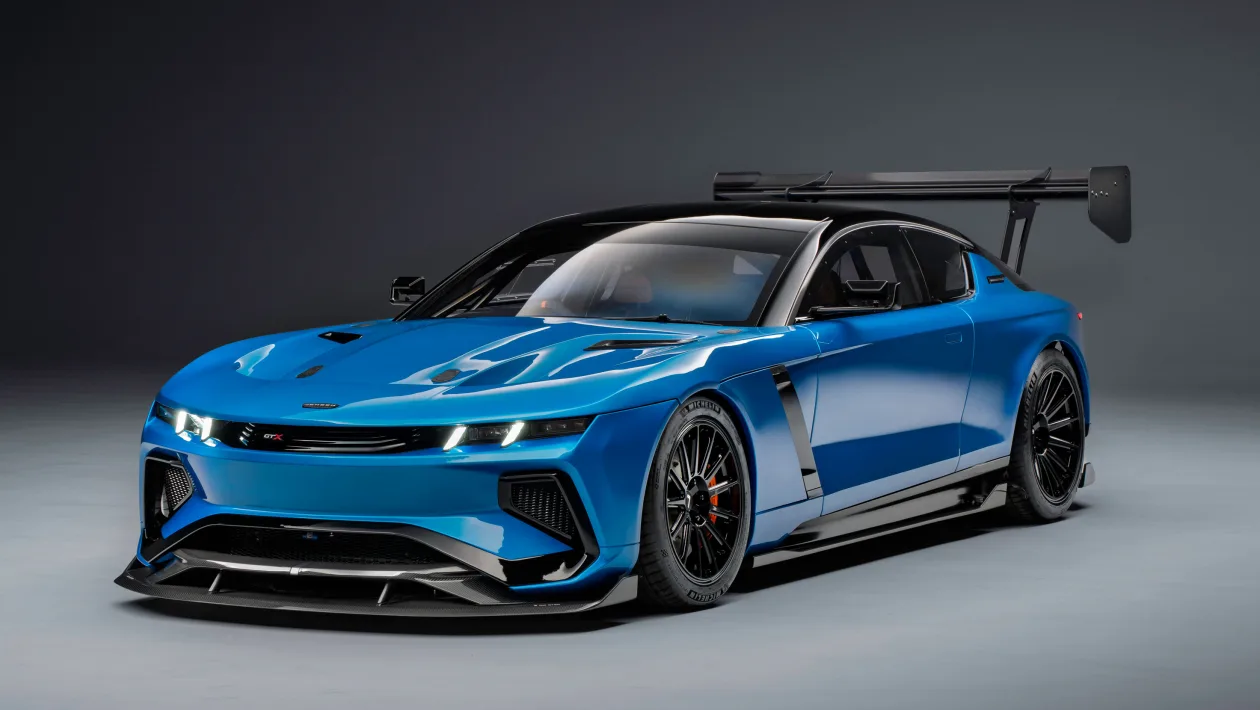
Rather than being a restomod or continuation model, the GTX is a completely new car designed, engineered and hand-built in Britain. Its proportions reference the original Interceptor, with a long bonnet, cab-rearward stance and distinctive floating C-pillar, but the bodywork has been shaped with modern aerodynamic goals in mind.
An enormous adjustable rear wing can generate more than 350kg of downforce, working with a front splitter, flat underfloor, rear diffuser, extensive cooling ducts and a two-plane rear aerofoil. Underneath the hand-crafted aluminium body is a bespoke bonded and extruded aluminium chassis, complemented by carbon-fibre aerodynamic components.
The headline act sits beneath that famously long bonnet. A heavily modified supercharged 6.8-litre V8 based on GM’s LT-series engine sends 716kW to the rear wheels through a six-speed Samsonas sequential transmission featuring straight-cut dog gears.
US engine specialist Late Model Engines developed the powerplant, which now has less than 20 per cent of its original GM components. Jensen says the mill is capable of producing as much as 895kW and almost 1500Nm, although output has been wound back for the GTX.
6
Aluminium wishbone suspension is used at both ends, teamed with bespoke three-way adjustable Nitron dampers. AP Racing brakes with steel discs sit behind 20-inch one-piece forged aluminium wheels wearing Michelin Pilot Sport rubber.
The stripped-out cabin features an FIA-approved roll cage, carbon-fibre competition seats, six-point harnesses, a fire-extinguisher system and configurable MoTeC digital display, although Alcantara, leather door pulls and contrasting stitching provide a splash of luxury.
Production isn’t expected to begin until 2028 as JIA continues developing the GTX. Pricing is estimated at the equivalent of roughly $1.7 million to $1.9 million before Australian taxes and charges, although there’s no confirmation yet of local availability.
Timing for the roadgoing GTR and GT also remains under wraps, but the GTX makes clear that Jensen’s comeback is intended to extend well beyond a single track-only special.
Follow WhichCar/Wheels on Google
Click the button below to make WhichCar by Wheels a preferred source for your news.