
News

Gallery 1
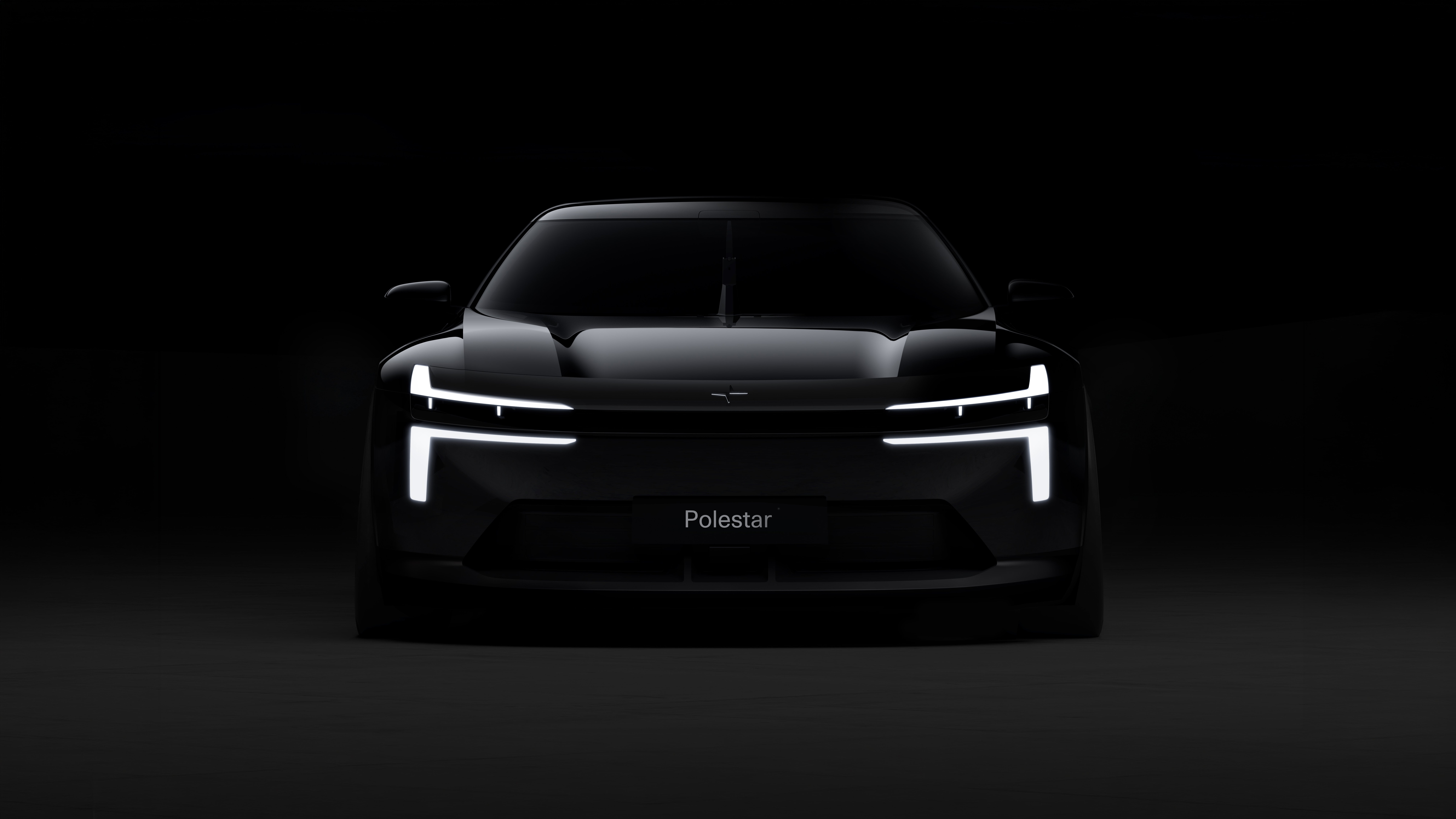
Polestar has taken the wraps off a dramatic concept car that will usher in a new design era for the brand, with its looks set to influence the design of the next-generation Polestar 2 and upcoming Polestar 7 SUV. Dubbed Formula 2030, the concept will be fully unveiled in October and provide the clearest indication yet of the direction being taken by Polestar design boss Philipp Römers.
The single teaser image already reveals a substantial rethink of the company’s familiar front-end treatment, and the new styling philosophy isn’t expected to remain a motor-show fantasy.
4
Polestar’s interpretation of Volvo’s Thor’s Hammer headlight signature has become much more of a focal point, and an aerodynamic opening similar to the aero blades used on the Polestar 3 also forms part of the new nose, helping manage airflow around the vehicle.
There appears to be an S-duct that will redirect air to suck the car’s nose down onto the tarmac, and the overall effect is sportier as the Formula 3000 adopts a low-set, wide stance with cambered front wheels.
The treatment is expected to form the basis of a new family face across future Polestars, while the company’s traditionally restrained surfaces could give way to more curvaceous and expressive bodywork.
Römers describes the Formula 2030 as an evolution rather than a wholesale reinvention of Polestar’s identity, as it retains recognisable features such as its Dual Blade headlights while debuting a more curvy and expressive look.
Other established Polestar signatures aren’t necessarily safe from change. Features including full-width rear lighting and the windowless tail used by some of its current models could be reinterpreted as the company establishes its next-generation design language.

3
The overhaul won’t stop with the exterior. The Formula 2030 is also expected to preview Polestar’s future approach to cabin design, including new materials and user-interface technology.
The concept arrives at an important point in the company’s development. Despite expanding its range into several major premium-vehicle segments, the Swedish-based, Chinese-owned manufacturer continues to face significant financial and commercial challenges. Losses have remained substantial, while restrictions preventing it from selling vehicles in the US have added another obstacle to its global expansion plans.
That puts plenty of pressure on the next wave of Polestars to deliver. Formula 2030 will provide the first indication of how the company intends to use distinctive design and new technology to give those models a stronger identity when it is revealed in full next month.
Follow WhichCar/Wheels on Google
Click the button below to make WhichCar by Wheels a preferred source for your news.


We recommend
-
 Reviews
Polestar 4 review: Mid-sized electric SUV boasts handsome Swedish design and one big surprise
The Polestar 4 blends SUV practicality, a limo-like rear seat, sedan-like dynamics and a luxurious cabin. Oh, and no rear window...
-
 News
News2027 Polestar 4: Price and specs revealed for updated EV range
Polestar has announced changes to the Polestar 4 EV for the 2027 Model Year as order books open.
