Opinion

Gallery 1
Charlotte was a lovely lady with impeccable manners and great taste in everything from clothes and handbags to restaurants and schools.
If she was starring in a movie, her character would have been played by Kate Beckinsale, or Kristin Scott Thomas, or perhaps Emma Thompson. But Charlotte could never be in a movie because she was not real. She was an avatar.
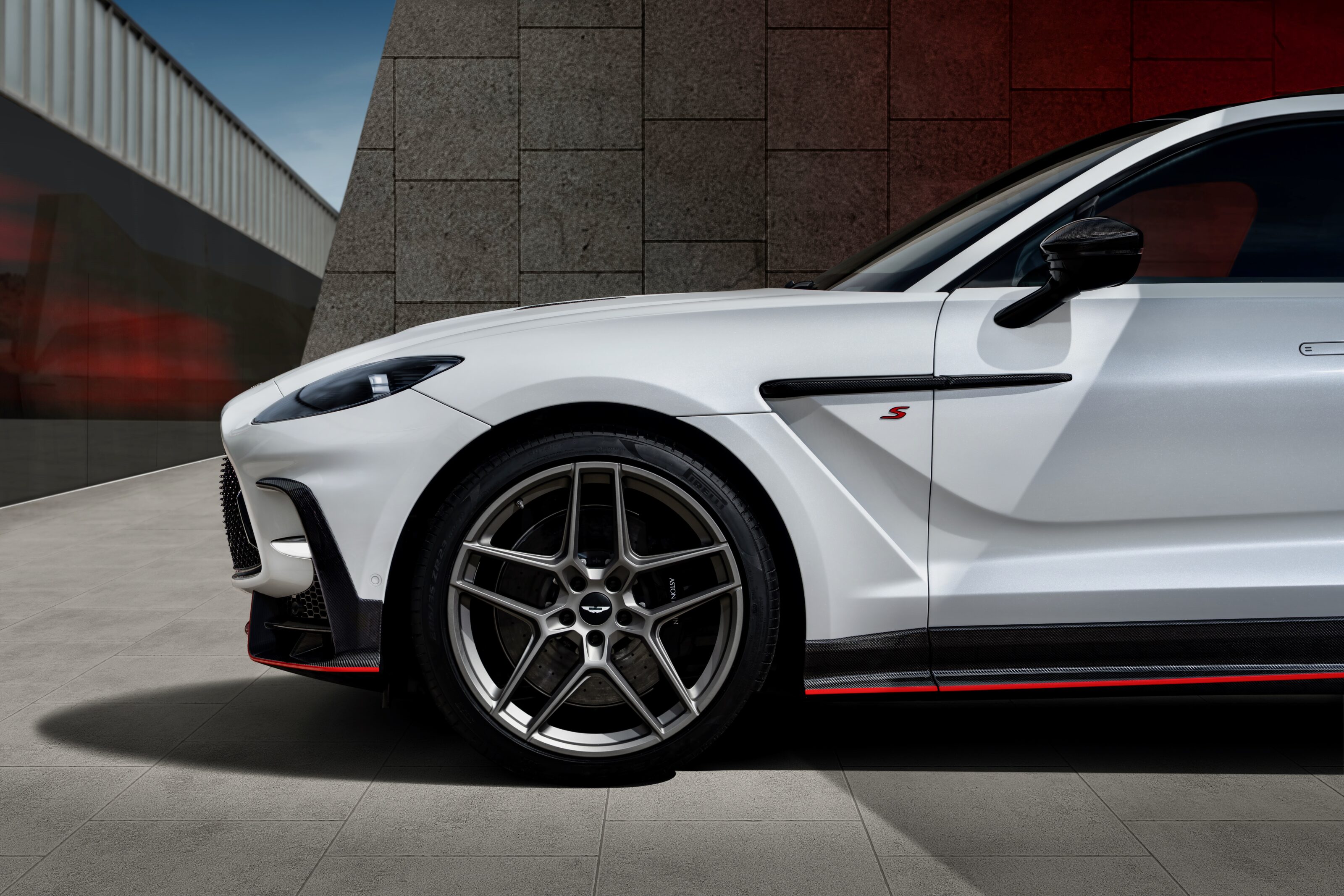
Even so, I have driven her car. It’s the lovely Aston Martin DBX. Earlier than the DBX, when Nissan was developing the female-first Murano as its new SUV in the USA, there was another avatar. Sadly, I have forgotten her name.
1
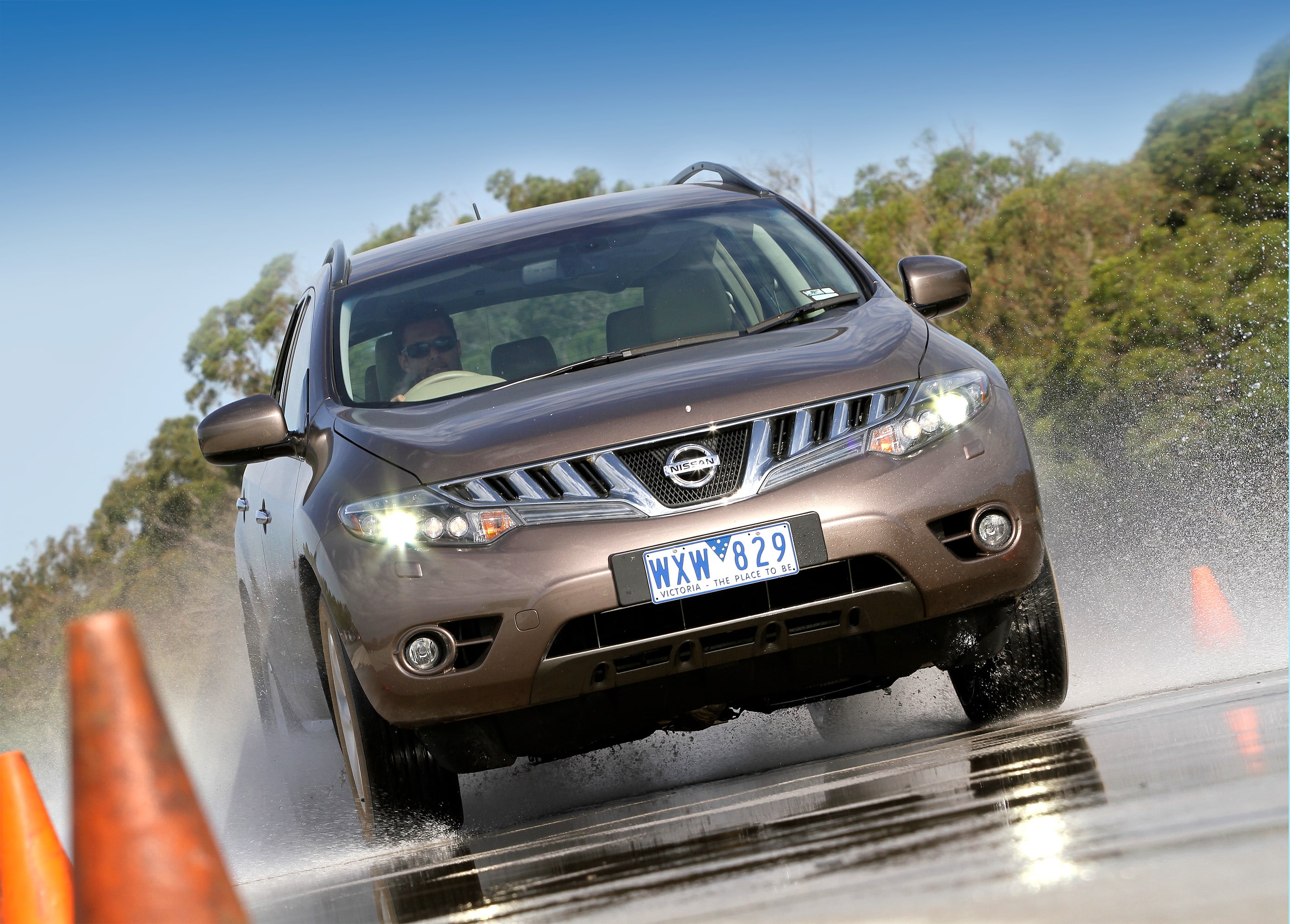
But I can clearly remember the presentation at the introduction of the Murano in San Diego, and the pivotal role played in its development by a virtual woman who was created to help create the car.
She was divorced and re-married, in her early forties, with one child of her own and another in the blended family with her second husband. She lived in an upscale neighbourhood, frequently went out for dinner and away for romantic weekends, and the couple had a car each but would often travel together, four-up, in their Murano (above).
So, when the product planners at Nissan were making decisions about the Murano, they would default to her wants and needs.
It was a similar story with Charlotte at Aston Martin.
“What would Charlotte want? What would she choose?” one of the key players in development of the DBX (below), Simon Sproule, told me back in 2016 when I was researching a story on the landmark speedy SUV.
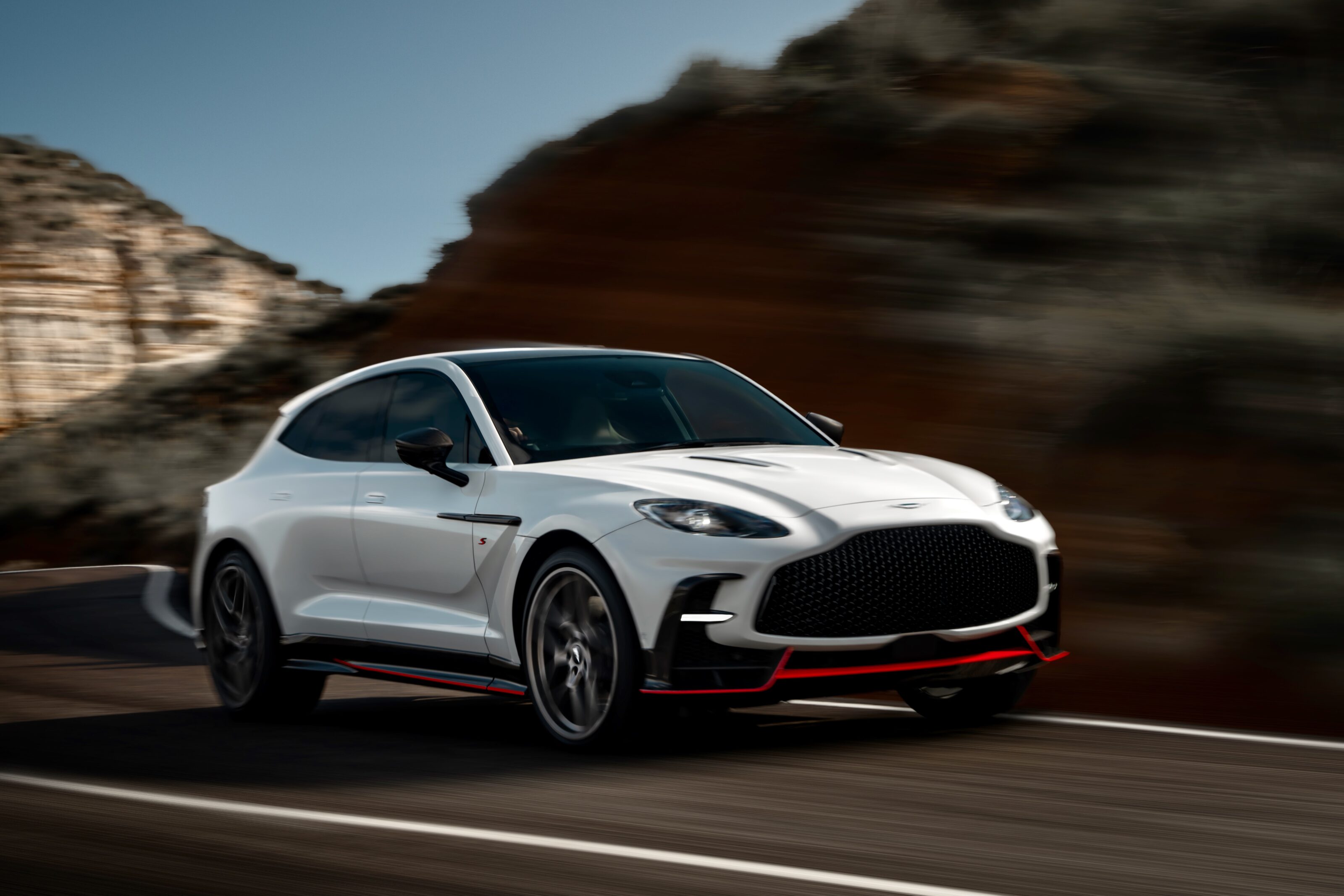
1
“Traditionally, the image of Aston Martin as a brand is considered to be relatively masculine – ‘a gentlemen’s car’ – often driven by associations with James Bond and a largely male customer base.
“Females are playing an increasingly important role globally in the growth of the luxury goods market With increased confidence and financial independence, females are increasingly buying into luxury sports vehicles.”
Sproule, whose title at the time was global director of marketing and communications, had one of the smartest minds I’ve encountered in nearly 50 years as a motoring writer. We first crossed paths when he was at Nissan, during a stoush triggered by Porsche questioning the GT-R’s record lap time at the Nürburgring, and he did all sorts of good work including a spell with Elon Musk at Tesla and a pivotal role in Japan when the Renault-Nissan Alliance was first formed.
Why are Simon and Charlotte and the Murano and DBX important? Because they are a reminder of the chameleon changes necessary to be a good road tester.
It’s no good to rate and review everything against your personal wants and needs. You cannot jump into a teeny Kia Picanto and expect it to accelerate like a Porsche, or ease down into a howling 911 and then wail that there is no space in the back for kids and prams.
Cars need to answer the questions set by their potential owners. It’s those avatars, real or imagined, who are the targets.
Assessing the vehicle against the targets set by – and for – someone else is not easy. It’s the same for everyone who hits the web or goes into a new-car showroom looking for their dream machine. If your budget is $50,000, then a Rolls-Royce is out of the question, and – a personal bugbear – why go looking for something to tow a caravan for a couple of weekends a year when most of your driving is day-to-day commuting?
Turning back to test driving, playing the chameleon game for review work can be challenging – but also fun. First ask the questions, then find the answers, then assess the vehicle.
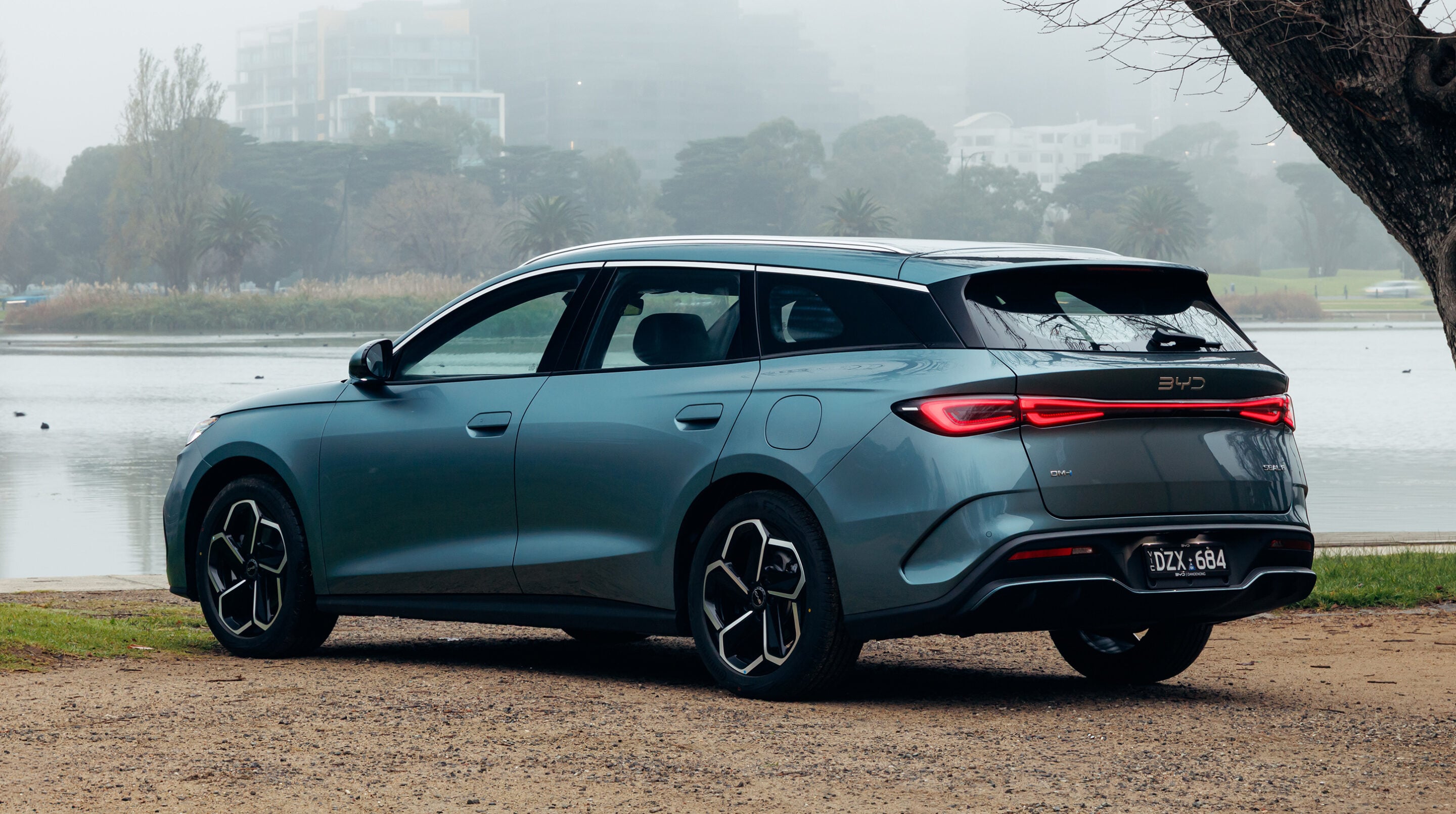
This topic and process came up during a 1000-kilometre drive recently from Sydney to Melbourne in a BYD Seal 6 Touring, a plug-in hybrid station wagon. The Chinese maker was trying to illustrate the flexibility of its petrol-electric package, and its suitability for long-distance drives down under, but there were plenty of other questions. And not just about the difference in the pothole count between NSW and Victoria…
Is a modern station wagon as good as an SUV? What’s the quality like in the latest Chinese cars? How is the ride and handling? What about the luggage space?
1
Even if BYD didn’t use an avatar, it had plenty of questions to answer. In this case, it hit almost all the targets for a family wagon in 2026 and did it without running down the easy route with a hulking SUV.
Few people will buy a Seal 6 Touring (above), and the four-door sedan won’t be a bestseller, but the car provides proof that BYD knows what it is doing and where it is going. It’s a car that provides permission to buy.
Now I’m jumping into a Mitsubishi Triton Raider and thinking like a tradie who wants a weekend escape machine, after time with a hulking Mercedes-Benz G 450 d which proved that the world’s oldest carmaker can still do rock-solid quality without really answering why someone would buy the boxy beast for the school pick-up run.
Just because, perhaps?
This story first appeared in the September 2026 issue of Wheels magazine, now on sale. Subscribe here and gain access to 12 issues for $109 plus online access to every Wheels issue since 1953.
Follow WhichCar/Wheels on Google
Click the button below to make WhichCar by Wheels a preferred source for your news.

We recommend
-
 Features
10 beloved car features that have completely disappeared
From pop-up headlights to cigarette lighters, these once-common car features have all but vanished from new models in the Australian market.
-
 News
NewsFormer prime minister says Australia must bring back local carmaking as EVs change the face of the industry
Kevin Rudd made the call during his speech to the National Press Club, framing the need for a return to carmaking as a matter of national security.