
Features

Gallery 1
The car has changed enormously over the past few decades. Some of that progress is obvious, be it electrification, huge touchscreens, a plethora of safety systems and the introduction of enough computing power to run all of those at once.
But what manufacturers see as great leaps forward are often viewed as backwards steps by buyers as gear that was once considered normal is suddenly nowhere to be found on the latest models. Here are 10 car features that have disappeared from the new car market…
1. Pop-up headlights
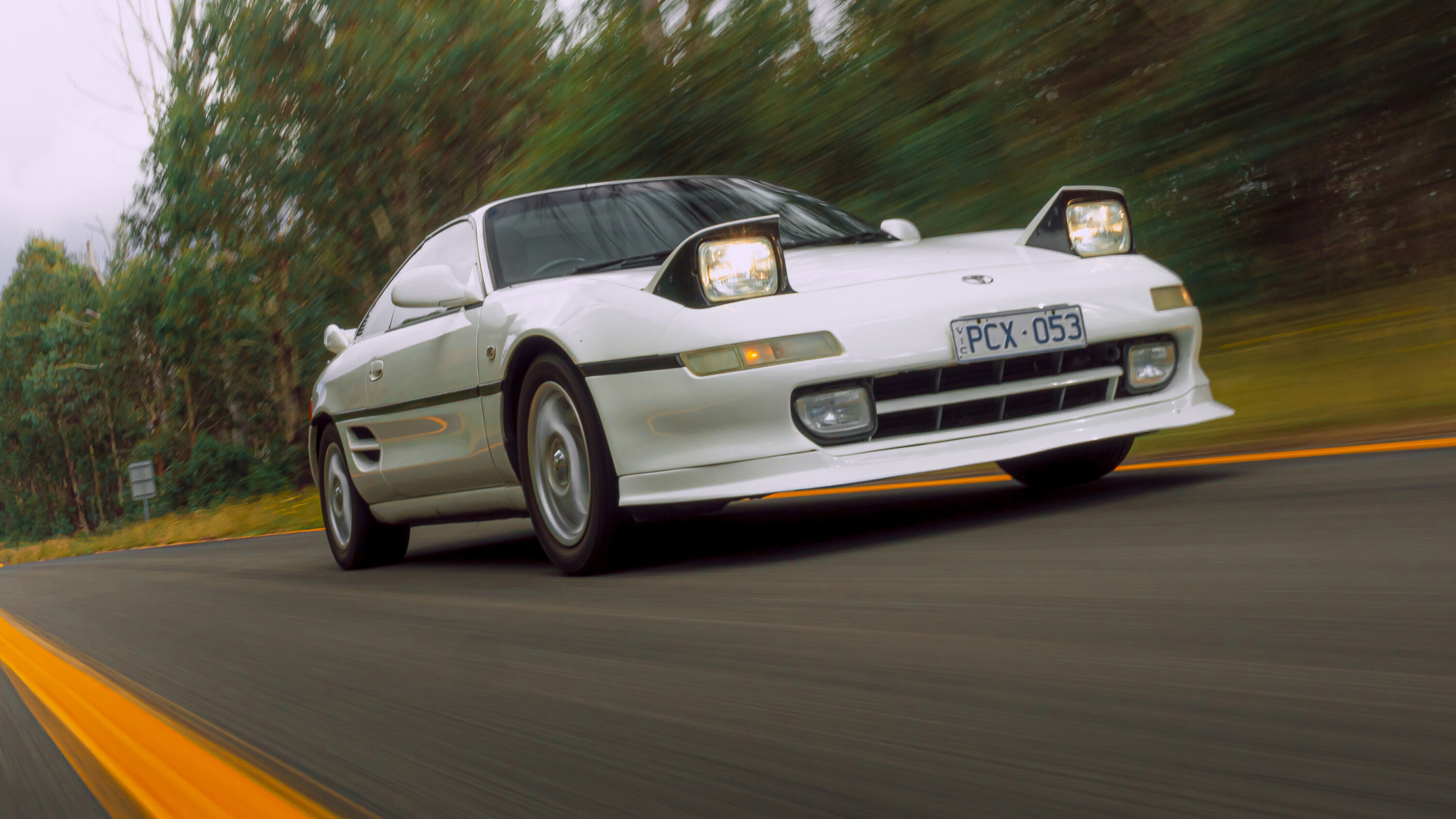
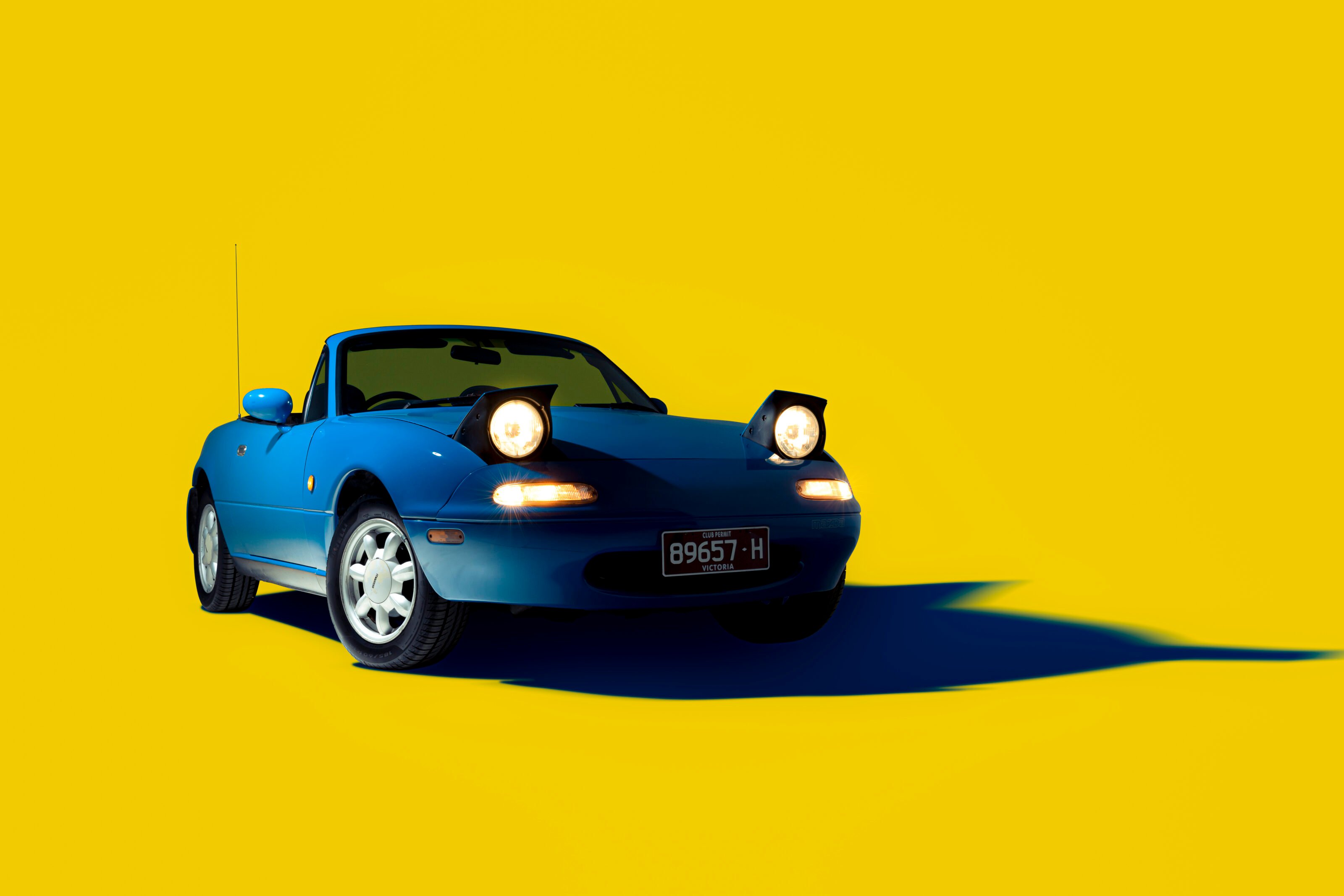
Pop-up headlights were especially popular from the 1970s through to the 1990s and featured on everything from affordable sports cars to some pretty exotic machinery. Examples include the NA-generation Mazda MX-5, Toyota MR2, second-generation Honda Prelude, Nissan 180SX, Chevy Corvette, Lamborghini Countach and of course, the Ferrari F40.
4
While they didn’t exactly serve a purpose beyond looks and aerodynamics – many, many cars were launched without them – there was something very cool about watching the lights raise. However, they had several problems: the mechanisms added weight, complexity and cost, while increasingly strict pedestrian-impact regulations in certain markets made designing cars with them a lot more difficult.
Improved lighting technology also played a role. Projector, xenon and eventually LED tech meant that designers could create thin, more stylised lighting units with far superior quality. By the early 2000s, pop-ups were dead and the C5 Chevy Corvette and Lotus Esprit were the last production cars that featured them. We miss them dearly.
2. Bench seats
Go back way before the millennium and three people sitting across the front of a car was far from unusual. Front bench seats were particularly common in large American and Australian cars, with models such as the Ford Falcon and Holden Kingswood offering the ability to squeeze three people across the front row and another three in the back. Go overseas and bench-seat models lasted a lot longer, like the Fiat Multipla and Honda FR-V from the early 2000s.

7
Combined with a column-mounted gear selector, bench seats effectively turned large sedans into six-seaters without needing three rows of pews. However, the rise of centre consoles, bucket seats, floor shifters and increasingly sophisticated safety equipment gradually killed the traditional front bench. Buyers also wanted more supportive seats, more storage and arm rests, which didn’t help the bench seat’s cause. They still exist in some markets in commercial vehicles, but are extinct in passenger cars.
3. Cassette and CD players
In 2026, there’s precisely one new car available with a CD player, and that’s the Subaru WRX. Cassette players? Good joke. For decades, cassette players were featured in almost every car. Even after CDs became mainstream during the 1990s, plenty of brands like Lexus products offered both formats as manufacturers catered for enormous existing cassette collections. Eventually the CD player took over, before suffering exactly the same fate as the tape deck: extinction.

1
Today, Bluetooth, Apple CarPlay and Android Auto smartphone mirroring, as well as streaming services like Apple Music and Spotify, have made physical media like CDs and cassettes pretty much redundant. Plenty of new cars don’t even have an auxiliary input anymore, let alone somewhere to insert a cassette. Let’s not even start on the screens the media is played through…
4. Manual chokes
Before electronic fuel injection became universal, starting a cold engine often required considerably more involvement than simply pressing a button. Enter the manual choke. Common on older carburetted petrol engines, a choke restricted airflow into the carburettor to enrich the fuel mixture and help the engine start when cold. Drivers would pull a knob or lever when starting, then gradually push it back in as the engine warmed.

1
Forget to use enough choke and the engine might refuse to start. Leave it engaged too long and you’d waste fuel, run poorly or potentially ruin the spark plugs. Automatic chokes eventually reduced the driver’s workload before electronic fuel injection made the entire process redundant. Modern cars can automatically adjust fuelling for temperature, altitude and countless other variables before you’ve even finished putting on your seatbelt. We don’t miss this one.
5. Built-in car phones
Long before Bluetooth, Apple CarPlay or even the smartphone itself, there was no greater automotive status symbol than having a telephone built into your car. Car phones became particularly associated with luxury machinery during the 1980s and 1990s. Big Mercedes-Benzes, BMWs and other high-end models could be equipped with proper telephone handsets, often mounted prominently on the centre console or tucked neatly into an armrest.
At the time, it was seriously impressive technology. Being able to make a phone call while travelling without stopping to find a payphone felt futuristic, and immediately suggested that the driver was quite important. Early systems were bulky and expensive, while later factory-integrated phones became considerably slicker. Some even featured steering-wheel controls and hands-free functionality, foreshadowing the connectivity features we now take for granted.

1
Then, of course, mobile phones ruined the party. As handheld phones became smaller, cheaper and more widespread, there was little reason to permanently install one in a car. Bluetooth connectivity allowed drivers to use their own phones through the vehicle’s speakers without needing a dedicated handset, which really spelled the end for the car phone.
6. Cigarette lighters and ashtrays
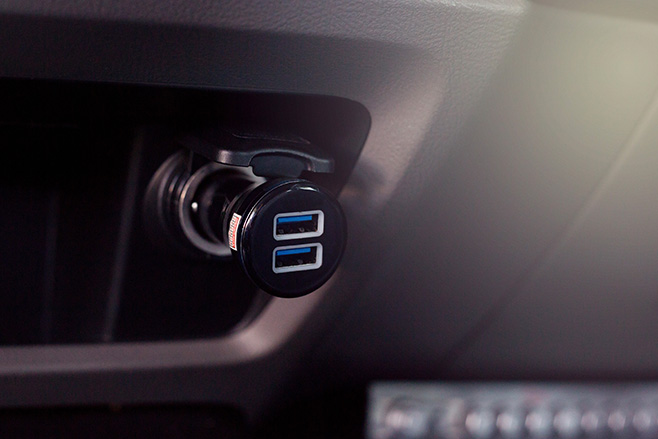
For decades, manufacturers built dedicated equipment for smoking into virtually every car. Most dashboards contained a cigarette lighter – that is: push it in, wait for it to heat up and it would pop back out, glowing red – while ashtrays could be found throughout the cabin. Some luxury cars even provided individual ashtrays and lighters for rear-seat passengers.
2
Changing attitudes towards smoking eventually made them redundant, and the cigarette lighter itself underwent one of the automotive industry’s more unusual career changes. Its 12-volt socket survived long after the lighter disappeared, becoming a convenient power source for everything: GPS units, dash cams, phone chargers and even portable fridges. But now, even the 12V socket is gradually disappearing as USB-A, USB-C and wireless charging become commonplace.
7. Manual window winders
This one really is for the older folk among us. Remember when lowering a window required exercise?Manual window winders were once completely normal, particularly on entry-level cars. In decades past, electric windows were a luxury feature often proudly listed alongside air conditioning and central locking in advertisements. By the 1990s and 2000s, power windows gradually worked their way down into mainstream models, although plenty of affordable cars continued using winders in the rear to save a few dollars and kilos.

3
Today, however, it’s difficult to think of a new car that still has manual window winders in Australia, but they can still be found in markets like Europe. Modern electrical vehicle architectures have made power windows relatively inexpensive to manufacture, while buyers simply expect them as standard.
8. Full-size spare wheels
This one hasn’t completely disappeared, but thanks to the explosion of hybrids and EVs on the market, it’s certainly heading that way. For decades, opening a car’s boot revealed another complete wheel and tyre hiding underneath the floor, even in something tiny like a Mazda MX-5. Get a puncture, swap it over and continue driving normally. But then came space-saver spare wheels, and increasingly since then, no spare whatsoever.

4
Many modern cars instead rely on tyre repair kits, while others use run-flat tyres. EVs have accelerated the trend because enormous battery packs compete for space underneath the cabin, and manufacturers are constantly looking to reduce weight. Removing a full-size wheel can save a significant amount of mass while creating additional luggage space and shaving manufacturing costs. We hope manufacturers find a way to downsize other elements and change back in the future, because you never know when you’ll need a spare.
9. Headlight wipers
There was a time when simply cleaning the windscreen wasn’t enough – your headlights apparently deserved their own tiny windscreen wipers, too. Headlight wipers became particularly associated with European cars during the 1970s, ’80s and ’90s, featuring on everything from Volvos and Saabs to high-end Mercedes-Benz models. Watching a pair of miniature wiper arms furiously sweep across the headlights was strangely satisfying.

4
Before today’s powerful lighting technology became commonplace, keeping the headlight lenses clear of dirt, snow and road grime could make a meaningful difference to visibility, particularly in the miserable winter conditions encountered in areas like northern Europe. But headlight design changed dramatically to suit more aerodynamic shapes, wiping out the need for them.
Xenon and LED lighting also improved illumination, while high-pressure headlight washers provided a simpler way of removing grime without miniature wiper mechanisms. Today, headlight washers can still be found on some new cars, but the wipers have vanished. They were probably only necessary every once in a while in Australia, but we still want to see them make a comeback.
10. Physical keys
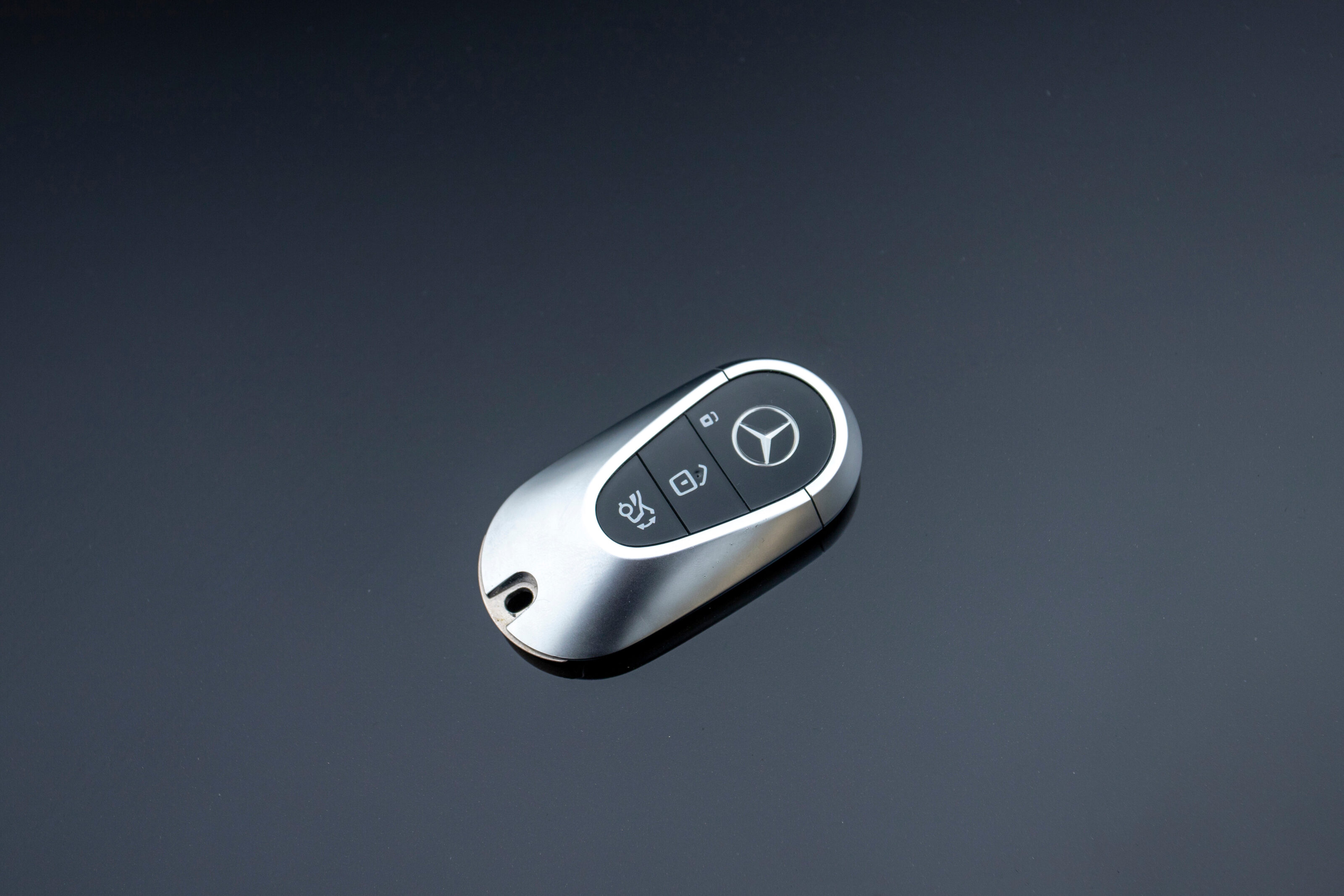
This one is happening right now. For more than a century, the physical key was an essential part of driving. It got you into the vehicle, then you inserted it into the ignition barrel, twisted it and your engine came to life. Remote central locking and keyless entry then arrived, while push-button starters increasingly eliminated the need to remove your key from your pocket at all. Now some manufacturers are removing the traditional key altogether.
3
Digital keys can allow a smartphone or smartwatch to unlock and start a vehicle, while ultra-wideband technology can detect an authorised device as its owner approaches. The traditional metal key hasn’t entirely vanished yet – plenty of key fobs still contain one hidden inside for emergencies – but its days as something you actually interact with are numbered. Turning a key and hearing an engine crank into life was once the universal beginning to almost every journey. Soon upcoming generations of drivers may never experience it at all.
What else is disappearing?
Within the next five years, we think there will be more features to add to this list. CD players are already effectively gone. Manual handbrakes are rapidly being replaced by electronic buttons, analogue instrument clusters are losing ground to digital screens and traditional gear levers are being replaced by buttons, rotary controllers and column-mounted selectors.
Even physical climate-control buttons are under threat as manufacturers cram more functions into touchscreens – though, judging by the recent return of physical controls in some new models, buyers may finally be fighting back on that one.
There’s also the manual transmission. While it isn’t dead yet, particularly in enthusiast cars, its share of the new-car market continues to shrink as automatics become faster, more efficient and cheaper, while hybrids and EVs eliminate the conventional multi-speed gearbox entirely.
Follow WhichCar/Wheels on Google
Click the button below to make WhichCar by Wheels a preferred source for your news.

We recommend
-
 Features
10 cars that were killed off by SUVs in Australia
As Australians fell in love with SUVs, some of our favourite sedans, wagons, hatchbacks and people movers quietly disappeared.
-
 Classic Wheels
From the Wheels archive: Top 10 Turbo pioneers (and three stinkers)
Commonplace today, turbocharging was once a dark art, part science, part voodoo magic. Here are 10 of the best from turbo's early days.
-
 Features
Forgotten Aussie flagships – top 10 range-toppers from our motoring heyday
Whether they were overlooked in their heyday or have simply faded from memory over time, here are 10 range-topping cars that you probably haven’t thought about in a while.
