Classic Wheels

Gallery 1
Turbocharging. Normal today, but once black magic. You’d be hard-pressed to find a traditional internal combustion car without turbocharging in 2026. Lauded for performance gains while also increasing fuel efficiency, the modern turbo is a technological masterpiece.
Turbocharges have refined over the decades to deliver more power, more smoothly, and from smaller engines that use less fuel than their non-turbo counterparts. But it wasn’t always this way, with early turbochargers difficult to manage. Unpredictable power delivery resulted in turbo lag which, combined with a lack of low-end torque, made cars difficult to drive smoothly. And early iterations were plagued by reliability issues, most notably around heat management (or a lack thereof).
1
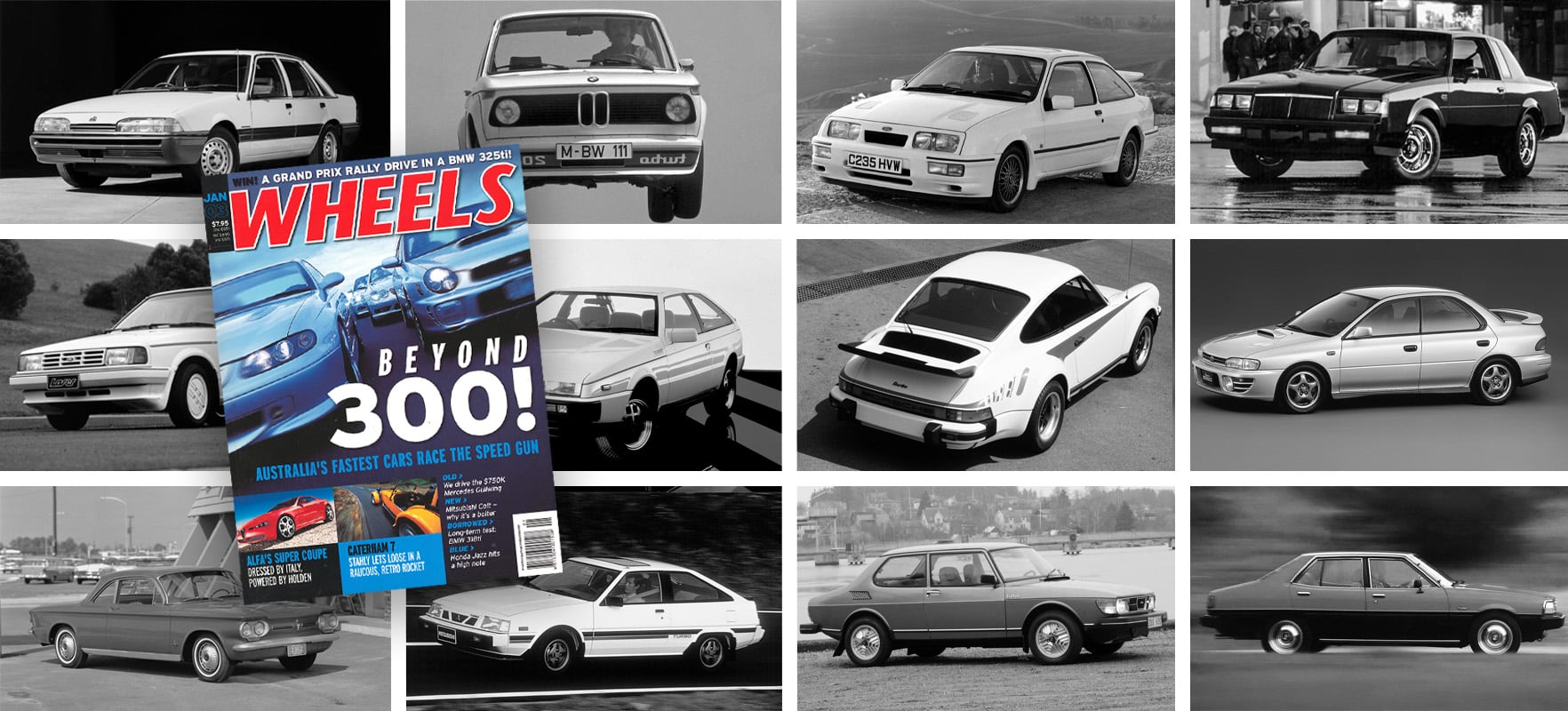
But that didn’t deter some car makers who pushed on with advancing turbo technology, despite their many drawbacks, and in the process pioneered the combustion engine for a new millennium. Here are 10 of the best (and three absolute dogs) from those early days of turbocharging.
First published in the January 2003 issue of Wheels magazine, Australia’s best car mag since 1953. Subscribe here and gain access to 12 issues for $109 plus online access to every Wheels issue since 1953.
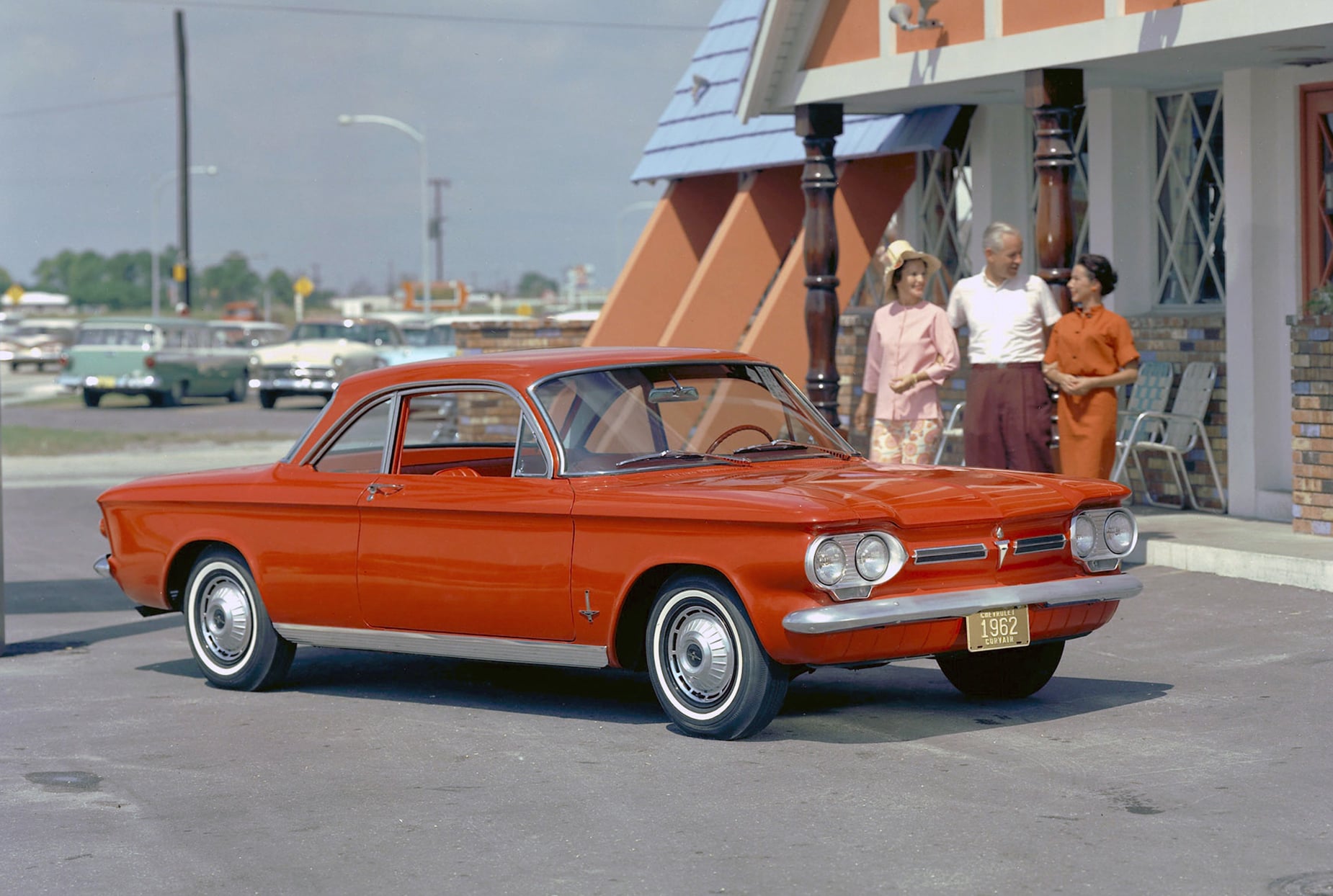
Chevrolet Corvair Monza
First turbo-car honours go to the Oldsmobile Jet Fire Sports Coupe with the Turbo Rocket engine option. But it sold in minuscule numbers, and dealers – perplexed by the technology that included a water bottle with ‘Rocket Fluid’, a water/metho mix dribbled into the intake to help control detonation – often removed the turbo hardware at the car’s first service.
2
More successful was the Chevrolet Corvair’s optional turbo, with 180bhp (130kW) from its air-cooled, rear-mounted, 2.7-litre flat six. But with 62 per cent rear weight bias over the US’s first all-independent coil suspension, its handling came under fire from US product-watchdog Ralph Nader – as did the VW Beetle’s.
BMW 2002 Turbo
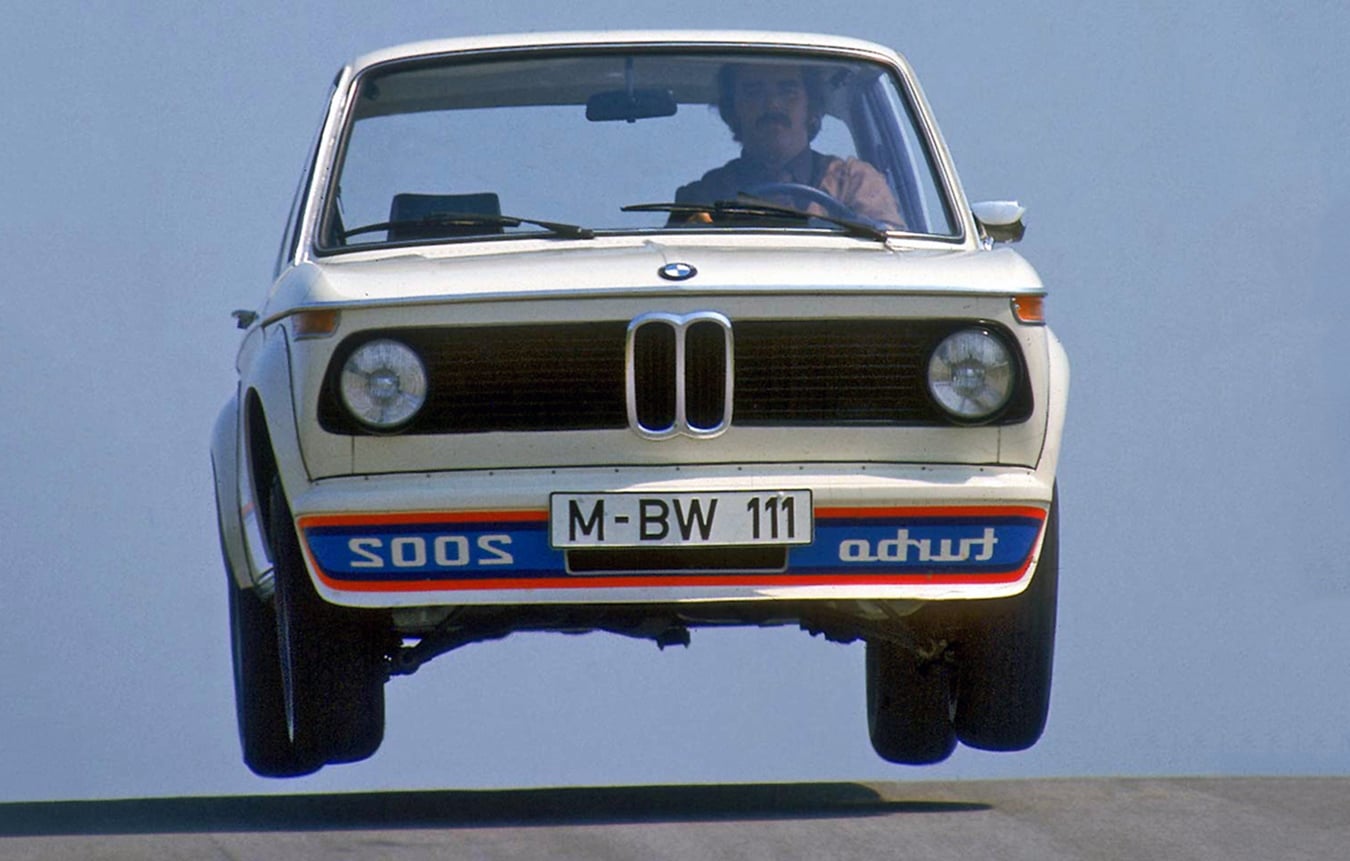
It had ‘obrut’ written across its deep-chin front spoiler in relief letters within lurid ’70s orange, black, and blue strips that continued down the sides of the car. Made sense both ways…
Launched in 1973, this special-edition 2002, complete with guard flares, allowed BMW to chase Porsches on the racetrack.
1
The KKK turbo fed a modest amount of boost – no intercooling – to the 2-litre engine with mechanical fuel injection. Sub-7s for the 0-100km/h and a top speed around 210km/h was seriously quick in the early ’70s. Unfortunately, it was left-hand drive only because the turbo was mounted where the RHD steering box would have been.
Ford Sierra Cosworth
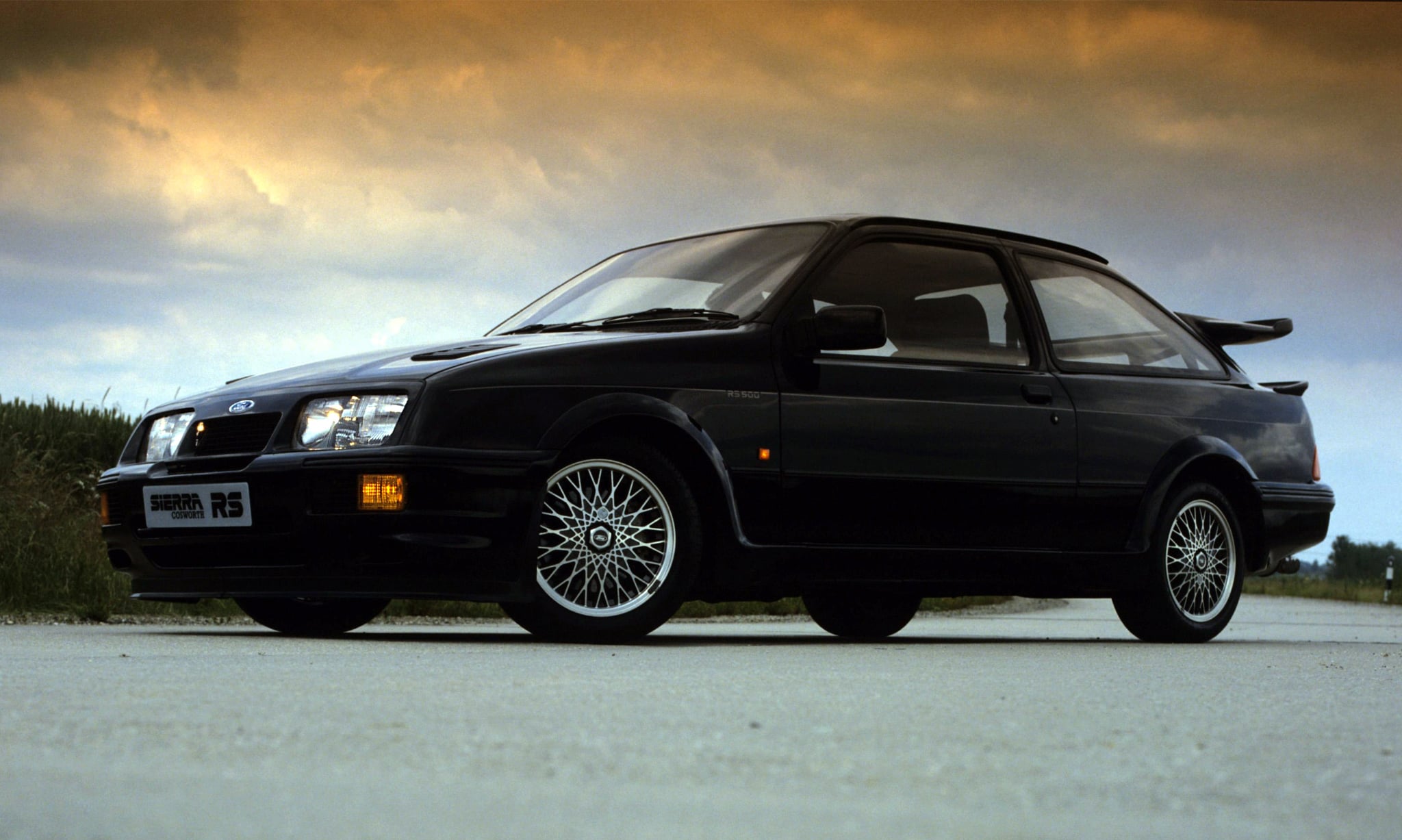
The Cosworth Turbo was a formidable street and Group A race weapon right from its launch in 1986.
Based on Ford’s base-model three-door Sierra shell, it used a Ford/Cosworth-developed, Garrett T03-blown, injected, intercooled, DOHC 2-litre four with a claimed 200bhp (150kW).
2
Five hundred of the 5500-ish were Tickford-tweaked RS500s with more durable engine bits. Sophisticated four-door Sapphire sedan with all-wheel drive was sold from 1990-93. Hatch created a stir when Brock, Johnson, Longhurst, et al, ran them in local racing, despite the car not being sold here. The infamous 1-2 Sierra disqualification at Bathurst handed third-place man Peter Brock his last victory at the Mountain.
Mitsubishi Cordia Turbo
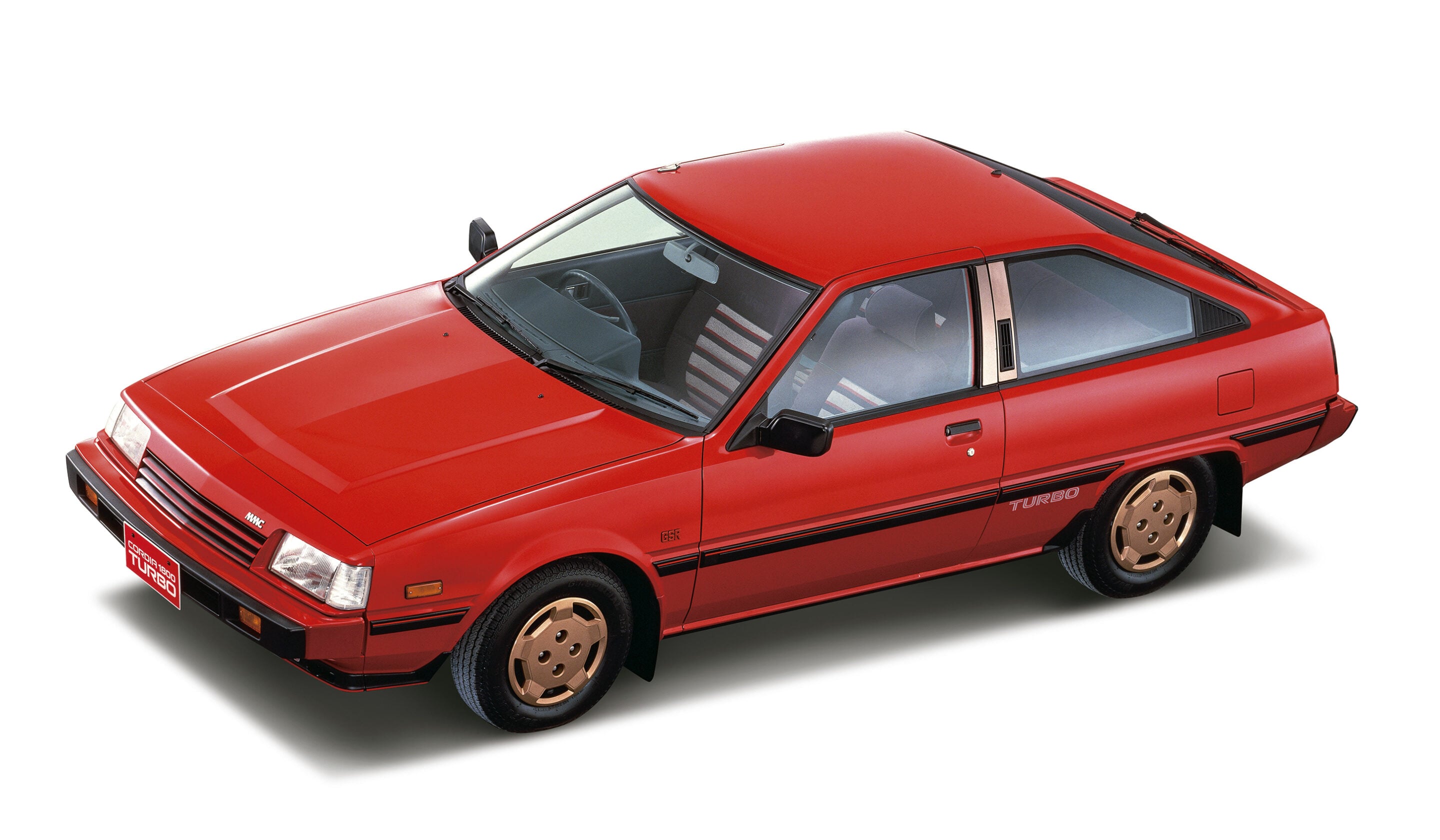
The Cordia GSR was a stretched Colt/Mirage platform, but its 1.8-litre Sirius balance-shaft turbo engine, with technology borrowed from its pioneering big-brother Starion, made it a potent and peerless package, and quick through the quarter – high 15s – for not a whole lot of money.
2
Cops liked ’em. So did everybody else, thanks to overall value, usability, and toughness. First leaded-fuel models were the pick; like many cars at the time of unleaded petrol and catalytic exhaust introduction in 1986, power went west.
The Cordia was one of the worst ‘rotten egg gas’ nose offenders with Australia’s high-sulphur-content juice.
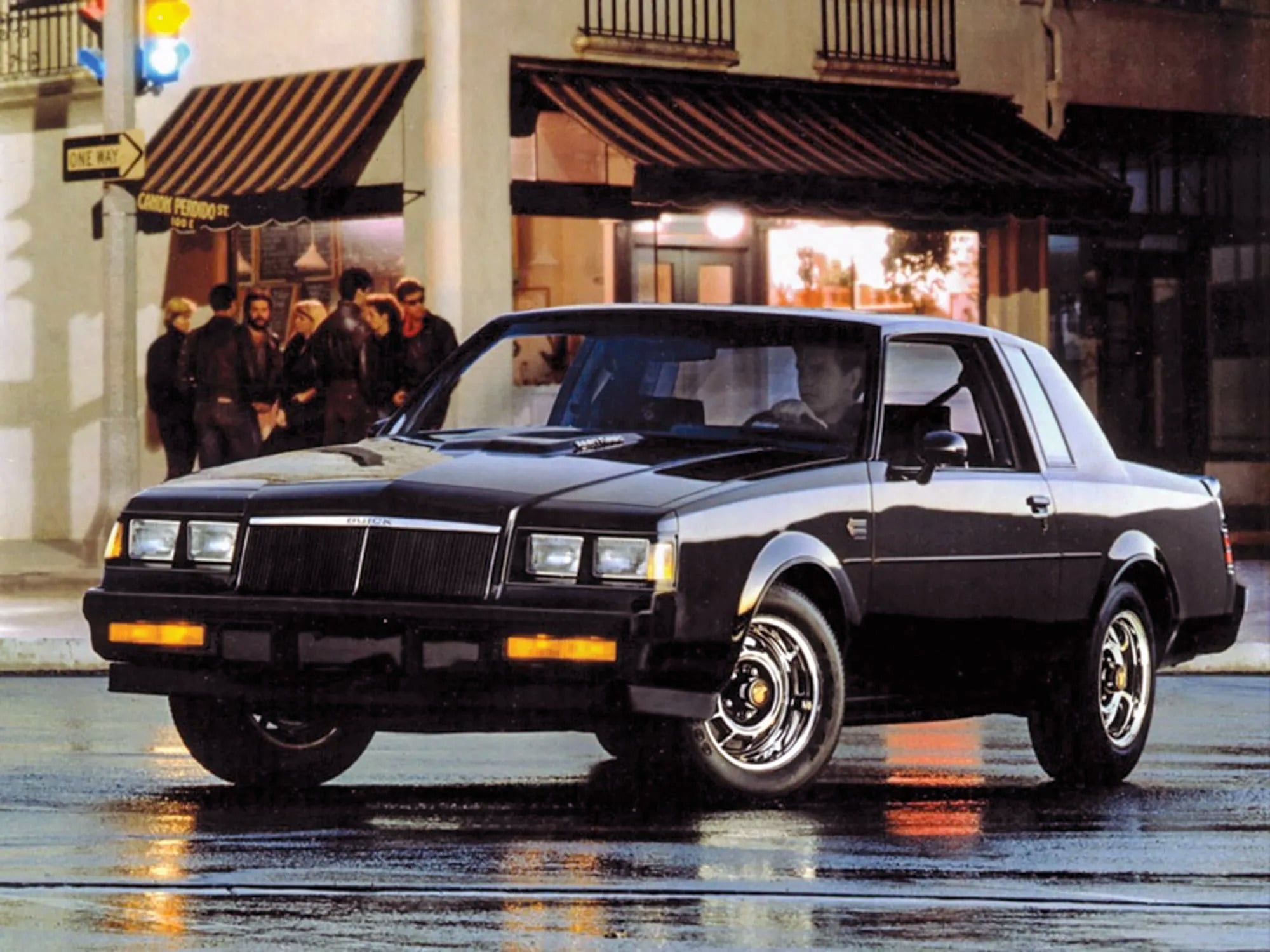
Buick Grand National
Is this the only turbo car the Yanks got right? From 1978 to 1987, Buick had a turbo blowing hot air into its Turbo Regal’s 3.8-litre iron V6, culminating in the special-build ’87 Buick Grand National X.
2
This blown, black beast had a lightweight ceramic Garrett turbo with a heady 1.04 bar and intercooler for a Corvette-killing 276bhp (205kW). Came with a four-speed auto, big 16-inch wheels under integrated fender flares, and muscle-car front-guard vents, and was assembled in an off-line SV/Tickford-style arrangement by ASC.
The GNX’s low 13s for the quarter-mile would have been stunning in the 1988 VN Commodore if Holden had adopted the GNX-specification V6 engine.
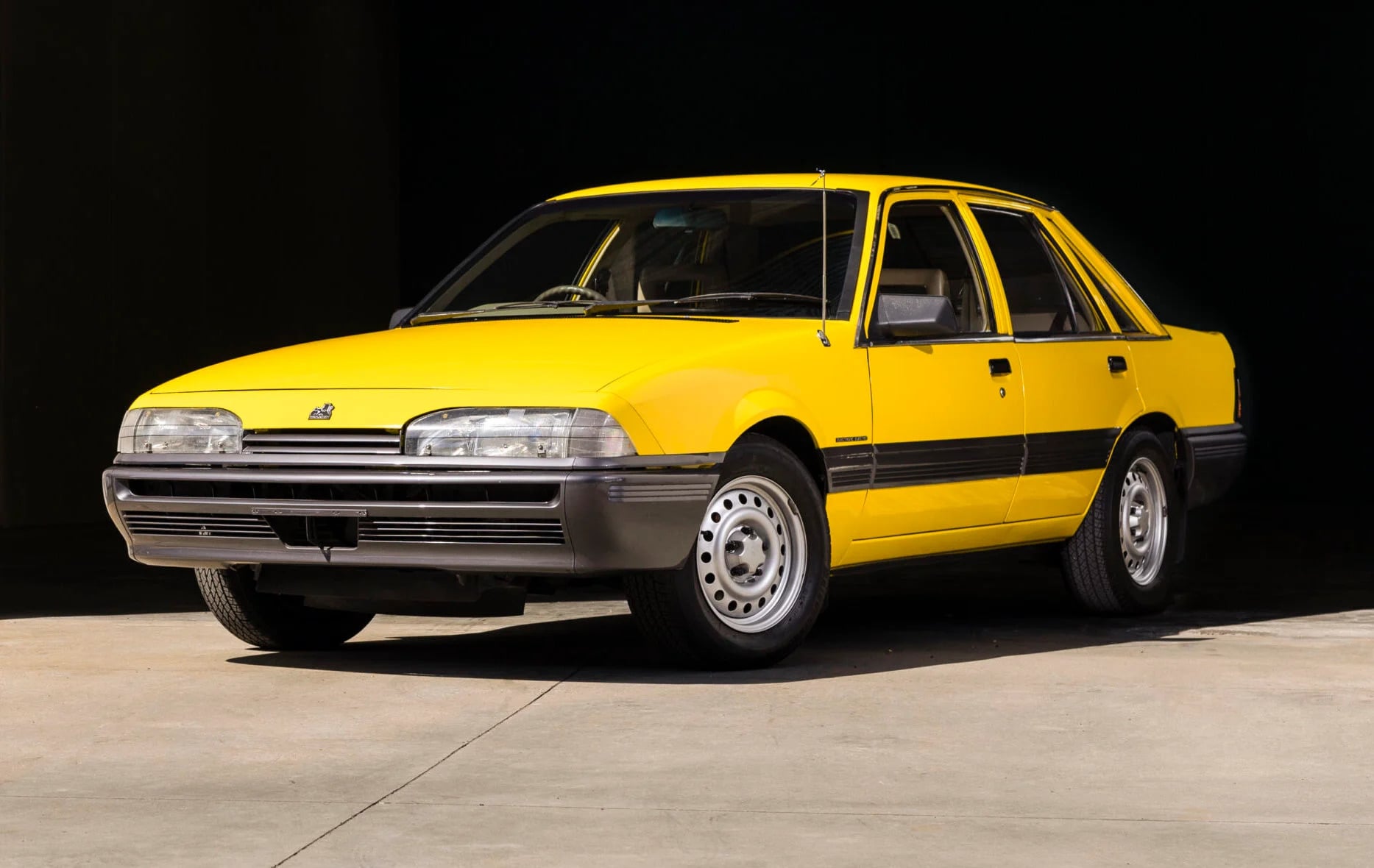
Holden Commodore VL Turbo
Australia’s first affordable turbo had an engine made in Japan wrapped in a body modelled on Europe, but local engineering delivered an astonishing package in 1986.
2
Off-the-clock performance from the Nissan-built, injected, and blown 3.0-litre 150kW six (top speed was beyond 220km/h) was an option across the range of sedans and wagons – from the humble base Executive (a favourite with police) to the top line Calais.
Just months after the demise of the ‘real’ Holden six and the introduction of unleaded petrol, the launch of the VL Turbo left many pointy-heads, raised on a diet of pushrod carby V8s, lost for words. So, too, Ford.
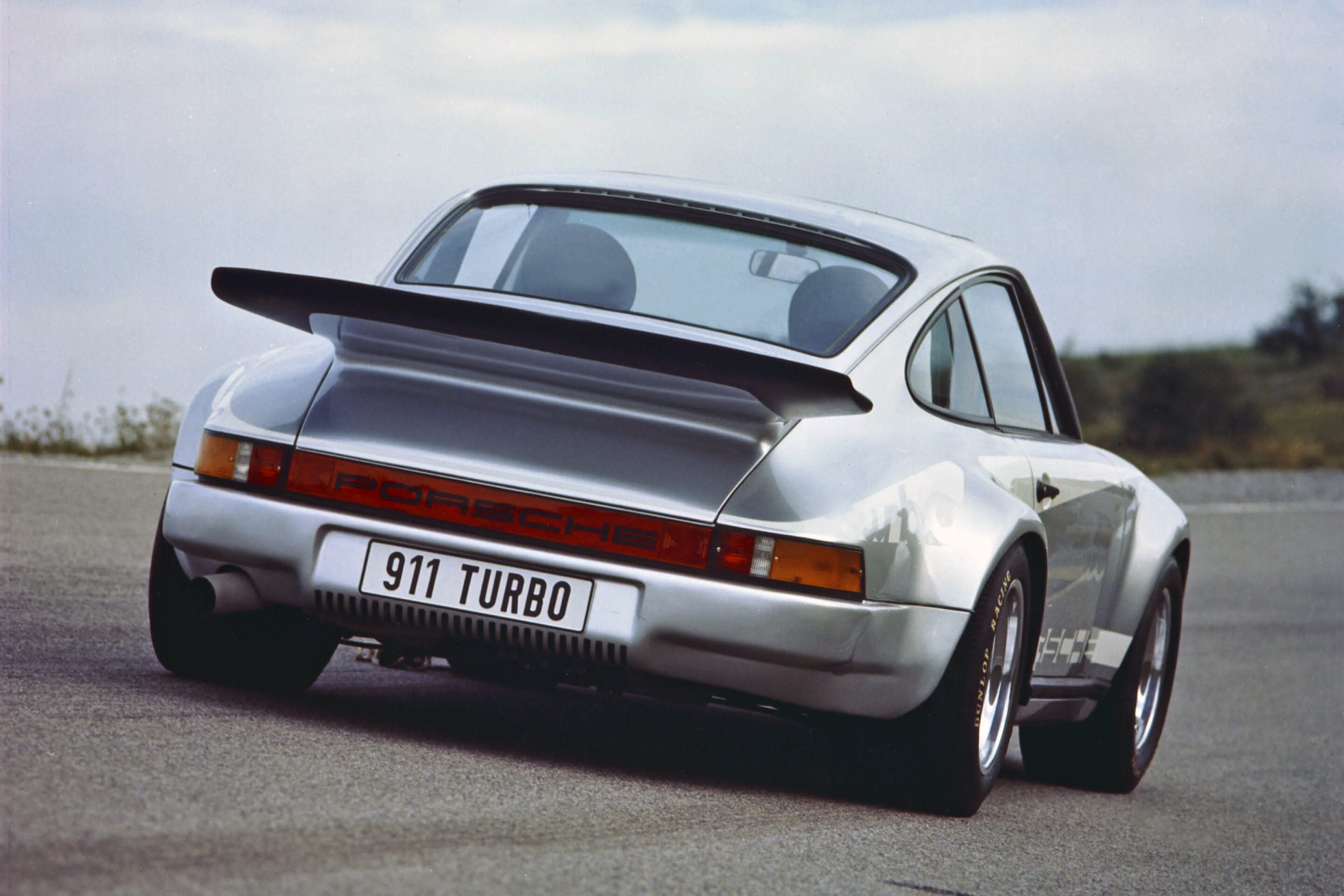
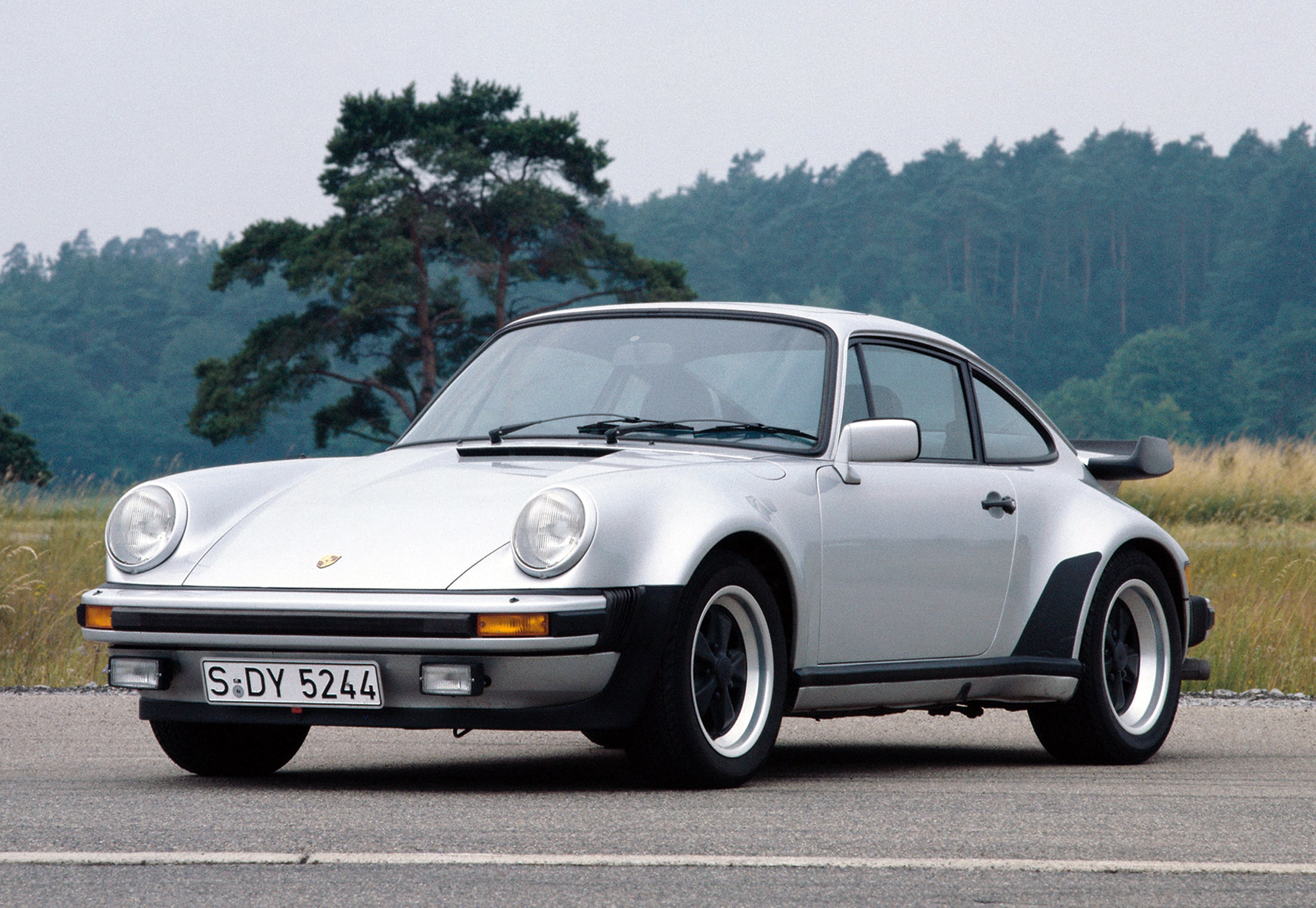
Porsche 911 (930) Turbo
After learning lots about turbos in US Can-Am competition, Porsche cut its 911 Turbo road car loose at the Paris motor show in 1974.
Like the BMW 2002 a year earlier, it used a KKK turbo and fuel injection on its 3.0-litre flat six, for a then-formidable output of 260bhp (195kW). In one boost-assisted movement, it took Porsche from sportscar constructor to a creator of supercars, but with a refreshing lack of cranky temperament.
2
Like an axe in a forehead, a large wing hit the 911’s svelte shape to pump more atmosphere to the uprated air-cooled engine and keep the rear gripping the ground. Mostly.
Sculpted wheel arches covered a broader track. Established the DNA of ‘daily driver’ supercars.
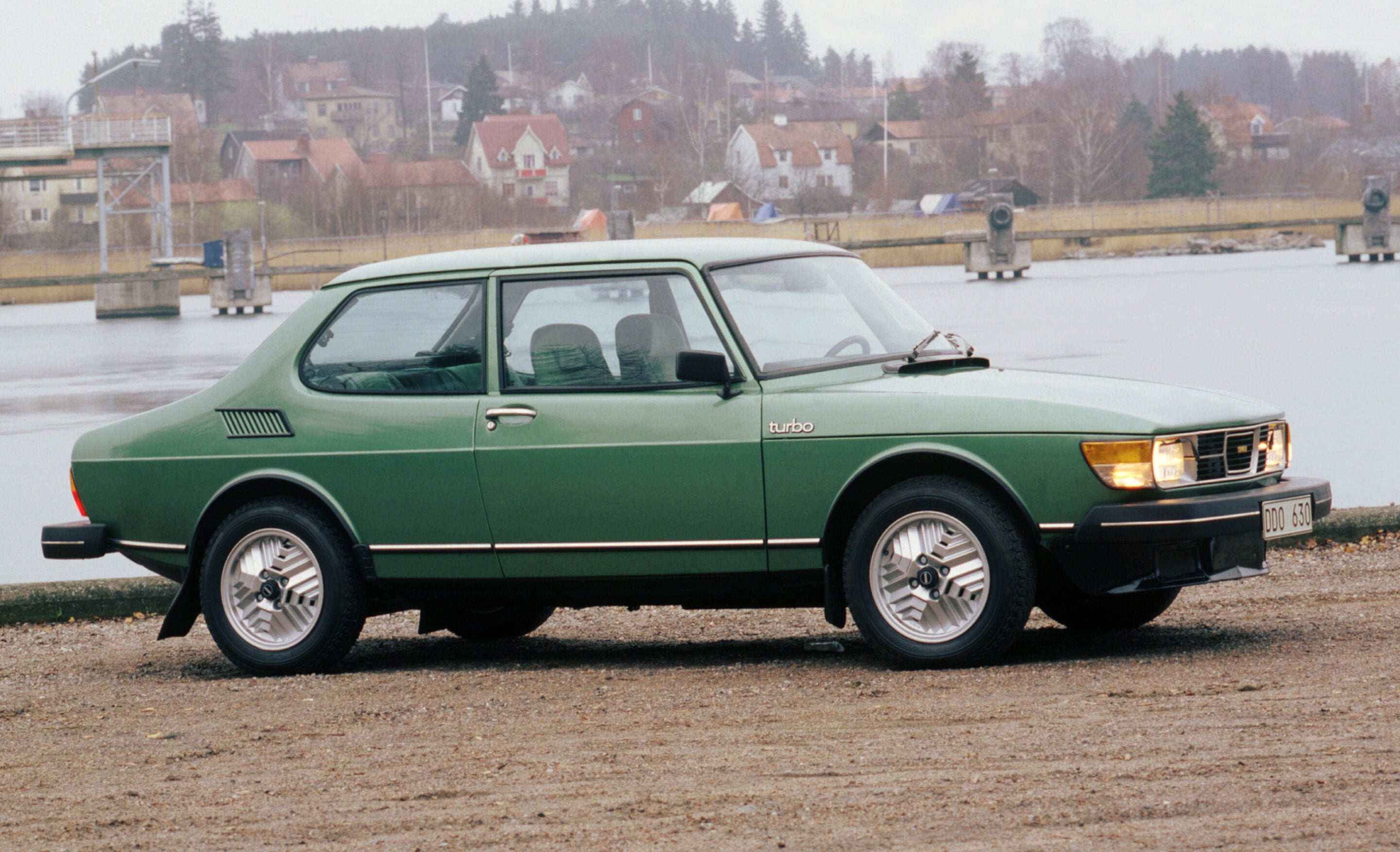
Saab 99 Turbo
With turbo-diesel-truck manufacturer Scania part of its portfolio, Saab had the know-how to develop a sophisticated turbo car.
3
There are lots of ‘firsts’ in the world of turbos, and Saab’s 99 Turbo of 1978 is often considered the first to take turbo technology to the mainstream (Saab? Mainstream?) in a sensible state of tune. The small, low-pressure Garrett turbo endowed the longitudinally-mounted, 2-litre injected four of the front-driver with a refined and driveable 105kW.
There were no go-fast stripes on this one, although Saab did allow Itsell a couple of ‘turbo’ badges. Today, the words Saab and turbo are still synonymous.
Nissan Skyline GT-R
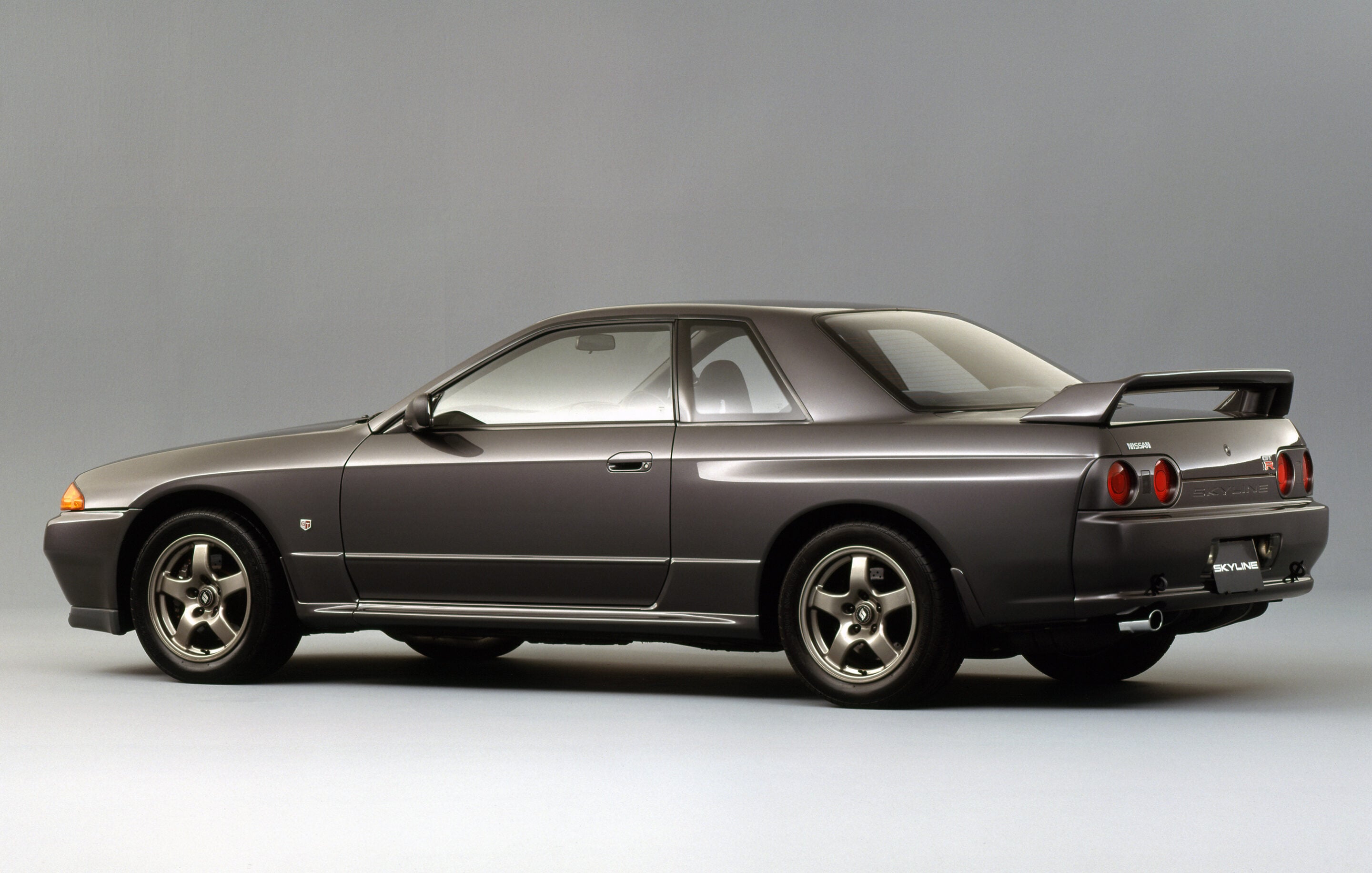
Godzilla. The R32 Skyline GT-R for 1989 was equipped with a new iteration of Nissan’s RB-series in-line OHC six-cylinder engine. This one had two cams, 24 valves, six throttles, two turbos, and an intercooler for an output of (nudge, nudge) 206kW.
1
In contrast to many flashy-dash, pseudo-tech Japanese cars of the late ’80s, this one had its acronym ATTESA and Super HICAS all-wheel-drive torque-split and rear-steer technology hidden where only the driver could feel them.
Reverential special cars built and ADR’d for Nissan Australia – with unique rear lights and a speedo that read to 260km/h – retain collector status despite a gaggle of recent, cheap, second-hand imports with ‘P’ plates.
Subaru WRX
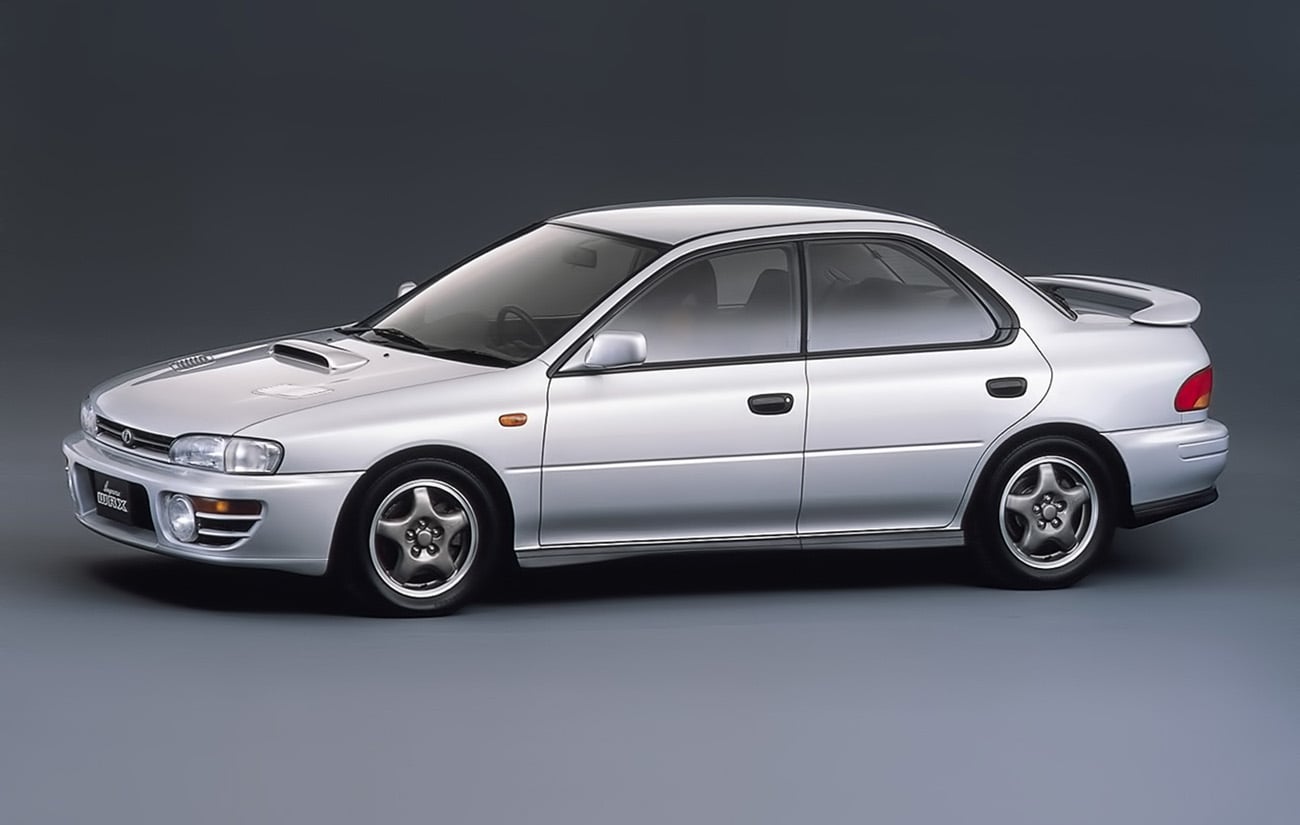
In the early ’90s, Subaru earned worldwide respect in rallying with the Liberty/Legacy RS Turbo. But with similar AWD fundamentals in a smaller, lighter package, the Impreza GT/Turbo/WRX was handed the baton as Subaru’s forest sprinter.
1
It set the Australian car scene on fire from its launch in ’94 with match-strike performance, torching just about everything – local and imported – with hot heritage.
It also made the front-page news on a regular basis thanks to abysmal security and its ability to make kiddies think they could outrun cops.
The STi is the gun despite detuning for local kero, but too many special ‘limited editions’ dampens desirability in some eyes.
And three stinkers…
Mitsubishi Sigma Turbo
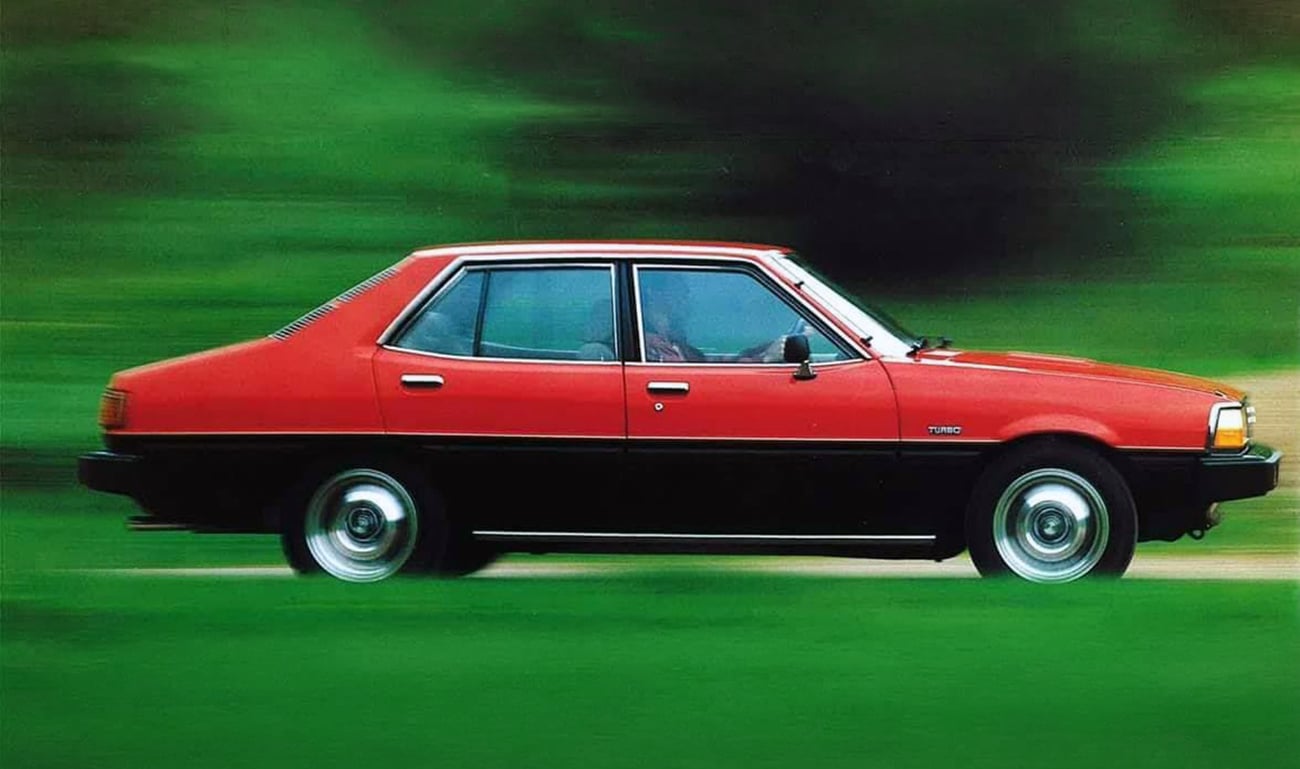
Give a bunch of grunt-hungry Chrysler Australia engineers too many long lunches and the Sigma Turbo is what you end up with. Built on the top-line Sigma SE with Peter Wherrett-developed handling pack, the Turbo was only available as a five-speed.
1
The Aussie-made Astron balance-shafted 2-litre four was fed by a Zenith-Stromberg carb and a Garrett T3 turbo. Add a pair of bonnet vents and the usual ’80s black-out treatment below the red, blue, or silver paint, and voila, a Commodore killer.
Often forgotten when it should be remembered as Australia’s first turbo.
Ford Laser Turbo
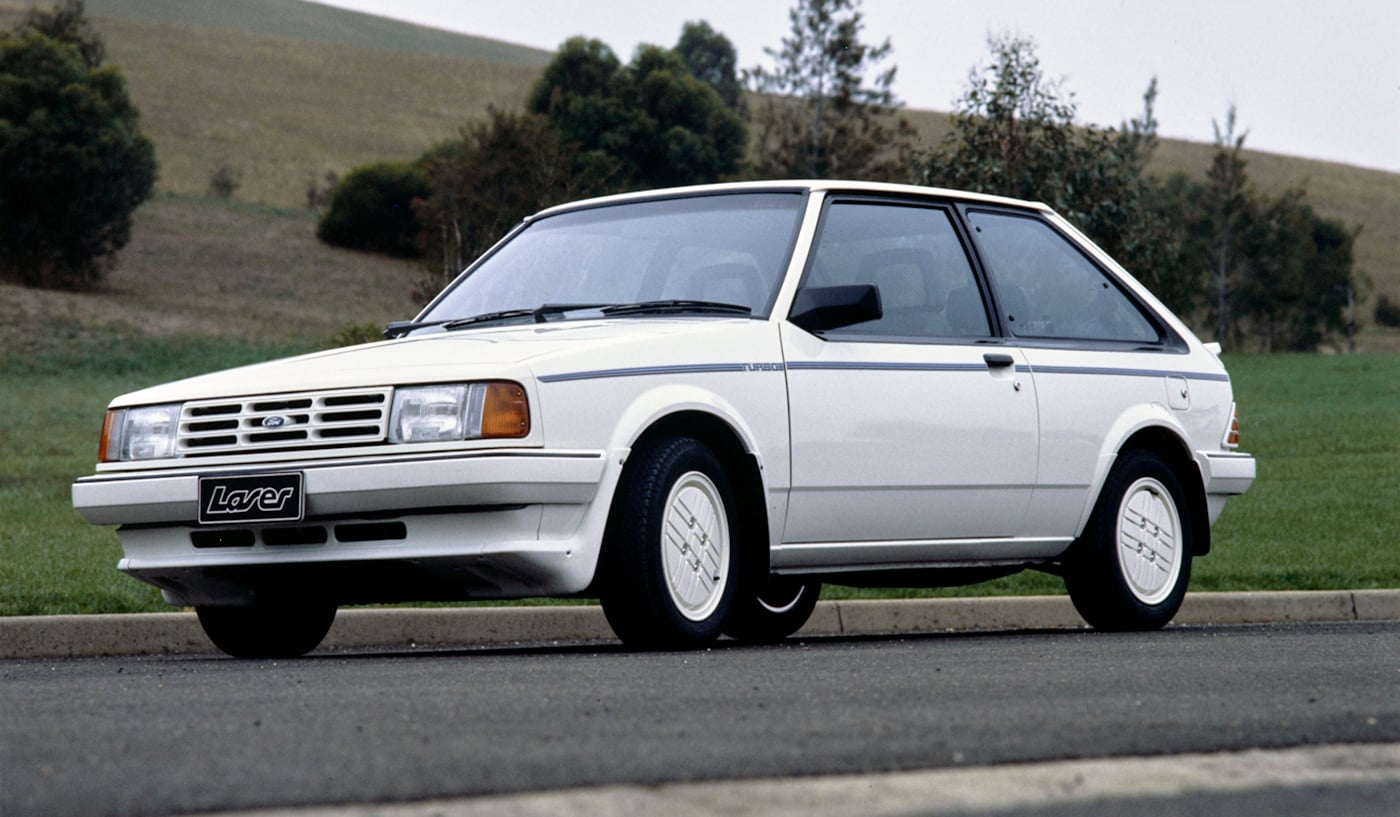
In Japan in the mid-’80s, everything with four wheels had a turbo option – from microminis to Crowns. But rather than sourcing a well-developed turbo engine off-the-rack from its Japanese-market Mazda 323 twin (like Nissan Australia did with its local Exa-engined Pulsar ET hatch), Ford Australia thought it would reinvent the wheel with a locally-rehashed version of the Laser’s carby-fed 1.5-litre four.
1
The Laser Turbo was a limited-edition build of two- and four-doors with flashy Recaro seats and trim.
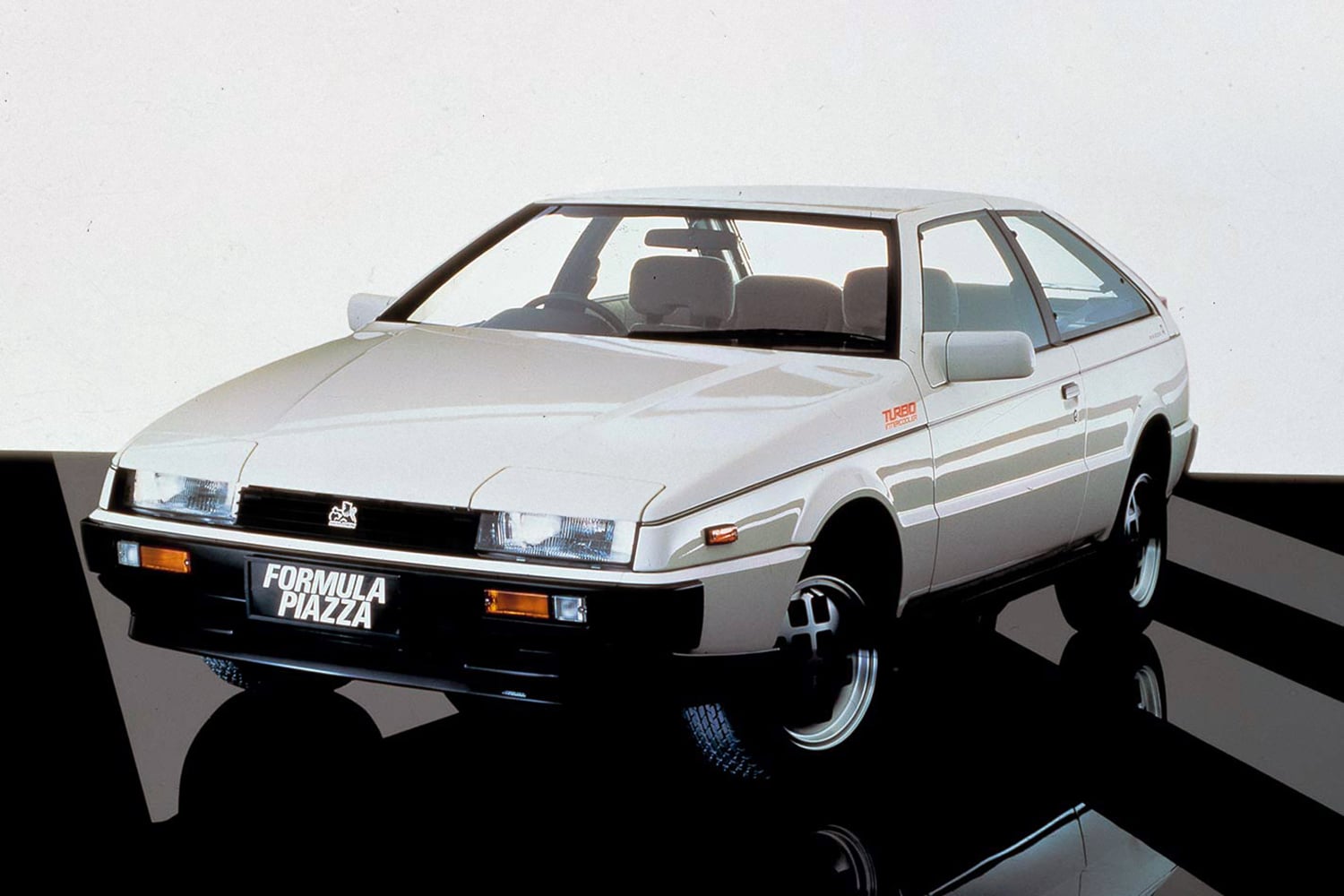
Holden Piazza
The Isuzu Piazza was a reasonably good-looking concept car when it lobbed, with ‘Ace Of Spades’ name (or something similar) at some motor show somewhere in the early ’80s. But an antique T-car (Gemini) base with soggy Japanese suspension spec endowed it with the ability to lift rear wheels from the ground under brakes – never mind a corner.
1
Holden imported it, but it was so bad The General had to chop thousands from the price – and refund money to those unfortunate enough to have already taken delivery.
One of the biggest shockers ever sold in Australia – Ladas and Niki 650s included.
Follow WhichCar/Wheels on Google
Click the button below to make WhichCar by Wheels a preferred source for your news.

We recommend
-
 Classic Wheels
From the Wheels Archive: The 10 most underrated cars in Australia
They came, we saw… and little conquering occurred. But did this lot deserve to fade into obscurity?
-
 Classic Wheels
From the Wheels Archive: Thumping V8s and tyre smoke, a ’90s style Aussie muscle car showdown
Ford returned to the V8 title fight with its all-new EB Falcon. But did it have the muscle to dethrone King Commodore?
-
 Classic Wheels
From the Wheels Archive: Granny Turismo – the 10 best cars your grandma drove
These favourites of the blue-rinse set packed some perm-straightening performance.