Classic Wheels

Gallery 1
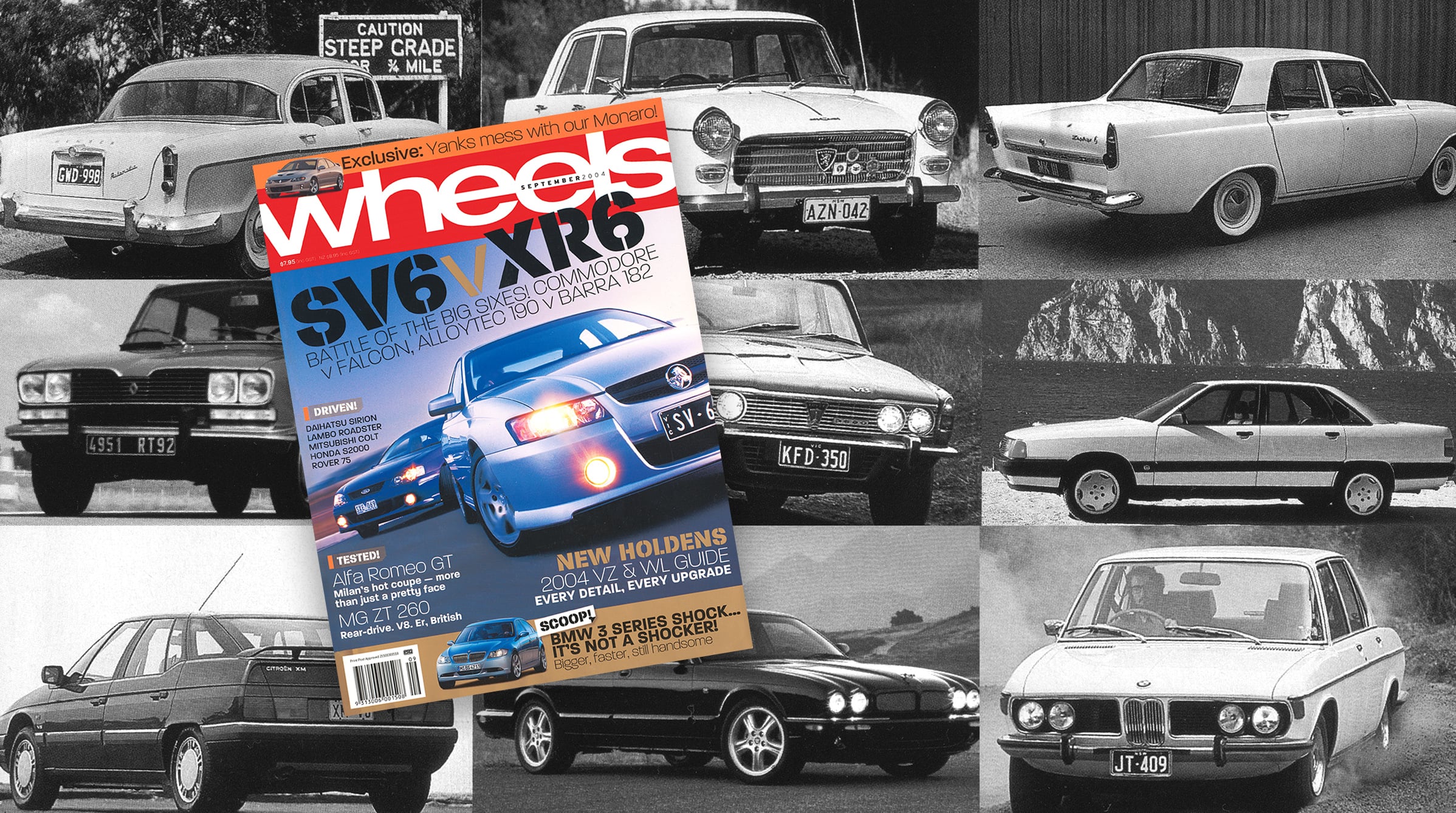
The history of Australia’s new car landscape has always been a battleground, a diverse minefield of locally-built and imported cars that vied for the hearts and wallets of buyers everywhere. But while some cars resonated with the locals, selling in their thousands – and sometimes tens of thousands – others set the critics’ pulses racing but failed to capture the imagination (and hard-earned dollars) of buyers.
Here then, in chronological order and published in the September 2004 issue of Wheels, are 10 of the most underrated cars ever sold in Australia.
First published in the September 2004 issue of Wheels magazine, Australia’s best car mag since 1953. Subscribe here and gain access to 12 issues for $109 plus online access to every Wheels issue since 1953.
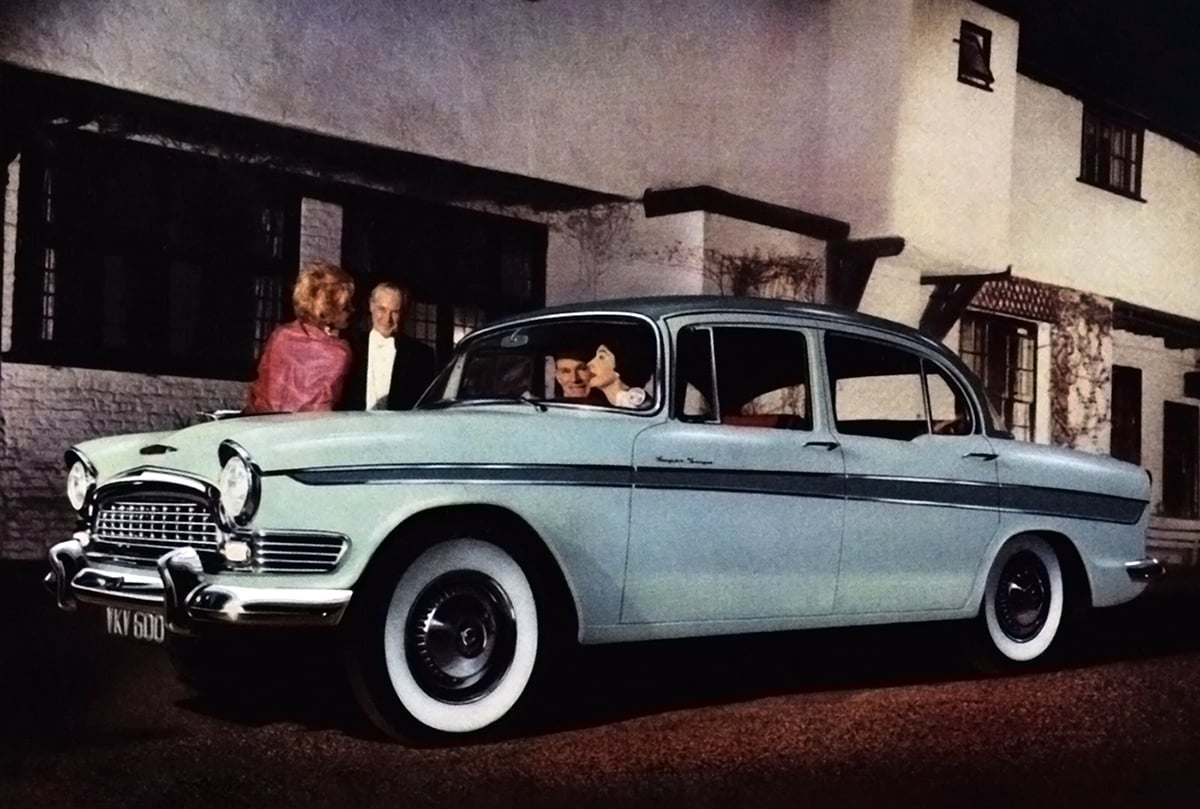
Humber Super Snipe (1958)
The Super Snipe’s biggest problem was that it came from the Rootes Group, best known for mediocre Hillmans. In 1958, this sleek model replaced the previously bulbous Snipe, and was praised for its elegance, old-style luxury, and value for money.
2
But Humber never had the cachet of Rover, or even Armstrong-Siddeley, who designed the Snipe’s torquey 3.0-litre six. Rootes hadn’t heard of power steering, and leather would have been preferable to the close imitation used, but there was no disputing the authenticity of the Snipe’s glossy wood.
A final facelift in 1966 (Series 5A) refreshed its old-English flavour, but Chrysler was in charge and Humber was doomed. The brand died here in 1969.
Peugeot 404 (1961)
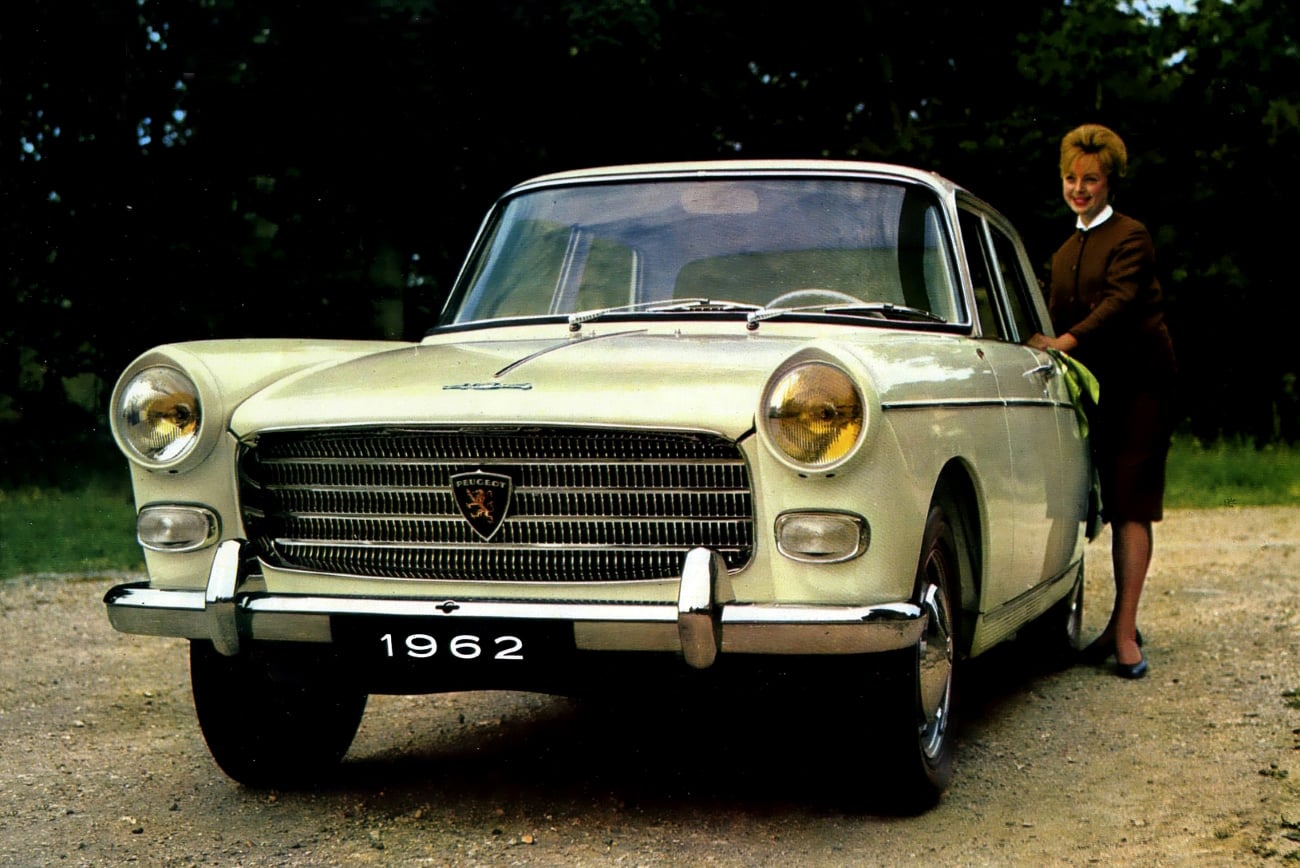
Replacing the 403, the all-new, Pininfarina-styled 404 debuted in 1961 and arrived here the following year (but not in gorgeous coupe or cabriolet form).
Always powered by a 1618cc four in Australia, but acquiring more grunt every couple of years, the 404 was still brilliant when retired here in 1970.
2
Local assembly kept prices to Holden levels, but this amazingly quiet, refined, soft-riding, yet great-handling sedan was in a league of its own.
Put simply, the 404 was one of the world’s best cars of the time – regardless of price. Look at modern-day Peugeots, and you’re left wondering where the French marque went wrong.
Ford Zephyr Mk III (1962)
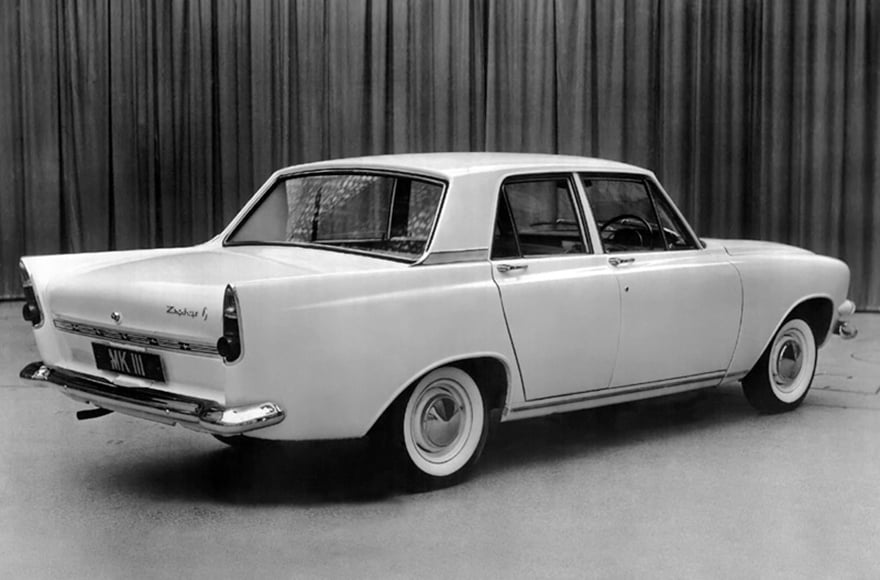
Ford of England was throwing real style at its cars in the early ’60s, and the Zephyr Mk III had an elegance to its individuality. It was considerably more refined than an EJ Holden.
The Mark III delivered 73kW from its 2.6-litre six, and offered an all-synchro four-speed manual (or three-speed auto) and front disc brakes – inclusions unheard of on Aussie cars at the time.
2
In March ’63, Wheels was keen enough to rank the Zephyr among the top six cars on sale here. Wouldn’t a locally-built, well-priced Mk IIl have been a ripper Aussie car? Our final Zephyr was a fine drive, too – Geoff Russell almost won the last Phillip Island 800km enduro in one.
Austin 1800 (1965)
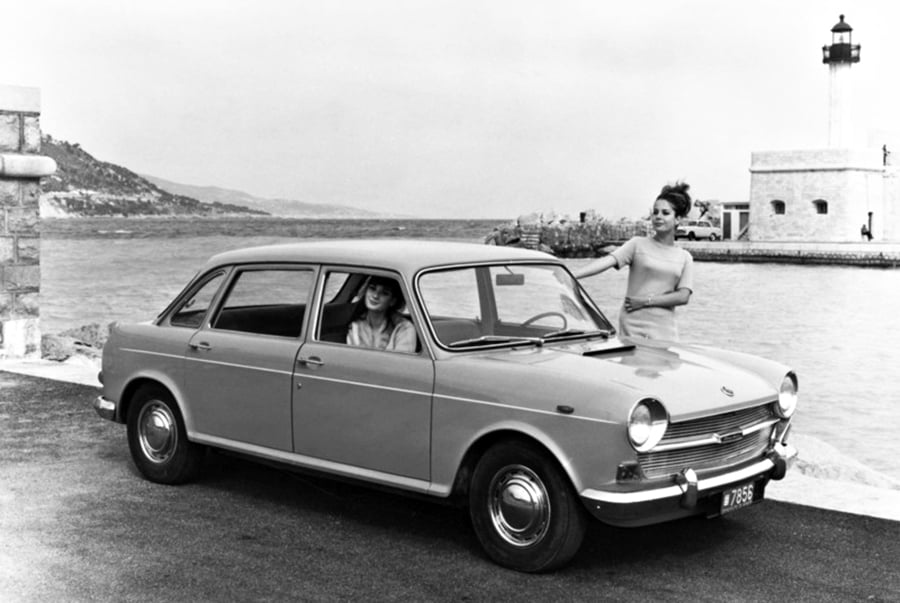
The Austin 1800, unkindly dubbed ‘land crab’ because of its mildly repellent exterior, was the logical next step in process begun by BMC with the Mini (1959) and the Morris 1100 (1962).
BMC advertised the 1800 locally as “the Car of the Century”. It wasn’t.
1
But this fluid-suspended, front-drive sedan did deliver tenacious grip, remarkable comfort, and was enormously spacious. Compared with an HD Holden, it was a dynamic genius, dogged only by unreliability in its original form.
The inevitable Mark Il (1968) was better sorted and usefully gruntier, but, by then, the 1800 had already managed to soil its reputation.
BMW 2500/2800 (1968)
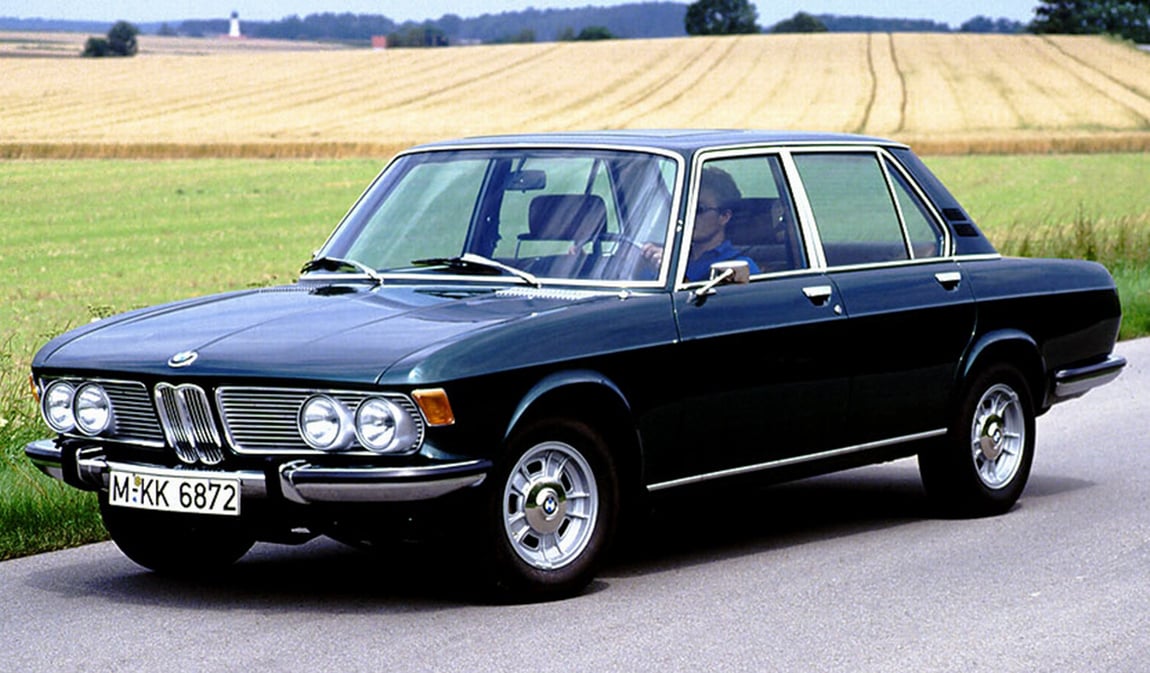
In November ’71, Peter Robinson and Steve Cropley compared the 2800 with a Jaguar XJ6 4.2 to find the best sedan in the world (and gave it to the BMW).
But while the XJ6’s place in history is secure, BMW’s superb flagship sedan (precursor to the E23 7 Series) has never quite received the recognition it deserves.
2
Its sweet, high-reving, overhead-cam six gave the 2800 a top speed of 200km/h, and combined with ride quality that almost matched the XJ6, and excellent power steering to create a magnificent sports-luxury sedan.
Dynamically, it was a real enthusiast’s express, and still drives exceptionally well today. “It is simply a supremely balanced car, very obviously designed by drivers,” said Wheels in 1971.
Renault 16TS (1969)
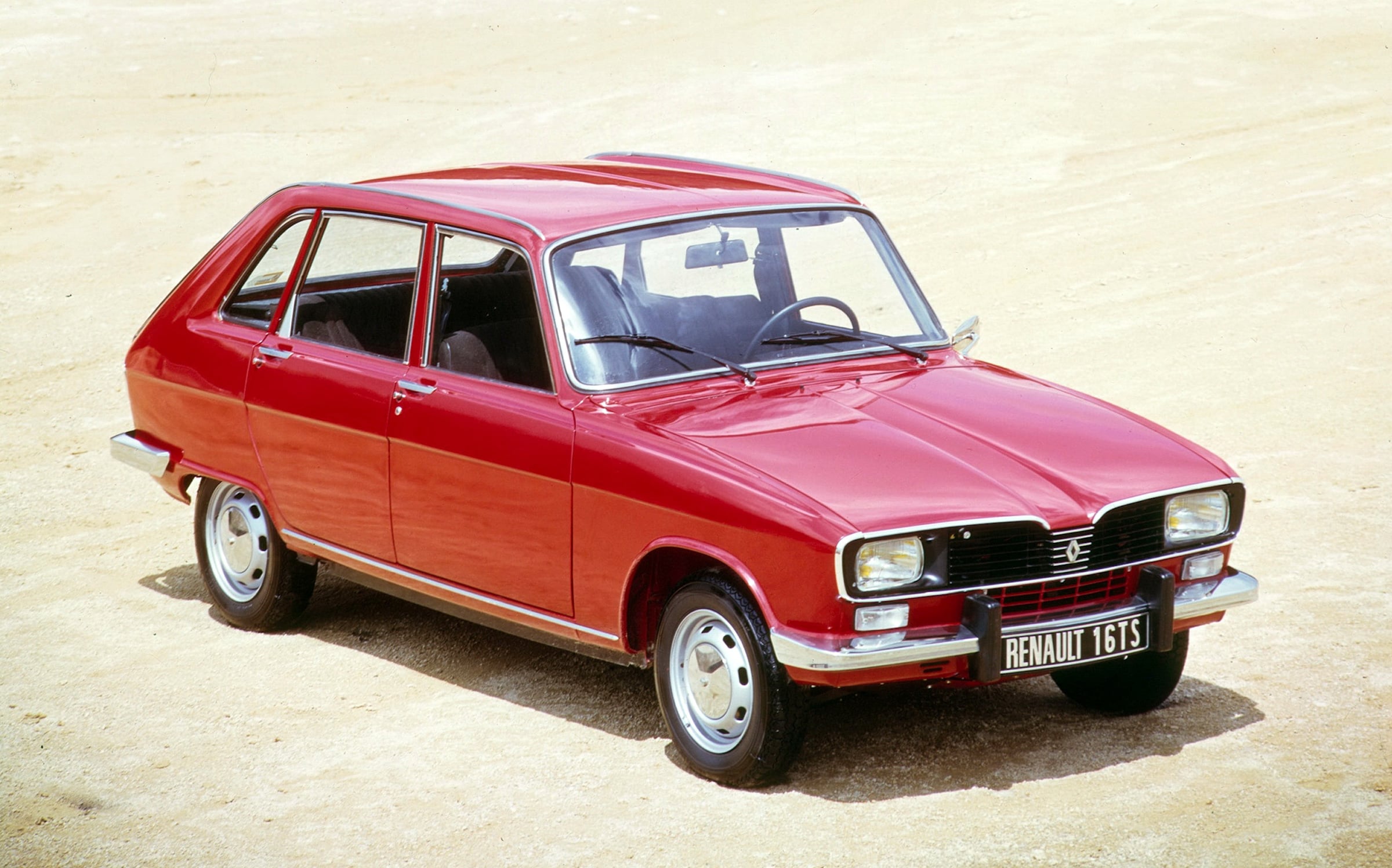
The sporty version of Renault’s ugly duckling front-wheel-drive 16 arrived here in 1969, with a verve that astonished many drivers of six-cylinder Monaros.
3
Its 18.3-second standing quarter-mile was acceptably rapid, and its 165km/h V-max made it a brilliant cruiser. Despite its passion for torque steer and body roll, the 16TS handled as well as it rode, and one even completed Bathurst.
Great seats, a groovy dashboard, and loads of equipment, plus an unusual, but effective, four-on-the-tree gearbox, all made the TS a fabulous touring car. However, its demographic appeal was narrow, as an inner-city terrace and a beard (blokes only) were almost compulsory for R16 ownership.
Rover 3500 (1969)
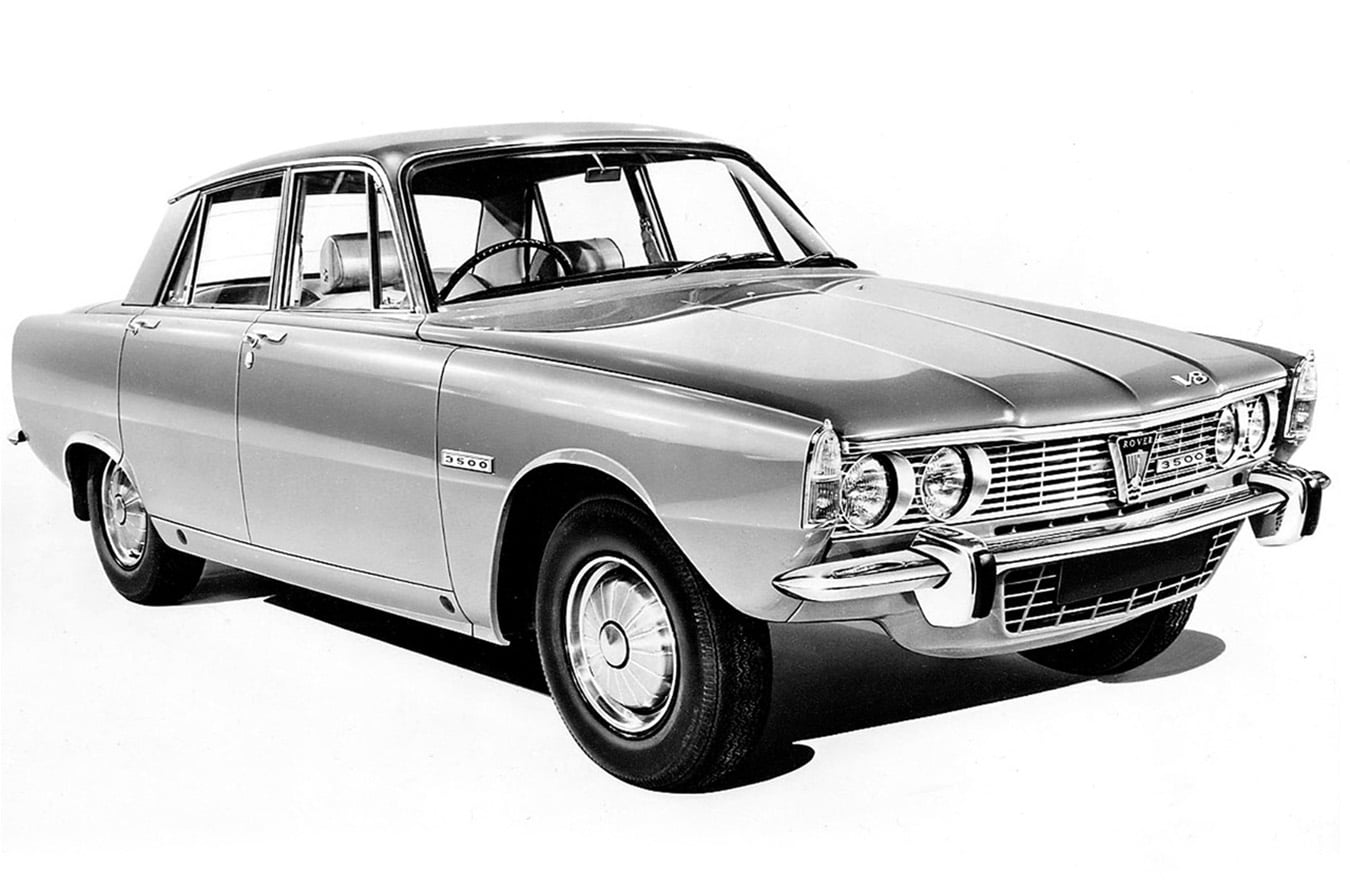
Why not drop a lightweight all-alloy V8 into an engine bay originally designed for a 2.0-litre four? That’s how Rover prepared its ’60s.
1
It was officially named ‘Three Thousand Five’, but everyone called it the ‘Thirty-Five Hundred’. This safe, well-balanced car combined many Citroën DS elements (ride, roadholding, comfort) with strong performance, even though its cabin was cramped and its boot was a statehouse for the spare wheel.
Most desirable P6 was the 190km/h 3500S (1972) which added a four-speed manual ’box to the regular 3500’s virtues and extracted the best from its 114kW 3528cc V8.
Audi 100 (1982)
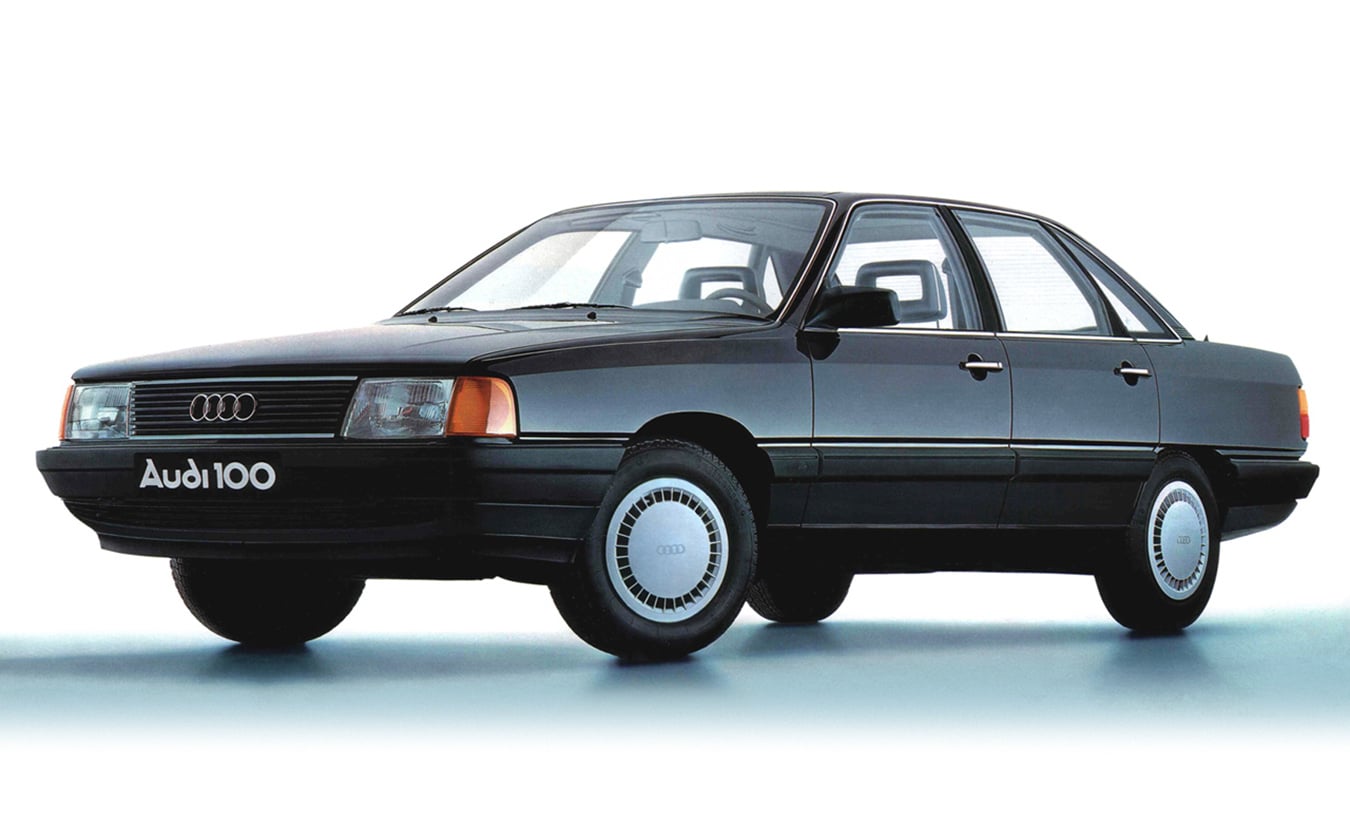
The standout of 1982’s Paris Salon established a pattern for aerodynamic styling that still exists today. The ’82 100 was the world’s first car to feature flush side glass. Today, flush glass is industry-wide. But the 100 was understated almost to the point of invisibility, and never quite caught on, despite its brilliance.
2
“Point-to-point, I’ve never driven a large sedan which could cover the ground so effortlessly, quietly, and without ever losing its balance or poise,” said Robbo in ’84.
“With that slick gearchange, free-reving engine and superb dynamics, it is a car that pampers the enthusiastic driver.” Indeed, Audi’s all-new 100 (1991) barely improved on it.
Citroën XM (1990)
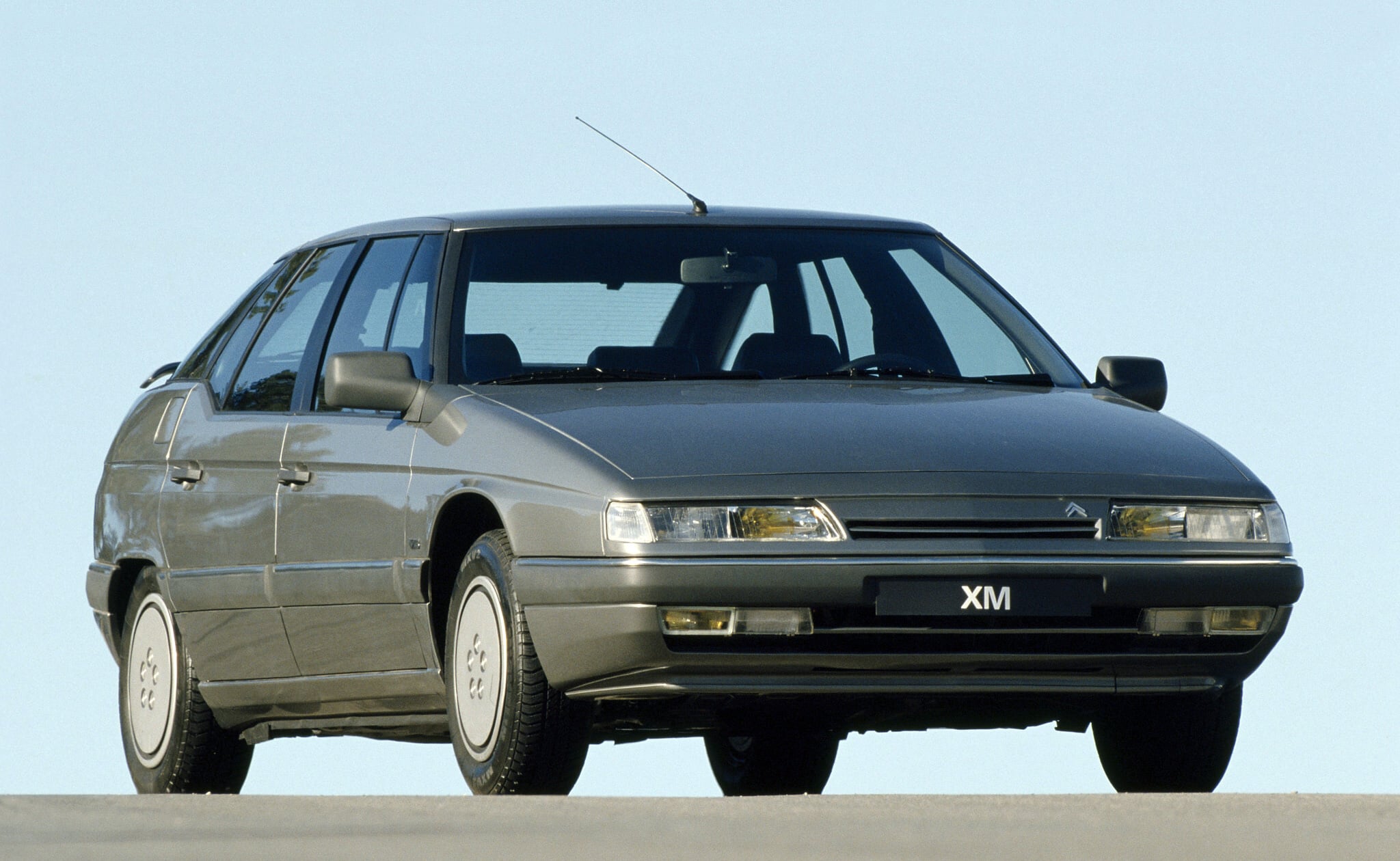
The 1990 European Car of the Year was a true descendant of the famous DS and CX, but had been diluted by Peugeot’s ownership of Citroën and the need to share bits with the forgettable 605.
2
The XM’s beauty and versatility were beyond question, but its 123kW Douvrin V6 precluded the kind of grunt expected in this sector. Not for us the 24-valve V6 or turbo four available in Europe.
In 1997, Citroën dumped the 23-year-old Douvrin for an all-new 140kW V6, but few cared. Despite the oddball XM’s supreme ability, its scary price and tinge of unreliability had already frightened most people away.
Jaguar XJR V8 (1997)
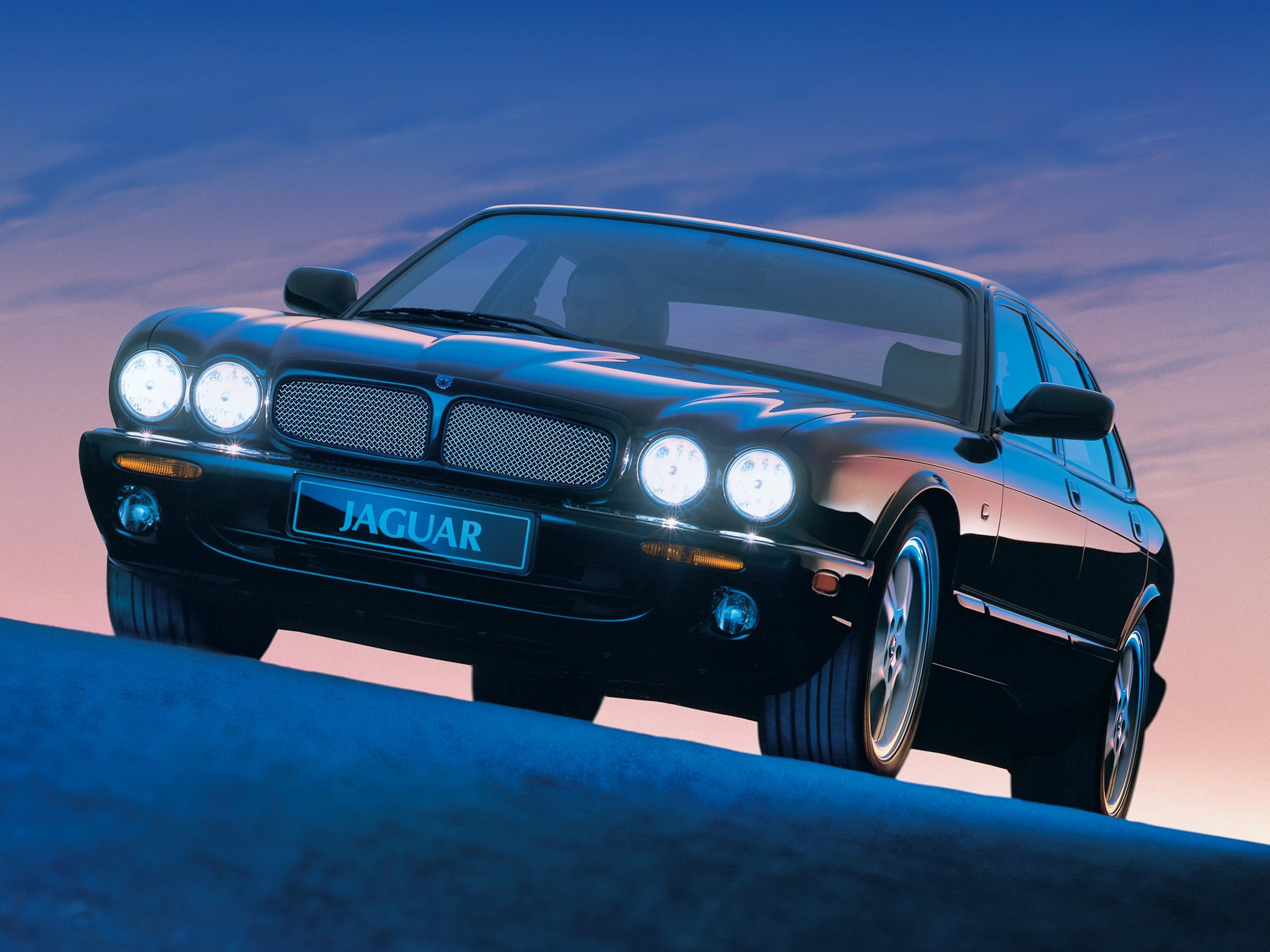
Originally launched with a raucous 240kW supercharged six for the XJ’s X300 facelift in 1994, the XJR was transformed in 1997 when Jaguar dropped in its all-new AJ-V8 – lifting power to 276kW, and simultaneously refining the whole enterprise.
This feline could gather up her pretty skirts and sprint 400m in 14 seconds flat, humiliating most HSVs of the time.
2
But the beauty of the XJR was its heady cocktail of V8 grunt and old-English style. It was as fast as an M5 or E55 AMG, but less expensive and plusher than either. However, after waiting years for a seriously quick XJ, punters had started to lose interest. By the time the V8 arrived, the XU40-series XJ was 11 years old, and Jaguar’s local share had almost vanished.
And a few overrated ones too
HR Holden (1966)
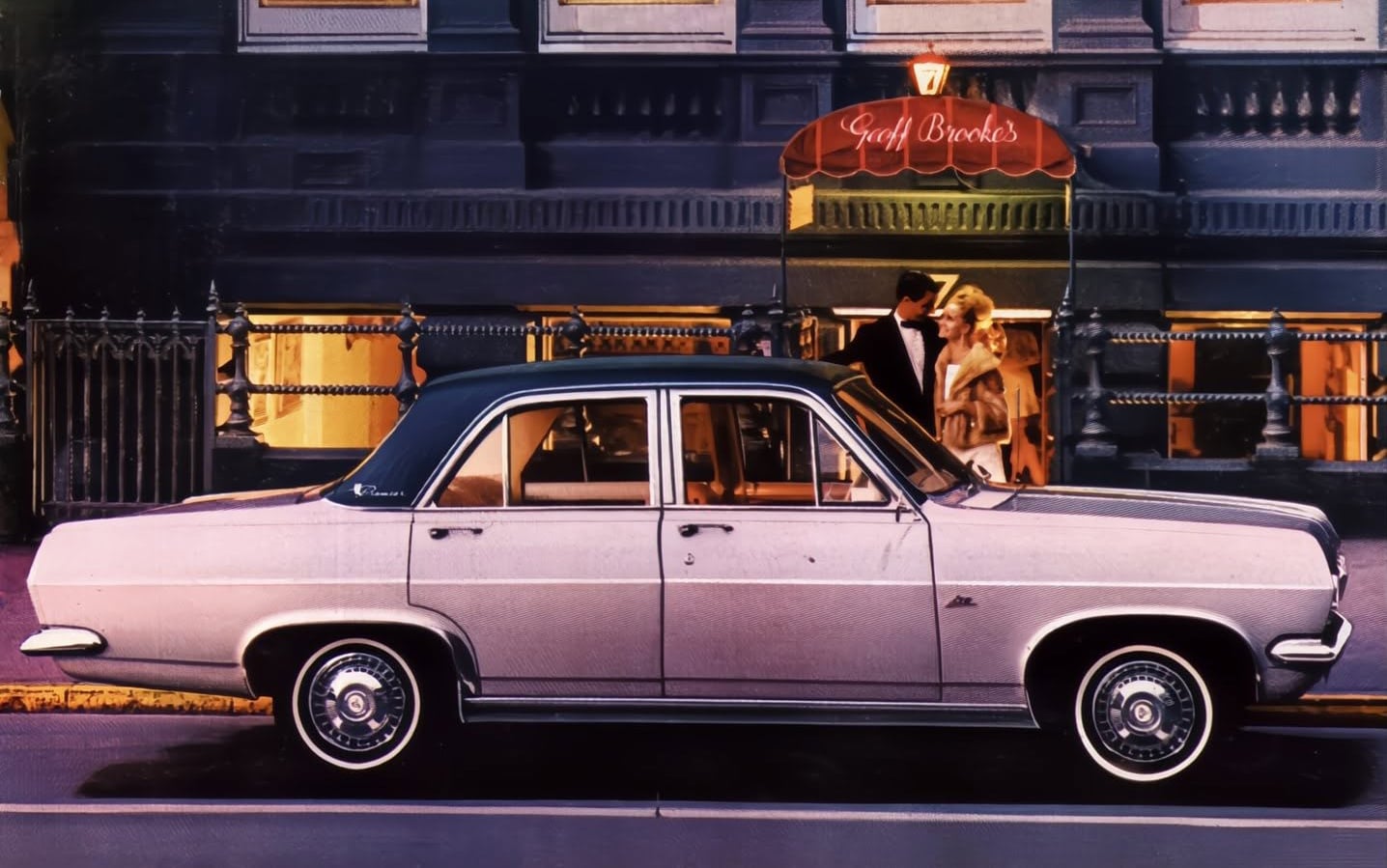
The big-selling HR somehow escaped the inglorious reputation of its HD predecessor. But a paucity of gears (two auto, three manual), no seatbelts at launch, and a rigid steering column proved Holden was living in the past.
2
VT Commodore (1997)
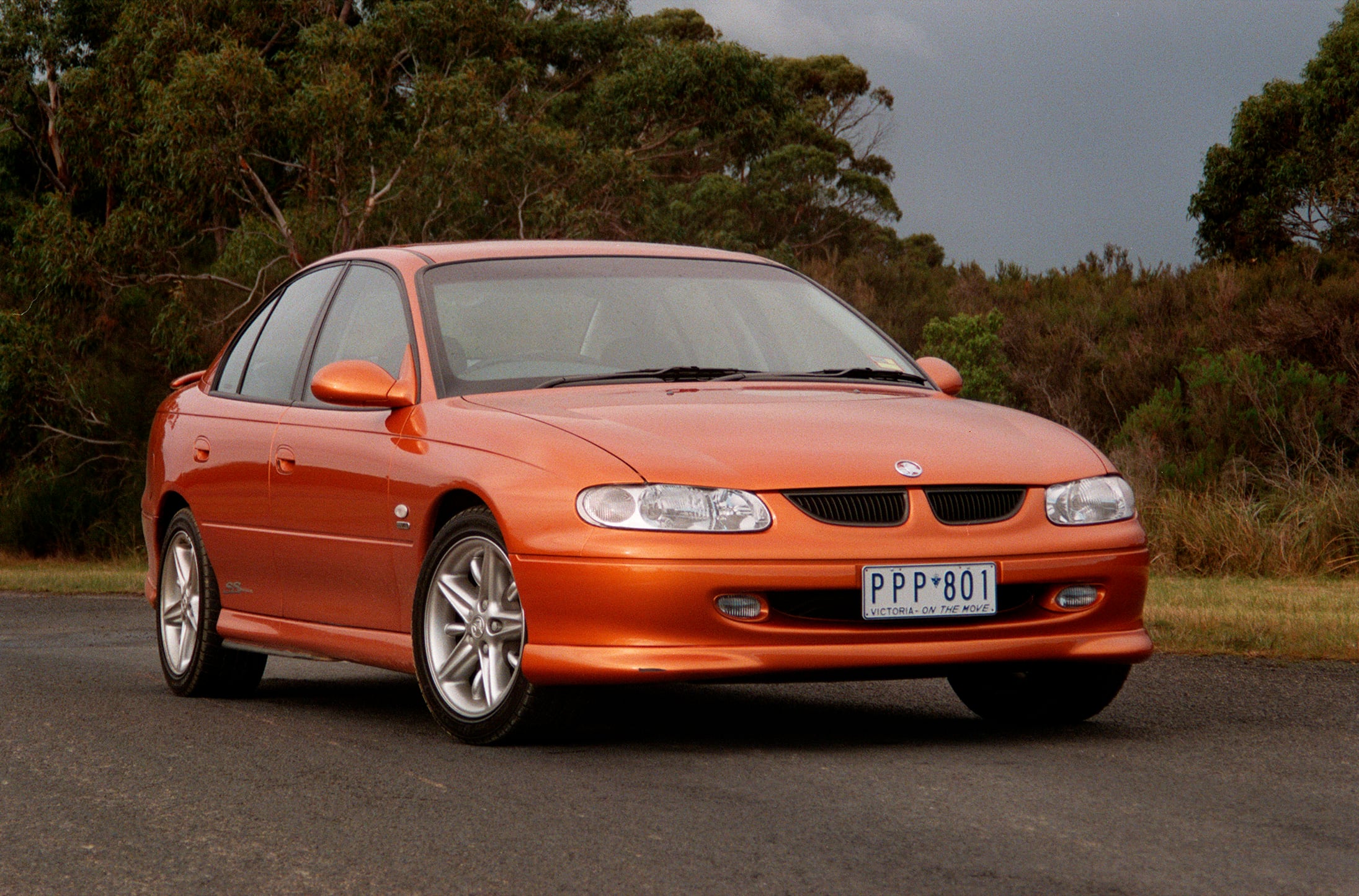
Despite its many merits, VT’s designer threads disguised several rough edges. Gluttonous weight gain, uneven quality, no split-fold rear seat, numb steering, rough V6s, and clunker autos were the culprits
1
Peugeot 206 GTi (1999)
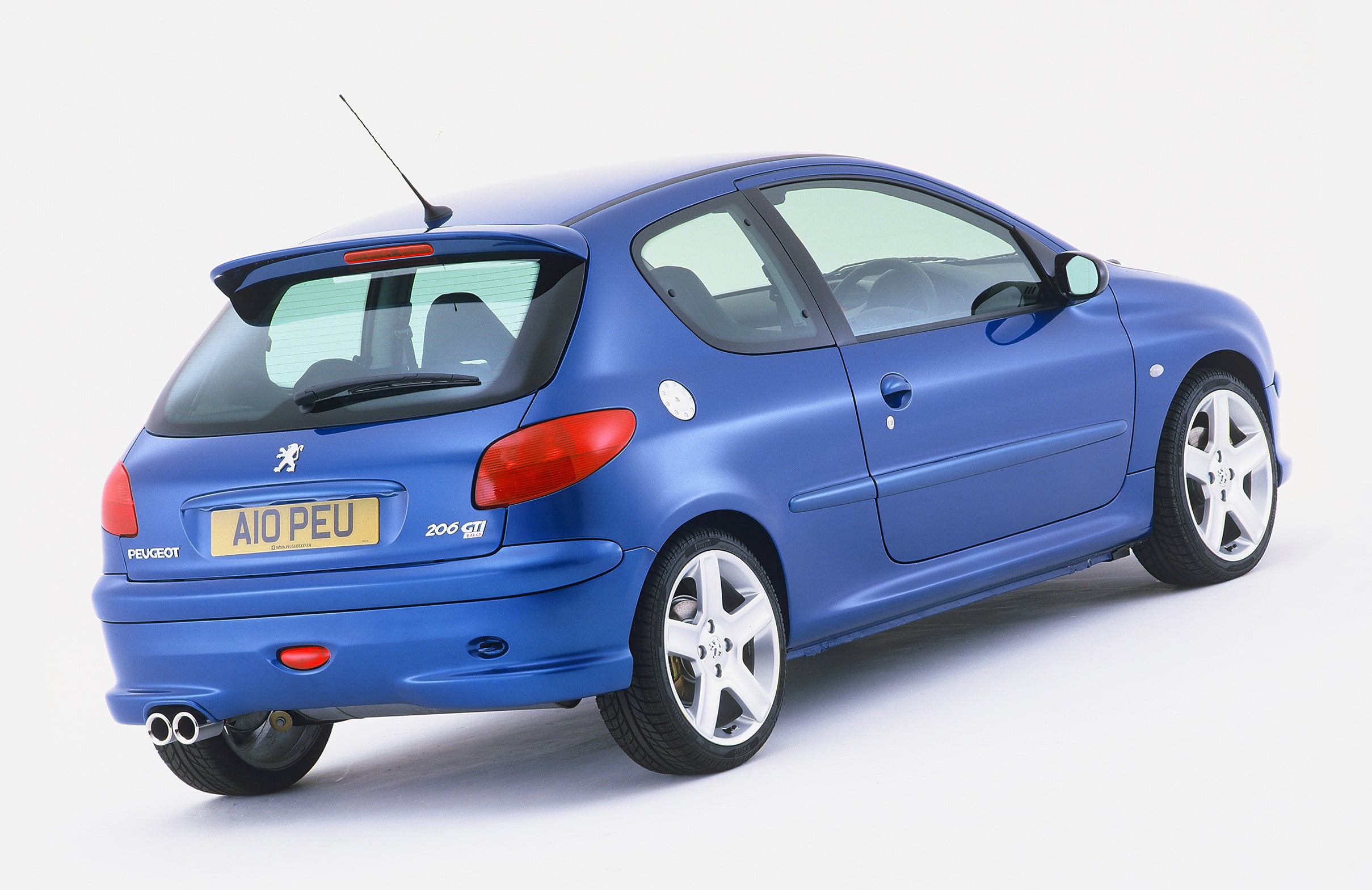
After the seminal 205 GTi, the not-quite-hot 206 GTi remains a letdown. It’s neither sharp enough, fast enough, nor polished enough to genuinely inspire. Offset pedals and awful ergonomics don’t help, either.
2
Follow WhichCar/Wheels on Google
Click the button below to make WhichCar by Wheels a preferred source for your news.

We recommend
-
 Classic Wheels
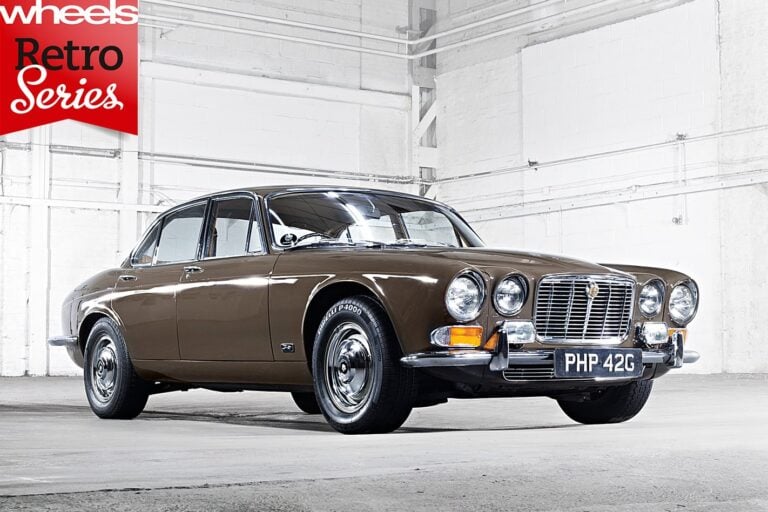
1968 Jaguar XJ6
A sales downturn didn’t stop Jaguar producing this four-door classic.
-
 Classic Wheels
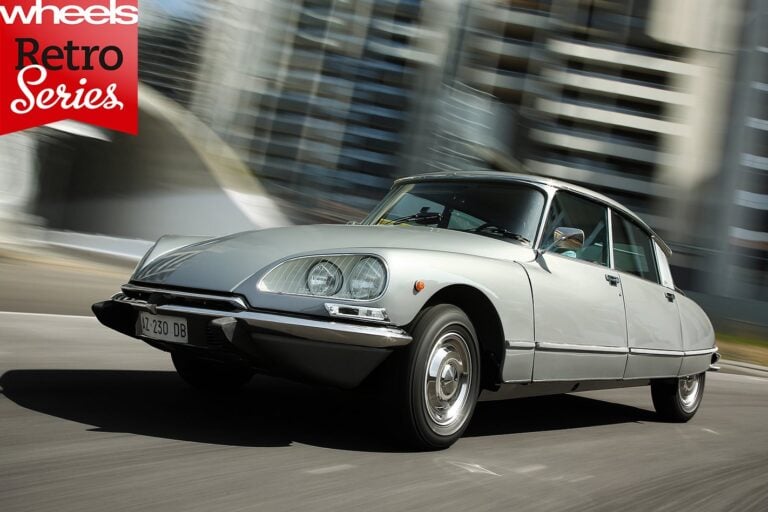
1955 Citroen DS
Regarded by many as simply the most beautiful car ever made, the 1955 Citroen DS floated above others by advancing technology, packaging and performance.
-
 Features
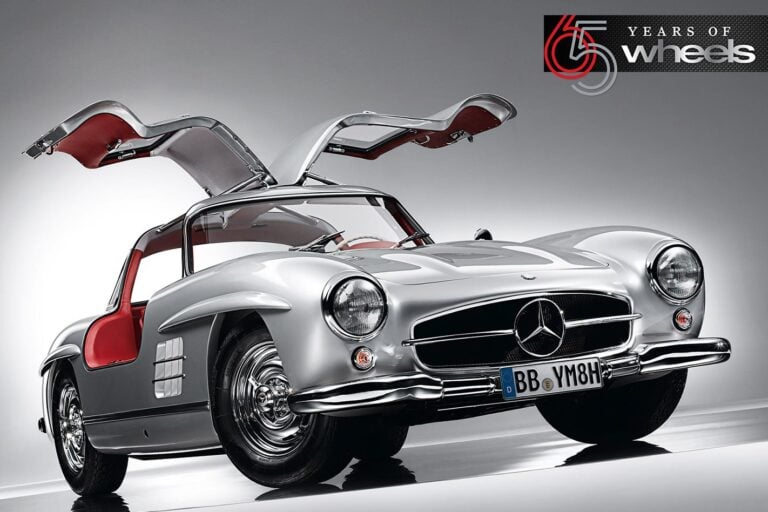
10 iconic car designs: 65 Years of Wheels
These are some of the most instantly recognisable exteriors ever penned, and shapes of endless influence