Classic Wheels

Gallery 1
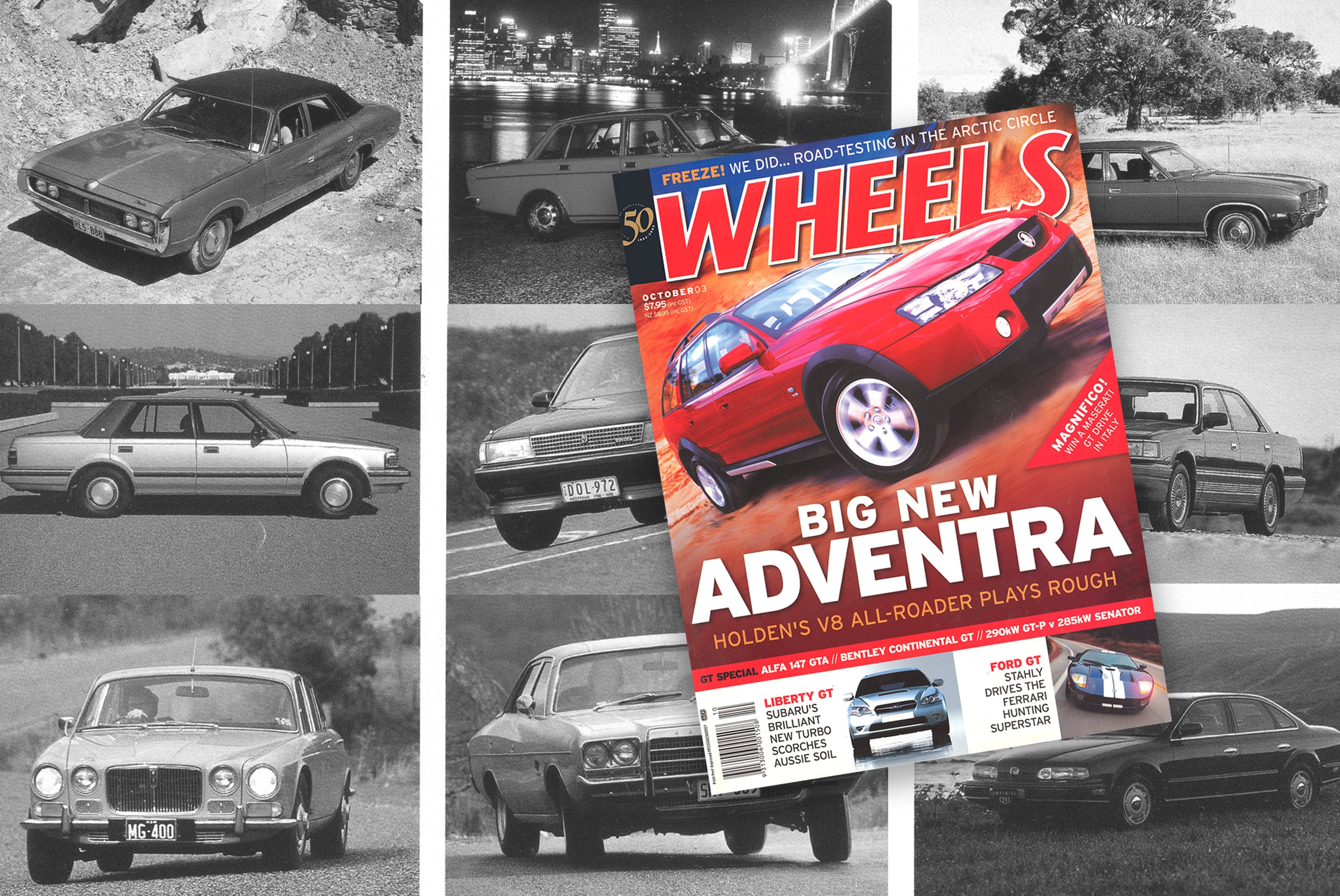
The 1970s, ’80s, and ’90s presented Australian new car buyers with a smorgasbord of big, powerful land barges that were just as likely to be driven by aspirational toffs halfway along the road to the Top End of Town as they were by your doting grandmother.
We celebrated these powerful and lumbering behemoths (and one favourite hatchback) beloved by the blue-rinse set in our October, 2003 issue.
First published in the October 2003 issue of Wheels magazine, Australia’s best car mag since 1953. Subscribe here and gain access to 12 issues for $109 plus online access to every Wheels issue since 1953.
Chrysler by Chrysler V8
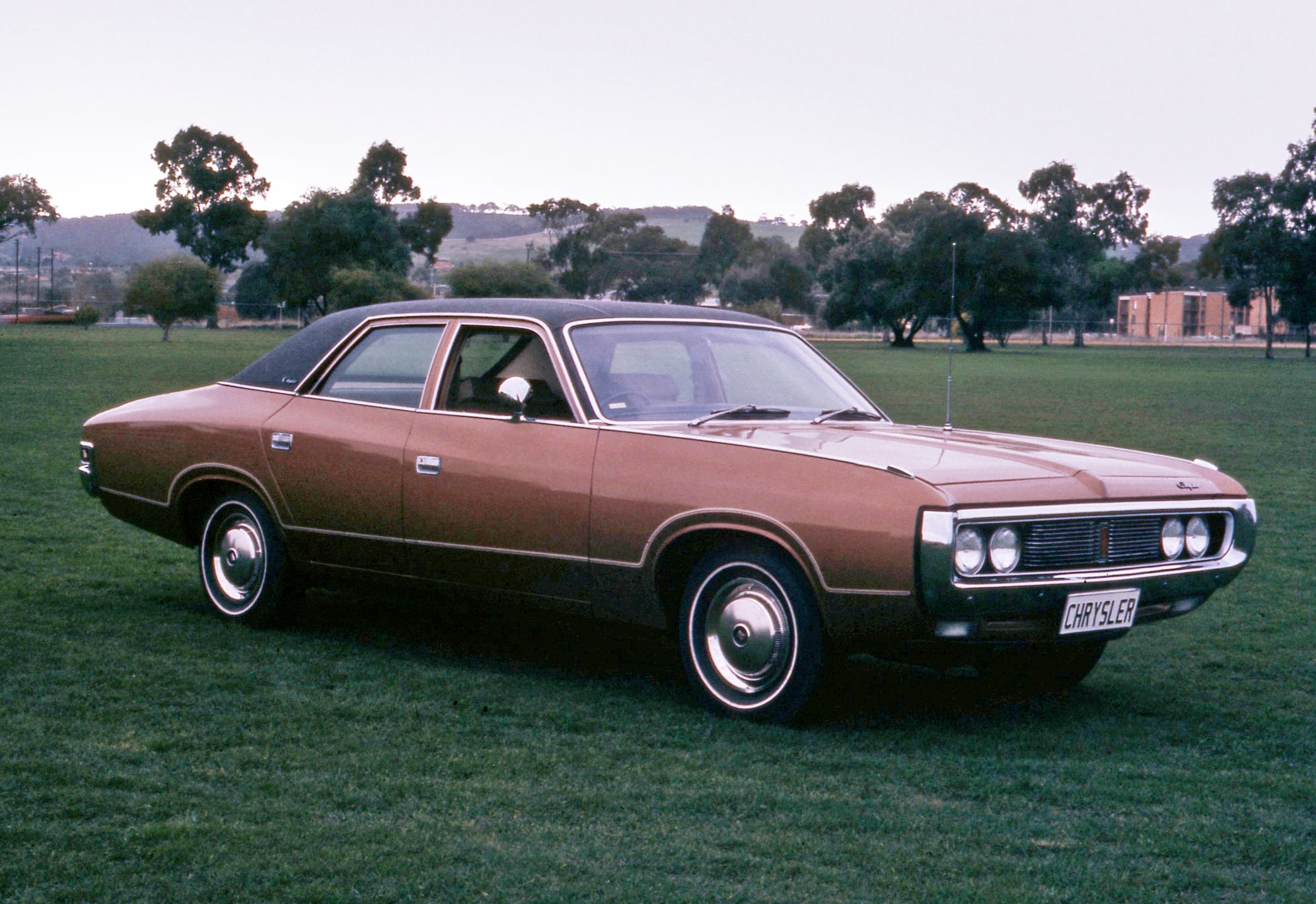
After toying with naff nameplates like VIP, Chrysler Australia went one better in 1971 with its definitive luxo-barge – the ‘Chrysler by Chrysler’.
1
At the time, it defined RSL toff with its confronting, size-is-everything bulk, its tasteful gold ‘coachwork’ stripes, and clever gadgets such as optional electric driver’s seat (for $125).
But of far greater importance was the big C’s grunt – a 190kW 5.9-litre (360ci) V8, designed for monster torque at low revs (488Nm at 2400rpm).
Despite a piddly two-barrel carby, and a towering 2.77 diff, the big C shot from 0-97km/h in 8.8secs and punched a huge hole in the air at its 185km/h maximum. But visibility stank, reducing many a widow to a panic attack, a Bex, and possibly a good lie down.
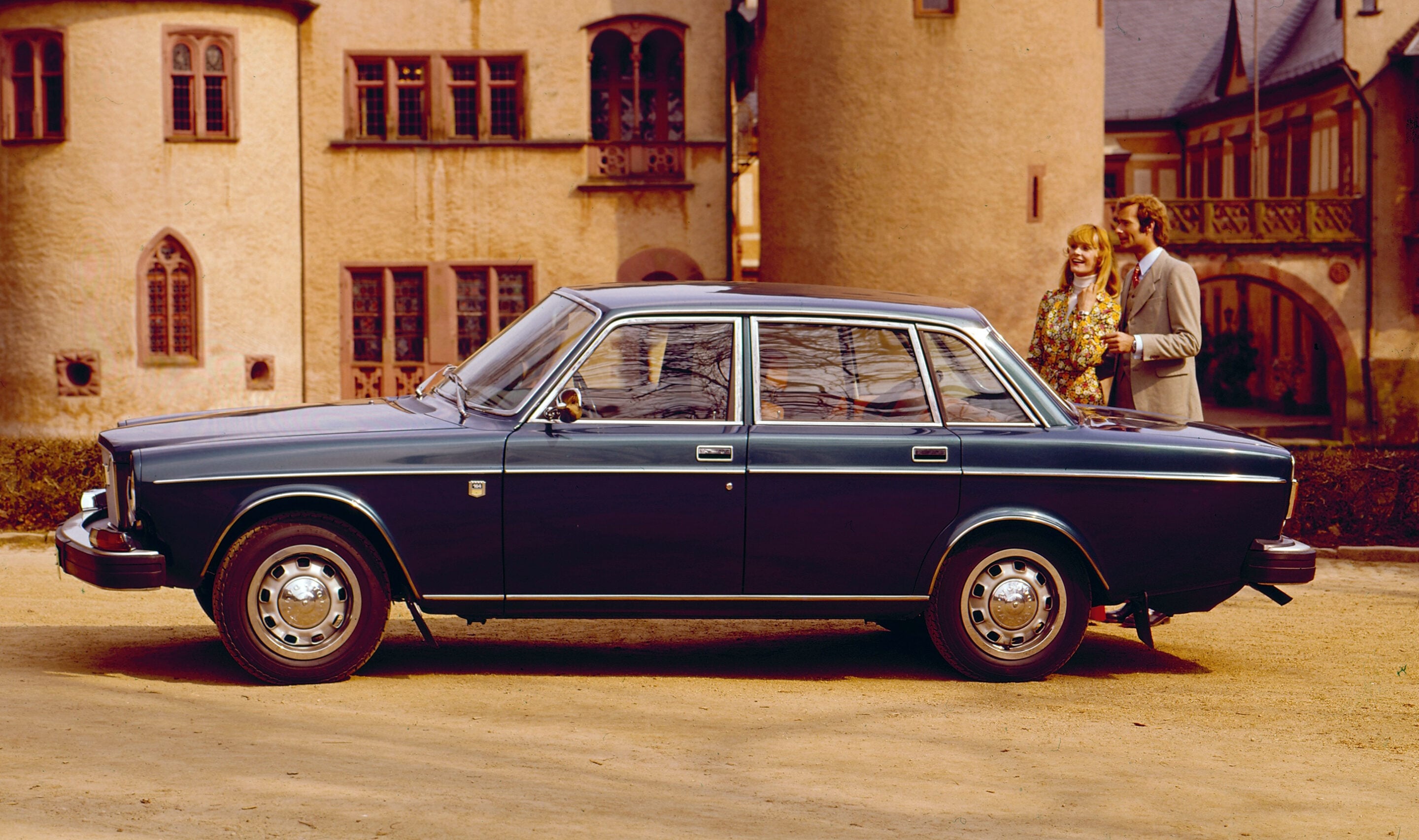
Volvo 164E
Remember when Volvo sedans were considered sporty? If you’re under 35, the chances are about as likely as anyone remembering the line-up of Buck’s Fizz, but you get the idea.
Take Volvo’s 164 – a restyled, extended-wheelbase 144, introduced here in May ’69 with a meaty 108kW 2978cc six, a good ride, and impressive roadholding. The manual could pull 177km/h and cover the standing quarter in 16.9secs!
1
But then in August 72 came the 164E – complete with electronic fuel injection and a storming 130kW, in either four-speed-manual or three-speed-auto guise. Even the auto managed 182km/h and, shifted at the six-grand redline, a standing quarter in 17 dead.
See what happens when you remove the crocheted blanket?
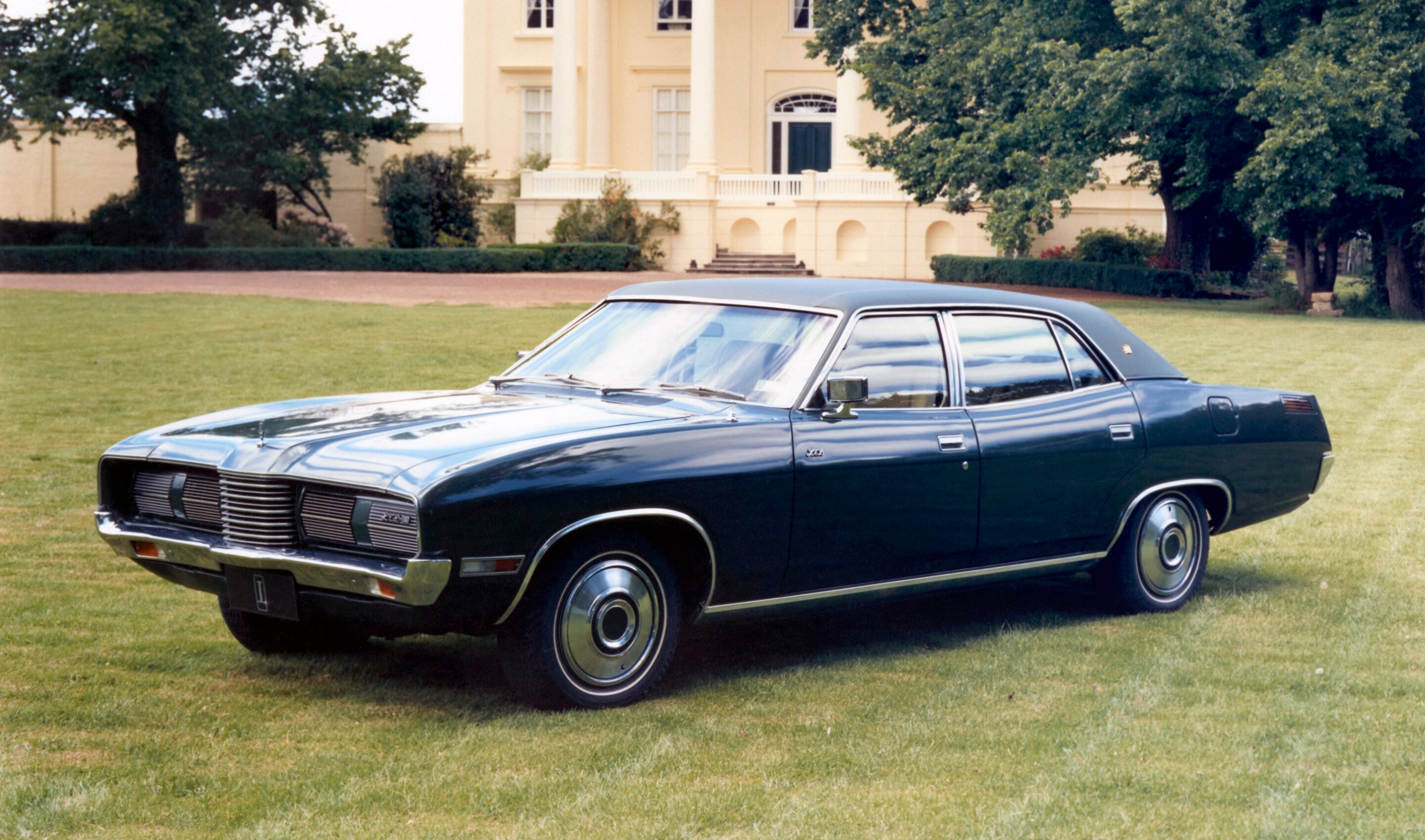
Ford LTD
Gorgeous in its ability to command attention due to its sheer physicality and monster engine, a low-compression version of the Falcon GT’s four-barrel 5751cc V8, producing 216kW and 515Nm), Ford’s LTD was the first of its kind in Australia.
1
It was the first local car with four-wheel discs, and our first super-luxury sedan (it cost 50 per cent more than a Chrysler by Chrysler, or Holden Statesman De Ville). Add big, 15-inch wheels, sinister, concealed headlamps, and a wheelbase five inches longer than Ford’s already-stretched Fairlane, and the 1973 LTD could fill a postcode.
If parking an LTD induced Stephen King-style chills, imagine the same in its zero-rear-vision Landau coupe relative? “Somebody call a doctor…”
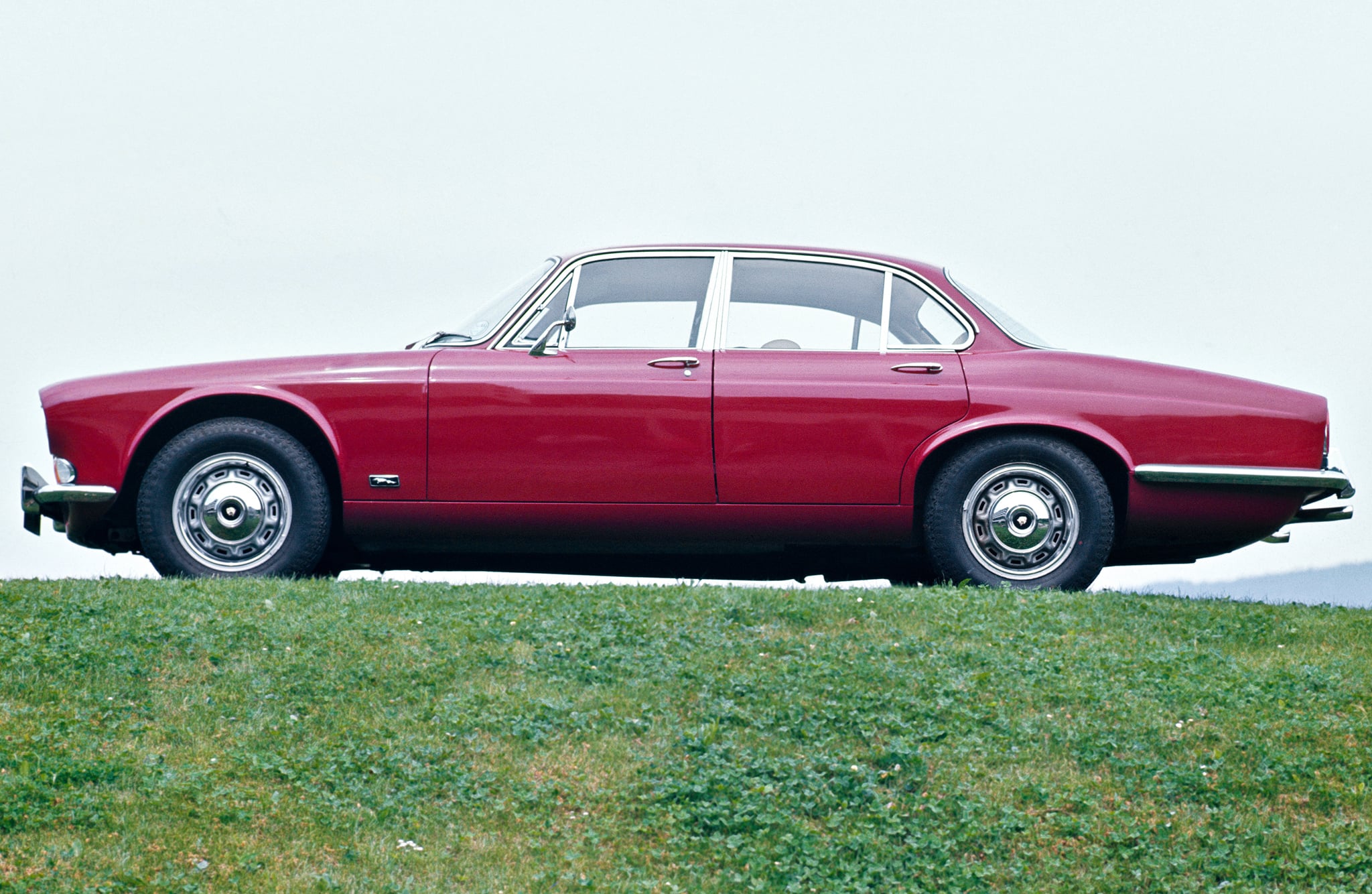
Jaguar XJ12
In its day, Jaguar’s XJ12 was often considered the best sedan in the world, and one of the quickest. Its superb 225kW, 5343cc V12 gave the three-speed automatic XJ12 a top speed in excess of 225km/h, a 0-160km/h time under 19.0secs, and the standing quarter-mile in a little over 15.
“The XJ12 is so smooth, it feels almost slow in the lower speed ranges, but as it climbs up the tacho, it just gets stronger and stronger. Like a Falcon GT-HO, it massacres the 160-193km/h time as it sprints forward,” said Wheels in July ’73.
1
Yet it retained all of Jaguar’s glorious, pipe and slippers cachet seemingly so at odds with such performance. So quiet, the missus would never know…
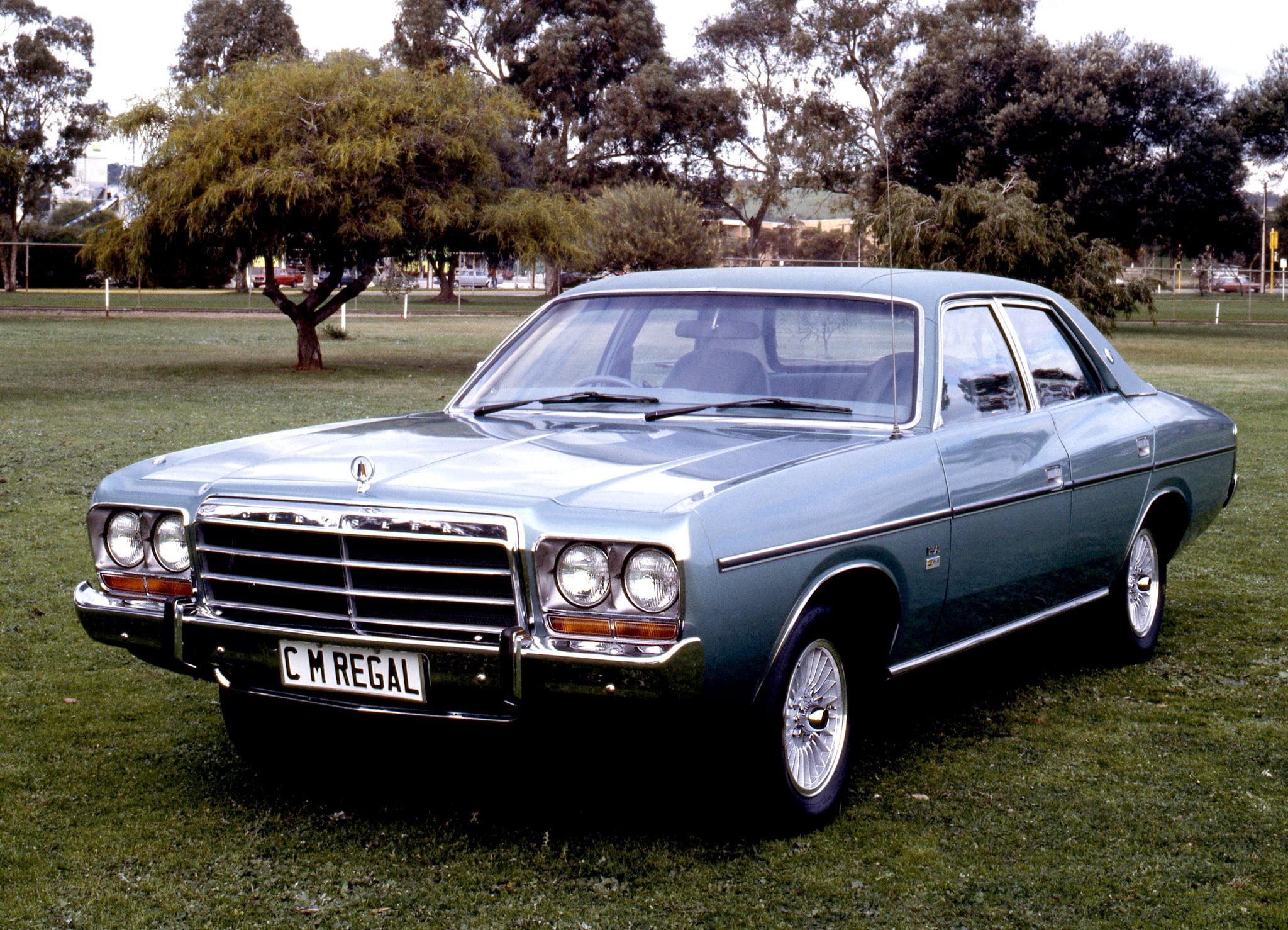
Chrysler Regal SE 5.2
As the inevitable end approached, Chrysler’s all-Aussie Valiant began to look more American, more land-yacht than ever. But beneath the facade of creases and chrome, it could pack a wallop.
Chrysler’s drivetrains had always been a highlight, but when handling tweaks and an Electronic Lean Burn 5.2-litre V8 were introduced in 1978, the Val finally gained an element of much-needed dynamic polish. And to hell with the looks.
1
Even the mag-wheeled Le Baron struggled to appear anything but pensioner-inspired, although it was the leather-lined, vinyl-roofed, colour-coded-hubcapped Regal SE that offered the best combination of grunt, grip, and gaucheness. Its demise in 1980 was mourned by dozens.
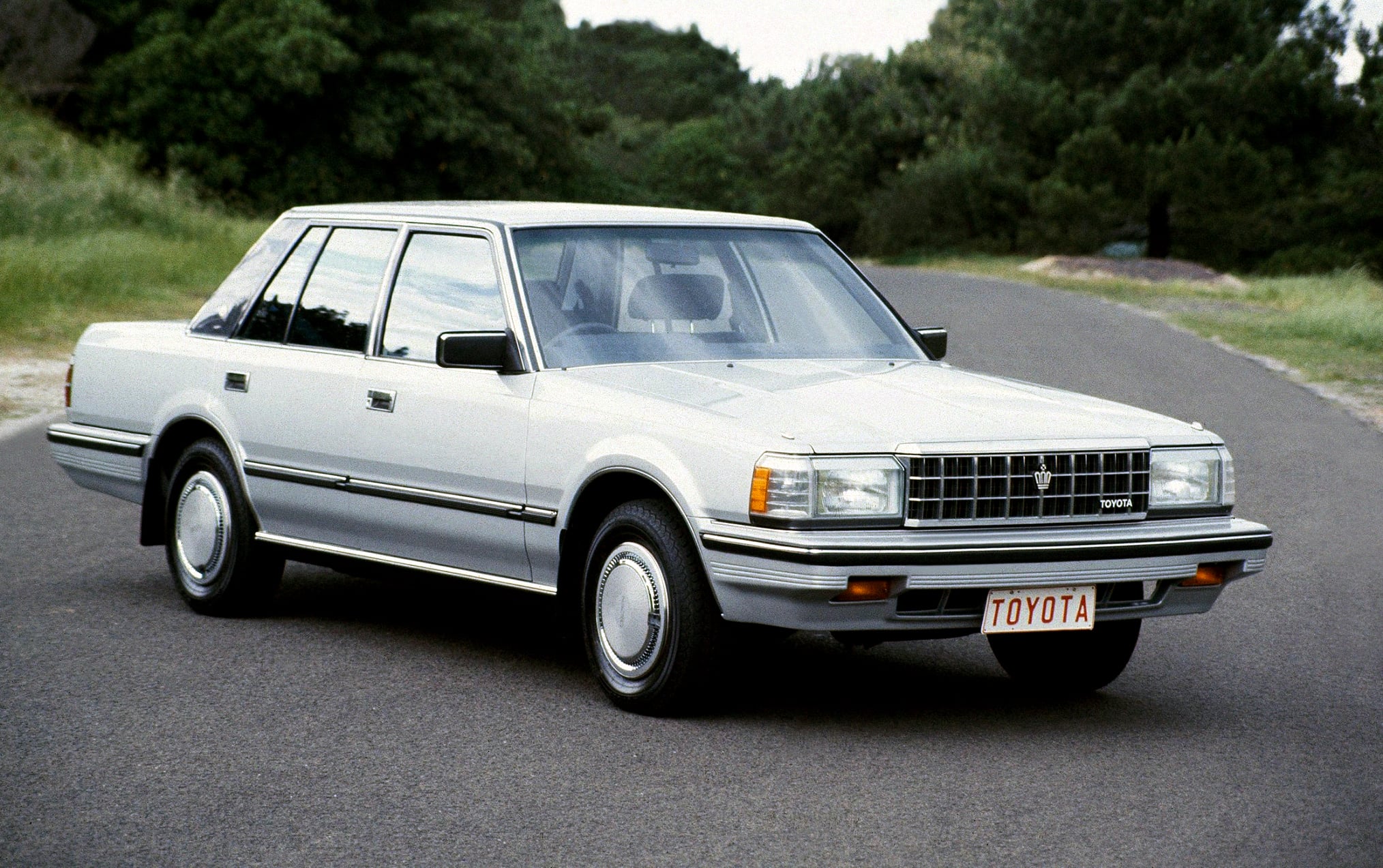
Toyota Crown Twin Cam
Like most preceding generations, the final Australian Crown was clearly smoking in the toilets during deportment and grooming school. Its dress sense was non-existent and its road manners were sloppy and – making the Crown potentially the last choice for any style-conscious purist, but ideal for raising red-hot blood pressures at retirement villages.
1
Yet during a wave of multi-camshaft obsession, Toyota added a 120kW 2759cc, twin-cam, injected six to the Crown’s separate-chassis splendour to create the hairy Royal Twin Cam (1986-88). It even boasted IRS, although the rear chill-box and seat-back grab handles gave the game away.
The Twin Cam was still a pseudo pimp-mobile.
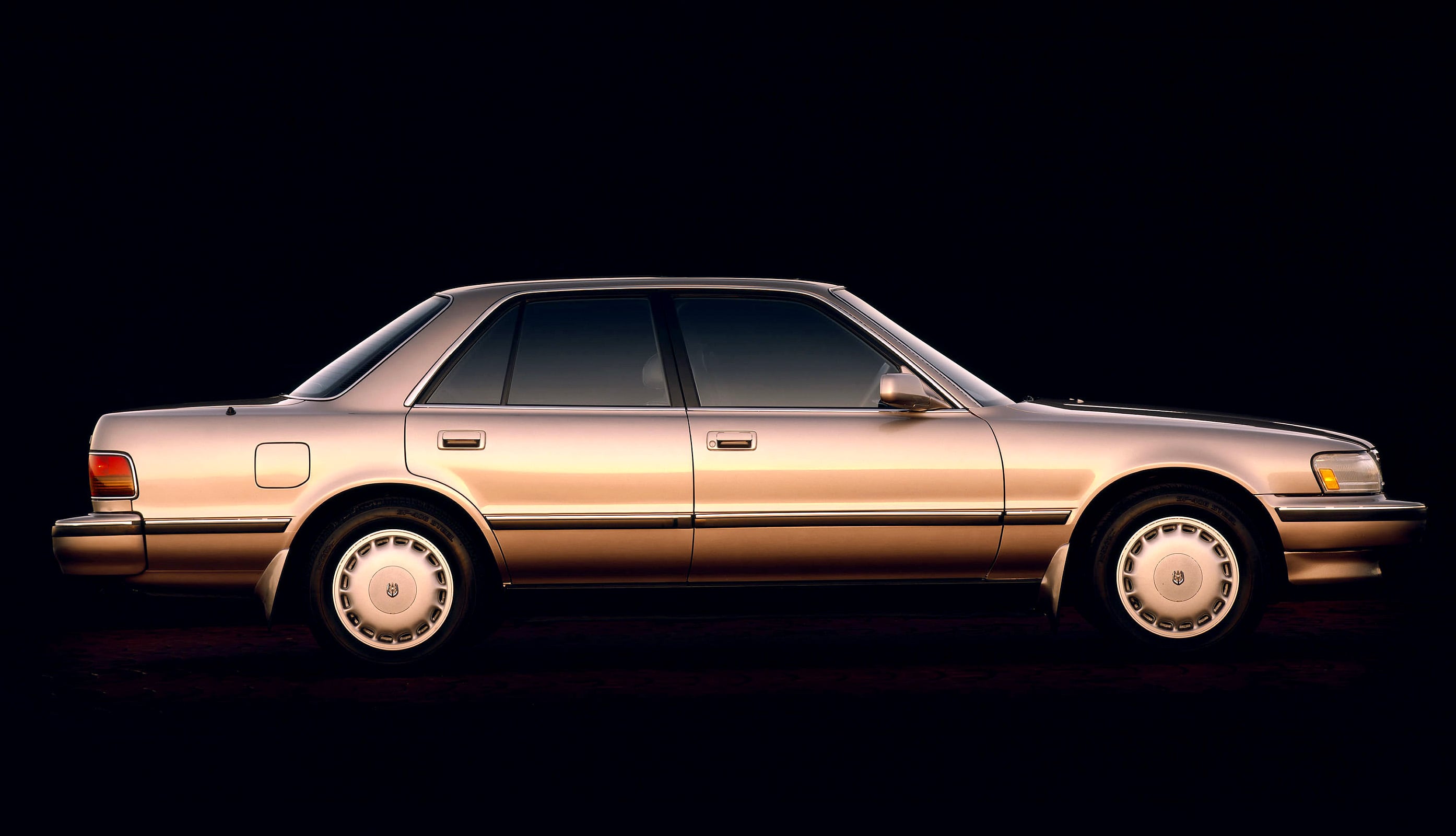
Toyota Cressida
The Cressida replaced Toyota’s ungainly Mark II locally in 1977, but, in this instance, Toyota saved its best for last.
Smooth performance and an excess of plasti-chrome and equipment were always Cressida hallmarks, but the final generation (1988-93) added some welcome sporting spirit.
1
For starters, the Cressida scored its tuneful 142kW 2954cc twin-cam, 24-valve straight-six (7M-GE) from the Supra – enabling a 16.5-second standing-400m time. Coupled with a slick electronic auto ’box and surprisingly adept suspension (if too-light steering), the Cressida drove far better than any Nanna had any right to expect, despite its septuagenarian styling appeal.
Over five years, the final Cressida 3.0 won five Wheels comparison tests – from five starts!
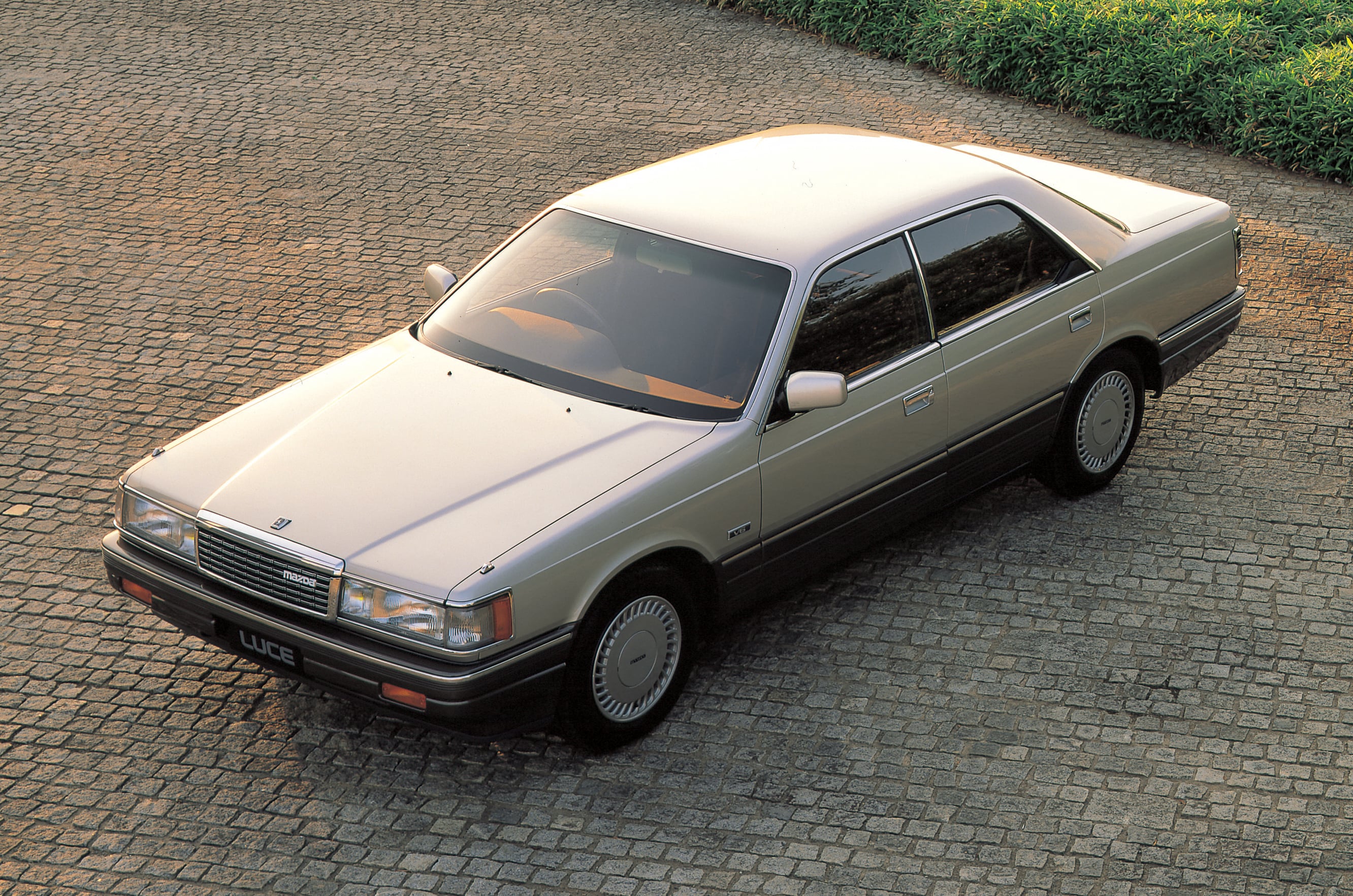
Mazda 929 V6 DOHC
Mazda could never quite make up its mind about the 929.
Throughout its life (1973-97), the barge from Toyo Kogyo wavered from hideously ugly to cutting-edge cool, and usually back again. It was frequently slow and breathless, with occasional blips of adrenaline, but it wasn’t until 1987 that the 929 (now a 2954cc V6) discovered something resembling grunt. Pity the accompanying body styles looked more dated than a neck-to-knee swimsuit, cementing its old-burner magnetism.
1
But in 1990 Mazda stiffened the suspension, binned the fake wood, and added a punchy 140kW, DOHC, 24-valve V6 to the Hardtop, along with ABS. The 929 still looked silly, but at least it offered some chance of deceased-estate amusement.
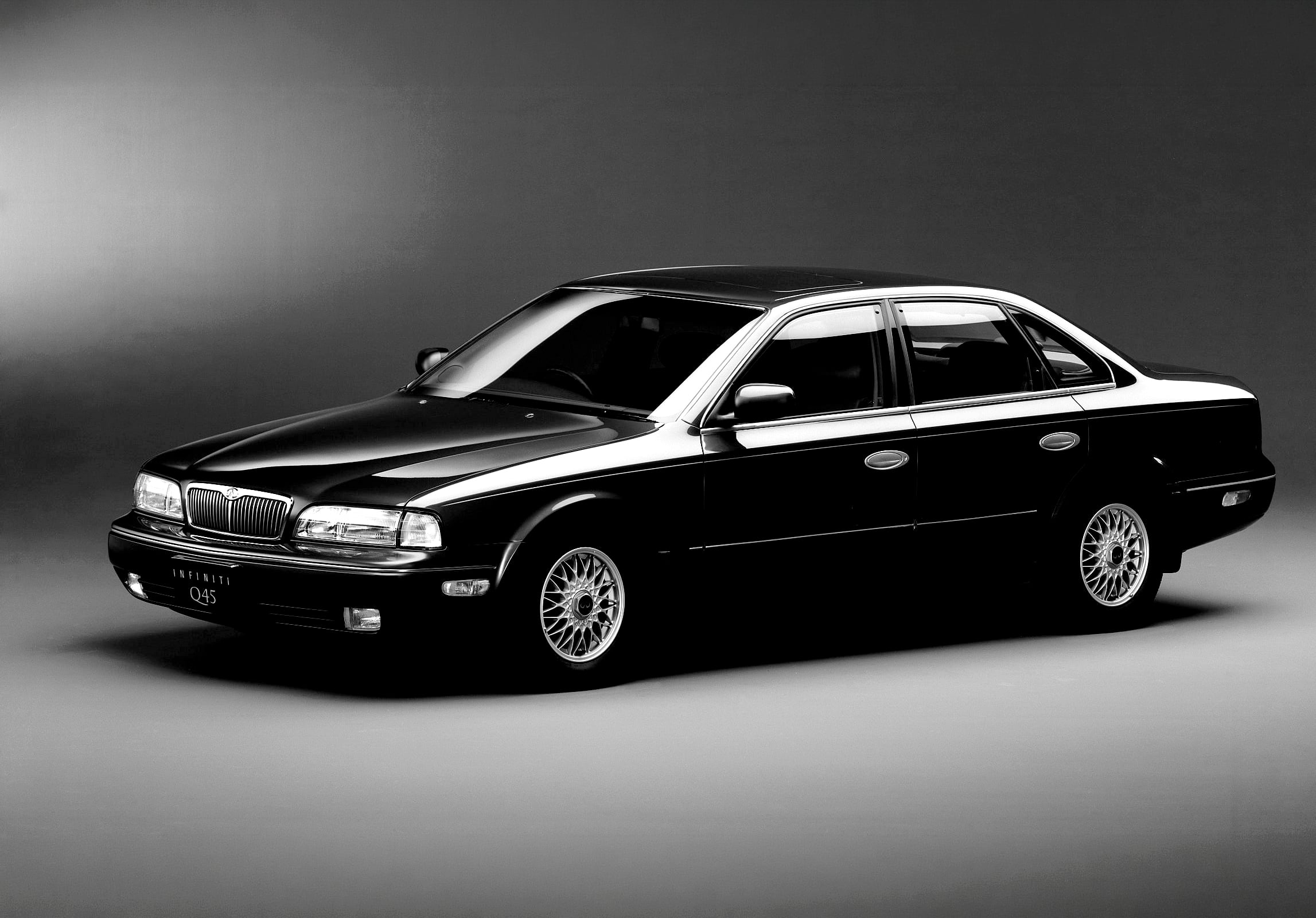
Nissan Infiniti Q45
One of the few modern cars that can induce motion sickness in its driver, according to John Carey, although misguided Infiniti 045 buyers clearly suffered from a malaise far more serious.
The 045 typified the retirement car – nicely built, spacious, reliable, and absolutely free of flair and driver appeal.
1
Back in 1993, we said: “The big Nissan’s dynamic qualities fall far short of the mark… and its soft ride does little to compensate for its imprecise handling. That the numbers on the car’s analogue clock are gold-plated is indication enough of a fairly severe ambience misjudgement.”
But what a superb engine – an all-new, 206kW, 4494cc, DOHC, 32-valve V8. Nissan claimed 0-100km/h in 7.5secs, and 240km/h. Nanna claimed the Q45 made her feel crook, simply from looking at it.
Toyota Corolla
Would you believe the champion of the cross-stitch and embroidery set – Toyota’s ever-reliable Corolla – is actually the current small car performance champ?! Not that many are driven with anything approaching verve, and the whole argument collapses when you consider the lazy auto (0-100 in 11.4secs, against 9.0secs for the manual), but there’s potential to jump-start a pacemaker lurking somewhere.
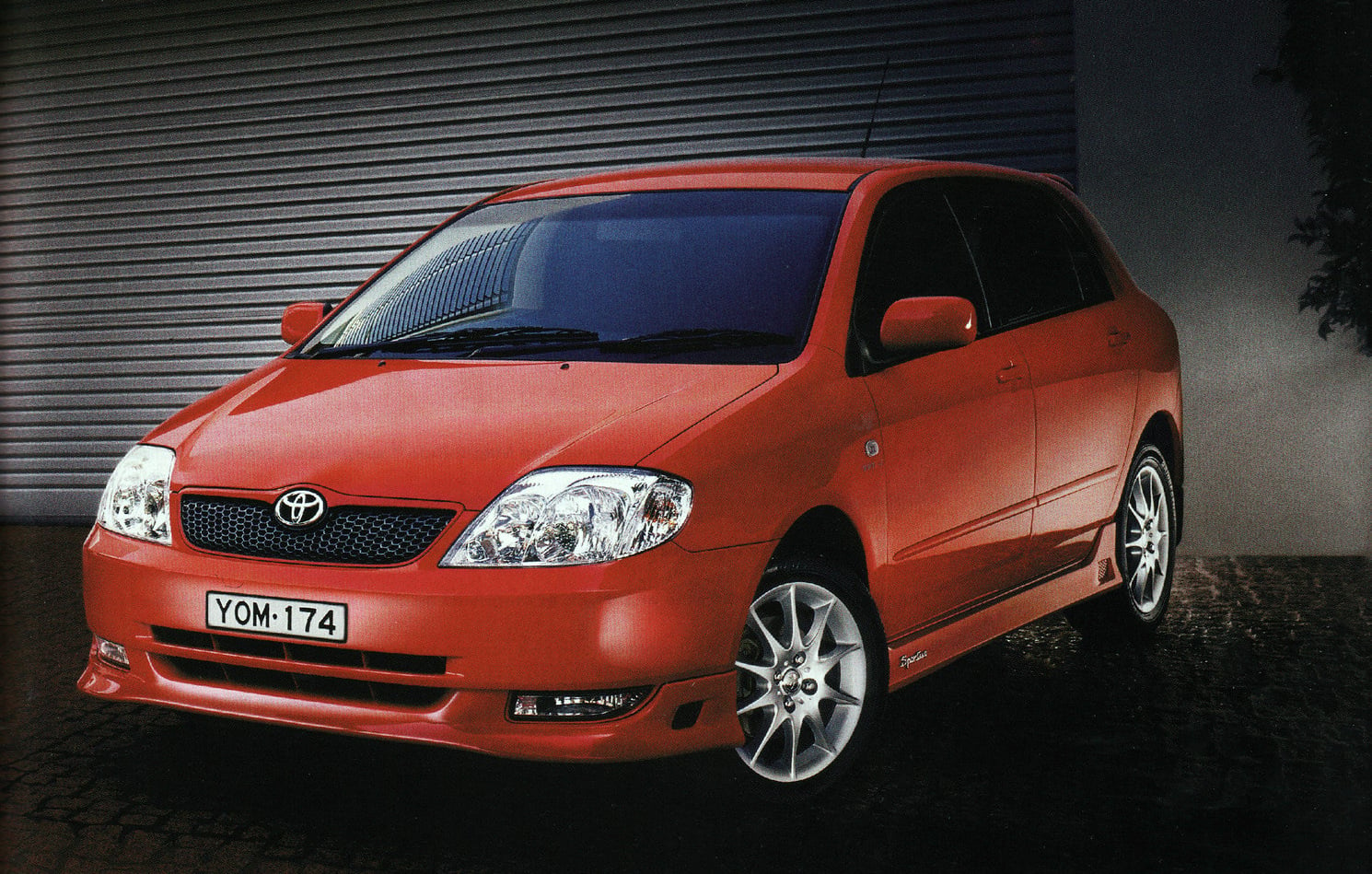
1
Indeed, flog a poverty-spec Ascent manual to within an inch of its life and you’ll almost be shocked by its penchant for performance (courtesy of the MR2’s 100kW, 1796cc four).
Just don’t expect the bouncy chassis, the second-rate tyres, or the disturbingly popular mudflaps-and-weathershield add-ons to maintain the illusion.
Grey Power
And the definitive Nanna’s car is…
Toyota Corolla Toyoglide
Toyota’s original 1077cc Corolla (1967-70) and its 1166cc Mkll successor (1971-74) were a bit of alright – brisk, agile, nicely finished, and quite pretty.
But considering a two-speed automatic could strangle a Holden six, what chance did the optional two-speed Corolla Toyoglide auto have?
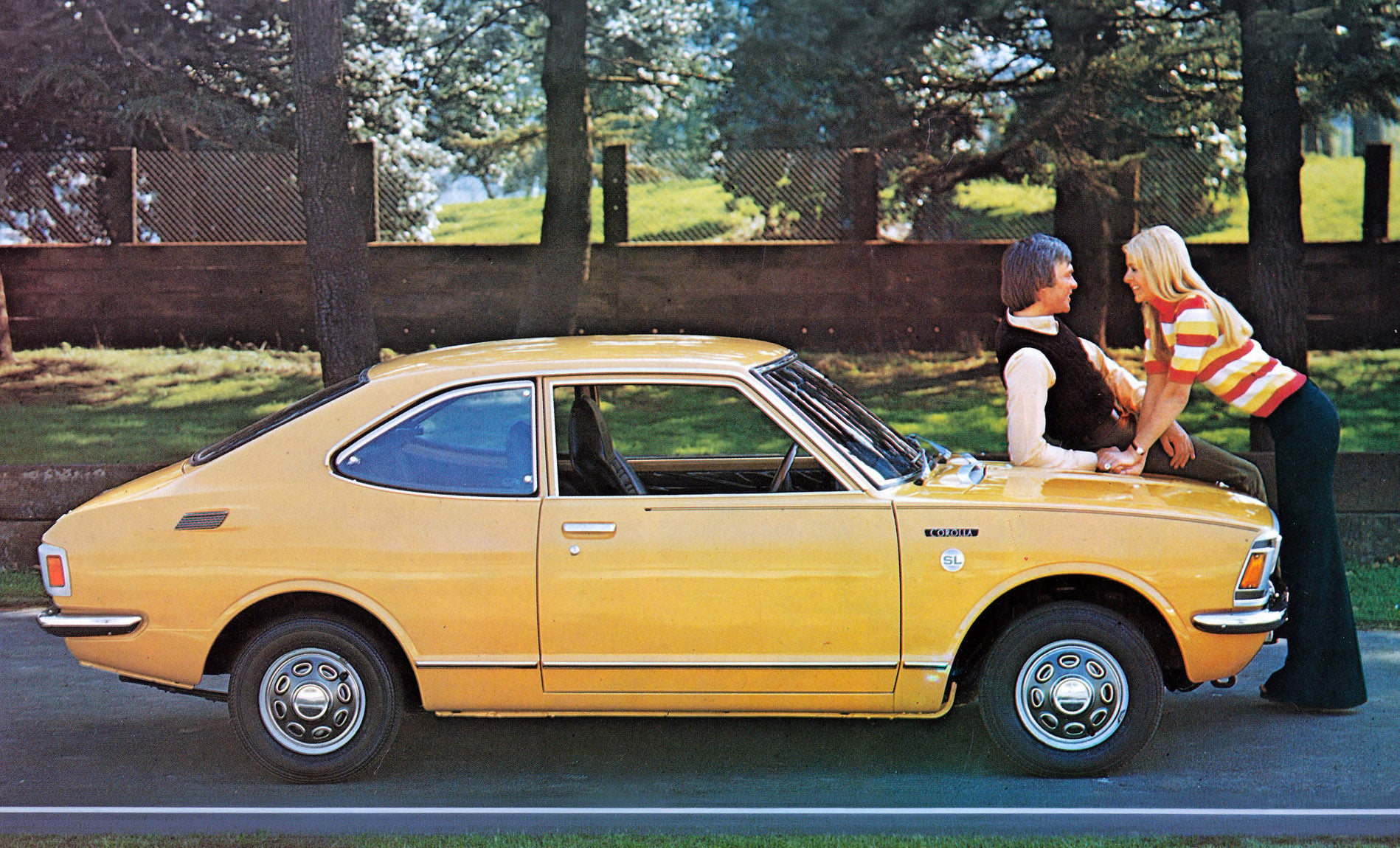
1
Said Wheels in May ’71: “Off-the-line progress is painfully slow. You won’t see 80km/h in less than 15 seconds. This makes the auto little more than a woman’s town car… but as a town car, the Toyoglide leaves the Corolla gasping.”
Sounds just like gran after a few Winnie Reds.
Honda Civic Breeze
With a name like that, this knackerless Civic was always asking for it. Instead of the GL’s 74kW, 1.5, twin-carb, 16-valve four, or the Si’s 96kW, twin-cam, fuel-injected 1.6, the Breeze offered an insipid, noisy, 55kW, single-carb 1.3 – barely capable of breaking 19.0secs for the standing quarter in manual form.
The fact that no auto was offered reduced the Breeze’s tea-and-scones head count but the four-grand saving over a GL countered that.
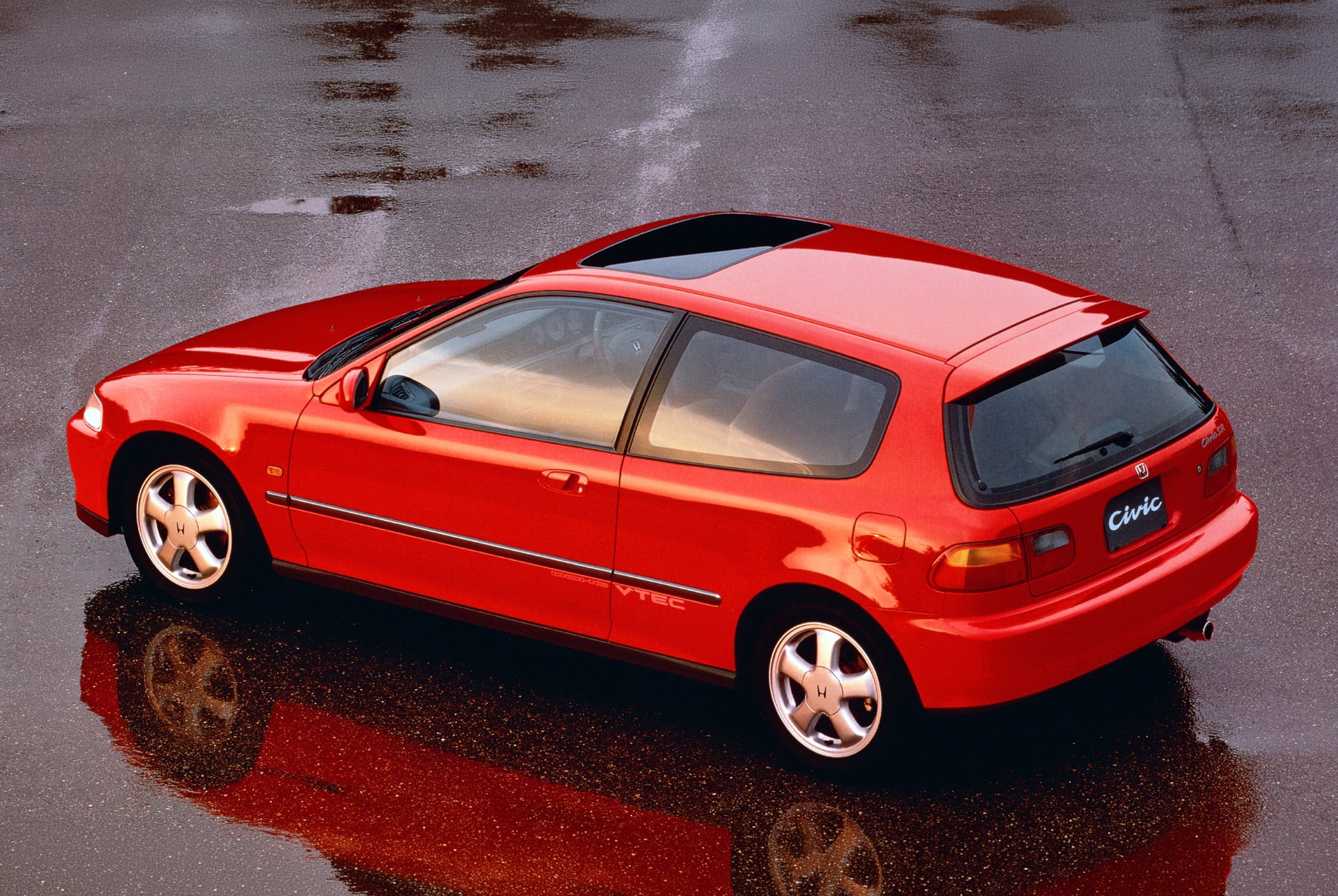
1
Missing from its airy kit list were door pockets, a luggage cover, a tacho, and an adjustable column. Shame, really, because the Breeze had fine steering and class-leading dynamics.
Holden TG Gemini
Holden’s original rear-drive Gemini (1975-85) was good enough to win our 1975 COTY. But instead of replacing the Gem’ with GM’s front-drive T-car (1979, followed by another in ’84), Holden persisted with facelifts.
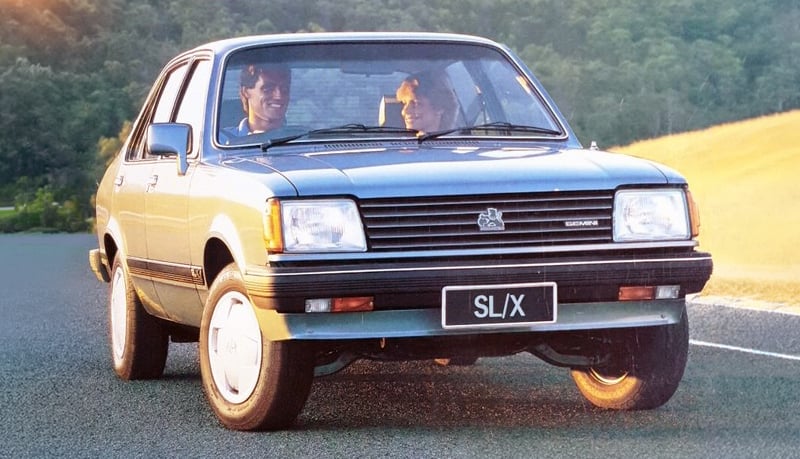
1
Emissions regs gradually choked the poor thing, to the point where the final ’83 TG Gemini wheezed just 49kW from 1584cc, and meandered down the standing 400m in 19.9secs. As a five-speed manual!
The glacial auto was a dithering road block, famed for its unmistakable exhaust drone and inability to overtake Kombis.
Follow WhichCar/Wheels on Google
Click the button below to make WhichCar by Wheels a preferred source for your news.

We recommend
-
 Features
10 iconic car designs: 65 Years of Wheels
These are some of the most instantly recognisable exteriors ever penned, and shapes of endless influence
-
 Classic Wheels
From the Wheels Archive: Thumping V8s and tyre smoke, a ’90s style Aussie muscle car showdown
Ford returned to the V8 title fight with its all-new EB Falcon. But did it have the muscle to dethrone King Commodore?
-
 Classic Wheels
From the Wheels archive: The best Holden ever!
Wheels gushed over the all-new HQ Holden in September 1971, declaring it 'far and away the best Holden ever'.