
Features
Gallery 1
Wheels Car of the Year isn’t a title that’s granted lightly. Over decades, the judging panels have tested and tortured winners to ensure only the best new cars come out on top. Among those, some became icons, and some became heroes. There are some esteemed names within this very select group, like the Mercedes-Benz S-Class in 1981 and 1999, and local heroes like the Holden Commodore, which took the title in 1978, 1988, 1993, 1997, and 2006.
There are also some cars that, while no less deserving of the title, aren’t always given the same credit. These are the forgotten winners of Wheels Car of the Year.
Morris 1100 – 1964
1
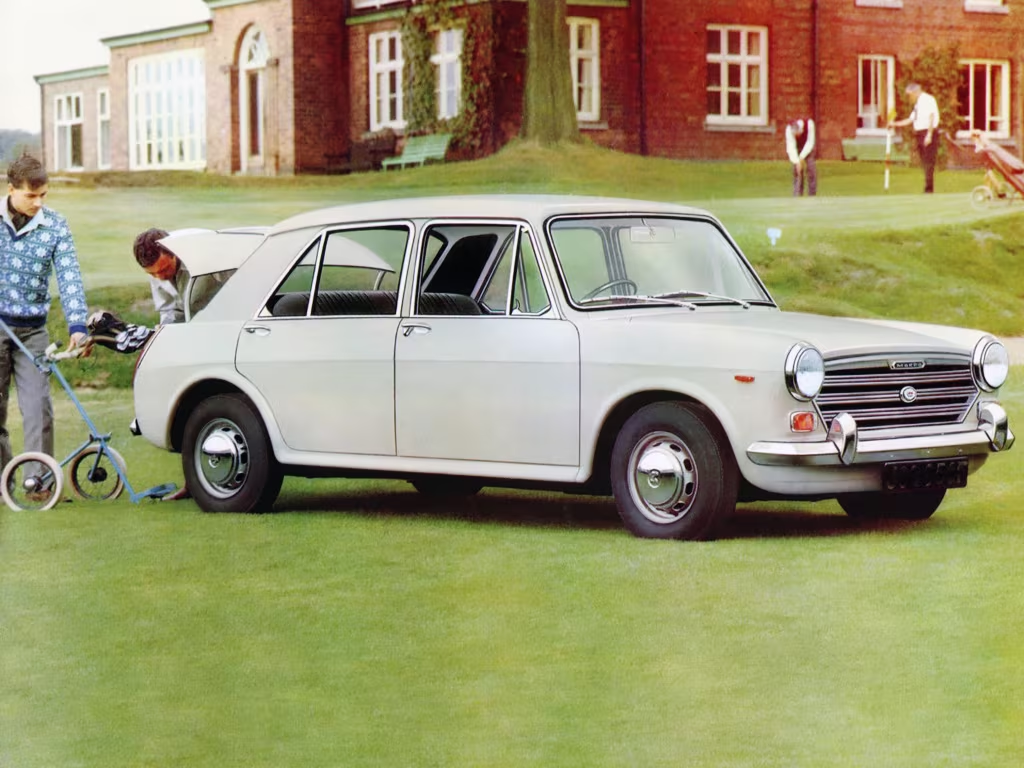
Much of what made the iconic Morris 850 (aka the Mini) so successful was transferred over to the Morris 1100, upsized to make it a better fit for Australian buyers. At a time when a transverse, front-wheel-drive family car was still a rarity, the 1100 proved what was possible.
The Morris’s time in the spotlight was, of course, only temporary. The XP Falcon took the 1965 Wheels COTY title, followed by the XR Falcon in 1966, and they became much more memorable cars by which the 1960s were defined.
Volkswagen Passat – 1974
1
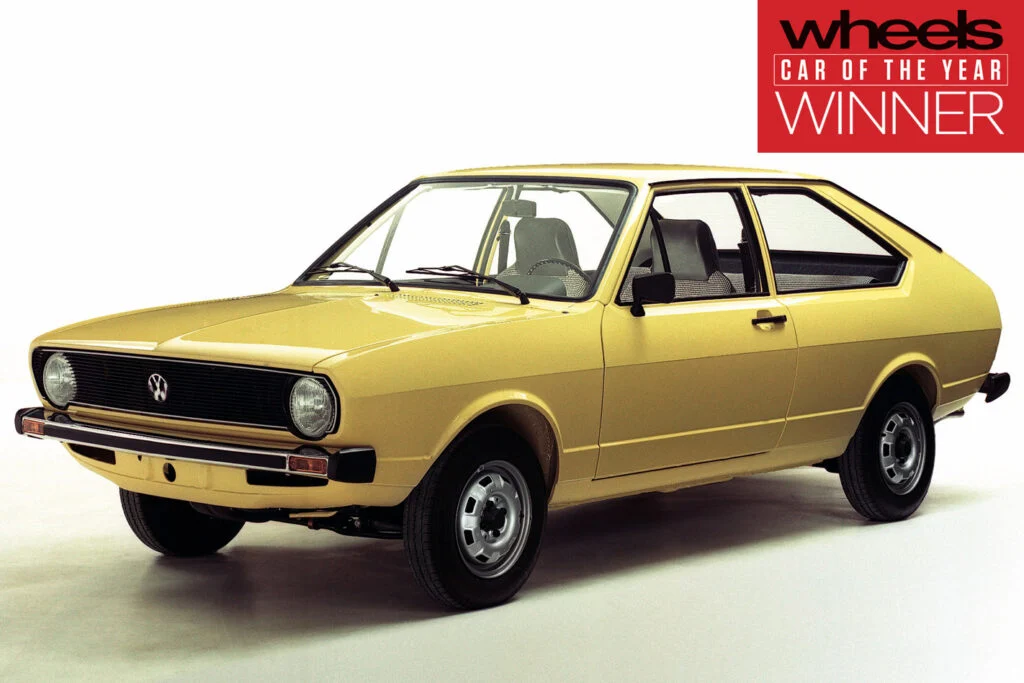
The Valiant Charger and Leyland P76 won before it, and the Holden Commodore won after it. Those cars stood out in the long run. In 1974, the Volkswagen Passat earned plenty of praise, but didn’t have the legs to remain memorable.
The Passat marked a new era for Volkswagen, moving away from air-cooled, rear-engined models to the thoroughly modern layout still used across the VW range today. A switch from local assembly to fully imported in the late ’70s saw Passat sales collapse, and the attention it received fell with them.
Mazda 323 – 1980
1
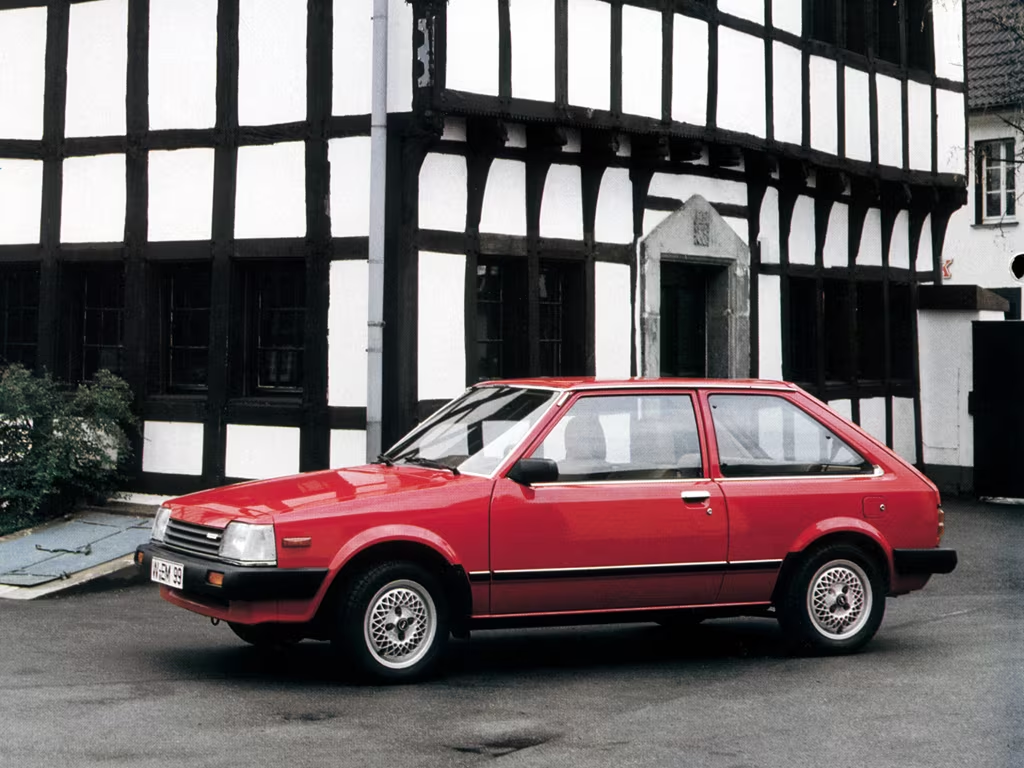
The second-generation 323 introduced such a broad range of changes and improvements to the nameplate that it almost deserved a fresh start. COTY judges looked past the name and praised the 323’s performance and handling.
The simple, boxy 1980s lines were commended at the time, but could be one of the reasons the 323 is hard to recall today. Subsequent generations of the model didn’t hit the same high-water mark again in the eyes of Wheels’ judging panel, although Mazda would add eight more COTY wins to its cabinet over the years.
Ford Telstar/Mazda 626 – 1983
1
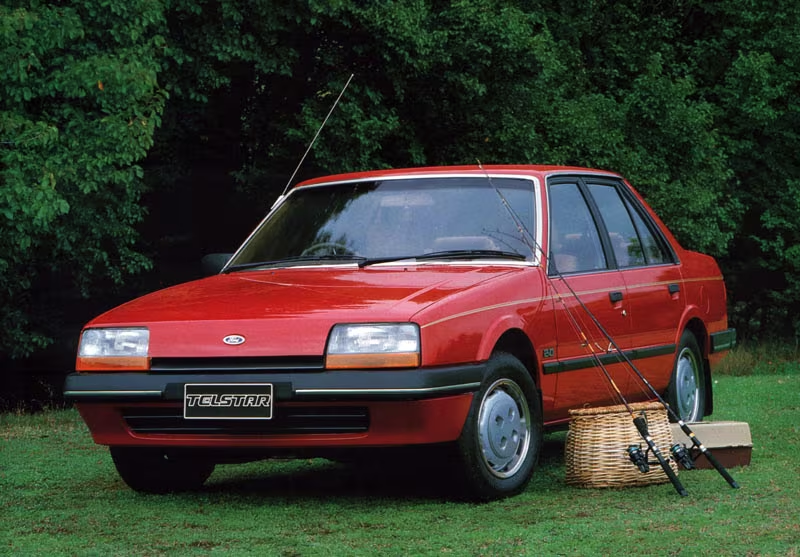
Because they were essentially the same car under the skin, the Ford Telstar and Mazda 626 shared their 1983 Wheels award. While Ford built the Telstar in Australia, Mazda imported the 626, but the differences weren’t enough to separate the two.
The duo was praised for all the same reasons the smaller 323 won in 1980: handling, packaging, and quality. The reassuring longevity and tame styling also made them less memorable over the longer term.
Mitsubishi Nimbus – 1984
1
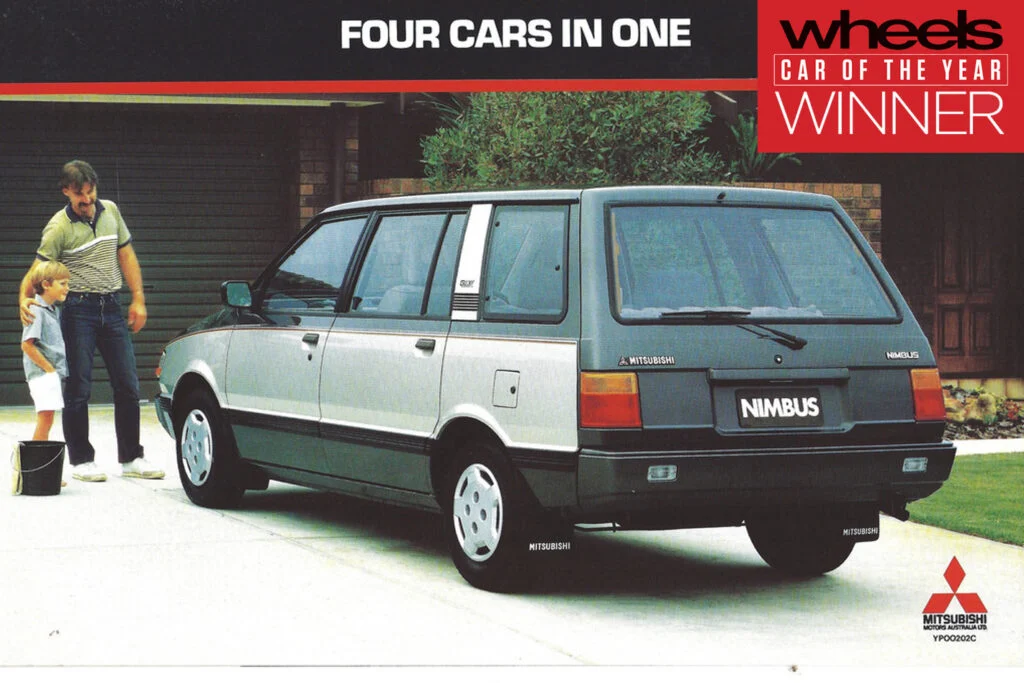
Despite their clever packaging and multi-functional practicality, only two people movers have ever taken home a COTY award. The first of those was the Mitsubishi Nimbus in 1984, the second was the Honda Odyssey in 1995.
At the time, the people-mover concept was new and still finding its feet. While rivals still favoured commercial vehicle underpinnings, the Nimbus felt more polished. Thanks to a car-derived platform, its refinement and dynamics were high points.
Nissan Pulsar – 1991
1
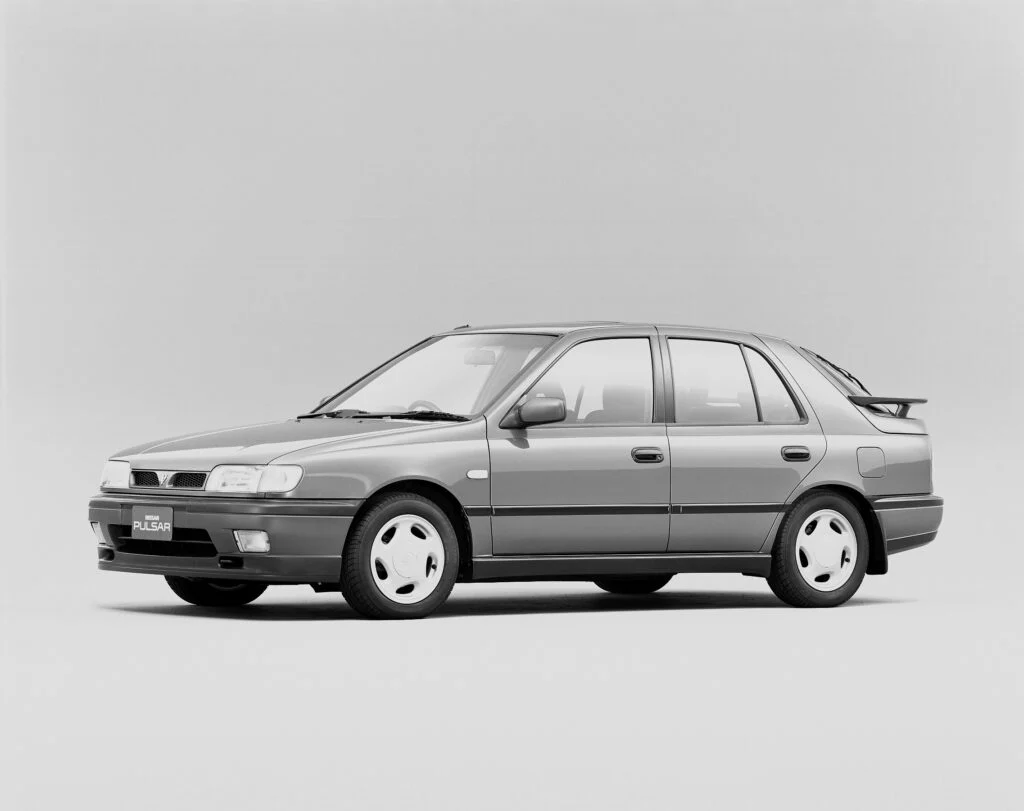
The 1991 award was split between two winners. One was the unforgettable Honda NSX, while the other – while no less worthy – was the far more inconspicuous N14 Nissan Pulsar.
Wheels judges were impressed with the Pulsar’s dynamic performance relative to its peers, but it was value that pushed it to the win. As a pair, the two winners couldn’t be more different, and only one could carry the title of a legend.
Subaru Liberty – 1994 and 1998
1
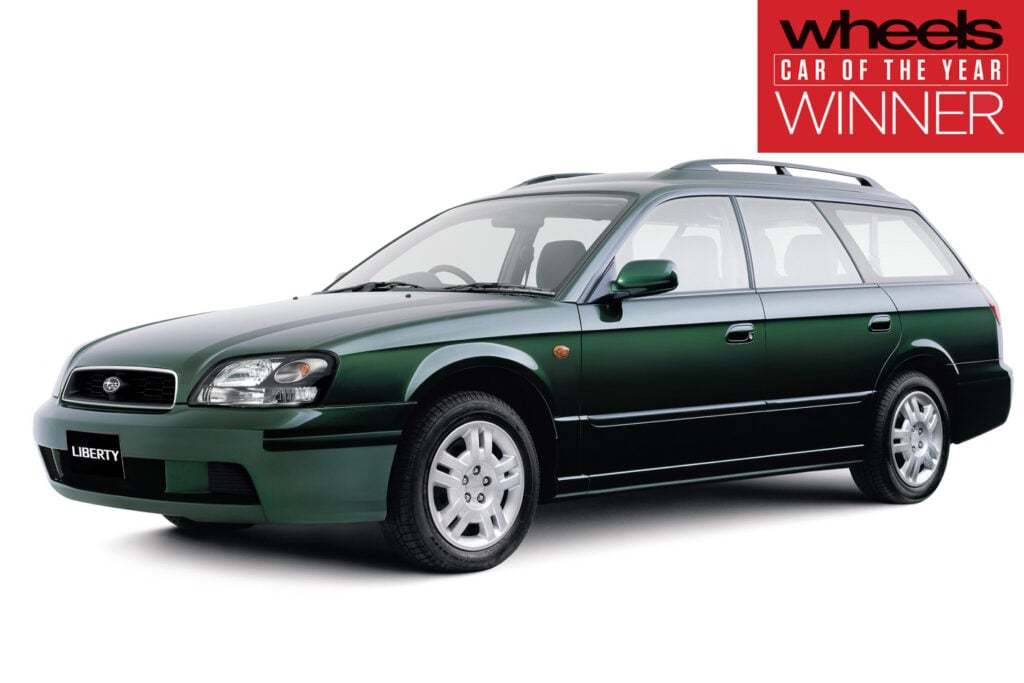
The Subaru Liberty presented so well that it won Car of the Year titles in 1994 and 1998 and somehow still managed to fly under the radar. In a repeating pattern, 1994’s victory followed that of the VR Commodore, and 1998’s followed the VT’s success.
And that could be where the problem lies. Local heroes stay memorable, but the sensible winners of the COTY trophy, those that rose to the top thanks to family-friendly packaging and stable all-wheel-drive handling, don’t always carry the same aura.
Holden Barina – 2001
1
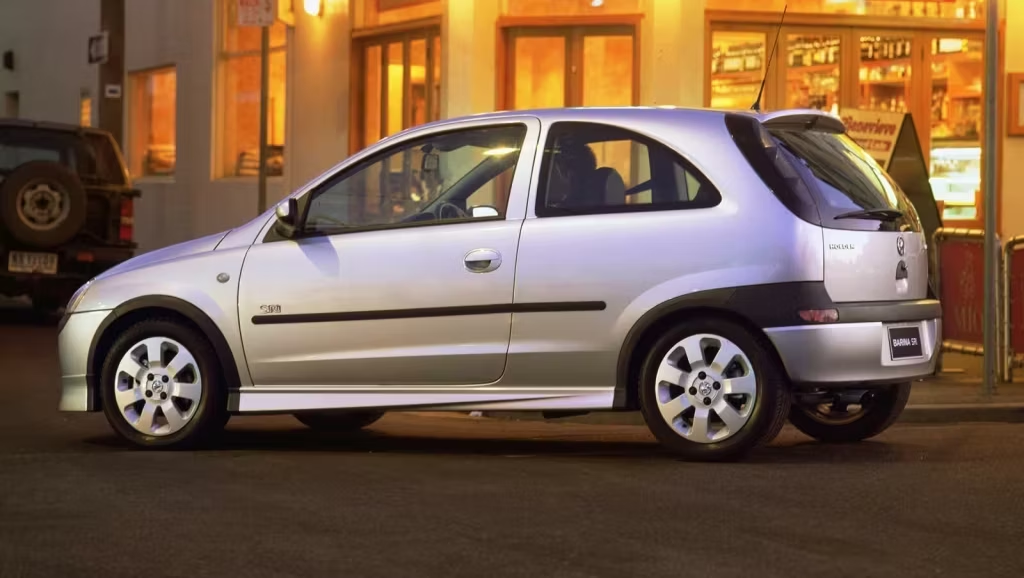
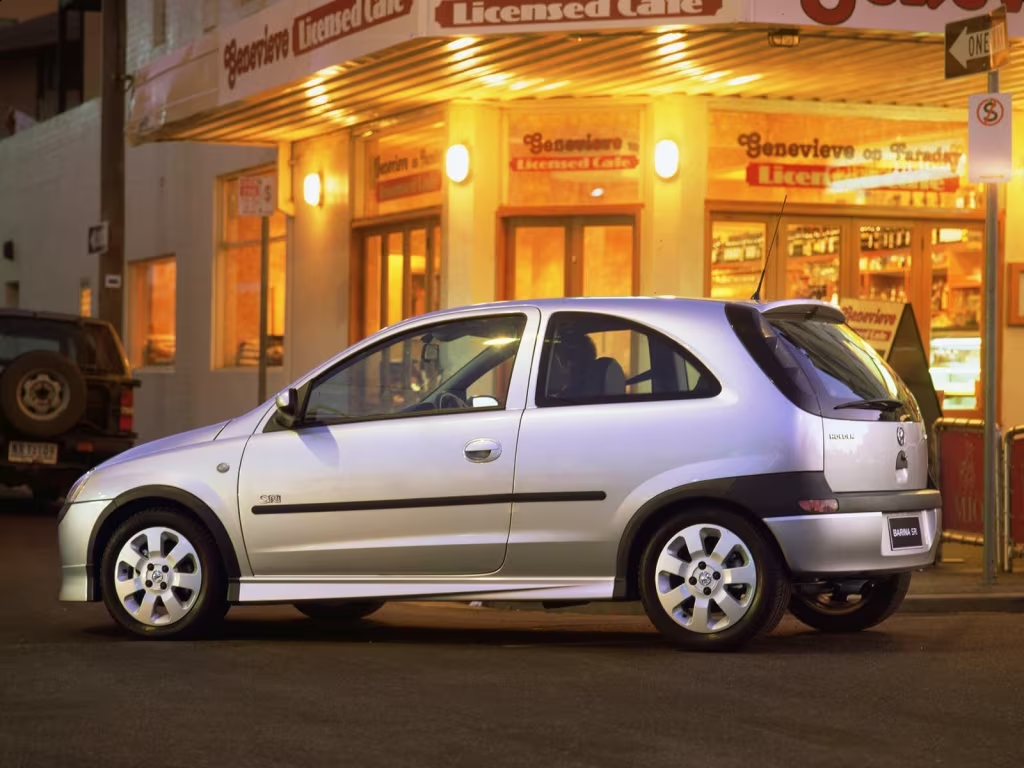
In a modern context, giving the humble Holden Barina a COTY win might seem like an anomaly. In 2001, the Euro-sourced hatch pushed the envelope with keen handling and premium presentation.
The cost would come as the generations of Barina that followed slid in terms of quality and handling. They tarnished a lineage that, until that point, had actually been quite strong. It became easier to forget the Barina was once one of the best cars you could buy than to face the reality of what Holden let it become.
Volkswagen Polo – 2010
1
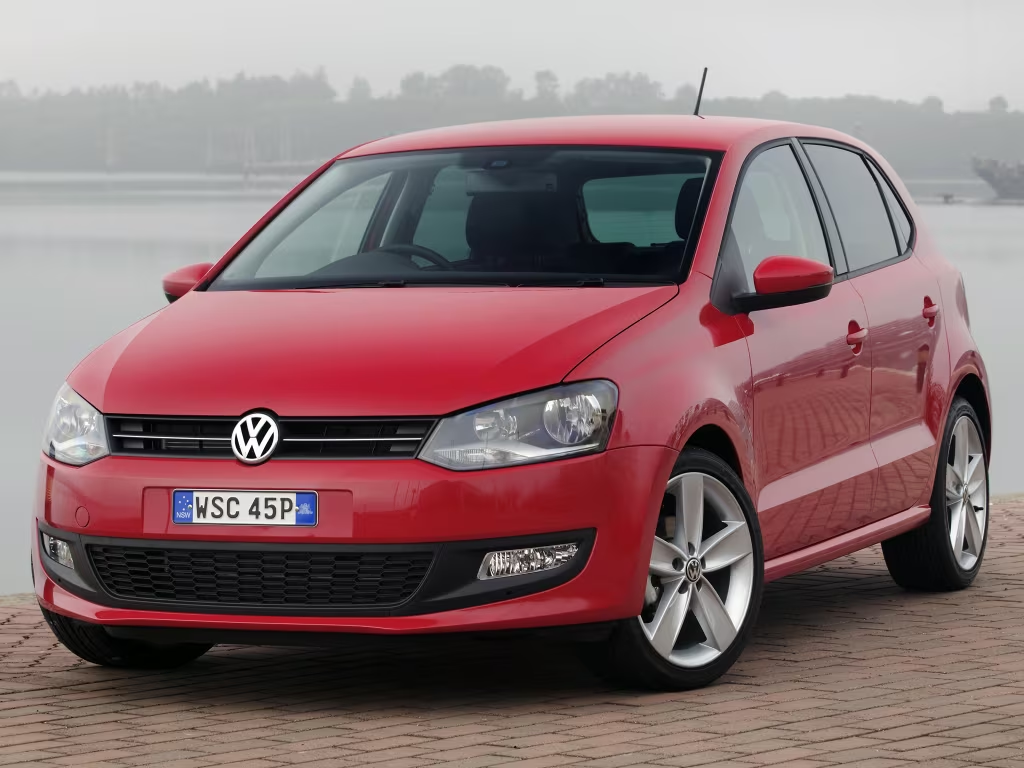
The Golf was crowned 2009 Car of the Year, and in 2010 the smaller Polo gave Volkswagen a second tilt at the award. It was no great surprise, given the premium feel and impressive handling of the Golf had filtered down to its stablemate.
The top three for the award also included the Nissan Micra and Renault Megane, so perhaps 2010 wasn’t the most memorable field overall. Still, it’s not hard to see how the Polo’s Golf-lite approach was a successful move.
Mazda CX-30 – 2021
1
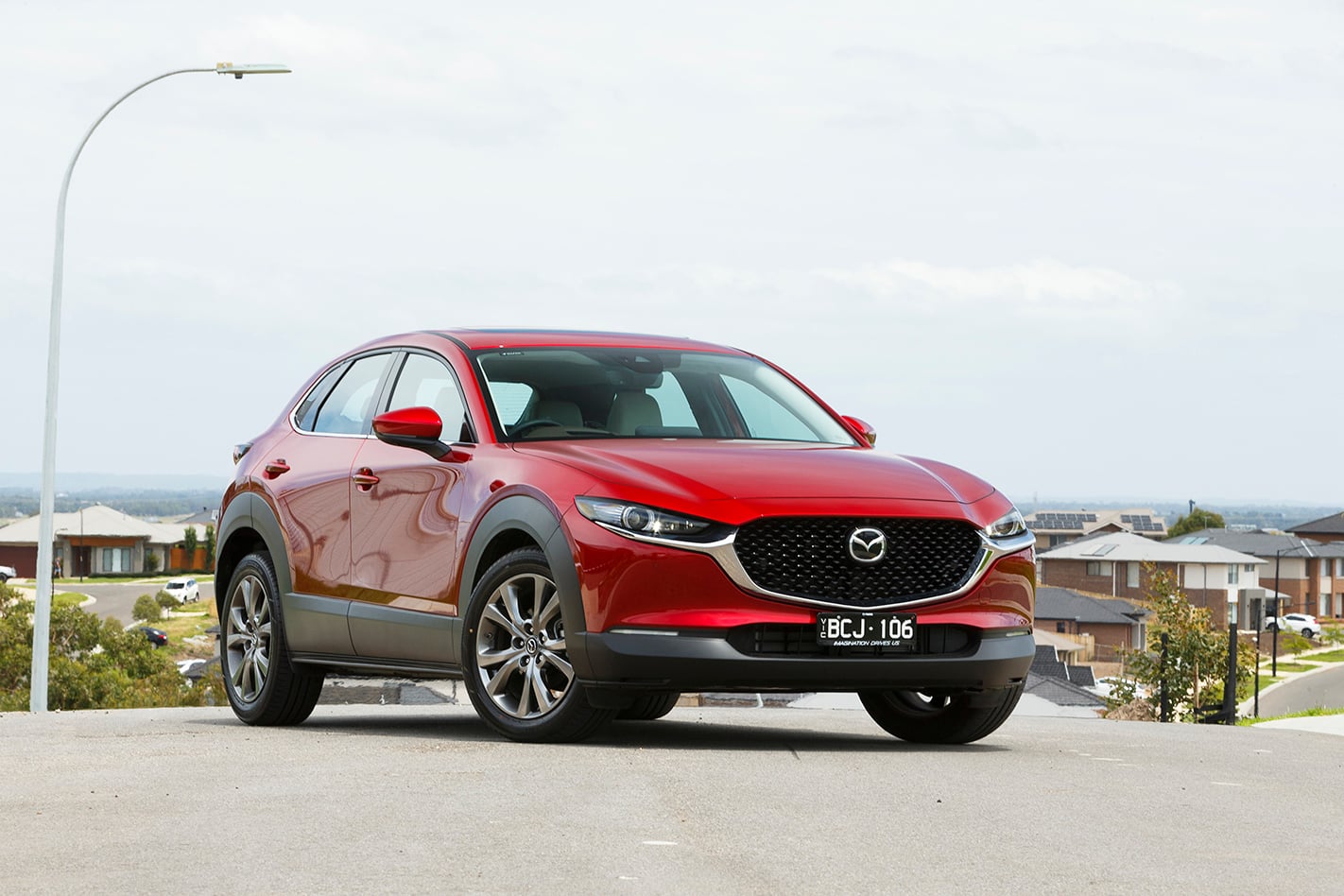
The 2010s saw the COTY silverware go to some incredibly noteworthy cars, like the Honda CR-Z in 2011, the BMW i3 in 2014 and the Mazda MX-5 in 2016. By 2021, a much more sensible winner was crowned in the CX-30.
Rather than outright technical innovation or extreme environmental credentials, it won unanimously because of how it elevated an otherwise uninspiring vehicle class. With a luxurious interior, dynamics that were more connected than they probably needed to be, and a sensible commitment to safety, Mazda understood what Aussies needed – even if it wasn’t the most defining car of the decade.
Follow WhichCar/Wheels on Google
Click the button below to make WhichCar by Wheels a preferred source for your news.

We recommend
-
 Classic Wheels
From the Wheels archive: Top 10 Turbo pioneers (and three stinkers)
Commonplace today, turbocharging was once a dark art, part science, part voodoo magic. Here are 10 of the best from turbo's early days.
-
 Features
Forgotten Australian cars that deserve cult status
Looking for a weekend car that’s an under-appreciated, under-the-radar classic? Any one of these overlooked models could be the next cult superstar.
