Features
Gallery 1
There are plenty of sought-after motoring legends, cars that instantly captured hearts and minds. But for every one of those, there’s a car lurking in the shadows. For every headline act, there’s a crucial bit player.
Whether they were overshadowed by attention-hogging members of their own line-ups, outshone by competitors when new, or simply never recognised for their efforts, these are the forgotten cars from Australian showrooms that deserve cult status.
Mazda 6 MPS
1
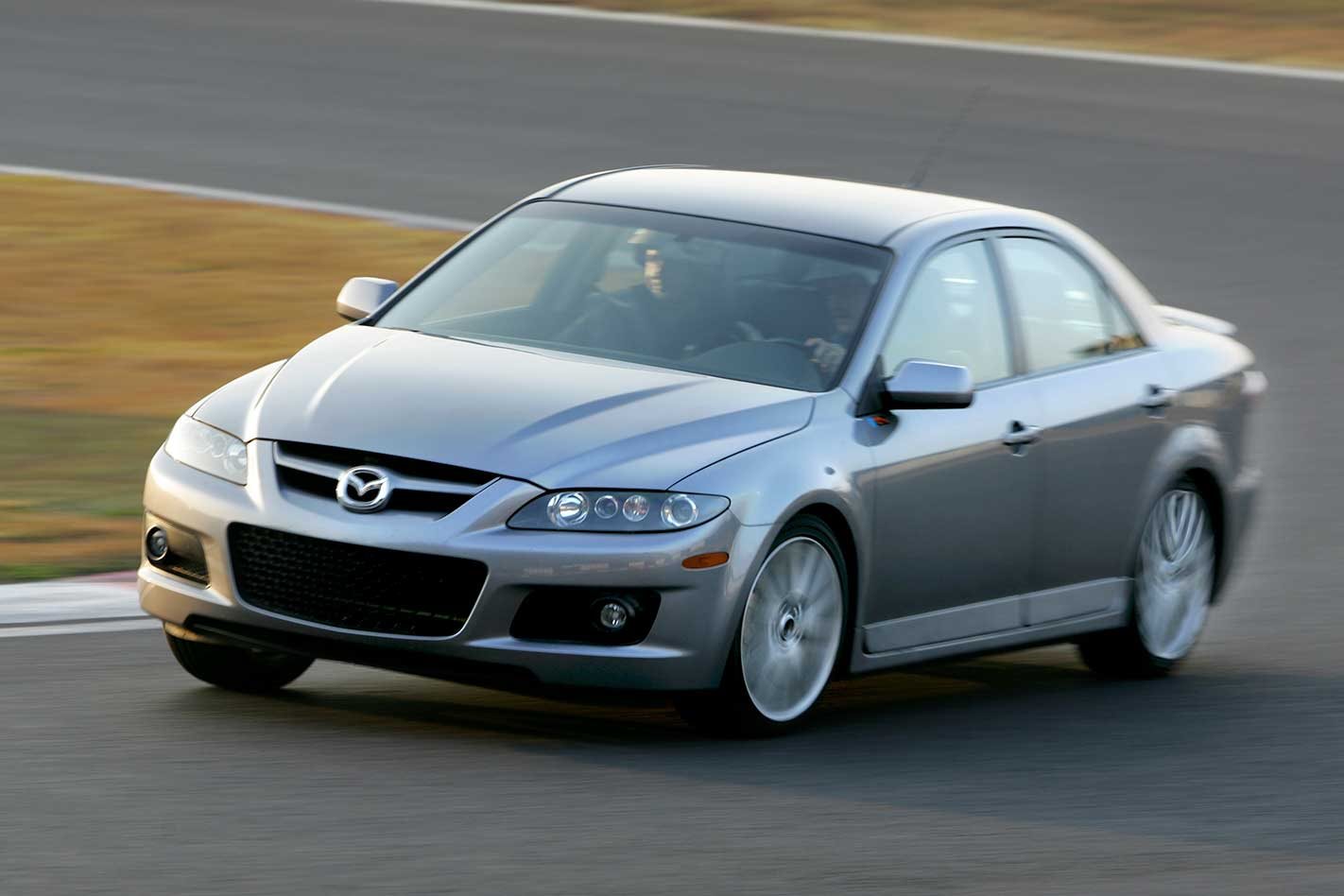
The smaller, cheaper, and arguably cooler Mazda 3 MPS got the lion’s share of attention, but the 6 MPS flew under the radar. Mazda’s internal brief for the car was to keep it subtle and understated on the outside, with an extensive powertrain overhaul that would appeal to those in the know.
Unfortunately for Mazda, the buyers it sought all went to Subaru for the same turbocharged all-wheel drive thrills, and a healthy dose of additional visual aggression lacking from the MPS. Despite this, Mazda’s gutsy 190kW/380Nm turbocharged 2.3-litre engine and ultra-responsive AWD gave the unassuming mid-size sedan true sleeper appeal.
Holden Astra VXR
1
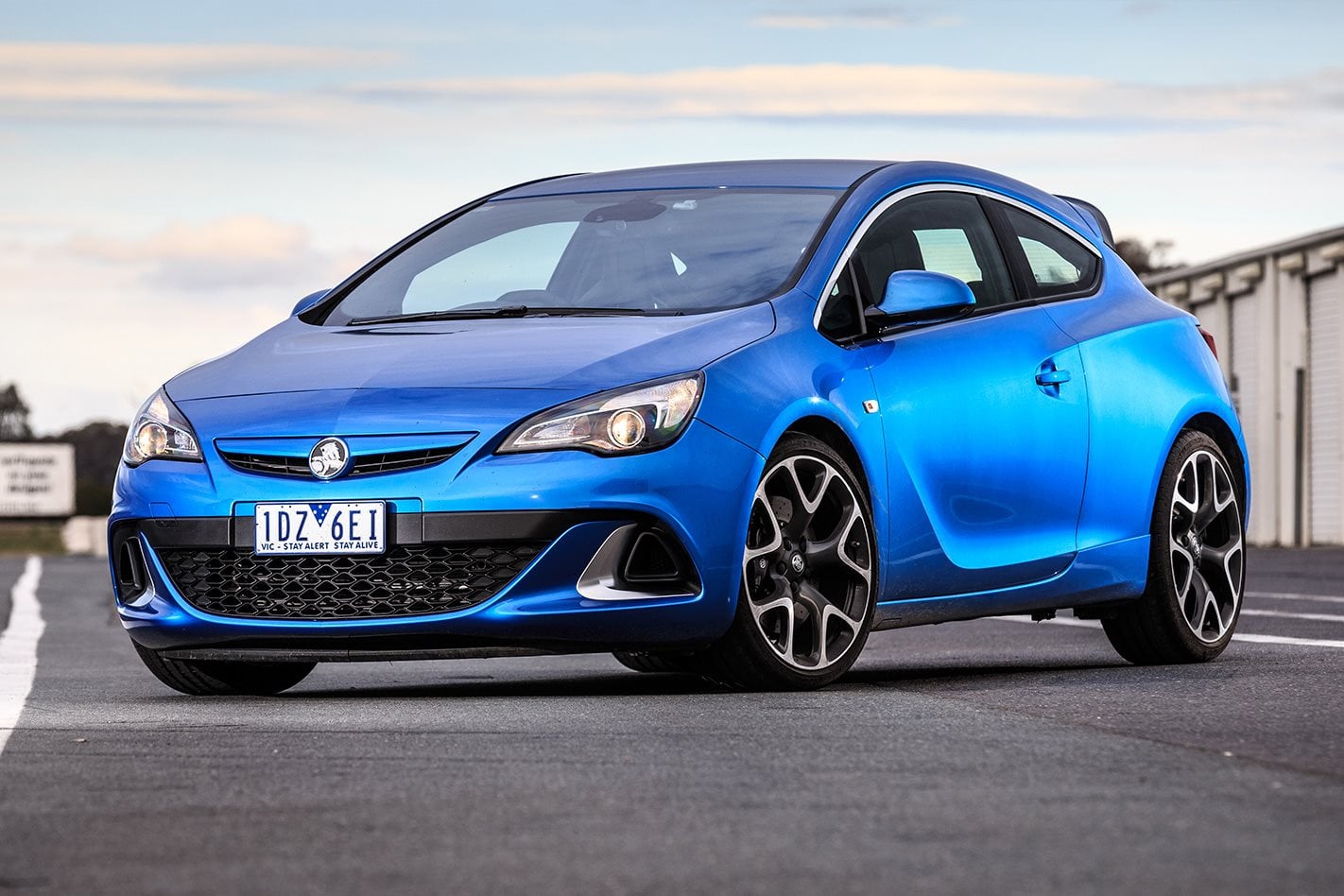
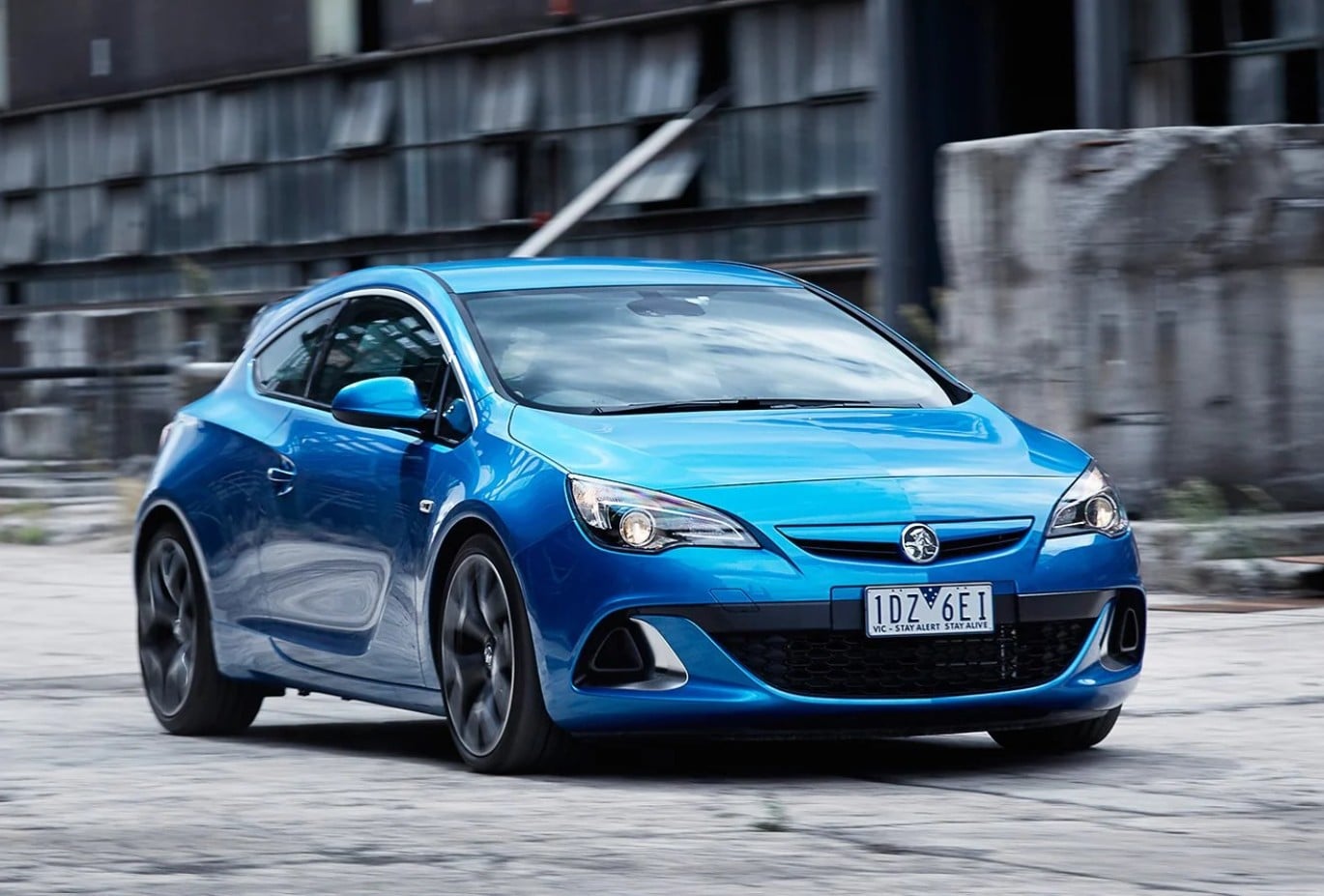
Some hot hatches, like the Volkswagen Golf GTI or Renault Megane RS, can’t escape their legendary reputation. Meanwhile, Holden’s Opel-developed Astra VXR struggled to get a look-in.
Aussies got their first taste of a true Holden hot hatch with the HSV VXR from 2006 to 2009, then it appeared in Opel showrooms as part of a disastrous one-year experiment in 2012, but after a brief hiatus the Astra VXR came to Holden dealers from 2014 to 2017 as a manual-only 206kW/400Nm terror.
Styling bordered on exotic, for the small car segment at least, and handling was incredibly sharp, with a HiPer Strut front suspension set-up that tamed torque steer and kept traction mostly in check.
Eunos 30X
1
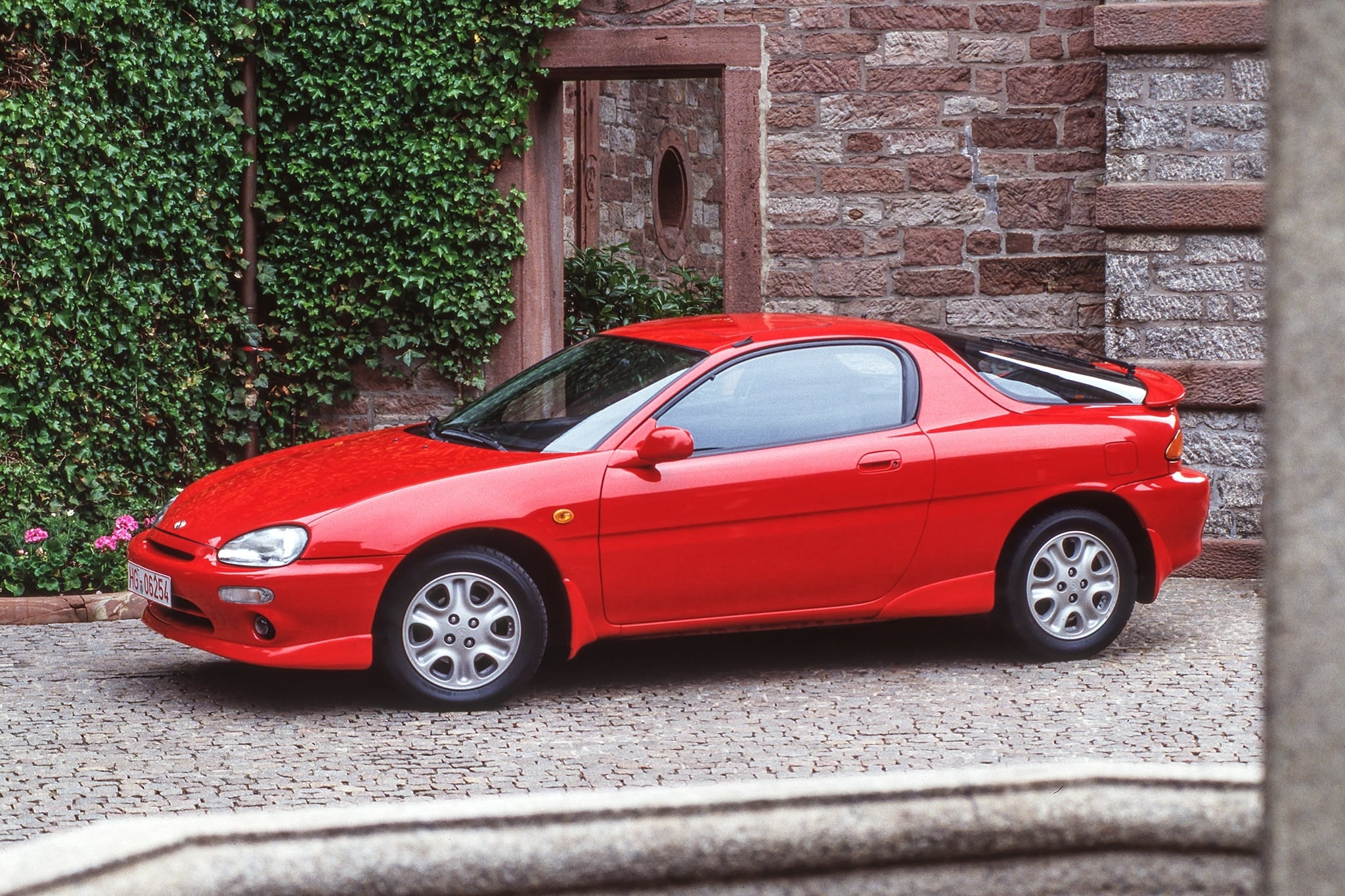
The Mazda MX-5 is a superstar of recognised desirability. Its posh coupe cousin, not so much. The Eunos 30X was a compact two-door from Mazda’s premium arm in the 1990s with one neat trick up its sleeve: Australia’s smallest V6.
At 1.8 litres, the 30X was even smaller than the 2.0-litre V6 in the 323 from the same era. Power was a modest 99kW, which sounds light by modern standards, but was appreciably better than the 85kW from a similar-era 1.8-litre four-cylinder Corolla.
Sadly, the 30X didn’t share the MX-5’s rear-wheel drive chassis, but it still had pin-sharp handling, absolutely loved the top end of its rev range, and the sound alone made up for any lack of power.
Ford Mondeo XR5 Turbo
1
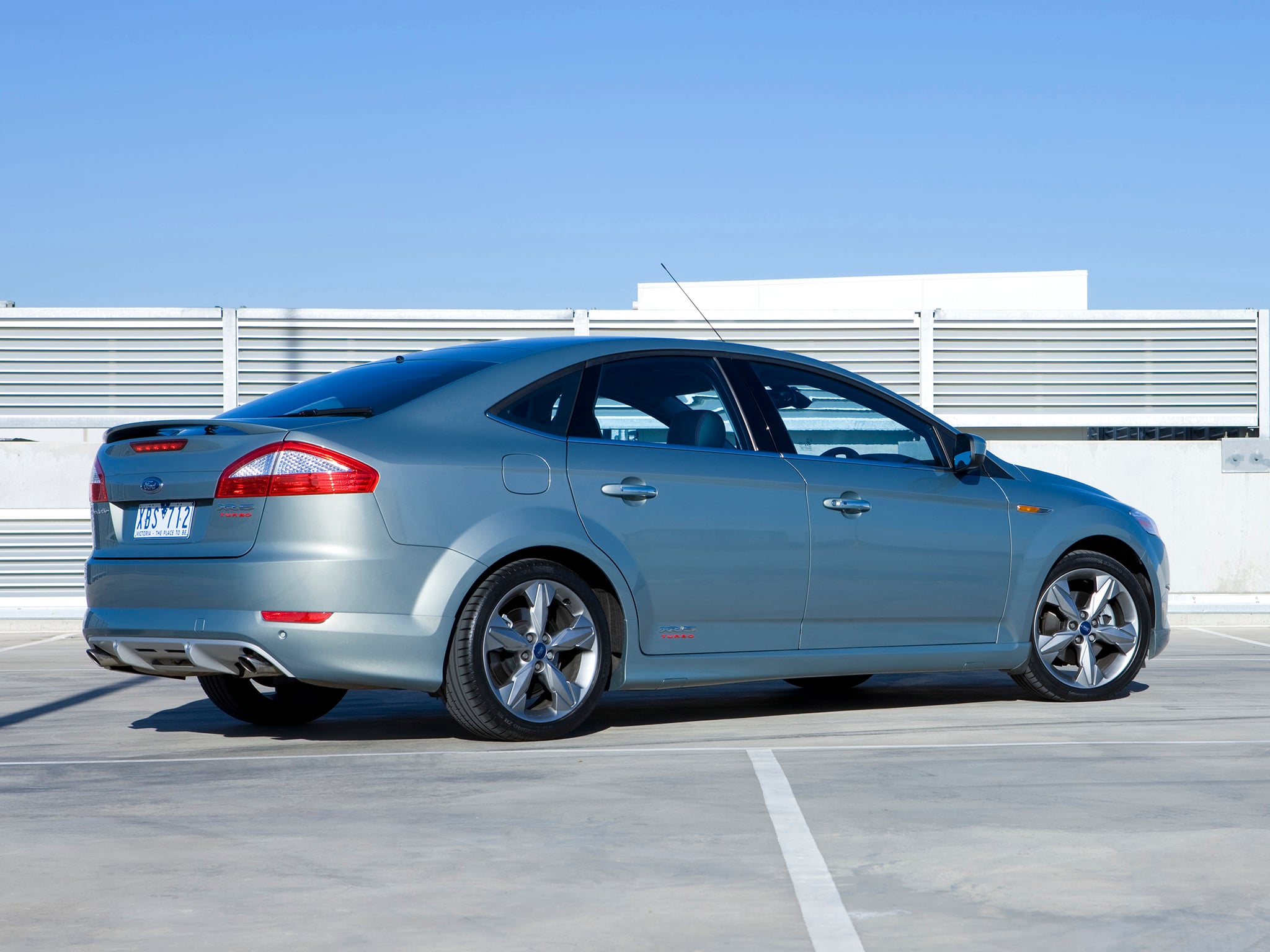
Ford dropped a version of Volvo’s turbocharged inline five-cylinder engine into the Focus and created a legend. They also did the same thing to the Mondeo, and it almost went unnoticed.
The Mondeo XR5 Turbo is about as unassuming a vehicle as you’ll find. No loud colours, no boy racer body kits. It’s a medium-size car, so it offers more back-seat and boot space than a Focus, and in standard guise, it’s a more comfortable way to ride out lumpy urban tarmac.
Today, secondhand values see the two draw almost level, and while it’s a little heavier and slower, the Mondeo is not far off the pace – not to mention the fact it’s got an almost supercar soundtrack with the right exhaust.
Porsche 944
1
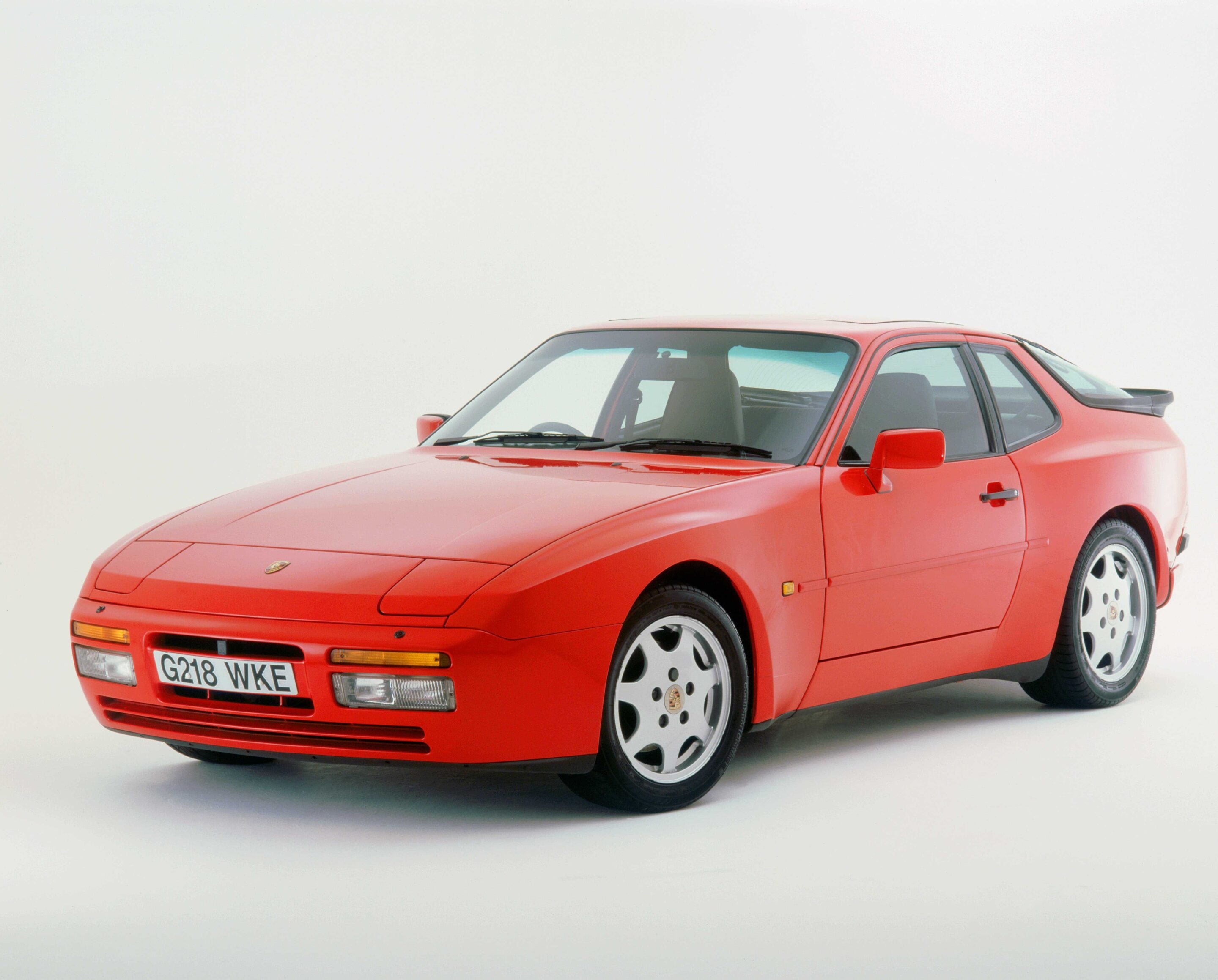
The Instagram era has made a good Boxster almost untouchable, and the 911’s popularity fuels its own fire. The 944, on the other hand, often gets overlooked, but is absolutely worthy of attention.
It lacks some ‘Porsche-ness’ with its front-engine layout, but the marque gave it near-perfect 50:50 weight balance, the engines and transmissions have stood up well over the years, and the handling was developed by Porsche. Never mind the horsepower numbers, drive it by feel.
The 944, although a little unlike the rest of the Porsche range, also has the very on-trend pop-up headlight thing going for it. Later versions get you some worthwhile interior upgrades and feel a bit more contemporary.
Nissan Pulsar ET
1
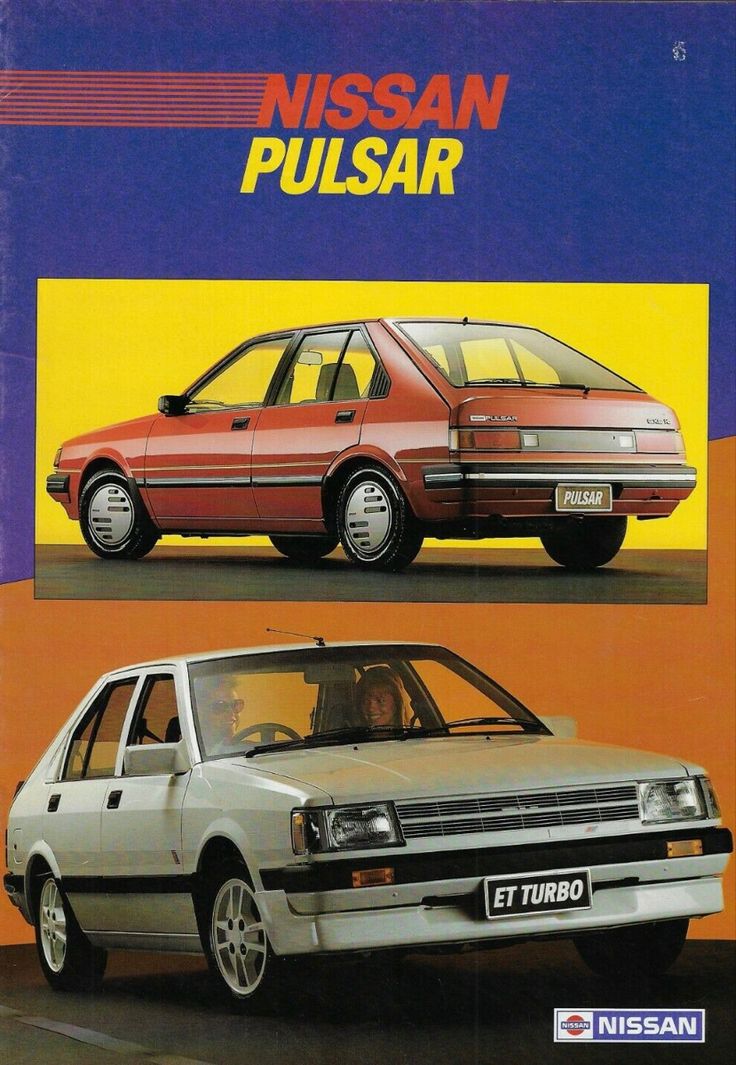
In the mid-1980s, Japan was just starting its turbocharged experiment, still a little exotic and a little mysterious. Not the kind of thing you’d expect to liven up an unassuming hatchback like the Nissan Pulsar.
The N12-generation Pulsar turbo is an easily missed notch in Australia’s motoring history. It was locally developed, albeit from a cache of Nissan global parts, with a lot of work put into making handling sharper, braking stronger, and torque-steer tamer.
The politically correct term for how the Pulsar ET feels on the road would be ‘connected’ but, perhaps more accurately, and against rivals like the Laser TX3, ‘unrefined’ also fits the bill. As a cheap, light, and flexible starting point, though, it offers plenty of potential.
Saab 9000
1
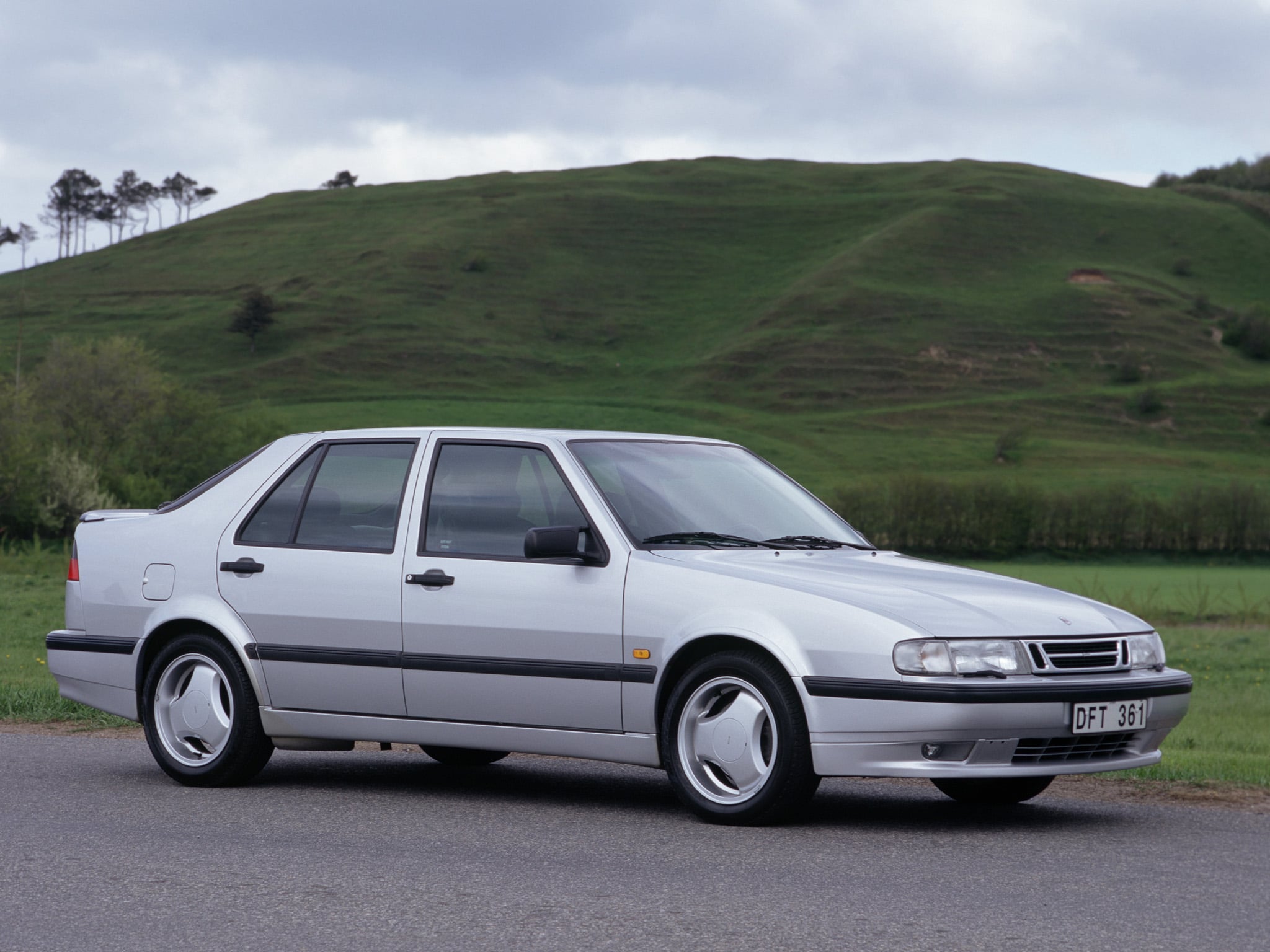
Australians seemed to miss the message, but some parts of the world understood the Saab thing pretty well. Forget Top Gear’s claim that to be a true petrolhead, you need an Alfa Romeo. Peak automotive-nerdom comes with a Saab.
Honestly, all of the company’s products are good, but the ‘90s-era 9000 offers rock-solid build quality, immersive interior comfort, and turbocharged performance that’s smooth and vigorous, rather than uncouth or outrageous.
No, the 9000 isn’t the best choice for anyone seeking corner-threading thrills or running regular quarter miles. It’s a different kind of automotive appreciation. Just ask a Saab owner.
HSV SV6000
1
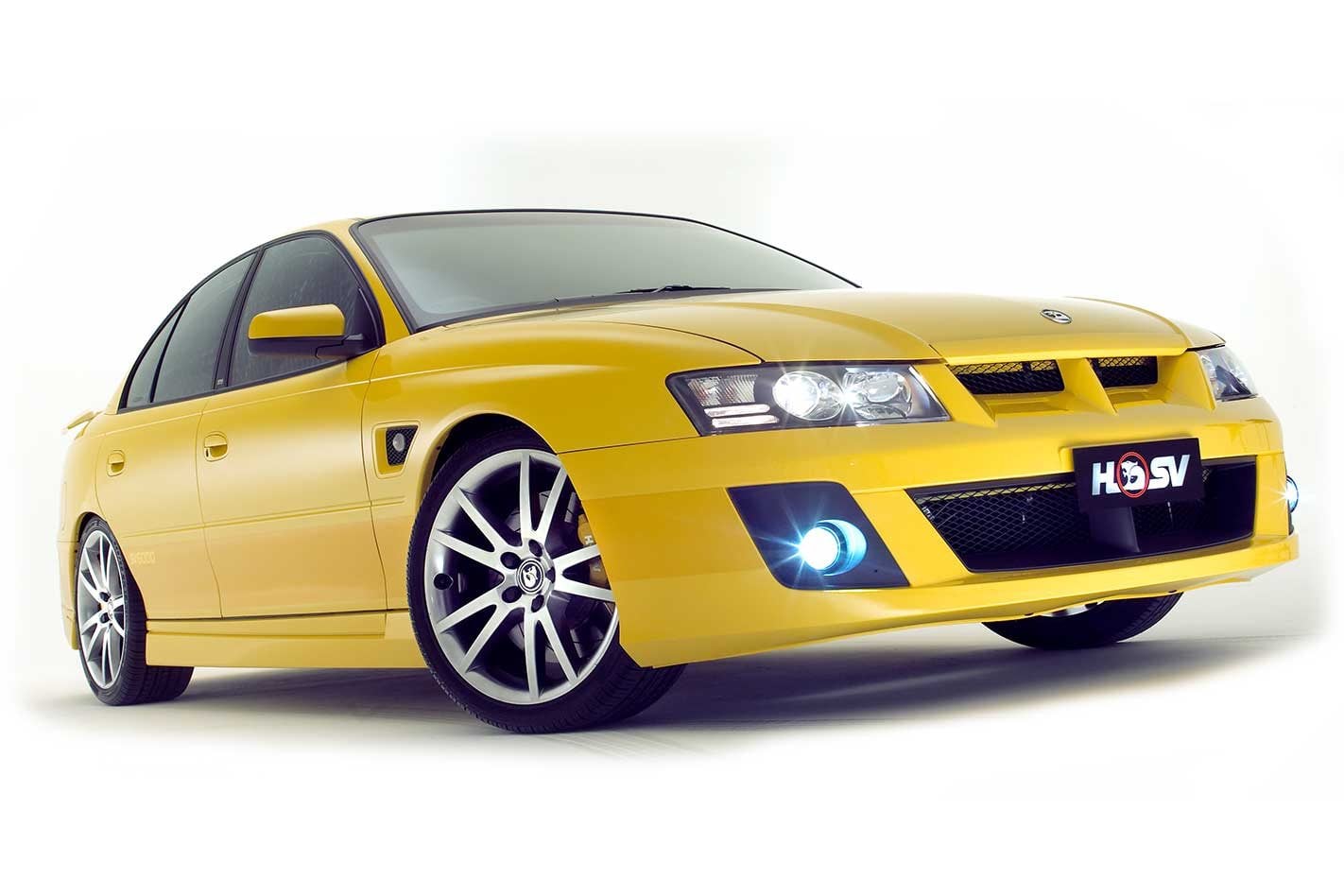
The VN-based SV5000 is one of HSV’s legendary foundation models, but 16 years later the Z-Series SV6000 didn’t hit quite the same high note. It’s rarer than the SV5000, and a stellar example of HSV’s attempts to integrate tech to the benefit of performance.
Ultimately, the 297kW 6.0-litre V8 was the same as you’d find in a Clubsport R8. The difference, for the special edition, was the inclusion of HSV Dynamic Driver Interface, touted as a world-first.
What you got was a GPS-enabled Dell personal digital assistant (PDA) that let you ‘record’ performance data for later analysis. Think oil and coolant temps, throttle position and anything else that had an in-car sensor. The setup was an early precursor to the integrated Enhanced Drive Interface that appeared in the later Gen-F2 HSV range.
HSV promised 50 of the limited-edition model, with the potential to expand to 100 if buyer interest was there. With no mention of a production extension, we can assume it was not. Finding one today – with a working DDI – would be something of a flex over your Clubsport and Senator-owning mates.
Follow WhichCar/Wheels on Google
Click the button below to make WhichCar by Wheels a preferred source for your news.

We recommend
-
 Features
10 Holdens that mattered: One year on from Holden’s Aussie factory closure
It’s an unwinnable argument, but let’s start it anyway: here are the General’s top 10 soldiers that made the most important contribution to the battle for hearts, minds and wallets
-
 Features
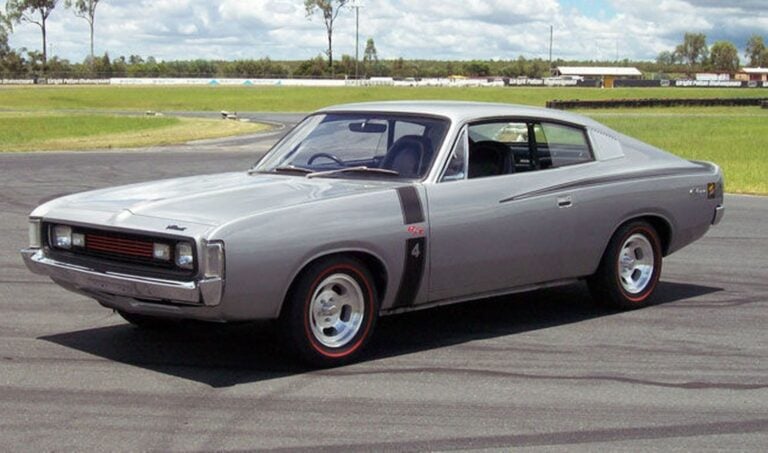
Six-cylinder heroes: The top 10 Aussie 'big sixes'
From turbocharged Falcons to supercharged Toyotas, these overlooked Australian six-cylinder heroes proved V8s were not the only local performance legends ever built for enthusiasts.
-
 Features
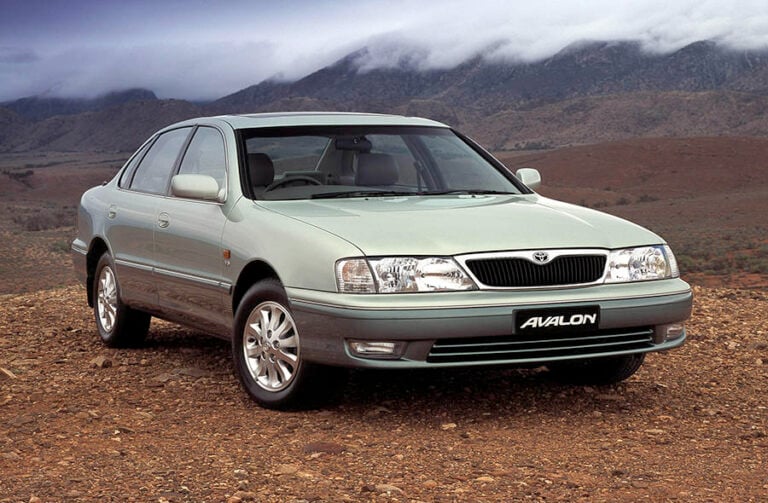
Forgotten Aussie flagships – top 10 range-toppers from our motoring heyday
Whether they were overlooked in their heyday or have simply faded from memory over time, here are 10 range-topping cars that you probably haven’t thought about in a while.