News
Gallery 1
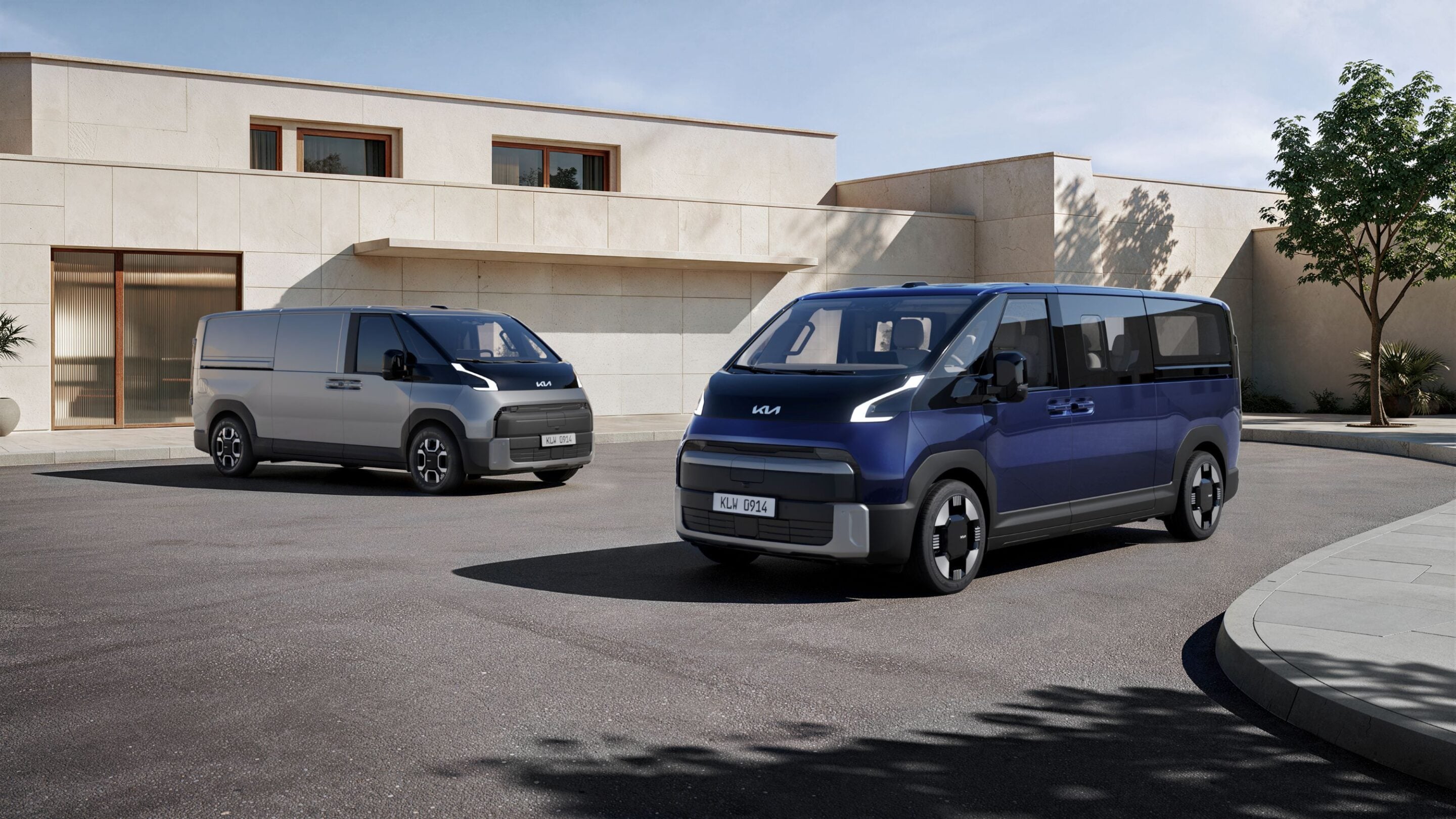
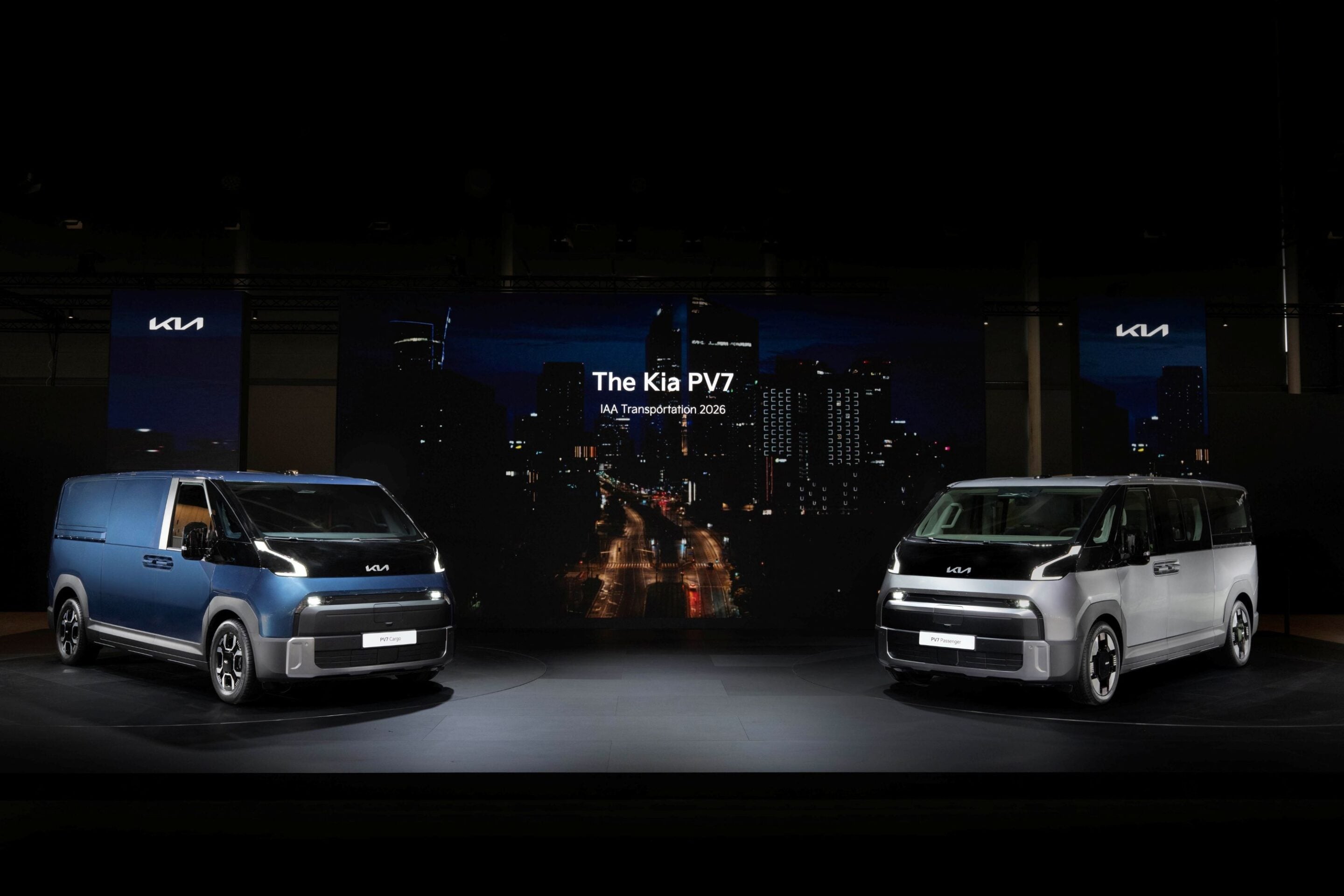
Kia has unveiled its new PV7 electric van at the IAA Transportation show in Hannover, confirming the second member of its dedicated Platform Beyond Vehicle (PBV) family will reach Australia in the fourth quarter of 2027.
Following the smaller PV5, the PV7 is aimed at a broader range of commercial and passenger applications, with Cargo and Passenger versions planned. Australian pricing, specifications and model grades remain under wraps, but Kia Australia says the PV7 will undergo its local ride and handling development program before launch.
At 5350mm long and 1995mm wide, with a 3500mm wheelbase, the PV7 is substantially sized and uses Kia’s dedicated E-GMP.S electric architecture. Two nickel cobalt manganese battery packs are available globally, with capacities of 71.5kWh and 96.2kWh.
2
Depending on configuration, the front-mounted electric motor produces up to 200kW and 420Nm. Front-wheel drive will initially be standard, although Kia plans to introduce an all-wheel-drive version later. The Long Range Cargo model has a claimed WLTP driving range exceeding 460km.
An 800-volt electrical architecture allows the battery to be charged from 10 to 80 per cent in the mid-20-minute range using a 350kW DC charger. The PV7 also introduces dual charging ports for Kia, comprising a front AC/DC connection and an optional rear-side AC port.
Cargo versions prioritise carrying ability, with the Cargo Long providing 6.1 cubic metres of space and the High Roof increasing that to 8.0 cubic metres. Payload reaches 1165kg in the Long and 1200kg in the Compact, while the Long’s 550mm loading height is designed to simplify loading.
Passenger versions can accommodate up to nine people in global markets, with removable and adjustable seating configurations. Seven-seat models feature long-rail removable seats, while rear climate control, USB-C charging and power sliding doors are among the available equipment.
1
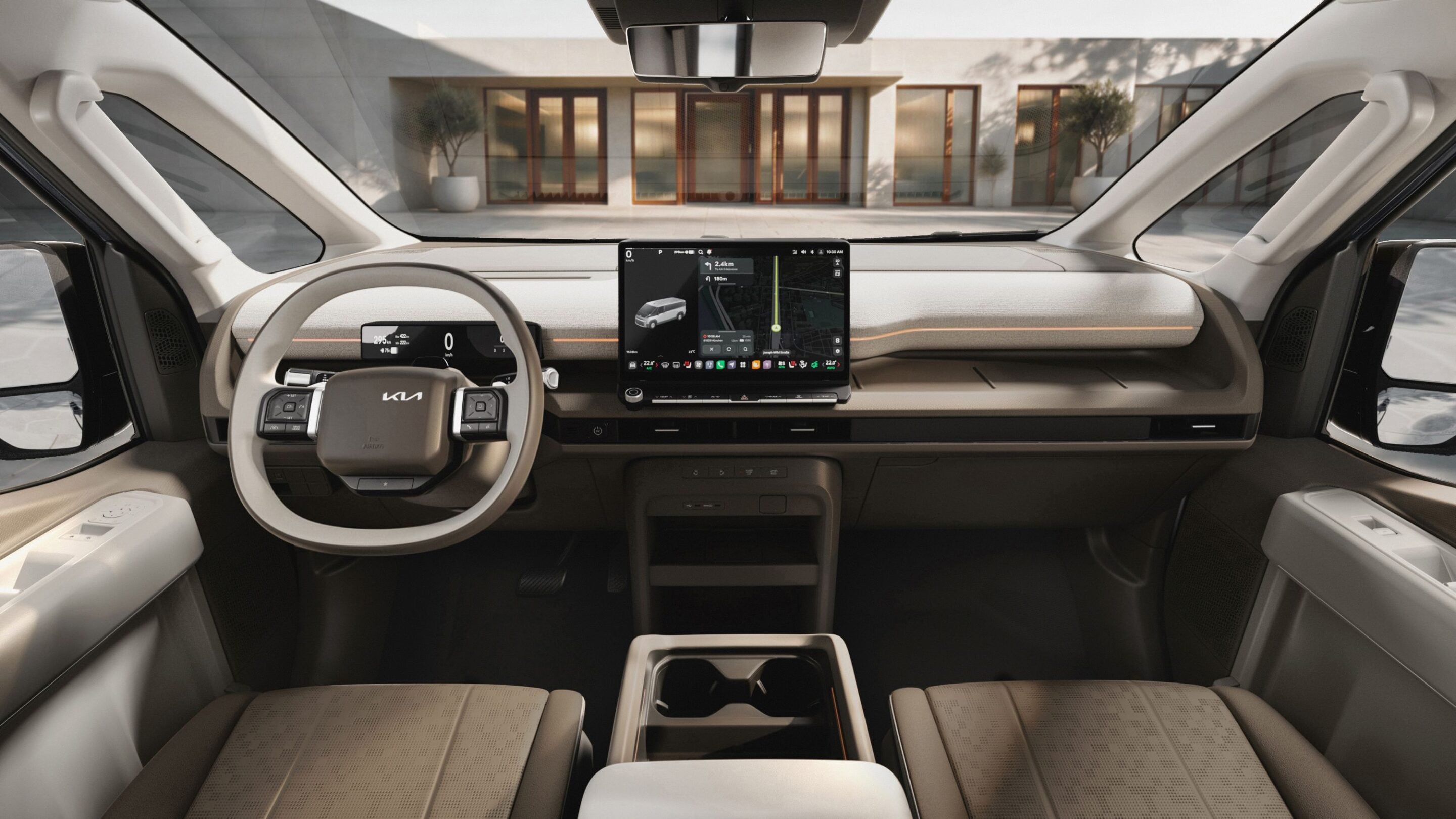
Technology includes Kia’s Android Automotive-based Pleos Connect system, over-the-air updates and an AI voice assistant, while Vehicle-to-Load capability can power external tools and equipment.
Kia ultimately plans 23 PV7 derivatives, spanning Compact, Long and High Roof Cargo models, Passenger versions, a Chassis Cab and specialised conversions. The even larger PV9 is scheduled to follow in 2029.
Follow WhichCar/Wheels on Google
Click the button below to make WhichCar by Wheels a preferred source for your news.


We recommend
-
 Comparisons
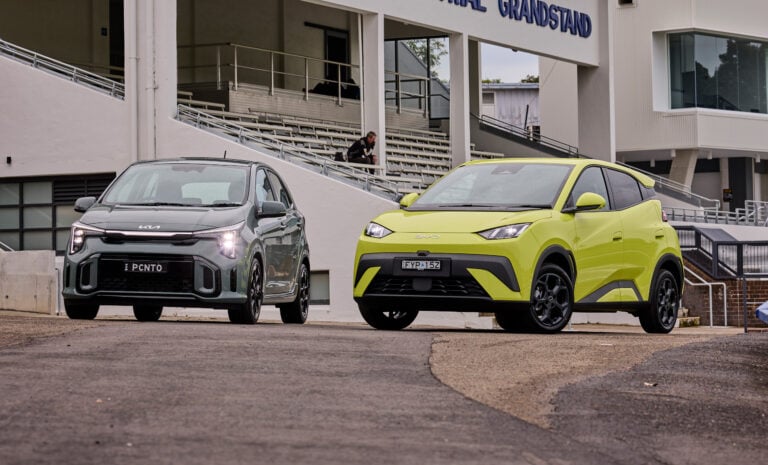
Comparison: Kia Picanto v BYD Atto 1, a contest between two of Australia's most affordable cars
Two answers to the same question – what is Australia’s most affordable car?
-
 News
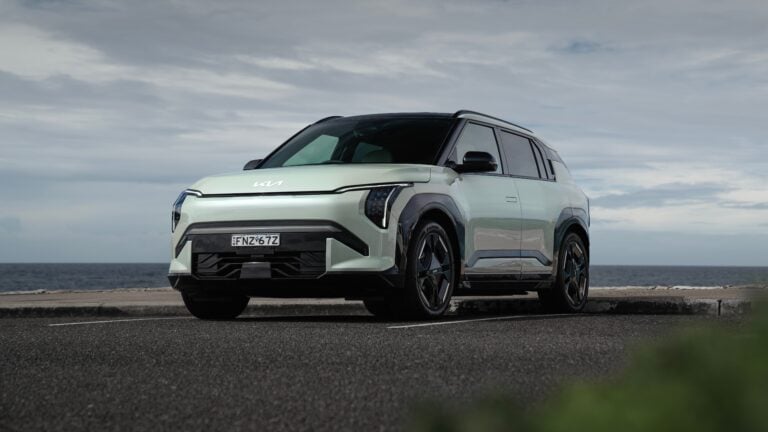
NewsKia adds new top-spec grade to EV3 small electric SUV line-up
Those looking for an all-wheel drive electric small SUV now have another option in the Kia EV3, which now offers an AWD version of the top-spec GT-Line.
-
 News
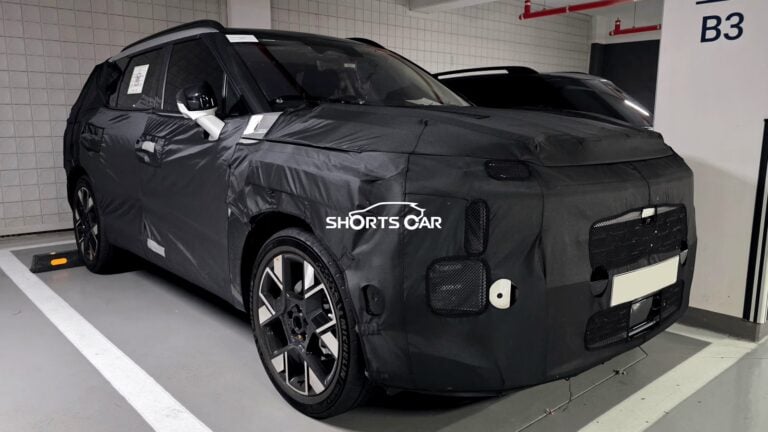
NewsSpy shots reveal 2027 Kia Sportage's Seltos-like new design
The first glimpse of what to expect from the next Kia Sportage has been caught in South Korea.