News
Gallery 1
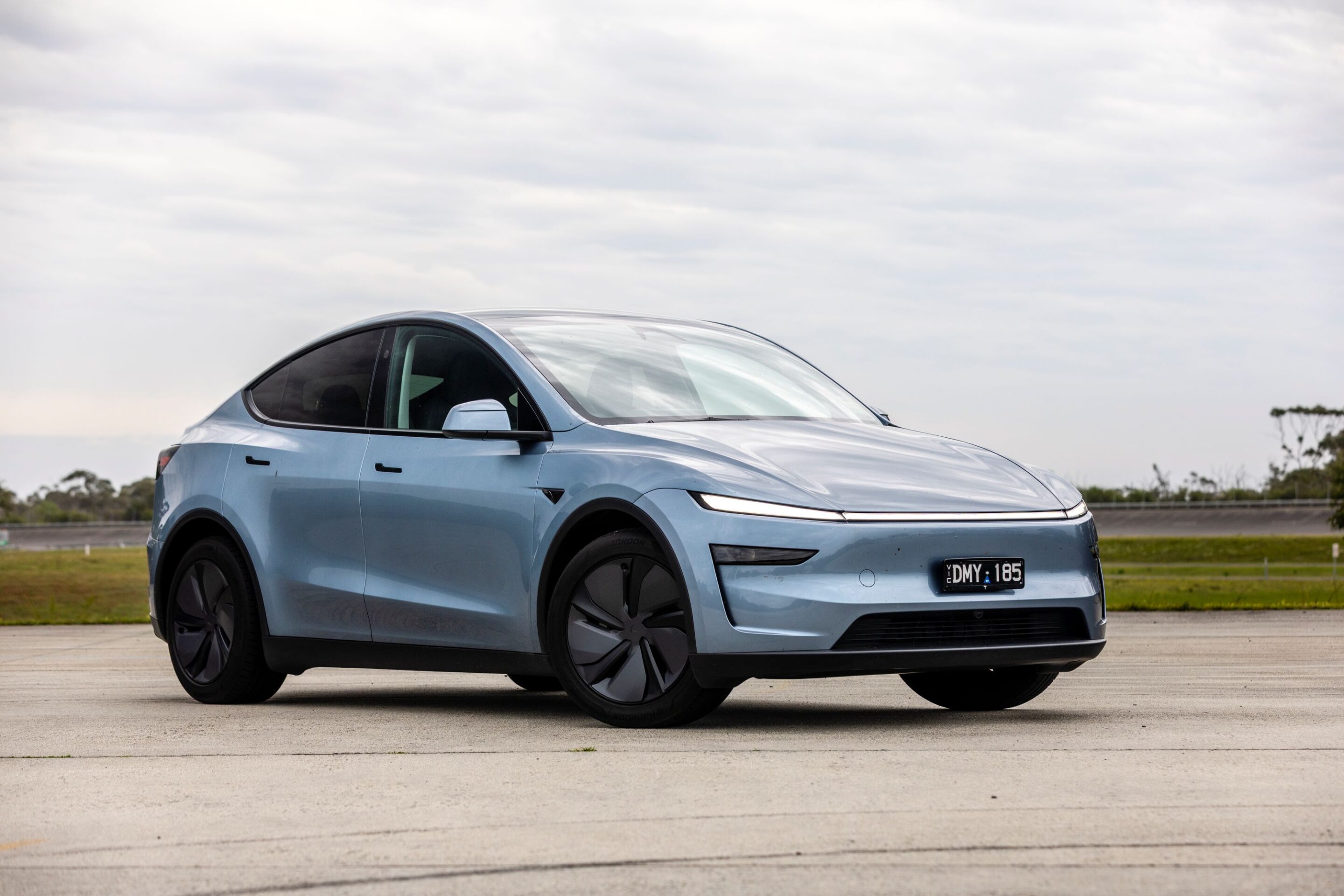
Tesla has released figures on how its Full Self-Driving (Supervised) tech has worked in Australia and New Zealand after driving 160 million kilometres over the course of 12 months – and the safety findings are highly impressive.
The company’s data compares how models using FSD fared against manually driven cars that travelled 2.4 billion kilometres with their active safety features enabled. Results showed major reductions of up to 90 per cent in a range of safety-related categories.
5
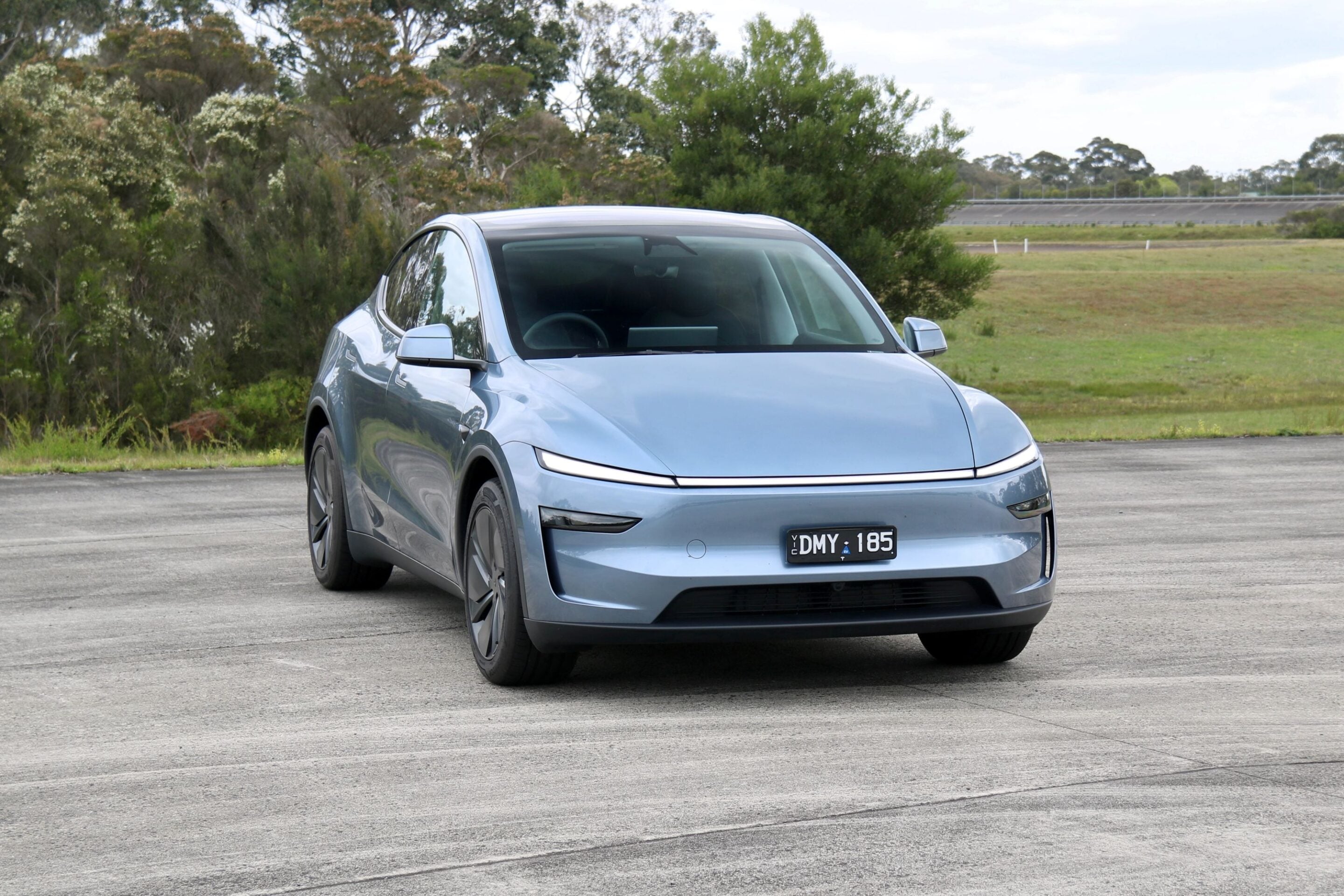
Most importantly, Tesla’s figures show vehicles with FSD had a 40 per cent reduction in major and minor collisions in comparison with the non-FSD cars. The tech reduced the rate of a collision from one every 1.07 million kilometres travelled to one every 1.78 million kilometres driven.
Every category related to driver interventions and abrupt moves on the road saw a drop when FSD was used.
Use of automatic emergency braking fell by 66 per cent in Teslas using FSD. Harsh acceleration fell by 86 per cent, harsh lateral acceleration saw a drop of 76 per cent, and horn usage fell by 80 per cent.
The biggest improvement was a 90 per cent reduction in harsh braking, which occurred once every 180km with manual driving but just once every 1823km with FSD in operation.
FSD is not a fully autonomous driving system like the software used in Tesla’s CyberCabs. Instead, it allows vehicles to navigate by themselves on set routes with driver supervision.
5
Tesla rolled out Version 14 of the technology in Australia and New Zealand in June, and it’s estimated that about 50 per cent of all Aussie Tesla owners have purchased the tech.
The road safety numbers come soon after it was revealed that one of Australia’s biggest insurance companies is cutting the price of coverage for Tesla drivers who use FSD.
Zurich made the decision to offer the discount “due to the reduced risk associated with supervised self-driving”, according to the company’s head of general insurance, Alex Morgan.
Follow WhichCar/Wheels on Google
Click the button below to make WhichCar by Wheels a preferred source for your news.

We recommend
-
 News
NewsThe Tesla Roadster finally gets a debut date after nine years of waiting
Tesla first showcased the second-generation Roadster in 2017 before the project was hit with a seemingly never-ending series of delays.
-
 News
NewsAussie says driving Tesla Model Y for 40,000km cost him just $713 in electricity
The Tesla went on regular highway trips and DC fast-charging sessions as it clocked up the amazing numbers over three years.