News

Gallery 1
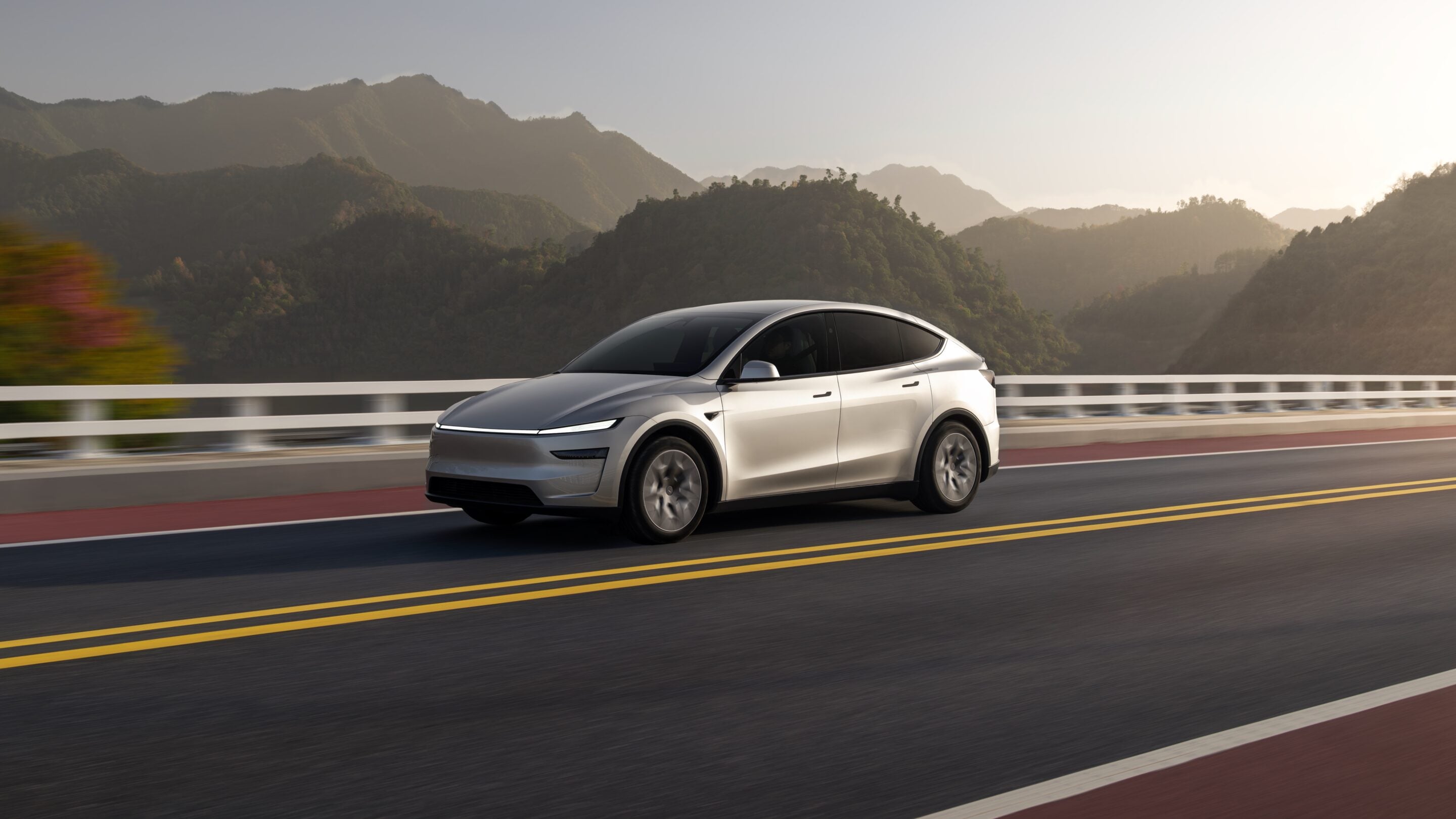
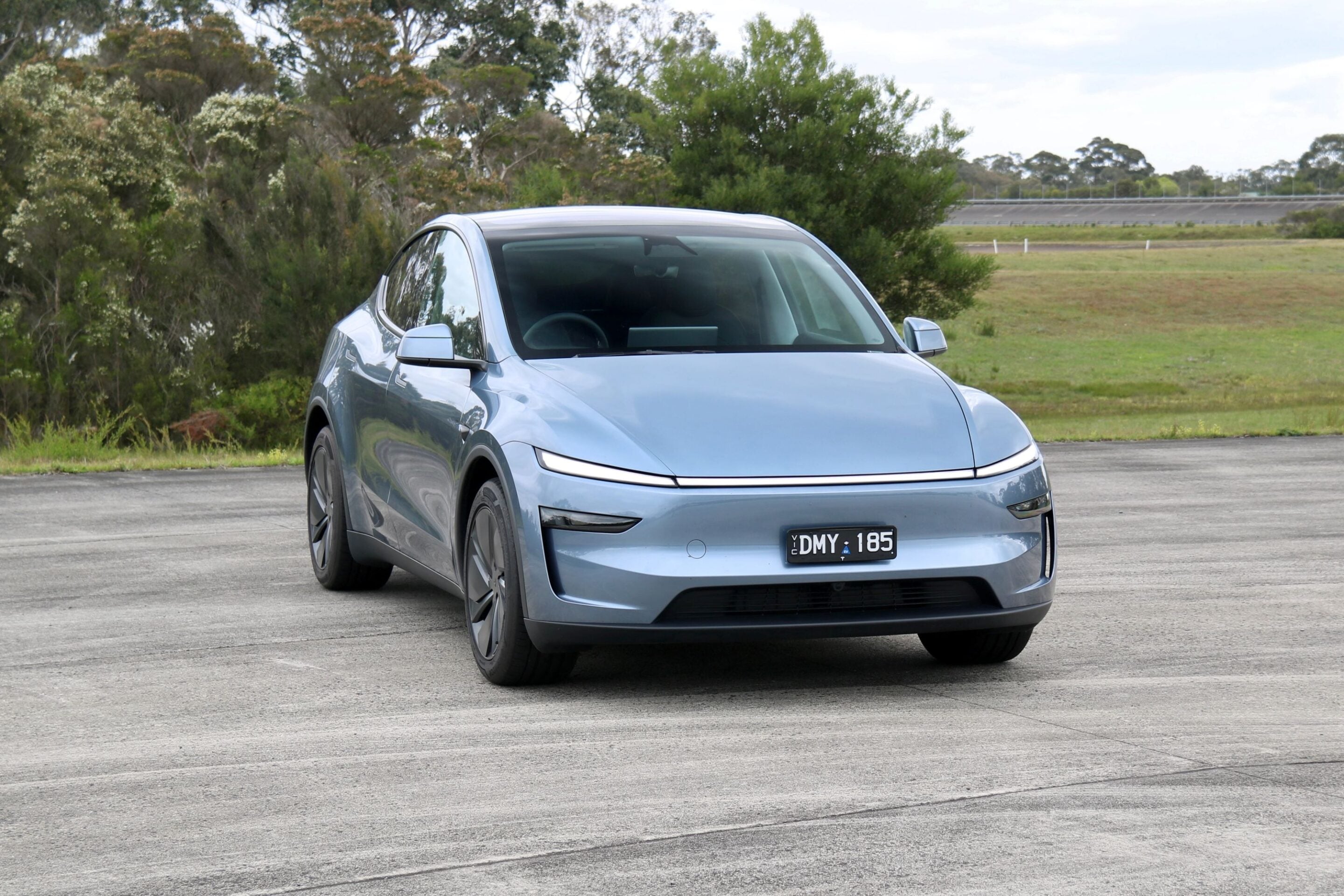
A driver has posted a detailed look at how he paid just $713.47 in charging costs while travelling 40,000km in his Tesla Model Y over the last three years. Mahmudur Rahman said the key to the incredible frugality was smart use of solar-generated electricity and home power, with only some fast charging thrown in.
Rahman, who says he has a PhD in environmental modelling and more than a decade of experience in data science, aimed to find out “the actual reality for an average family” when it comes to the cost of running an EV, with his average energy consumption coming in at 15.0kWh/100km despite several long highway journeys.
7
“Picture the typical Australian family lifestyle: you use your primary car for daily city commuting work (work runs, school drop-offs, weekend groceries), and you take 1 to 2 family interstate road trips per year during school holidays along major highway corridors,” Rahman wrote for Techwheel.co, a “community-powered data resource” that aims to cut through misinformation about EVs, solar and battery power.
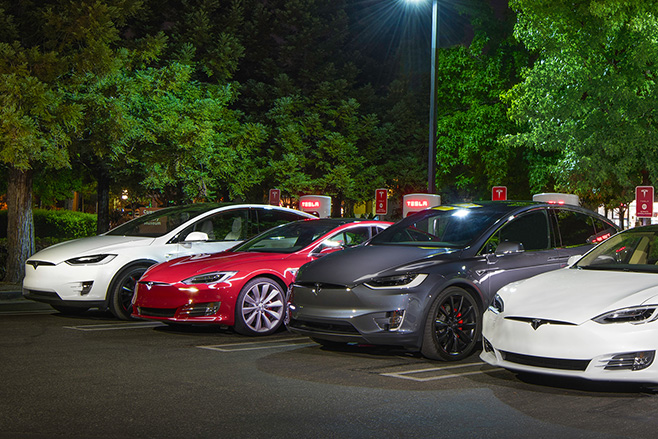
He revealed that he needed to use a DC fast charger 41 times – always at a Tesla Supercharger station – which averaged out at approximately one session per month “heavily clustered around annual family road trips” during school holidays and long weekends. That amounted to 7469km of the total distance covered, with urban trips accounting for 32,351km.
Rahman also broke down the gap in efficiency between highway and city driving, with the former coming in at 17.0kWh/100km, the latter at 14.54kWh/100km. His primary charging source during commuting in the city was a home charger using rooftop solar, which provided 4730kWh of electricity. The DC fast charging chipped in with 1269kWh.
4
A table that breaks down the costs contains several vehicle charging scenarios. The $713.47 figure comes under “free solar home” power. Rahman has calculated that using the method saved him $4746.53 compared with filling a petrol SUV at $1.95 a litre, with a fuel efficiency of 7L/100km. Filling up on a 7c/kWh home plan would cost $1044.59, while only using the Tesla Supercharging system at 60c/kWh would have set him back $3600.
Rahman also pointed out that his average time spent at a Supercharging station was 20.6 minutes which “matches restroom and coffee breaks perfectly” on long highway trips. The average cost of those DC refills was $17.40 for 30.97kWh of power, or about 182km of highway range.
Follow WhichCar/Wheels on Google
Click the button below to make WhichCar by Wheels a preferred source for your news.

We recommend
-
 Comparisons
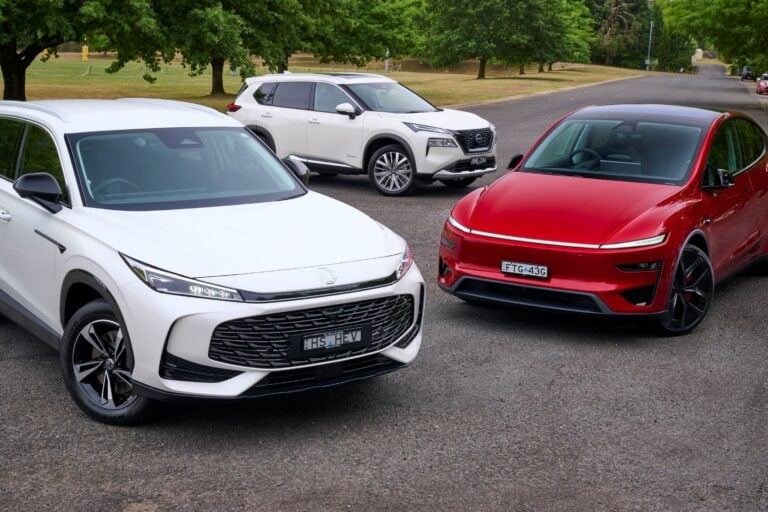
Powertrain battle! Nissan X-Trail v Tesla Model Y v MG HS Hybrid+
Australian buyers love medium and large SUVs – and the choices have never been more broad than they are right now. The question is, which powertrain suits you? best? Regular hybrid, petrol generator electric, or full electric? Three very different combatants duke it out
-
 Advice
Which are the longest-range electric cars in Australia?
These are the longest driving range EVs on sale in Australia today, plus everything you need to know about range claims